Top 15 Best Welding Positioner Manufacturers to Watch in 2025 | Updated List
Key Takeaway: In industrial welding, the ability to be precise and efficient at the time of execution depends heavily on industrial welding positioners. Weld positioners are essential machines that aid in welding by accurately positioning and rotating the workpieces, leading to good welding and better productivity.
Introduction to Welding Positioners
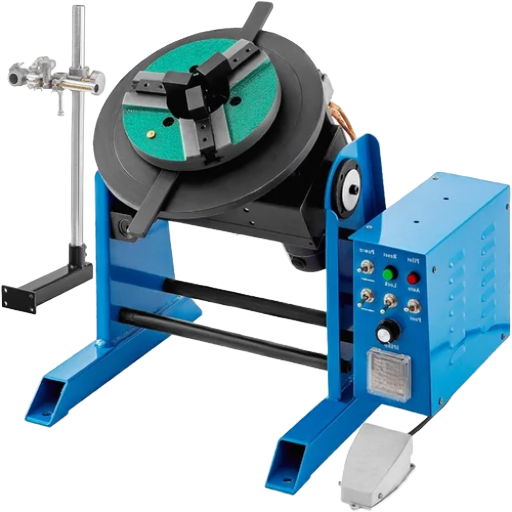
What is a Welding Positioner?
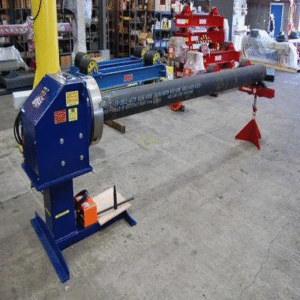
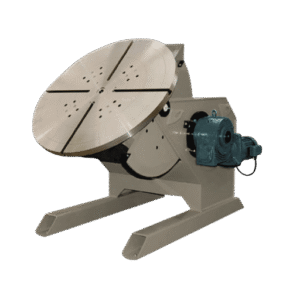
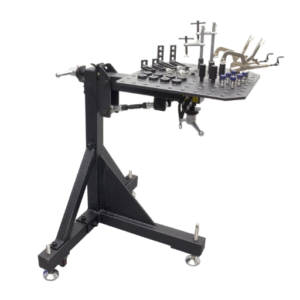
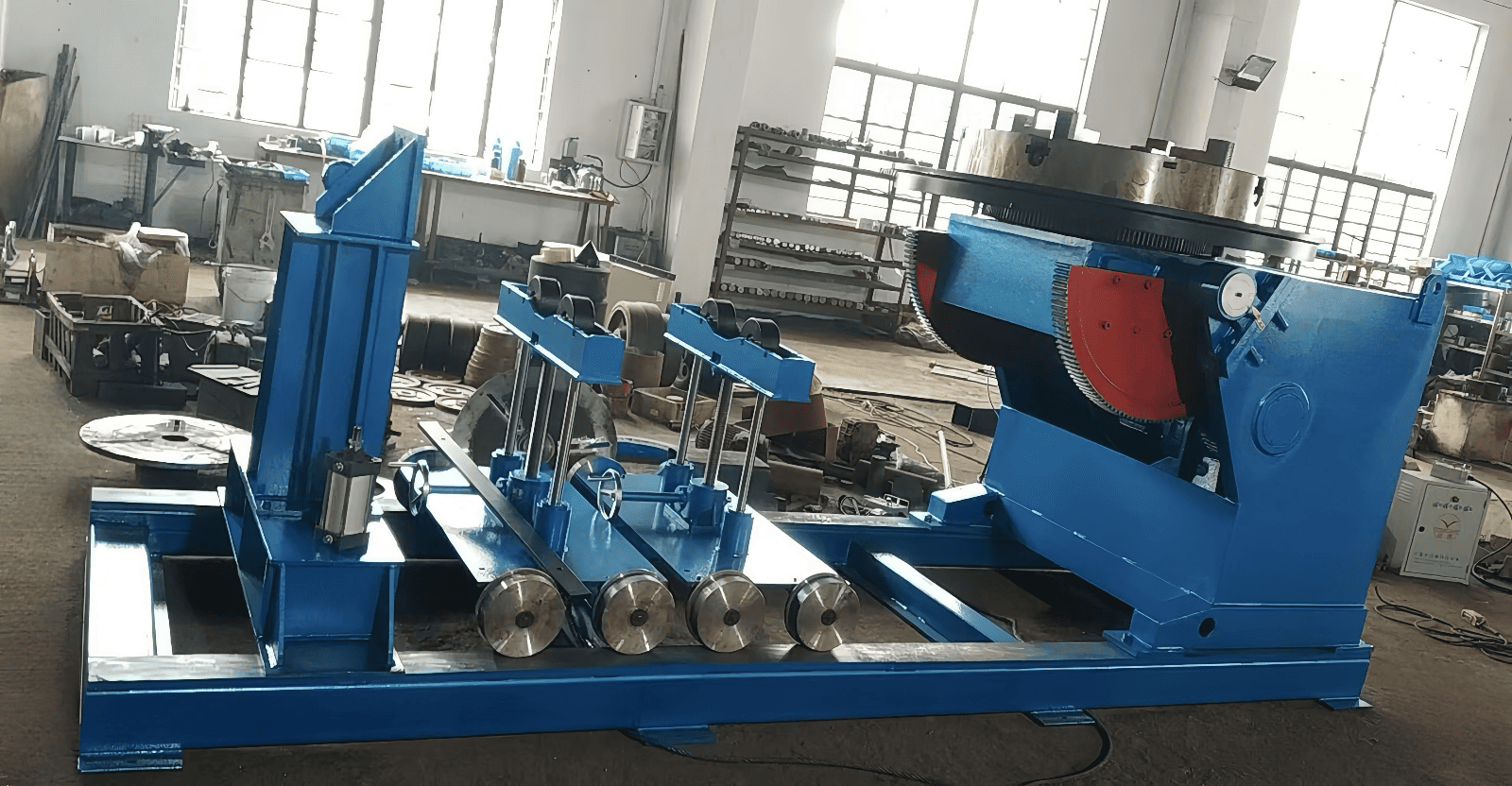
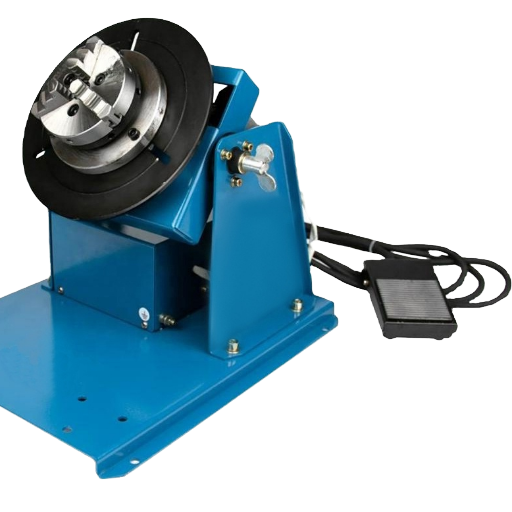
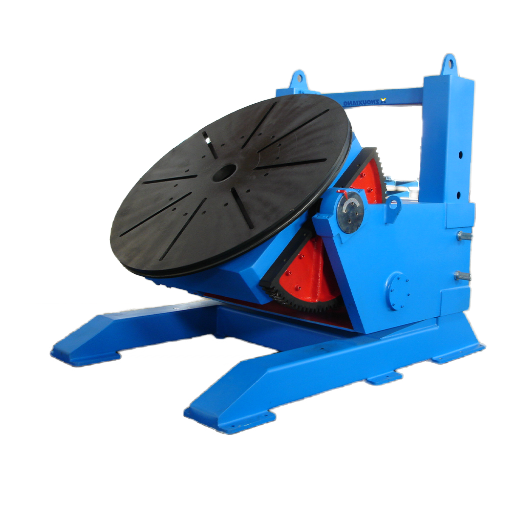
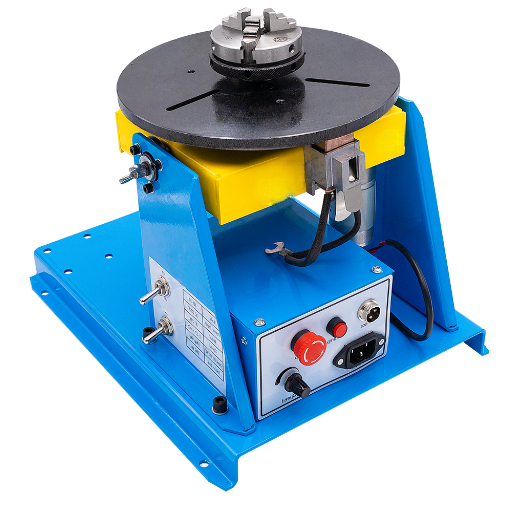
A welding positioner is a mechanical device that holds and rotates workpieces, allowing welders to work easily at unusual angles and positions. These machines assist ergonomic benefits in several fabrication tasks and relieve manual strain on welders. By taking over the rotational and positioning work, positioners allow welders to make welds that are more exact and uniform-welds that are extremely important in ensuring that the quality of the outcomes is up to par.
Importance of Welding Positioners in Industrial Applications
Welding positioners are imperative in industrial applications to aid in simplifying welding and assembly tasks. They are vital in areas like aerospace, with utmost importance attached to precision welding. In fact, positioners improve productivity by making way for automated and robotic welding while reducing human error. This can contribute toward the well-being and efficiency of a working environment for welders, owing in part to the ergonomic machine design.
Overview of the Welding Market and Trends
With the demand for automation and weld quality, the welding industry is rapidly evolving. Robotic welding and automated welding are two of the trends that are gathering momentum, with positioner manufacturers like ALM and Koike Aronson spearheading the efforts in innovation. Given industries working towards enhancing efficiency and cutting down on costs, integrating welding automation into actual fabrication shops is gaining significance day by day.
Criteria for Selecting Top Positioner Manufacturers
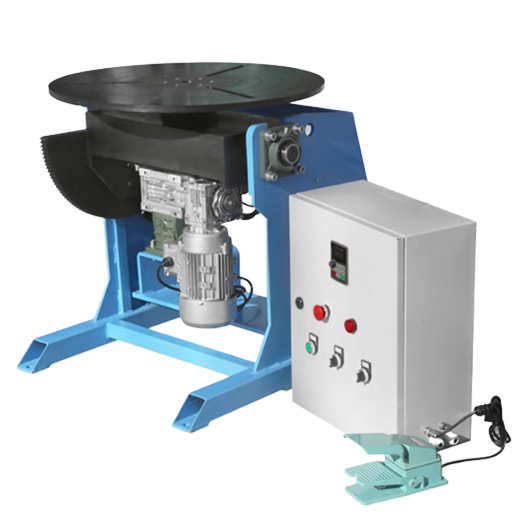
✓ Key Features of High-Quality Weld Positioners
Selection of a positioner manufacturer involves a multitude of factors:
- Handling of various workpieces by the machine
- Positional welding adaptability
- Strong construction to last
- Ability for automation integration
- Control over the weld process
✓ Innovations in Welding Technology
Innovation is directly related to the equipment industry for welding, with manufacturers solving problems and innovating advanced solutions for the changes in fabrication needs. Some technologies and inventions mentioned below deal with higher levels of automation that simplify processes and increase weld quality.
✓ Assessing Customer Reviews and Feedback
Customer reviews and feedback always prove to be helpful in assessing the operational features and reliability of weld positioners. Most manufacturers, including ALM and Koike Aronson, garner praise for their durable and versatile machines.
Profiles of the Top 15 Welding Positioner Manufacturers
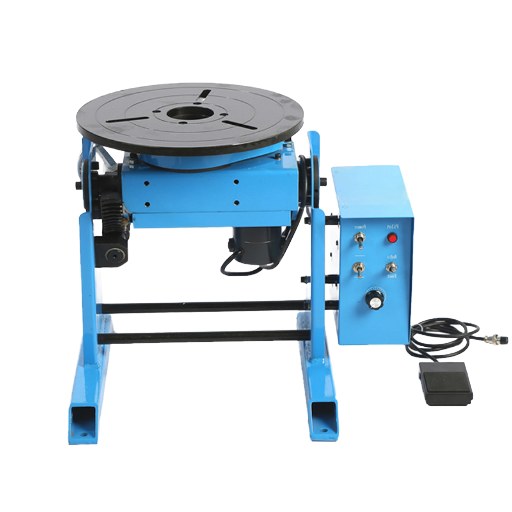
1. RESIZE (Wuxi Yuanpeng Machinery)
Founded: 2003 | Location: Wuxi, China
Introduction: Based in Wuxi, China, RESIZE specializes in welding machinery and laser processing equipment. With over 20 years of experience, they provide innovative solutions for welding automation.
Main Products: Welding positioners, turntables, rotators, column & boom manipulators, and laser equipment.
✓ Advantages
- High customization capabilities
- Wide product range
- Strong focus on quality control
⚠ Disadvantages
- Limited global distribution network
Website: RESIZE Official Website
2. Align Production Systems
Founded: 1967 | Location: Missouri, USA
Introduction: Located in Missouri, USA, Align Production Systems offers material handling and automation solutions.
Main Products: Industrial turntables, hydraulic upenders, and welding positioners.
✓ Advantages
- Long-standing reputation
- Diverse product offerings
⚠ Disadvantages
- Primarily focused on the US market
Website: Align Production Systems
3. Midwest Engineered Systems (MWES)
Founded: 1991 | Location: Wisconsin, USA
Introduction: Based in Wisconsin, USA, MWES specializes in industrial automation and robotic systems.
Main Products: Robotic welding systems, material handling automation, and welding positioners.
✓ Advantages
- Expertise in automation
- Over 4,000 systems installed globally
⚠ Disadvantages
- Higher costs due to advanced technology
Website: MWES
4. Key Plant Automation Ltd.
Founded: 1956 | Location: UK
Introduction: A UK-based company offering industrial automation solutions.
Main Products: Robotic systems, conveyor systems, and welding positioners.
✓ Advantages
- Strong customization capabilities
- Focus on efficiency
⚠ Disadvantages
- Limited presence outside Europe
Website: Key Plant Automation
5. IRCO Automation
Founded: Not specified | Location: Canada
Introduction: A Canadian company specializing in welding automation and positioning equipment.
Main Products: Weld positioners, manipulators, and turning rolls.
✓ Advantages
- High-quality products tailored for heavy industries
⚠ Disadvantages
- Limited product range compared to competitors
Website: IRCO Automation
6. Pemamek Ltd.
Founded: Not specified | Location: Finland
Introduction: A Finnish company known for its advanced welding and production automation solutions.
Main Products: Welding positioners, robotic welding systems, and manipulators.
✓ Advantages
- Cutting-edge technology
- Strong R&D focus
⚠ Disadvantages
- Premium pricing
Website: Pemamek
7. LazerArc
Founded: 1970 | Location: Michigan, USA
Introduction: Based in Michigan, USA, LazerArc specializes in robotic welding positioners.
Main Products: Single, 2, 3, and 5-axis positioners.
✓ Advantages
- Expertise in robotic systems
- Diverse applications
⚠ Disadvantages
- Focused on specific industries like aerospace and automotive
Website: LazerArc
8. Bishop-Wisecarver
Founded: 1950 | Location: California, USA
Introduction: A California-based company offering linear actuators and positioners for welding applications.
Main Products: Chain, lead, and ball screw actuators.
✓ Advantages
- Corrosion-resistant products
- Guide wheel-based technology
⚠ Disadvantages
- Limited to linear actuator-based solutions
Website: Bishop-Wisecarver
9. Unidex Corporation
Founded: 1988 | Location: New York, USA
Introduction: A New York-based manufacturer of welding accessories and positioners.
Main Products: Mobile lifts, electric workstations, and gas cylinder carts.
✓ Advantages
- Customization options
- Ergonomic designs
⚠ Disadvantages
- Smaller product range
Website: Unidex Corporation
10. Red-D-Arc
Founded: 1955 | Location: Georgia, USA
Introduction: A Georgia-based company offering rental and sales services for welding positioners.
Main Products: Adjustable height positioners, turntables, and tilting tables.
✓ Advantages
- Flexible rental options
- UL/CE-certified products
⚠ Disadvantages
- Focus on rental services over sales
Website: Red-D-Arc
11. Penn Tool Co.
Founded: 1968 | Location: New Jersey, USA
Introduction: A New Jersey-based distributor of welding positioners and accessories.
Main Products: Magnetic and work positioners.
✓ Advantages
- Wide distribution network
⚠ Disadvantages
- Limited manufacturing capabilities
Website: Penn Tool Co.
12. ALM Positioners Inc.
Founded: 1982 | Location: Illinois, USA
Introduction: Based in Illinois, USA, ALM specializes in custom positioners for various industries.
Main Products: Headstock, tailstock, and drop-center positioners.
✓ Advantages
- High load capacities
- Advanced control systems
⚠ Disadvantages
- Niche market focus
Website: ALM Positioners
13. Ergotronix, Inc.
Founded: 1989 | Location: Florida, USA
Introduction: A Florida-based manufacturer of ergonomic welding positioners.
Main Products: Flexible and adaptable positioners.
✓ Advantages
- Ergonomic designs
- High load capacities
⚠ Disadvantages
- Limited product range
Website: Ergotronix
14. Motion Index Drives, Inc.
Founded: 1970 | Location: Michigan, USA
Introduction: A Michigan-based company offering positioning systems for various industries.
Main Products: Indexing tables, rotary, and multi-axis positioners.
✓ Advantages
- High precision and repeatability
⚠ Disadvantages
- Focus on high-end applications
Website: Motion Index Drives
15. The Webb Corp.
Founded: 1881 | Location: Missouri, USA
Introduction: A Missouri-based manufacturer of welding positioners and steel products.
Main Products: Track-adjustable positioners for heavy industries.
✓ Advantages
- Long history and experience
- Durable products
⚠ Disadvantages
- Limited innovation in recent years
Website: The Webb Corp.
Emerging Trends in Welding Technology
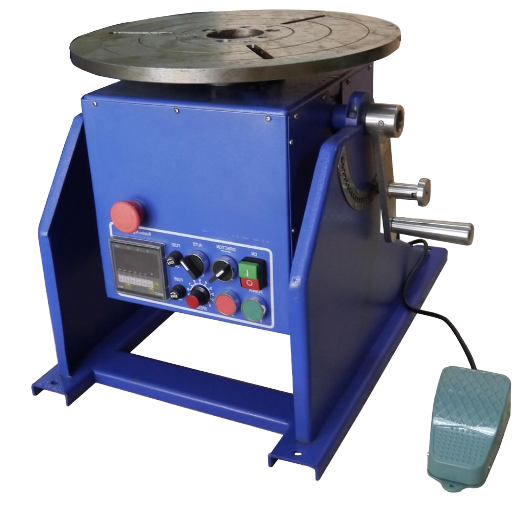
🤖 Robotic Welding Advancements
In the modernization of robotic welding, the process of welding is being changed within the diversity of industries. Because of the technological developments, some positioner manufacturers try to use top robotic systems along with weld positioners so that there is greater precision and productivity. The manipulation and rotation of workpieces are automated in robotic welding; hence, errors seldom arise, thus they have become a precious tool for industrial use.
🤝 The Rise of Cobots in Industrial Settings
Integrating cobots within industry is an emerging trend that has so far been changing welding operations. The distinction is that cobots are designed to collaborate with human welders to promote safety and ergonomics in the workplace. When used with welding positioners, manufacturers can increase weld quality and productivity, as the machines facilitate easy handling and rotation of workpieces during welding and assembly tasks.
🛡️ Ergonomics and Safety in Welding
As the need for safer and ergonomic working environments grows, manufacturers are focusing on the design of welding equipment whose first priority is the safety of the operator. On advanced weld positioners, features have been implemented that relieve manual strain so that welders may comfortably and efficiently get their job done. With improved ergonomics and safety, positioner manufacturers protect workers while increasing productivity and weld quality in fabrication shops.
Cost Comparison of Leading Positioner Manufacturers
| Price Category | Features Included | Recommended For | Leading Manufacturers |
|---|---|---|---|
| Budget-Friendly | Basic automation, standard load capacity | Small businesses, light fabrication | Red-D-Arc, Penn Tool Co. |
| Mid-Range | Advanced controls, customization options | Medium-scale operations | ALM, Unidex Corporation |
| Premium | High precision, robotic integration | Heavy industry, aerospace | Pemamek, MWES, LazerArc |
Analyzing Price vs. Features
When buying welding positioners, the pricing versus features balance is the main consideration for buyers. Leading manufacturers, such as ALM and Koike Aronson, offer machinery for every level of price with very necessary features. An analysis of the features offered by different positioners, including automation capability and rotary functions, will place the buyers in a position of wise choice according to the fabrication requirements.
Long-term Investment Benefits
Investing in high-quality welding positioners can add value over the long term for fabrication shops. Precision and longevity in design guarantee consistent welding results and limit frequent replacements. Thus, manufacturers that innovate and emphasize solid construction build positioners that enhance productivity, and therefore contribute to cost savings in the long run.
Budget-Friendly Options for Small Businesses
Inexpensive positioners can be a great solution for small welders attempting to upgrade the welding processes without compromising expenses. Manufacturers have numerous budget options that do not compromise essential features such as automation and an ergonomic design.
Tips for Choosing the Right Welding Positioner
💡 Expert Selection Guidelines
1. Assessing Your Specific Welding Needs
In selecting the appropriate welding positioner, first and foremost is the thorough assessment of your specific welding needs: It involves considering the type of workpiece you work on, welding operation complexity, and production volume. One can also view whether the operations require manual welding or if automation would speed up production.
2. Understanding Your Production Environment
Your production environment will play a big role in deciding on the right welding positioner. Consider the spatial layout, which would include whether there is space for the machine to be large or relatively small to fit on a bench. Considering working conditions would, therefore, come as a vital option.
3. Consulting with Experts and Suppliers
It is critical to have those involved and suppliers’ treasures in your selection. Producers of positioners such as ALM and Koike Aronson update you on new developments in the field and recommend machines that suit your needs. Consulting with these experts may clear up some points regarding different types of welding positioners.
Conclusion: The Benefits of Investing in Quality Welding Positioners
🎯 Key Benefits Summary
- Productivity Enhancement: Rigging positioning equipment is automated, then gives reduced setup time and increased throughput.
- Weld Quality is Better: With precise control, the result is consistent, high-grade welds.
- Safety Improvement: Ergonomic designs reduce the possibility of strain and injury in workers.
- Long-term ROI: Robust equipment capable of providing reliable service for years
Enhancing Productivity and Weld Quality
Investing in good-quality positioners for welding will definitely enhance productivity and weld quality. Positioners work to automate the manipulation and rotation of work, thus affording precision in positioning and the elimination of human error. Positioners also ensure that welding becomes a quick and consistent process that guarantees suitable results. Having reliable equipment, companies witness smooth fabrication processes that translate to operational success and an edge over the competition.
Building Long-term Partnerships with Manufacturers
Building partnerships with established positioners manufacturers provides many benefits. Working with suppliers such as ALM and Koike Aronson ensures access to cutting-edge technology and support systems. Such an arrangement also allows for customized solutions as needs change over time. Having the ability to work alongside trusted manufacturers opens opportunities for manufacturers to improve their welding procedures, maintain standards, and remain competitive in the industrial field.
Final Thoughts on the Future of Welding and Assembly
The future of welding and assembly holds much promise for growth as new research and development in automation and robotics continue. As manufacturers develop welding machines and equipment of the position, ergonomics, safety, and precision stand to become equally important. The companies investing in state-of-the-art positioners stand to benefit from these developments and achieve optimal welding efficiency and quality, equating to applications in tomorrow’s industrial world.