Quando cerchi la tavolata di saldatura “rotary”, vieni colpito da una raffica di elenchi di prodotti. “VEVOR qui, Kaka there”-capacità da 441 libbre qui, 0,5-5 giri al minuto laggiù. Ma no, nessuna spiegazione del prodotto ti dirà cosa significano veramente quei numeri quando è il momento di specificare le tue operazioni di saldatura effettive e quotidiane. ’Come regge la capacità nominale quando la inclino a 90 gradi? Quale sistema di mandrini può gestire queste saldature davvero strane? E proprio quando è effettivamente il momento di optare per una tavola di saldatura rotante invece di un rotatore o alcuni grandi vecchi rulli di tornitura?“
Fortunatamente per te, ti guideremo attraverso tutto questo metodicamente qui. Imparerai cosa separa a posizionatore saldatura dalle altre opzioni sul campo, come confrontare tutti e tre i moduli principali con le specifiche critiche e come assicurarti di aver selezionato la giusta configurazione di mantenimento del lavoro più un dettaglio di corrente di saldatura spesso ignorato che brucia i cuscinetti su molte unità di bilancio troppo presto.
Se la tua categoria è già ordinata e devi semplicemente distinguere tra posizionatore, rotatore, rulli di rotazione, basta saltare la sezione cinque di questa guidaE“La matrice decisionale delle 3 apparecchiature.”
Riferimento rapido alle specifiche: Tavolo di saldatura rotante
| Capacità di carico | 22 kg+ 10.00 kg (50 libbre+ 0 kg+ libbre) a seconda del fattore di forma |
| Velocità di rotazione | 0,05 RPM (variabile senza stepless; dipendente dal processo) |
| Angolo di inclinazione | 090°; 0135° esteso da -45° a +90° su alcune unità da banco |
| Diametro del mandrino | 100500 mm (4″20″) standard per unità pesanti più grandi |
| Diametro della tabella | 150 (6″6") a seconda della posizione classe 150 1.500 mm |
| Alimentazione elettrica | 110V/220V monofase (da banco); 380V trifase (unità da pavimento) |
Che cos'è un tavolo di saldatura rotante? (Posizione di saldatura rotativa, piattaforma girevole di saldatura, attrezzatura per lo stesso)
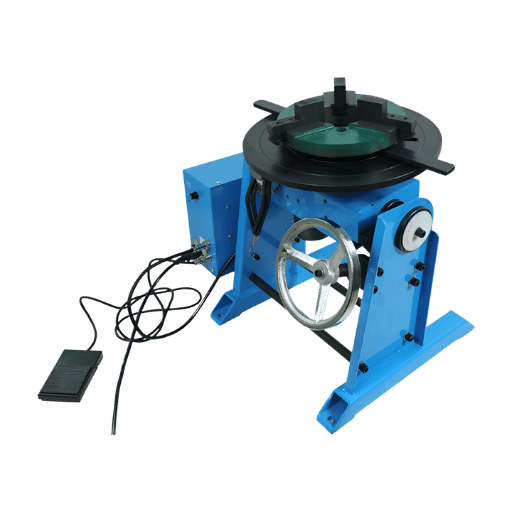
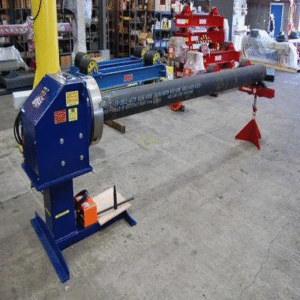
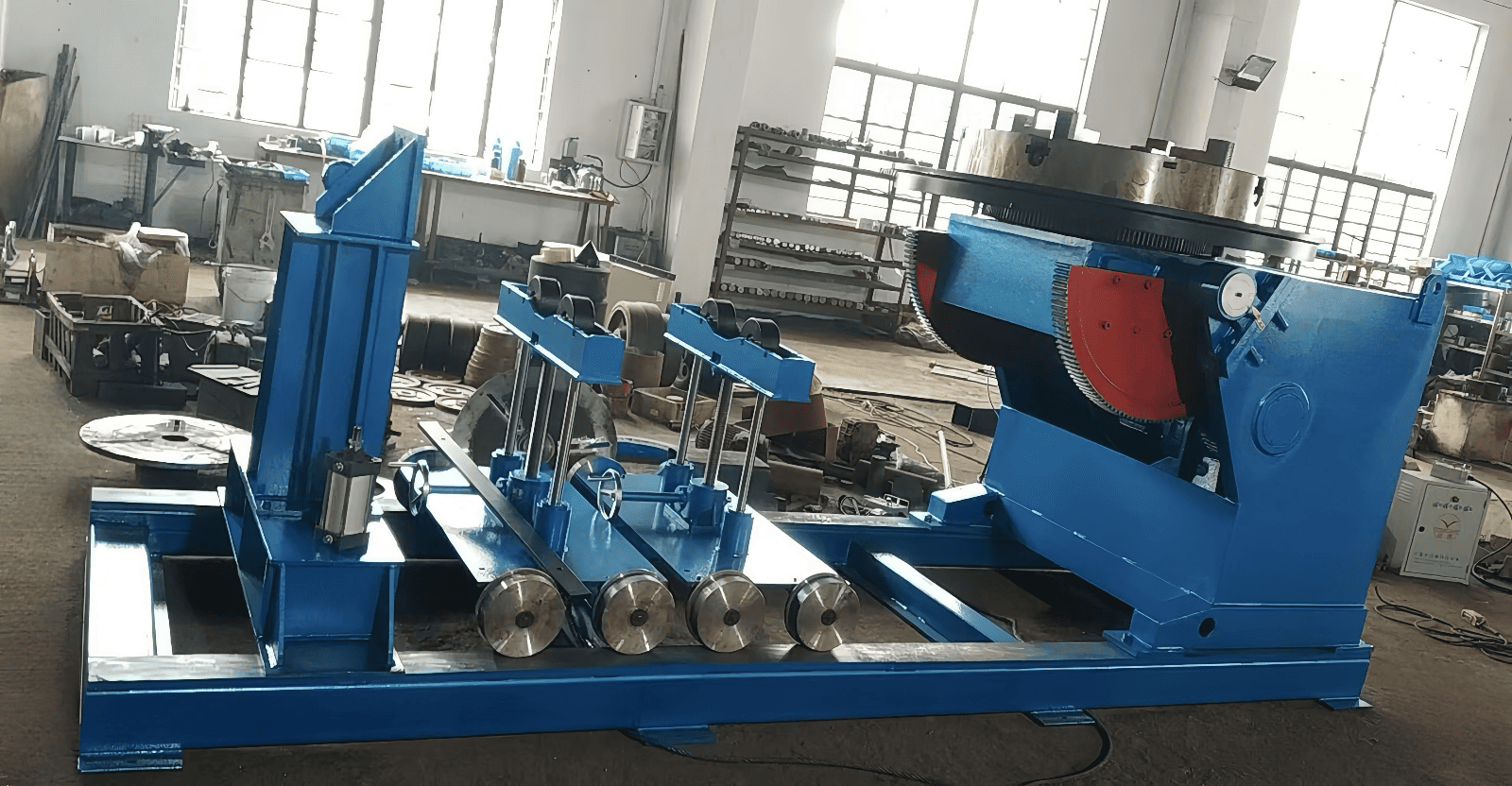
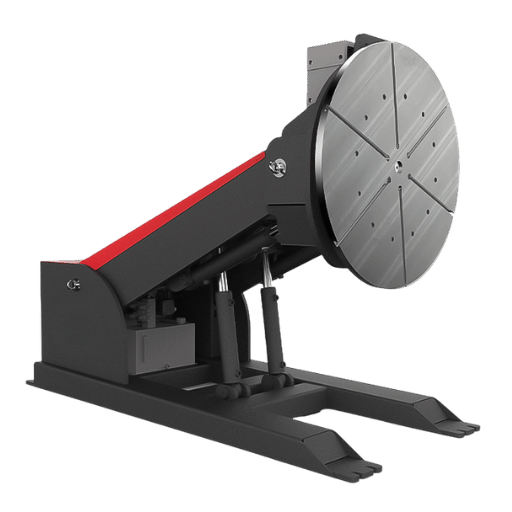
In breve, una tavola di saldatura rotante è un apparato di posizionamento alimentato utilizzato per contenere pezzi È progettato per ruotare qualsiasi pezzo in lavorazione per 360 gradi di movimento mentre il saldatore può rimanere in posizione. Anche le tavole di saldatura rotanti inclinano la maggior parte da 0° a 90° sui modelli standard, fino a 13° su unità a raggio esteso, quindi l'operatore può portare qualsiasi faccia saldata in una posizione piatta o orizzontale senza riposizionare il pezzo in lavorazione o costruire elaborati dispositivi di supporto.
Esistono diversi termini sinonimi per questa classe di apparecchiature: posizionatore saldatura, giradischi saldatura, giradischi posizionatore, tavolo di saldatura rotante, e tavola di saldatura rotativa tutti si riferiscono alla stessa cosa. “Positioner” è il termine che più probabilmente apparirà sui fogli delle specifiche ingegneristiche professionali, mentre “table” o “tuitornable” è probabilmente il vocabolario che troverai più spesso nel lato delle cose dell'acquirente. La serie di posizionatori di saldatura di RESIZE, infatti, copre l'intero spettro, dalle macchine desktop relativamente piccole alle versioni industriali montate a pavimento ad alta capacità.
Prima di andare oltre, vale la pena chiarire due disguidi:
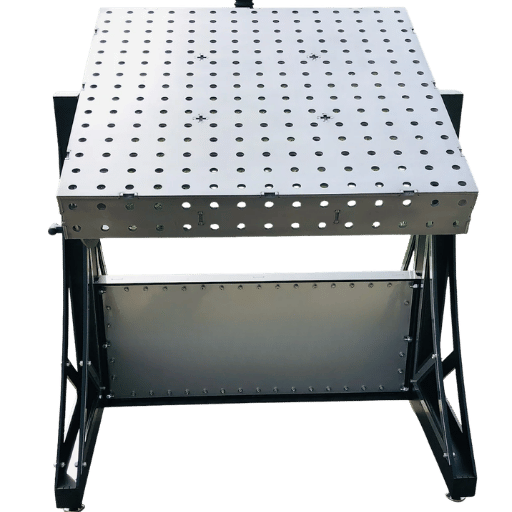
Tavolo di saldatura rotante vs. tavolo di fissaggio di saldatura piatto. Un tavolo di fissaggio per saldatura piatto ha fessure a T o motivi di fori per parti di bloccaggio in posizione fissa NO rotazione, nessuna inclinazione le applicazioni di lavorazione dei metalli chiamano per la rotazione a 360° e l'inclinazione regolabile, un posizionatore di saldatura è ciò di cui hai bisogno, non un tavolo di fissaggio Servono a scopi diversi e la maggior parte dei negozi di fabbricazione gestiscono entrambi.
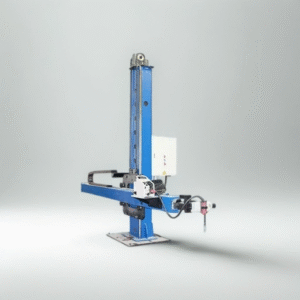
Tavolo di saldatura rotante vs. manipolatore saldatura. Un manipolatore di saldatura muove la torcia di saldatura un pezzo fermo Un tavolo di saldatura rotante fa l'opposto La torcia del pezzo rimane fissa, ruota e t. Nelle celle di saldatura automatizzate, questi due pezzi di apparecchiature di saldatura spesso lavorano insieme come strumenti complementari, non come alternative.
Non importa come si chiami un modello specifico, meccanicamente parlando, un posizionatore di saldatura è costituito da tre elementi principali: un meccanismo di rotazione (motore a induzione CA con ingranaggio a vite senza fine o riduzione planetaria), un meccanismo di inclinazione (azionamento a vite senza fine per macchine tipiche o un'inclinazione idraulica per unità più pesanti) e il dispositivo per fissare il pezzo sulla superficie del tavolo (sistema a mandrino o un apparecchio magico) Un controllo della velocità, che può essere semplice come un quadrante su un posizionatore superiore del banco entry level o un HMI touch screen ad alta risoluzione su un attacco del braccio di robot industriale, controlla la velocità di rotazione nei regimi.
Suggerimento professionale
“Rotary welding positioner” è il termine tecnico più preciso e il termine di ricerca in più rapida ascesa in questa categoria di apparecchiatureTP4T stimato 481T anno su anno a partire dal 2026 sulla base dei dati del volume di ricerca. Entrambi i nomi descrivono la stessa attrezzatura di saldatura; quale utilizza il tuo fornitore è solo una preferenza.
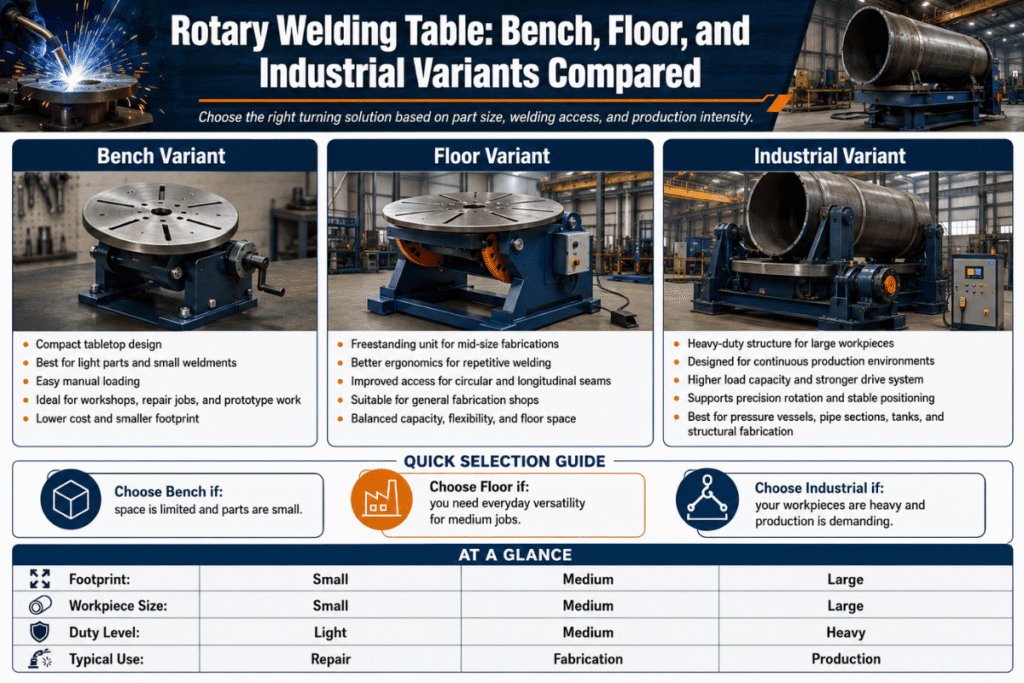
Tipi di tavoli di saldatura rotativi: da banco, da terra e per carichi pesanti
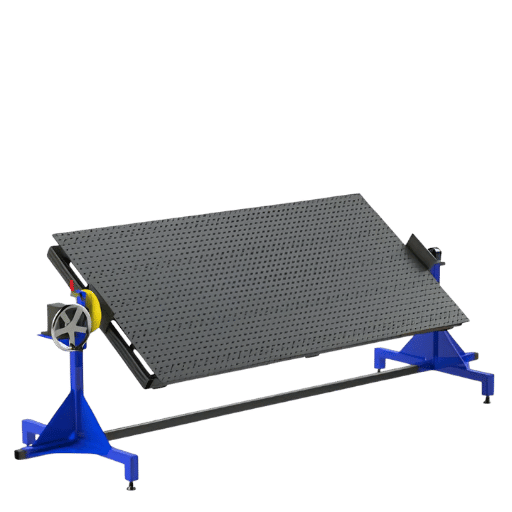
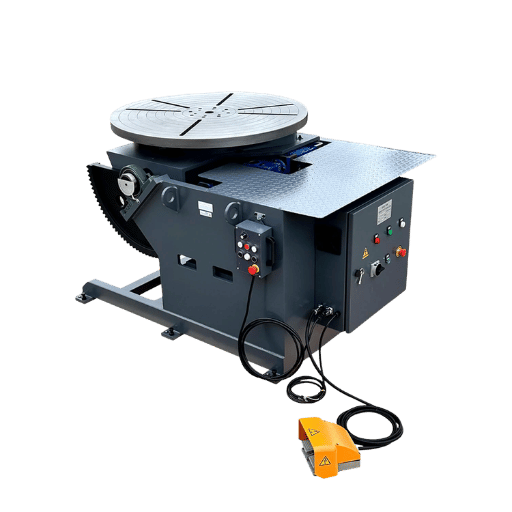
Ci sono tre fattori di forma per coprire quasi tutte le attività di saldatura La selezione sarà in gran parte basata su quanto il pezzo peserà (pesa) e dal diametro del tavolo, dalla potenza disponibile e dalla necessità di capacità di inclinazione.
Posizionatori da banco (fino a ~200 kg/440 libbre)
Questi montano su un banco da lavoro e gestiscono piccoli gruppi di lavoro, supporti per strumenti, sottogruppi automobilistici e applicazioni di saldatura TIG di precisione in cui i pezzi pesano sotto 200 kg 40 (grosso modo 0 libbre) 150 assi 30 mm 6 6 montaggi per strumenti, sottogruppi automobilistici, sottogruppi automobilistici e saldature di precisione applicazioni in cui i pezzi pesano sotto 200 kg 40 40 40 kg 400 kg 55 mm 50 mm 6 mm 6 mm 6 mm 65 mm 6 mm 6 mm 6 mm 65 mm 6 mm 65 mm 65 mm 65 mm 65 mm 65 mm 65 mm 15 15 mm) 10 V monofase o 20 V di potenza rende semplice l'installazione in qualsiasi negozio Gamme di rotazione più ampie sui modelli da bancoraggiungere 8 giri/min, quali tute più corte saldate sottili e pareti sottili in tessuto in parti piccole comune.
Posizionatori a metà piano (2000 o 1.000 kg/4402.200 libbre)
La maggior parte del lavoro generale del negozio e del lavoro del posizionatore della saldatura troverà le sue esigenze soddisfatte da queste unità di terra di mezzo Se state saldando le flange del tubo, i recipienti a pressione, il lavoro strutturale e le parti che pesano nell'intervallo di 200kg a 1.000 kg, i posizionatori di metà pavimento possono essere una selezione efficiente Diametro della tabella varia spesso da 300mm a 600mm per gestire facilmente la dimensione di queste saldature Questeunità sono disponibili sia in 220V singolo o 380V tre potenza di fase a seconda delle specifiche del motore.
Posizionatori per pavimenti per carichi pesanti (1.000 kg+/2.200+ libbre)
Quando la fabbricazione comporta lavori strutturali molto grandi, recipienti a pressione e fabbricazione di condotte industriali ad alto volume, le unità a pavimento per impieghi gravosi gestiscono parti pesanti fino a 10.000 kg sui modelli a catalogo standard, le unità costruite su misura vanno più in alto I diametri della tabella iniziano a 600 mm e corrono a 1.500 mm o più, tutte alimentate da motori trifase a 380 V. Le unità valutate a 3.000 kg e superiori sono comunemente dotate di sistemi di inclinazione azionati idraulicamente Vedere il posizionatore per saldatura pesante gamma per le valutazioni di carico e le opzioni del diametro della tabella.
| Tipo | Capacità di carico | Diametro della tabella | Gamma RPM | Potenza | Migliore Per |
|---|---|---|---|---|---|
| Benchtop | 10200 kg 22440 libbre |
150 mm300 mm | 0,58 giri/min | 110V/220V | Raccordi TIG, piccoli assemblaggi |
| Piano medio | 20,000 kg 440 libbre2.200 libbre |
300 mm600 mm | 0,25 giri/min | 220V/380V | Flange per tubi, staffe strutturali |
| Pavimento resistente | 1,00 kg 10.000 kg 2,200 libbre2.000 libbre |
600 mm1.500 mm | 0,05 RPM | 380V trifase | Recipienti a pressione, saldature di grandi dimensioni |
Selezione rapida: di quale fattore di forma hai bisogno?
Peso del pezzo < 50kg: Benchtop con mandrino a 3 ganasce
Peso del pezzo 50kg (Workpiece weight) 500kg: Mid-floor, 3-jaw o faceplate
Peso del pezzo > 500kg: Supporto per pavimento resistente con piastra frontale o inclinazione idraulica
non è necessaria alcuna inclinazione: rotazione piattaposizionatore orizzontale della piattaforma girevole(alternativa al costo più basso)
Per una revisione completa delle attrezzature compatte per officina, vedere il guida posizionatore saldatura da banco.
Come dimensionare il tuo tavolo di saldatura rotante: carico, giri al minuto e angolo di inclinazione
Alla fine, devi solo confrontare tre specifiche per decidere un posizionatore che possa fare ciò di cui hai bisogno: capacità di carico, velocità di rotazione e angolo di inclinazione Sfortunatamente, la maggior parte di queste specifiche comporta una complessità nascosta che le descrizioni dei prodotti non spiegano quasi mai.
1. capacità di carico: orizzontale vs verticale
I produttori in genere pubblicano due valutazioni di carico, capacità orizzontale quando il tavolo è disteso e capacità verticale quando inclinato a 90 gradi Il numero di capacità verticale sarà sempre inferiore (di solito di 4 gradi 0% 501TP4) perché c'è un cantilever applicato all'asse di inclinazione quando un pezzo è nell'orientamento a 90 gradi.
Quindi, se si intende eseguire saldature con il pezzo ad angolo, si dovrebbe sempre utilizzare il numero di capacità verticale come riferimento Un posizionatore di saldatura di capacità di 500 kg, può essere in grado di gestire solo in pratica tra 250 kg 300 kg con inclinazione di 90 gradi.
Linea guida di dimensionamento; Calcolare il peso più pesante del vostro pezzo aggiunto, il peso di qualsiasi maschera, dispositivo o ganasce chuck e aumentare questo valore tra 20 (chuck) 30 per cento per voi valore minimo di carico di progetto Ad esempio: pezzo = 150 kg; fissaggio = 20 kg Pertanto, 150 + 20 = 170 kg.
Quindi almeno 213 kg (170 *1,25).
È possibile visualizzare una procedura completa di dimensionamento a pieno carico con calcolo CoG nella nostra guida alle capacità di carico del posizionatore di saldatura.
2. RPM: abbinare il processo di saldatura, non la parte
Velocità di rotazione: determinata dal processo di saldatura e dalla velocità di avanzamento del filo, non dalla dimensione del pezzo Come linea guida:
| Processo | Materiale /Spessore | Tipico Range RPM |
|---|---|---|
| GTAW (TIG) | Tubo a parete sottile, ≤ 3 mm | 1.55 RPM |
| GMAW (MIG) | Piastra di medio calibro, 3 12 mm | 0,52 RPM |
| SMAW (Stick) | Strutturale, 625 mm | 0,21 RPM |
| SAW (Arco Sommerso) | Parete pesante, > 20 mm | 0,0,5,5 giri/min |
La maggior parte delle unità da banco coprono RPM 0,5 su RPM con controllo stepless della velocità tramite un pedale o un pendente a mano Per il materiale SAW heavy-wall, conferma l'unità può tenere sotto RPM 0,5 senza cogging. Non tutti i posizionatori a metà piano possono spesso aggiungere rotelle per la mobilità del negozio, che è una caratteristica pratica che vale la pena confermare se lo spazio sul pavimento è condiviso su più stazioni di saldatura.
Angolo di inclinazione 3.: tre livelli di flessibilità
L'intervallo dell'angolo di inclinazione definisce quanto la piattaforma del tavolo può essere angolata rispetto all'orizzontale:
- 0:90° (standard) Copre la maggior parte delle flange del tubo di lavoro di fabbricazione, staffe strutturali e gruppi standard in posizioni piatte e orizzontali L'inclinazione si regola con incrementi di 15° sulla maggior parte dei modelli; il bloccaggio manuale positivo ad ogni arresto mantiene il tavolo fisso durante i passaggi pesanti.
- 05° (extended): Necessario per geometrie complesse con facce angolate, rami di ugelli o posizioni di giunti incassati che un tavolo a 90° non può raggiungere.
- da -45° a +90° (intervallo invertito): Disponibile su unità da banco selezionate; consente l'inclinazione al di sotto dell'orizzontale per l'accesso al giunto inferiore.
Di quale angolo di inclinazione ho bisogno per il mio posizionatore di saldatura?
0-90 gradi per la stragrande maggioranza dei vostri lavori di tubazioni (flange, staffe e raccordi) Investire solo in 0-135 gradi se si utilizza comunemente e si lavora con un giunto angolare, un ramo di ugello o un gruppo di tubi ramificati Lavorare con l'inclinazione invertita?
Se non hai una ragione concreta per saldare un punto di accesso inferiore, non è necessario includerlo.
Nota ingegneristica: caduta di carico verticale
A 90 di inclinazione, un posizionatore gestirà circa 40 a 50% in meno rispetto alla sua capacità di carico nominale orizzontale poiché il pezzo da lavorare sospeso applica una coppia maggiore al meccanismo di inclinazione Assicurarsi di acquistare un posizionatore che ha un carico verticale nominale, come di solito manca nelle inserzioni competitive.
Sistemi di bloccaggio e mandrino: montaggio isolato a 3 ganasce, frontali e saldatura
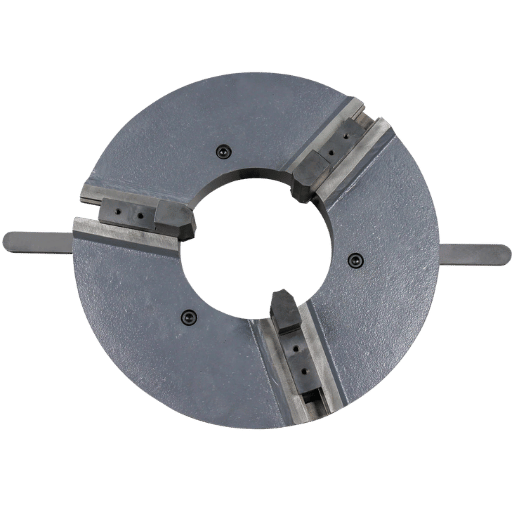
Inoltre, il modo in cui una saldatura viene montata sul tavolo non solo la sua capacità di posizionamento, compromette l'accesso a seri problemi di sicurezza e la saldatura a uno scenario spesso dimenticato causa un'usura prematura dei cuscinetti.
Chuck autocentrante a 3 mascelle
Il mandrino standard a 3 ganasce è il metodo di riferimento per qualsiasi cosa lontanamente rotonda o quasi cilindrica Tutti i mandrini utilizzano ganasce di presa in acciaio temprato per centrare la parte in un unico movimento, il che significa che rimboccare una serie di raccordi per tubi e corpi valvola su attività ripetitive è rapido e semplice La gamma di ganasce di base per mandrini di medie dimensioni inizia da 20 mm a 400 mm (” -16″). svantaggi principali: Il pezzo deve assolutamente essere rotondo o molto vicino ad esso, non qualcosa che assomigli a un disordine saldato.
Prendere nota che l'espansione da distorsione termica nel momento in cui la torcia raggiunge il pezzo potrebbe causare lo slittamento; su un giunto di saldatura lungo su un tubo a parete spessa garantire sufficiente chucking è mantenuto.
Faceplate (piastra per cani)
Un disco piatto caratterizzato da un modello di spaziatura concentrica dei fori dei bulloni (solitamente fori M10 o M12 su un cerchio di passo prescritto) che è possibile utilizzare per imbullonare praticamente qualsiasi profilo del pezzo utilizzando strumenti di bloccaggio e/o fissaggio Le piastre frontali richiedono generalmente più tempo di configurazione rispetto alla velocità di un mandrino a 3 ganasce ma accettano saldature quadrate o a forma di L e pezzi sbilanciati e di forma irregolare che non possono essere tenuti in un mandrino Le piastre frontali sono la norma su tutti i posizionatori di fascia media e di grandi dimensioni.
Chuck magnetico
Risparmia tempo prezioso I mandrini magnetici rimuovono la fase di bloccaggio del pezzo in lavorazione 5-15 secondi di tempo di mandrino rispetto a 5-10 minuti per i morsetti meccanici 5-10 minuti per i morsetti meccanici durante il carico/scarico del pezzo in lavorazione per carichi moderati I pezzi in lavorazione hanno però due criteri.
Devono essere di acciaio magnetico (cioè acciaio inossidabile e materiali non ferrosi non possono essere attratti) e la loro resistenza di tenuta diminuisce all'aumentare della temperatura del pezzo Assicurarsi di utilizzare la capacità di lavoro di saldatura specificatamente specificata dal produttore del mandrino; questo è da 2 a 3 volte inferiore a un grado di capacità statica.
Per una panoramica completa della selezione, del dimensionamento e delle specifiche del mandrino, vedere il mandrino saldatura pagina o la guida completa ai mandrini per saldatura.
Nota tecnica: isolamento della corrente di saldatura: gli assassini dei cuscinetti
La saldatura richiede un circuito di ritorno alla fonte di alimentazione Il cavo di terra si collega alla parte che stai saldando Quando i posizionatori non hanno un circuito specifico per trasportare la corrente di saldatura, deve tornare indietro attraverso i cuscinetti di rotazione, creando una vaiolatura ad arco sulle piste dei cuscinetti, riducendo la durata dei cuscinetti delle macchine utilizzate attivamente da anni fino a mesi.
Alcuni posizionatori di migliore qualità trasportano il terreno sul corpo del mandrino utilizzando un gruppo spazzola in carbonio separato che crea una buona connessione con nient'altro di quanto raccomandato in un design interamente in metallo che offre un percorso a bassa resistenza per la corrente di terra che non utilizza i cuscinetti come scorciatoia Un negozio che confronta i posizionatori dovrebbe vedere una specifica che dice “isolated bearing”, “ground brush assembly” o “arc voltage protected rotation” Se manca questo non è necessariamente un difetto, infatti potrebbe essere così improbabile che qualche negozio non voglia affrontarlo, soprattutto se il negozio blocca sempre il terreno direttamente al corpo del posizionatore nel negozio e non incontra mai questo tipo di guasto.
Tavolo di saldatura rotante vs. Rotatore di saldatura vs. Rotoli di tornitura: matrice decisionale a 3 apparecchiature
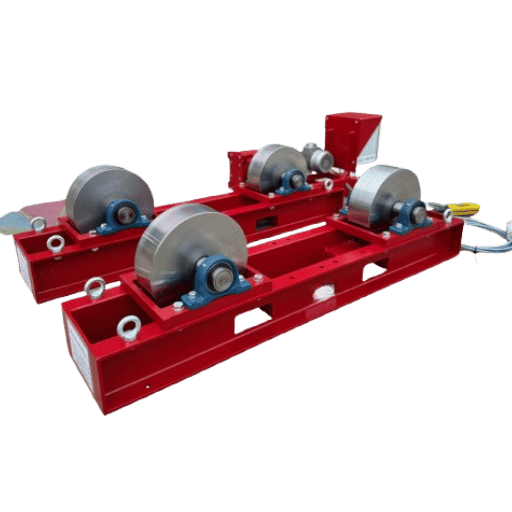
Qual è la differenza tra un posizionatore di saldatura e un rotatore saldatura?
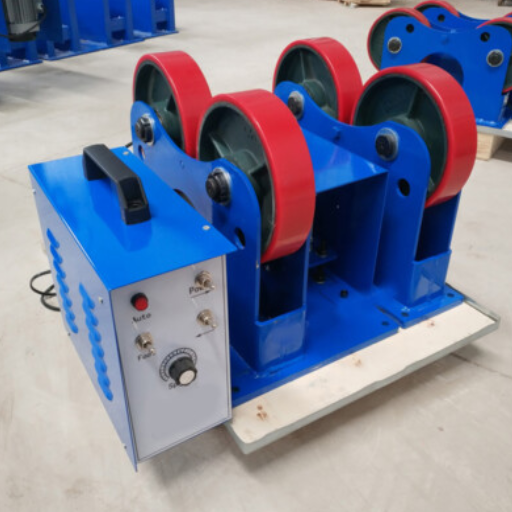
Il posizionatore del pezzo - che ha un tavolo di saldatura rotante - afferra qualsiasi pezzo in qualsiasi forma, ruota il pezzo in un arco di 360 e lo inclina attraverso qualsiasi angolo possa essere necessario in modo che il saldatore sia in una vista completamente 3D dell'oggetto Il rotatore del pezzo (o rotatore del tubo) trattiene le parti cilindriche tra due o più rulli e lo fa girare lungo la sua lunghezza Ciò significa che il pezzo gira, ma il rotatore non può inclinare il lavoro o cambiare la sua posizione in nessun altro modo.
Entrambi gli utensili sono disponibili da RESIZE; il posizionatore è la scelta più generica per qualsiasi geometria del pezzo, mentre il rotatore è costruito appositamente per le operazioni di saldatura circolare su tubi cilindrici e gusci.
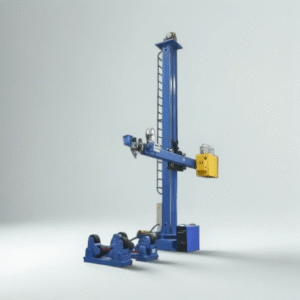
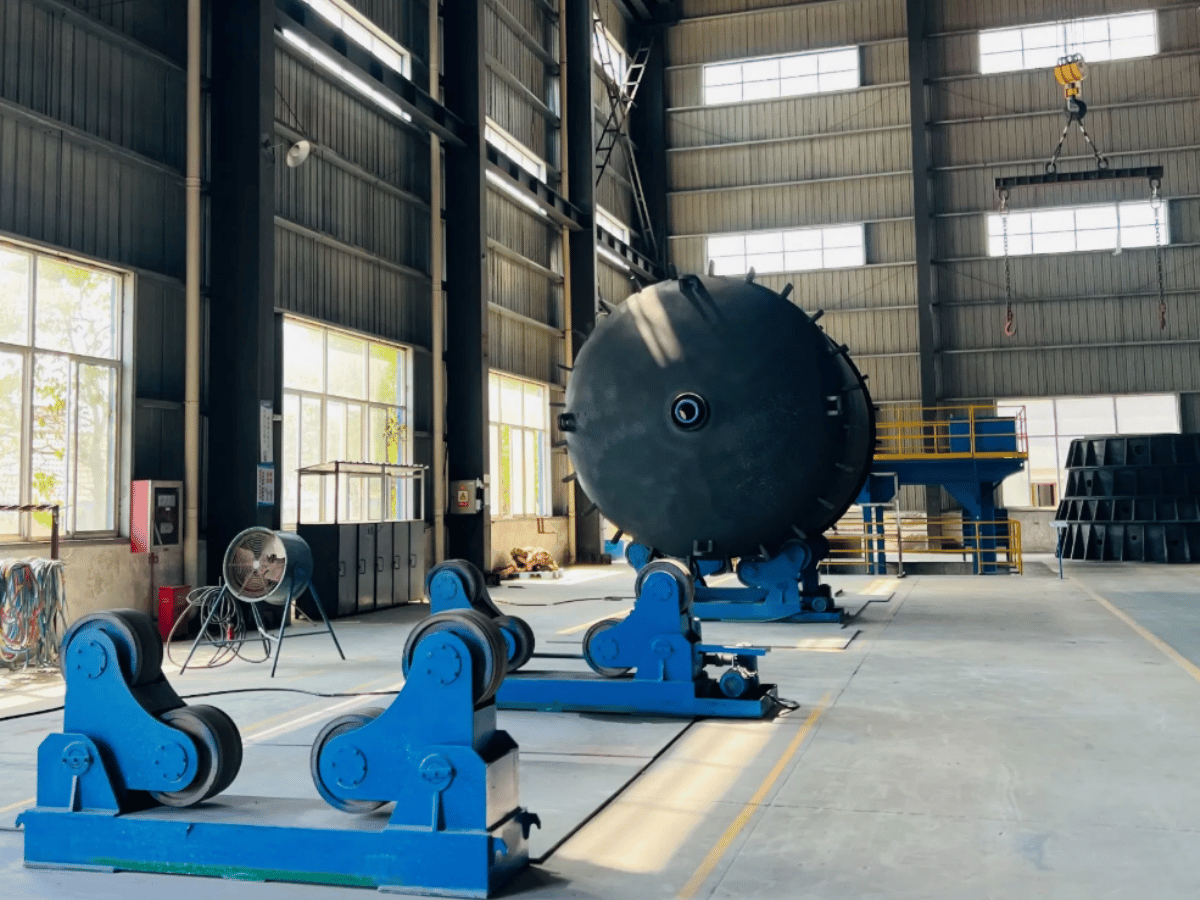
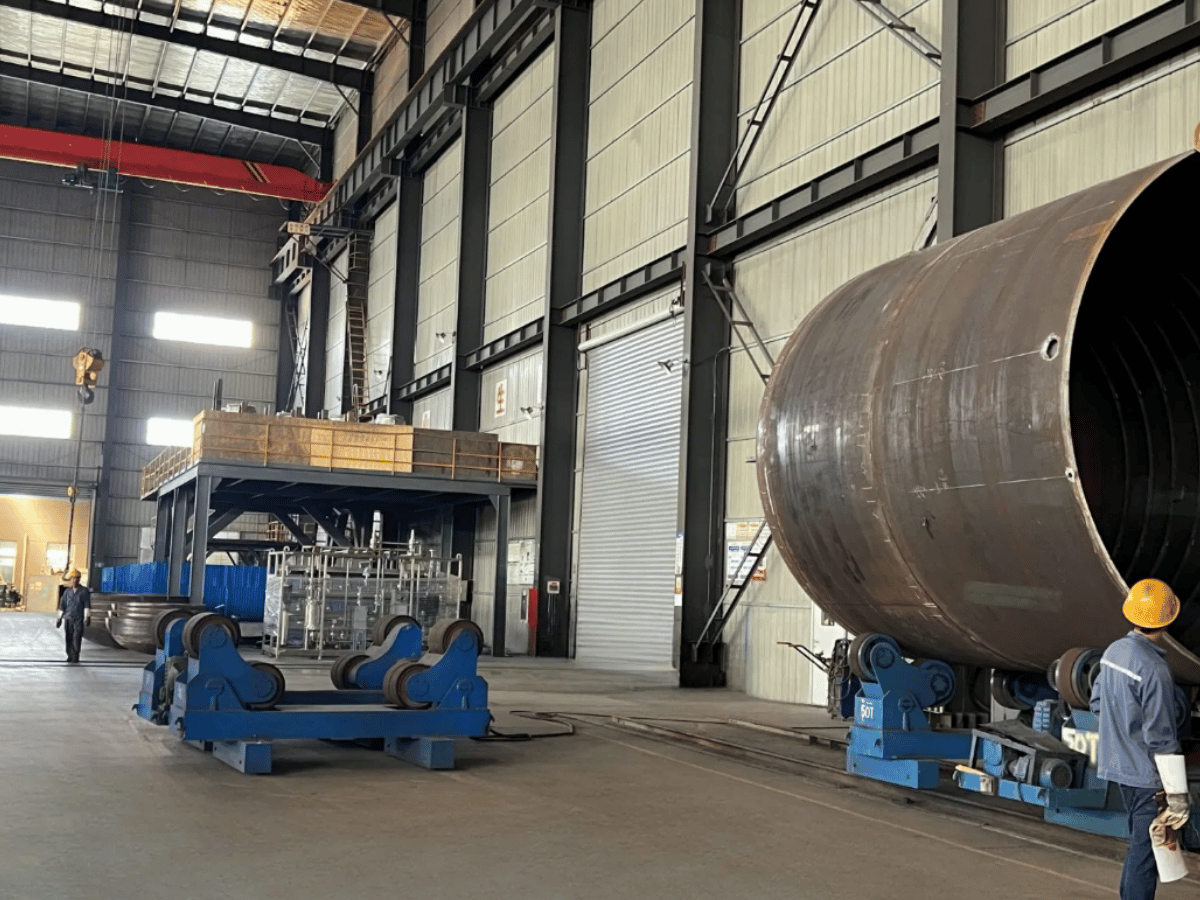
Le funzioni dei meccanismi di tornitura dei meccanismi di laminazione, che sono cilindri funzionalmente ruotati, sono simili a quella corrispondente (MA) per la posizione dei rulli di regolazione di un dispositivo proprio In entrambi i casi gli elementi di lavoro sono per la rotazione di tubo, serbatoio o canna Tuttavia, se il vostro lavoro richiede di ruotare pezzo che non è cilindrico (non un tubo rotondo, canna, serbatoio) è meglio scegliere il tavolo di saldatura rotante.
| Criteria | Tavolo di saldatura rotante (Posizionatore) |
Rotatore Saldatura | Rotoli di tornitura |
|---|---|---|---|
| Geometria del pezzo | Qualsiasi forma rotonda, quadrata, irregolare | Solo cilindrico | Solo cilindrico |
| Controllo Posizionale | 360° ruotare + inclinazione 0°135° | Solo rotazione circonferenziale | Solo rotazione circonferenziale |
| Precisione posizionale | Alta deriva centrata sulla chuck | I rulli medi mantengono la posizione | Rischio da basso a medio di deriva assiale |
| Gamma di carico massima | Fino a ~10.000 kg (standard); più alta consuetudine | Fino a oltre 1.000 tonnellate | Fino a oltre 500 tonnellate |
| Tempo di configurazione | 5 o 15 minuti (ritaglio) | 1020 minuti | 510 minuti |
| Migliore Applicazione | Raccordi, staffe, fabbricazione generale; qualsiasi saldatura non cilindrica | Tubi lunghi, serbatoi cilindrici (≥ 100 mm dia.) | Recipienti di grande diametro, sezioni di torri eoliche, recipienti a pressione |
Nota per il mondo reale: rulli di tornitura per TIG di precisione di piccolo diametro
Errore su piccole parti! L'utilizzo di un rullo di tornitura standard per eseguire lavori TIG di precisione su piccoli sottogruppi (sotto i 100 mm di diametro esterno) è un errore che i negozi commettono quando rilevano vecchie apparecchiature da un grande produttore di recipienti Con parti OD più piccole, il rullo effettuerà la deviazione sotto il componente mentre si riscalda e si espande, creando una deriva di “” angolare che allontana il cordone di saldatura dal giunto Per saldature di piccoli raccordi e ugelli, questo è spesso sufficiente a causare il rifiuto solo dopo l'esame visivo. Queste parti sarebbero più adatte a un mandrino a 3 ganasce o addirittura a un posizionatore della piastra frontale invece di un rullo di rotazione del recipiente sovradimensionato!
Per un'analisi più approfondita, vedere il posizionatore di saldatura vs. guida rulli di tornitura. Per la gamma completa di rotatori e rulli di RESIZE, vedere rotatore saldatura.
Applicazioni: 5 industrie di fabbricazione che utilizzano tavoli di saldatura rotativi
Ciò che hanno in comune è che il posizionatore di saldatura elimina le fasi di riposizionamento manuale Ruotando il componente nella posizione piatta (1G) o orizzontale (2G), il saldatore produce il cordone nell'orientamento ottimale che riduce l'affaticamento dell'operatore, migliora la qualità della saldatura e taglia il lavoro di riposizionamento durante un turno completo Il posizionatore stesso conta come uno degli accessori di saldatura di maggior impatto che un negozio può aggiungere; cambia l'economia di qualsiasi lavoro di saldatura ripetitivo.
1. fabbricazione di tubi e tubazioni di processo
Questo tipo di applicazione è una delle applicazioni più frequenti e comprendono tubi per l'industria petrolifera e del gas, per il settore dell'approvvigionamento idrico e naturalmente in numerosi altri impianti di processo industriale Flange, gomiti, tee e collettori per valvole sono tra i componenti più comuni Posizionamento del pezzo in piano (orientamento 1G) garantisce migliori profili di fusione e più facile ispezione post-saldatura guadagno di qualità della saldatura diretta rispetto al lavoro fuori posizione Per i componenti delle tubazioni che rientrano nella gamma di mandrini del posizionatore, un'unità a metà piano con supporto a 3 ganasce o piastra frontale è solitamente il primo posizionatore aggiunto a un negozio di tubi.
2. recipienti a pressione e apparecchiature di processo
Stiamo parlando qui dell'applicazione di ugelli in recipienti a pressione più piccoli (con dimensione dell'ugello compatibile con una delle opzioni del mandrino del posizionatore di saldatura) nonché di saldature di sottoassemblaggio in apparecchiature di processo Per i lavori disciplinati dal codice di saldatura ASME Sezione IX e per i recipienti soggetti a PED (Direttiva europea sulle attrezzature a pressione) è di fondamentale importanza che qualsiasi saldatura si qualifichi attraverso la documentazione. Il posizionatore di saldatura fornisce la capacità di produrre saldature nella stessa posizione coerente fornendo così una più semplice qualificazione della saldatura. Per recipienti molto più grandi, sarebbero necessari rulli di tornitura specializzati o configurazioni di palette e contropunte (vedere dispositivi di posizionamento testa-punta).
3. Fabbricazione automobilistica e di trasporto
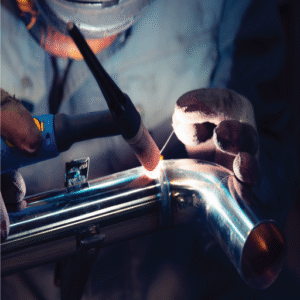
Questa categoria comprende collettori di scarico, componenti di sospensione, gruppi roll-bar, saldature a linguetta del rimorchio e corpi cilindri idraulici La saldatura di precisione di cromoli a parete sottile di piccolo diametro e tubi inossidabili è il luogo in cui i posizionatori da banco offrono il loro ritorno più forte: impugnatura a mandrino concentrico e velocità di rotazione costante mantengono la posizione del tallone e la qualità della saldatura ad ogni passaggio.
Sottogruppi in acciaio strutturale 4
Questi articoli possono includere la fabbricazione di qualsiasi telaio di macchina di piccole o medie dimensioni Ciò significa che qualsiasi componente che richieda una produzione coerente di una serie di saldature identiche potrebbe giustificare un posizionatore di saldatura; in un ciclo di produzione di venti parti o più, il risparmio sui costi derivante dal tempo di posizionamento ridotto si moltiplicherà rapidamente.
5. lavorazione su ordinazione del metallo e fabbricazione ornamentale
Applicazioni come ringhiere decorative, mobili personalizzati, sculture e oggetti artistici in metallo beneficiano tutte del profilo coerente del tallone prodotto dalla rotazione La superficie del piano del tavolo di saldatura e il sistema di mandrino mantengono il pezzo centrato e stabile durante ogni passaggio, riducendo i tempi di rettifica post-saldatura e migliorando l'aspetto finito delle saldature visibili.
Potete usare una tavola di saldatura rotante per la saldatura del tubo?
Sì, per il tubo OD si adatta all'interno del tubo OD (30 le sezioni del mandrino 50 mm OD sulla maggior parte delle unità di medie dimensioni) e la lunghezza del tubo mantiene il peso a sbalzo all'interno delle specifiche di carico del posizionatore. Per tubi di lunghezza superiore a 1,5 m, dedicati posizionatore per saldatura tubi configurazioni o rulli di tornitura forniscono un migliore supporto lungo tutta la lunghezza del pezzo Vedere anche il guida alla scelta di un posizionatore per la saldatura di tubi.
Scenario: corsa di produzione della flangia del tubo
Un impianto di fabbricazione che saldava flange per tubi in acciaio dolce (da 5-25 kg ciascuna; dimensioni da DN50 a DN200) con un posizionatore a pavimento di fascia media e un mandrino a 3 ganasce ha scoperto di aver risparmiato da 3 a 4 mosse di riposizionamento manuale per ciascuna flangia con il posizionatore configurazione invece di montare e ruotare semplicemente un risparmio di 30-40 minuti di manovrabilità per turno che produce dieci flange, oltre a ridurre la distorsione derivante dal bloccaggio ripetuto delle parti.
20252026: Cosa cambia nella tecnologia delle apparecchiature di saldatura a tavola per saldatura rotativa
I requisiti di aspetto e specifiche dei posizionatori di saldatura per nuove installazioni si stanno evolvendo come risultato di tre tendenze chiave di sviluppo, ciascuna in vari stati di maturazione del mercato.
1. spostamento del servomotore delle unità di induzione CA
L'ingresso ai posizionatori di medio livello utilizzava storicamente motori a induzione CA con VFD a velocità regolabile. Un passaggio verso sistemi servoazionati è più comune anche sui posizionatori di medio prezzo, offrendo tre importanti vantaggi: controllo della velocità molto più stretto a velocità molto basse (<0,5 giri al minuto, al quale i motori CA possono spesso essere a scatti e arrestarsi e riavviarsi come se fossero vincolanti, mentre un servo funzionerebbe costantemente); migliore risoluzione di posizionamento e precisione a qualsiasi velocità, in particolare nelle posizioni di arresto programmate per configurazioni multiple di passaggi di saldatura; e l'uscita del codificatore integrato per interfacciarsi con il controller della saldatrice o qualsiasi futuro piano di automazione, inclusa la robotica collaborativa e le celle di lavoro automatizzate. Un utente impegnato a spostarsi verso celle di lavoro di saldatura automatizzate o semiautomatiche nei prossimi tre o cinque anni sarebbe consigliato di investire in un posizionatore servoazionato, ora invece di tentare di aggiornare successivamente un'unità meccanica a un costo potenzialmente maggiore.
2. Crescita del mercato guidata dalla domanda di automazione
La dimensione del mercato dei posizionatori per saldatura era di circa $2,13 miliardi di Stati Uniti nel 2024, con vendite stimate di oltre $3,5 miliardi entro il 2035 per un tasso di crescita medio annuo di circa 4,6%. La domanda trainante sta aumentando l’adozione di celle di lavoro di saldatura semiautomatiche e automatizzate nei segmenti dei negozi di automobili, petrolio e gas e dei laboratori industriali, dove l’invecchiamento della forza lavoro qualificata e salari elevati, o l’indisponibilità totale di lavoratori qualificati, stanno motivando gli investimenti in livelli di automazione più elevati per aumentare la produttività. La crescita è più forte nell’Asia-Pacifico, sebbene la domanda sia in aumento anche negli Stati Uniti e in Canada poiché sempre più negozi adottano una nuova automazione della saldatura.
3. tendenza di ricerca: “Rotary Welding Positioner” Rising Fast
L'analisi delle tendenze per i termini di ricerca delle parole chiave sia nel mercato statunitense che in quello globale indica una tendenza in aumento negli ultimi dodici mesi per query più specifiche: il posizionatore di saldatura “rotary” è aumentato di ~48% da un tasso di ricerca mensile medio di ~390 a ~590 ricerche nel periodo da gennaio-giugno 2025 a luglio-dicembre 2025 Questo aumento del termine medio indica che il pubblico online è andato oltre le ricerche più generalizzate come “welding table” verso un vocabolario più tecnico, dimostrando la crescente presenza di una base di acquirenti informata che è più probabile che confronti le specifiche tra i prodotti piuttosto che guardare semplicemente attraverso i cataloghi dei produttori di apparecchiature.
Cosa significa se acquisti oggi
Se stai costruendo o espandendo una cella di saldatura che includerà un robot collaborativo o un controller di saldatura CNC entro i prossimi tre anni, paga subito il posizionatore extra da 15 T per un servocomando con un codificatore digitale. Il risparmio di integrazione quando salti il retrofit compensa maggiormente la differenza di costo iniziale. Per una stazione manuale autonoma, un'unità VFD con azionamento CA ben costruita con una spazzola di messa a terra adeguata rimane la scelta di costo giusta.
Domande frequenti: Tavoli di saldatura rotanti
Informazioni su questa guida
Questa guida alla selezione è stata scritta dal team di ingegneri RESIZE sulla base dei dati di ingegneria del prodotto, degli standard di specifica del posizionatore di saldatura pubblicati e dei riferimenti pratici di fabbricazione provenienti da pubblicazioni di settore, tra cui Il Fabbricante e Codice di saldatura strutturale AWS D1.1:2025Steel. RESIZE progetta e produce posizionatori di saldatura, rotatori e relative apparecchiature di posizionamento Abbiamo un interesse commerciale in questo argomento; le affermazioni tecniche sono annotate alle loro fonti e incorniciate con un linguaggio qualificato in cui i dati diretti non sono disponibili Se riscontri un errore fattuale, per favore contattaci.
Articoli Correlati
- La guida definitiva ai posizionatori di saldatura rotativi
- Posizionatore per saldatura da banco: guida alla selezione e all'installazione
- Saldatura Posizionatore Produttori: Confronto & Criteri di acquisto
- Standard di saldatura AWS: cosa devono sapere i fabbricanti
- Mandrini per saldatura: guida completa alla precisione e all'efficienza
Riferimenti
- AWS D1.1/D1.1M:2025 Codice di saldatura strutturale STEEL. Società americana di saldatura, 2025. aws.org
- Saldatura a bota. “Come scegliere un posizionatore di saldatura: capacità di carico, giri/min e angolo di inclinazione spiegati.” bota-weld.com
- Forniture per saldatura ARC. “Lavorare in modo più intelligente: una guida ai posizionatori di saldatura e ai rulli di tornitura.” arcweld.co.nz
- HSE UK. OC 668/26: Attrezzatura di posizionamento per saldatura manuale e automatica. hse.gov.uk
- WeldingMart. “MK Prodotti Giradischi: Soluzioni di Saldatura di Precisione.” weldingmart.com
- Ricerche di mercato cognitive. “Rapporto di mercato del posizionatore di saldatura 2025.” cognitivemarketresearch.com