A cold cutting machine is chosen when pipe, vessel, or pipeline work needs a controlled cut without flame, heavy sparks, or thermal damage at the weld-prep edge. Buyers usually struggle less with the definition than with matching the machine style to pipe OD, wall thickness, drive power, site controls, and the bevel or counterbore that comes next.
Reviewed for technical fit by the RESIZE engineering team. Commercial competitor pages were used for SERP structure only and are not cited as final references.
Quick Specs
| Best fit | Pipe, vessel, pipeline repair, shutdown maintenance, and weld prep |
|---|---|
| Common names | Split-frame clamshell, clamshell lathe, cold cutter, pipe cold cutting machine |
| Drive choices | Pneumatic, hydraulic, electric, or servo electric, depending on site power and torque demand |
| Core operations | Straight cut, bevel, J-prep, counterbore, counterboring, flange facing, and weld edge repair |
| RESIZE handoff | Cold cutting beveling machine selection for cut-and-bevel work on metal sheets, pipes, and panels |
What Is a Cold Cutting Machine?
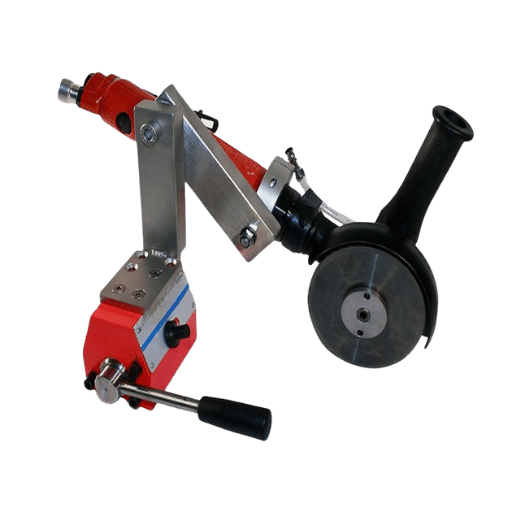
In industrial pipe work, a cold cutting machine is equipment that removes metal by mechanical cutting, abrasive water jet, or another low-heat process rather than by flame or arc. Because the term is broad, the first buying question is: are you cutting pipe in the field, cutting stock in a shop, or preparing a weld edge on an installed line?
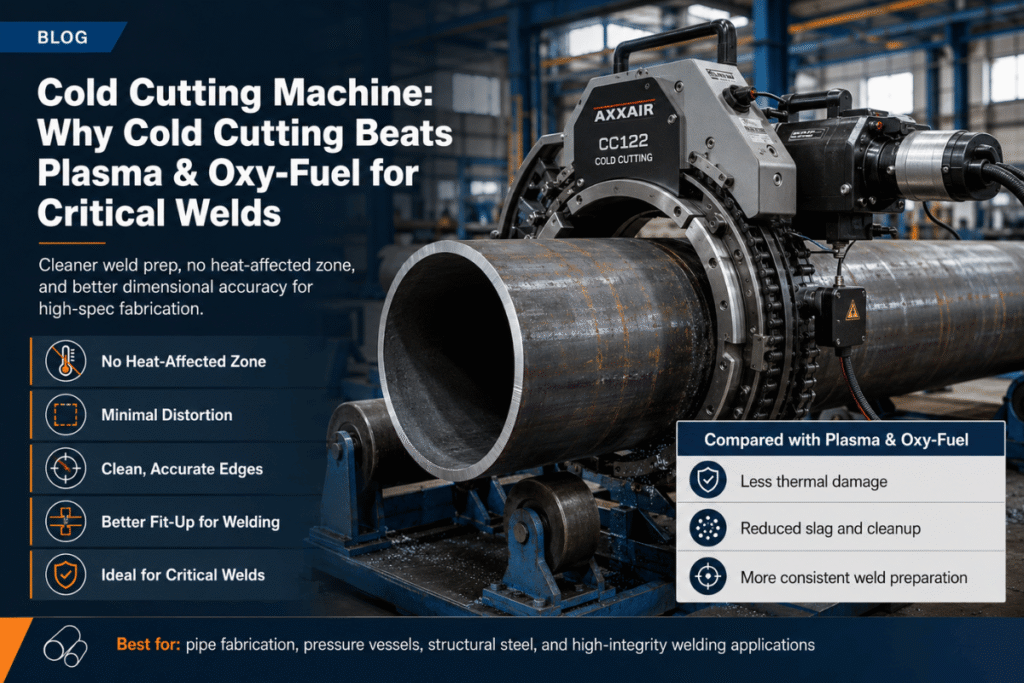
Field pipe repair usually points to a split-frame or clamshell machine. Its ring opens around the pipe, clamps to the outside diameter, and drives a tool around the circumference. Tool slides can carry a parting tool, bevel tool, counterbore tool, or flange-facing head. Shop cold saws work differently: a circular blade and coolant cut bar, tube, or profile stock on a fixed machine bed.
Cold cut saws in fabrication shops and water jet systems in plate work also share the same language. That overlap is why many buyers land on the wrong page first. Jobs involving installed pipe, limited access, hazardous-area planning, or a weld prep tied to a procedure should start with pipe OD and wall thickness rather than the machine name.
Working definition: A pipe cold cutting machine is a portable or semi-portable cutter that clamps to pipe and produces a controlled cut with low heat input, often with beveling or counterboring in the same setup.
How Cold Cutting Works on Pipe: Split Frame, Clamshell, and Cold Saw Methods
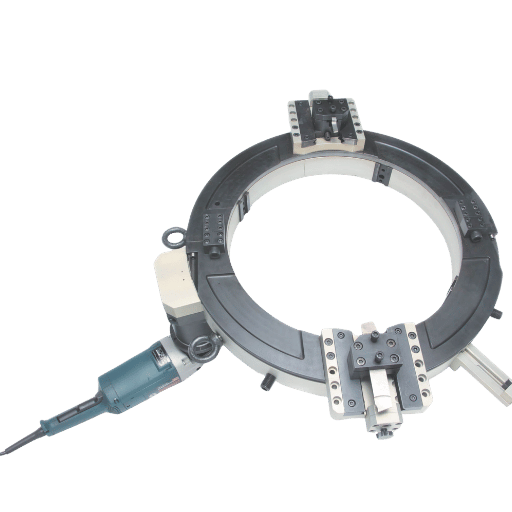
What is the cold cutting method?
Method choice depends on the machine family. Split-frame clamshell machines use a circular ring that separates into two halves, mounts around the pipe, and rotates a cutter around the OD. Cold saws feed a toothed blade through stock from one side. Abrasive water jet uses high-pressure water and abrasive to erode material. Each method can be called cold cutting, but the setup, tolerance, chip control, and site controls are different.
| Method | Where it fits | Buyer watchpoint |
|---|---|---|
| Split-frame clamshell | Installed pipe, pipeline repair, shutdown work, heavy wall pipe, limited access | Match OD range, wall thickness, tool slide travel, clamp clearance, and drive torque |
| Shop cold saw | Tube, bar, profile stock, repeat cuts in a fabrication area | Check blade, coolant, material changeover, burr level, and cut squareness |
| Abrasive water jet | Plate, sheet, gasket profiles, heat-sensitive materials | Confirm taper, pierce marks, abrasive disposal, and whether pipe rotation is needed |
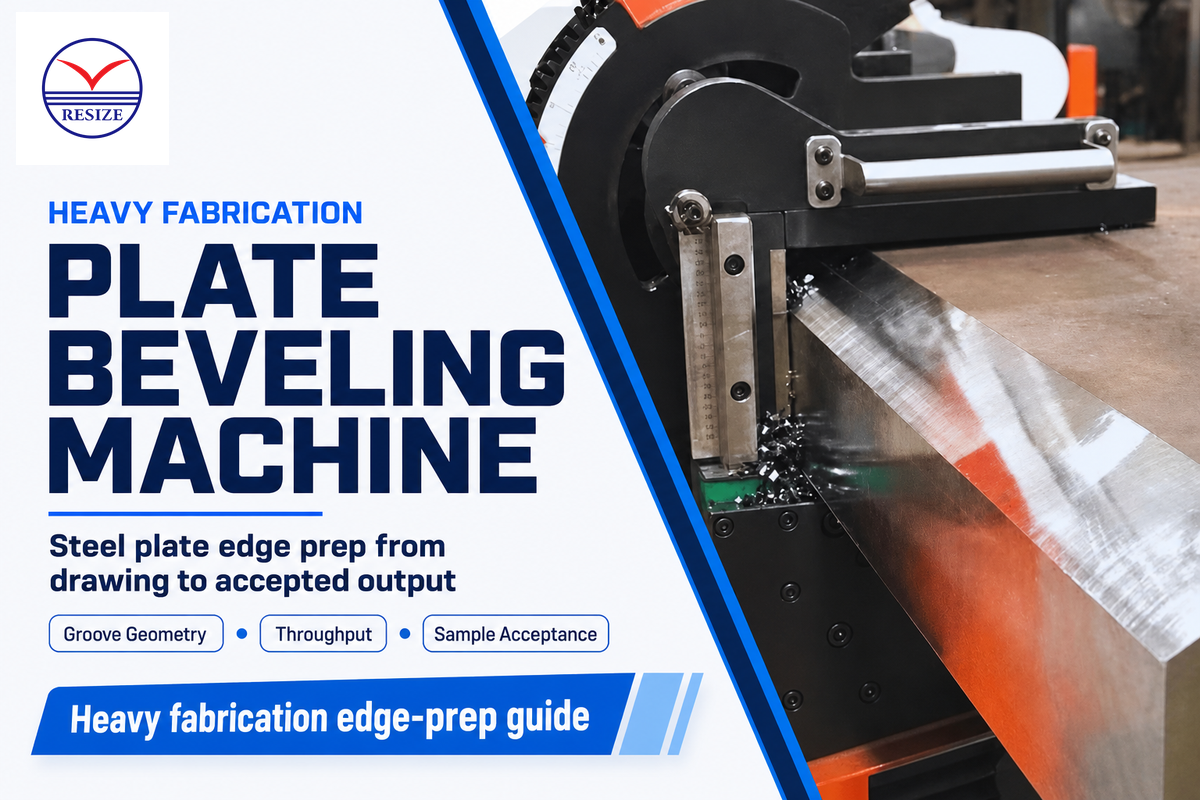
| Portable beveling machine | Edge prep after cutting, plate bevels, pipe end bevels, repair bevels | Confirm bevel angle, land, feed control, and whether the cut face is square enough |
RESIZE lists pipe beveling and portable beveling equipment for pipe, plate, and panel work, including internal-diameter pipe beveling data and portable bevel-angle ranges on its milling and beveling page. Applications that need both cutting and beveling should treat the cut as the first operation in a weld-prep chain, not as an isolated saw decision.
Low-profile split-frame details to ask about
When a supplier recommends a split-frame clamshell pipe cutting machine for onsite work, ask about the outer bearing, tool carriage, spindle, adjustable clamping feet, and whether the frame can split in half around nearby pipe supports. For heavy duty repair, those details affect setup clearance, feed stability, and the chance of accurate cuts before beveling.
Cold Cutting vs Plasma vs Oxy-Fuel: Where Each Method Wins
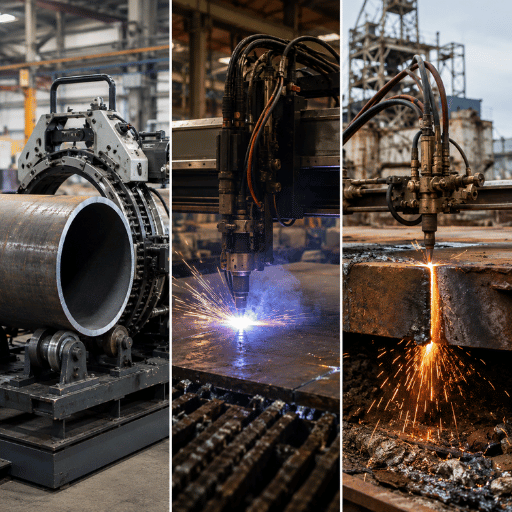
Cold cutting, plasma cutting, and oxy-fuel cutting all have a place. Process choice should come from the next step: which cut leaves the pipe ready with the least rework and the right safety controls? Thermal cutting can be fast, but it can also create heat-affected zones and edge conditions that need grinding or machining before welding.
Cold cutting advantages
- Low heat input at the cut edge
- Good fit for hazardous-area planning when sparks and flame must be reduced
- Can pair cut, bevel, and counterbore in one setup
- Useful for installed pipe where a fixed saw cannot reach
Cold cutting limits
- Requires enough clearance for the ring, clamp, tool slide, and drive
- Needs tool selection by material and wall thickness
- Can be slower than torch work on rough demolition cuts
- Still needs guarding, chip control, energy isolation, and site authorization
| Decision factor | Mechanical cold cutting | Plasma | Oxy-fuel |
|---|---|---|---|
| Heat at edge | Laag | High | High |
| Flame | No flame in mechanical cutting | Arc process | Open flame |
| Edge prep | Can cut and bevel with tool slides | Often needs cleanup before critical welds | Often needs grinding or machining |
| Installed pipe | Strong fit when clearance is available | Possible with access and power | Common for rough work |
| Stainless steel | Tooling and speed must match grade | Common process | Not the usual choice without special methods |
| Fire-risk planning | Lower spark/flame concern, but still assess site | Hot-work controls usually apply | Hot-work controls usually apply |
| Power needs | Pneumatic, hydraulic, electric, or servo electric | Electrical power and gas | Fuel gas and oxygen |
| Typical finish | Machined cut face | Thermal cut edge | Thermal cut edge |
| Best buying question | Can one setup cut, bevel, and counterbore? | What cleanup is needed before welding? | Is torch work allowed at this location? |
Open-shop fabrication may still point to a plasma cutting machine option. Pipe replacement, weld tie-in, or repair in a controlled area usually deserves an early review of a pipe cold cutting and beveling workflow.
Why Cold Cutting Protects Weld Prep Quality
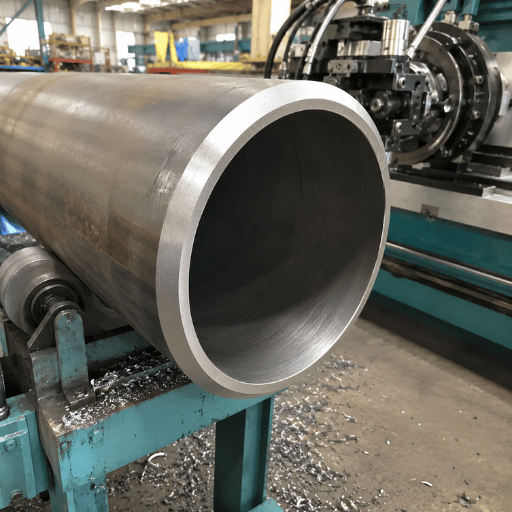
Weld quality starts before the arc starts. Cut squareness, land width, bevel angle, counterbore depth, mismatch, and burrs all affect fit-up. Mechanical cold cutting gives the crew a machined reference face for downstream processing. Often, the same ring can carry a bevel tool or counterbore tool, which reduces reset error between cutting and weld prep.
Engineering Note
Thermal cutting is tied to HAZ questions because heat can alter material close to the cut line. A FHWA report record in TRID on thermally cut structural steels studied HAZ ductility and impact toughness, which supports the practical rule: when the edge will become a critical weld prep, ask whether a lower-heat mechanical process can reduce later cleanup.
That does not mean every weld requires a cold cutter. It means the machine choice should be made from the weld back: WPS bevel angle, root face, counterbore, pipe schedule, material, and inspection level.
Spec ranges to verify before weld prep
| Spec item | Example range | Why to verify |
|---|---|---|
| Pipe beveling ID | 0.5-24 inch ID | Confirms whether the pipe end can be mounted by the listed machine family |
| Pipe beveling speed | 5-120 RPM | Helps match material, cutter feed, and finish target |
| Portable bevel angle | 0-60 degree | Checks fit against the weld procedure bevel angle |
| Portable motor power | 1.5 HP / 1.1 kW | Shows whether the drive suits the material and edge width |
| Portable weight | 20-32 kg | Affects lifting, setup, and overhead access planning |
| Max bevel width | Up to 21 mm | Checks whether one pass can meet the joint-prep target |
| Listed cutting depth | 0-25 mm | Prevents asking a beveling machine to do a cut beyond its range |
| Listed edge width | Up to 35 mm | Useful for plate or panel edge work beside pipe jobs |
| Listed motor power | 2.8 kW | Helps compare shop power and duty needs |
| Listed speed band | 2000-6000 RPM | Shows why cutter choice and feed rate must match material |
These figures come from RESIZE-visible product data and should be verified against the exact model, tooling package, and material before purchase. Related listed examples include 18-60 lbs pipe beveling equipment, 2820 RPM portable beveling speed, about 22 kg machine weight, and cutting angle examples of 15 degree, 30 degree, 45 degree, 60 degree, and 75 degree.
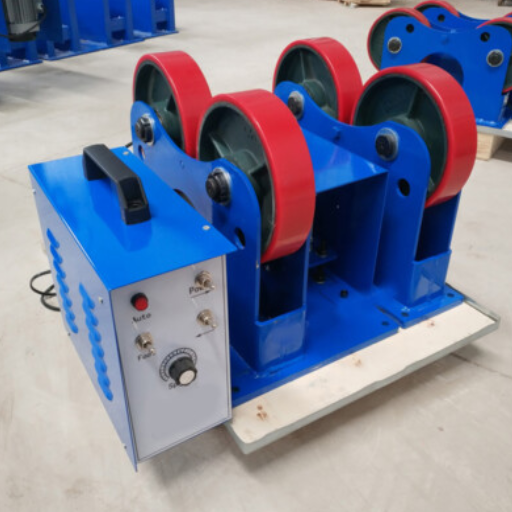
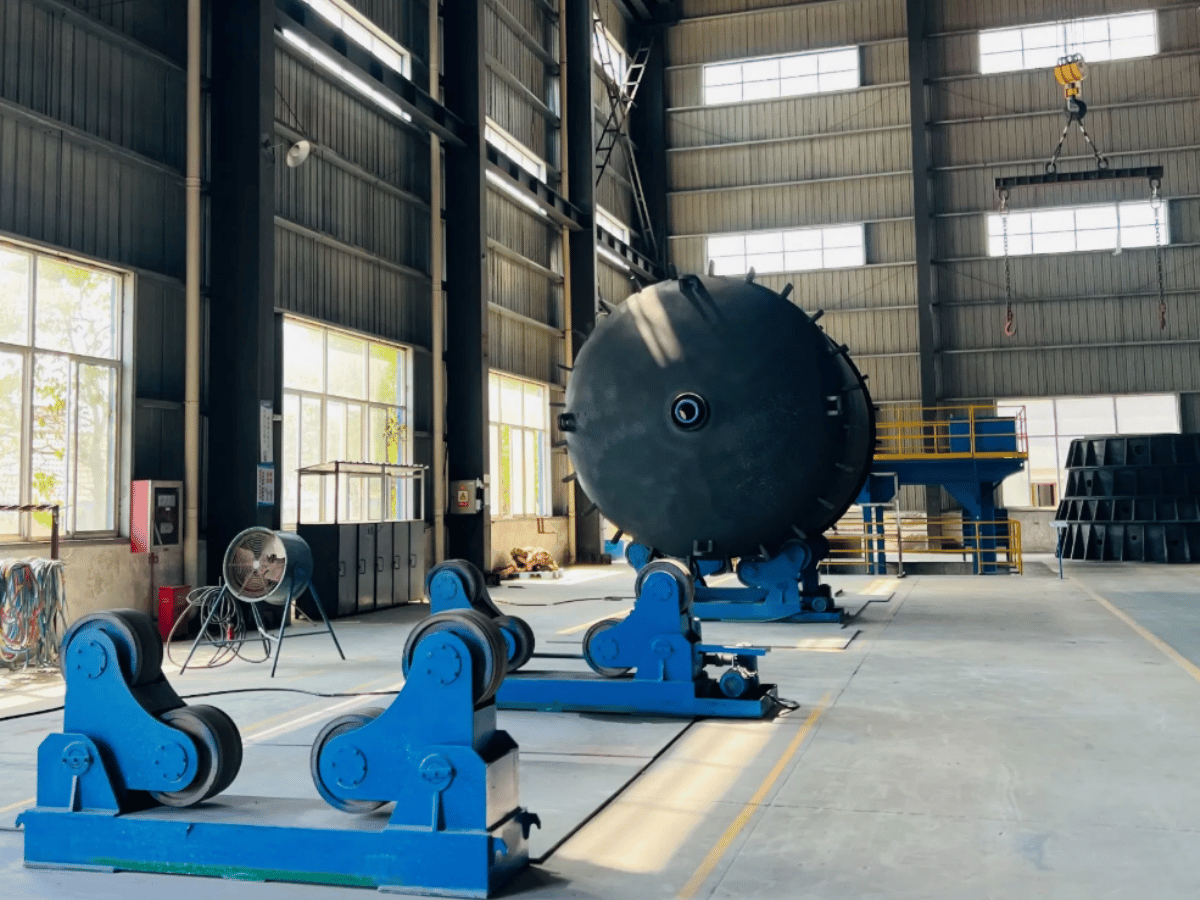
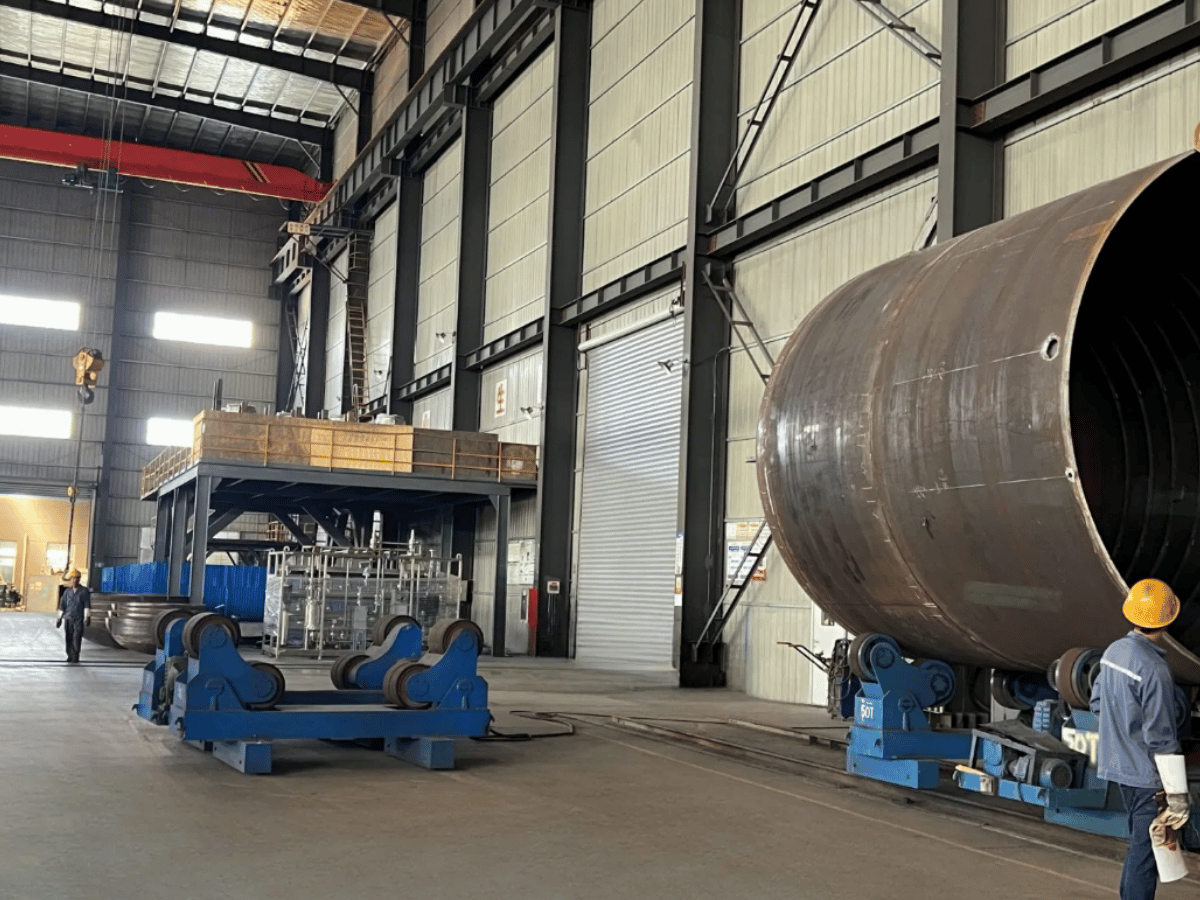
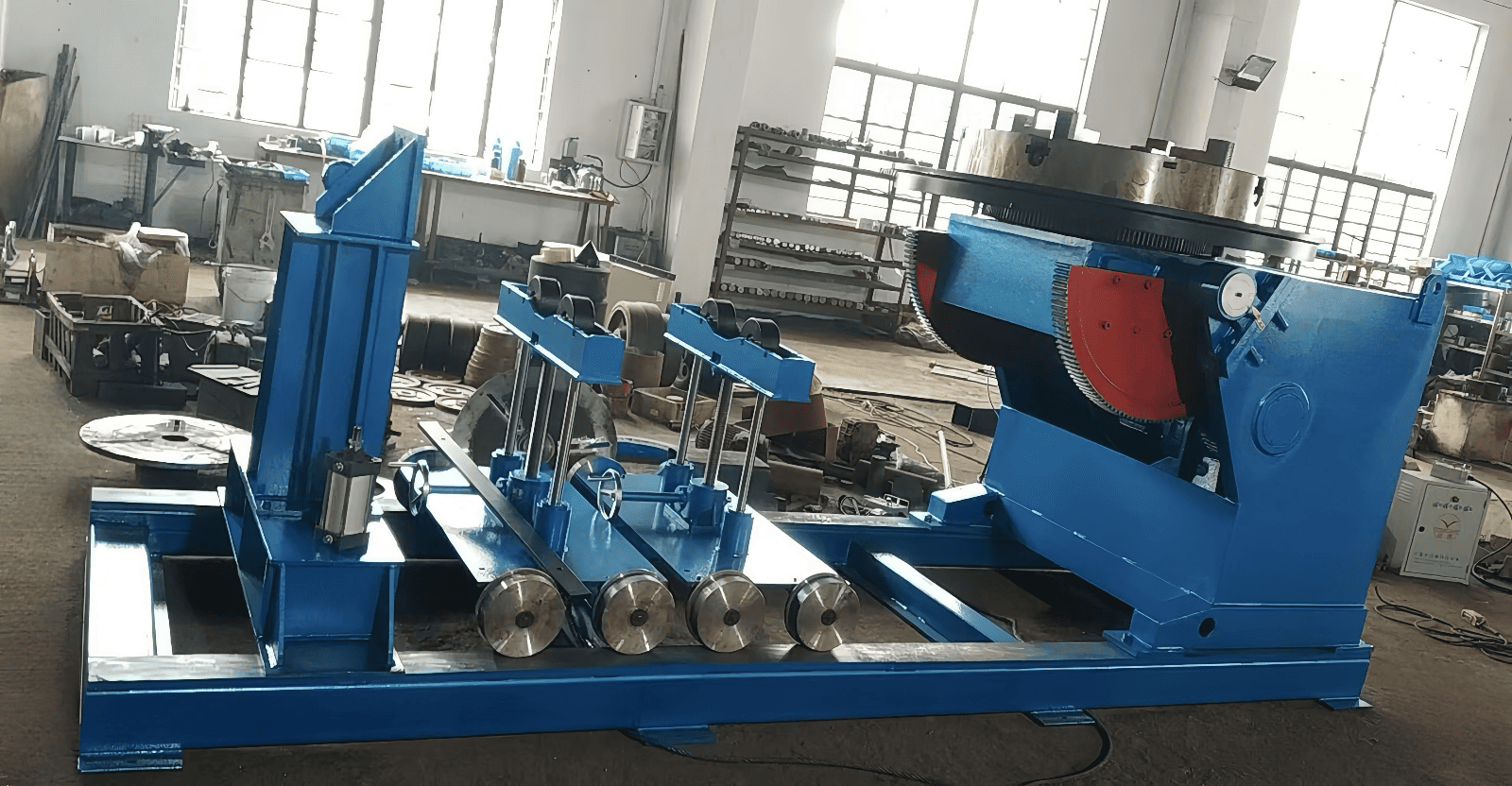
RESIZE lists pipe beveling machines with a 0.5-24 inch ID working range and 5-120 RPM speed range, plus portable beveling machines with a 0-60 degree bevel-angle range. Teams handling repeatable weld positioning after prep may also review a pijp lassen positioner, a welding rotator for pipe handling, or a welding chuck for pipe holding.
Buyer logic should follow the chain: cut face, bevel, counterbore, tack, weld, inspect. Good cold cutter decisions reduce how often the pipe has to be clamped, measured, and corrected.
The 5-Input Cold-Cut Spec Matrix
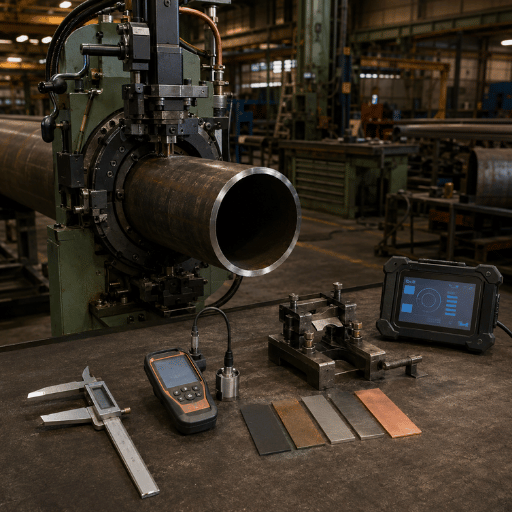
Use this matrix before asking for a cold cutting machine price. It turns a loose inquiry into a technical request a supplier can answer without several rounds of clarification.
| Input | What to send | Why it matters | Machine effect |
|---|---|---|---|
| 1. Pipe OD | Actual OD in mm or inch | Sets ring size and clamp range | May require a split frame rather than an ID-mounted tool |
| 2. Wall thickness | Schedule or measured wall in mm | Sets tool load and feed | Affects pneumatic vs hydraulic drive choice |
| 3. Material | Carbon steel, stainless steel, alloy, aluminum, PVC, or composite | Controls cutter grade and speed | May change insert, blade, or lubrication plan |
| 4. Site hazard | Tank, refinery, offshore, confined space, or open shop | Sets permit, fire watch, gas test, and drive restrictions | Pneumatic cold cutting machine may be preferred where electric tools are restricted |
| 5. Weld prep | Square cut, 30 degree bevel, 37.5 degree bevel, J-prep, land, counterbore | Defines the finished edge | Requires the correct tool slide and holder |
| Access envelope | Clearance around pipe, nearby flange, elbow, wall, or support | A ring needs space to mount and rotate | May push selection to a low-profile machine |
| Drive supply | Air pressure/flow, hydraulic power pack, voltage, site limits | Power source must hold torque through the cut | Drive motor and gearbox selection |
| Production count | One emergency cut, 12 tie-ins, or repeated shop work | Changes rental vs purchase logic | May justify tooling kits and spare inserts |
| Inspection level | Visual, fit-up check, NDE, radiography, code weld | Controls edge quality needed before welding | May require machining after rough cutting |
| Handling plan | Pipe supported, rotated, lifted, or fixed in place | Prevents movement during cut and bevel | May pair with rotator, chuck, or positioner |
Machine type clustering matrix
| Type | Best job | Typical output |
|---|---|---|
| OD split-frame clamshell | Installed pipe cutting | Square cut, bevel, counterbore |
| Low-profile clamshell | Tight pipe racks | Cut with reduced radial clearance |
| Heavy-wall split frame | Large schedule pipe | High-torque cut and bevel |
| ID-mounted beveler | Open pipe end prep | Bevel, facing, land control |
| Portable plate beveler | Plate and panel edge prep | Straight bevel angle |
| Shop cold saw | Tube or profile stock | Repeat cut length |
| Band saw | General stock cutting | Separated stock, usually not final weld prep |
| Water jet | Heat-sensitive plate profiles | Low-heat profile cut |
| Thermal cutter plus beveler | Rough cut followed by machining | Fast separation, then corrected edge |
Cutting and Beveling in One Setup
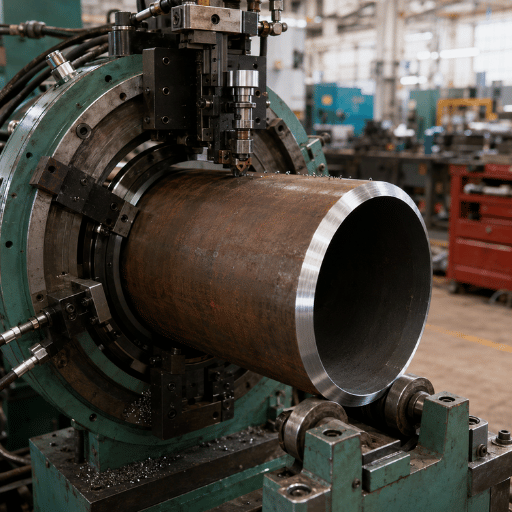
A cold cutter becomes more valuable when it does more than separate the pipe. During shutdown work, every extra clamp-and-reset step can add time and error. One ring setup that parts the pipe, bevels the OD, cuts a land, and counterbores the ID gives the crew fewer alignment decisions before welding.
That is why the quote request should ask about tooling at the same time as the machine body. Cutter bodies without the correct tool slides, holders, inserts, and feed range may fit the pipe but fail the weld-prep requirement. Ask whether the supplier supports square cutting, compound bevels, J-prep, counterboring, flange facing, and repeatable feed control for the material in question.
To discuss RESIZE equipment, start with the cold cutting beveling machine page, then send pipe OD, wall thickness, material, joint design, and site constraints. Automated downstream welding may connect the same planning to an automated welding manipulator or other pipe handling equipment.
Safety and Hot-Work Planning: What “Cold” Does Not Remove
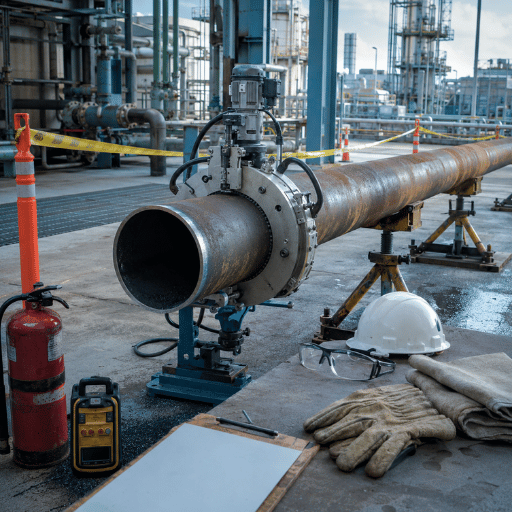
What are the hazards of cold cutting?
Cold cutting can reduce flame and thermal-edge concerns, but it does not remove worksite risk. Machine hazards still include rotating parts, sharp chips, pinch points, stored energy, compressed air or hydraulic pressure, noise, and clamping loads. Jobs near flammable vapors, coated pipe, tanks, or confined spaces still need site authorization and hazard review.
OSHA 1910.252 sets fire-prevention duties for welding and cutting work, including moving or protecting combustibles, using guards where hazards cannot be moved, fire-watch triggers tied to combustible material within 35 ft (10.7 m), and written authorization before cutting or welding is permitted. OSHA also requires fire watch to continue for at least 30 minutes after the work when fire watch is required. OSHA’s fire-watch fact sheet also says the person doing hot work should not be the fire watch, because fire watch is a separate monitoring duty.
CSB hot-work guidance urges industry to consider alternatives to hot work where possible, analyze hazards, monitor atmospheres, use written permits, train workers, and supervise contractors when flammable materials may be present. A pipe cold cutting machine can be one of those alternatives, but it still must be selected and used under the site’s safety plan.
| Hazard | Planning question | Control example |
|---|---|---|
| Rotating ring | Can personnel stay clear through a full rotation? | Guarding, exclusion zone, controlled feed |
| Chip ejection | Where will chips and coolant go? | Eye/face protection, chip shields, cleanup plan |
| Clamp load | Is pipe supported against movement? | Pipe stands, rotators, locks, lifting plan |
| Drive energy | Air, hydraulic, or electric power isolated? | Lockout, pressure bleed-down, hose inspection |
| Confined area | Can air quality, rescue, and access be controlled? | Permit, ventilation, attendant, rescue plan |
| Flammable atmosphere | Has gas testing been done before and during work? | Atmosphere monitoring, written permit, alternative method review |
NIOSH also treats welding, brazing, and thermal cutting as occupational risk areas that call for risk elimination or reduction through controls. API 1104 context may also enter the welding procedure and inspection conversation for pipeline work.
Price, Supplier, and Quote Checklist
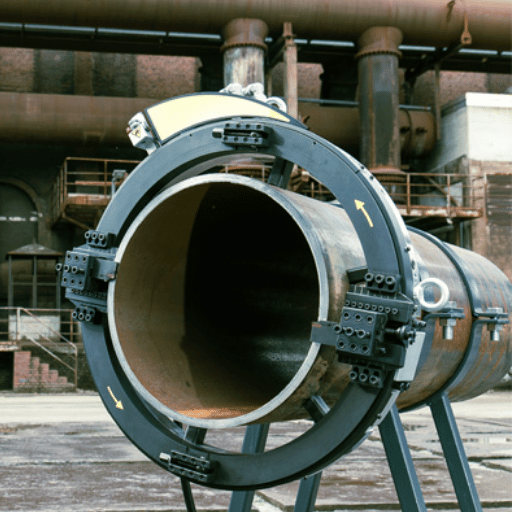
Cold cutting machine price depends on more than the machine body. Ring size, drive type, tool slides, spare inserts, bevel capability, counterbore range, power pack, shipping, training, and whether the unit is purchased or rented all affect the quote. Suppliers cannot make a useful recommendation from “price for cold cutter” alone.
Send this with your inquiry
- Pipe OD, ID if known, wall thickness, and schedule
- Material grade and coating condition
- Cut type: square, bevel, J-prep, counterbore, or flange facing
- Required bevel angle, land width, and tolerance
- Site type: open shop, refinery, tank farm, offshore, pipeline, confined space
- Available drive source: pneumatic, hydraulic, electric, voltage, air flow, or pressure
- Clearance around the pipe in mm or inch
- Quantity of cuts and whether the machine is needed for one outage or repeated maintenance
- Handling equipment available, such as stands, rotators, chucks, lifting points, or positioners
RFQ scenario examples for planning
The examples below are not RESIZE case studies. Use them as project planning baselines when describing a cold cutting application to a supplier.
| Scenario | Numbers to send | What the supplier can judge |
|---|---|---|
| Refinery tie-in project | 12 joints, 6 mm wall, 8 h outage, 35 ft / 10.7 m fire-watch review | Whether a pneumatic setup, spare cutter kit, and written permit plan are needed |
| Maintenance spool replacement | 4 spools, 3 mm land, 21 mm bevel width, 22 kg handling limit | Whether the tool can hold the bevel and be lifted safely at the work face |
| Heavy wall pipeline repair | 12 mm wall, 25 mm cut depth, 35 mm edge width, 2.8 kW shop power | Whether the drive, cutter insert, and feed rate match the wall and material |
| Shop prep batch | 24 joints, 1.1 kW portable beveler, 20-32 kg tool weight, 5 mm root face | Whether a separate beveling station gives better throughput than one cutter body |
| Confined repair timeline | 2 h access window, 2 workers outside, 10 mm wall, 4 mm land target | Whether clearance, rescue planning, and drive isolation make the method practical |
The best supplier response should identify the machine range, drive type, tooling package, expected setup notes, consumables, and any limits. It should also say when a separate pipe beveling machine is smarter than forcing one cutter to do every operation.
RESIZE can review the pipe data, weld-prep geometry, and site restrictions to match milling and beveling equipment to the job. Use the low-friction request: send OD, wall thickness, material, bevel requirement, and photos of the access area.
What Is Changing In 2026 For Pipe Cold Cutting Machines?
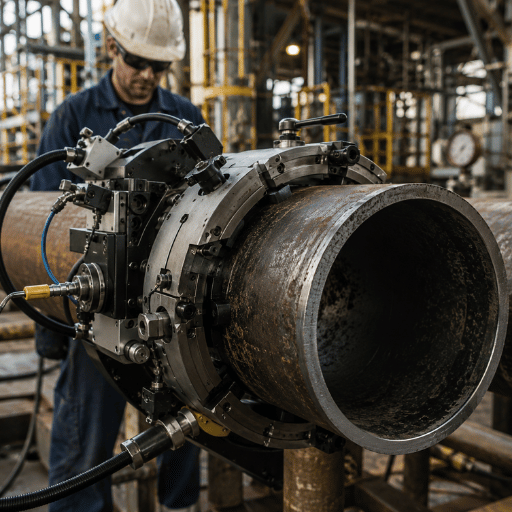
Buyer questions are becoming more specific. Instead of asking only for a cutter, maintenance teams now ask whether the same setup can cut, bevel, counterbore, and support safer work planning. That is a practical change: project teams want fewer field operations, better edge prep, and cleaner documentation before a shutdown window opens.
Three patterns matter in 2026. First, buyers are comparing cold cutting with plasma and oxy-fuel through the lens of edge quality and site authorization. Second, portable beveling is moving closer to the cutting conversation because weld prep is the end goal. Third, remote quote support is more useful when the buyer sends the 5 inputs: pipe OD, wall thickness, material, site hazard, and weld prep geometry.
NFPA 51B’s 2024 edition and AWS Z49.1:2021 remain useful reference points for teams framing hot-work, ventilation, confined-space, and fire-prevention discussions. The machine conversation should sit inside that broader planning, even when the selected process is mechanical cold cutting.
FAQ
What is the name of the machine used in cold cutting?
Installed pipe work often uses the names split-frame clamshell, clamshell lathe, cold cutter, or pipe cold cutting machine. Shop teams may mean a cold saw instead.
Is cold cutting the same as cold sawing?
No. Cold sawing is one cold cutting method, usually for stock in a shop. Pipe cold cutting often means an OD-mounted split-frame machine that cuts around installed pipe with a rotating tool ring.
Can a cold cutting machine bevel pipe at the same time?
Many split-frame machines can cut and bevel in one setup if the right tool slides and holders are fitted. Confirm bevel angle, land, wall thickness, and counterbore needs before ordering.
Is cold cutting safer than plasma cutting?
It can reduce flame, sparks, and thermal-edge issues for the right job, but it is not automatically safe. Guards, clamping, chip control, drive isolation, gas testing, permits, and fire-risk review may still be needed. Site rules decide the final controls.
What pipe data is needed before requesting a machine quote?
Send pipe OD, wall thickness, material, site type, access clearance, drive source, cut type, bevel angle, land, counterbore need, and quantity of cuts. Photos of the work area help the supplier judge clearance and clamping space.
What wall thickness can pipe cold cutting machines handle?
It depends on ring size, machine rigidity, drive torque, cutter tooling, and feed. Do not choose by OD alone. Send the wall thickness in mm or pipe schedule with the material grade, then ask how the supplier sizes the drive and tool package.
When should I use a separate pipe beveling machine?
Use a separate beveling machine when the pipe is already cut, when access does not allow the cutter ring, when the bevel geometry is the main operation, or when plate and panel edges are part of the same project. Separate beveling can also make sense when several pipe sizes share one prep station.
Ask RESIZE for a Machine Match
Send pipe OD, wall thickness, material, access photos, and bevel requirements. RESIZE can help compare a cold cutting beveling machine, pipe beveling machine, and related weld-prep handling equipment for your job.
Related RESIZE Guides
References and Sources
- OSHA 1910.252, General Requirements for Welding, Cutting, and Brazing
- OSHA, Fire Watch Duties during Hot Work
- NIOSH/CDC, Welding, Brazing, and Thermal Cutting
- U.S. Chemical Safety Board, Hot Work Safety Resources
- NFPA 51B, Standard for Fire Prevention During Welding, Cutting, and Other Hot Work
- AWS Z49.1:2021, Safety in Welding, Cutting, and Allied Processes
- API Standard 1104, Welding Pipelines and Related Facilities
- TRID/FHWA, Heat-Affected Zone Studies of Thermally Cut Structural Steels
- RESIZE Milling and Beveling Machine Product Page