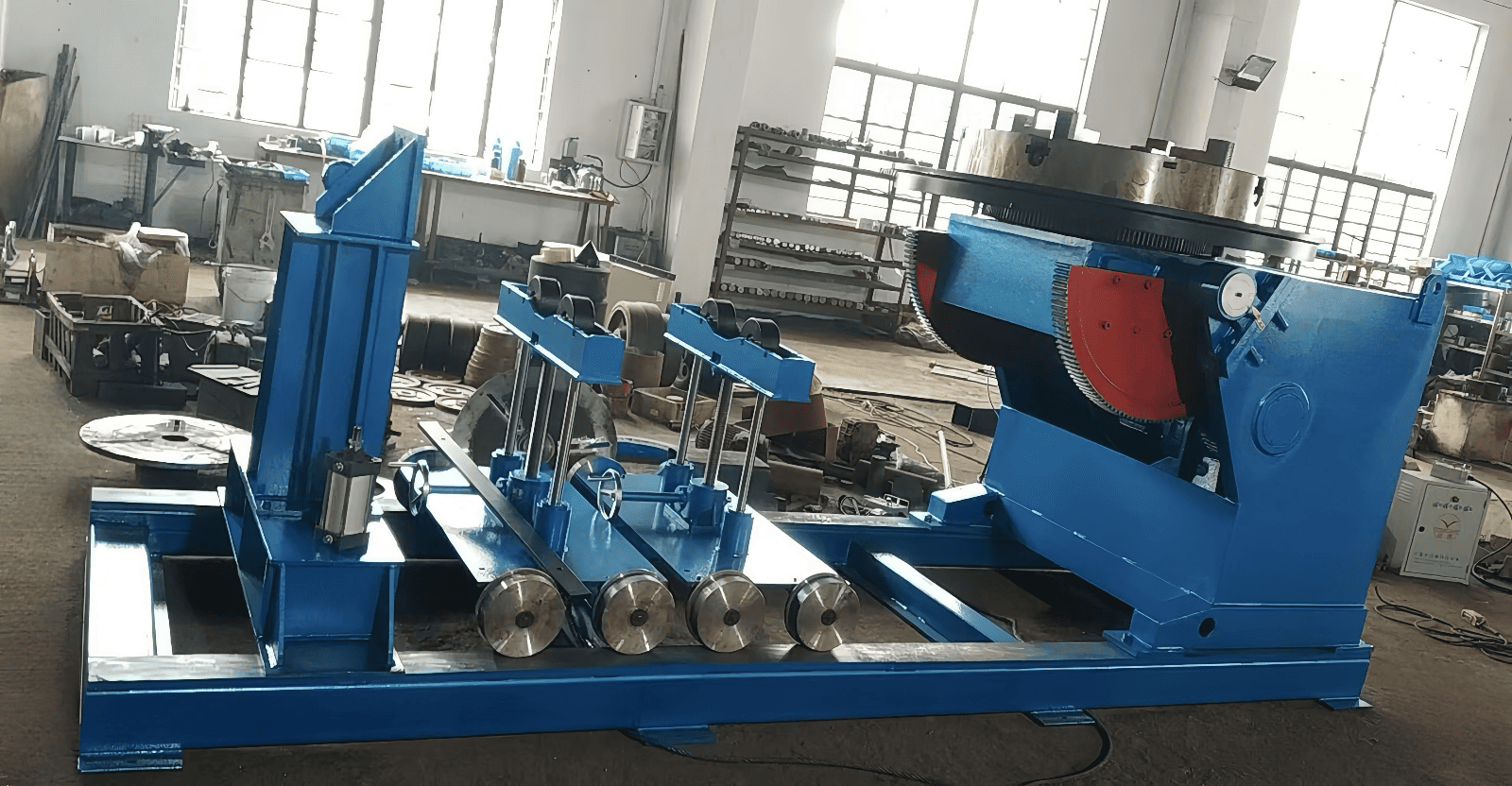
Positioners are devices used in most industrial applications to manipulate a body or a tool with precision. When picking an appropriate driving motor for designing these mechanisms, there is always only two motors that will come across them – servo motors and ac motors. Despite the fact that one may argue that the choice of either depending on performance objectives has an effect, however, there are distinctions that requite catering on the application requirements. These distinctions need to be understood and they are very important to enhance the efficiency of motorized positioner and how to integrate them into this modern industrial system smoothly. This report discusses the main differences of servo motor and ac motor motor, providing their specific applications, advantages and when to use each one. If ask engineers, service technicians or individuals in business to meet their needs for industrial interaction and level, the information contained in this article is readily available and help meet the requirements in making the appropriate decision.
Introduction to Motor Types
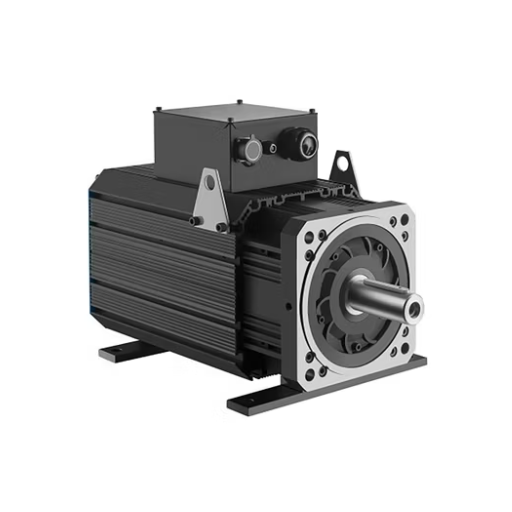
What are Alternating Current (AC) Motors?
Among the diverse types of electric motors available, also known as AC motors, are those that are powered by electric currents in which supply switches to opposite directions at intervals. They are extensively used in most industries on account of their uncomplicated design and high substance trait. AC motors are generally divided into two principal types – they are synchronous and asynchronous (or induction) motors. Synchronous motors work at a constant speed which is rigidly maintained in synchrony with the frequency of the supply current, they are suitable for applications that require smooth and accurate speed control. By contrast, induction motors are more application specific, allowing more robust and cost effective solutions to be used in more industrially targeted applications such as conveyors, fans and pumps. It is easy to convertible applications depends on such factors as low heat generation, the inherent simplicity of the designs, minimum maintenance requirements in the choice of efficient and cost-effective motors between alternating current and direct current for use in most industrial and residential installations.
Explaining Servo Motor Mechanics
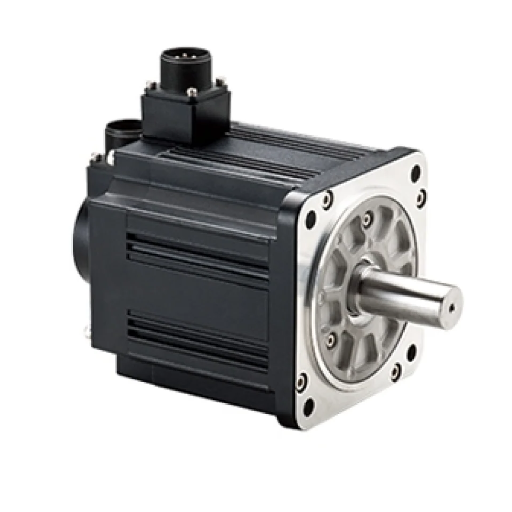
There are particular motors that are created to fulfill special functions in machines. For instance, a servo might have very controlled movements and might only turn 90 degrees in each direction unlike a normal motor which will constantly rotate on and on to perform the required function. The servo motor can be thought of as an ‘enhanced’ version of the regular motor that is additionally fitted with a feedback mechanism. There are processes occurring in the background of typical motors that are excluded in servos. In the absence of the feedback loop, a motor would keep rotating until it is disconnected. A typical motor is supposed to carry out a specific function and go off. It is not capable of achieving its utmost torque…if it was never brought to a halt functioning!
Modern servo motors are recognized for their ability to provide compact power transmission machines over a wide speed range, high torque density, and consistent operation. The servomotors mostly exist in AC as well as DC forms where one is likely to find AC servomotors in the industrial application due to their robust nature to handle high duty factor. They offer even more control when used with sophisticated control systems where linking and timing of many other automation devices is seamless. Closed loop systems using servo motors are currently the most common components in motion systems. Servo motors are exposing many industries such as precision motion control to numerous innovative uses due to their advancement in technology.
Understanding DC servo motors in a transparent way
A DC servo motor is a specific type of motor that typically uses a power supply in order to control its movement. This type of engine combines attractiob characteristics thar are of direct current with a position feed back device such as an encoder, potentiometer etc to monitor and automate control of it. Because of this, dc servo motors are best suited for applications such as robotics, mniature components and other .movable equipment where high resolution accurate control is needed. Indeed, in the case of dc servo motors, it is possible to maintain a high level torque down to speed and so this makes them perfect for applications that require a high degree of acouracy. Likewise, improvements in the composition and overall methods of control design have increased the efficiency and shelf-life of dc servo motors, thus making them relevant in prevailing and new engineering fields.
Key Differences Between Servo and AC Motors
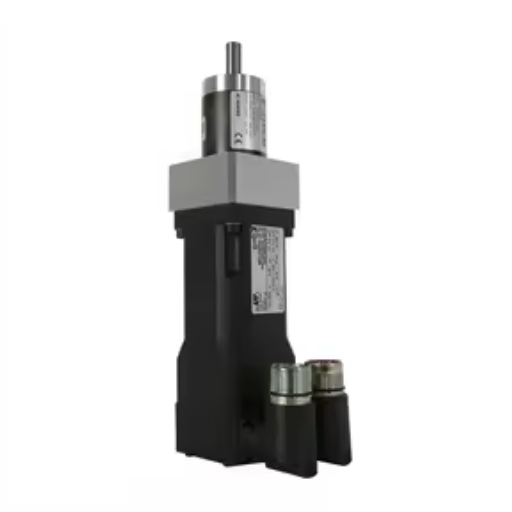
Control Mechanisms in Servo vs AC
When it comes to AC motors, open-loop control tends to be the best and easiest most cost effective method used in controlling them. Servo motors are controlled by closed loop control system which continuously monitors feedback from encoder and resolver regarding position and velocity of the machine in order to ensure accurate fit. In such cases, a servo motor can make adjustments in real time thus ensuring high level of accuracy and consistent performance even if load changes. yet. Another useful features of Servo motors is the presence of the most advanced motion controllers that are specially tailored to perform specific functions are installed in the system which ise of very great help especially in a bunch ofRnD filed and across the set of other related fields targeted on exact control. On the flipside, AC props are mainly controlled in an open loop manner. That means to say that they rely on the frequency and voltage supplied to regulate their speed and torque. Also, some AC motors can be controlled slightly, such is the case of an AC motor by means of a variable frequency drive however they are rather inferior to control than the servo motor based systems. When less of very high precision and more of the simple design and long service ability are required, the AC motors are very likely to be chosen for the application. The difference in the control logic types is very important in the machines and techniques equipped with servo and AC motors.
| Особенность | AC Induction Motor | Servo Motor |
|---|---|---|
| Control Type | Open Loop | Closed Loop (Feedback) |
| Точность | Low to Moderate | Extremely High |
| Torque at Speed | Variable | Consistent Across Range |
| Стоимость | Нижний | Higher (System Cost) |
Performative qualities Of different motors
For this reason different machines are designed for different applications in terms of other machines each of which possesses unique technical assets and operational specificities. For instance, the AC motors have found application in the industrial sector on a large scale owing to their ruggedness and efficiency in operation and minimal maintenance. They are particularly effective under steady-state operating conditions and can take on heavy loads with great confidence even at full load. However, the same applications might not be available when the need for a fast start up or precise control comes up. On the other hand, mechanisms short in ideal solutions for applications where precision of the stepper motor is required, controlled speed changes s and fast response in acceleration are present, are called servo motors. In general automation, these have “sensors” such as encoders for their position control and shaft shafts, the hole should illustrated some movement between pre over positions to the control. Such control lines in a particular shaft is essential in controlling a particular very well. Also, DC motors are widely preferred for the reason of its easy control and simplicity, especially in the lower power sector when compared to AC motors. Direct current motors can be controlled at precise speeds and torque levels by varying the voltage levels that are provided making them suitable for small machines, toys and mobile accessory applications. This’s true for both engines because the design principle of each needs to accommodate their respective applications hence improving the reach of motors for both industrial and user requirements.
Cost Comparisons and Economic Factors
When considering the engine type, calculating the cost price and economic aspects have a significant effect on the final decision. The AC motors are comparatively cheaper among large industrial circles, as basically it is less complicated and is more available. Centralized power systems have economically more benefited during the project of electrical design because they use the system more intensively and for a long time. In a complete contrast, the DC engines are offset price due in installation of materials such as brushes and electronic controller and are piano efficient in numerous high end activities. The issue at this point however, is shifting to the operating cost of these two engine types when one ascends to energy consumption of the electrical system. AC motors may come at less cost but due to the way the assembly is built; the efficiency level can be debated. Lastly, DC motors might be the ultimate solution to the day to day maintenance expense in machines running with higher precision or different speed. Through accurate appraisals of these economic challenges, the concern for the performance based on any financial constraints sounds practical, and it is within this that solutions that are applicable to different cases are alloyed.
Applications of Servo Motors in Position Control
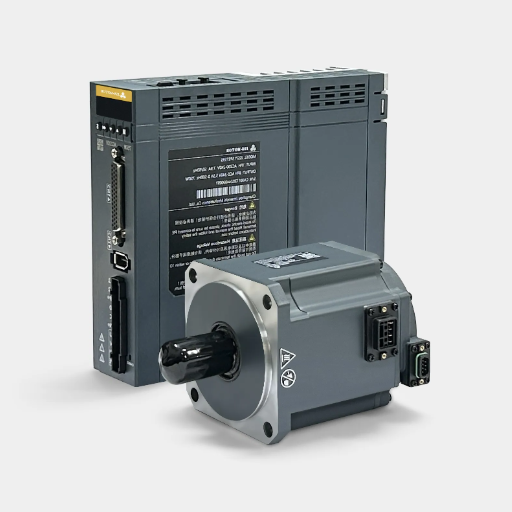
Applications in Automation
The servo motor assumes tremendous importance with the advent of the process of automation in the industrial revolutions of the 20th century. The application of servo motors is very common in industries using automated machines like robotic arms, assembly, welding, or movement of part materials as they enable a pinpoint and free-from-vibration movement. Again, in the context of servo motors manufacturing industry stroke controllers, grouped under servo motors,notably provided assistance in reducing cycle time of certain manufacturing processes. More than that, servo motors in the packaging industry allow for the accurate positioning of the product when filled, eliminating any chances of damage or spillage thus eliminating waste. Therefore, it is mainly the varied scope within which these devices can be utilized and their dependability that makes them so desirable when one ha in mind the growth of automated systems within the industrial context.
Considering advanced servo motors and their usefulness in the accuracy feature
Precision tasks demand numerous advantages from the servo motors ensuring they have a permanent position importance in the various sectors. Ensuring it shows good quality position, speed, and control is the critical aspect which is required in applications which are made up of particular movements such as robotic arms and CNC machines. Servo motors used in such applications maintain secured a level of precision even in changing conditions as they are able to work even though fault-processing algorithms are checked. It has attractive properties such as high power factor enabling it to save on fuel due to low energy consumption while maintaining high performance. Moreover, high precision rotators are also flexible and this allows for incorporation of even sophisticated sensor and controller systems thus further increasing the performance of the intelligent manufacturing systems. Such advantages make servo motors a favorite in sectors that aim at very high levels of precision, equipment reliability, and operating around the clock in an automatic mode among other options.
Incorporation of Encoder Feedback
In maintaining the operational properties and precision of a servo motor, one of the main functions of an encoder in the feedback system. With the encoder’s ability to efficiently provide the location of the motor in real time, it never misses as it operates, and any movement produced changes the state of the motor at that instant. In this design, the system mostly focuses on sensing the location, the speed, and the direction of the motor, thereby the somewhat needed corrections are fast and the control targets are easily met. Also with the intervention of new encoder sensor technology, when used in conjunction with servo motors, makes the machines even much more accurate than before in industries that require positioning controls strictly. Sophisticated encoder systems also take group adjustment further by enabling communications in the overall automated system, thus helping in up-gradation of the systems for a new manufacturing environment which is more intelligent and more integrated.
Applications of AC Motors in Industrial Settings
The Use of Induction Motors in Modern Society
One indisputable fact is that induction motors have become an integral part of modern industrial systems. Their enduring qualities, combined with scanty maintenance demands, have rendered them useful in a whole gamut of applications from conveyor systems and water pumps to heavy duty compressors and fans. Their robust design and ability to efficiently run at any load make them an ideal solution in places where damage or breakdown won’t be accepted. The application of Variable Frequency Drives (VFDs) has even gone further to improve the preciousness of such motors by enabling, besides other things, speed control, and energy economy. This facility enables industries to save their expenses in running costs while still delivering excellent service. Due to their adaptability and consistence in performance, it is for sure that, induction motors support profoundly modern industrial equipment and stand for active operation with changing loads.
Advancement of High-Power AC Motors
Due to the enormous advantages of AC motors in the context of working at high power, these versions are very popular in industry. Some of the advantages of these motors over other motors include the low losses of energy while having high power capacity, such motors are necessary for industrial sectors like manufacturing, transport, and electricity. Induction motors, which are a type of AC motor, do not need brushes and commutators. This means that the maintenance of such motors is less and they are more reliable for a longer period of operation. Besides, AC motors have a wide speed-torque range which allows them to integrate with different forms of equipment effectively. Technological advancements such as the incorporation of variable frequency drives have been made to help increase the efficiency of these motors by availing speed control and power consumption optimization. This ultimately contributes to the reduction of energy consumption and the promotion of natural sustainability by reducing pollution. Their approach is such that any possible chances of failure due to extreme conditions are taken care of, hence providing a solid base for the ac motors in high power, mission-critical systems. AC motors, in the long run, are far more cost effective and reliable due to its characteristics and additional controls. Consequently a.c. industrial motors are essential because they provide energy saving, service, new technology of control on high performance level.
Comparison with brushless motors
In a lot of industrial and commercial uses, AC motors and brushless dc motors are often used. However, there are differences in the way the two are designed, the way they operate and how appropriate one would be over the other in a particular application. AC motors are designed to operate very few and easy parts and components, as well as for the most challenging jobs. Such motors are often less expensive, easy to repair and are best utilized when there’s no need to worry about the efficiency of the motor under harsh conditions. Likewise, BLDC motors are one of the best mechanical products known for providing accuracy, minimal power usage and extended use in due to the removal of power consuming components such as brushes. Coupled with their small size and the capacity to deliver smooth well measured twisting force, they are well suited for tasks in such fields like automation – robotics, home – appliances and transportation machines. In addition, it is quite common for BLDC motors to have advanced electronic control systems for speed and position control, which is suitable for automatic systems and high technology fields. While AC motors may be more effective and robust for high powered applications, in cases requiring maintenance of accuracy, energy use and small size regulations, it is advisable to use BLDC motors. The differentiation between the use of the two pros becomes evident only if the operating environment is considered since each has certain specific features to provide for different industrial sectors.
Choosing the Right Motor for Your Application
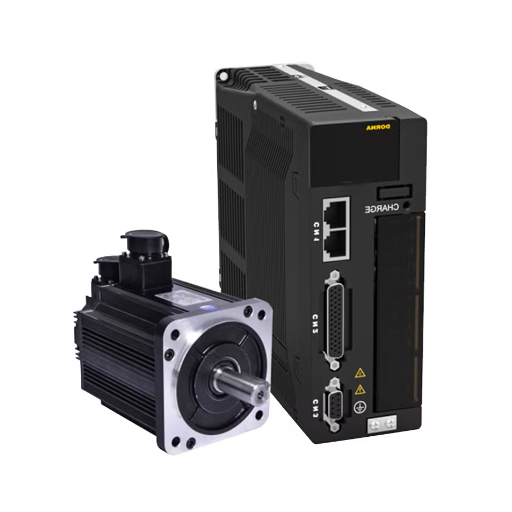
What to take into account when selecting a motor
Before choosing the ideal motor for an intended application, the initial step taken would always include coming up with the operational demands of the specific project. Considerations to be taken into assuming this identification include, torque, operating speed as well as output power. In an instance where higher-revolving speed capacity is required or extremely efficient control is sought, a Brushless DC (BLDC) motor may be preferable because it offers effectiveness and dependability in such circumstances. However, for more demanding industrial processes, which entail pulling high loads and require high level of protection, an AC motor might be the optimal solution with the requisite strength and energy at the specified requirements. Next, I look at the operating atmosphere and power consumption as relevant factors. If the motor is likely to be subject to severe temperatures, dusty conditions, or moist conditions, I ensure the designated protection rating (IP Rating) has been met to sustain such operations. Moreover, motor efficiency is essential given that motors usually consume a lot of energy in industrial and commercial facilities. Making the right decisions on energy-efficient products has got other benefits which include cutting operational expenses apart from the reduction of environmental impact. In addition, I assess the whole life cycle, that is, also considering the initial cost, maintenance, and life expectancy of the motor, so as to obtain value and reliability in the long run. I test whether it can work with industrial devices and how easy it can be implemented in the existing system. For most recently installed machinery, engines that offer superior control as they are rated at a higher technology level such as those meant for a Variable Frequency Drive drive or those available in higher complexity comes with much better capacity and results. Relevant motor specifications are derived by taking into account various factors so as to contain the cost for which the motor ought to provide and the requirements present at the time and projected for the future operations.
How to determine the parameters of power sources
Comprehending the requirements of forces such as the power supply becomes very critical as this guarantees smooth and successful operation of the components in many systems where drives are incorporated. The key consideration in this regard is the compatibility in terms of voltage, in other words, the importance of ensuring the voltage output of the chosen power source corresponds to the rated voltage of the motor or the device. The issues of voltage mismatch may result into power inefficiency, overheating and even failure. Following it closely in order of priority is the issue of current which is the ability of the power supply to supply the necessary current at any particular time especially if high current is required on start-up. In addition, it is imperative to take into account the type of power supply- whether AC or DC will be used the specific application under consideration. It is more common to use DC power supplies where systems have an outstanding level of accuracy and regular maintenance is needed, while AC power supplies are usually used in systems where large motors are involved such as factories since they can easily be found and expanded. On the other hand, it is quite essential that consideration is given to the protection characteristics of the power supply particularly for effective protection measures like overload or short circuit protection enables to increase the safety levels and durability of the entire system. All these strategies enable the enhancement of the performance of the device while minimizing the danger inherent in less energy consumption. Therefore, it is extremely important to adjust the choice of power supply to the specific requirements that the application in question possesses.
Предложения для разных доменов
- В производственном секторе: Когда дело доходит до производственных предприятий, надежность и долговечность являются основными характеристиками, которые принимаются во внимание при выборе источников питания. Применение вспомогательных методов, таких как трансформаторные интегрированные системы бесперебойного питания (ИБП) с высокими номинальными значениями энергоэффективности, является одним из инструментов, которые можно использовать для уменьшения сбоев в подаче электроэнергии. Они также поддерживаются модульными источниками питания, которые используются для выдерживания различных нагрузок, а также направлены на легкое масштабирование.
- В секторе здравоохранения: Последовательность и точность имеют важное значение для устройств, используемых в здравоохранении, поскольку они требуют точного питания. Для устройств здравоохранения, работа которых не должна подвергаться помехам в результате высокого флуоресцентного или лазерного излучения, необходимыми устройствами, которые следует использовать, являются силовые устройства с наименьшим электромагнитным помехой. Избыточность увеличивает скорость успеха в критических обстоятельствах.
- Центры обработки данных: Строительство ИТ-объектов, в частности объектов ЦОД, требует интенсивного проектирования, так как такие объекты предназначены для поддержки и развития современных инновационных отраслей и научно-технического прогресса со всеми соответствующими теплоотводами, энергопотреблением и другими особенностями Проектирование систем с шестью девятками доступности и внедрение охлажденной воды в комнаты данных может быть неэффективным в дополнение к тому, что это дорого стоит обратно к основной точке гибридных ИТ. Комплексная стратегия зеленого центра обработки данных также обеспечит хорошее обоснование таких мер.
- Сектор возобновляемых источников энергии: Электроника питания для систем возобновляемой энергии, таких как фотоэлектрические панели, ветровые системы и т. д., должна быть спроектирована так, чтобы поддерживать колебания мощности. Благодаря контроллерам отслеживания MPP (MPPT) и инверторам источника напряжения с накопителем энергии можно повысить эффективность и оптимально управлять силовыми электронными преобразователями.
- Транспортная отрасль: Блоки питания для электромобилей и систем общественного транспорта должны быть эффективными, легкими и компактными. продукты, которые обеспечивают быструю зарядку и имеют хорошие функции контроля температуры, могут поддерживать источник питания в дополнение к снижению его стоимости при эксплуатации.
Рентабельность, безопасность и забота об окружающей среде - это принципы, которыми руководствуются все отрасли. Можно и полезно ввести в эксплуатацию правильные электрические машины и оборудование для конкретных заводов и объектов.
Справочные источники
Система микросервоуправления диаметром 4 мм в оптоволоконном позиционере
mdpi.com
Обсуждает влияние сервосистем на производительность оптоволоконных позиционеров, предлагая информацию о применении серводвигателей.
Приводы для микропозиционеров и нанопозиционеров
asmedigitalcollection.asme.org
Изучает роль исполнительных механизмов, включая двигатели сервопривода и переменного тока, в системах точного позиционирования.
Автоматический позиционер и система управления для моторизованного параболического солнечного отражателя
researchgate.net
Рассматривает использование серводвигателей в моторизованных позиционерах для применения в солнечной энергии.
Лучшие производители и поставщики сварочных позиционеров в Китае
Часто задаваемые вопросы (FAQ)
В чем сервопривод превосходит технологию привода переменного тока в управлении положением?
Что ж, сервопривод предназначен для оснащения оборудованием динамического позиционирования. Приводы переменного тока используются для управления двигателями в машинах переменного тока, главным образом, для управления скоростью или крутящим моментом. Коллекция приводных цепей является внутренней цепью сервопривода в зависимости от предполагаемого использования. Вместе с ней можно добавить контроллер движения. Этот вид сервопривода позволяет быстро и легко регулировать функции компонентов, такие как положение и скорость, а также управление током, где сервоприводы лучше всего подходят. Последние разработки приводов были улучшением класса, но преимущество сервоконтроллеров перед приводами асинхронных двигателей по-прежнему остается вопросом простоты управления и обратной связи. Приводы переменного тока могут стать более дешевыми инструментами для более простого использования, тогда как сервопривод будет лучше работать в более требовательных и скоординированных операциях. Есть компании, такие как Kollmorgen, которые производят полные пакеты сервопривоприводов, которые необходимы для современного использования машин высокой печати.
Каковы характеристики сервоприводов, поскольку они влияют на такую крутящую нагрузку, мощность и скорость движения?
До этого момента шаговые двигатели пользовались открытым контуром простота управления, гарантируя, что они популярны для более низких цен позиционера. Тем не менее, они имеют тенденцию испытывать потери шага, минимизировать высокоскоростной крутящий момент и более низкий КПД. BLDC, который является сокращенным термином серводвигателей bldc для бесщеточных сервоприводов dc, ослабляет выше факторов риска, поскольку bldc обеспечивает две отличительные особенности (низкая скорость, высокий крутящий момент и отсутствие функций шага пульсации крутящего момента). Для каждого применения есть плюсы и минусы; поэтому использование шагового двигателя, поскольку водитель очень удобен, лицензии не зарезервированы и не нужно беспокоиться по поводу запуска электроники, однако необходимо использовать сервомеханизм, который более точен и имеет отчетливую динамическую производительность. Сила, большая мощность, двигатели dc и деформация ds приводят двигатель в движение ведущий винт к муфтам двигателя являются редкостью на современном рынке сервопривода, такие технологии ocd pm в настоящее время постепенно исчезают. Учитывая нынешние представления, как в случае многих таблиц прецизионного перевода, конструктивные характеристики сервопривопривопривопривопривопривода и динамики, даже если композитная стоимость более оправдана.
Уместно ли использовать серводвигатели с постоянными магнитами вместо серводвигателей с синхронным переменным током для высокоточных приложений, если мы говорим о прецизионных позиционерах?
В работе дано подробное сравнение физической конструкции и типа ротора постоянных и синхронных серводвигателей переменного тока Постоянный двигатель имеет преимущество, что использование магнитов в роторе позволяет достичь высокого крутящего момента и, как следствие, более высокой энергоэффективности Эти три типа двигателей с постоянными магнитами являются двигателями с прямым приводом, высокой производительностью и подходят для динамических применений Синхронные машины переменного тока не могут быть классифицированы как машины с постоянными магнитами, но они также могут быть использованы в приложениях приводов переменного тока. Они имеют небольшой недостаток, что управление может быть затруднено, чтобы соответствовать быстрой отзывчивости постоянного магнита, особенно когда речь идет о машинах переменного тока. Другая тенденция, которая является общей, - использовать постоянные магниты и BLDC из-за указанных движений фрагментированы в пространстве и окружающих законы контроллера. для того, чтобы реализовать преимущества, полученные от вышеупомянутых свойств конкретного двигателя, необходимо, чтобы электроника привода и системы двигателя были подходящими.
Чем полезен моторный признак пульсаций крутящего момента и крутящего момента нулевой скорости при выборе двигателя для системы, который должен быть линейным, как исполнительный механизм?
Хотя такие двигатели имеют более низкую пульсацию крутящего момента обычно в серводвигателях bldc и двигателях с постоянными магнитами благодаря специальным конструкциям ротора и контроллера, это становится важным для тех приложений, которые имеют очень строгие требования к точности и позиционированию. пульсации крутящего момента (Torque ripple), когда крутящий момент, создаваемый двигателем, не является постоянным, также является серьезной проблемой для таких приложений, как вредные вибрации обычно возникают в системах с питанием, особенно в линейных двигателях. энергоемкость двигателя, которая позволяет ему поддерживать достаточный крутящий момент системы без движения, является еще одним важным фактором при выборе двигателя. В роторе с железным сердечником осевого типа, имеющем инвертор, в котором управляются выходная мощность и крутящий момент, управление крутящим моментом на выходном валу усложняется. Основным преимуществом конфигурации двигателей с взаимным валом является устранение шестерен и сокращение методов, с помощью которых можно совершать точные линейные движения. Но для этого требуется определенный уровень технологии систем линейного движения. Соответствующие технологии двигателей имеют правильную конструкцию магнитного поля, дополняя ротор, а также электронику движения и привода.
Как узнать, использовать ли сервопривод с прямым приводом или редуктором в позиционере?
С применением прямого привода нет необходимости использовать набор передач, что приводит к меньшей инерции и лучшей повторяемости и минимизирует пределы амплитуды, такие системы идеально подходят для применения в эксплуатации там, где требуется точное управление высокой скоростью. Сервопривод с понижением передачи позволяет пользователю расширить возможности применения за счет увеличения крутящего момента и снижения эффективной инерции системы, что особенно важно, когда существует большой крутящий момент в условиях низкой скорости или когда используются более тяжелые нагрузки. Но прямое зацепление иногда может увеличить объем технического обслуживания, которое необходимо выполнить за счет введения коэффициента люфта передачи. В наши дни большинство пакетов двигателей преобладают в сочетании синхронных двигателей с низкой инерцией ротора и цифровой электроники переменного тока для высокой производительности, и в действительности это прямой привод. Управление положением и характеристики электрического привода, такие как уменьшение пульсаций крутящего момента, становятся очень важными в системах прямого привода, чтобы обеспечить плавность движения. Наблюдайте за сложностью управления процессом, интеграции и спецификациями применения при выборе прямого привода или редукторного решения.