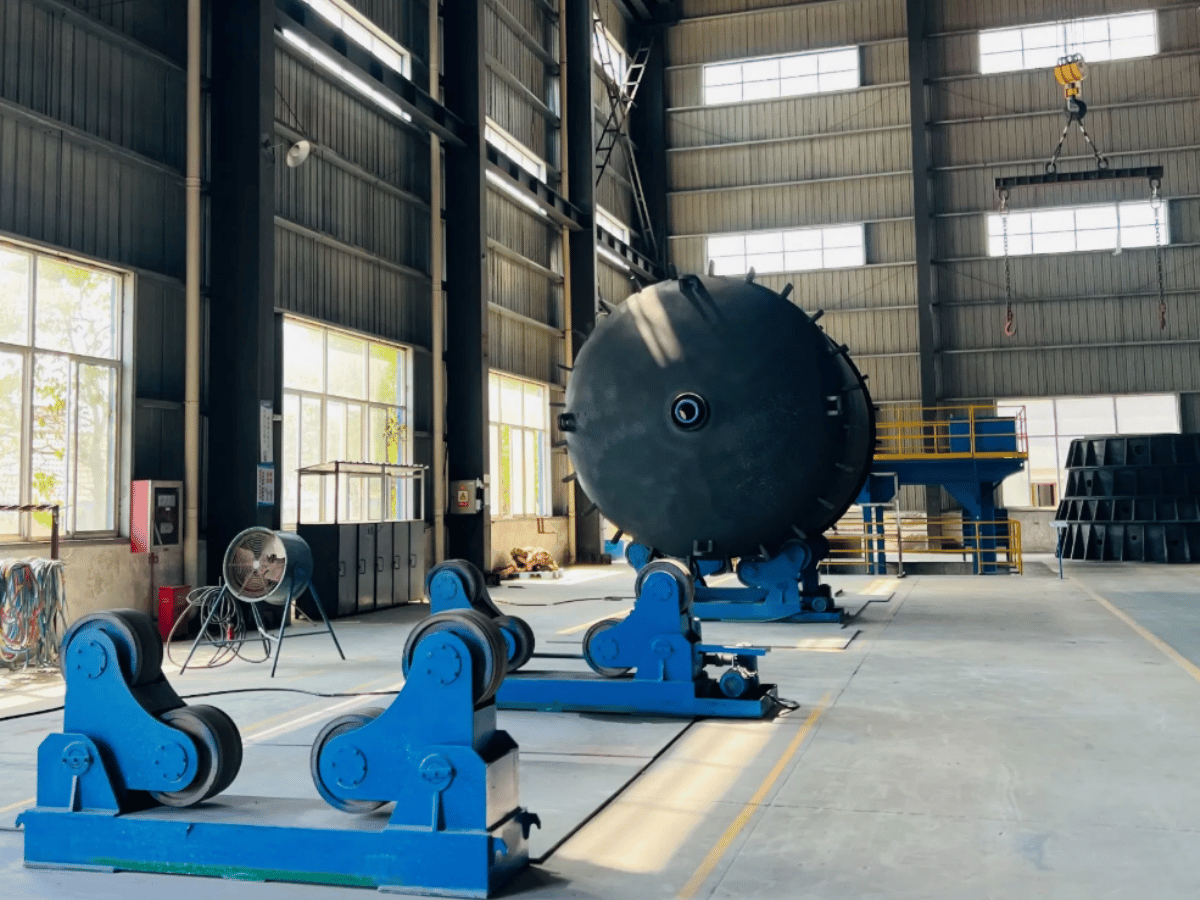
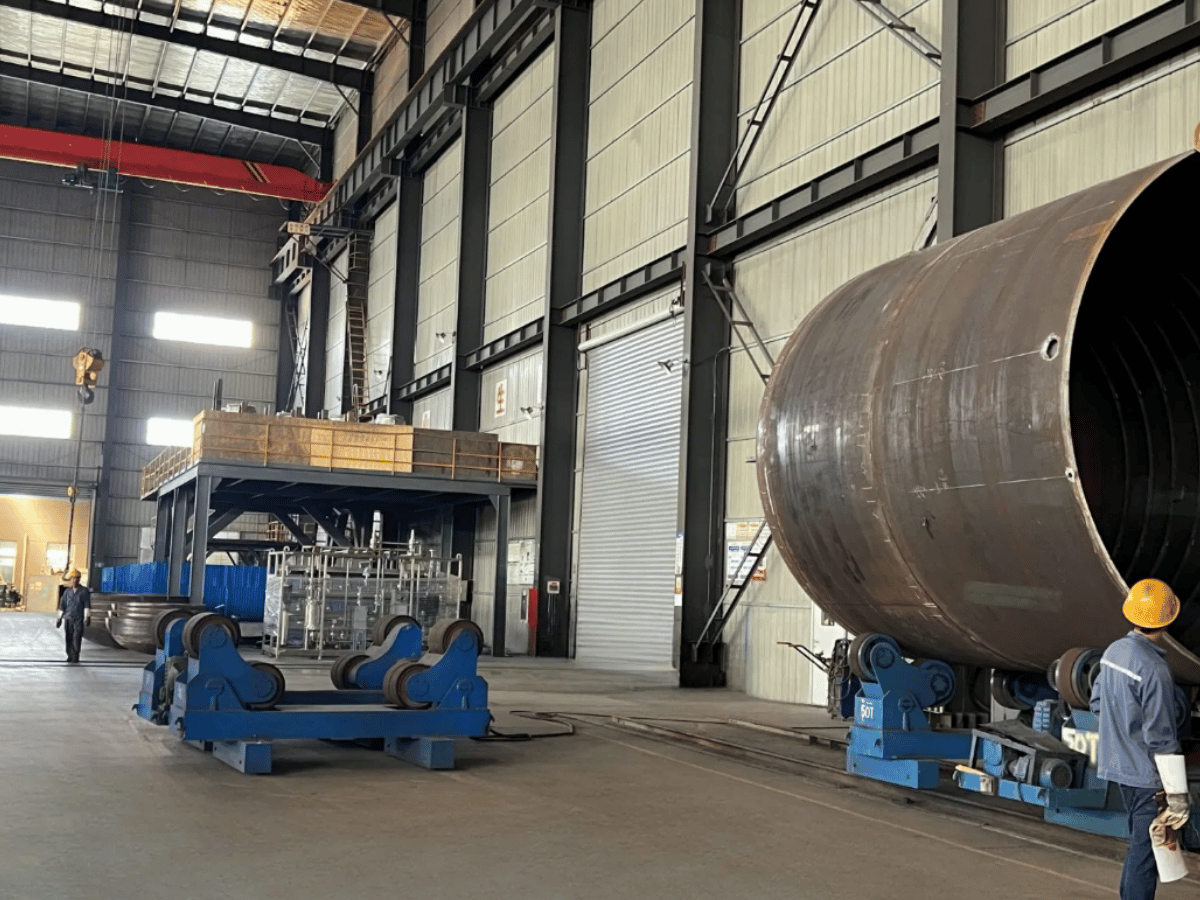
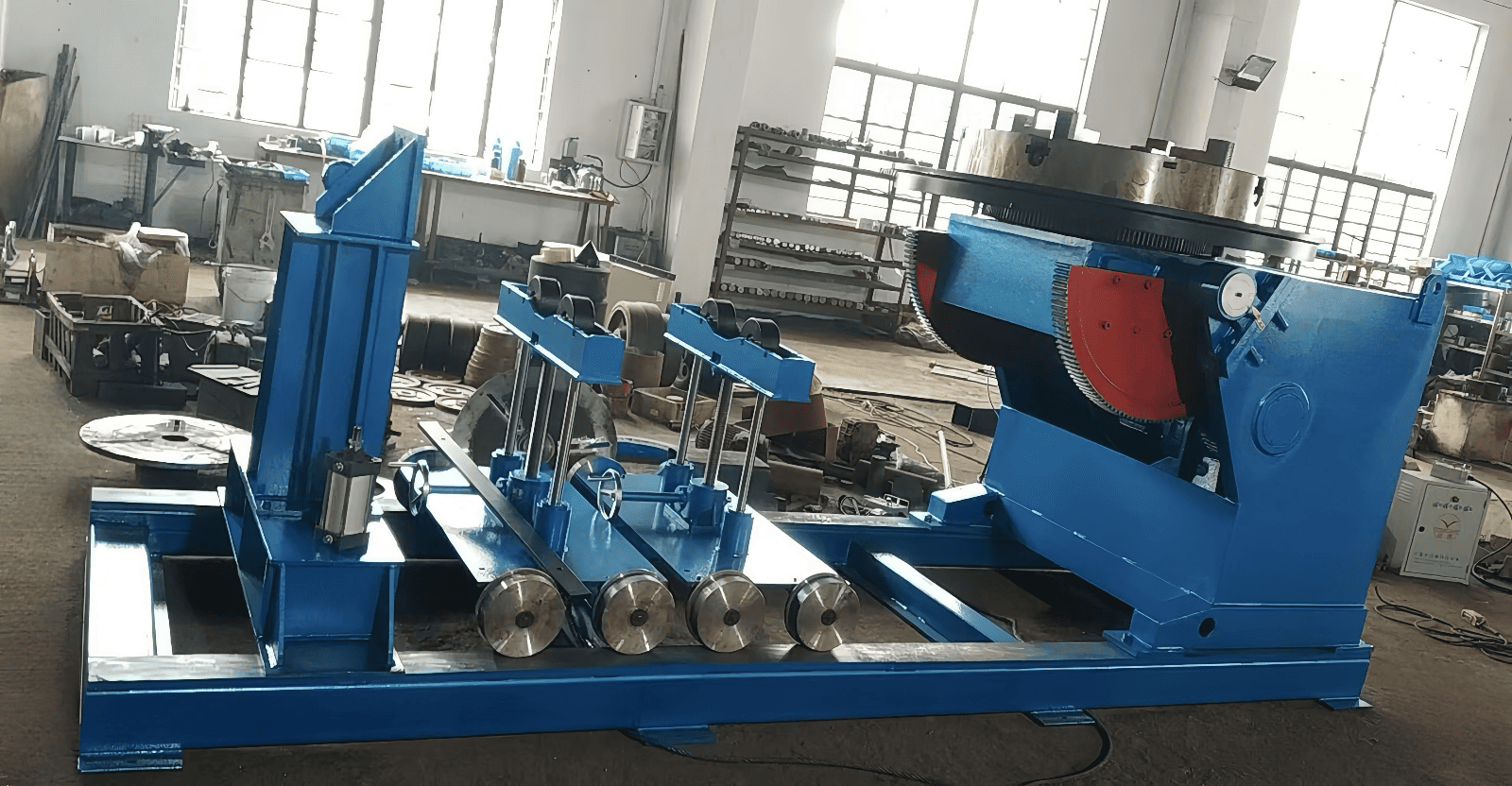
La soldadura de tuberías pesadas requiere una precisión exquisita; La desalineación y la deriva durante la soldadura pueden comprometer la integridad estructural del producto terminado, lo que lleva a reparaciones adicionales, lo que puede ser una solución costosa en sí misma o un fallo total en su aplicación. Los rotadores antideriva de soldadura son una de las soluciones contemporáneas que pueden cambiar completamente la precisión de la soldadura. Este artículo examina cómo estas herramientas avanzadas mejoran la precisión, la productividad y la consistencia al tiempo que reducen el tiempo de inactividad y la fatiga del operador. Si se encuentra en el campo de la fabricación, la construcción o la ingeniería, comprender cómo funcionan los rotadores antideriva y sus beneficios le permitirá lograr resultados de mayor calidad en cualquier aplicación que realice.
Comprensión de los rotadores de soldadura
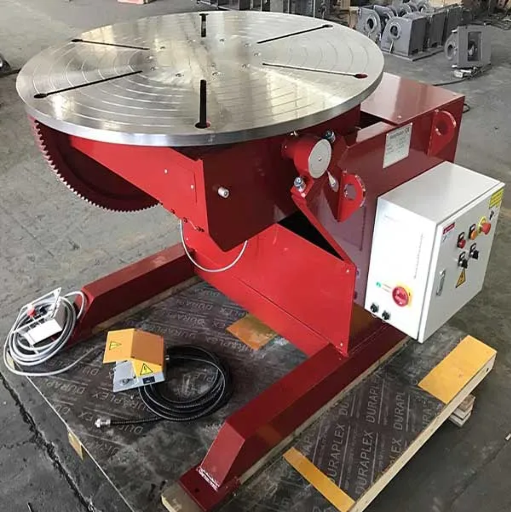
Normalmente, los rotadores de soldadura son máquinas que hacen girar objetos cilíndricos o redondos durante el proceso de soldadura. Si bien los rotadores de soldadura proporcionan estabilidad y velocidad constantes de la pieza de trabajo, también permiten la producción de soldaduras precisas y uniformes. Los rotadores de soldadura automatizan el proceso de rotación, reduciendo así la manipulación manual y los errores humanos. Estos elementos de maquinaria se utilizan ampliamente en industrias como la construcción, la construcción naval y la fabricación, donde la necesidad de soldaduras de altísima calidad en componentes importantes es primordial.
¿qué son los rotadores de soldadura?
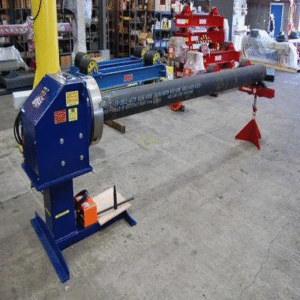
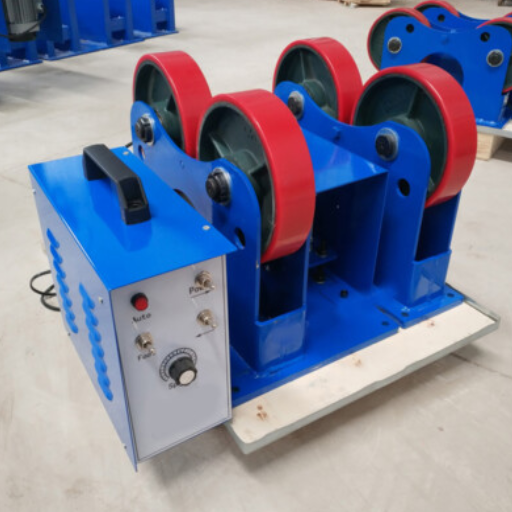
Los rodillos de soldadura rotativos, que soportan y hacen girar objetos cilíndricos durante la soldadura, son herramientas mecánicas utilizadas en la soldadura. Los rodillos o ruedas pueden motorizarse para hacer girar la pieza de trabajo de manera suave y uniforme, lo que permite al soldador soldar desde todos los lados sin necesidad de reposicionar la pieza manualmente. Hoy en día, estos rotadores de soldadura suelen estar integrados y sincronizados en sistemas avanzados de control de automatización que ofrecen un control preciso sobre sus velocidades de rotación. Actualmente, una gama de rotadores de soldadura tiene una gran demanda en industrias donde mantener los niveles más altos de precisión y eficiencia es esencial, como la fabricación de petróleo y gas, aeroespacial y maquinaria pesada. Por lo tanto, estos rotadores de soldadura contribuyen en gran medida a la productividad y la calidad general de los proyectos, facilitando una soldadura uniforme y reduciendo el tiempo de inactividad de los soldadores.
Tipos de rotadores de soldadura
Los rotadores de soldadura ofrecen una gama completa de servicios, incluidos los tipos convencionales, autoalineantes y antideriva, de tuberías, de tanque, basculantes y portátiles. Estos están diseñados de acuerdo con los requisitos específicos de la aplicación y la pieza de trabajo.
| Tipo | Característica clave | Aplicación | Beneficio |
|---|---|---|---|
| Convencional | Fijo/ajustable | Soldadura general | Versátil |
| Autoalineación | Ajuste automático | Diámetros variables | Configuración rápida |
| Anti-Drift | Previene la deriva | Piezas de trabajo largas/pesadas | Precisión |
| Montaje | Control de alineación | Alineación previa a la soldadura | Trabajo manual reducido |
| Tubería | Diseño compacto | Soldadura de tuberías | Especializado |
| Tanque | Alta capacidad de carga | Fabricación de tanques | Servicio pesado |
| Inclinación | Pieza de trabajo inclinada | Juntas complejas | Accesibilidad |
| Portátil | Ligero | Soldadura in situ | Movilidad |
Componentes clave de los rotadores de soldadura
Los rotadores de soldadura constan de varios componentes críticos que garantizan un funcionamiento eficiente y un manejo preciso de piezas de trabajo cilíndricas. En la parte delantera hay rodillos impulsores y rodillos locos que proporcionan una rotación estable, acomodando cualquier diámetro de una pieza de trabajo. Generalmente equipados con tecnología de automatización moderna, el sistema de control permitirá a los operadores establecer la velocidad y la dirección con precisión. Los rotadores de soldadura más modernos también cuentan con variadores de velocidad (VSD) e interfaces digitales, lo que brinda la mejor experiencia de usuario y adaptabilidad a los proyectos de soldadura específicos en cuestión.
Según datos recientes, la evolución en rotador de soldadura components nowadays is focused on ensuring energy efficiency and integrating Industry 4.0 technologies. Features such as remote monitoring, real-time data analysis, and predictive maintenance are all trending. These innovations enable calculations with increasing precision while streamlining operational workflows, thereby reducing downtime and enhancing productivity across various industries.
The Importance of Anti-Drift Technology
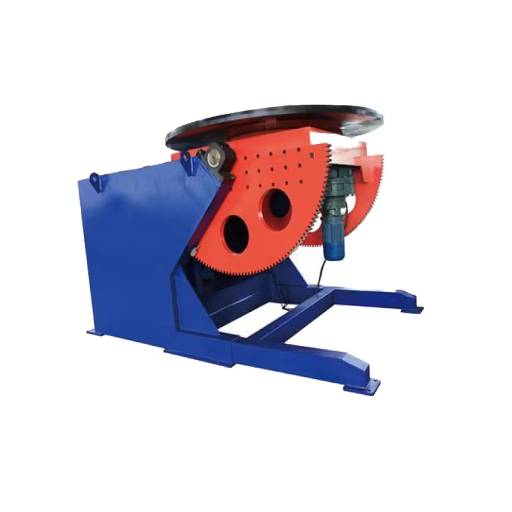
The anti-drift technology is crucial for maintaining utmost accuracy and maximizing efficiency in a welding operation. It inhibits unintended processes of drifting or material misalignment during welding, thereby affecting the quality of the end product. Maintaining the exact placement of materials minimizes mistakes, material wastage, and safety hazards. Such a technology becomes critical to put into use in the industries where precision and consistency matter, such as aerospace, automotive, and construction.
Defining Anti-Drift and Anti-Creep Features
It is a paramount technological advancement designed to impart stability to the structure, which is otherwise susceptible to unwanted movement over time. Drift can thus be termed as the slow movement or deviation away from the position dictated to different members, due to the application of an external force or prolonged usage. At the same time, creep refers to the very slow deformation of a material under constant stress. These features operate through the incorporation of precision designs, such as locking mechanisms, advanced sensor feedback, or material innovations that are resistant to stress, thereby maintaining alignment during operation. Their implementations are a source of concern in areas such as aerospace, where a microscopic deviation presents an enormous safety risk. In construction, this poses a challenge to maintaining structural integrity, particularly when further work is being done.
The demand for such technologies has reportedly been on the rise, according to Google search insights, in application sectors that demand extreme precision, such as robotics and semiconductor manufacturing, among others, where even a slight misalignment or drift could result in costly errors or inefficiencies in production.
Advantages of Anti-Drift Functionality
- Precisión mejorada
Anti-drift mechanisms ensure consistency in accuracy when operations require precise measurement or movement. For example, in semiconductor manufacturing, this can result in a lowering of defect rates, thereby impacting the product’s reliability and potentially leading to increased financial losses due to errors.
- Improvements in Efficiency
Such an operation ensures that processes run uninterrupted, as long as drift is prevented within the system. Such efficiency enhances the rapid pace of the production cycle, thereby reducing downtime in applications such as robotics and machinery.
- Cost Mitigation
It mitigates the cost of maintenance, as the drift has to be thrown out through incessant recalibrations or system resets. Another feature of drift prevention is the reduction of waste from precious materials and resources, thereby maximizing profitability.
- Operational Stability
Anti-drift techniques achieve stability over a specific period by reducing slow inconsistencies in system behavior over time. This greatly helps when it involves stretching the issue of stability, such as in medical imaging or aerospace engineering.
- Extended Equipment Life Cycle
By ensuring the systems design works conversely between the desired parameters of the component, the anti-drift function brings about less strain to the element. This function prevents premature wear and, therefore, results in extended life for expensive equipments and machinery.
Aplicaciones en diversas industrias
- Healthcare
Anti-drift technology is crucial in medical imaging devices, such as MRI and CT scanners, enabling accurate diagnostics over time. Research indicates that holding calibration can reduce diagnostic errors by up to 15%, thereby improving patient outcomes.
- Aeroespacial
Anti-drift mechanisms ensure safety and precision in navigation and flight control systems in the aerospace industry. The data indicate that stabilizing the systems can reduce the possibility of navigation discrepancies by as much as 20%, thereby increasing flight accuracy.
- Fabricación
Anti-drift solutions are utilized in high-precision manufacturing processes, such as those in the semiconductor industry or robotics, to ensure measurements are precise and consistent. With this, there is an increase in product quality and, potentially, a decrease in production defect rates by 10-12%.
- Telecommunications
Keeping the transmission signal equipment in functioning mode through anti-drift action ensures continuous and stable network connections. According to field reports, this nearly doubles data transfer reliability by 25%, which is crucial for a large-scale communications network.
- Renewable Energy Systems
In solar power inverter systems and wind turbines, anti-drift measures are applied to enhance performance. The maintenance of stability has been reported to increase energy efficiency by 5% over time, hence affording more sustainability and cost efficiency for these technologies.
Applications of Welding Turning Rolls
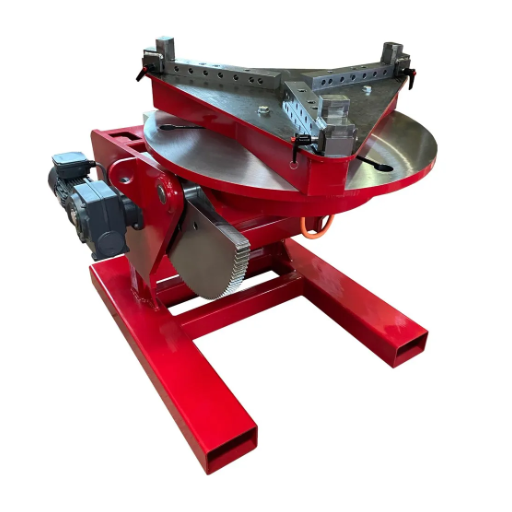
Welding turning rolls play a vital part in industries where heavy cylindrical components have to be manufactured or maintained. Primarily, welding turning rolls are used to support and rotate large workpieces, such as pipes, tanks, or pressure vessels, during welding, cutting, or assembly. The uniform rotation provided by the turning rolls ensures consistent welding, maintains precision, and eliminates hazardous manual handling, thereby improving overall safety and efficiency. These units are primarily used in shipbuilding, oil and gas, aerospace, and construction. Their ability to bear heavy loads and streamline work processes makes them indispensable in the fabrication of top-notch cylindrical structures.
Role in Pipe Welding
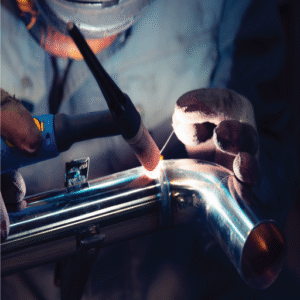
Turning rolls are the most essential part for the efficiency and precision of pipe welding. By steadily rotating a pipe during welding, the turning rolls allow a welder to apply equal heat distribution, hence uniform weld seams, which is an essential aspect in maintaining the integrity of the cylindrical structures. Recent Industry data indicate that advancements in the automation of turning rolls, including remotely controlled variable speed settings, now further improve the performance of turning rolls in modern fabrication workflows. Turning rolls are also beneficial in eliminating heavy lifting of pipes and other materials by workers, reducing manual reposition-induced defects, thus ensuring worker safety and productivity. Their capacity to entertain a vast range of pipe sizes and materials makes turning rolls an essential investment for erecting pipelines, with the oil and gas industries particularly concerned about the utmost precision and reliability.
Use in Tank and Vessel Construction
Turning rolls are primarily used in tank and vessel construction, as well as in applications and maintenance, to ensure the integrity and precision of an efficient fabrication process. These machines enable the workpiece to rotate either cylindrically or spherically, allowing welders to access all areas of the structure easily for welding. This function is particularly necessary for large tanks and vessels used in industries such as chemical processing, water treatment, and energy storage. Because the turning rolls hold and stably rotate the workpiece, the weld quality is consistently maintained, reducing the risk of a defect compromising the integrity of the vessel. Additionally, with relatively flexible designs on various dimensions and weights of workpieces, the turning rolls become indispensable in manufacturing vessels that conform to stringent industrial standards on safety and durability.
Integration with Welding Positioners
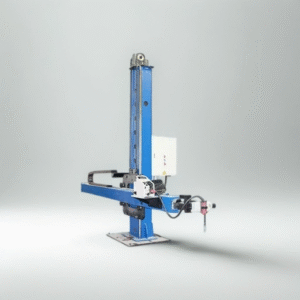
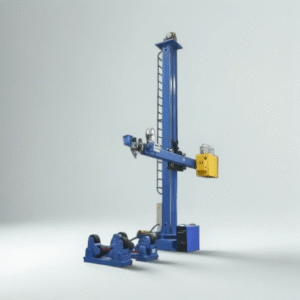
Combining turning rolls with welding positioners has paved the way for a highly efficient and adaptable setup in industrial welding. These positioners move the workpiece with precision, allowing welders to access difficult angles or maintain ergonomic positions, while the turning rolls smoothly turn cylindrical objects. One of the recent findings from Google search trends suggests an increasing acceptance of this duo by industries to boost productivity and reduce labor costs. This integrated approach ensures that welds maintain a consistent quality on large or irregular components, meeting industry-specific requirements with minimal effort. These tools, therefore, find their application in sectors where minimum downtime and maximum operational efficiency are required, such as the oil and gas, aerospace, and heavy manufacturing industries.
Selecting the Right Welding Rotator
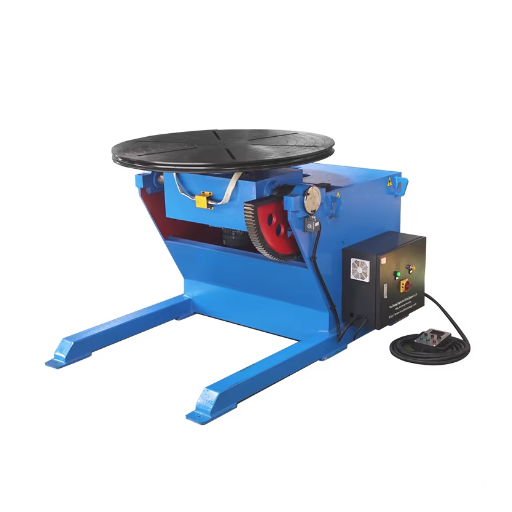
The foremost concern when choosing a welding rotator is:
- Load Capacity – The rotator must be able to bear the weight of your workpieces as well as any fixtures or additional materials.
- Rotation Speed – Welding processes require specific rotator speeds, which should be varied accordingly.
- Application Fit – The type of rotator (self-aligning, conventional, or special) should be selected based on the size, shape, and material of the components being welded.
- Durability and Quality – Opt for a trustworthy and well-built unit for reliable long-term performance in demanding environments.
- Safety Features: Ensure that adequate safety systems are in place, including overload protection and emergency stop controls.
Taking these factors into consideration will enable you to make an informed choice, facilitating consistent production and welding applications.
Factors to Consider: Load and Diameter
Load capacity and the diameter of the components to be rotated are two key factors to consider when selecting welding rotators. The key points touching load and diameter are as follows:
- Maximum Load Capacity – The rotator chosen must be able to carry the full component weight without compromising the working load or safety of the equipment. Additionally, the weight must include any fixtures or additional materials that will be placed upon it.
- Minimum and Maximum Diameter – Have a rotator with an adjustable range between the smallest and largest diameter of your components, so you are not restricted.
- Even Weight Distribution – Ensure the weight distribution of the rotator enables smooth rotation without mechanical stress.
- Component Surface Type – An assessment must be made of whether the rotator’s diameter and load capacity are suitable for components with uneven or textured surfaces to avoid vibration and misalignment.
- Load Autosensing Mechanisms – It is preferable to have some load-control mechanisms, such as variable-speed controls or load sensors, so that the rotation is kept constant when the components differ in weight or size.
The welding rotator should be best suited to your operational needs once these factors are given due consideration.
Choosing Between Manual and Automatic Systems
Operational requirements, financial constraints, and long-term productivity goals determine the choice between manual and automatic welding rotators. Manual versions, for the most part, are inexpensive and offer a straightforward function, making them suitable for small operations or workshops with low production volumes. However, these systems require significant supervision by human operators, thereby reducing the ability of manual systems to grow laboriously in terms of cost and efficiency.
Automatic systems, on the other hand, employ advanced techniques such as programmable controls, automation features, and synchronization with robotic equipment to optimize the welding process. These rotators are ideally suited for high-volume production areas that require uniformity, speed, and precision. According to the latest data derived from Google’s search trends, industries are increasingly turning to automatic rotators to reduce downtime, ensure a high degree of accuracy, and accommodate larger weld sizes and component shapes.
Ultimately, the decision is determined by your needs. Smaller-scale assignments with limited budgets will benefit from a manual system; however, for entities seeking to scale, enhance quality control, and remain competitive in the evolving manufacturing landscape, investing in an automatic welding rotator will yield a substantial return in the long run.
Fuentes de referencia
1. Anti-drifting welding roller bed
- Autores: 顾胜溢, 龙未来
- Data publicării: 2013-03-22
- Hallazgos clave:
- This paper discusses the design and implementation of an anti-drifting welding roller bed, which is crucial for maintaining the stability and accuracy of welding operations.
- The design aims to prevent the movement of the workpiece during the welding process, ensuring consistent quality and precision.
- Metodología:
- The authors detail the mechanical design of the roller bed, focusing on features that enhance stability and reduce drift.
- Experimental setups are described to test the effectiveness of the anti-drifting mechanism during welding operations.
2. Welding robots anti-collision torch holder
- Autores: 李世强 et al.
- Data publicării: 2015-01-30
- Hallazgos clave:
- This paper presents a design for an anti-collision torch holder for welding robots, which indirectly contributes to preventing drift by ensuring that the welding torch remains in the correct position relative to the workpiece.
- The design aims to enhance the safety and reliability of robotic welding operations.
- Metodología:
- The authors detail the design considerations and the mechanical features of the torch holder.
- Experimental results are provided to demonstrate the effectiveness of the design in preventing collisions and maintaining proper alignment during welding.
3. Top Anti-Drift Turning Rolls Manufacturers And Suppliers In China
Preguntas frecuentes (FAQ)
¿qué es un rotador de soldadura antideriva?
Un rotador de soldadura antideriva es una pieza especializada de equipo de soldadura diseñada para mantener la posición de recipientes cilíndricos durante el proceso de soldadura. Este equipo minimiza el riesgo de desalineación, asegurando que las soldaduras sean consistentes y de alta calidad. La función antideriva es crucial para lograr precisión en líneas de producción que requieren operaciones de soldadura automatizadas o manuales.
¿cómo funciona la función antideriva en rotadores de soldadura?
The anti-drift function in welding rotators utilizes advanced engineering to maintain the workpiece’s alignment. By employing self-aligning mechanisms and hydraulic support, the rotator ensures that the vessel remains stable during the welding process. This feature is essential for achieving optimal weld quality, especially in high-speed production lines.
¿cuáles son las ventajas de utilizar rotadores autoalineantes?
Los rotadores autoalineantes ofrecen múltiples ventajas, incluida una estabilidad mejorada y un tiempo de instalación reducido. Se ajustan automáticamente al diámetro de la pieza de trabajo, asegurando un ajuste perfecto sin intervención manual. Esta característica mejora significativamente la productividad y reduce la probabilidad de errores durante el proceso de soldadura.
¿puedo utilizar un rotador de soldadura antideriva para diferentes tamaños de recipientes?
Sí, muchos rotadores de soldadura antideriva están diseñados para adaptarse a una variedad de tamaños de recipientes. Con características como velocidad ajustable continua y brazos de soporte ajustables, estos rotadores pueden manejar eficientemente una variedad de diámetros. Esta versatilidad los hace adecuados para diversas aplicaciones de soldadura en diferentes industrias.
¿qué tipos de materiales se utilizan en los rotadores de soldadura antideriva?
Normalmente se utilizan materiales de alta calidad en la construcción de rotadores de soldadura antideriva. Los materiales comunes incluyen poliuretano (PU) para ruedas, acero robusto para el marco y cilindros hidráulicos para levantar y ajustar la carga. Estos materiales garantizan durabilidad y confiabilidad, lo que hace que los rotadores sean adecuados para aplicaciones de servicio pesado.
¿hay opciones de control remoto disponibles para posicionadores de soldadura?
Sí, muchos posicionadores de soldadura modernos vienen equipados con opciones de control remoto inalámbrico. Esta conveniencia permite a los operadores ajustar la configuración y controlar el proceso de soldadura de forma remota, mejorando así la seguridad y la eficiencia, particularmente en líneas de producción complejas.
¿Cómo elijo un proveedor confiable para rodillos giratorios de tanques?
Al seleccionar un proveedor para rodillos giratorios de tanques, considere factores como su reputación, la calidad de sus productos y las opiniones de los clientes. Busque fabricantes que ofrezcan una variedad de opciones, incluidos modelos convencionales y antideriva, así como soporte de personalización para satisfacer sus necesidades específicas.
¿cuál es el papel de la elevación hidráulica en los manipuladores de soldadura?
Los sistemas de elevación hidráulicos en los manipuladores de soldadura desempeñan un papel crucial en el ajuste de la altura y el posicionamiento de la pieza de trabajo. Esta capacidad permite una alineación precisa durante las operaciones de soldadura, lo cual es particularmente importante cuando se trabaja con recipientes cilíndricos grandes o pesados.
¿Qué debo buscar en equipos de soldadura de calidad?
Al evaluar equipos de soldadura, busque características como durabilidad, facilidad de uso y la presencia de tecnologías avanzadas como automatización CNC y regulación de velocidad. Además, asegúrese de que el equipo cumpla con los estándares de seguridad y rendimiento de la industria, garantizando así buena calidad y confiabilidad.