Pipe beveling is crucial for welding preparations, ensuring joint integrity and weld quality. Whether in the construction, manufacturing, or plumbing field, the use of a beveling machine saves time while enhancing overall precision and efficiency. So, how should one go about finishing the perfect bevel with a beveling machine? This blog responds to the query by providing a step-by-step process and sharing valuable insights into the tools, techniques, and best practices for the task. You will then be completely ready to confidently and easily master the art of pipe beveling.
Introduction to Beveling
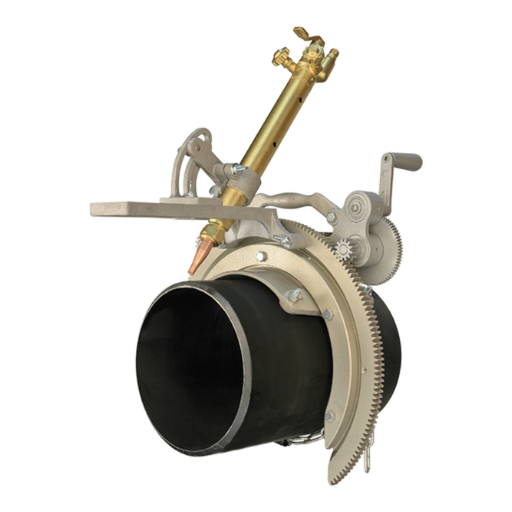
Beveling is a technique of cutting to produce an angled edge on the ends of pipes or plates. The angled edge is often required for welding to make stronger, aesthetically cleaner welds. Beveling can be done manually or with the use of tools, such as beveling machines, to ensure accuracy and efficiency. This is an essential procedure in the construction, manufacturing, and plumbing trades, whose success depends on precision and quality.
Che cosa è Pipe Beveling?
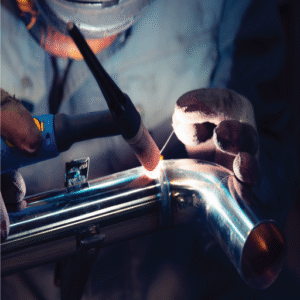
Pipe beveling is the process of cutting or shaping the end of a pipe at an angle that is not a straight 90 degrees. The angled edge is designed to prepare the pipe for welding, where the groove helps the weld joint penetrate deeply and firmly, resulting in stronger and more durable joints. This is needed for higher-pressure applications. Pipe beveling can be undertaken using manual grinding, portable beveling machines, or automated CNC machining equipment, depending on the project’s specific needs. Modern equipment and techniques enable accurate beveling, which in turn enhances welding efficiency, reducing the likelihood of rejections or other defects. Pipe beveling is used more frequently in industries such as oil and gas, power generation, and construction, where the integrity of pipe joints is crucial.
Importance of Beveling Pipes
Pipe beveling, a crucial operation, ensures the durability of welded joints, particularly in industries that demand high performance. This method facilitates the welding of pipes by creating an angle at the pipe end, allowing for a stronger bond to form. The bond formation becomes even more precise as the weld area surface increases. It enhances joint strength, thereby reducing the likelihood of leakage or weld failure under high pressure or temperature.
Beveled pipe joints are needed in safety and reliability-oriented applications, such as oil and gas pipelines. Industry reports claim that beveled joints confer significantly higher integrity to pipelines, with proper beveling reducing weld defects by 50% and halving the cost of expensive rework. Furthermore, beveling also promotes better flow and weld penetration, thereby ensuring smooth welds that meet industry standards.
With advanced beveling methods, such as those enabled by automated CNC machines, this process achieves even greater optimization in terms of precision and consistency. For example, having CNC-driven beveling can shorten preparation time by 80% compared to manual means, according to a study published in the Welding Journal. Produced faster and with drastically reduced labor costs, beveling thus becomes very important for large projects.
On the one hand, beveling, through technical accuracy, efficiency improvements, and enhanced service capability, ensures that pipelines and critical infrastructure components can reliably operate under varied conditions, safeguarding operations and personnel.
Overview of Beveling Machines
Beveling machines are sophisticated devices designed to provide precise angled edges on materials such as metal, wood, or plastic, which are utilized in processes like welding, fitting, and finishing. These tools come in various types and can be handheld, stationary, or portable, depending on the scale or demands of the project. According to Google’s most recent statistics, contemporary beveling machines incorporate features such as automatic feed systems, digital angle settings, and safety integration to ensure consistent product quality and user safety. This implies an increasing dependence on these machines in industries, from oil and gas to construction, to boost production and ensure the structural integrity of the constituent affairs. With the advancement in technology, beveling machines are incorporating newer designs to achieve faster and better accuracy for industrial applications.
Tipi di Smussatrici
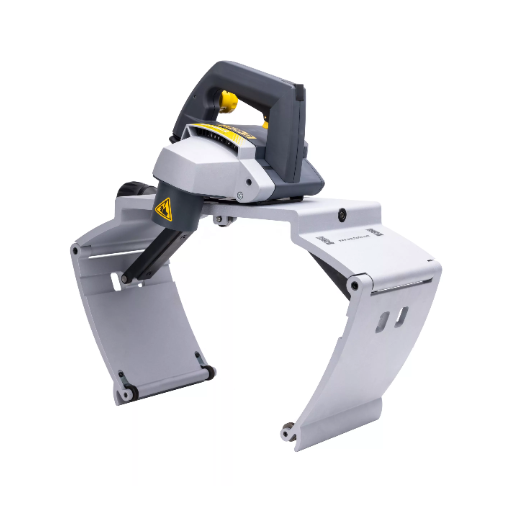
The portable beveling machines offer flexibility and ease of operation, suitable for a range of small to medium-scale applications where precision beveling is required on pipes and plates.
- Stationary Beveling Machines
The machines are larger and stay at one location. These are meant for very high-volume production. They are steady in delivering results and are generally engaged in industrial manufacturing.
- Pipe-Beveling Machines
In short, the act of beveling refers to slanting the edges of pipes that could be of varying diameters and materials. Such machines are indispensable to the processes in the oil and gas industries and are used to significantly improve the quality of pipe joints.
- Plate Beveling Machines
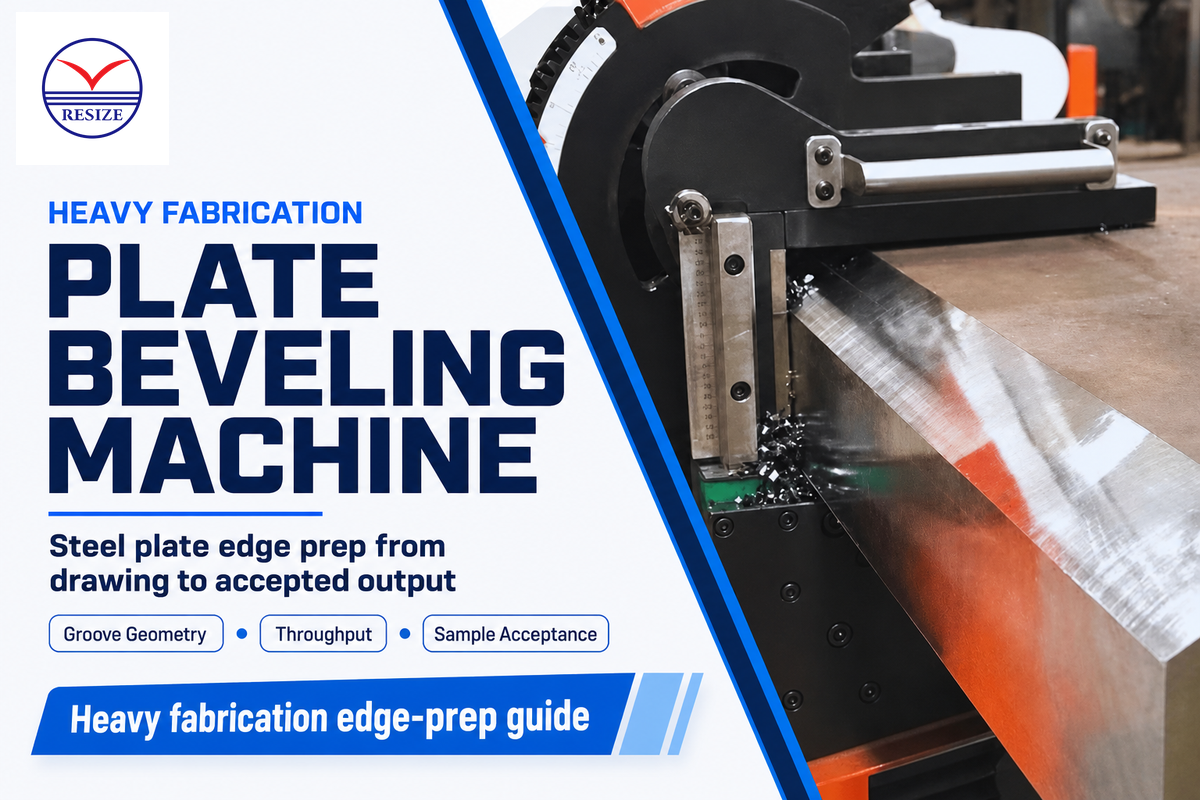
These machines are used for making bevel edges in thick plates. Often used in welding and fabrication, they guarantee good edge preparation.
- Cutting CNC Beveling Machines
Computerized bevelers offer utmost precision alongside automation, making them the preferred choice in cases of complicated, repetitive tasks that demand maximum accuracy and efficiency for large-scale operations.
Portable Pipe Beveling Machines
Portable pipe-beveling machines are small and versatile tools designed for on-site applications. They make it easy to create precision bevels on pipes, even in harsh environments with constrained spaces or remote settings. Their lightweight nature and sturdy functioning propose smooth workability and easy transport options across various regions and hence are necessitated in oil and gas, construction, and shipbuilding industries.
In light of the latest data aggregated from Google’s search engine, portable pipe beveling machines are gaining favor due to their adaptability and reduction of downtime in operations. When a project requires quick setup and uniform results for multiple beveling tasks, companies look for these machines. Modern machines often offer user-customizable cutting heads and are powered by both electricity and pneumatics, allowing them to fulfill a wide range of project needs. Today, with their portability and advanced features, these machines significantly contribute to productivity in fieldwork applications.
Automatic Beveling Machines
Automatic beveling machines have become essential tools in modern industrial applications, as they improve efficiency, precision, and safety. According to the latest trends, industries are increasingly dependent on this machine to prepare materials such as metal plates and tubes for welding. Therefore, these machines help reduce errors considerably through accurate and uniform bevel cutting, ensuring the edges of the material are bent at the specified angles required for a particular weld. Modern technologies are today integrated into the beveling machines to enhance operation. These technologies include programmable controls and intelligent automation, which make the machinery more efficient in repetitive tasks, thereby saving time and labor costs. This way, these machines become necessary for fulfilling the demand for high-performance workflows in the workplace while complying with strict safety and quality standards.
Comparing Beveling Tools
These include rotary bevelers, nibbler/plunger bevelers, air power tools, and manual hand tools, as well as stationary and portable machines.
| Tool | Caratteristica | Costo | Utilizzare | Impostazione | Velocità | Portabilità | Precisione |
|---|---|---|---|---|---|---|---|
| Rotary Beveler | Versatile | Alto | Metal plates | Moderato | Veloce | Sì | Alto |
| Nibbler/Plunger | Compatto | Metà | Welding prep | Facile | Moderato | Sì | Moderato |
| Air-Powered | Leggero | Metà | Piccola scala | Facile | Veloce | Sì | Moderato |
| Manual Tools | Semplice | Basso | Small tasks | Facile | Lento | Sì | Basso |
| Stationary Mach. | High volume | Alto | Industriale | Complesso | Veloce | No | Alto |
| Portable Mach. | Mobile | Metà | Campo/Negozio | Facile | Moderato | Sì | Moderato |
Choosing the Right Beveling Machine
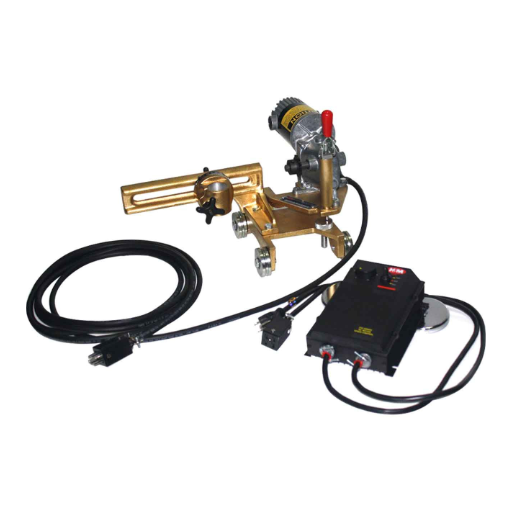
Choosing the right beveling machine is always an intricate task and very project- and need-dependent. Essentially, you start by distinguishing the type of materials you are working with and their thickness, as this will determine the cutting power of the machine. Another dimension of requirements is the angle and bevel quality, which must meet your needs, and the machine must be able to deliver the required results. You also want to consider portability if you are a somewhat mobile technician or one who needs to take the machine to various job sites. Then again, you want this machine to be durable yet easy to operate, especially for operators on heavy-use or frequent-use assignments. Finally, always consider machines of a well-established brand whose quality and reliability they can vouch for.
Factors to Consider
When selecting a machine for your work, consider a few critical parameters. Some of them include the following.
- Cutting Capabilities
Check the machine’s capacity to meet your cutting demands within the constraints of materials and thicknesses (metal, plastic, or wood), as well as time-varying cutting speeds. Being a multipurpose machine, it will help you carry out a variety of big or small projects.
- Bevel Angle and Edge Quality
Check if the machine meets the required bevel angles, while also providing smooth edges to the roll. If good results are achieved, there will be no additional finishing work required, thus ensuring a professional finish.
- Portatile
If you foresee the possibility of regularly relocating the machine from one site to another, consider its design, size, and weight to ensure ease of portability. A compact machine that is also lightweight and ergonomically designed certainly goes a long way to improve convenience.
- Durabilità
Look for machines constructed from high-quality, durable materials. The machine should be able to endure repeated use, heavy-duty tasks, and complex environments. Long-lasting parts typically help reduce maintenance costs.
- Ease of Use
The machine should be easy to use, even for workers with little or no technical know-how. Intuitive controls, straightforward instructions, and user-friendly maintenance features contribute to the ease of use of the equipment.
Considering them carefully will help you make an informed choice; accordingly, a decision will be made on the machine that performs best for your applications.
Types of Bevel Shapes
Plain bevel, V-bevel, compound V-bevel, J-bevel, compound J-bevel, inside bevel (counterboring).
| Forma | Caratteristica | Costo | Utilizzare | Impostazione | Angolo | Materiale | Forza |
|---|---|---|---|---|---|---|---|
| Pianura Smusso | Semplice | Basso | Generale | Facile | Fisso | Tutto | Moderato |
| V-Bevel | Common | Basso | Saldatura | Facile | 30-45° | Metallo | Moderato |
| Compound V | Dual angles | Metà | Servizio pesante | Moderato | Regolabile | Metallo | Alto |
| J-Bevel | Efficiente | Metà | Saldatura | Moderato | Regolabile | Metallo | Alto |
| Compound J | Max strength | Alto | Saldature critiche | Complesso | Regolabile | Metallo | Molto Alto |
| Inside Bevel | Counterbore | Metà | Pipe fitting | Moderato | Regolabile | Metallo | Alto |
Pipe Machining Requirements
Pipe machining requires stringent standards for accuracy, durability, and efficiency across various industrial applications. These requirements are as follows:
- Compatibilità Materiali
The machine must be suitable for the material being processed, such as steel, stainless steel, aluminum, etc. Different materials require different cutting speeds, types of tools, and cutting methods, among other factors.
- Dimensional Accuracy
Pipes must be machined with the utmost accuracy, especially in oil and gas or construction works. Equipment has to be capable of producing tolerances consistently to meet project specifications.
- Surface Finish Quality
Sometimes a pipe requires smooth and uniform surface finishing for one or more industrial or commercial purposes. To achieve this finish, specific tooling and cutting methods are employed to ensure the desired finish.
- Automation and Efficiency
Modern pipe machining places a strong emphasis on automation, resulting in increased productivity. Machines equipped with advanced CNC programming operate more efficiently and generate less waste.
- Versatilità
The machine should consider different pipe dimensions, shapes, and beveling need. This flexibility allows it to fit various projects without requiring frequent changes to the equipment.
Keeping the above parameters in view and making optimum use of the latest available data, industries can opt for the most sophisticated and appropriate pipe machining solutions for their own tasks.
Metodi e tecniche di smussatura
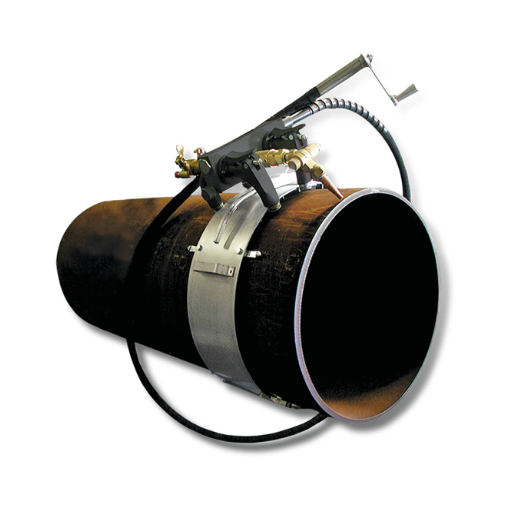
- Manual Beveling
Bevels are created under this method using hand tools, such as grinders and files. It is somewhat familiar for smaller projects or when little precision is necessary. While it is cheap to execute, it requires the value of time and hard labor.
- Automated Beveling
A fully automated process for beveling offers speed and precision results, particularly on high-scale or complex projects that require efficiency and accuracy.
- Thermal Cutting
These can be made using thermal cutting, such as plasma or oxyfuel cutting. They are most suitable for thick materials, giving speed and versatility in edge shaping.
- Rotary Cutting
The method is used on the rotary-type machines, working well to cut consistent bevels on pipes or round materials. It is commonly applied where high accuracy and uniformity are demanded.
The selection of the appropriate method depends on several factors, including the type of material, the project size, and the desired degree of precision.
Using a Pipe Beveling Machine
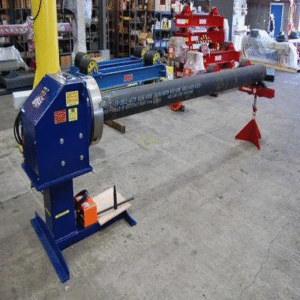
A pipe beveling machine is a specialized piece of equipment that creates clean and uniform bevels on the ends of pipes to prepare them for welding or assembly. Such machines maintain high efficiency, correctness, and safety levels, and thus find preference in the construction, oil and gas, and manufacturing industries. Modernized pipe beveling machines are highly advanced, featuring automatic operation, multiple cutting head options, and adjustable speed for various materials and project requirements.
While factoring in the diameter, wall thickness of the pipe, as well as the material, etc., for the selection of a suitable pipe beveling machine, specific considerations have to be made. For instance, HSS cutting heads are well-suited for carbon steels, whereas carbide ones are more suitable for hard materials such as stainless steel. With the latest insights from Google’s search engine data, pipe beveling machines with digital control systems appear to be gaining popularity due to their precision and ease of use. These systems enable the user to program bevel angles and depths exactly, therefore reducing chances of human error and allowing for greater productivity.
Beveling Pipes with Hand Tools
Beveling pipes with hand tools is a more manual approach compared to using machines, but it is an excellent process for smaller jobs or field operations. They are unique because they are lightweight, inexpensive to maintain, and versatile for various applications. The following are five common pipe beveling hand tools with their specifications:
- Manual Pipe Beveler
Details: A lightweight, portable tool for rapid and straightforward beveling. The tool is placed in alignment with the pipe edge and rotated manually.
Key Features: Adjustable cutting depth and angle; works on various pipe materials.
- Handheld File or Rasp
Details: A manual tool used to smooth out rough edges and give pipes a slightly beveled edge, handy on plastic or softer metal surfaces.
Key Features: Simple construction, no power required, and excellent for finish work that requires precision.
- Beveling Disc for Grinders
Details: Used with an angle grinder to quickly give a bevel to steel, amongst other hard materials.
Key Features: Higher-speed operation is suitable for more challenging tasks, making a clean, even bevel.
- Ratchet Pipe Reamer
Details: This is used to de-burr and bevel the interior/exterior of pipes to a smooth, consistent finish.
Key Features: User-friendly for both beginners and professionals, typically featuring adjustable blades.
- Plumbing Deburring Tool
Details: A mini hand tool used for cleaning and beveling copper, PVC, or PEX pipe edges.
Key Features: Affordable, ergonomic handle, suitable for use in tight spaces.
Each of these implements has its advantages and is picked depending upon the material and beveling requirements of the project. These hand tools can do wonders for either quick fixes or detailed beveling jobs.
Understanding Chamfers
The chamfer is the beveled edge that occurs when two surfaces meet, typically at a 45-degree angle. It has industrial applications, including carpentry, metalworking, and manufacturing, with an eye toward beauty, safety, and functionality—all rewarding objectives. Sharp edges are dangerous, and placing a chamfer minimizes the risk, including facilitating easy assembly of mating components.
A fairly popular search on Google, contrary to the trend, would be, “What is the difference between a chamfer and a bevel?” The difference mainly lies in their application and purpose. Chamfering is typically a 45-degree cut applied to break sharp edges, while the term “bevel” can refer to any angled cut used for practical or decorative purposes. Chamfers may be functional; bevels often serve aesthetic functions in design. It serves to clarify when you choose between the two, depending on the requirements of a project.
Fonti di riferimento
- Autori: Rafael Díaz-Infante-Ruelas, JP Orozco-Muñiz, Araceli Zapatero-Gutiérrez
- Pubblicato: 2024-10-21
- Conferenza: conferenza internazionale IEEE 2024 sull'ingegneria Veracruz (ICEV)
- Riepilogo: This paper discusses the design and implementation of a beveling machine specifically for the production of innersoles made from ethylene-vinyl acetate (EVA). The machine’s design focuses on creating precise bevels that enhance the quality and fit of shoe components. The ergonomic study conducted as part of the design process aims to improve worker comfort and efficiency during operation.
- Metodologia: The research involved detailed design calculations for the machine’s components, particularly the shaft, to ensure it could withstand operational loads. The study also included practical testing to evaluate the machine’s performance in a production environment, highlighting its potential impact on the footwear industry by improving production processes and working conditions(Díaz-Infante-Ruelas et al., 2024, pp. 16).
2. Quality and Efficiency Analysis of Edge Preparation in S355j2n Steel For Welding Applications
- Autori: M. Kawiak, A. Sajek
- Pubblicato: 2025-06-01
- Giornale: Advances in Materials Science
- Riepilogo: This study compares traditional oxy-fuel cutting methods with modern milling techniques for edge preparation of S355J2N low-alloy steel, focusing on their impact on surface quality and economic efficiency. The findings indicate that milling significantly reduces edge roughness, a critical factor in ensuring high-quality welds.
- Metodologia: The research involved experimental setups where various bevel angles and edge types were tested using different machines, including a self-propelled beveling machine. Surface roughness measurements and cost analyses were conducted to determine the most effective method for edge preparation(Kawiak & Sajek, 2025, pp. 17–35).
3. Automation in Optical Manufacturing: Beveling and Part Handling
- Autore: Mitchell J. Sedore
- Pubblicato: 2023-11-30
- Conferenza: Optifab
- Riepilogo: This paper discusses the role of automation in optical manufacturing, particularly in beveling and part handling processes. It highlights how automation can improve production efficiency and reduce labor costs by automating repetitive tasks, such as beveling optical components.
- Metodologia: The study outlines the implementation of robotic systems for beveling tasks, emphasizing the benefits of increased production rates and improved working conditions for technicians(Sedore, 2023, pp. 127780R-127780R – 6).
4. Top Fresatura e Smussatura Macchina Produttori e Fornitore in Cina
Domande frequenti (FAQ)
Qual è lo scopo di una macchina smussatrice nella produzione di tubi?
Una macchina smussatrice è progettata per creare bordi smussati su tubi o tubi, il che è essenziale per una corretta preparazione delle estremità del tubo Questo processo garantisce che i bordi del tubo si incastrino correttamente durante le operazioni di saldatura, rendendo i giunti più resistenti e affidabili.
Come funziona il processo di smussatura?
Il processo di smussatura prevede la rimozione di materiale dal bordo dell'estremità di un tubo o tubo per creare una forma di smusso specifica. Ciò può essere ottenuto utilizzando vari tipi di macchine smussatrici che utilizzano utensili da taglio per ottenere l'angolo e la finitura desiderati.
Quali tipi di smussatrici sono disponibili per la smussatura dei tubi?
Esistono diversi tipi di smussatrici utilizzate per la smussatura dei tubi, tra cui smussatrici manuali, smussatrici automatiche e smussatrici portatili. Ogni tipo è progettato per applicazioni specifiche e offre diversi livelli di precisione e facilità d'uso.
Perché la smussatura dei tubi è importante nella saldatura?
La smussatura dei tubi è vitale nella saldatura poiché prepara le estremità dei tubi per la saldatura creando un'estremità smussata o un bordo smussato. Questa preparazione consente una migliore penetrazione della saldatura, con conseguenti giunti più resistenti e riducendo il rischio di difetti.
Come faccio a scegliere la macchina smussatrice giusta per le mie esigenze?
When choosing a beveling machine, consider the types of pipes you will be working with, the required bevel shapes, and whether you need a portable or stationary beveling solution. Additionally, evaluate the machine’s capacity to handle different pipe sizes and materials.
Quali sono i vantaggi di utilizzare una macchina smussatrice per tubi portatile?
Una macchina smussatrice portatile per tubi offre flessibilità e praticità, consentendo agli utenti di eseguire operazioni di smussatura in loco senza la necessità di trasportare tubi di grandi dimensioni in un'officina. Ciò è particolarmente vantaggioso per progetti in vari settori in cui la mobilità è essenziale.
Le smussatrici possono essere utilizzate anche per la sbavatura?
Sì, le smussatrici possono essere utilizzate anche per sbavare i bordi tagliati dei tubi Questa funzionalità aggiuntiva aiuta a levigare i bordi taglienti, migliorando sia le ragioni estetiche che quelle di sicurezza, in particolare nelle applicazioni in cui è probabile il contatto umano con la superficie del tubo.
Quali tipi di strumenti per smussare tubi sono comunemente usati?
Common types of pipe beveling tools include hand grinders, pipe bevelers, and machines specifically designed for external beveling. Each tool offers different capabilities and is suited for various beveling methods, depending on the project’s requirements.
In che modo i macchinari per tubi Hongli contribuiscono al processo di smussatura?
I macchinari per tubi Hongli sono riconosciuti per le loro macchine smussatrici di alta qualità che garantiscono precisione ed efficienza nel processo di smussatura Le loro macchine sono fondamentali per produrre bordi smussati coerenti su una varietà di dimensioni di tubi, migliorando così la qualità delle operazioni di saldatura.
What are the different beveling methods used in the industry?
Various beveling methods are employed in the industry, including mechanical, manual, and automated processes. Each method has its own advantages depending on the specific requirements of the project, such as the type of pipe being used and the desired bevel shape.