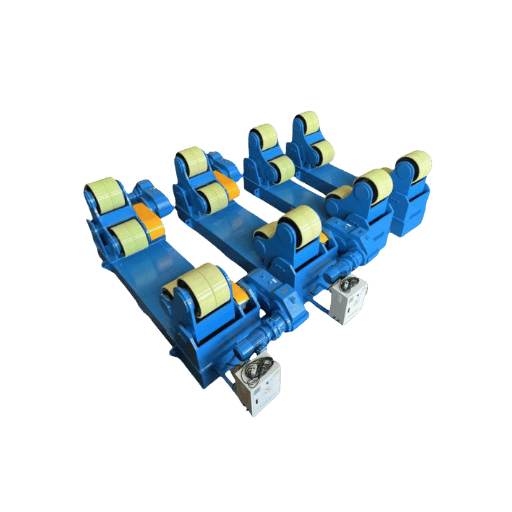
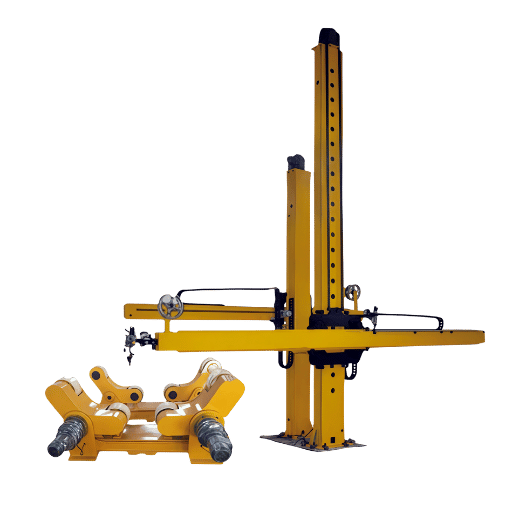
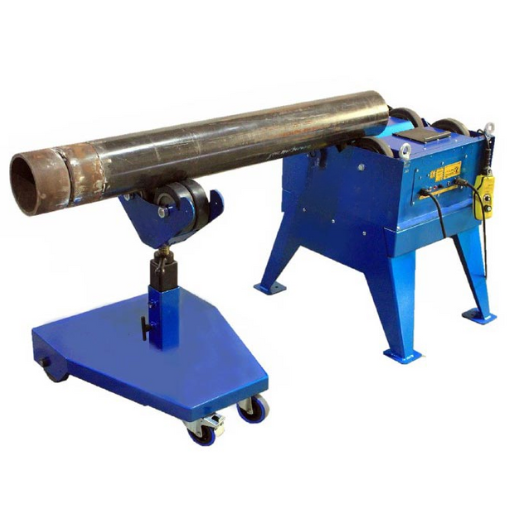
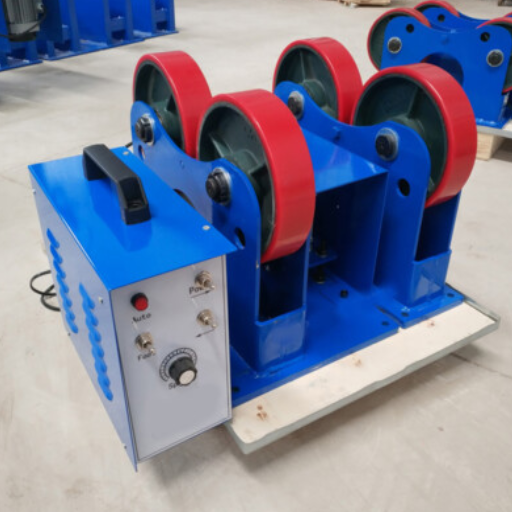
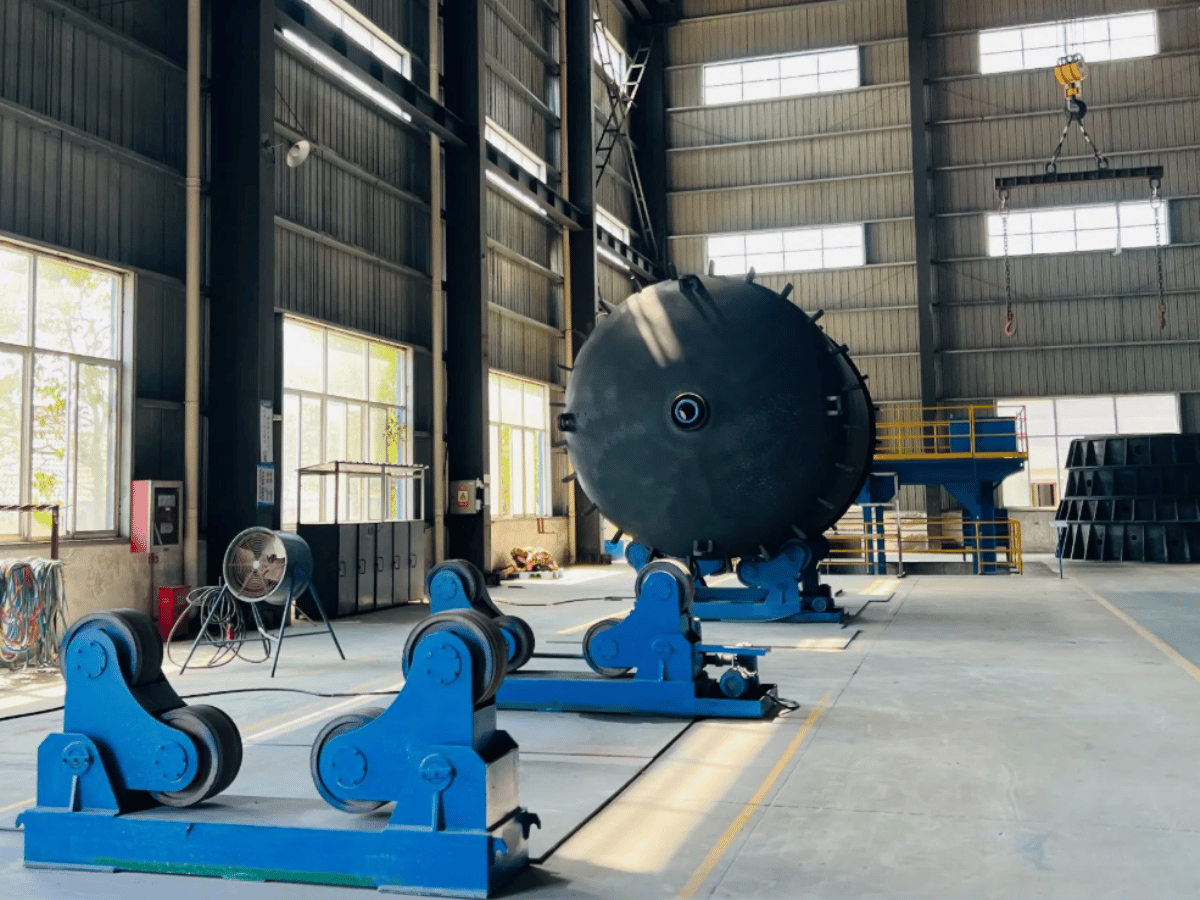
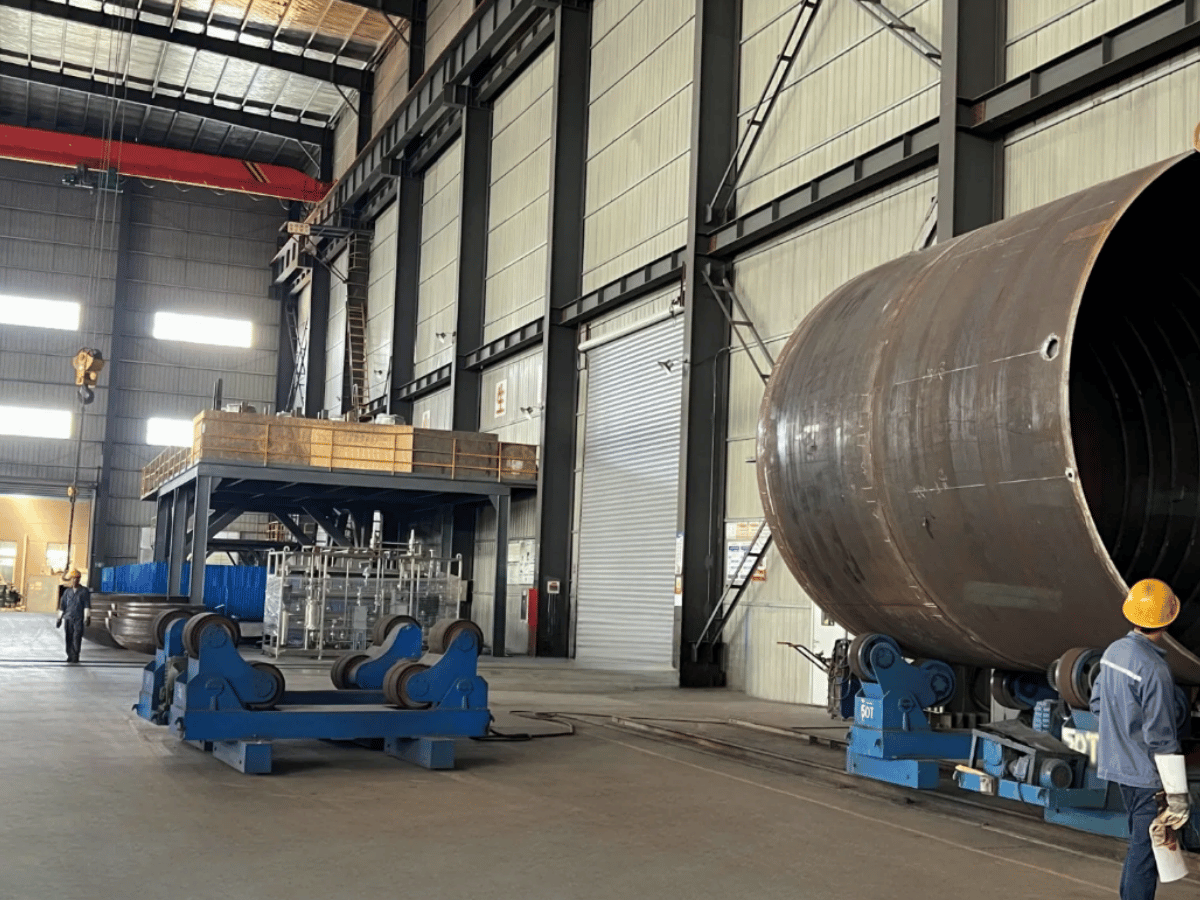
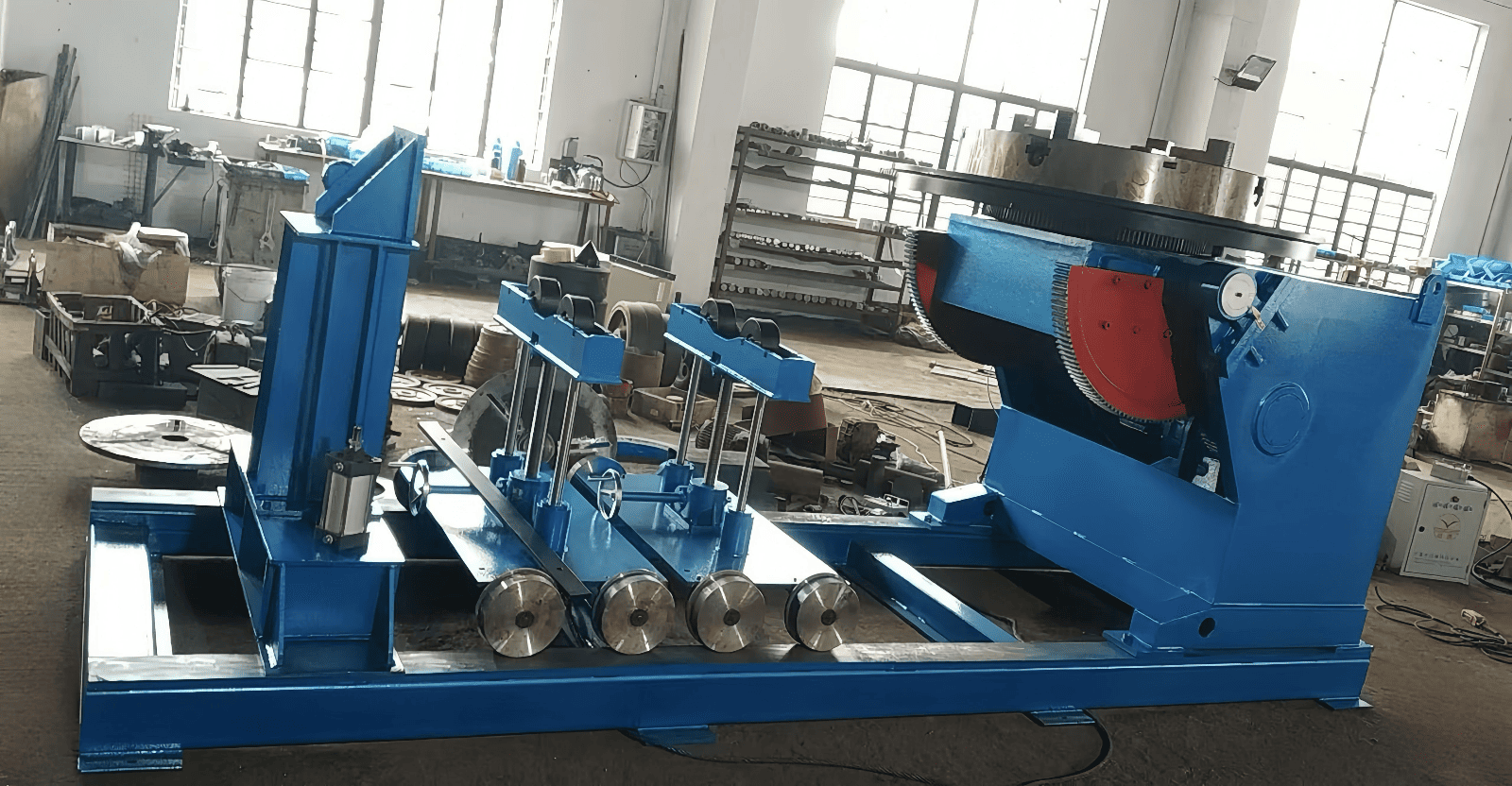
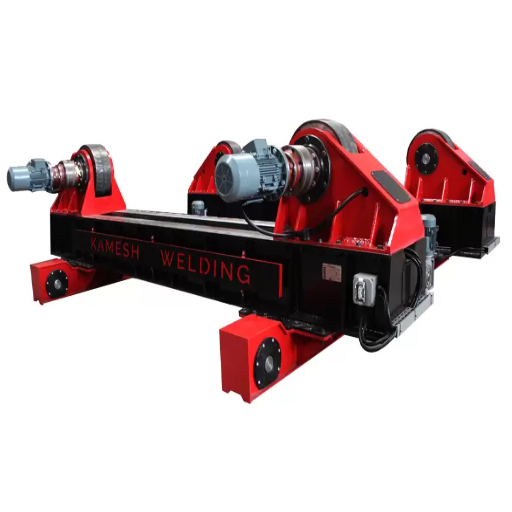
Optimize your large-scale welding operations with our state-of-the-art Turbine Welding Rotators. Designed for precision, safety, and efficiency, this equipment provides stable rotation to cylindrical workpieces for perfect welds on heavy-duty components.
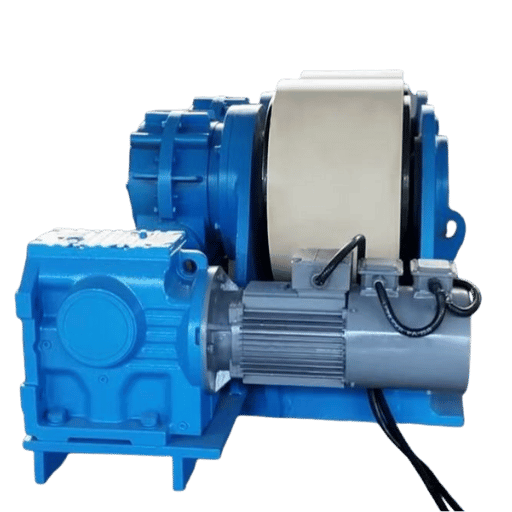
Turbine Welding Rotator: Features, Applications, and Selection Guide
- Definition of Turbine Welding Rotators: Rotators are employed in the rotation of cylindrical workpieces, providing an opportunity for uniform welds, improved efficiency, reduced fatigue.
- Description of Operation: A powered set of rollers rotates the workpieces, allowing for ample control, easy access to the weld area, and consistent seam welding.
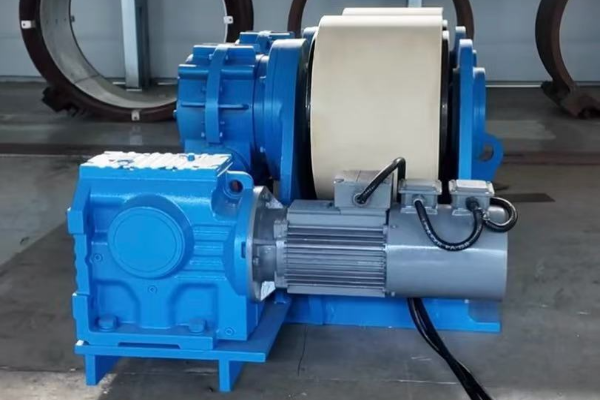
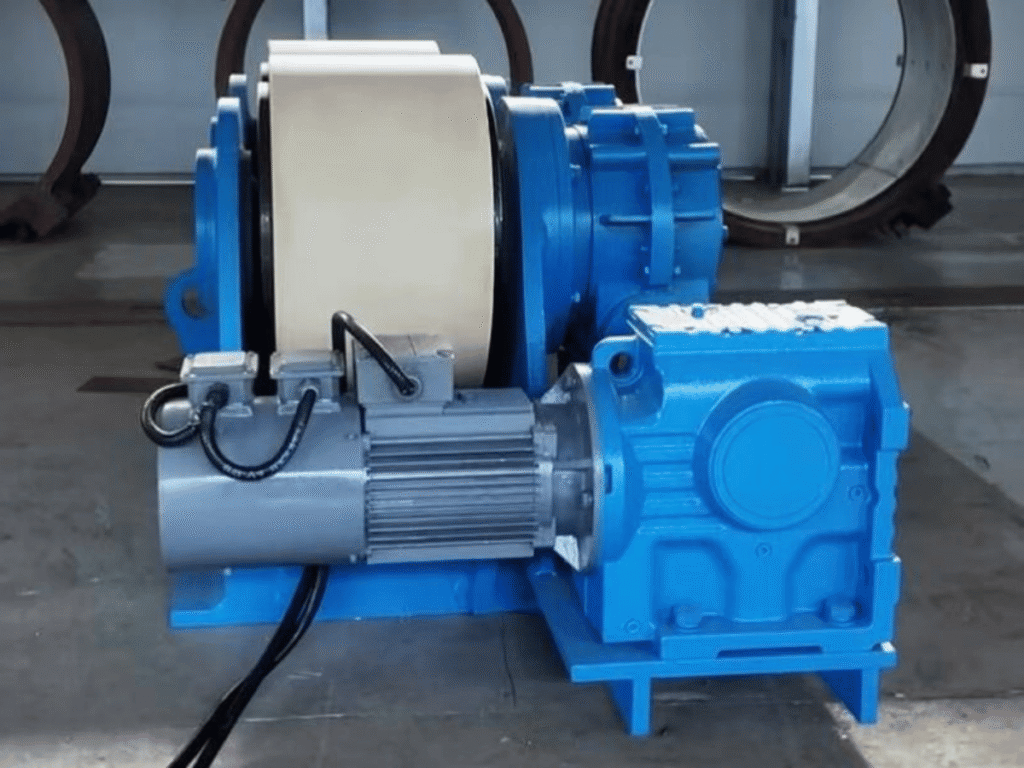
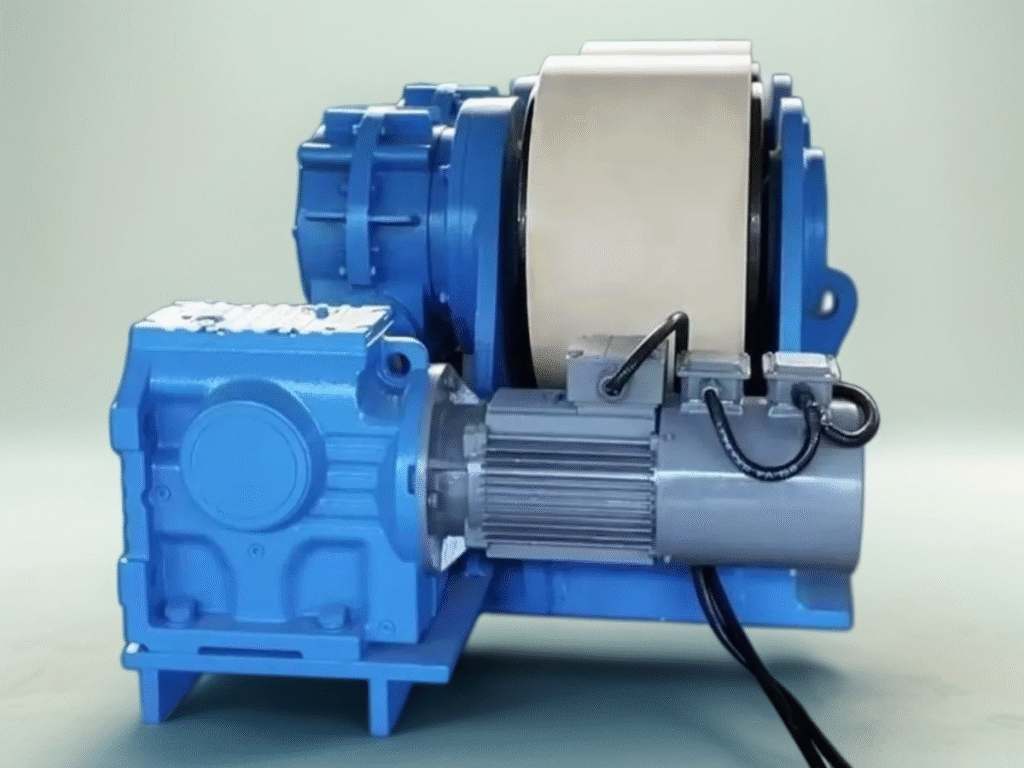
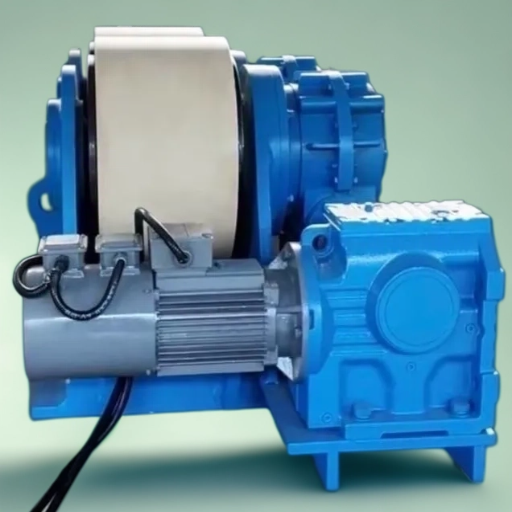
- Key Features: Motorized rotation, adjustable rollers, robust design, and variable speed controls for welding precision.
- Applications and Benefits: Increase productivity, safety, and weld quality in steel fabrication, turbine manufacturing, and the like.
千の企業から信頼されています
15,000 社以上の企業とパートナーが信頼され、RESIZE


Market Leading Technology
Our Turbine Welding Rotator Solution
Self-Aligning Technology
Provides automatic positioning of vessels 2000-6500mm diameter without manual intervention, time savings, and assurance of exact precision.
VFD control of speed
Variable frequency drive with linear speed range of 6-60 m/h to allow for optimum welding conditions of various materials.
Wireless Remote Control
Anything can be safely operated from a distance with precision control being applied. This results in improved worker safety and operational efficiency.
Heavy-Duty Construction
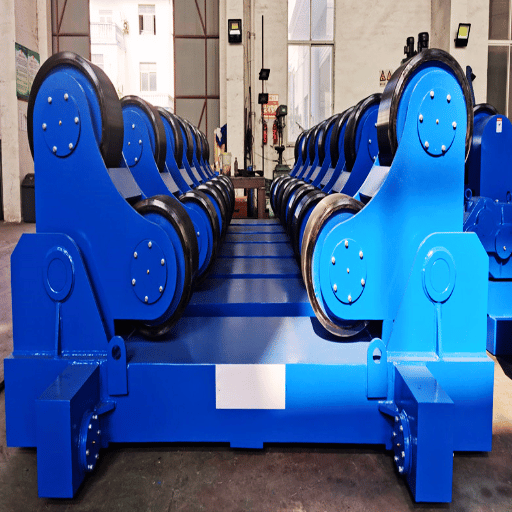
The entire fabricated mild steel base is provided with deep-groove roller bearings to withstand very high welding pressure.
Key Features of Our Turbine welding Rotator
Behold our Turbine Welding Rotator: accurate welding, superior durability, and great performance in favor of maximum output.
Heavy-Duty Load Capacity
Able to stabilize heavy loads of turbine casings, pressure vessels, or large pipes.
Variable Speed Control
The rotation speed is fine-tuned for the best weld quality on different materials and thicknesses.
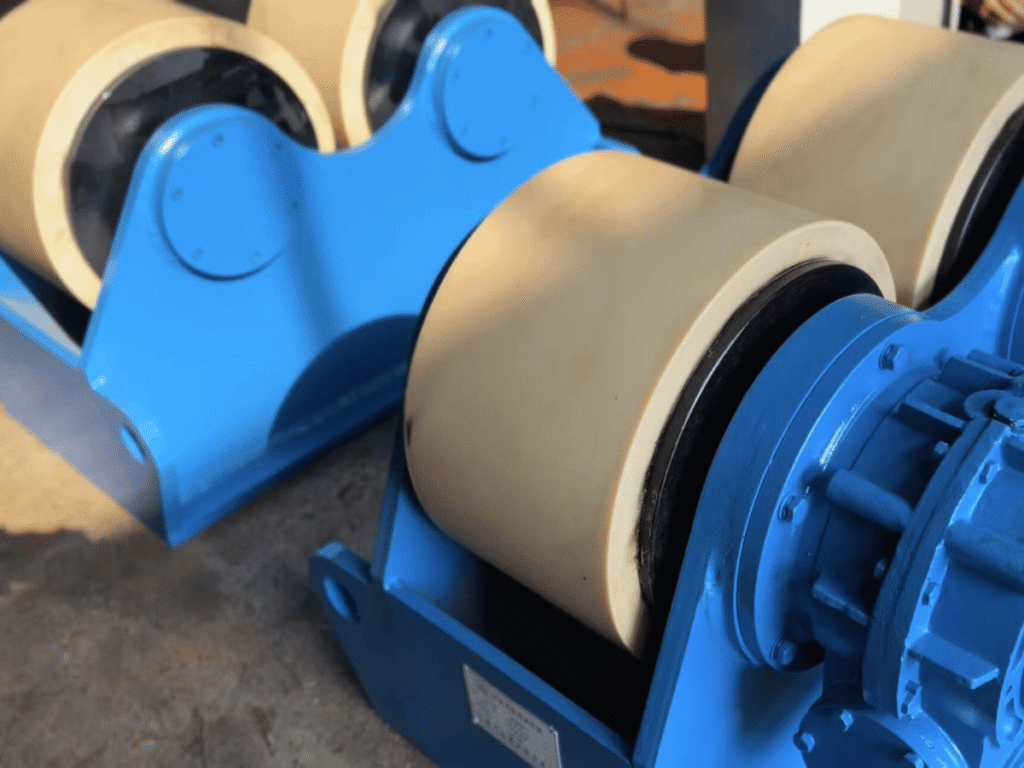
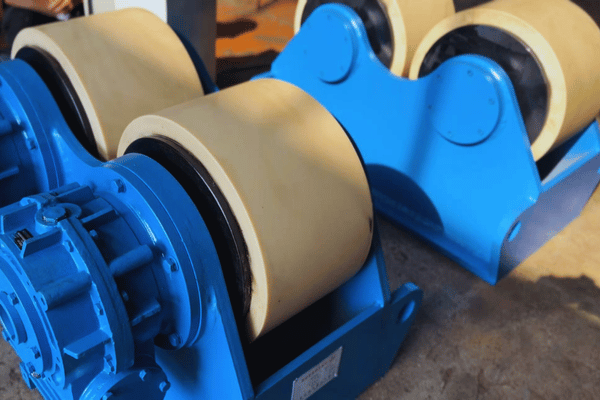
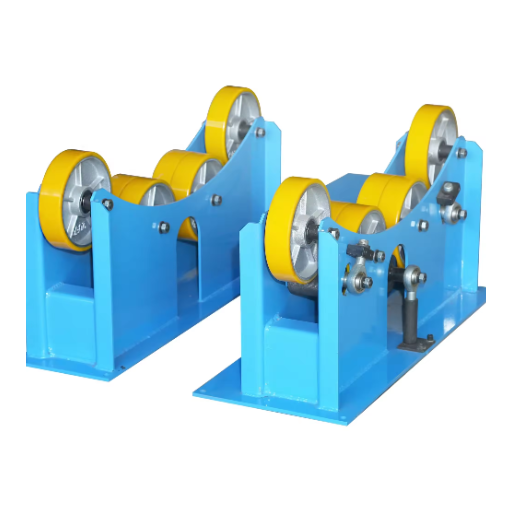
Strong Polyurethane Rollers
Rolling with a grip which will not damage the surface of the workpiece; perfect for heavy industrial use.
User-Friendly Controls
The remote-control pendant allows one to safely and precisely change the speed and direction.
Common Industry Challenge
- Manual Handling Risks:Heavy turbine components (30+ tons) carry significant safety risks and must be moved with multiple operators or crane operators, so injury and downtime occur.
- Inconsistent Weld Quality:The manual welding of large cylindrical components usually ends up with irregular weld beads or porosity or lack of fusion or rework, all because of inconsistent positioning.
- Production Bottlenecks:Stopping workpiece positioning and manual adjustments for long durations causes downtime, thereby increasing project timelines and labor costs.
- Access Limitations:The clumsy large-diameter workpieces create difficult zones impossible for welders to access, forcing poor ergonomics, fatigue, and even poorer weld quality.
Our Advanced Solutions
- Automated Positioning:Our rotator sets manual handling aside, featuring smooth, controlled rotation and precise positioning, up to 90% lessening risk of injury, plus freeing cranes for other jobs.
- Precision Control:Uniform and high-quality welds can always be achieved through precise control of rotation speed, angle of torch, and a stable platform with a reduction in weld defects by about 85%.
- Continuous Operation:Be able to carry out welding with no interruptions, bringing cycle time down by as much as half and enabling multi-zone operations to maximize productivity.
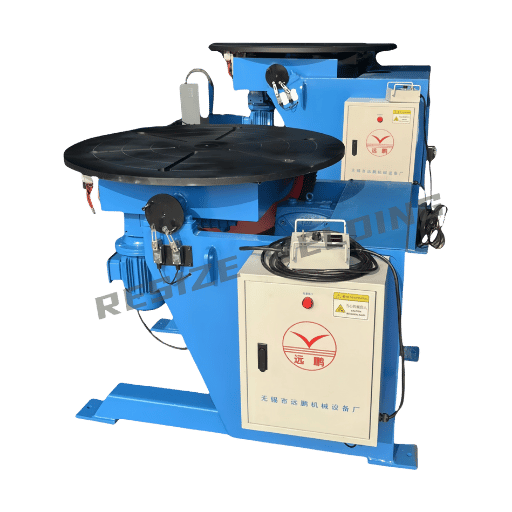
- Optimal Positioning:360° rotation and tilt from zero to 135° allow each weld zone to be positioned at the most ergonomic location for the welder while providing maximum accessibility.
Selecting the Right Turbine Welding Rotator
Capacity and Diameter Specifications
- Capacity: Turbine welding rotators vary with capacities from 4 tons to 200 tons, so they can be used for workpiece weights ranging from those for very small-scale work up to very heavy industrial functions.
- Diameter: Diameter ranges from 500 mm to 6500 mm, thus covering large ranges of workpiece sizes but guaranteeing easy rotation, perfect alignment, and safety during welding operations.
Choosing Between Manual and Motorized Options
A manual welding setup suits small, intricate jobs requiring flexibility and skill, while motorized rotators fit large-scale, repetitive jobs. Powered systems increase efficiency, ensure consistent quality, enhance safety, and support automation but do have high initial costs. Manual systems keep costs down when the job is low in volume and high in customization.
Essential Features to Consider
Adjustable roller, variable speed control, and tilt and rotation features characterize the key features of turbine welding rotators that offer precision and flexibility. Durability, safety mechanisms, and automation are other enhancement factors for performance. Other advanced features include remote operation and digital display, boosting operator convenience and placing these rotators as an indispensable part of oil and gas, shipbuilding, and heavy manufacturing industries.
Diagram of the Turbine welding Rotator
Turbine welding Rotator Technical Specifications
| Specification | Rotor Bracket A | Rotor Bracket B |
|---|---|---|
| Maximum Load | Fixed 60 tons | 60 tons |
| ドライブ | Electric master / Driven | Electric master / Driven |
| Leveling Device | Allowable Horizontal Adjustment Stroke: 10 mm | Allowable Horizontal Adjustment Stroke: 10 mm |
| Automatic Alignment Device | Installation | Installation |
| Roller Treatment | Nylon sleeve wrapped around the roller | Nylon sleeve wrapped around the roller |
| Filling Method | Oil injection | Oil injection |
| Painting | / | / |
| Reference Dimensions | ||
| Base Plate to Rotor Centerline | Approximately 2160 mm | Approximately 2160 mm |
| Roller Diameter | Φ600 mm | Φ600 mm |
| Detailed Specifications | As per order requirements | As per order requirements |
Common Applications for Turbine welding Rotator
Why Choose Our Turbine welding Rotator
- Engineering Excellence: Over 25 years of experience in manufacturing innovative, precise welding machines with proven reliability.
- Complete Support: Full technical support including installation and training; 24-hour maintenance service for maximum uptime.
- Quality Assurance: Processes from Design to Finish are certified under ISO 9001:2015 with rigid quality control and testing.
- Custom Solutions: Engineering alterations tailored to specific project requirements.
- Global Service Network: Service Centers worldwide offer fast maintenance and spare parts support.
私たちのクライアントの意見
Here’s what our customers say about our Turbine welding Rotator:
Expert Guides to Turbine welding Rotator
Price Turbine Welding Rotator
Depending on the cost of turbine welding rotators, the price start from $1,800 for very basic models. With capacity, better features, and build quality, the price is higher. Whether you wish to have a welding rotator on a shoestring budget or one with heavy-duty capacities for turbine welding purposes, there are options around just right for your need and pocket.
Diy Turbine Welding Rotator
Learn how to build DIY turbine welding rotators with ease with online guides and tutorials. Such platforms like YouTube and Instructables offer detailed stepwise instructions to make rotary welding positioners. A good choice for the hobbyist and the professional alike, these sources will help you design inexpensive and workable welding rotators for your projects.
Tools Turbine Welding Rotator
Among the welding rotators for turbines, the more essential ones relate to the rotation rolls for tanks, welding positioners, and cutting-edge welding automated systems. Being tools conceived to speed up the welding process, they best fit industries that require the heavy-duty application of welding, such as turbine making and servicing. Therefore, the application of turbine welding rotators ensures very good, consistent weld qualities, with high weld times contributing to productivity.
Turbine Welding Rotator For Sale
In case you want to buy good quality welding rotators at auction from reputed suppliers, you should be considering RESIZE , Ransome Company, and SENLISWELD. These offer diverse sets of welding positioners and rotator equipment that come with various capacities, as well as customizable options that suit your welding requirement. Scope through their selections and find your welding rotator for your project.
Parts Turbine Welding Rotator
Turbine welding rotators play a really important role in the industrial world where turning rotors efficiently and with precision is required. These machines usually consist of driving units, designs for the idle side, and MICARTA surfaces. Rotators that have been built to work with heavy-duty turbine welding processes ensure smooth operation, increased productivity, and enhanced precision. Whether in manufacturing, energy, or big heavy machinery, turbine welding rotators provide a dependable solution with respect to placing and welding rotors.
Applications of Turbine Welding Rotators
- Wind Turbine Manufacturing: Considered an essential component while fabricating wind turbine towers, the turbine welding rotators ensure precise seam welding for maintaining structural integrity while aiding a growing renewable energy sector.
- Steel Fabrication: During welding processes in the steel-making industries, the rotators of welding allow rotary welding of large steel components with high-quality and consistent weld, thereby making processes more efficient.
- Oil and Gas Industry: These are widely used in pipeline welding and storage tank fabrication. The welds are acceptable to a set of safety standards, given that welds are high-grade and undertaken even under very high pressure.
- Shipbuilding and Aerospace: These facilitate the welding of large cylindrical parts, ensuring safety, weld consistency, and operational efficiency in both shipbuilding and aerospace.
Benefits of Using Welding Rotators
The welding rotators improve the rotatory mechanism of heavy workpieces in terms of efficiency, precision, and safety. With manual handling of workpieces, rotators assure good weld quality. Rotators improve productivity while defects are decreased. These machines align workpieces for accurate welding, and the operator suffers less fatigue or injuries, resulting in a safer and more productive workplace for welding.
Common Queries about Turbine Welding Rotators
- Advantages of Manual Welding Positioners: They ensure accurate rotation movement and are cheap to maintain, Hence, they are used in small workshops and in intricate jobs.
- Maintenance Tips for Welding Rotators: A good regimen of maintenance including inspections, lubrication, alignment, and cleanliness will ensure a long life with good performance.
- Conventional vs. Adjustable Rotators: A conventional rotator is better used for repetitious work, whereas an adjustable rotator can work with the varying sizes of a workpiece and provides a bit more control.
RESIZE Companyが提供する関連機器
Latest Blog Posts about Turbine welding Rotator
Check out the latest information on turbine welding rotators with respect to innovations and applications in our article and blog-bank.
溶接は多くの業界の基本的なプロセスであり、満足のいく製品品質を生み出すためには最大限の精度、一貫性、効率が必要です。経験上、満たすには困難が生じることがわかっています...
2025 年に注目すべき溶接ローテーター メーカー トップ 15 (リスト更新) 概要: 溶接ローテーターは、さまざまな産業作業に不可欠な機器であり、さらなる効率と精度を提供します...
溶接分野は、溶接回転子と溶接マニピュレータを中核とした、精度、効率、革新性が特徴です。巨大な円筒形の製品の製造から、頑丈なパイプや複雑なものまで...
低曲げ損失で広く知られている Delau レンズは、ここ数年で大幅に進歩し、先見性のある光学デバイスのトップチョイスになりました。しかし、たとえ...
パイプ溶接には、極めて高い精度、効率性、安全性が求められます。パイプ回転子、溶接ローラー、または溶接回転子が、重工業に従事する業界の商号になったことを認識します...
完璧な溶接アライメントは、仕事の精度とタイムリーな完了によって測定されるように、成功を決定する上で常に重要な要素です。に設計されたすべての製品の中で...
フィットアップ (適合) プロセスは、弱い不規則な接合部と、強くて非の打ちどころのない溶接部を分離するものです。溶接の適合、その前に材料を整列、接合、準備する重要な段階です...
産業活動の中で生産 消費される溶接については、抽象的な概念と実践的な概念の両方を取り入れて、経済的に増加するための技術を活用することが期待されています。 、現在...

Getting a quote for Turbine welding Rotator
Contact with our engineering team today to discuss certain requirements you might have. We can make configurations of Turbine welding Rotator so it best matches your productivity and weld quality requirements.
よくある質問frequently Asked Questions
Q: What is a turbine welding rotator?
A: The turbine welding rotator is equipment designed to perform welding work on large cylindrical parts such as turbine rotors. It can rotate and position the job in a controlled manner that would allow for precision welds.
Q: How does the welding rotator aid the welding process?
A: The welding rotator aids the welding process by turning the workpiece on a steady platform, allowing welders to keep steady angles and speeds as they work, leading to better quality welds and less operator fatigue.
Q: What sort of joints are weldable with a turbine welding rotator?
A: This turbine welding rotator is good for various joints: butt joints, fillet welds, etc. It can be mounted either horizontally or vertically in different configurations, offering welders great flexibility.
Q: What power source does a turbine welding rotator operate on?
A: Turbine welding rotators can be used with multiple options regarding power source: the main ones being MIG or TIG welding machines. Power source selection depends on weld materials and specific project requirements.
Q: How to select the right welding rotator for my project?
A: The selection depends on the size and weight of the work piece, the welding process to be employed, and the desired duration of use. Some features you may want to consider are speed variations and load capacity.
Q: What role does a chuck play in a turbine welding rotator?
A: Chucks are simply holding devices that secure the workpiece firmly during welding in turbine welding rotators. A 3-jaw chuck would hereby be used to accommodate different shapes and sizes of components, allowing for a rigid attachment.
Q: Are turbine welding rotators used for wind turbine fabrication?
A: Yes, welding rotators are used in the fabrication of wind turbines. They allow welders to efficiently weld huge steel components such as turbine towers and rotors, which must be welded with very high precision and strength.
Q: What maintenance goes into a welding rotator?
A: Maintenance consists of doing an inspection on the bearings, lubricating the bearings, inspecting the surface for any wear, and checking to ensure that all electrical connections are to be secured. Maintenance will surely increase the life and performance of the equipment.
Q: Are there manual options for turbine welding rotators?
A: Indeed, there are manual turbine welding rotators. Such models might be easier to handle and can be advantageous on smaller jobs or where budget constraints exist. They provide manual control required for any welding job.
Q: What features are incorporated into the welding rotator for further functional benefits?
A: Welding rotators tend to have features that tend to enhance operational abilities; adjustable rotation speed, load capacity, and switching from a horizontal to a vertical position. These features ensure that the welding rotator will support various welding tasks most effectively.