2025 年に注目すべき溶接ローテーターメーカートップ15 (リストを更新)
Quick Overview: Welding rotators are essential equipment for various industrial operations, providing added efficiency and accuracy to the welding process. Because they utilize both the conventional welding rotators and self-aligning rotators, they can work with various types of workpieces, including cylindrical vessels and pipes. The ability of welding rotators to rotate large workpieces smoothly further enhances welding productivity and ensures high-quality welding.
What Are Welding Rotators?
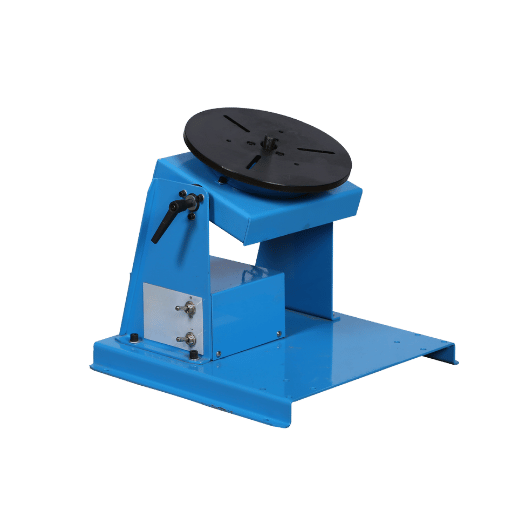
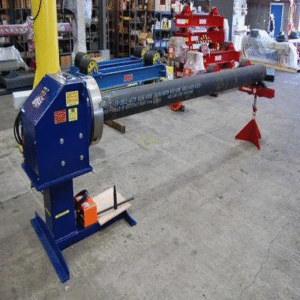
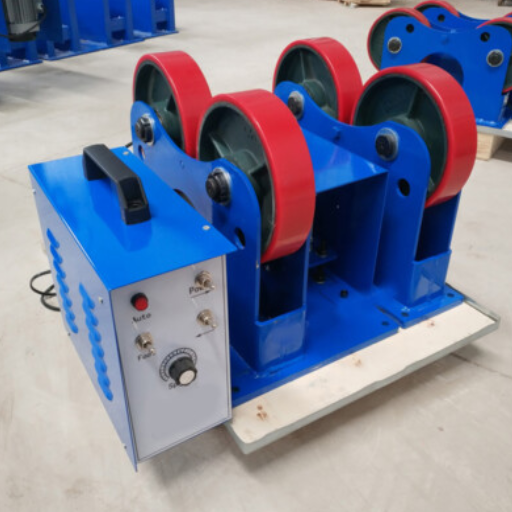
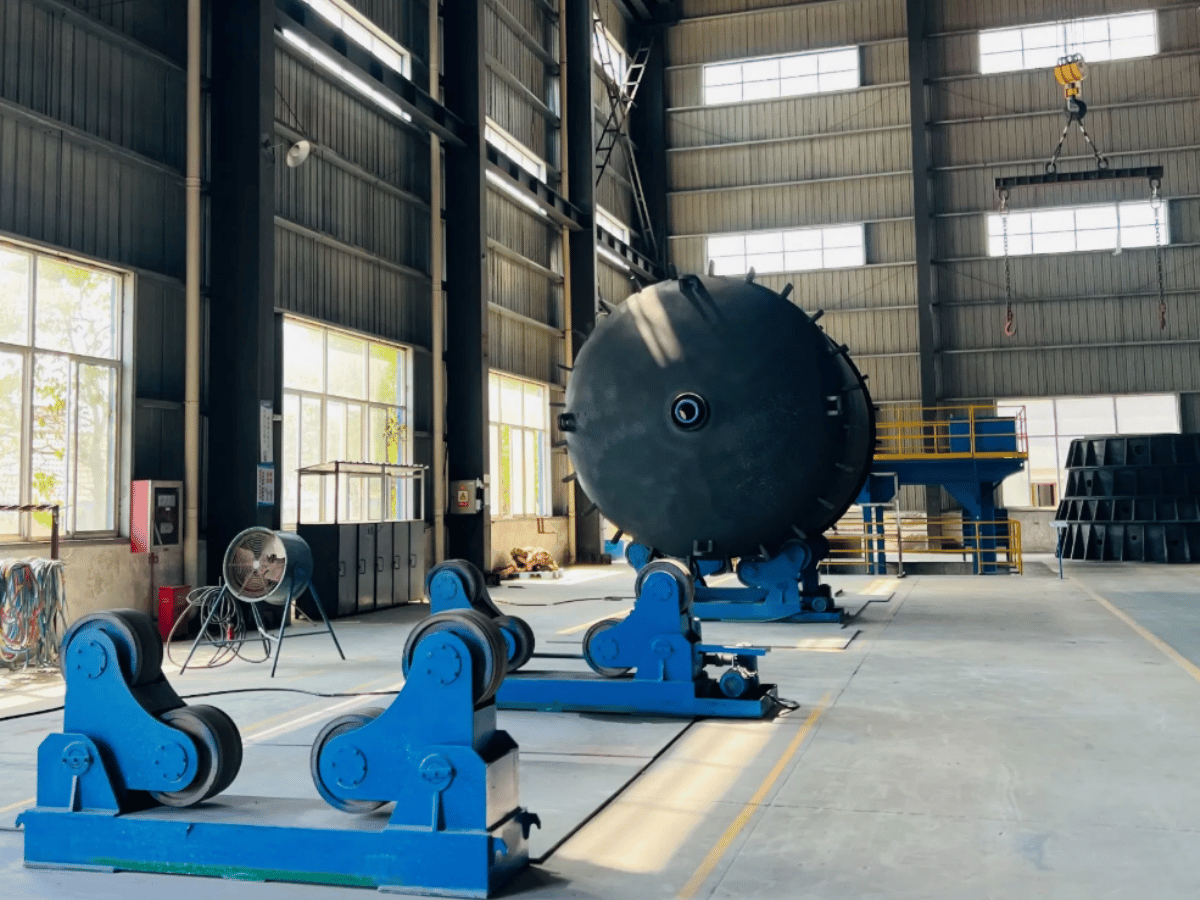
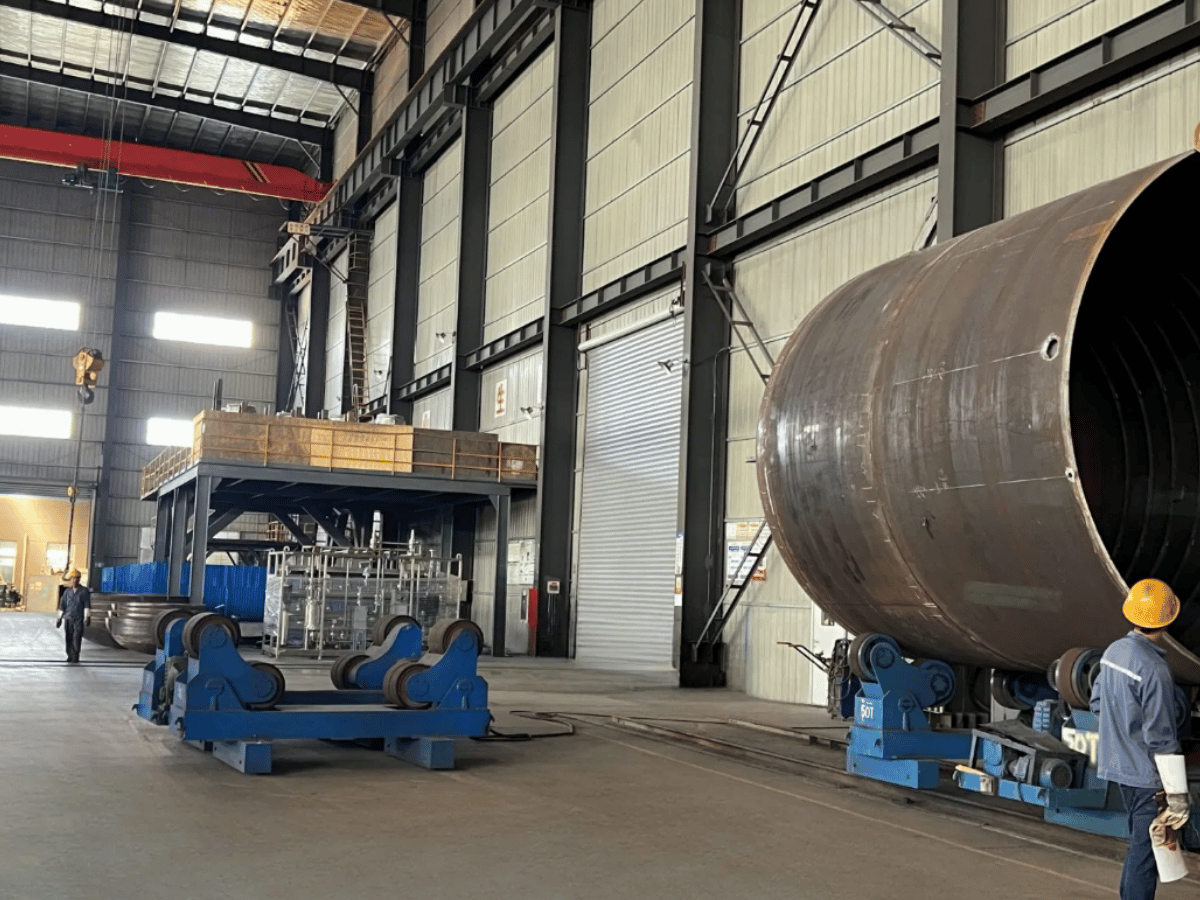
Welding rotators, also known as pipe rotators or turning rolls, are essential for welding production. These enable the rotating of large and heavy workpieces, such as tanks and pressure vessels, allowing welders to make continuous welds without repositioning the welding torch. The automation leads to better welding quality and less human effort, resulting in overall increased efficiency in the production line.
The manufacturers of welding rotators supply products in various models with different loading capacities, ranging from 2 tons to heavy-duty, to meet the diverse demands of other industries.
Why Weld Rotators Are Essential in Industrial Applications
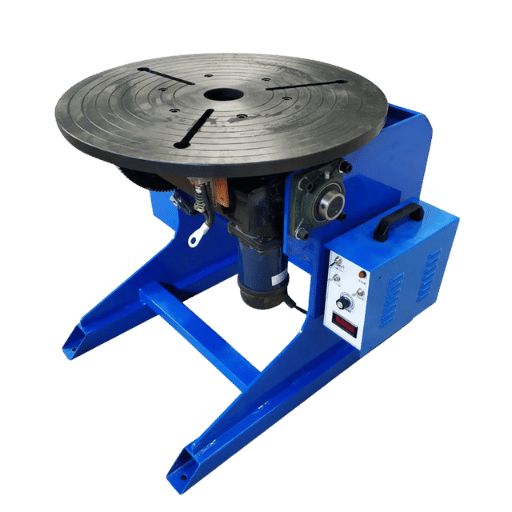
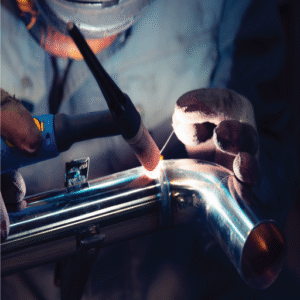
Weld rotators are essential in industrial applications for fabricating cylindrical vessels, wind towers, and other massive structures. These devices ensure uniform welds while minimizing faults. By automating the turning process, weld rotators enable welders to focus on the welding itself, ensuring that it adheres to the industry’s precision and regulations.
Hence, weld rotators manufacture the entire efficient and safe operation in:
- 建設
- Oil and gas
- 造船
- Power generation
- Manufacturing
溶接ポジショナーの理解
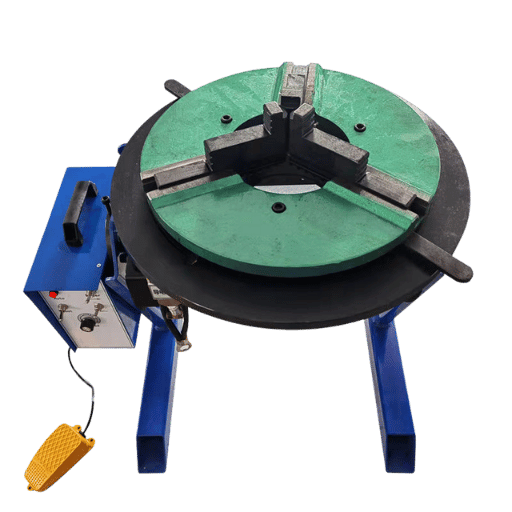
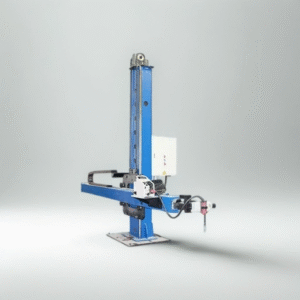
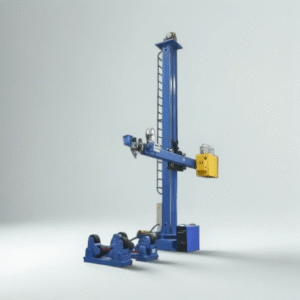
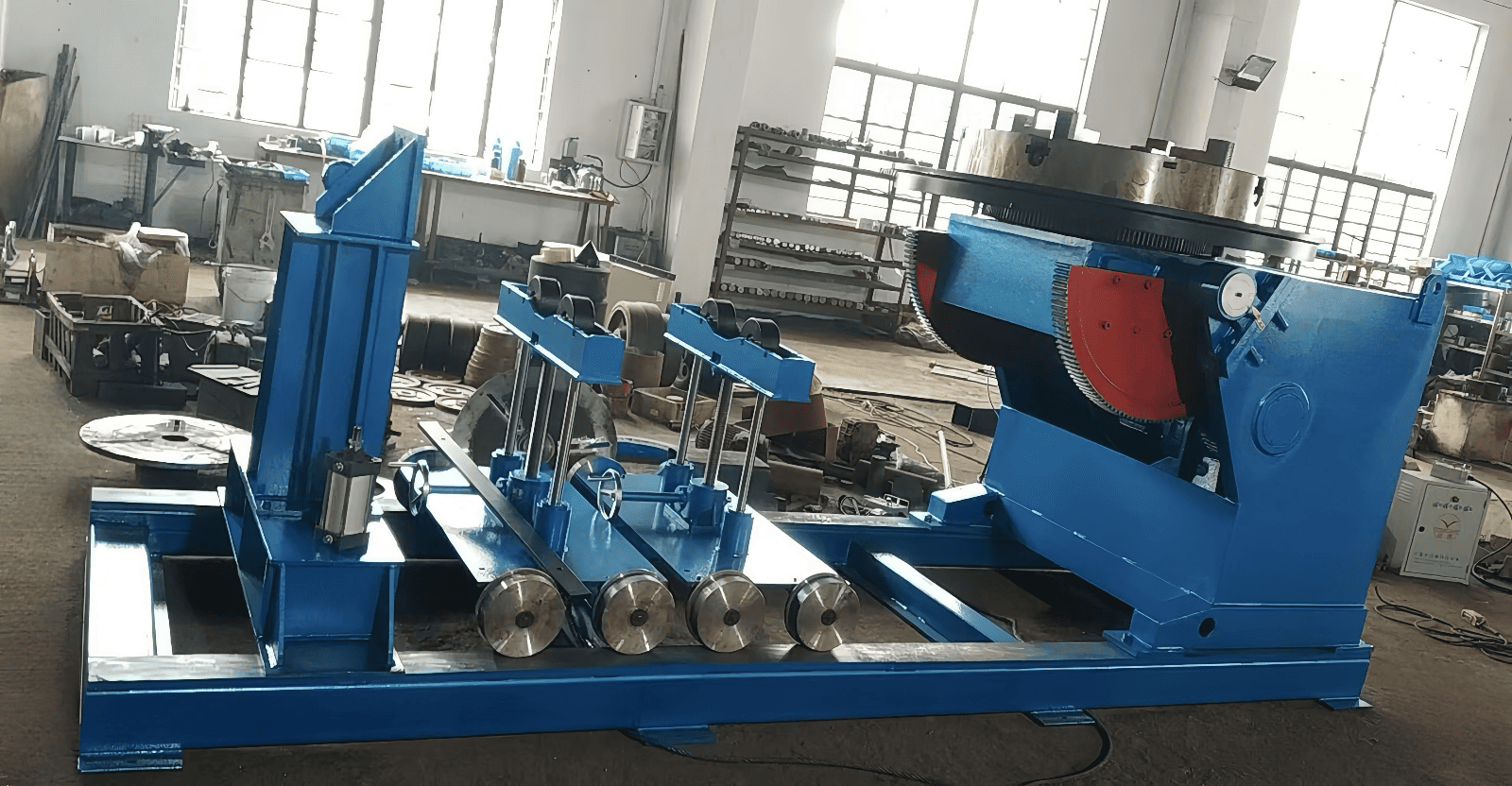
Welding positioners and welding rotators, as well as 溶接 ポジショナー combinations, offer essential complementary functions to weld rotators. The input work can be positioned with utmost precision, the accessibility enhanced for the welder, and the final weld improved.
Positioners may be able to rotate, tilt, and lift workpieces, with a greater freedom of angles than welding rotators provide. From there, they become essential tools in increasing productivity, especially in an automated welding environment, where speed and precision are crucial.
Key Features of Conventional Welding Rotators
Conventional welding rotators are equipped with features specifically designed for industrial applications. They consist of a driving and an idler unit that smoothly rotate the work.
| 機能 | 説明 |
|---|---|
| Handling Capacity | Ability to handle various diameters and support heavy loads, such as 10 tons or more |
| Advanced Technologies | Integration of lead screw adjustments and automatic alignment for enhanced functionality and reliability |
| Self-Aligning Capabilities | Automatic adjustment to workpiece variations for consistent rotation |
| Robust Construction | Heavy-duty materials and components for long-lasting performance |
| 安全機能 | Turning rollers and clamps to secure workpieces during the welding process |
Top 15 Welding Rotator Manufacturers
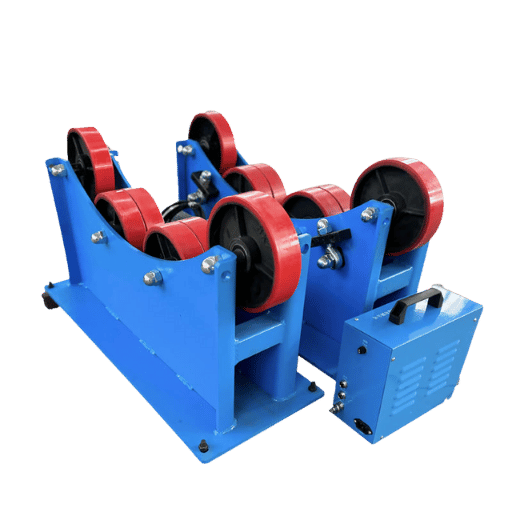
1. Resize welding Machinery Co., Ltd
創設: Not specified
Overview: RESIZE is a leading 溶接 回転子 manufacturer based in China, recognized for its industrial-grade rotators featuring advanced features such as VFD speed control and self-aligning designs.
主な製品:
- Adjustable welding rotators
- Self-aligning welding rotators
- Anti-drift turning rolls
- Tank fit-up rolls
✅ Key Advantages
- High load capacity (up to 1,000 tons)
- Advanced safety features like emergency stops and overload protection
- Customizable solutions for various industrial needs
❌ Key Disadvantages
- Limited information on global service centers
2. DUMETA (Netherlands)
Overview: A pioneer in welding rotators with over 30 years of experience.
主な製品: Conventional rotators, self-aligning rotators, and specialized solutions.
✅ Key Advantages
- Advanced load distribution systems, IoT capabilities, and global distribution.
❌ Key Disadvantages
- Premium pricing for advanced models.
3. Key Plant (UK)
Overview: Renowned for engineering excellence and precision.
主な製品:
- Rotators with load capacities from 500kg to 500 tonnes.
✅ Key Advantages
- Sophisticated control systems, safety features, and strong aerospace connections.
❌ Key Disadvantages
- Limited availability outside the UK.
4. PRIMO Automation Systems (Italy)
Overview: Known for robust construction and user-friendly designs.
主な製品:
- Heavy-duty rotators and automation solutions.
✅ Key Advantages
- Adaptability to various environments and personalized consultations.
❌ Key Disadvantages
- Limited presence in emerging markets.
5. Cu-Built (Canada)
Overview: Specializes in rotators for extreme conditions and heavy-duty applications.
主な製品:
- High-capacity rotators with advanced safety mechanisms.
✅ Key Advantages
- Customization capabilities and strong presence in North America.
❌ Key Disadvantages
- Limited global reach.
6. Miller Electric Mfg. LLC
創設: 1929
Overview: A US-based manufacturer of welding and cutting equipment, part of Illinois Tool Works.
主な製品:
- Welding rotators
- TIG welders
- Plasma cutters
✅ Key Advantages
- Long-standing reputation and extensive product range
❌ Key Disadvantages
- Higher price point for premium products
7. Key Plant Automation Ltd
創設: 1956
Overview: A UK-based company offering industrial automation solutions, including welding rotators.
主な製品:
- Welding rotators
- Robotic systems
✅ Key Advantages
- Strong focus on automation and efficiency
❌ Key Disadvantages
- Limited product availability outside the UK
8. Mogra Engineering Private Limited
創設: Not specified
Overview: An Indian manufacturer specializing in welding rotators and lead screw systems.
主な製品:
- Lead screw welding rotators
✅ Key Advantages
- Affordable pricing for small to medium-scale industries
❌ Key Disadvantages
- 限定商品範囲
9. Stierli-Bieger AG
創設: Not specified
Overview: A Swiss company known for its precision engineering and welding equipment.
主な製品:
- Welding rotators
- Bending machines
✅ Key Advantages
- High precision and quality
❌ Key Disadvantages
- プレミアム価格
10. Hobart Welding Products (USA)
Overview: Bridges the gap between professional and DIY welding.
主な製品:
- Portable, inverter-based welders and rotators.
✅ Key Advantages
- Affordable and user-friendly.
❌ Key Disadvantages
- Limited industrial-scale options.
11. Anvin Engineers Pvt. Ltd. (India)
Overview: Focuses on energy-efficient and adaptable rotators.
主な製品:
- Rotators for fabrication shops and pipeline manufacturing.
✅ Key Advantages
- Environmentally friendly designs and strong customer support.
❌ Key Disadvantages
- Limited product range.
12. AMIN Machinery Pvt. Ltd. (India)
Overview: Focuses on cost-effective solutions for emerging markets.
主な製品:
- Lightweight to heavy-duty rotators.
✅ Key Advantages
- Affordable and durable designs.
❌ Key Disadvantages
- Limited innovation.
13. Fronius (Austria)
Overview: Specializes in high-end TIG and MIG systems.
主な製品:
- Precision welding rotators and advanced control systems.
✅ Key Advantages
- Energy efficiency and focus on renewables.
❌ Key Disadvantages
- Limited affordability for small businesses.
14. Kemppi (Finland)
Overview: Known for digitally integrated welding equipment.
主な製品:
- IoT-enabled welding systems and rotators.
✅ Key Advantages
- Cloud-based monitoring and ergonomic designs.
❌ Key Disadvantages
- Limited product range for heavy-duty applications.
15. Bud’s Machine Tools (USA)
Overview: A supplier of welding and machining tools.
主な製品:
- Welding rotators and positioners.
✅ Key Advantages
- Wide range of tools and equipment.
❌ Key Disadvantages
- Limited focus on welding rotators.
How to Choose the Right Welding Rotator
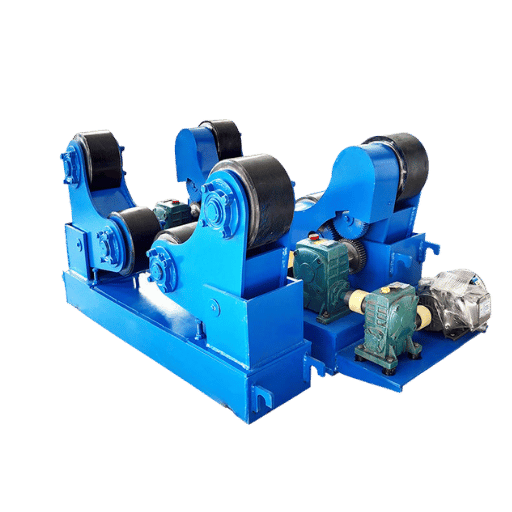
Essential Selection Checklist
- Determine your maximum weight capacity requirements
- Assess workpiece diameter range compatibility
- Evaluate automation features needed
- Check compliance with industry standards
- Consider budget and long-term ROI
- Review manufacturer’s support and warranty
Weight Capacity and Specifications Comparison
When selecting a welding rotator, understanding the weight capacity and specifications is crucial. Factors like the loading capacity, which can range from 5 tons to 10 tons or more, determine the type of workpieces the rotator can handle.
| 要因 | 5 Tons Capacity | 10 Tons Capacity | Heavy-Duty (10+ Tons) |
|---|---|---|---|
| Typical Applications | Small to medium pipes | Large cylindrical tanks | Pressure vessels, wind towers |
| Investment Level | Lower initial cost | Moderate investment | Higher capital requirement |
| Footprint | Compact design | Medium space requirement | Large installation area |
| Power Requirements | Standard electrical | Enhanced power supply | Heavy-duty electrical systems |
For instance, heavier workpieces such as pressure vessels or large cylindrical tanks may require a rotator with a higher capacity. In addition, considering the range of diameters and the versatility of a rotator to accommodate different sizes ensures it is suitable for your welding requirements, thereby enhancing welding quality.
Automation Features and Their Benefits
💡 Pro Tip: Automation Benefits
The automation features of welding rotators significantly enhance the efficiency and accuracy of the welding process. Automated systems, such as self-aligning rotators and automatic welders, are designed to rotate workpieces steadily, which is crucial for maintaining a high level of integrity in welds.
Welding rotators equipped with these features enable the operator to perform welding with minimal interruption to precision and welding efforts. Thus, automation provides a significant increase in productivity and is most beneficial when high output levels are required to manufacture wind turbines or other complex structures.
Industry Standards and Safety Regulations
Adherence to industry standards and safety regulations is an absolute must when purchasing a welding rotator. Manufacturers of welding rotators must ensure that their equipment complies with all relevant safety specifications, providing safe clamps and idler units to prevent accidents during operation.
Furthermore, a proper understanding of regulations specifically applicable to the welding rotators in your industry is indispensable, whether it is tank welding or pipe welding, to utilize welding rotators safely and efficiently. Selecting rotators that comply with these standards will create a safe environment while maintaining high welding quality within your operations.
Common Features and Specifications

Understanding Lead Screw Mechanisms
Depending on the lead screw mechanism, welding rotators employ a rotational and motion system to provide precision in the positioning of workpieces. With these mechanisms, welding operators can adjust the rotation speed or change the rotation angle to keep the welding torch steady during the welding process.
Lead screws enable manufacturers to produce more precise and dependable rotators, which are crucial in the fabrication of cylindrical vessels and pressure vessels. It is especially advantageous in automated welding systems where consistency in welding is of utmost importance.
Types of Turning Rolls and Their Applications
Turning rolls become part of the entire welding rotator system and are available in various configurations to suit the range of industrial applications. Conventional welding rotators typically consist of one driving and one idler unit working together to provide smooth rotation of the workpieces.
| タイプ | プライマリアプリケーション | 主な特徴 |
|---|---|---|
| 自己整合 | Pipe welding | Automatic diameter adjustment, reduced setup time |
| 調節可能な | Tank fabrication | Manual diameter setting, versatile workpiece handling |
| 頑丈な | Large pressure vessels | High load capacity, robust construction |
| Light-duty | Small pipe work | Compact design, cost-effective |
The ability to adjust to different diameters and loading capacities, ranging from 2 tons to heavy-duty applications, makes them versatile tools in welding production.
Customization Options for Welding Positioners
Customization holds great importance in welding positioners, as it empowers manufacturers to develop solutions tailored to specific industrial needs. Welding positioners, customized with a range of possible modifications, include those with clamps, rotating tables, and tilting mechanisms, affording welders considerable control over the welding process.
Such choices enable the handling of diverse workpieces, ranging from small pipes to large cylindrical vessels. This ability to customize actually helps manufacturers tailor their equipment to the specific needs of different welding applications, thereby improving the overall welding quality.
Industry Trends and Emerging Technologies
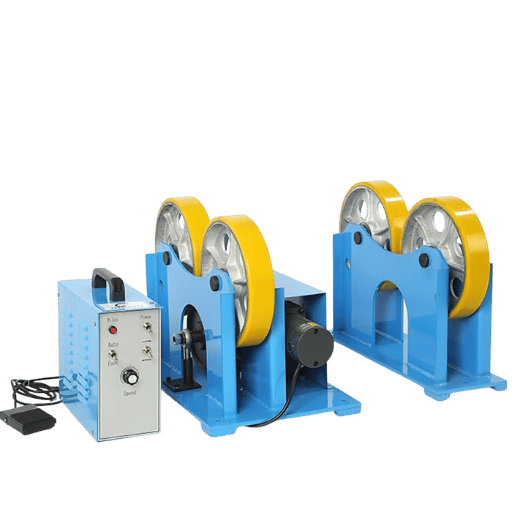
Automation in Welding: Benefits and Challenges
🔧 Industry Insight: The Automation Revolution
Automation in welding is one of those revolutionary trends with the benefits of increased productivity and quality in welding. However, there are specific challenges that manufacturers must address.
By using systems such as self-aligning welding rotators and automatic welding capabilities, automated welding inherently facilitates the welding process by minimizing manual intervention. In addition to these benefits, the rise of automation is also bringing with it some challenges, including, but certainly not limited to, finding skilled operators and integrating new technologies into already existing production lines.
| Aspect | Benefits | Challenges |
|---|---|---|
| Productivity | Faster welding cycles, continuous operation | Initial setup complexity, programming requirements |
| Quality | Consistent weld quality, reduced human error | Need for precise calibration, maintenance expertise |
| Labor | Reduced manual labor, safer working conditions | Skilled operator training, job displacement concerns |
| コスト | Long-term cost savings, reduced rework | High initial investment, technology integration costs |
Balancing these benefits and challenges is crucial for manufacturers aiming to enhance efficiency while maintaining high standards in welding production.
Impact of Industry Regulations on Welding Equipment
Industry regulations play a crucial role in determining the design and functionality of welding equipment. Manufacturers are thereby faced with complying with safety and quality standards that affect, among other things, the construction of idler units and the incorporation of safety clamps.
Such regulations place welding rotators within the boundaries of what is safe to operate and maintain welding integrity. Understanding and complying with these criteria are essential for manufacturers when developing reliable and conforming welding equipment that serves industries such as:
- Oil and gas: Stringent pressure vessel requirements
- Construction: 建築基準法の要件と安全基準
- 造船: 海上の安全性と品質の認証
- 発電: 原子力発電所および火力発電所の仕様
溶接ローテーターの将来のイノベーション
先を見据えて: 溶接回転子は、自動化とデジタル技術を最前線に、将来のエキサイティングなイノベーションに備える準備ができています。.
この新たなトレンドには、溶接工が溶接プロセスを最適化するのに役立つセンサーとリアルタイムデータ分析を備えたスマートローテーターが含まれます。さらに、iot および AI テクノロジーの導入により、溶接作業がより正確かつ効率的になり、溶接作業が強化されます。.
主要な未来テクノロジー:
- スマートセンサー: 溶接品質と機器の性能をリアルタイムで監視します
- AIの統合: 予測メンテナンスとパラメーターの最適化
- IoT コネクティビティ: リモート監視とデータ分析
- 先端材料: より軽量で強力なコンポーネントにより、パフォーマンスが向上します
- エネルギー効率: 環境を犠牲にして消費を削減します
これらのイノベーションにより、溶接の品質と生産性が大幅に向上し、メーカーが溶接業界の最先端に位置することが期待されています。.
購入ガイドとベストプラクティス
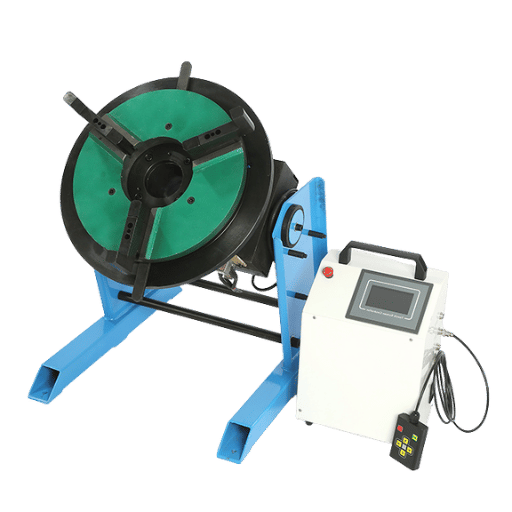
購入前評価チェックリスト
- ワークピースの最大重量と直径の要件を計算します
- 施設の電源とスペースの制約を評価します
- 業界に必要な安全認証を決定します
- チームの技術的な専門知識とトレーニングのニーズを評価します
- 将来の拡張とスケーラビリティの要件を検討してください
- メーカーの評判とカスタマーサポートの品質を調査します
- メンテナンスや部品を含む総所有コストを比較します
ROIを最大化するためのヒント
錫のコスト削減戦略
- 適切なトレーニング: 機器の損傷を回避し、機器の効率的な使用を強化するために、オペレーターのトレーニングに十分な資金を割り当てます
- 予防保全: メーカーが推奨するメンテナンス スケジュールに従って、機器の寿命を延ばしてください
- 右サイズ: 過剰に指定するのではなく、実際のニーズに合った機器を選択してください
- マルチアプリケーションの使用: さまざまな種類のワークに対応できる回転子を購入します
メンテナンスと安全のベストプラクティス
| メンテナンス カテゴリ | 周波数 | 主要なアクション |
|---|---|---|
| 日常検査 | 各使用の前に | 目視検査、潤滑チェック、安全システムテスト |
| 毎週のメンテナンス | 週刊 | ローラー検査、電気接続、校正チェック |
| 月額サービス | 月刊 | ドライブシステム検査、摩耗部品評価、アライメント検証 |
| 年次オーバーホール | 毎年 | 完全なシステム検査、主要コンポーネントの交換、認証の更新 |
概要と最終推奨事項
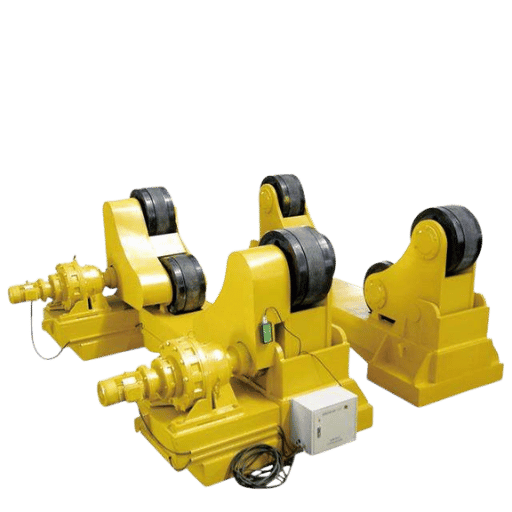
適切な溶接回転子のメーカーを選択するには、耐荷重、自動化機能、安全コンプライアンス、長期または生涯サポートなど、いくつかの重要な要素を考慮する必要があります。このガイドに記載されているメーカーは、溶接機の世界で信頼できる巨人であり、それぞれが異なる用途や予算に対してさまざまな利点を持っています。.
主なポイント:
- 1TP 1T 超安全機能を備えた高負荷ソリューションを重視しています
- センリスヴェルド 顧客サポートが常に強みの一つで、あらゆる製品を提供しています
- ミラー エレクトリック 確立された評判でプレミアム品質を提供します
- 中国のメーカー 一般的に、予算を意識した購入者に競争力のある価格を提供します
- ヨーロッパのメーカー 精度とプレミアム品質に重点を置きます
最終決定を下します
最終選択を行う際には、以下のメーカーを優先してください:
- 特定の容量とアプリケーション要件に一致する製品を提供します
- 包括的な保証とアフターサポートを提供します
- 業界で実績を積んでください
- 関連する安全基準および認証に準拠します
- チームにトレーニングと技術サポートを提供します
溶接回転子市場は、技術の進歩と自動化の増加とともに進化し続けています。このリストからメーカーを選択し、提供されたガイドラインに従うことで、溶接回転子装置への投資により、運用生産性が大幅に向上するはずです。.
洽 最終勧告
高価な溶接回転子は、最良の選択肢ではないかもしれません; むしろ、あなたのための最良のものは、あなたのニーズ、予算、および操作要件に適合するもので、それはやや主観的な評価であるため、選択をするために時間をかけて、デモンストレーションとおそらく試用期間を求めることを躊躇しないでください。.