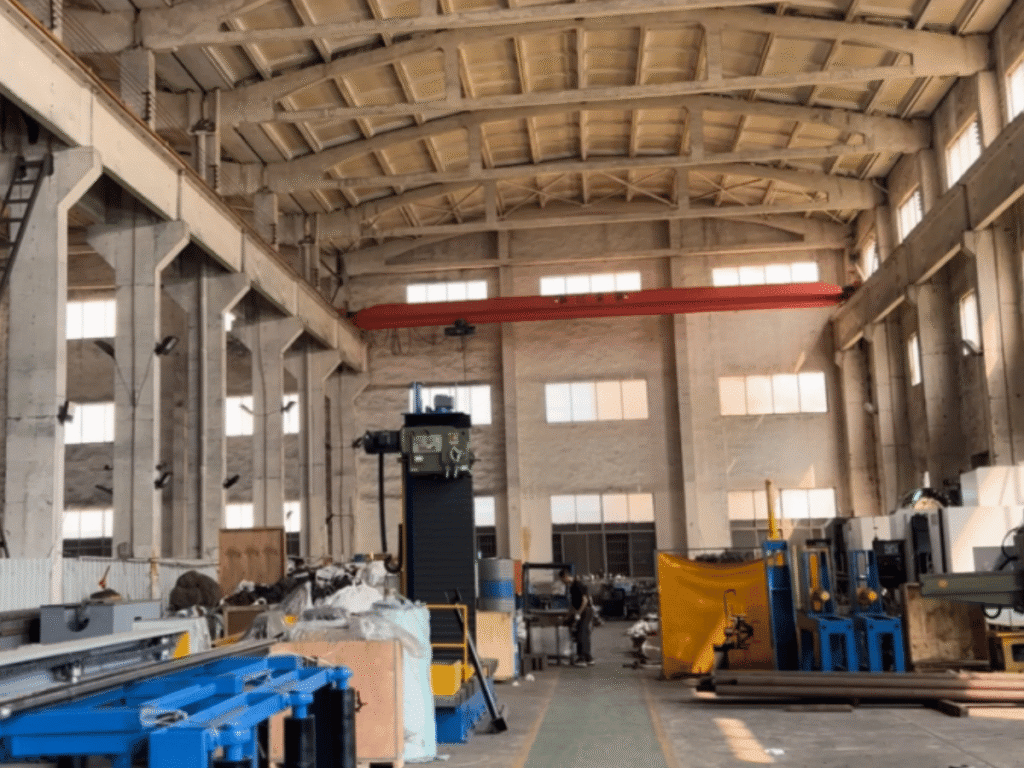
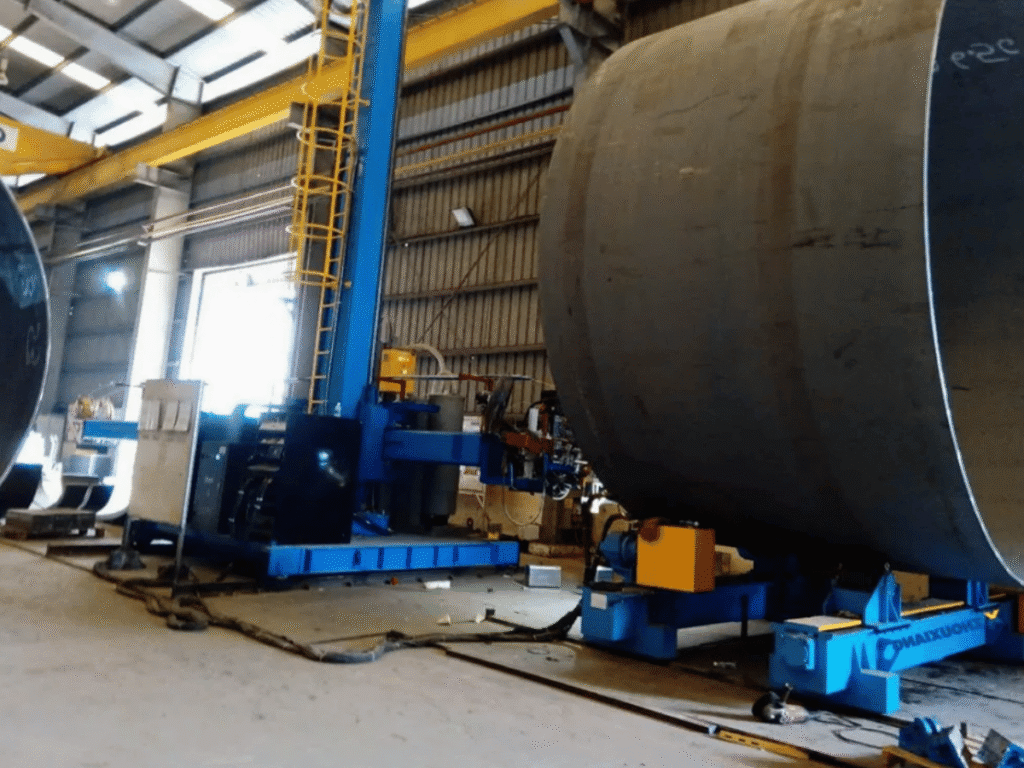
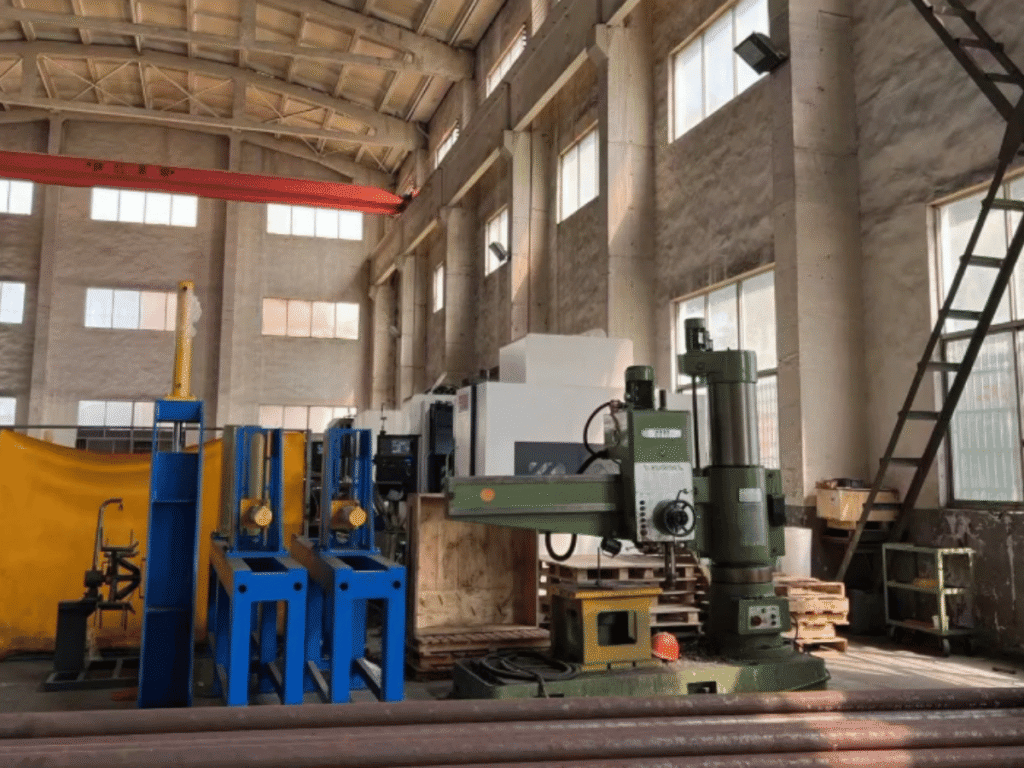
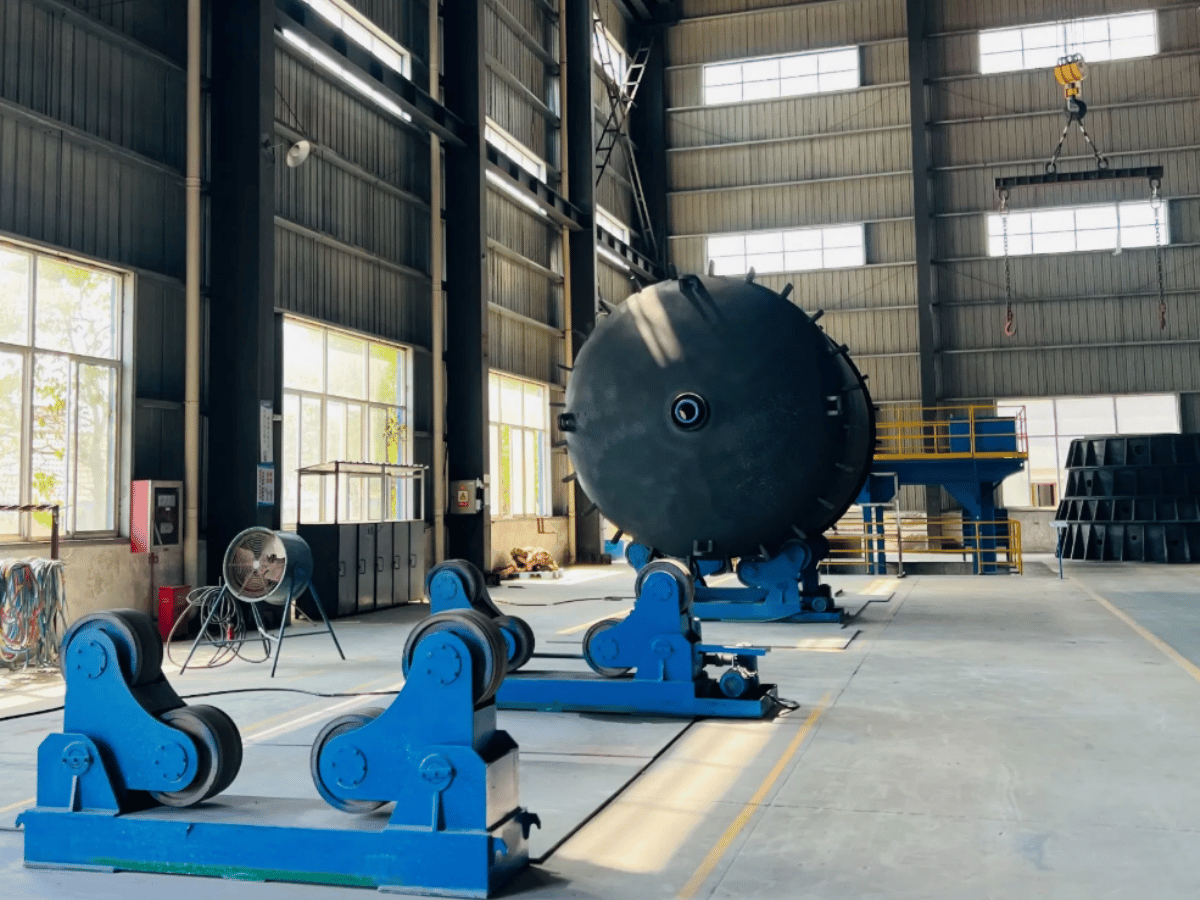
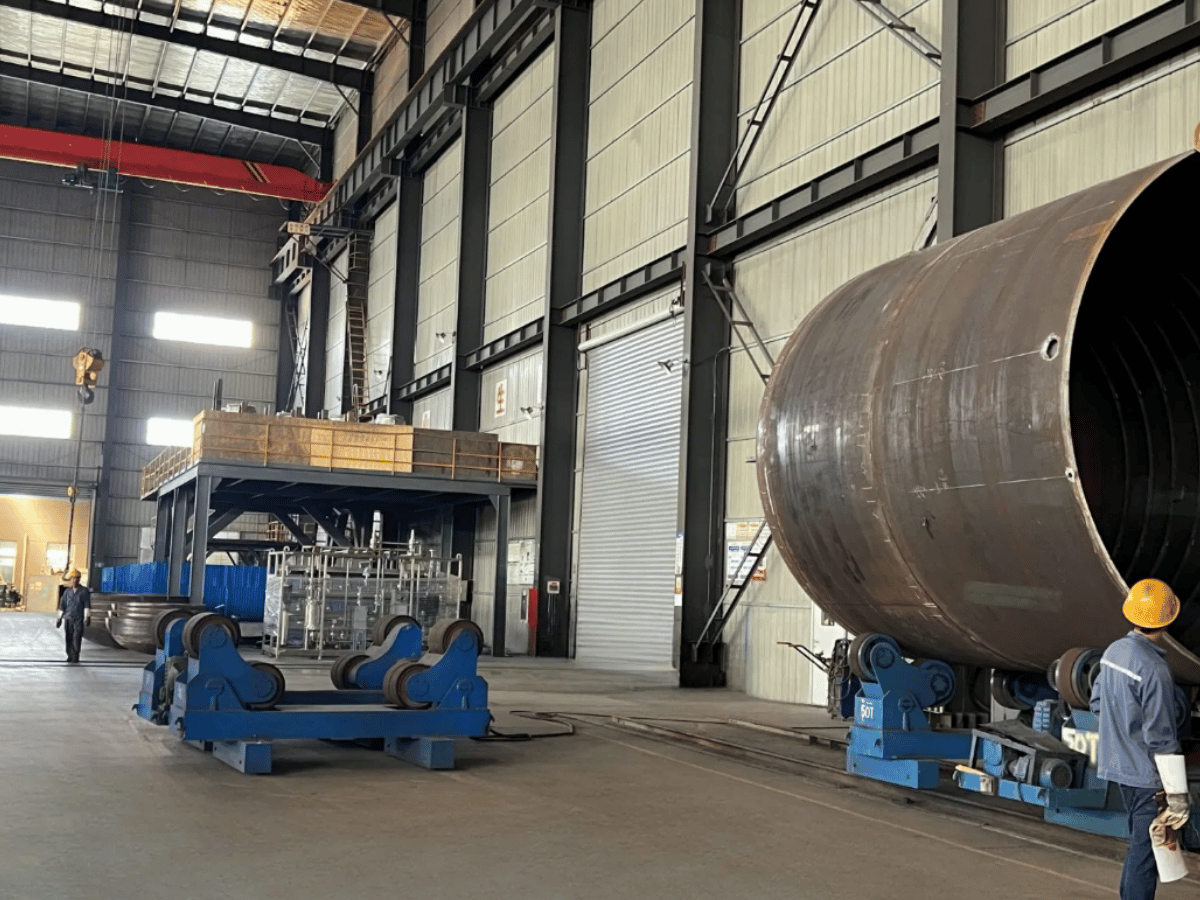
Cutting edge automated manufacturing systems for the renewable energy sector. Exceptional quality, efficiency, and scalability of bespoke assembly lines for the wind towers fabrication.
Mai mult 15,000 Companii & Parteneri de încredere & RESIZE


The manufacturing of wind towers holds significant importance for the shift toward renewable energy resources.
Outmoded practices result in unnecessary lags, excessive workforce requirements, and financial expenditures.
The inability for traditional systems to properly adapt to larger scale or offshore projects is a persisting concern.
While meticulously maintaining precision is important for a structure’s durability, it proves to be exceedingly challenging.
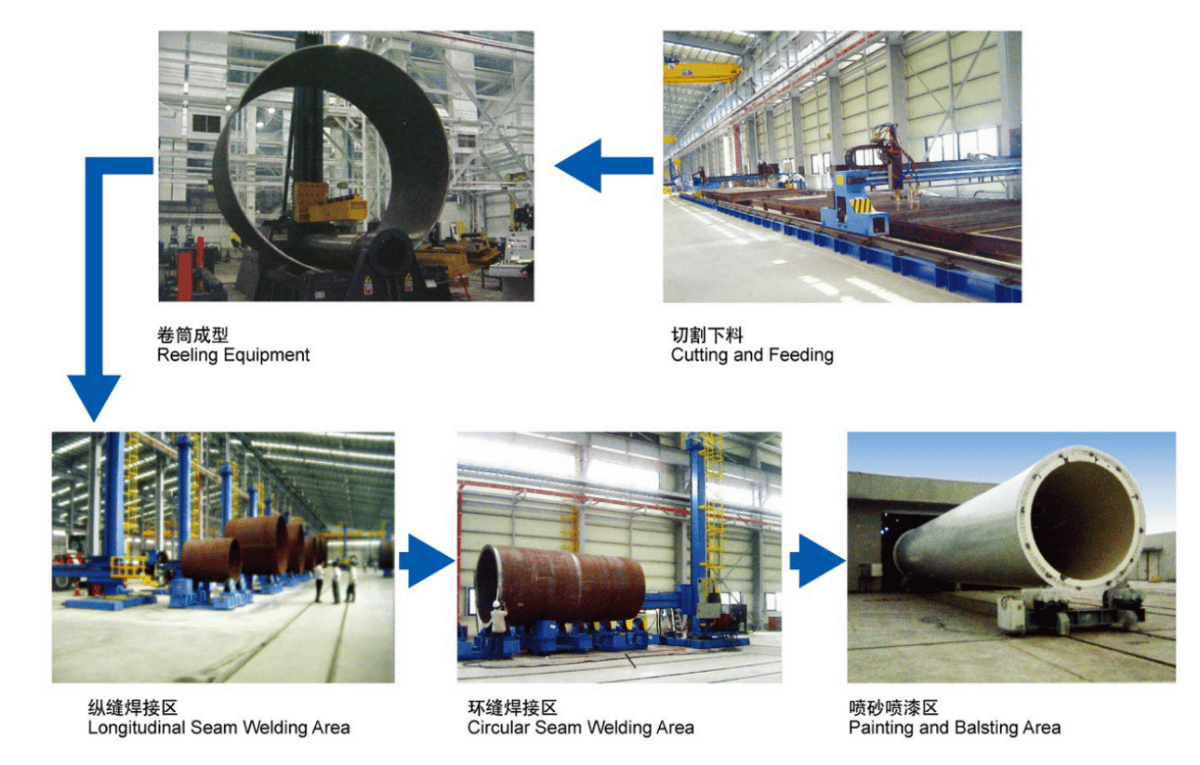
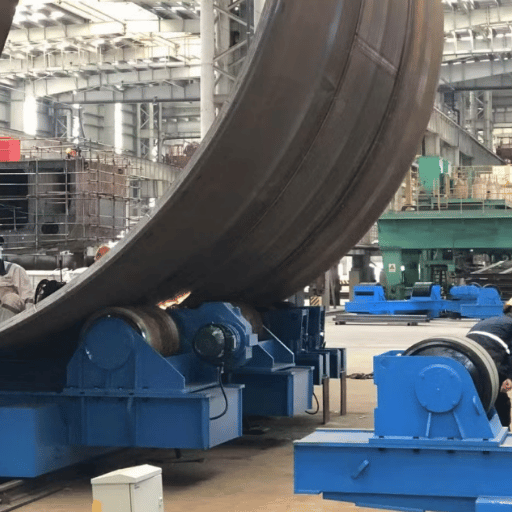
Examine our production line for wind towers. Adheres to principles of effectiveness, accuracy, and high quality output.
Advanced robotic welding provides accurate and robust welds which improves the strength and dependability of components for intricate wind energy projects.
Fully certified to meet global standards enhances project credibility while ensuring international compatibility.
Provides an accessible control system that streamlines functioning, minimizes training duration.
Meeting production requirements while providing flexibility, scalability, and long-term investment protection is attainable with modular design adaptation.
The adoption of energy-efficient features decreases consumption, lowers expenditures, and fosters green manufacturing.
Achieve efficient fulfillment of the increasing demand for wind energy while maintaining stringent quality standards and timely delivery.
Lorem ipsum dolor sit amet, consectetur adipiscing elit. Ut elit tellus, luctus nec ullamcorper mattis, pulvinar dapibus leo.
Managementul Calitatii
Conformitatea europeană
Conformitatea siguranței
Quality Standards
| Specificație | Onshore Towers | Offshore Towers |
|---|---|---|
| Plate Thickness | 40-60mm | 80-150mm |
| Tower Diameter | 3-6 meters | 5-12 meters |
| Section Weight | Up to 200 tons | Up to 450 tons |
| Production Rate | 20 towers/month | 100 sections/year |
| Welding Methods | GMAW/STT, SAW, Multi-arc welding | |
| Quality Standards | ISO 9001, ISO 3834-2, EN 1090 |
Trusted by leading wind energy manufacturers worldwide
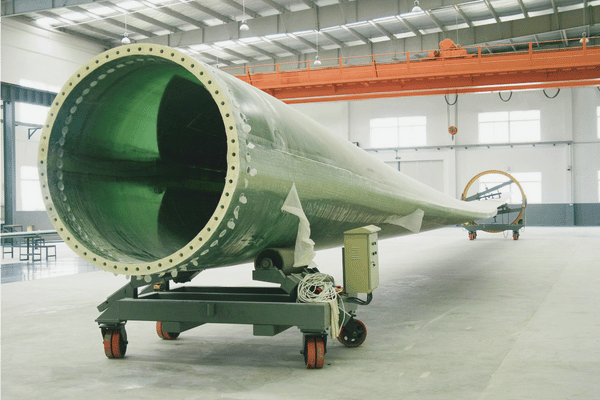
The primary construction material for wind turbine towers is tubular steel.
Wind turbine towers are predominantly constructed from tubular steel which is produced in sections. Fiberglass, resin, and cast iron further complement the structure.
The components of a wind turbine tower consist of its foundation, the nacelle, rotor equipped with a hub and blades, yaw system, and power electronics as well as the yaw mechanism. The main tower structure is usually made of steel and tubular in shape.
The manufacturing cost of wind turbines averages $1 to $1.3 million per megawatt (MW) of capacity, with commercial turbines typically costing $2 to $4 million
The components of a wind turbine are as follows: Foundation, Tower, Rotor and Hub (blades included), Nacelle and Generator.
An onshore wind turbine with a 2 to 3 megawatts (MW) capacity can produce almost 6 million kilowatt-hours (kWh) of electric energy in a year which is sufficient to provide energy for roughly 1,500 homes.
The quantity of blades on a wind turbine has an impact on its efficiency, with three blades striking an optimal equilibrium to maximize energy capture whilst minimizing material expenses, aerodynamic losses, and drag.
With proper upkeep, wind turbines can last for two to three decades.
The primary form of electrical energy produced by wind turbines is alternating current (AC); however, for some particular uses, the AC may be changed into direct current (DC).
Inverters are necessary for wind turbines to transform their variable frequency alternating current or direct current into stable AC power synchronized with the voltage and frequency requirements of the grid.
Wind turbines initiate operation at wind speeds of 7 to 11 mph, engaging via a control system that starts the rotor. They cease operation either by adjusting the blades to the wind or setting the nacelle to a parallel position, preventing damage in strong winds.
A wind turbine generates electricity by converting the kinetic energy of the wind into rotational energy that spins its blades, turning a rotor which is coupled to a generator that transforms the mechanical energy into electrical form.
For both offshore and onshore transportation of wind turbine towers, jack-up vessels are used for offshore installations while low loaders, specialized trailers, and dollies are used for onshore transport.
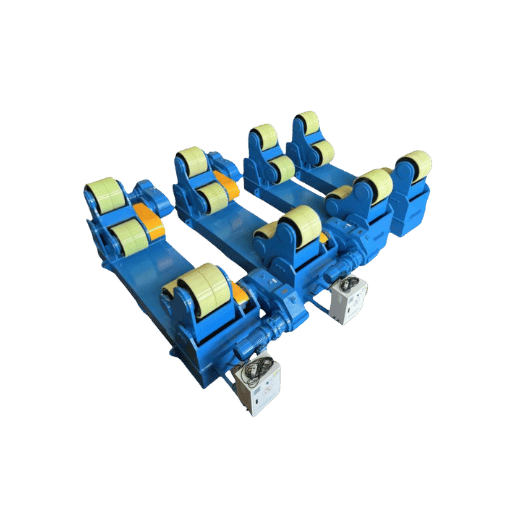
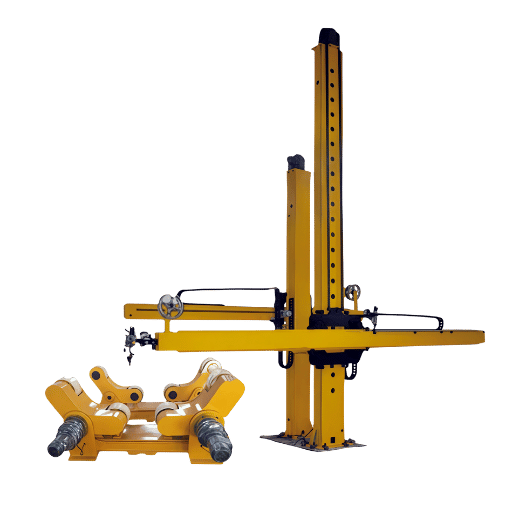
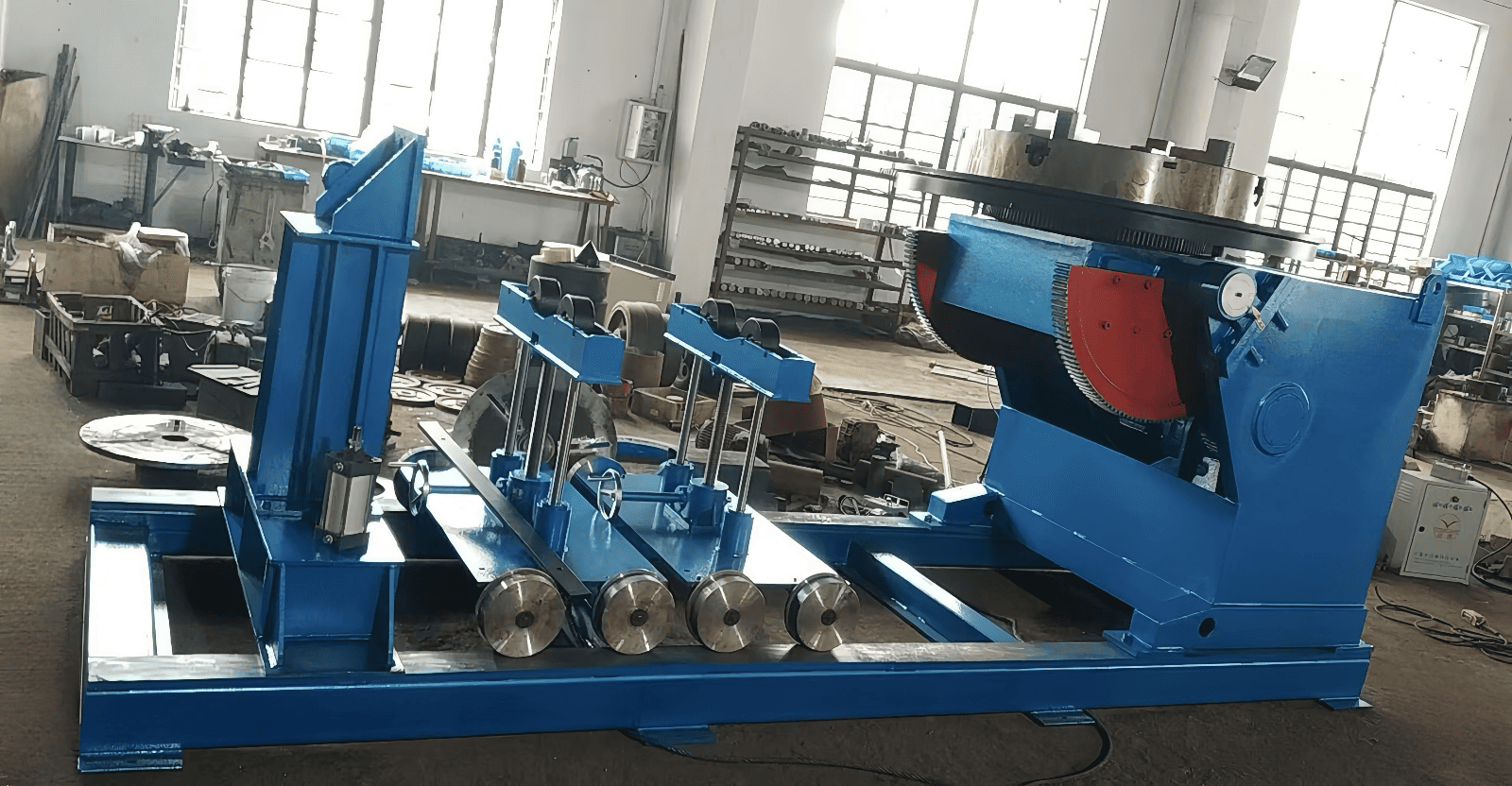
Manipulator de sudare Manipulatori de sudare de top Producători și furnizori din China...
Citește mai multReview the most recent developments, analysis, and technological breakthroughs regarding the wind tower production lines. Remain updated regarding the progress in the sector.
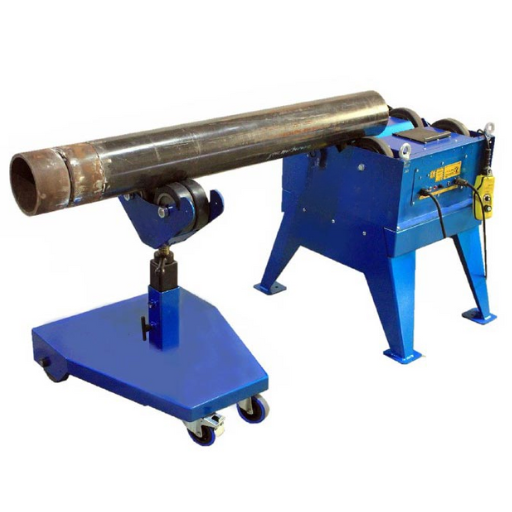
Sudarea este un proces fundamental al multor industrii, necesitând în acesta cea mai mare precizie, consistență și eficiență pentru a obține o calitate satisfăcătoare a produsului. Experiența a arătat că apar dificultăți în întâlnirea...
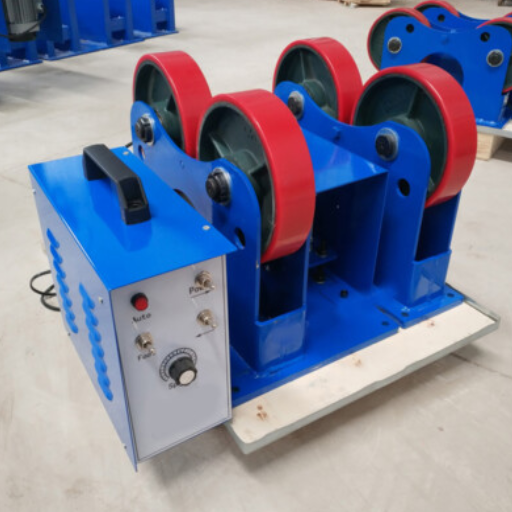
Top 15 cei mai buni producători de rotatoare de sudură de urmărit în 2025 (Lista actualizată) Prezentare generală rapidă: rotatoarele de sudură sunt echipamente esențiale pentru diferite operațiuni industriale, oferind un plus de eficiență și precizie...
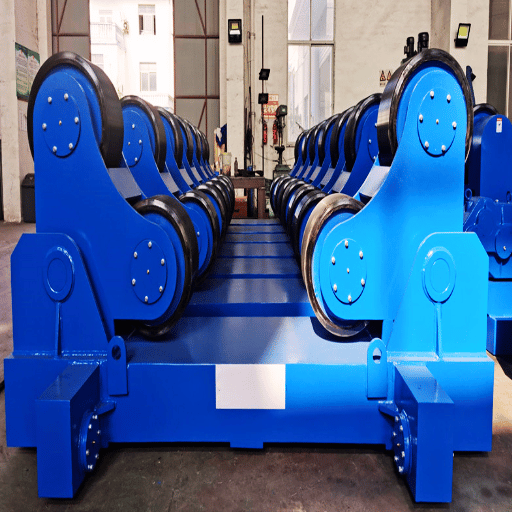
Domeniul de sudare este caracterizat de precizie, eficiență și inovație, cu rotatoare de sudură și manipulatoare de sudură în centrul său. De la fabricarea articolelor cilindrice gigantice la țevi grele și complexe...
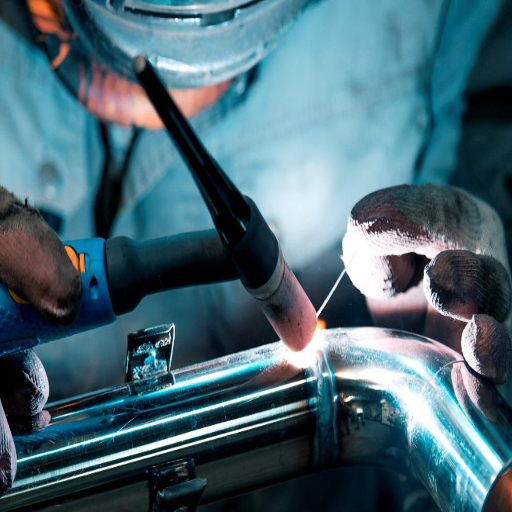
Cunoscut pe scară largă pentru pierderea sa scăzută la îndoire, obiectivul Delau a avansat semnificativ în ultimii ani pentru a deveni alegerea de top în dispozitivele optice vizionare. Cu toate acestea, chiar dacă...
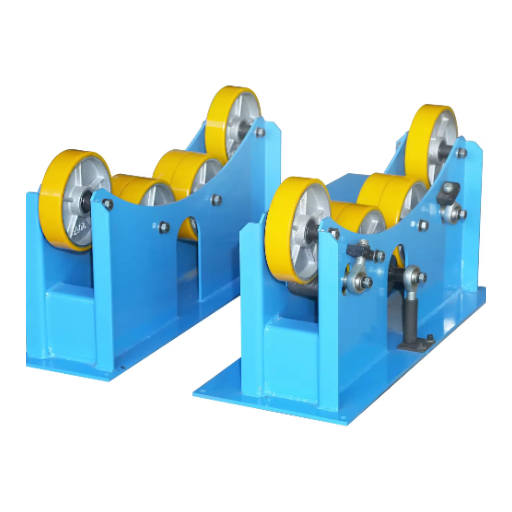
Sudarea țevilor necesită precizie, eficiență și siguranță extreme. Recunoscând că un rotator de țevi, o rolă de sudură sau un rotator de sudură a devenit numele comercial pentru industriile care se angajează în fabricarea de sarcini grele...
O aliniere perfectă a sudurii a fost întotdeauna un factor crucial în determinarea succesului, măsurat prin precizia și finalizarea la timp a unei lucrări. Printre toate produsele concepute pentru...
Procesul de montare este ceea ce separă o îmbinare slabă, neregulată de o sudură puternică și impecabilă. Montarea sudării, acea fază critică de aliniere, îmbinare și pregătire a materialelor înainte...
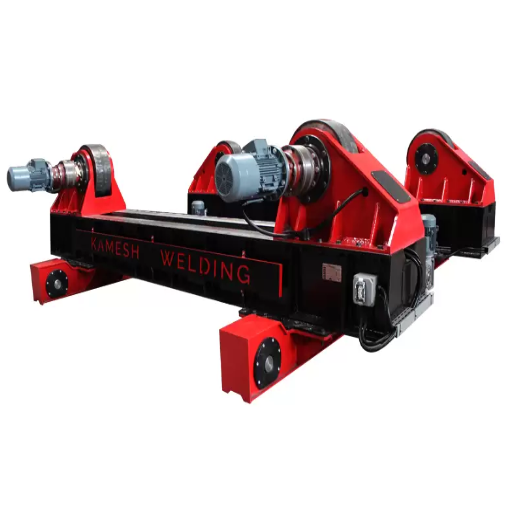
În ceea ce privește sudarea, care este atât produsă, cât și consumată în timpul activităților industriale, este de așteptat ca tehnologia să fie utilizată pentru a crește economic, încorporând atât concepte abstracte, cât și practice. În prezent,...
The most reputable producer of sophisticated wind tower production lines. The global wind energy sector has opted for our precision, quality, and reliability. Reach out to our specialists for a tailored consultation.
A: Wind tower fabrication primarily uses circumferential and longitudinal welds. Weld type selection will always vary in accordance with the particular design features of the wind turbine tower to be fabricated.
A: Offers made to wind tower manufacturers often include, but are not limited to, fabrication consulting services, advising on the wind tower manufacturing processes, and automating system based solutions.
A: Increasing the precision of welds and employing more advanced welding technologies facilitates quicker production times, while meeting strict quality benchmarks enhance tower durability and the production line with effectiveness.
A: Your facility’s size and chosen layout define the timelines, ranging from 4-6 weeks. Additional custom features required may alter the duration within the provided frame.
A: Considering the modular design of the Wind Tower Production Line, material handling equipment, control systems, and even welding stations are incorporated seamlessly. Thus, systems compatibility is fully ensured.
A: Servicing core components biannually is basic preventative maintenance. Moreover, systems that enhance uptime are equipped with diagnostics that monitor and troubleshoot in real-time.
A: The system supports an array of materials such as carbon steel, low-alloy steel, and stainless steel. In addition, pre-treatment processes like sandblasting and priming for corrosion resistance are supported, meeting many project requirements.
WhatsApp ne