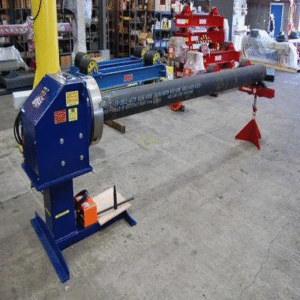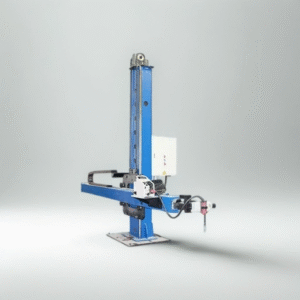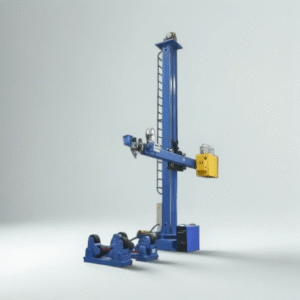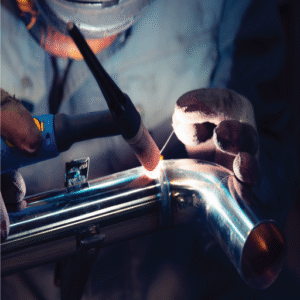
This guide covers every decision a fabrication professional needs: four machine types, verified bevel angles with code references, a performance comparison with angle grinding, material compatibility requirements, and a five-factor selection matrix applicable to any project or procurement decision.
RESIZE Milling & Beveling Machine — Key Specifications
| Paramètre | Spécification |
|---|---|
| Compatibilité Matérielle | Steel, stainless steel, aluminum, PVC, composites |
| Cutting Angles (adjustable) | 15°, 30°, 45°, 60°, 75° |
| Profondeur de coupe maximale | 0–25 mm |
| Max Edge Width | 35 mm |
| Sortie de puissance | 2.8 kW electric motor |
| Speed Range | 2,000–6,000 RPM |
| Portable Unit Weight | 18–32 kg |
| Price Range (pipe machines) | $1,565$31,000 |
| Caractéristiques de sécurité | Emergency stop, anti-vibration system |
What Is a Beveling Tool and How Does It Work?
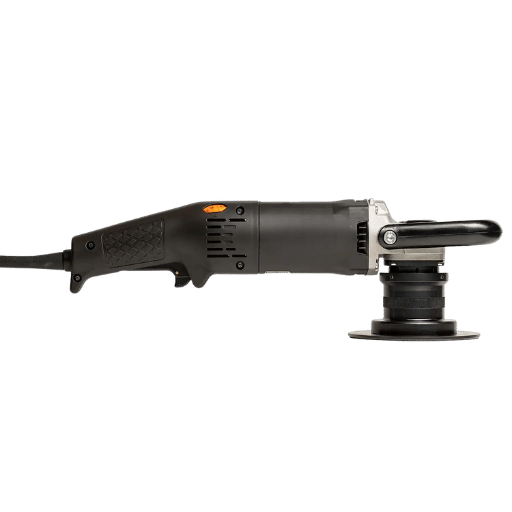
What Is A Beveling Machine?
Beveling machines are electrically powered, precision cutting machines that are designed to create a sloping angle called a bevel or a chamfer on the edges of any piece of metal plating, steel pipe, or structural element. Unlike a disc grinder, which uses abrasion to remove material, specialized beveling tools are able to cleanly slice through material by cleanly shearing it in one clean, controlled cut. The machine, with a built-in carbide insert rotating head, bevels at either a pre-set or adjusted angle.
This works quite simple, clamping the workpiece or riding the machines base on the workpiece edge, using the insert at the predetermined bevel angle on the metal, feeding tool at constant depth. All you have is a dimensionally accurate profile, ready for assembly without further grind, verify angles, or deburring when the machine is properly adjusted.
Adjustable cutting angles of 15 – 75, adjustable RPM for optimized speed, and interchangeable head systems capable of bevel, chamfer, de-burr and radius milling, is now standard. The tool can go from getting a weld joint in structural steel prepared to changing head tools for plasma cut de-burring and nothing more.
What does a bevel tool do?
A bevel tool thins and shaves a metal edge at a prescribed angle; the process generates a sloped surface for weld-joint preparation, edge finishing or assembly fit-up. In weld prep, beveling establishes the groove geometry for the desired root joint; the V, J or bevel-groove, where filler metal can enter, ensuring sound welding through the root of the joint. It edges the steel and stainless steel, eliminating the risk of cuts on the edge and preparing the edge for the best adhesion of any finishing process, handling edge widths from a few millimeters up to 35 mm, with adjustable angles from 15° to 75°. Compatible materials include steel, stainless steel, aluminum, copper, PVC pipe, and engineering composites.
Types of Beveling Machines: Plate, Pipe, Portable, and Stationary
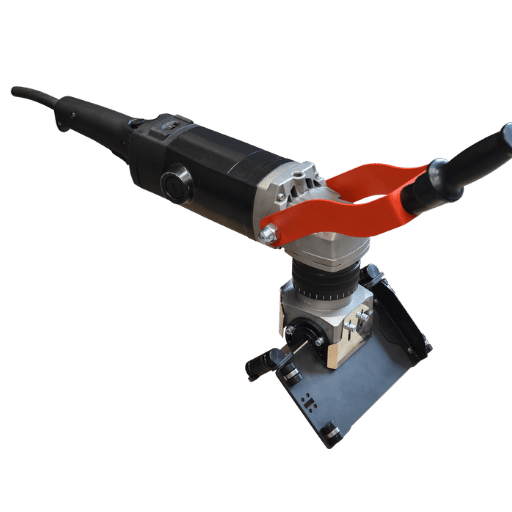
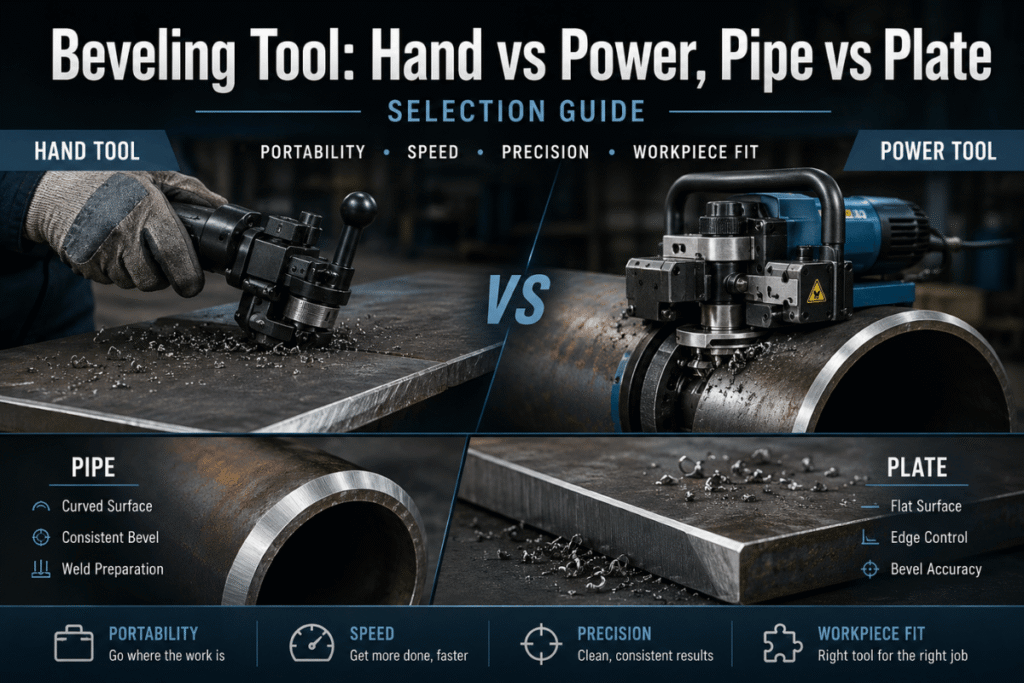
Beveling machines can be separated into four broad groups: the choice depends on both workpiece geometric shape and environment of production (on the production site or in a workshop). Inappropriate choice means increased expenses, incompatibility with operation conditions, or both (a small, hand-held, limited capability beveller does not fit, for instance, cutting of long bevels on large plates while an oil patch repair team cannot use it at the job site).
What tool makes beveled edges?
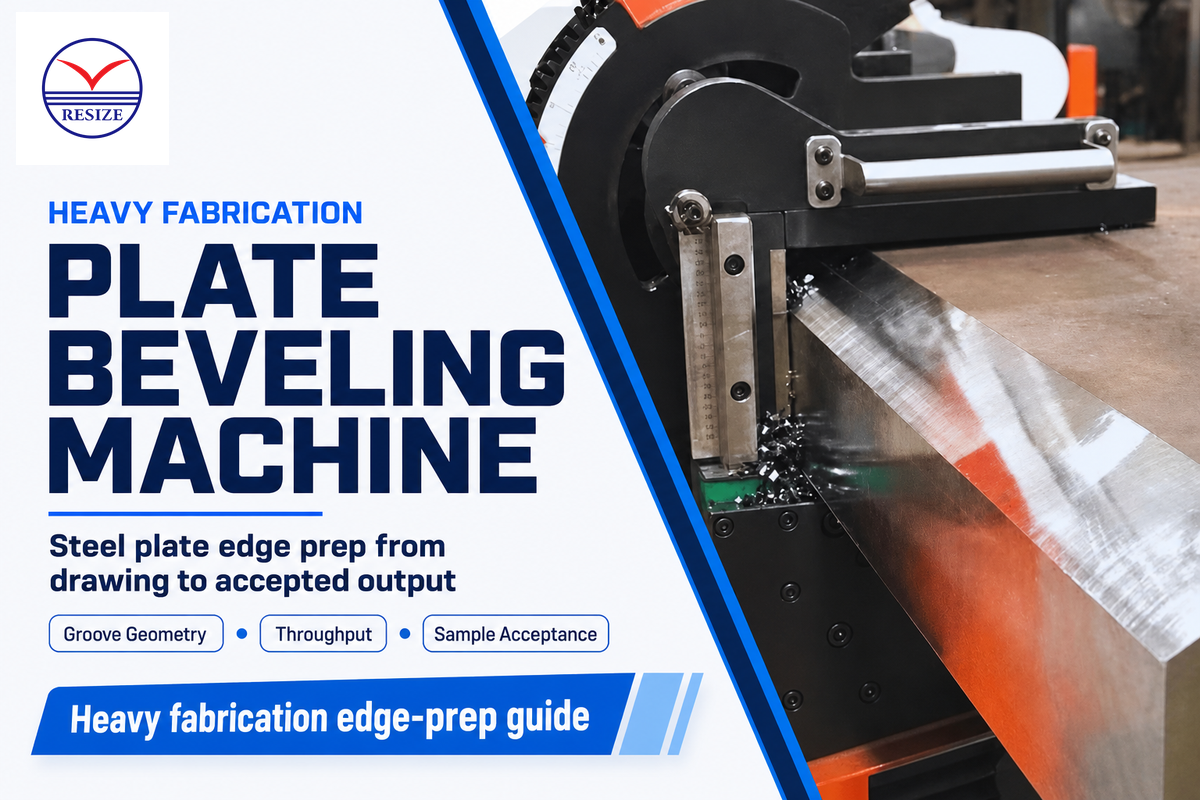
The bevelled edge is created using one of four kinds of specialized machinery: a pipe beveling machine (for tube and pipe ends); a plate edge beveling machine (for flat sheet metal and plate); a handheld portable beveling tool (for site work and positional joints); or stationary CNC milling machines (for bulk production). As a low-cost alternative, angle grinders — including angle grinder attachment kits designed for beveling — are occasionally used for small, non-code jobs. However, the consistent, repeatable groove geometries that codes such as AWS D1.1, ASME B31.3, and API 1104 require are only reliably produced with a proper beveling machine.
| Type de machine | Application primaire | Capacité | Puissance | Gamme de prix |
|---|---|---|---|---|
| Pipe Beveling Machine | Pipe and tube end weld prep | 0.5″–60″ OD | Electric / pneumatic / hydraulic | $1,565$31,000 |
| Plate Beveler | Flat plate and sheet metal edges | Plate 1–35 mm thick | Electric 1.5–3 kW | $2,000–$10,000 |
| Portable Handheld Beveler | On-site, positional, and repair work | All edge geometries | Electric, cordless 18V, pneumatic | $650–$3,500 |
| Stationary / CNC Milling Machine | High-volume workshop production | Fixed by machine table | Electric 3–15 kW | $15,000–$100,000+ |
More details regarding the full technical specifications available, in particular regarding pipe diameter, as well as concerning cutting angle specifications, and the materials you’ll want the equipment to be suitable for ,and ,material cutting data , can be obtained on product pages related to our range of milling and beveling machines for pipes and structural plates..
✓ Portable Beveling Tool — Advantages
- Operates in any position — overhead, vertical, horizontal
- No grid power required with cordless 18V models
- Rapid mobilization for pipeline repair and field work
- Lower capital cost than stationary machines
⚠ Portable Beveling Tool — Limitations
- Lower max cutting depth than stationary machines
- Battery capacity limits sustained high-torque runs
- Operator technique affects consistency on curved surfaces
- Note that our heavy duty range is not suitable for the bevelling of very heavy plate,or of particularly complex joints with compound curves.
Standard Bevel Angles for Weld Joint Prep: 30°, 37.5°, 45°, and 60°
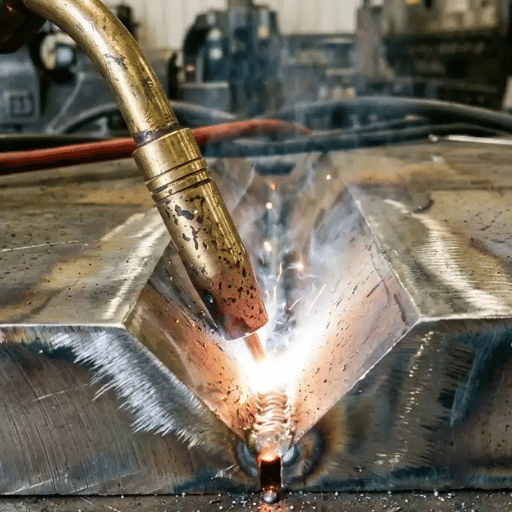
Weld bevel angle specification on a given joint is set by the applicable welding standard for that job — it should never be left to the preference of the individual shop producing it. Such joints where the wrong angle has been used, or where deviation out of the allowable tolerance has been allowed during production of the joint are unacceptable and will require repair.
Below is a summary of prequalified groove angles for the most common joint types under AWS D1.1 Structural Welding Code — Steel, applicable to nontubular connections.
| Angle biseauté | Groove Type | Process | AWS D1.1 Joints | Typical Use |
|---|---|---|---|---|
| 45° | Single-V, bevel-groove, J-groove, U-groove (CJP) | SMAW (stick) | B-U2a, B-U4a, B-U8, B-U6 | Structural steel, bridges, pressure vessels |
| 30° | Bevel-groove, J-groove (CJP) | GMAW / FCAW | B-U4a-GF, B-U8-GF | Sheet metal, light structural, wire-feed production |
| 60° | Single-V CJP (backgouged), bevel PJP | SMAW / SAW | B-U2, BC-P2 | Heavy plate, submerged arc welding |
| 37.5° | Tubular T-, Y-, K-connections (CJP, Detail B) | SMAW | AWS D1.1 Table 3.6 | Offshore structures, tubular trusses, jacket frames |
⚙ Engineering Note — AWS D1.1 Groove Angle Tolerances
In the table above of allowable groove angles per AWS D1.1(Figures 3.3 and 3.4 in the joint type tables for CJP and PJP, respectively ), we see that the accepted groove angle tolerance is +10°, −0° as detailed et +10°, −5° at fit-up. A bevel showing even a 6° negative deviation from the specified angle is non-conforming at fit-up inspection. Hand grinding — which typically produces ±5°–8° angular variation — approaches or exceeds the −5° fit-up limit on negative deviations, making angle-grinder beveling a code compliance risk on any structural or pressure-containing weld governed by AWS D1.1.
For a full reference on bevel angle standards across different codes and pipe schedules, see the guide to biseautage et chanfreinage and the dedicated normes biseautées article.
Beveling Tool vs. Angle Grinder: The Weld Prep Performance Gap
Most shops will use a grinder for job preparation because it is an extremely accessible tool, handles all join types and geometries, and doesn’t require special setup- but this choice must only be made for small and non-code jobs. For any other scenario requiring 15 or more bevels per shift, or any joint governed by a WPS,the gap in efficiency between grinders and any real beveling equipment is immense when looking at speed, accuracy, operator health, or code compliance,
At ConFab (El Dorado, KS), fabricators recorded time-per-bevel dropping from 45–90 seconds using grinding discs to 7–10 seconds with a dedicated beveling tool — an 80–90% reduction in cycle time for the same 4 cm cut geometry. Beyond throughput, three dimensions of risk accumulate with angle grinding that dedicated tools eliminate:
| Dimension | Broyeur d'angle | Dedicated Beveling Tool |
|---|---|---|
| Angle accuracy | ±5°–8° (operator-dependent) | ±0.5° (machine-controlled) |
| Surface finish | Rough; secondary grind required | Weld-ready in single pass |
| Vibration risk (HAVS) | 3.5–6.0 m/s² A(8); UK HSE EAV exceeded after ~1 hr/day | Low vibration; anti-vibration systems standard |
| Dust exposure | Generates fine respirable silica dust | Chips fall to floor; minimal airborne particulate |
| Code compliance | High rejection risk — −5° AWS D1.1 fit-up limit | Built-in compliance to specified angle |
| Cycle time (15 joints/shift) | ~22–35 min grind + check time | ~3–5 min (80–90% faster) |
When to Use a Dedicated Beveling Tool — Decision Guide
- IF daily bevel volume ≥15 joints AND weld code compliance required → dedicated beveling tool
- IF material is aluminum or stainless steel → always dedicated tool (grinder chip contamination is non-negotiable)
- IF HAVS or silica dust regulations apply to your site → dedicated beveling tool
- IF occasional repairs (≤5 joints/week) AND non-code structural trim work → angle grinder acceptable
“With grinding discs, you just take too long to get a good result. Now I make a bevel or radius in one movement, without any finishing. The chips drop straight to the ground – no dust flying, no HAVS risk.”
For a full treatment of weld joint preparation tolerances and fit-up standards, see the dedicated guide.
To review machine specifications, see the full beveling machine range from RESIZE.
Metal Beveling Compatibility: Steel, Stainless, Aluminum, and PVC
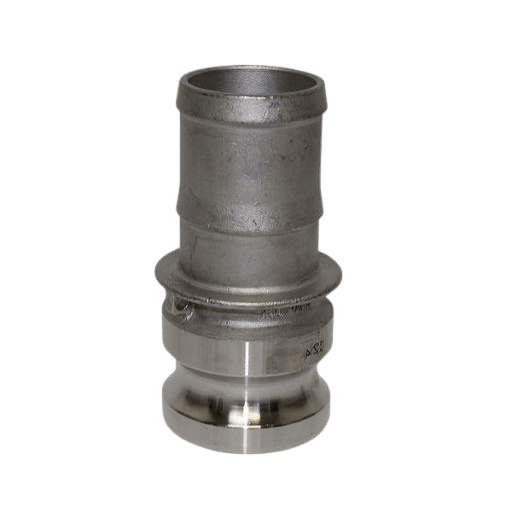
A beveling tool’s cutting performance changes with workpiece material. Insert type, spindle speed, and feed rate all require matching to the material’s hardness, thermal conductivity, and chip-formation behavior.
Running a steel configuration on aluminum, or machining stainless using mild-steel speed settings, produces geometry errors, shortened insert life, and in some cases, weld-compromising surface contamination.
| Matériel | Insert Type | Common Challenge | Solution |
|---|---|---|---|
| Mild steel | Standard carbide insert cutter | Wear on high-silicon grades | Grade-matched carbide; inspect every 4–8 hr |
| Stainless steel | Coated carbide (TiAlN) | Work hardening at low feed rate | Low speed, high feed; do not dwell |
| Aluminium | Polished-flute coated carbide | Built-Up Edge (BUE) — chip adhesion | Polished flutes + higher feed rate + cutting fluid |
| Copper | Sharp uncoated carbide | Gummy chip formation, smearing | High positive rake angle; avoid coatings |
| PVC pipe / plastic and composites | Dedicated polymer insert | Melting at high RPM; burr at edge | Reduce speed to lower RPM range; sharp insert essential |
⚙ Engineering Note — Aluminum Built-Up Edge (BUE)
When beveling aluminum with standard carbide inserts, aluminum micro-welds onto the cutting edge – a phenomenon called Built-Up Edge (BUE). The adhered material alters the effective cutting geometry, producing an incorrect bevel angle and a rough, smeared surface finish.
Remedy: polished-flute coated carbide inserts designed for non-ferrous cutting, operated at higher feed rates to clear chips before adhesion develops, with a thin cutting fluid film applied at the insert tip. Using an angle grinder on aluminum for weld prep amplifies this problem further – grinding sparks embed iron particles into the aluminum surface that nucleate weld porosity during fusion.
Industrial Applications: Where Beveling Tools Are Mission-Critical
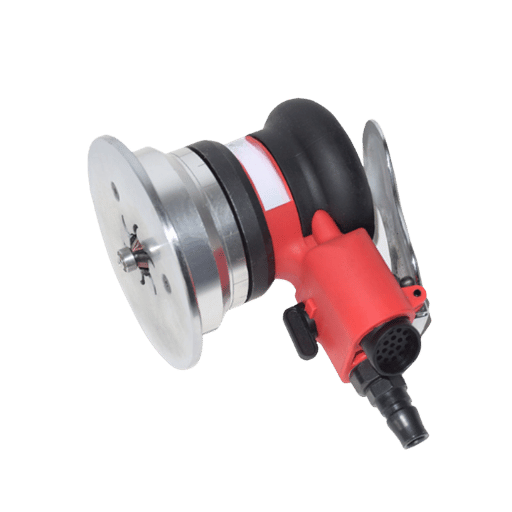
Beveling tools are deployed across every industry where metal is joined under sustained load – but in four industries in particular, correct bevel preparation is a regulatory requirement, not a quality preference.
A non-conforming bevel in these environments means weld rejection, structural non-conformity, and in pressure-containing systems, catastrophic failure risk.
Oil & Gas — Pipeline
Standard: API 1104 (transmission pipelines), ASME B31.3 (process piping). Field joints require beveled pipe ends for full root penetration.
Angle drift beyond tolerance requires cut-out and re-weld at cost.
Shipbuilding & Offshore
Standard: EN 1090 (Europe), AS/NZS 2980 (Australia). Hull plate beveling on structural sections governs fatigue life under dynamic wave loading.
Bevel accuracy determines classification inspection pass/fail.
Structural Steel Construction
Standard: AWS D1.1. Moment connections in seismic zones require verified CJP groove welds with precise bevel geometry confirmed against an approved WPS by third-party inspection.
Aerospace & Industrial Manufacturing
Standard: AWS D1.2 (aluminum structures), proprietary OEM codes. Titanium and aluminum weld prep demands contamination-free bevels. Dedicated tools eliminate the iron-particle contamination risk from carbon steel grinding discs.
Field Case — Beaumont, Texas Pipeline Repair
While working on a 6-in. Schedule 40 (Sch 40) carbon steel pipe where no on-site grid power was available, a 2-man pipeline maintenance crew was working near Beaumont, TX. When they put a 18V cordless pipe beveling tool into service using a large capacity battery pack, they were able to prepare 12 joints in just 38 minutes – rather than estimated 2 1/2 hours of using a manual grinder.
The contractor was able to pass on the first try API 1104 inspections with no $4,200 cost for remoting a diesel generator.
For related metal cutting applications, see RESIZE’s machines de découpe plasma. Full pipe diameter specifications are on the RESIZE milling and beveling machine product page.
How to Choose the Right Beveling Tool: The 5-Factor Selection Matrix
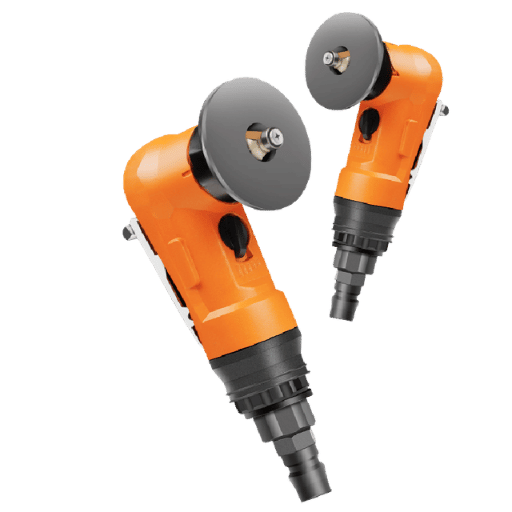
Choosing the right tool for your project or site is not a budget exercise — the wrong machine selected on price alone causes operating problems that cost far more in rework and delays. This precision cutting tool must be matched to your material, joint volume, angle specification, and regulatory environment. Here is a five-factor matrix to use before any capital equipment decision, rental specification, or project buy-in:
| # | Facteur | Condition | Recommendation |
|---|---|---|---|
| 1 | Workpiece material | Stainless or aluminum | Dedicated tool mandatory — grinder contamination is unacceptable on these materials |
| 2 | Material thickness | 0–12 mm → handheld; 12–35 mm → portable machine; >35 mm → stationary | Match cutting depth rating to thickness; RESIZE range covers 0–25 mm depth |
| 3 | Portability requirement | Field work or no grid power | Cordless 18V or pneumatic; avoid corded-only for remote pipeline or maintenance work |
| 4 | Power source | Workshop → electric (2.8 kW); Remote → cordless 18V / pneumatic / hydraulic | Electric for continuous production; hydraulic for subsea or hazardous-area environments |
| 5 | Daily production volume | ≤5/week → manual; ≥10/day → powered machine; ≥50/day → automated/CNC | At 10+ joints/day, ROI on a powered beveling tool is typically under 6 months at standard fabrication labor rates |
For the full RESIZE range mapped against all five factors — portable cordless units through high-volume stationary machines, each shipped as a complete tool kit with inserts and accessories — see the RESIZE beveling tool range.
Common Beveling Mistakes and How to Avoid Them
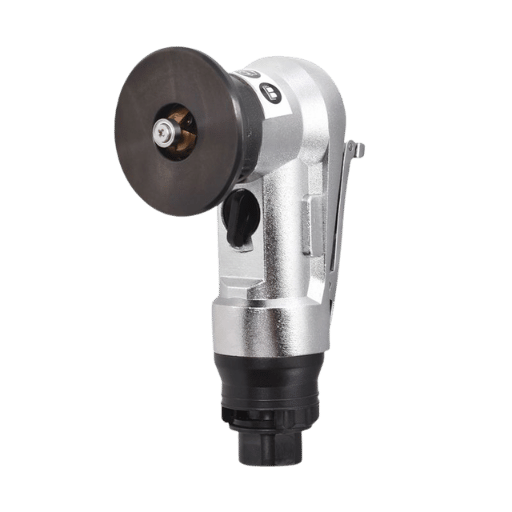
In fabrication shops-no matter the size-the lion’s share of costs for welding reworks can be traced to issues originating not from the actual welding process, but from the joint preparation before welding is done. At least five categories of beveling errors account for the bulk of rework costs.
What are common mistakes when beveling?
The Top 5 bevel costliest welding defects are the use of a bevel angle that falls outside of code required allowable range – usually from hand grinding without mechanical guidance, a bevel angle that has been “rocked” by creating varied root face widths about the circumference of the pipe and therefore creating varied root openings, failing to remove burrs post bevel which introduces that debris to the weld puddle as inclusion type defects, the use of an angle grinder on a code weld with prescribed groove welds wherein a 5 to 8 degree deviation from true bevel will result in the violation of the AWS D1.1 fit-up limitation of 5 degrees, and finally, using a carbon steel disc to grind stainless steel or aluminum thus embedding steel particles to subsequently form subsurface porosity that is non visible with visual but discoverable by RT or UT at which point all you can do is grind out the entire joint and re-weld.
⚠ Mistake #1 — Wrong Bevel Angle
Consequence: Complete root to outside surface lack of fusion failure. Test to scrap then remove and re-weld.
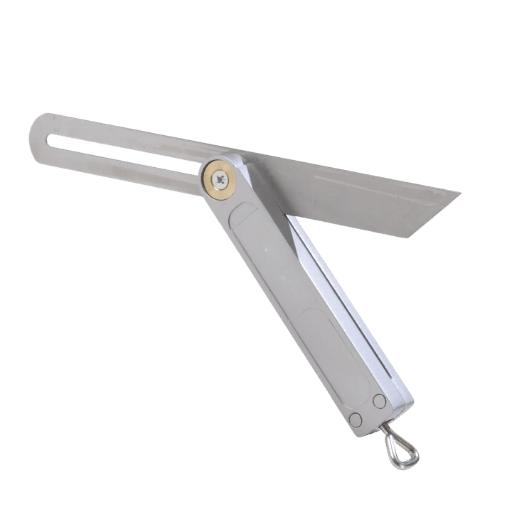
Prevention Ensure that a specific beveling machine capable of producing the WPS angle is utilized. It should be double checked with a bevel protractor prior to starting any production.
⚠ Mistake #2 — Inconsistent Root Face Width
Consequence: uneven root openings round pipe circumferentially uneven root pass porosity and Lack of fusion (at 3:00, 9:00)
Prevention Before clamping any pipe check roundness of pipe. Root face check in 4 positions (12, 3, 6, 9). ASME B31.3 permit maximum variation to pipe rounds up to 1/32 around the circumference.
⚠ Mistake #3 — Skipping Deburring
Consequence: Metal burr generated during the beveling process enters the weld pool. Defined metallic inclusion defects volumetric inspection failure.
Pre- Weld Care Prepare and chamfer or de burr theedge prior to welding. This is under 30 sec per joint and removes a large risk for inclusion to appear in radiography.
⚠ Mistake #4 — Using an Angle Grinder on Code-Governed Welds
Effect: 5 to 8 difference in the hand grind exceed the fit up tolerance set forth in the AWS D1.1 standards,5. Joint need to be corrected or the WPS need to be re-qualified.
Prevention: Any AWS D1.1, ASME or API groove weld requires special welding process-use of automated beveling machine. Grinders can be used only to remove tacks and for the trim that is not a code repair.
⚠ Mistake #5 — Cross-Contamination on Stainless or Aluminum
Effect: Iron fines from the steel disc insert into stainless surface microweld-trapped deposits and weld corrosion/pitting and porosity when stressed.
Don’t use a disc that has run on carbon steel on stainless or aluminum prep. They do make non-ferrous beveling inserts. Segregate your carbon and stainless work zones in the shop.
Case: Houston Structural Fabrication — NDT Rejection
An Houston based structural steel fabrication shop experienced in routine ultrasonic inspection porosity that found 14 percent of all completed welds contain this subsurface discontinuity, caused by 7 out of specification bevels produced by the application of an angle grinder for 45 degree groove angles. All joints produced using this preparation, that were subjected to aws D1.1, have since been rejected by the shop’s 3rd party inspector requiring rework and re-inspection for some 23 joints resulting in $18,000 on rework. All rejected joints were discovered to have been beveled with a handheld grinder.
Accordingly, the firm’s procedure was revised to require all groove weld preparations for code regulated projects be accomplished using approved beveling machinery.
Portable and Cordless Beveling Power Tools: 2026 Industry Outlook
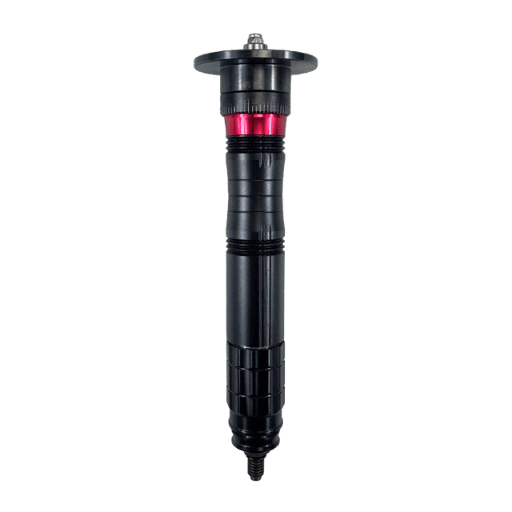
Today’s beveling tool market is undergoing a structural shift toward cordless, battery-powered platforms — driven by construction site mobility requirements, tightening HAVS regulations in Europe and North America, and the cross-industry adoption of professional 18V battery systems that now power everything from drills to beveling machines on the same platform.
+457%
YoY search demand for portable beveling machines (2025)
+42%
YoY search demand growth for plate beveling machines (2025)
$150M
Portable beveler market size 2025; forecast $220M by 2034 (Verified Market Reports)
4.5%
Portable beveler market CAGR 2026–2034
The cordless sector now is driving new product innovations within the professional power tool category. New cordless beveling machines have been introduced to their own platform battery system on Bosch (PROFACTOR), Fein (AMPShare 18V) & Metabo as the adoption of new cordless machines continue 15% year-on-year across the professional fabrication industry. While, all straight beveling machines (including corded and stationary units) will continue growing at a CAGR of 6.5% and reach approximately 2.4 Bn in 2033.
Regulatory pressure also hastens this change: U.K. HSE HAVS guidance plainly designates rotary grinders to the Exposure Action Value (EAV) — 2.5 m/s² A(8) — after just around one hour’s daily exposure and this necessitates employer action. In comparison, battery-driven bevelers built using built-in anti-vibration technology will stay far below that level during routine usage.
Action recommendation for 2026: Fabrication facilities running 10 or more bevel joints per shift should evaluate cordless 18V or electric beveling machines as a direct replacement for angle grinder-based weld prep workflows. Current equipment pricing is positioned before platform consolidation — the broader segment is growing at 6.5% CAGR, with price increases projected as major battery platforms absorb specialist tool categories through 2027. For current machine options and pricing, see the RESIZE beveling tool range.
FAQ — Beveling Tool Questions Answered
What does beveled look like?
What is a beveled edge?
A beveled edge is a slanted or angled surface cut across the end of a piece of metal, usually used to create an angled surface that can be clearly seen. This contrasts with a square, flat 90-degree cut. Commonly, this angle is either 30 degrees, 45 degrees, or 60 degrees.
On pipe ends that are to be welded together, both the pipe ends have matching beveled angles that will meet together at the fit-up to create a V-groove.
Quelle est la différence entre le biseautage et le chanfreinage ?
What is the difference between bevelling and chamfering?
A bevel involves a much deeper cut into a full surface area, used to create the deep V-shape on either the inside or the outside edge for full penetration welding. The bevel’s angled depth requires a significant amount of removed material compared to a chamfer. Bevel machines offer a choice between using a beveling cutting head or a chamfer head, and many modern beveling machines have interchangeable heads so that the same tool can be used for both operations in a workshop setup.
For a full technical comparison, see the guide to biseautage et chanfreinage.
Can a beveling tool be used for deburring?
Can a beveling machine also chamfer or deburr?
Yes, beveling machines that come with interchangeable head systems will also carry deburring and chamfering inserts, so that the operator can drill a hole, cut a pipe end, or mill a flat surface and then deburr the result simply by swapping the head — no secondary tool required. When this is used in conjunction with your bevel cutting head, you avoid purchasing expensive, specialized machinery or a second tool that you might use on a rare basis. It reduces the amount of equipment necessary in a shop setup, resulting in lower overall investment.
What bevel angle is standard for welding?
What are the common bevel angles for structural steel?
The most common pre-qualifiedbevel angel for a full-penetration welded joint on steel using SMAW is the 45-deg bevel angle on single-V bevel-groove, J-groove, U-groove and H-groove welds per AWS D1.1 for a single, CJP joint.For double bevel on V-groove it creates a 90 deg included angle.GMAW and FCAW methods use a 30 deg bevel on single-bevel CJP welds per AWS D1.1; a minimum joint angle of 37.5 on circular T-, Y-, and K-connections per AWS D1.1 table 3.6; a 60 deg bevel on single-bevel CJP joints per AWS D1.1 for heavy plate with SAW; and an industry standard bevel of 45 deg for structural carbon steel when no code is referenced. Tolerance on bevel angle per AWS D1.1 +10 / 0 in the as-welded state and +10 / 5 on assembly are the acceptable ranges prior to the NDT inspection; anything deviating by more than this tolerance range will fail a code inspection.
How long do carbide beveling inserts last?
How many hours can I get out of a Carbide Insert?
That’s the million-dollar question! However, typical insert life depends heavily on material being cut and the individual working parameters: for carbon steel at the correct speed you can expect between 4-8 hours of cutting per insert; 2-4 hours on steel where’s no or very little carbon that has work hardened; 8-12 hours on aluminium using polished inserts and the correct lubricating process; The wear on the carbide bit would be evident where more force needed to be exerted, the finish quality deteriorates, or your check Angle shows that it is deviating away from your prescribed dimension (when measured by the use of a protractor). One particular advantage that can be found when using bevel machines with carbide tooling: A 4.0-4.50 Insert can be expected to cost approx $4-8 USD for uncoated ones and anywhere $15-25+ for coated.
Compared with a rework cost, if a weld inspection fails due to errors in geometry from worn inserts not replaced 2 hours earlier, then the savings are significant.
Articles connexes
References & Sources
- AWS D1.1 Structural Welding Code — Steel (Tier 1 — US government legal archive)
- UK Health & Safety Executive: Hand-Arm Vibration Guidance (Tier 1)
- OSHA Respirable Crystalline Silica Standard (Tier 1)
- ASME B31.3 Process Piping Code (Tier 2)
- API 1104: Welding of Pipelines and Related Facilities (Tier 2)
About This Guide: This article was compiled by the RESIZE Engineering Team to help fabrication professionals determine the correct beveling tools and weld preparation methods. RESIZE provides industrial milling and beveling equipment for structural steel, oil & gas pipeline, and shipyards. The bevel angles included herein were compiled from public-domain versions of AWS D1.1 and UK HSE directives.
Always consult the most current editions for pressure-retaining and other safety-critical applications.
Reviewed by the RESIZE Engineering Team – manufacturers of industrial milling and beveling machines serving the shipbuilding, oil & gas pipeline, and structural steel fabrication industries.