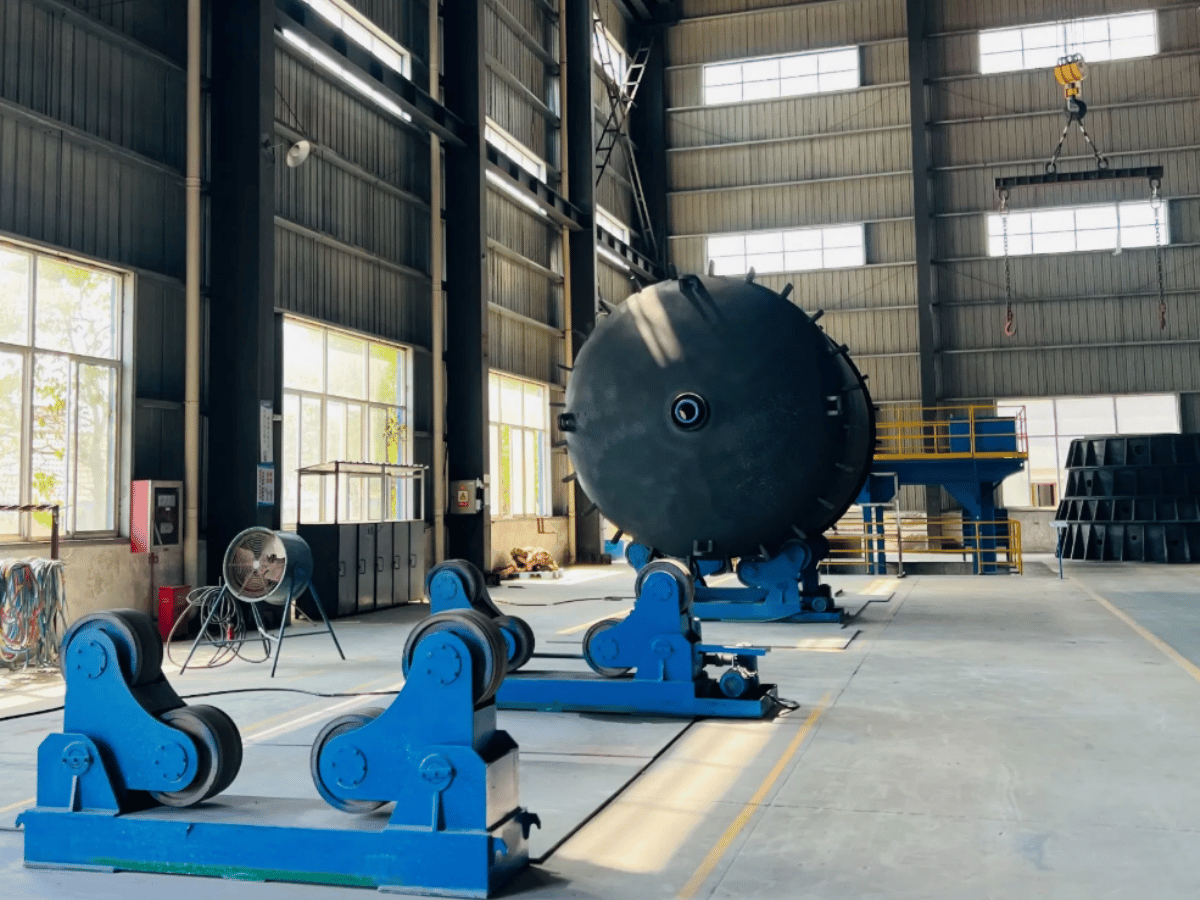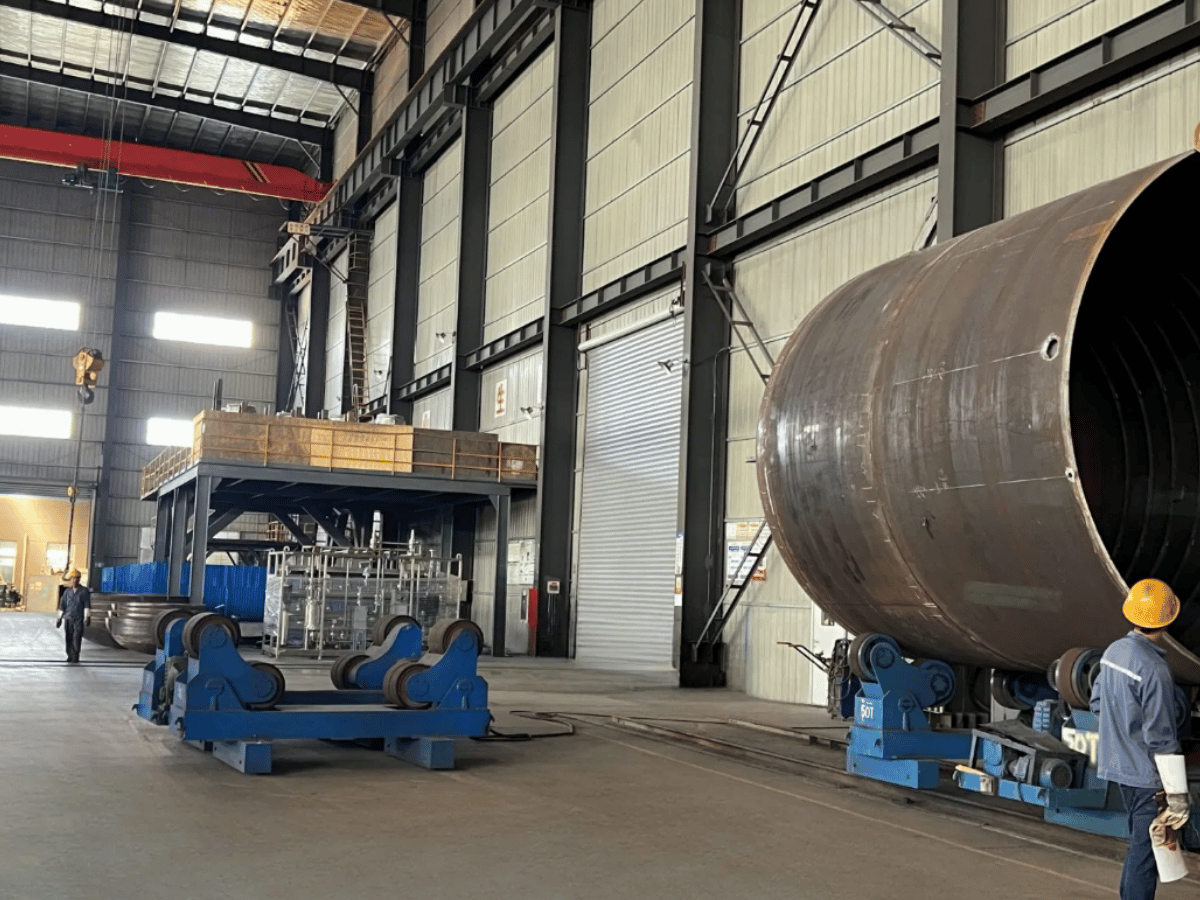
溶接は、精度、技術、および適切なツールを組み合わせて、さまざまな材料を堅固でありながら永続的な溶接で接合する高度なスキルを持った活動です。溶接工の武器庫に不可欠なツールの中には、多くの演奏スキルと効率を備えた手動溶接作業の実行を支援する溶接マニピュレーターとポジショナーがあります。経験豊富な専門家であっても、溶接の新しい世界に入っている人であっても、これらのツールが精度を高め、オペレーターの疲労を軽減し、一貫した結果を確保するのにどのように役立つかについての知識を得ることが不可欠です。ガイドでは、溶接マニピュレーターと溶接ポジショナーの機能について説明し、それらの機能を説明し、その利点を概説し、その応用について説明します。最終的には、適切な機器が溶接プロジェクトを精度と効率の面でどのように新しいレベルに引き上げるのに役立つかについて啓発されます。.
溶接マニピュレーターの紹介
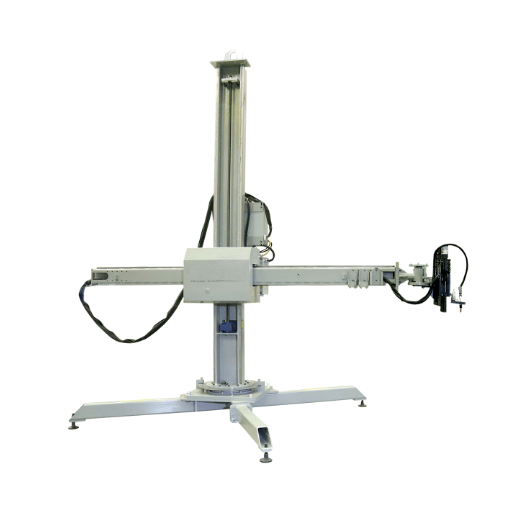
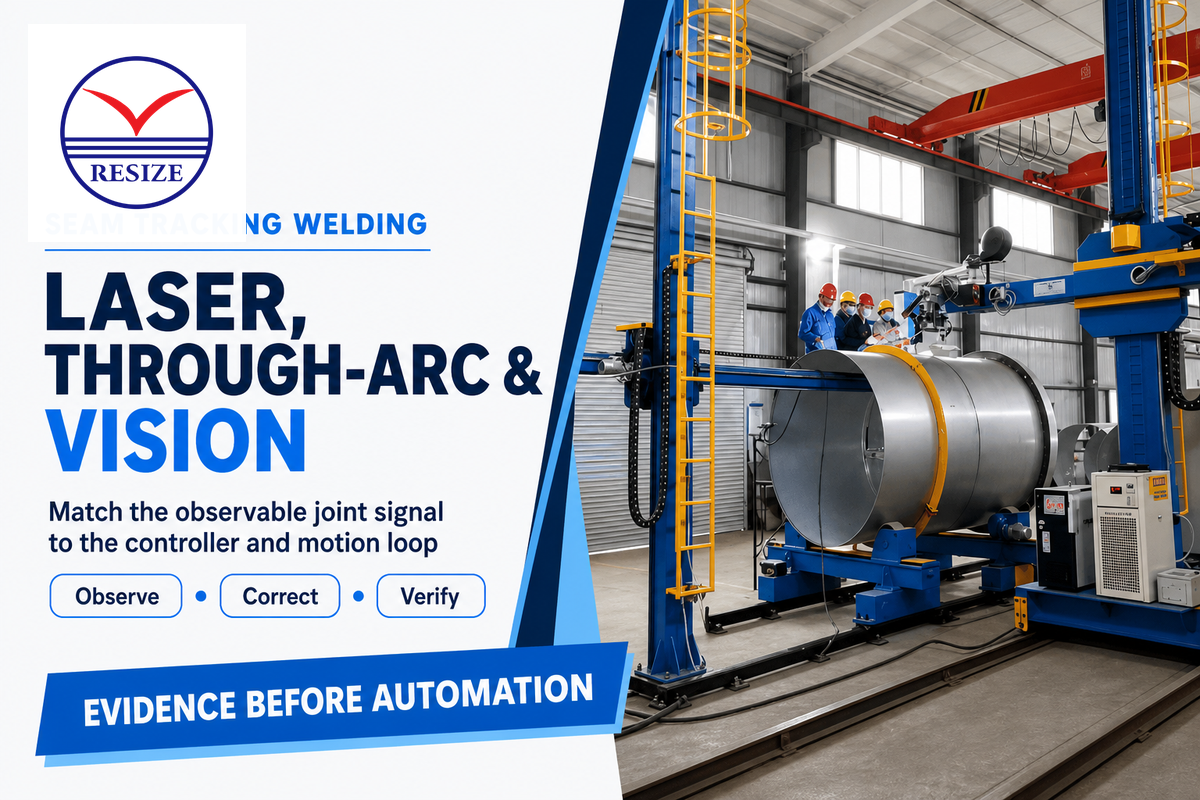
溶接マニピュレータは、溶接プロセスの精度と効率を高める主要なツールとみなされています。溶接トーチ、ワークピース、またはその両方を溶接に最適な位置に保つために設定されたサポート機器です。マニピュレータは、溶接プロセスの動きを安定させて制御することにより、溶接品質を確保し、オペレータの疲労を軽減するために最適な処理を提供します。この機器は、主に製造業、建設業、自動車生産など、精度と再現性が最も重要視される場所で使用されます。.
Weld Manipulatorとは?
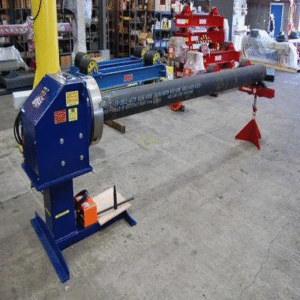
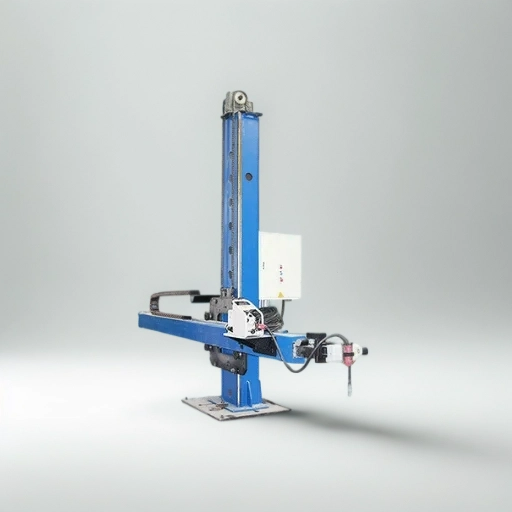
溶接マニピュレータは、溶接プロセス中に溶接トーチやワークピースを保持および/または位置決めすることにより、溶接プロセスの精度、効率、安全性を高めるように設計された機械装置として説明できます。溶接マニピュレータは、回転子として機能し、傾斜運動を可能にする調整可能なアームを備えており、溶接工が比較的簡単で適切な溶接角度を維持しながら困難な場所にアクセスできるようにします。溶接プロセスの特定の側面を引き継ぐことにより、溶接マニピュレータは溶接品質を向上させ、材料の無駄を最小限に抑え、オペレータの疲労を軽減します。これらのデバイスは、多くの場合、ロボット溶接システムまたはポジショナーと組み合わせられており、精度と再現性が最も重要である現在の製造、建設、重機業界では不可欠です。 |
溶接マニピュレータの種類
手動溶接マニピュレータ、例えば、回転式ポジショナ、ベンチポジショナ、および2 軸ポジショナ、すべての溶接作業のための溶接マニピュレータのカスタムメイドシリーズです。.
| パラメータ | ロータリー ポジショナー | ベンチトップ ポジショナー | 2 軸ポジショナー |
|---|---|---|---|
| 機能 | ワークを回転 | コンパクト、ワークを回転させます | 傾き、回転します |
| ベスト フォー | 精密溶接 | 小規模なタスク | 複素角 |
| 制御 | フットペダル/レバー | マニュアル | マニュアル |
| アプリケーション | 円筒部品 | 複雑なデザイン | 多角溶接 |
| キーフィーチャー | 360° 回転 | コンパクトサイズ | デュアルムーブメント |
溶接マニピュレーターを使用する利点
- 強化された溶接品質
溶接マニピュレーターは、溶接中に適切な位置合わせと動きを維持し、歪みを最小限に抑え、ワークピースの一貫性を確保し、手動操作によって引き起こされるエラーの可能性を減らします。.
- 効率
溶接機が手動で実行する特定のタスクを自動化することで、溶接マニピュレーターは生産時間を短縮します。プロセスを簡素化し、一部の散発的なクイックストップを除いて継続的な操作を可能にします。.
- 材料の無駄の削減
マニピュレーターによって実行される溶接作業は、過度の溶接の適用や材料の無駄を避けるために適切に制御されているため、経費が節約され、リソースのより効率的な利用が可能になります。.
- オペレーターの疲労を軽減します
溶接マニピュレータの操作は、手動溶接操作よりもはるかに少ない労力で済みます。その結果、オペレータの疲労が軽減され、高レベルの集中力が維持され、生産性が向上します。.
- 安全性
複雑または危険な手動溶接作業が減少すると、オペレーターが危険な煙、高温、または従来の溶接で一般的に遭遇するその他の危険にさらされることが大幅に軽減されます。.
溶接ポジショナーの理解
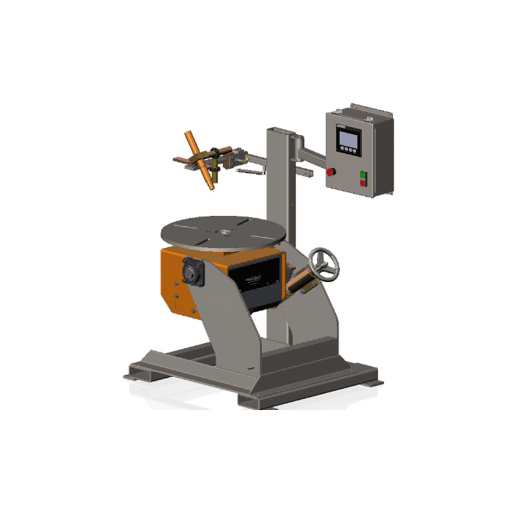
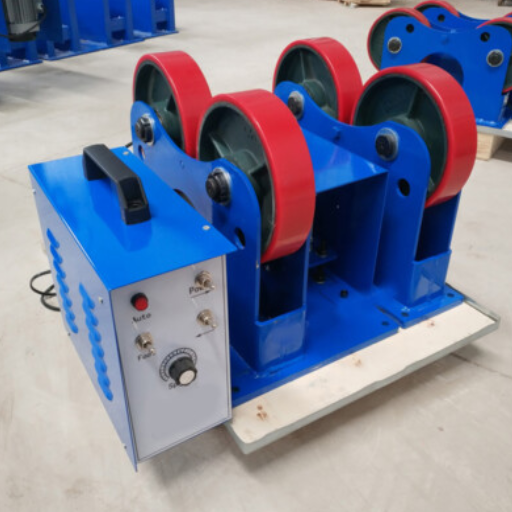
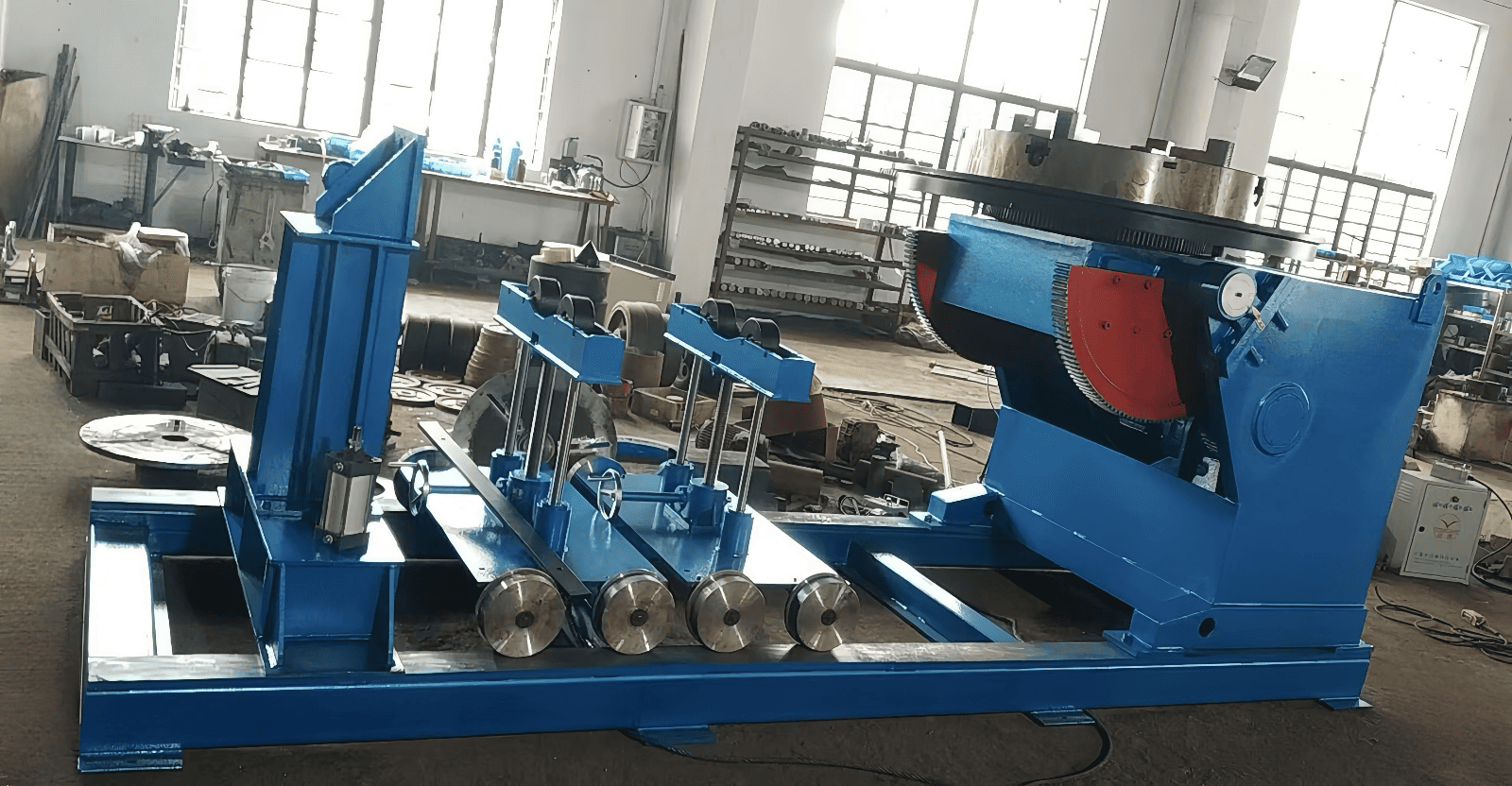
ポジショナーは、ワークを保持して回転させ、溶接工が溶接作業に適した位置に配置できるようにする機械ツールです。溶接ポジショナーは、正確な動きを制御し、ワークの方向を定めることで、溶接品質を向上させ、効率を高め、オペレーターの疲労を軽減します。溶接作業を通じて安定性と一貫性を維持するために、重いか複雑なケースで最もよく使用されます。.
ウェルドポジショナーとは何ですか?
溶接ポジショナー用の専用ツールを使用して、ワークピースの回転と位置決めを制御し、溶接の発生を可能にします 溶接ポジショナーは、すべての溶接アプリケーションで精度、再現性、一貫性、安全性を提供するために不可欠です 通常、溶接ポジショナーは、ワークピースをしっかりと保持するための回転テーブルまたはチャックアセンブリを備え、その角度と向きを正確に調整するための電動または手動機構、またはその両方を備えています 最近の業界の洞察では、航空宇宙、自動車、建設、重機製造などの分野における溶接ポジショナーの重要性が強調されており、大型、複雑、または扱いにくい材料の処理に不可欠です 優れた品質の溶接ポジショナーには、プログラミング制御、自動回転速度、ロボット互換性などの高度な機能が装備されており、同時に生産時間を短縮し、溶接品質を向上させます。.
溶接ポジショナーの種類
ロータリー、ヘッドストック-テールストック、ベンチトップ、ギアチルト、パイプターニングポジショナーなど、さまざまな溶接ニーズに合わせた溶接ポジショナーには数多くの種類があります。.
| パラメータ | ロータリー | 主軸台-鉄筋 | ベンチトップ | ギア 傾き | パイプターニング |
|---|---|---|---|---|---|
| 機能 | ワークを回転 | Supports long parts | Compact, rotates | Tilts & rotates | パイプを回転させます |
| ベスト フォー | 精密タスク | Long, heavy items | 小規模なタスク | 複素角 | 円筒部品 |
| 制御 | Manual/Auto | Manual/Auto | マニュアル | Manual/Auto | Manual/Auto |
| アプリケーション | 一般溶接 | Axles, beams | 複雑なデザイン | Multi-angle welds | Pipe welding |
| キーフィーチャー | 360° 回転 | Dual support | コンパクトサイズ | Tilt flexibility | Pipe rotation |
溶接ポジショナーの用途
Since the operations carried out with the weld positioners primarily assist in welding complex assemblies, their potential is infinitely varied and is found in various sectors. Here are five key applications in which weld positioners find themselves used:
- Pipe Welding: Weld positioners find their most excellent utilization for pipe fabrication, providing an efficient means to rotate and weld pipes of different diameters and shapes. These variations ensure a similar quality of weld throughout the entire circumference.
- Tank and Vessel Fabrication: Industries such as oil and gas, and chemical processing, utilize weld positioners for tanks and large vessels. Positioners simplify welding on curved surfaces and maintain consistency.
- Automobile Manufacturing: Weld positioners are utilized in the welding of various automobile components, including the frame and chassis. It enables them to position accurately, which improves productivity and ensures high-quality welds.
- Structural Steel Work: For the construction industry, weld positioners enable the efficient welding of beams, columns, and other structural members while minimizing time and ensuring accurate alignment.
- Heavy Equipment Production: These weld positioners are used by various industries engaged in the manufacture of heavy machinery and equipment to handle large, awkwardly shaped parts. Positioners thus facilitate the easy and solid performance of precision welds.
The above applications demonstrate how weld positioners contribute significantly to productivity, safety, and quality in various sectors.
Manual Weld Manipulators
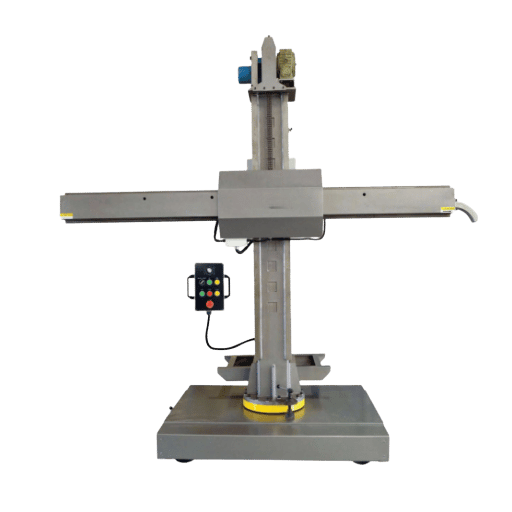
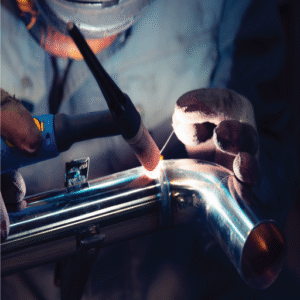
Manual welding manipulators are tools that enable welders to position and control the workpiece or welding torch manually during the welding process. These devices, as they call, afford greater access to awkward places and also offer better conditions for welding, leaving the welder almost free of fatigue. Manual weld manipulators enable fine adjustments to enhance productivity and ensure consistent results, particularly when working with smaller or simpler welds.
What Are Manual Weld Manipulators?
Manual welding manipulators are mechanical tools designed to provide enhanced process control and accuracy in the welding process. These manipulators enable an operator to manually adjust the position of either the workpiece or the welding torch, allowing work on intricate parts or in hard-to-reach areas. They’re commonly used when very high levels of precision and stability are required, since they permit extremely steady hand motions with minimal vibrational effect during the weld. This manual weld manipulator reduces operator fatigue while simultaneously improving welding quality and repeatability. According to the latest data on ergonomic and adjustable features for weld manipulators, these devices continue to maintain their versatility across various applications, ranging from small workshops to large industrial projects.
Advantages of Manual Welding
- Precision and Control
Manual welding provides in-depth control over the welding process, allowing for the production of intricate and detailed welding work. This extra level of precision is particularly vital for applications where automated systems may not be able to reach or cannot operate in unusually cramped spaces.
- Versatility
Manual welding can be applied to various materials and thicknesses. For which it is, of course, applied from structural steel right down to quite delicate aluminum components.
- Cost-Effectiveness
Manual welding requires less investment in equipment and maintenance compared to the automated systems. Thus, it is an economically viable option for small-scale operations or projects of varying requirements.
- Immediate Adjustments
In some cases, operators can react to the situation and make adjustments immediately, allowing for the consideration of environmental factors, material inconsistencies, or other variables. This flexibility allows better results when exact conditions cannot be anticipated.
- Mobility and Accessibility
Unlike huge automated systems, manual welding equipment is portable and can be operated at remote or hard-to-reach locations. This enables welding to take place in a range of environments, from workshops to outdoor construction sites.
Using Manual Weld Manipulators
These tools have historically played a crucial role in enhancing the precision and efficiency of industrial welding. Recent Google search data indicate that their application in small and complex welding jobs is gaining increasing popularity. The workpiece is held tightly in these devices as they rotate it, providing the welding operator with optimal angles to maintain consistent weld quality. They are primarily small and adaptable, allowing them to be used across various industries, ranging from automotive to aerospace. Leveraging processes that combine manual operations with high-tech accuracy will help us transition from traditional methods to modern-day needs.
適切な機器の選択
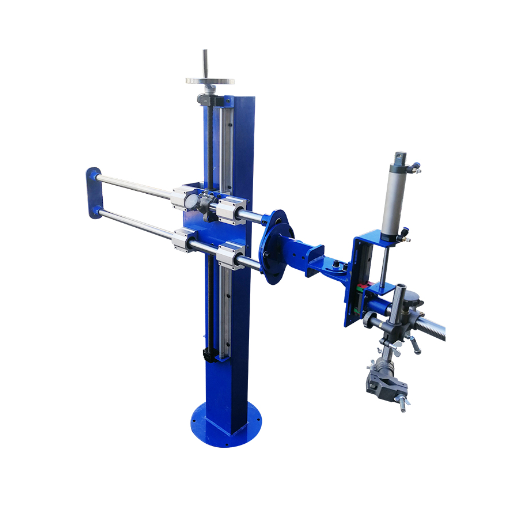
The processes involved in selecting the right equipment must take into account factors such as the types of workpieces, the range of motion required, and the degree of weld complexity needed. Determine if specific equipment can accommodate the size and weight of your materials, and if it provides the necessary flexibility for your work. Considerations when choosing equipment must include durability, ease of use, and adaptability to other tools or systems within your work process. Always choose equipment from a reputable manufacturer to assure reliability and support options.
Factors to Consider When Selecting a Welding Manipulator
- Load capacity and dimensions of workpieces that can be accommodated
Ensure that the welding manipulator is capable of withstanding the weight and size of your workpieces. If a manipulator is overloaded, it may crack or fail to maintain consistency. Take into account the maximum load capacity specification and determine whether it aligns with your urgent project needs.
- Range of Motion and Accuracy
The manipulator must take into account the required range of movement to effect the welds per the requirements; this means having the ability to rotate, adjust tilt, and change angles conveniently. A very high degree of accuracy is required for complex welds or projects requiring a refined quality.
- Speed and Efficiency
Assess the time it takes for a welding manipulator to work and whether it disrupts the workflow. The increase in speed and automated controls would have supported target productivity if welding quality had not become an issue due to speed, especially in mass production.
- Robustness and Maintenance
There should be an orientation toward materials sturdy enough to withstand rough working conditions. Consider whether it is easy to maintain, if replacement parts are readily available, and the level of support provided by the manufacturer, so that you can get back to production quickly.
- 互換性
The welding manipulator must fit into your existing tools/ welding system, or automation processing. Compatibility with control systems and safety features, as well as other tool attachments, can facilitate seamless integration into a cohesive and efficient welding setup.
Load Capacity and Performance
The load capabilities and overall performance of welding manipulators should be analyzed in terms of the specific demands of your projects. The manipulator must handle the maximum weight of the workpiece with precision and stability through the welding process. Data acquired recently through data sourcing from Google’s search engine ranks modern welding manipulators as having an advantage in terms of the extensiveness of load capacities and range of applications, from lighter components used in small-scale applications to extreme industrial loads exceeding several tons. Performance-wise, they enable rapid rotation, work accurately, and sustain operation in extremely high-stress conditions without freezing, which significantly enhances productivity. Hence, by choosing a manipulator that is appropriate for your workload range, you maximize efficiency and reduce the chances of system strain.
参照ソース
- Design and manufacture of Laboratory Scale Automatic Pipe Welding Tool
- 著者: Lukman Sholehudin, Widiyanti Kwintarini
- Published in: METALIK: Jurnal Manufaktur, Energi, Material Teknik
- Publication Date: July 24, 2023
- 概要:
- This paper discusses the design and development of a laboratory-scale automatic pipe welding tool designed to enhance students’ understanding of pipe welding processes. The tool utilizes MIG (Metal Inert Gas) welding technology and is capable of welding AISI 1045 steel pipes with diameters of 1 and 2 inches.
- The study highlights the specifications of the automatic welding tool and its assembly process. Testing revealed that, although all components functioned properly, factors such as machine rotation and airflow during welding had an impact on the results.
- Assessment of welding engineering properties of basic type electrode coatings of different electrode manufacturers for welding of pipe parts and assemblies of heat exchange surfaces of boiler units
- 著者: Yulia Karlina et al.
- Published in: Metal Working and Material Science
- Publication Date: June 7, 2024
- 概要:
- This study assesses the welding properties of various electrode coatings used in manual arc welding for boiler units. It investigates the mechanical properties of welds made with different electrodes and the impact of hydrogen content on weld quality.
- The research employs mechanical tensile tests, chemical composition analysis, and metallographic studies to evaluate the performance of the electrodes. The findings indicate that the mechanical properties of the welded metal often fall below acceptable standards, highlighting the need for improved electrode formulations.
- Review of modern requirements for welding of pipe high-strength low-alloy steels
- 著者: Yulia Karlina et al.
- Published in: Metal Working and Material Science
- Publication Date: December 11, 2023
- 概要:
- This review paper discusses the advancements in welding techniques for high-strength low-alloy steels used in pipelines. It covers the evolution of welding processes from manual methods to automated systems and the challenges faced in ensuring weld quality.
- The paper emphasizes the importance of understanding the microstructural characteristics of welds and their relationship with mechanical properties, providing insights for both practitioners and researchers in the field.
よくある質問 (FAQ)
What is a manual weld manipulator?
A manual weld manipulator is a device used to assist welders in positioning and controlling the welding torch or electrode during manual welding operations. It enhances precision and reduces the physical strain on the welder by allowing for better maneuverability of the workpieces being welded.
How do I use a welding manipulator effectively?
To use a welding manipulator effectively, ensure that it is adjusted to the appropriate height and angle for the specific welding task. Familiarize yourself with the controls and practice moving the manipulator smoothly to maintain consistent weld quality on the workpieces. Proper training is essential for maximizing productivity and safety.
What are the different types of welding manipulators available?
There are several types of welding manipulators, including manual weld manipulators, column-and-boom welding manipulators, and automated welding manipulators. Each type serves different purposes, such as enhancing control during manual welding or automating the welding process for increased efficiency.
What is the role of a welding positioner in welding automation?
A 溶接 ポジショナー plays a crucial role in welding automation by enabling the precise positioning of workpieces during the welding operation. It can adjust the angle and height, allowing for better access and control, which significantly enhances the overall weld quality and productivity of the welding process.
How does a column and boom welding manipulator work?
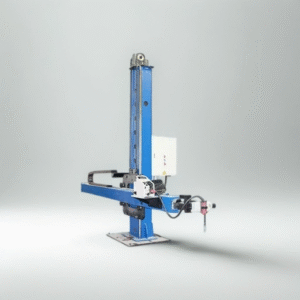
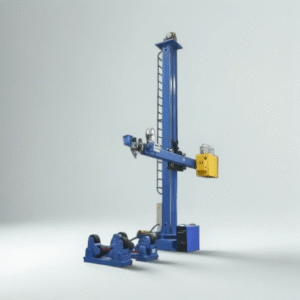
コラム&ブーム溶接マニピュレータは、垂直コラムと溶接ヘッドが動く水平ブームで構成され、このセットアップにより溶接機がさまざまな位置や角度に到達できるため、垂直溶接と水平溶接の両方の作業に適した精密溶接が必要な大型ワークピースに便利です。.
ブーム溶接マニピュレータを使用する利点は何ですか?
ブーム溶接マニピュレータは、溶接トーチの制御の改善による溶接品質の向上、手作業の削減による生産性の向上、より大きなワークピースの取り扱い能力など、いくつかの利点を提供します。また、溶接工への物理的負担を最小限に抑えることで、より安全な作業環境にも貢献します。.
プロジェクトに適した溶接装置を選択するにはどうすればよいですか?
適切な溶接装置を選択するには、使用されている溶接プロセスの種類、溶接される材料、プロジェクトの特定の要件などの要素を考慮する必要があります。最適なパフォーマンスを確保するために、手動溶接マニピュレーターやコラムおよびブーム システムを含む装置の耐荷重、調整可能性、互換性を評価します。.
手動溶接マニピュレーターの一般的な溶接アプリケーションは何ですか?
手動溶接マニピュレータは、製造、修理作業、組み立て作業などのさまざまな溶接用途で一般的に使用されています。自動車製造、建設、造船など、正確な溶接が必要な業界で特に効果的です。.
溶接マニピュレータはどのように生産性を向上させるのでしょうか
溶接マニピュレータは、溶接プロセスを合理化することで生産性を向上させ、溶接ヘッドのより迅速な調整と位置決めを可能にします。この効率によりダウンタイムが短縮され、溶接工は高精度でタスクを完了することに集中できるようになり、最終的には出力の増加と溶接品質の向上につながります。.