Freze cu plasmă sunt printre puținele instrumente capabile să taie metalul cu precizie și viteză. Fie că sunteți un muncitor calificat în fabricarea metalelor sau un amator care lucrează cu metalul într-un proiect, înțelegerea modului în care funcțiile instrumentului vă vor îmbunătăți înțelegerea ambarcațiunii. Acest articol explorează știința fascinantă din spatele tăierii cu plasmă, începând cu principiile care permit instrumentului să taie materialele conductoare cu viteză și precizie. Vom aprofunda detaliile pas cu pas care explică întregul proces, de la generarea plasmei până la tăierea efectivă și, prin urmare, vom înțelege ce face tăietoarele cu plasmă atât de vitale în industriile moderne. Continuați să citiți pentru a afla cum această tehnologie poate inova și vă poate ajuta activitățile de tăiere.
Înțelegerea tăieturii cu plasmă și a tăietorului cu plasmă
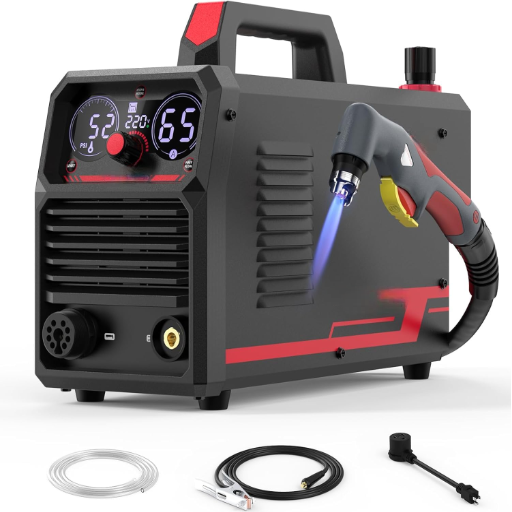
Prin intermediul gazului ionizat la temperatură înaltă, plasma poate tăia materiale conductoare electric, cum ar fi oțel, oțel inoxidabil, aluminiu și cupru. Un tăietor cu plasmă produce un arc electric printr-un mediu de acordare a gazului, care, atunci când este comprimat, se transformă în plasmă prin încălzire. Această plasmă topește apoi materialul, care este purjat rapid de un curent de gaz care suflă împreună cu metalul topit; prin urmare, tăierea este curată. Deoarece sunt rapide, precise și ușor de configurat, tăietoarele cu plasmă s-au bucurat de o bază de utilizator variată, în funcție de grosimea materialului care trebuie tăiat.
Ce este tăierea cu plasmă?
Tăierea cu plasmă este un proces de tăiere termică care utilizează un jet concentrat de plasmă la temperatură ridicată pentru a tăia materiale capabile să conducă electricitatea, cum ar fi oțelul, oțelul inoxidabil, aluminiul și cuprul. Din punct de vedere tehnic, procesul implică generarea unui arc electric cu un gaz comprimat în cale, de obicei aer, azot sau oxigen. Plasma este atât de fierbinte încât încălzește materialul și poate atinge temperaturi de aproximativ 40.000 °F (22.000 °C).Între timp, fluxul de gaz de mare viteză suflă simultan metalul topit pentru a crea o tăiere finală netedă și precisă. Datorită vitezei și versatilității sale, acest proces este aplicabil pe scară largă în tăierea diferitelor grosimi cu pregătire minimă în domenii precum fabricarea, fabricarea, repararea auto și construcția. Mai recent, progresele în tehnologiile sistemelor de tăiere cu plasmă și-au câștigat o reputație la nivel mondial pentru a face aceste sisteme cele mai precise și mai eficiente din punct de vedere energetic, făcându-le astfel alegerea tuturor meseriașilor și pasionaților.
Rolul tăietorului cu plasmă în fabricarea metalelor
Într-adevăr, tăietoarele cu plasmă au reprezentat un obstacol semnificativ în fabricarea metalelor, oferind o precizie fără precedent, o viteză crescută și capacitatea de a lucra pe o varietate de materiale. conform studiilor recente, sistemele moderne de tăiere cu plasmă sunt capabile să felieze oțel, aluminiu sau alte metale conductoare cu o grosime care poate ajunge până la 2″ și face acest lucru cu cea mai mare precizie. Acestea pot crește cu ușurință cu peste 20 de inci pe minut pentru metale mai subțiri, oferind astfel unităților de producție un avantaj semnificativ în creșterea productivității.
Apariția tăierii cu plasmă CNC a condus la progrese și mai mari în fabricarea metalelor prin tăierea cu plasmă. Acest lucru permite proiectarea complicată și tăierea complexă să fie realizată cu foarte puține interferențe umane. Conform unei statistici cruciale la cheie elaborată de surse din industrie, o configurație de tăiere cu plasmă CNC reduce risipa de material până în 20%, rezultând economii de costuri și conștiință de mediu.
Mai mult, tehnologia de tăiere cu plasmă a devenit mai eficientă din punct de vedere energetic odată cu introducerea sistemelor cu plasmă de înaltă definiție, permițând tăieturi mai bune, rezultate mai precise, margini mai curate și mai puține zone afectate de căldură, cu un consum de energie cu până la 301TP4 T mai mic decât cel al sistemelor mai vechi. Cu astfel de upgrade-uri, aceste freze cu plasmă devin un atu valoros în industriile în care sunt necesare forme solicitante și precise de lucru metalic, de la inginerie aerospațială până la proiectare arhitecturală.
Odată cu evoluțiile inovatoare, tehnologia de tăiere cu plasmă rămâne în prim-plan, permițând producătorilor să îndeplinească cerințele din ce în ce mai exigente de astăzi pentru eficiență și calitate, luând în considerare și sustenabilitatea.
Avantajele utilizării unui tăietor cu plasmă
- Precizie și precizie
Freze cu plasmă efectuează cu precizie de nivel înalt în operațiunile lor de tăiere. pot gestiona cu ușurință modele complicate cu margini curate și netede. această precizie are ca rezultat mai puțină risipă de material și o potrivire mai bună pentru procesul de asamblare.
- Viteză și eficiență
Având în vedere metodele convenționale, tăietorii cu plasmă taie într-un ritm rapid din toate timpurile. în mai puțin timp, taie metale mai groase, crescând productivitatea și timpul de proiect.
- Versatilitate
Freze cu plasmă pot lucra pe orice material conductiv, inclusiv oțel, oțel inoxidabil, aluminiu, alamă, și cupru. acest lucru permite o gamă largă de aplicații în industrii, cum ar fi auto, construcții, și de fabricație.
- Cost eficient
Freze cu plasmă pot economisi costurile pe materiale și cheltuielile de funcționare, deoarece acestea provoacă mai puține pierderi de materiale, lucrează mai repede și necesită mai puțină energie. Sunt excelente pentru o soluție pe termen lung, din punct de vedere bugetar.
- Portabilitate și ușurință în utilizare
Fiind printre cele mai semnificative tipuri de freze cu plasmă disponibile în prezent, acestea sunt compacte și ușoare, ceea ce le face ușor de transportat. interfețe de utilizator simple, intuitive ies în evidență, făcând aceste freze cu plasmă ușor de utilizat, sporind astfel accesibilitatea și confortul lor.
Tipuri de mașini de tăiat cu plasmă
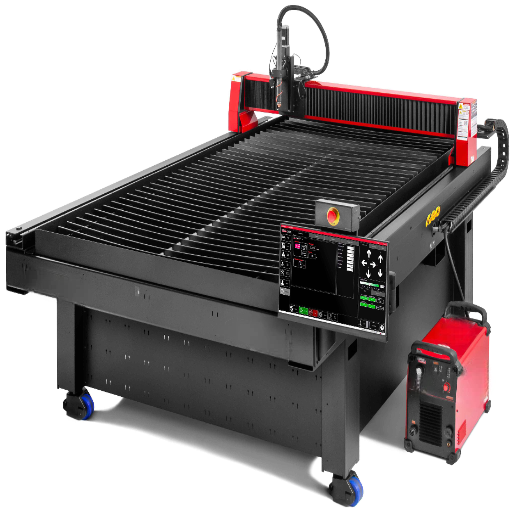
- Decupatoare cu plasmă portabile
Proiectate pentru operarea manuală, aceste freze sunt potrivite în mod ideal pentru proiecte mici și sarcini complicate. Dimpotrivă, ele sunt utilizate în setările de atelier, lucrări de construcție și reparații.
- CNC Mașini de tăiat cu plasmă
Aceste CNC foarte detaliate și automatizate mașini de tăiat cu plasmă sunt potrivite pentru lucrări de calitate industrială care necesită precizie și repetabilitate.
- Cuttere cu plasmă de înaltă definiție
Cu o calitate ridicată a tăierii, aceste mașini utilizează o tehnologie avansată pentru a obține tăieturi ușor mai curate, cu ușoare deformări ale marginilor. Industriile folosesc astfel mașini cu plasmă de înaltă definiție atunci când este nevoie de o precizie ridicată.
- Cuttere cu plasmă cu dublă utilizare
Aceste mașini multifuncționale combină procese precum tăierea cu plasmă cu altele, cum ar fi sudarea, pentru capacități eficiente, multi-proces.
Fiecare tipul se adresează unei nevoi specifice, asigurându-vă că există o mașină adecvată pentru gama diversă de aplicații și industrii.
Diferite tipuri de tăietori cu plasmă
Tipurile de freze cu plasmă sunt: convenționale, de înaltă definiție, injecție de apă, subacvatice, plasmă de aer de precizie, mecanizate, gaz dublu, arc pilot și arc non-pilot.
| Tip | Caracteristici cheie | Utilizare |
|---|---|---|
| Convențional | Arcul de plasmă de bază | Tăiere generală |
| Înaltă definiție | Tăieri precise, curate | Sarcini industriale |
| Injectarea apei | Arc rece, tăietură îngustă | Distorsiune redusă |
| Sub apă | Cameră umplută cu apă | Noise reduction |
| Precizie | Precizie ridicată | Complex designs |
| Air Plasma | Uses compressed air | Eficient din punct de vedere al costurilor |
| Mechanized | CNC-controlled | Automated cutting |
| Dual Gas | Two gases for energy | Versatile cutting |
| Pilot Arc | No direct contact | Rusty surfaces |
| Non-Pilot Arc | Direct contact needed | Eficient din punct de vedere al costurilor |
CNC Mașini de tăiat cu plasmă
CNC plasma cutting machines are a more high-powered description of CNC machines being married with advanced plasma cutting algorithms. These machines are designed to cut incredibly intricate shapes and patterns in metals with utmost accuracy and efficiency. According to the latest data from the Google search engine, CNC plasma cutting machines are utilized by businesses across various industries, including automotive, aerospace, and manufacturing, as they enable automated processes while reducing waste and ensuring consistent results. Additionally, because CNCs are programmable, operators can create a wide range of complex designs, which inevitably increases production and ensures accuracy. This, therefore, makes CNC plasma cutters an advantage for organizations that want to scale up while maintaining high standards in quality.
Comparison with Laser Cutting Machines
Comparison between Plasma Cutting and Laser Cutting: Typically, plasma cutting is faster and less expensive for thick, conductive metals, while a laser offers greater precision and flexibility when working with thin materials and non-metals.
| Parametru | Plasma Cutting | Laser Cutting |
|---|---|---|
| Precizie | Moderate (±0.5–1mm) | High (±0.01mm) |
| Viteză | Faster for thick metals | Faster for thin metals |
| Materiale | Conductive metals only | Metals & non-metals |
| Grosime | Up to 38mm | Up to 25mm |
| Cost | Lower upfront & running | Higher upfront & running |
| Maintenance | Less frequent | More frequent |
| Kerf Size | Larger | Smaller |
| Radiation | Produces radiation | Minimal radiation |
| Engraving | Not possible | Possible |
| Reflective | Better for reflective | Struggles with reflective |
Factori care afectează calitatea și viteza tăierii
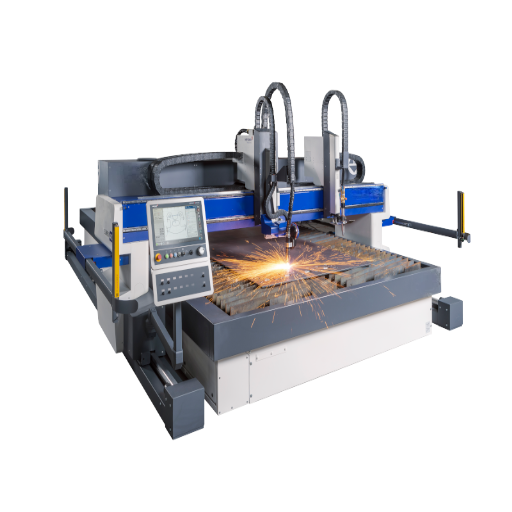
Although many variables influence the cut quality and speed in CNC plasma cutting machines:
- Material Type and Thickness – Different materials and thicknesses significantly impact the time required to cut correctly. Thinner workpieces allow for faster cuts, whereas heavier materials require slower cutting speeds for precision.
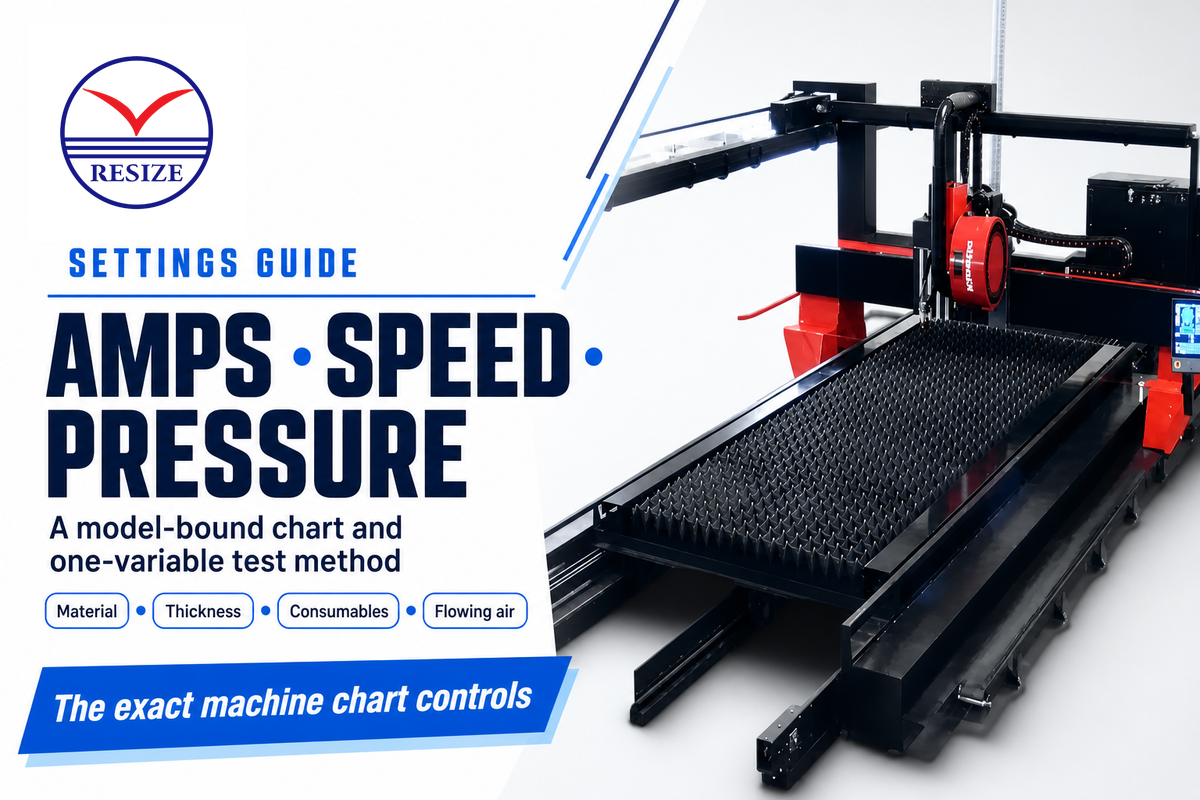
- Plasma Torch Settings – One must attentively set the amperage, voltage, and gas pressure. If the parameters are set incorrectly, the edges and quality of the cut would be of poor quality, and the operation might be slowed down.
- Cutting Speed – If the recommended speed for the material is adhered to, the cuts will be made appropriately. Too fast a speed might lead to incompletion of reductions, while too slow a speed produces heat and rough edges.
- Quality of Consumables- The condition of consumable parts, such as electrodes and nozzles, directly influences cutting quality and efficiency. Consumables that have become worn or damaged must be replaced immediately; otherwise, they will degrade performance.
- Machine Maintenance – Regular maintenance, such as cleaning and calibration, helps ensure that the cut quality remains consistent and no operational problems develop.
Focusing on these factors enables operators to achieve the best possible performance, balancing quality and speed across various cutting methods.
Influence of Plasma Gas on Cutting Performance
The selection of plasma gas determines the cut quality, cutting speed, and efficiency. Numerous gases are used, including air, oxygen, nitrogen, and argon-hydrogen mixtures, among others, each of which is particularly suited to specific situations and objectives.
- Air Plasma – Compressed air serves as the primary source of plasma-gas generation due to its widespread availability and low cost. It cuts mild steel very well, but it produces oxidized-edged finishes that, in some applications requiring high finishes, must be cleaned secondarily.
- Oxygen Plasma – Oxygen works best on carbon steel, minimizing and sometimes eliminating the need for finishing after cutting due to superior edge quality and low dross formation. Others have suggested that oxygen plasma can increase cutting speed by about 25% compared to air plasma.
- Nitrogen Plasma – Nitrogen is a versatile option ideal for cutting non-ferrous metals such as stainless steel and aluminum with excellent edge quality and consistency. It is often used when precision is required in various industries.
- Argon-Hydrogen Mixtures – The mixture is best for thick stainless steel and aluminum. Hydrogen enhances energy transfer, yielding smooth and dross-free cuts. However, according to recent data, this mixture produces the best results for materials thicker than 1 inch, although it is usually more expensive than other gases.
- Plasma gas technology has undergone various advancements, enabling the optimization of cutting efficiency through alterations in gas pressure and flow. Present studies emphasize that selecting an appropriate gas flow rate can reduce bevel angles by around 20% and improve the smoothness of cut surfaces by almost 15%.
Choosing the plasma gas, along with the appropriate settings, is the first step in optimizing the process for a specific application, allowing for increased productivity, reduced costs, and improved quality outputs.
Adjusting Cutting Speed for Different Metals
Cutting speed governs the production of precise and clean cuts in various metals, as each material responds differently to the plasma-cutting process. Generally, for softer metals and materials, such as aluminum, higher cutting speeds are preferred to prevent the heat condition from adversely affecting the workpiece. The metal’s low melting point may be exploited to produce a nice finish. Conversely, with harder metals such as stainless steel, the plasma-cutting competencies should be maintained at a slower speed to control warping and ensure consistent cuts.
Recent research from Google states that analysts recommend cutting 304 stainless steel (1/4″ thickness) within a speed window of 60–80 inches per minute, while aluminum of the same thickness can be effectively cut at a speed of 120–140 inches per minute. Applying exact optimization in speed, combined with gas and amperage settings, helps operators achieve perfect results on specified metals, while being environmentally friendly by reducing waste, and concurrently enhancing operational efficiency. Therefore, a specific and customized approach toward working with various materials is critical in the field of plasma cutting.
Impact of Plasma Arc Size on Cutting Thickness
The diameter of the plasma arc is only directly proportional to the thickness of the material capable of being effectively cut. A very narrow plasma arc offers greater precision, making it suitable for cutting thin materials with intricate designs. A wider plasma arc imparts a higher energy density, allowing for faster cutting of thicker metals. As reported by recent industry data, we are aware to some extent that a high-definition plasma system, for instance, further improves arc control by utilizing application-oriented nozzles and employing refined gas flow to maintain the arc at a higher power level, enabling the cutting of thin or very thick materials with great accuracy. This just underscores the point that, depending on the width of the arc and material thickness, the actual cut quality should be considered to enhance productivity and consistency of results.
Applications of Plasma Cutters
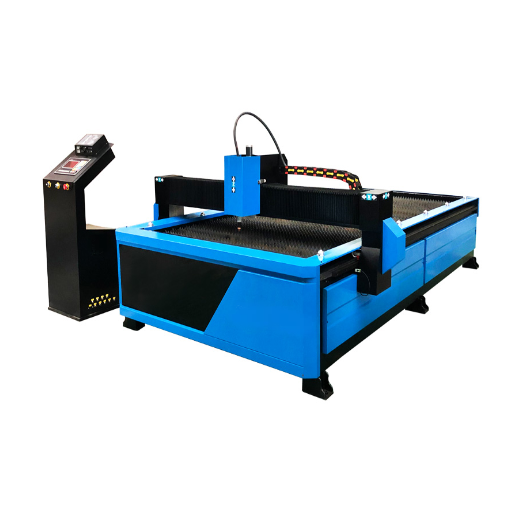
Plasma cutters enjoy wide popularity among various industries, thanks to the clean and well-finished cuts they can produce on conductive metals. Applications include:
- Metal Fabrication: Perfect for cutting steel, aluminum, and other metals used in manufacturing structures, components, and machinery.
- Automobile Industry: Used in repairing or customizing vehicles, mainly cutting metal parts and shaping them.
- Construction: Mainly to cut beams, sheets, and pipes during construction.
- Art and Design: Metal artists use them to form intricate designs and sculptures with absolute precision.
- Maintenance and Repairs: Good for industrial applications such as cutting damaged parts or dismantling heavy equipment.
It is their varied functions and efficiency that make plasma cutters essential in both industrial and artistic applications.
Industries Utilizing Plasma Cutting Machines
Unparalleled precision, speed, and efficiency have made plasma cutting machines a necessity in numerous industries. The industries making the best use of these machines, per the information available now, under:
- Automotive Manufacturing: Plasma cutters play a crucial role in manufacturing and repairing automotive parts, including frames, panels, and exhaust systems, to ensure faster production and higher-quality results.
- Construction and Infrastructure: Steel beams cutting for skyscrapers and steel sheet preparation for bridges; on the contrary, plasma cutters become necessary in the shaping of modern-day infrastructure.
- Shipbuilding and Marine: Able to go through thick metals fast and reliably, plasma cutters find application in the building and maintenance of ships and marine equipment.
- Aerospace: Plasma cutting machines are essential in aerospace manufacturing processes for creating intricate components where precision is critical and there is minimal tolerance for error.
- Custom Fabrication and Artisanship: Craftsmen and metalworkers utilize plasma cutters to create intricate custom designs for decorative art, furniture, and signage.
- Due to their extensive applications, plasma cutting machines continue to innovate and shape industries according to the demands of evolving technologies and global markets.
Using Plasma for Cutting Thick Metals
Plasma cutting is one of the most superior and efficient modes of cutting thick metals. This process utilizes ionized gas, heated to an extremely high temperature, and channelized as plasma, which can melt metals and cut them with precision and speed in a matter of seconds. A brief search across the internet would yield terms related to the maximum thickness that can be cut using plasma cutting. Generally, a plasma cutter is employed to cut materials of 1-2 inches in thickness; however, industrial-grade plasma cutters can cut metals thicker than 3 inches based on the electron power of the cutter and the type of metal being considered. With CNC-controlled plasma systems combined in tandem, operators work with thicker materials to achieve consistent and precise cuts: a boon to manufacturing, construction, and fabrication industries.
Innovations in Plasma Cutting Technology
With recent developments in plasma cutting technology, significant advancements have been made in the industry, leading to improvements in precision, efficiency, and versatility. One such development is the introduction of HD plasma systems. These systems offer improved arc stability, resulting in cleaner, more precise cuts that are less prone to edge beveling, particularly with thicker materials. According to data from some of the most reliable sources, an HD plasma system (in ideal circumstances) can achieve cutting tolerances as tight as ±0.008 inches, which is comparable to the precision of laser cutting at a fraction of the cost.
Another notable advancement is the adoption of automation, such as CNC plasma cutting. A combination of sophisticated software algorithms and modern hardware enables this system to reduce human error and improve productivity. According to reports, CNC plasma cutters can increase cutting speeds by almost 70%, thereby significantly enhancing production throughput.
Another trend is the development of mixed-gas technology to improve material compatibility and edge quality. A gas mixture containing argon, nitrogen, and hydrogen provides a smoother cut of stainless steel and aluminum, while minimizing dross. Studies showed that the use of these dual-gas schemes can reduce secondary processing time by 30%.
Portable plasma-cutting machines are becoming increasingly prevalent these days, offering high power in a compact design and ensuring lightweight performance for on-site operations. Inverter-based plasma cutters represent one of the recent developments, wherein energy savings of nearly 50% were realized compared to older transformer-based counterparts, thereby benefiting both the operator and the environment. In a nutshell, these technological advancements serve as a testament to the ever-evolving nature of plasma cutting technology, offering increasing speed, precision, and flexibility to diverse industries.
Surse de referință
- “Experimental analysis of the effect of gas flow rate and nature on plasma arc cutting of hardox-400”
- Authors: D. Naik, K. Maity
- Published: December 14, 2019
- Key Findings: This study investigates the impact of various gas flow rates and types on the quality of cuts made in Hardox-400 steel using plasma arc cutting. The results indicate that the choice of gas and its flow rate have a significant impact on the kerf width, surface roughness, and heat-affected zone (HAZ) of the cut.
- Methodology: The authors conducted experiments using a CNC plasma cutting machine, varying parameters such as gas pressure, cutting speed, and arc gap. The quality of the cuts was assessed through measurements of kerf width and surface roughness.
- “Analysis of Process Parameters of Plasma Arc Cutting Using Design of Experiment”
- Authors: Surya Vatsal Kaushik
- Published: March 10, 2022
- Key Findings: This paper focuses on optimizing the process parameters for plasma arc cutting to achieve better surface quality and efficiency. The study emphasizes the importance of selecting suitable parameters to minimize defects and enhance overall cutting performance.
- Methodology: The author employed the Taguchi method for experimental design, analyzing the effects of various parameters such as gas pressure, current flow rate, and cutting speed on the quality of the cuts.
- “Investigation and Optimization of Plasma Arc Cutting Process”
- Authors: D. Naik
- Published: 2019
- Key Findings: This study offers insights into optimizing plasma arc cutting processes, with a focus on the relationship between cutting parameters and the quality of the cut. The findings highlight the importance of selecting parameters carefully to optimize cutting efficiency and quality.
- Methodology: The research involved experimental trials to evaluate the effect of various cutting parameters on the performance of the plasma cutting process.
Întrebări frecvente (FAQs)
What is a plasma cutting machine, and how does it work?
A plasma cutting machine is a device that utilizes the plasma cutting process to cut through electrically conductive materials. It works by creating a plasma jet, which is a fourth state of matter, formed when an electric arc passes through ionized gas. This process produces a high-temperature cutting arc that can melt and blow away material, resulting in accurate cuts on the workpiece.
What types of plasma cutting methods are available?
There are several types of plasma cutting methods, including CNC plasma cutting, which uses computer numerical control for precise cuts, and hand-held plasma cutting, which allows for manual operation. Each method varies in cutting capability and speed, with CNC plasma cutters typically offering faster cutting speeds and enhanced precision.
How does the plasma cutting process differ from other cutting methods?
The plasma cutting process differs from other cutting methods, such as oxy-fuel cutting and mechanical cutting, in that it uses a plasma arc rather than a flame or blade. This allows for faster cutting speeds and the ability to cut thicker metals more efficiently. Additionally, plasma cutting is effective on a wide range of materials, including steel, aluminum, and stainless steel.
What is the role of air as the plasma gas in the cutting process?
Air is often used as the plasma gas in the cutting process due to its availability and cost-effectiveness. When compressed air is used, it creates a plasma stream that can reach incredibly high temperatures. This allows the plasma cutter to produce effective cuts with minimal slag and a clean edge on the cut parts.
Poate fi folosit un tăietor cu plasmă pentru tăierea metalelor groase?
Da, tăierea cu plasmă poate fi utilizată pentru tăierea metalelor groase, cu unele mașini capabile să taie prin materiale care au o grosime de câțiva centimetri.Dimensiunea plasmei și intensitatea arcului de tăiere joacă un rol crucial în determinarea capacităților de grosime de tăiere ale mașinii de tăiat cu plasmă.
Ce măsuri de siguranță trebuie luate atunci când utilizați un tăietor cu plasmă?
Atunci când utilizați un dispozitiv de tăiere cu plasmă, este esențial să se pună în aplicare măsuri de siguranță, cum ar fi purtarea echipamentului de protecție adecvat, inclusiv mănuși, ochelari de protecție și îmbrăcăminte rezistentă la flacără. în plus, asigurați o ventilație adecvată în spațiul de lucru pentru a evita inhalarea fumului dăunător și pentru a menține o distanță sigură de arcul de tăiere, deoarece poate provoca arsuri și incendii.
Ce materiale pot fi tăiate folosind un tăietor cu plasmă?
Un tăietor cu plasmă este utilizat în principal pentru a tăia materiale conductoare electric, inclusiv diferite tipuri de metale, cum ar fi oțel, aluminiu, alamă și cupru. Versatilitatea tăierii cu plasmă îl face un instrument valoros pentru o gamă largă de aplicații în diverse industrii, inclusiv producție, auto și construcții.
Cum se compară calitatea tăierii tăierii cu plasmă cu tăierea cu laser?
The cut quality of plasma cutting can be comparable to that of laser cutting, but it often depends on the material’s thickness and type. Plasma cutting generally produces a wider kerf and may result in more slag, while laser cutting offers smoother edges and finer details. However, plasma cutting is typically faster and more cost-effective for thicker materials.