等離子切割機是少數能夠精確、快速切割金屬的工具之一。無論您是金屬製造領域的熟練工人還是在專案中從事金屬工作的業餘愛好者,了解工具的功能將提高您對工藝的理解。本文探討了等離子切割背後的迷人科學,從使工具能夠快速、精確地切開導電材料的原理開始。我們將深入研究逐步細節,解釋從等離子體生成到實際切割的整個過程,從而了解等離子切割機在現代工業中如此重要的原因。繼續閱讀,了解這項技術如何創新並實現您的切割活動。.
了解等離子切割和等離子切割機
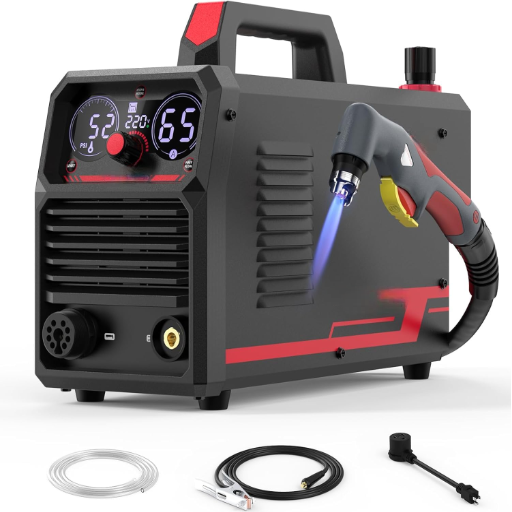
透過高溫電離氣體,等離子體可以切割導電材料,例如鋼、不銹鋼、鋁和銅。等離子切割機透過氣體賦予介質產生電弧,當壓縮時,透過加熱變成等離子。然後,等離子體熔化材料,材料被與熔融金屬一起吹出的氣流迅速吹走;因此,切割是乾淨的。由於等離子切割機快速、精確且易於設置,因此根據要切割的材料厚度,等離子切割機享有不同的用戶群。.
什麼是等離子切割?
等離子切割是一種熱切割工藝,利用高溫下的濃縮等離子體射流來切片能夠導電的材料,例如鋼、不銹鋼、鋁和銅。從技術角度來看,該過程涉及產生電弧,其路徑上有壓縮氣體,通常是空氣、氮氣或氧氣。等離子體非常熱,可以加熱材料,並且可以達到高達約 40,000 °F (22,000 °C) 的溫度。同時,高速氣流同時吹走熔融金屬,形成平滑、精確的最終切割。由於其速度和多功能性,該製程廣泛應用於製造、製造、汽車維修和施工等領域以最少的準備切割各種厚度。最近,等離子切割系統技術的進步使這些系統成為最準確、最節能的系統,從而成為所有商人和愛好者的選擇,從而贏得了全世界的聲譽。.
等離子切割機在金屬製造中的作用
事實上,等離子切割機一直是金屬製造中的一個重大障礙,它提供了前所未有的精度、更高的速度以及在各種材料上工作的能力。根據最近的研究,現代等離子切割系統能夠切片厚度可達 2 英吋的鋼、鋁或其他導電金屬,並且精度最高。對於較薄的金屬,這些可以輕鬆地每分鐘增加 20 英寸以上,從而為製造單位在提高生產力方面提供顯著優勢。.
CNC 等離子切割的出現導致了透過等離子切割實現金屬製造的進一步進步。這使得複雜的設計和複雜的切割可以在很少的人為幹擾下完成。根據業界人士起草的一項重要交鑰匙統計數據,CNC 等離子切割裝置可在 20% 之前減少材料浪費,從而節省成本並提高環保意識。.
此外,隨著高清等離子系統的引入,等離子切割技術變得更加節能,能夠實現更好的切割、更準確的結果、更乾淨的邊緣和更少的受熱區域,能耗比舊系統低30%。系統。透過此類升級,這些等離子切割機成為從航空航天工程到建築設計等需要要求高且精確的金屬加工形式的行業的寶貴資產。.
隨著創新的發展,等離子切割技術仍然處於領先地位,使製造商能夠滿足當今對效率和品質日益苛刻的要求,同時也考慮永續性。.
使用等離子切割機的優點
- 精度和準確性
等離子切割機在切割操作中具有高精度。它們可以輕鬆處理複雜的設計,邊緣乾淨光滑。這種精度可以減少材料浪費並更好地適應組裝過程。.
- 速度和效率
考慮到傳統方法,等離子切割機切割速度始終很快。在更短的時間內,它們可以切割更厚的金屬,從而提高生產率和專案時間。.
- 多功能性
等離子切割機可以加工任何導電材料,包括鋼、不銹鋼、鋁、黃銅和銅。這使得其在汽車、建築和製造等行業中得到廣泛的應用。.
- 具有成本效益
等離子切割機可以節省材料成本和營運費用,因為它們可以減少材料浪費、工作速度更快、需要更少的能源。從預算角度來看,它們非常適合長期解決方案。.
- 便攜性和易用性
作為當今最重要的等離子切割機類型之一,它們緊湊且輕巧,易於運輸。簡單、直覺的使用者介面脫穎而出,使這些等離子切割機易於使用,從而增強其可訪問性和便利性。.
等離子切割機的類型
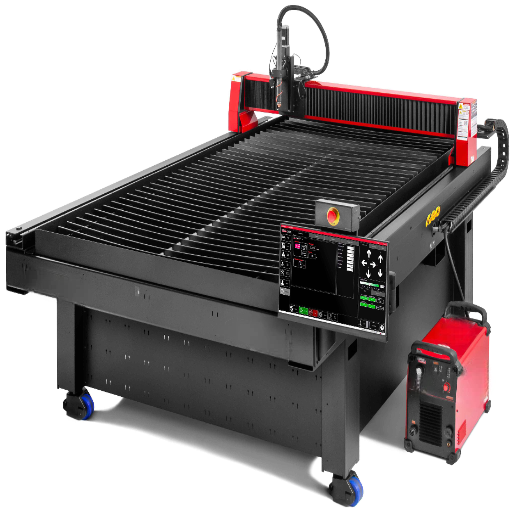
- 手持式等離子切割機
這些刀具專為手動操作而設計,非常適合小型專案和複雜的任務。相反,它們用於車間環境、建築工程和維修。.
- 數控等離子切割機
這些高度詳細且自動化的 CNC 等離子切割機 非常適合需要精度和可重複性的工業級工作。.
- 高清等離子切割機
這些機器具有高切割質量,採用先進技術,實現稍微更乾淨的切割,邊緣略有變形。因此,當需要高精度時,工業界會使用高清等離子機器。.
- 雙用途等離子切割機
這些多用途機器將等離子切割等製程與焊接等其他製程結合,以實現高效的多製程功能。.
每個 類型滿足特定需求, ,確保有適合不同應用和行業的機器。.
不同類型的等離子切割機
等離子切割機的類型有:傳統、高清、注水、水下、精密空氣等離子、機械化、雙氣、先導弧和非先導弧。.
| 類型 | 主要特點 | 用法 |
|---|---|---|
| 常規的 | 鹼性等離子弧 | 一般切割 |
| 高清晰度 | 精準、乾淨的切割 | 工業任務 |
| 注水 | 冷弧形、窄切口 | 減少失真 |
| 水下 | 充滿水的房間 | 降噪 |
| 精密 | 高精度 | 複雜的設計 |
| 空氣等離子體 | 使用壓縮空氣 | 具有成本效益 |
| 機械化 | CNC控制 | 自動切割 |
| 雙氣 | 兩種氣體作為能量 | 多功能切割 |
| 飛行員弧 | 沒有直接聯繫 | 生鏽的表面 |
| 非飛行員弧 | 需要直接聯繫 | 具有成本效益 |
數控等離子切割機
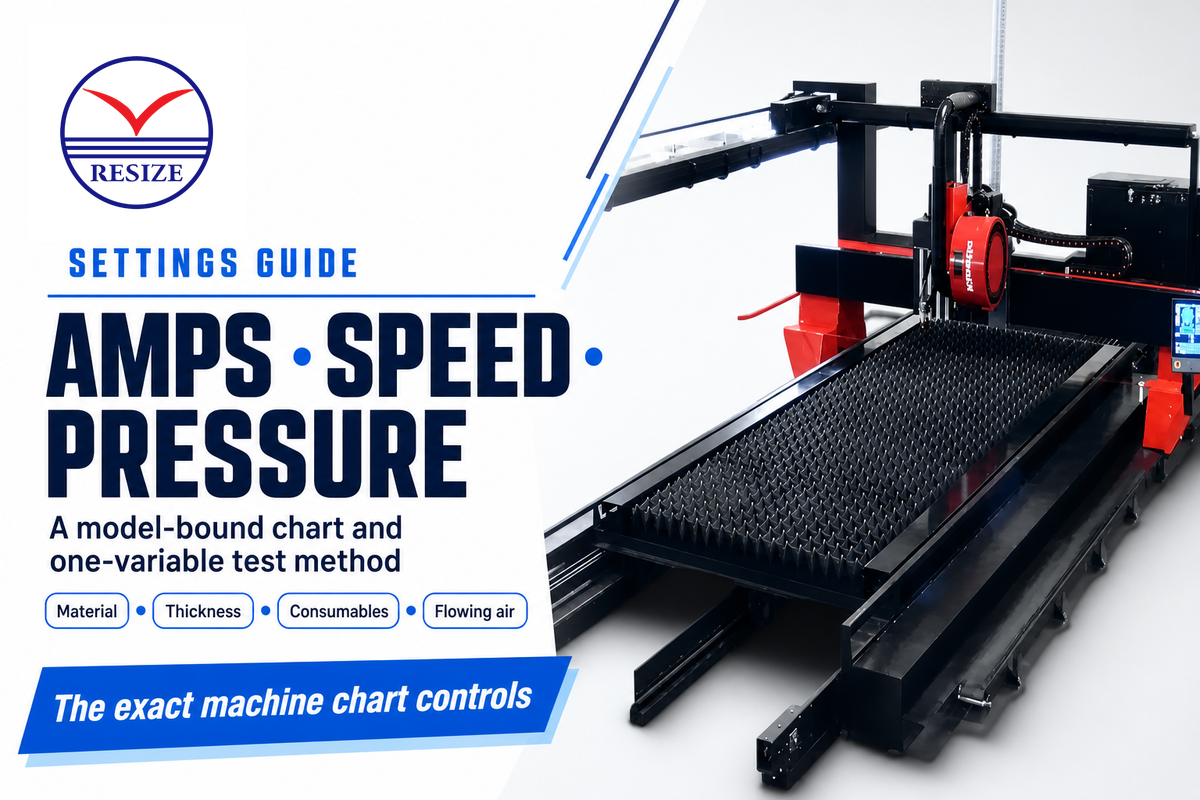
CNC 等離子切割機是對 CNC 機器與先進等離子切割演算法相結合的更強大的描述。這些機器旨在以最高的準確性和效率切割極其複雜的金屬形狀和圖案。根據Google搜尋引擎的最新數據,CNC 等離子切割機被汽車、航空航太和製造等各個行業的企業所使用,因為它們可以實現自動化流程,同時減少浪費並確保結果一致。此外,由於 CNC 是可編程的,操作員可以創建各種複雜的設計,這不可避免地會增加產量並確保準確性。因此,這使得 CNC 等離子切割機對於想要擴大規模同時保持高品質標準的組織來說是一個優勢。.
與雷射切割機的比較
等離子切割和雷射切割之間的比較:通常,對於厚導電金屬來說,等離子切割更快、更便宜,而雷射在處理薄材料和非金屬時提供更高的精度和靈活性。.
| 參數 | 等離子切割 | 雷射切割 |
|---|---|---|
| 精密 | 中等(±0.5°C) | 高(±0.01mm) |
| 速度 | 對於厚金屬來說更快 | 對於薄金屬來說更快 |
| 材料 | 僅導電金屬 | 金屬和非金屬 |
| 厚度 | 高達38毫米 | 最多 25 毫米 |
| 成本 | 降低前期和運行 | 更高的前期和運行 |
| 維護 | 頻率較低 | 更頻繁 |
| 切口尺寸 | 更大 | 較小的 |
| 輻射 | 產生輻射 | 最小的輻射 |
| 雕刻 | 不可能 | 可能的 |
| 反思性的 | 更適合反光 | 與反思作鬥爭 |
影響切割品質和速度的因素
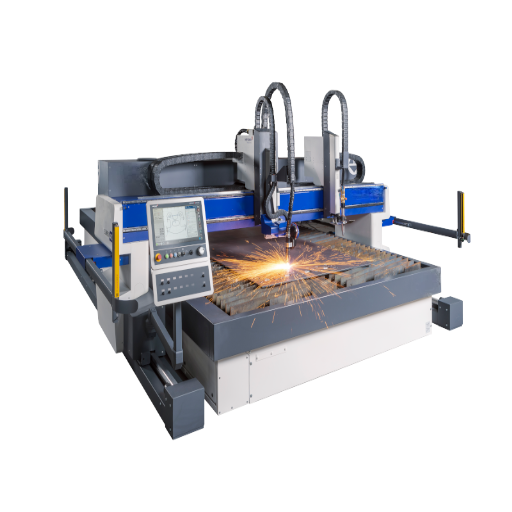
儘管許多變數會影響 CNC 等離子切割機的切割品質和速度:
- 材料類型和厚度 不同材料和厚度顯著影響正確切割所需的時間。較薄的工件可以實現更快的切割,而較重的材料則需要較慢的切割速度才能獲得精確度。.
- 等離子炬設定 1 必須仔細設定安培數、電壓和氣壓。如果參數設定不正確,切割的邊緣和品質就會很差,操作可能會減慢。.
- 切割速度 BA 如果遵守材料的建議速度,則切割將適當進行。速度太快可能會導致還原不完全,而速度太慢會產生熱量和粗糙的邊緣。.
- 消耗品品質-電極、噴嘴等消耗品的狀況直接影響切割品質和效率。磨損或損壞的消耗品必須立即更換;否則,它們會降低性能。.
- 機器維護 定期維護,例如清潔和校準,有助於確保切割品質保持一致,並且不會出現操作問題。.
Focusing on these factors enables operators to achieve the best possible performance, balancing quality and speed across various cutting methods.
Influence of Plasma Gas on Cutting Performance
The selection of plasma gas determines the cut quality, cutting speed, and efficiency. Numerous gases are used, including air, oxygen, nitrogen, and argon-hydrogen mixtures, among others, each of which is particularly suited to specific situations and objectives.
- Air Plasma – Compressed air serves as the primary source of plasma-gas generation due to its widespread availability and low cost. It cuts mild steel very well, but it produces oxidized-edged finishes that, in some applications requiring high finishes, must be cleaned secondarily.
- Oxygen Plasma – Oxygen works best on carbon steel, minimizing and sometimes eliminating the need for finishing after cutting due to superior edge quality and low dross formation. Others have suggested that oxygen plasma can increase cutting speed by about 25% compared to air plasma.
- Nitrogen Plasma – Nitrogen is a versatile option ideal for cutting non-ferrous metals such as stainless steel and aluminum with excellent edge quality and consistency. It is often used when precision is required in various industries.
- Argon-Hydrogen Mixtures – The mixture is best for thick stainless steel and aluminum. Hydrogen enhances energy transfer, yielding smooth and dross-free cuts. However, according to recent data, this mixture produces the best results for materials thicker than 1 inch, although it is usually more expensive than other gases.
- Plasma gas technology has undergone various advancements, enabling the optimization of cutting efficiency through alterations in gas pressure and flow. Present studies emphasize that selecting an appropriate gas flow rate can reduce bevel angles by around 20% and improve the smoothness of cut surfaces by almost 15%.
Choosing the plasma gas, along with the appropriate settings, is the first step in optimizing the process for a specific application, allowing for increased productivity, reduced costs, and improved quality outputs.
Adjusting Cutting Speed for Different Metals
Cutting speed governs the production of precise and clean cuts in various metals, as each material responds differently to the plasma-cutting process. Generally, for softer metals and materials, such as aluminum, higher cutting speeds are preferred to prevent the heat condition from adversely affecting the workpiece. The metal’s low melting point may be exploited to produce a nice finish. Conversely, with harder metals such as stainless steel, the plasma-cutting competencies should be maintained at a slower speed to control warping and ensure consistent cuts.
Recent research from Google states that analysts recommend cutting 304 stainless steel (1/4″ thickness) within a speed window of 60–80 inches per minute, while aluminum of the same thickness can be effectively cut at a speed of 120–140 inches per minute. Applying exact optimization in speed, combined with gas and amperage settings, helps operators achieve perfect results on specified metals, while being environmentally friendly by reducing waste, and concurrently enhancing operational efficiency. Therefore, a specific and customized approach toward working with various materials is critical in the field of plasma cutting.
Impact of Plasma Arc Size on Cutting Thickness
The diameter of the plasma arc is only directly proportional to the thickness of the material capable of being effectively cut. A very narrow plasma arc offers greater precision, making it suitable for cutting thin materials with intricate designs. A wider plasma arc imparts a higher energy density, allowing for faster cutting of thicker metals. As reported by recent industry data, we are aware to some extent that a high-definition plasma system, for instance, further improves arc control by utilizing application-oriented nozzles and employing refined gas flow to maintain the arc at a higher power level, enabling the cutting of thin or very thick materials with great accuracy. This just underscores the point that, depending on the width of the arc and material thickness, the actual cut quality should be considered to enhance productivity and consistency of results.
Applications of Plasma Cutters
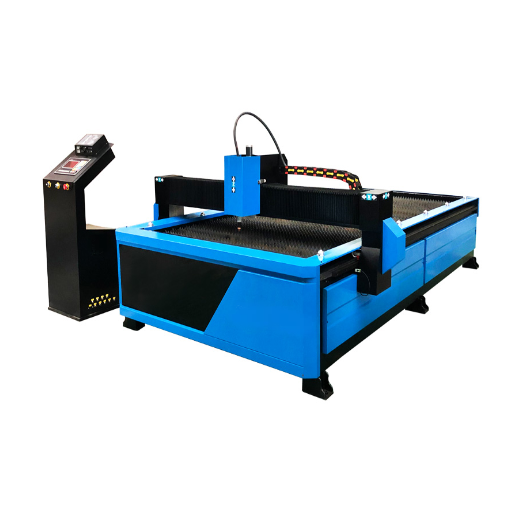
Plasma cutters enjoy wide popularity among various industries, thanks to the clean and well-finished cuts they can produce on conductive metals. Applications include:
- Metal Fabrication: Perfect for cutting steel, aluminum, and other metals used in manufacturing structures, components, and machinery.
- Automobile Industry: Used in repairing or customizing vehicles, mainly cutting metal parts and shaping them.
- Construction: Mainly to cut beams, sheets, and pipes during construction.
- Art and Design: Metal artists use them to form intricate designs and sculptures with absolute precision.
- Maintenance and Repairs: Good for industrial applications such as cutting damaged parts or dismantling heavy equipment.
It is their varied functions and efficiency that make plasma cutters essential in both industrial and artistic applications.
Industries Utilizing Plasma Cutting Machines
Unparalleled precision, speed, and efficiency have made plasma cutting machines a necessity in numerous industries. The industries making the best use of these machines, per the information available now, under:
- Automotive Manufacturing: Plasma cutters play a crucial role in manufacturing and repairing automotive parts, including frames, panels, and exhaust systems, to ensure faster production and higher-quality results.
- Construction and Infrastructure: Steel beams cutting for skyscrapers and steel sheet preparation for bridges; on the contrary, plasma cutters become necessary in the shaping of modern-day infrastructure.
- Shipbuilding and Marine: Able to go through thick metals fast and reliably, plasma cutters find application in the building and maintenance of ships and marine equipment.
- Aerospace: Plasma cutting machines are essential in aerospace manufacturing processes for creating intricate components where precision is critical and there is minimal tolerance for error.
- Custom Fabrication and Artisanship: Craftsmen and metalworkers utilize plasma cutters to create intricate custom designs for decorative art, furniture, and signage.
- Due to their extensive applications, plasma cutting machines continue to innovate and shape industries according to the demands of evolving technologies and global markets.
Using Plasma for Cutting Thick Metals
Plasma cutting is one of the most superior and efficient modes of cutting thick metals. This process utilizes ionized gas, heated to an extremely high temperature, and channelized as plasma, which can melt metals and cut them with precision and speed in a matter of seconds. A brief search across the internet would yield terms related to the maximum thickness that can be cut using plasma cutting. Generally, a plasma cutter is employed to cut materials of 1-2 inches in thickness; however, industrial-grade plasma cutters can cut metals thicker than 3 inches based on the electron power of the cutter and the type of metal being considered. With CNC-controlled plasma systems combined in tandem, operators work with thicker materials to achieve consistent and precise cuts: a boon to manufacturing, construction, and fabrication industries.
Innovations in Plasma Cutting Technology
With recent developments in plasma cutting technology, significant advancements have been made in the industry, leading to improvements in precision, efficiency, and versatility. One such development is the introduction of HD plasma systems. These systems offer improved arc stability, resulting in cleaner, more precise cuts that are less prone to edge beveling, particularly with thicker materials. According to data from some of the most reliable sources, an HD plasma system (in ideal circumstances) can achieve cutting tolerances as tight as ±0.008 inches, which is comparable to the precision of laser cutting at a fraction of the cost.
Another notable advancement is the adoption of automation, such as CNC plasma cutting. A combination of sophisticated software algorithms and modern hardware enables this system to reduce human error and improve productivity. According to reports, CNC plasma cutters can increase cutting speeds by almost 70%, thereby significantly enhancing production throughput.
Another trend is the development of mixed-gas technology to improve material compatibility and edge quality. A gas mixture containing argon, nitrogen, and hydrogen provides a smoother cut of stainless steel and aluminum, while minimizing dross. Studies showed that the use of these dual-gas schemes can reduce secondary processing time by 30%.
Portable plasma-cutting machines are becoming increasingly prevalent these days, offering high power in a compact design and ensuring lightweight performance for on-site operations. Inverter-based plasma cutters represent one of the recent developments, wherein energy savings of nearly 50% were realized compared to older transformer-based counterparts, thereby benefiting both the operator and the environment. In a nutshell, these technological advancements serve as a testament to the ever-evolving nature of plasma cutting technology, offering increasing speed, precision, and flexibility to diverse industries.
參考來源
- “Experimental analysis of the effect of gas flow rate and nature on plasma arc cutting of hardox-400”
- 作者: D. Naik, K. Maity
- 已發表: December 14, 2019
- 主要發現: This study investigates the impact of various gas flow rates and types on the quality of cuts made in Hardox-400 steel using plasma arc cutting. The results indicate that the choice of gas and its flow rate have a significant impact on the kerf width, surface roughness, and heat-affected zone (HAZ) of the cut.
- 方法論: The authors conducted experiments using a CNC plasma cutting machine, varying parameters such as gas pressure, cutting speed, and arc gap. The quality of the cuts was assessed through measurements of kerf width and surface roughness.
- “Analysis of Process Parameters of Plasma Arc Cutting Using Design of Experiment”
- 作者: Surya Vatsal Kaushik
- 已發表: March 10, 2022
- 主要發現: This paper focuses on optimizing the process parameters for plasma arc cutting to achieve better surface quality and efficiency. The study emphasizes the importance of selecting suitable parameters to minimize defects and enhance overall cutting performance.
- 方法論: The author employed the Taguchi method for experimental design, analyzing the effects of various parameters such as gas pressure, current flow rate, and cutting speed on the quality of the cuts.
- “Investigation and Optimization of Plasma Arc Cutting Process”
- 作者: D. Naik
- 已發表: 2019
- 主要發現: This study offers insights into optimizing plasma arc cutting processes, with a focus on the relationship between cutting parameters and the quality of the cut. The findings highlight the importance of selecting parameters carefully to optimize cutting efficiency and quality.
- 方法論: The research involved experimental trials to evaluate the effect of various cutting parameters on the performance of the plasma cutting process.
常見問題(常見問題)
What is a plasma cutting machine, and how does it work?
A plasma cutting machine is a device that utilizes the plasma cutting process to cut through electrically conductive materials. It works by creating a plasma jet, which is a fourth state of matter, formed when an electric arc passes through ionized gas. This process produces a high-temperature cutting arc that can melt and blow away material, resulting in accurate cuts on the workpiece.
What types of plasma cutting methods are available?
There are several types of plasma cutting methods, including CNC plasma cutting, which uses computer numerical control for precise cuts, and hand-held plasma cutting, which allows for manual operation. Each method varies in cutting capability and speed, with CNC plasma cutters typically offering faster cutting speeds and enhanced precision.
等離子切割製程與其他切割方法有何不同?
等離子切割過程與其他切割方法(例如氧燃料切割和機械切割)的不同之處在於,它使用等離子弧而不是火焰或刀片。這樣可以實現更快的切割速度並能夠更有效地切割較厚的金屬。此外,等離子切割對多種材料都有效,包括鋼、鋁和不銹鋼。.
空氣作為等離子氣體在切割過程中的作用是什麼?
由於其可用性和成本效益,空氣在切割過程中經常被用作等離子氣體。當使用壓縮空氣時,它會產生可以達到令人難以置信的高溫的等離子流。這使得等離子切割機能夠以最少的爐渣和切割部件上的乾淨邊緣產生有效的切割。.
等離子切割機可以用來切割厚金屬嗎?
是的,等離子切割可用於切割厚金屬,有些機器能夠切割幾英寸厚的材料。等離子體的尺寸和切割弧的強度對於確定等離子切割機的切割厚度能力起著至關重要的作用。.
使用等離子切割機時應採取哪些安全措施?
使用等離子切割機時,必須採取安全措施,例如穿著適當的防護裝備,包括手套、護目鏡和阻燃服裝。此外,確保工作空間適當通風,以避免吸入有害煙霧,並與切割弧保持安全距離,因為它可能導致燒傷和火災。.
使用等離子切割機可以切割哪些材料?
等離子切割機主要用於切割導電材料,包括鋼、鋁、黃銅和銅等各種金屬。等離子切割的多功能性使其成為各種行業廣泛應用的寶貴工具,包括製造、汽車和建築。.
等離子切割的切割品質與雷射切割相比如何?
The cut quality of plasma cutting can be comparable to that of laser cutting, but it often depends on the material’s thickness and type. Plasma cutting generally produces a wider kerf and may result in more slag, while laser cutting offers smoother edges and finer details. However, plasma cutting is typically faster and more cost-effective for thicker materials.