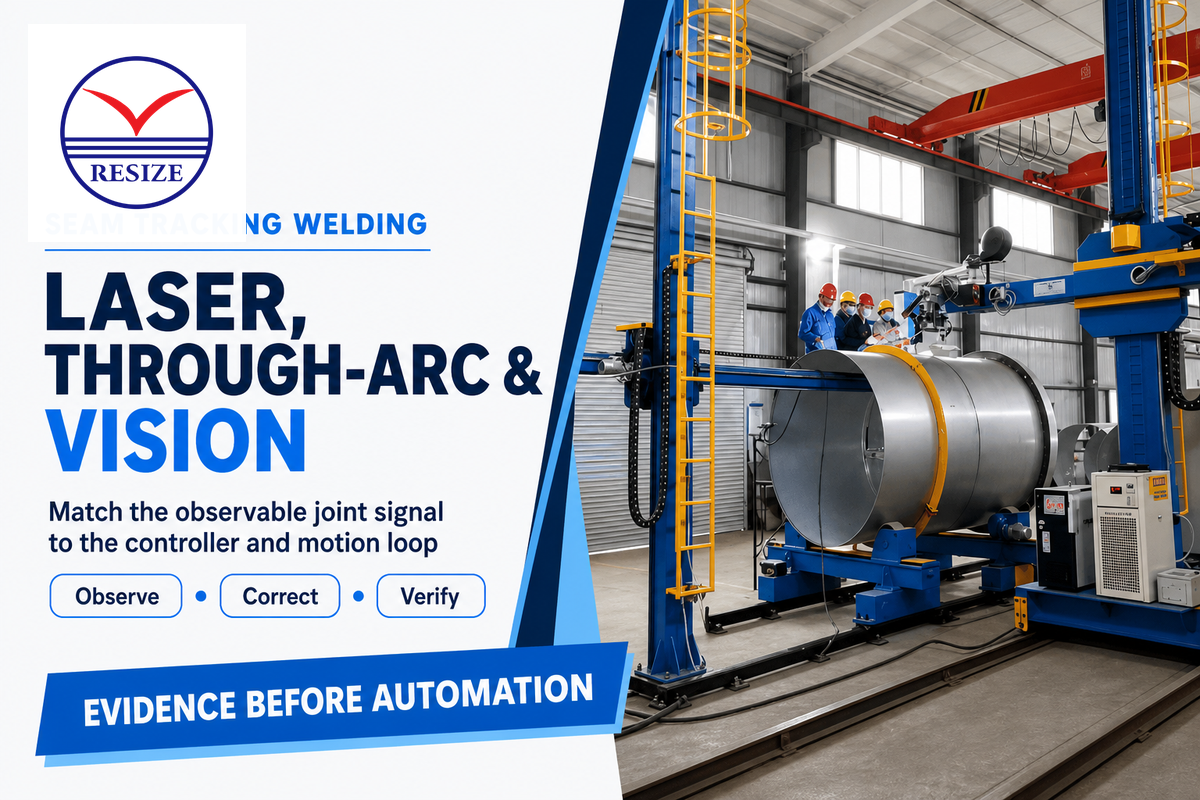
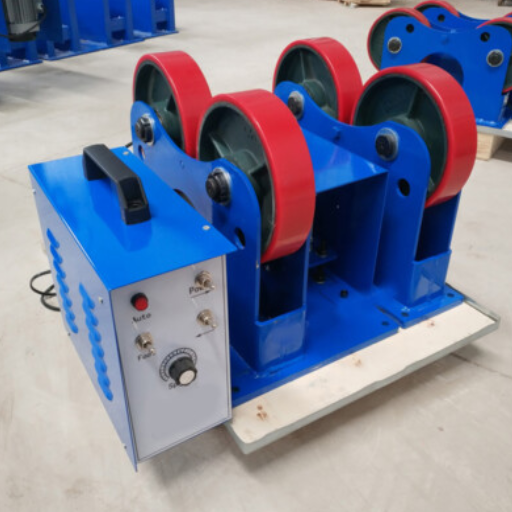
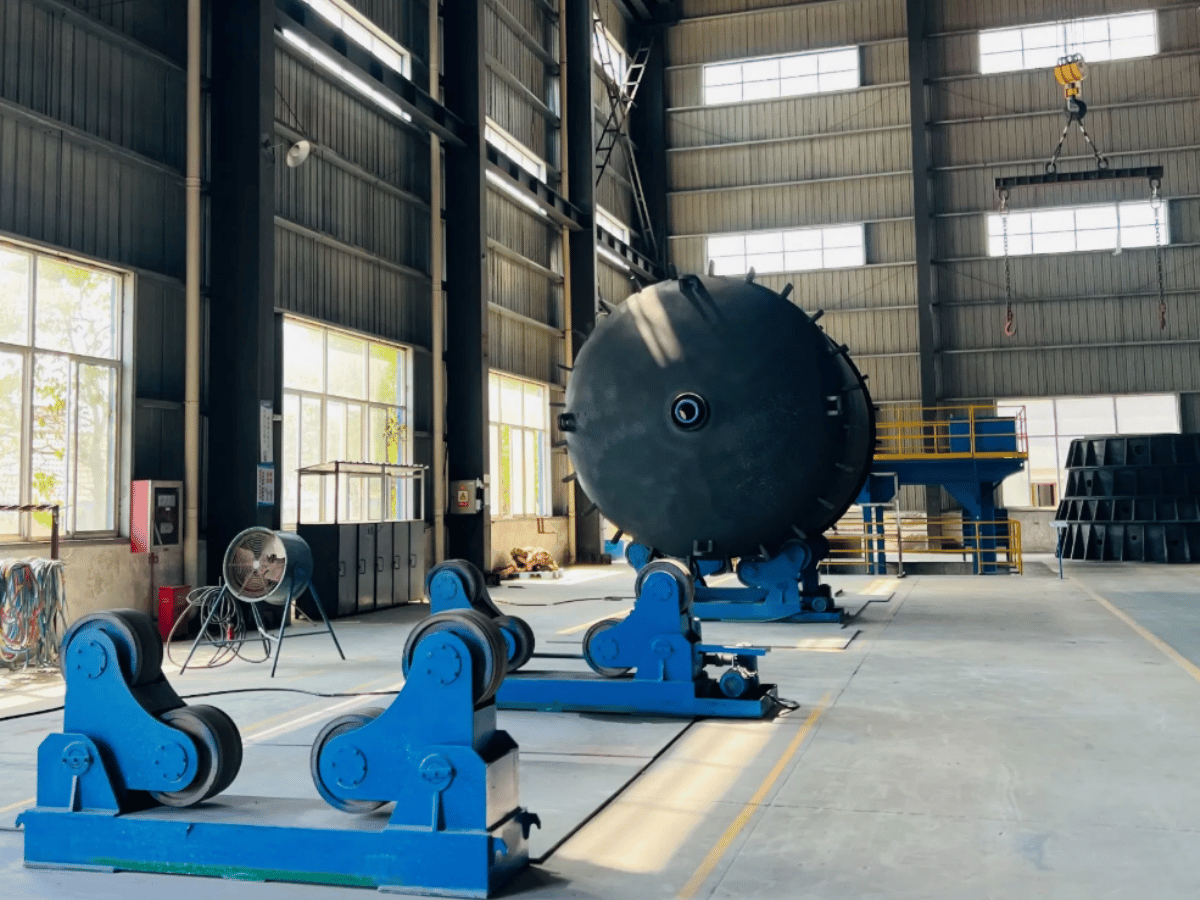
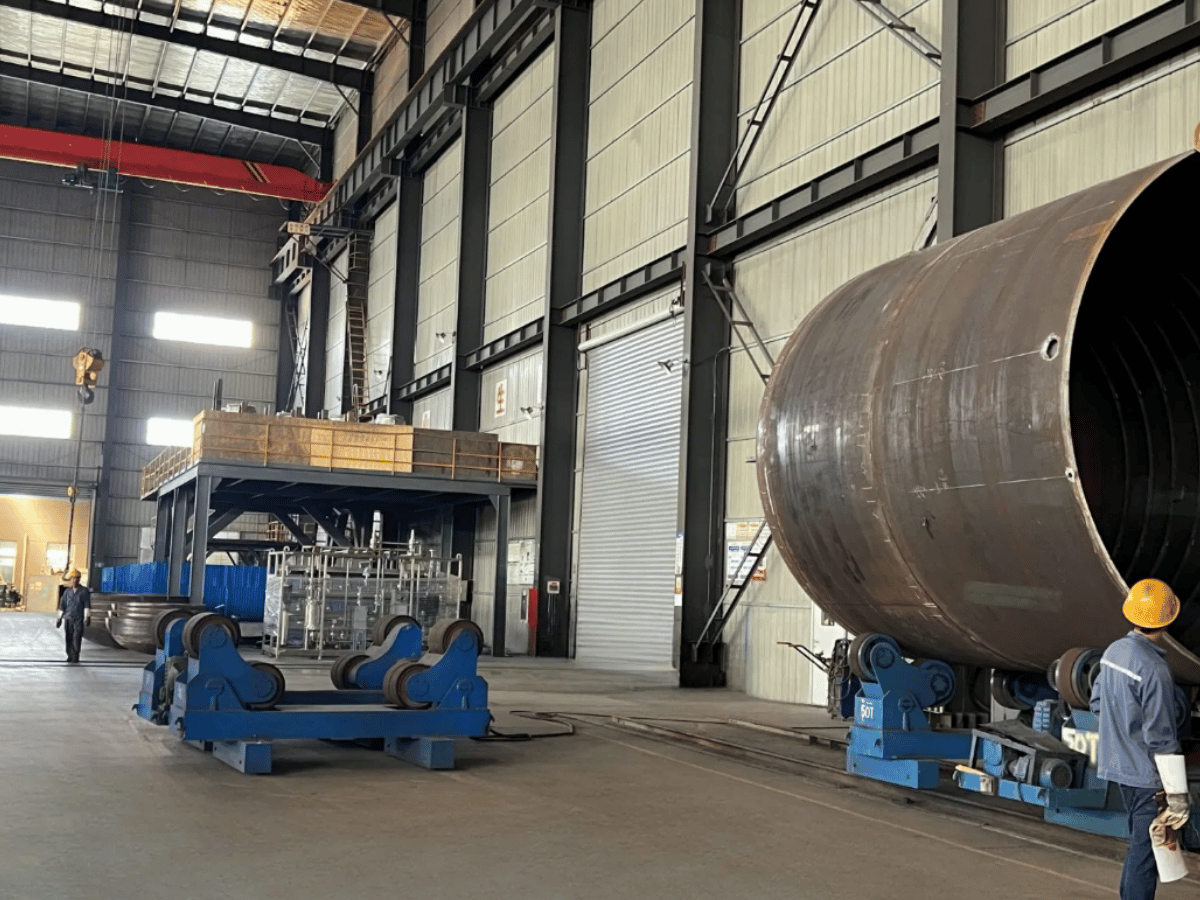
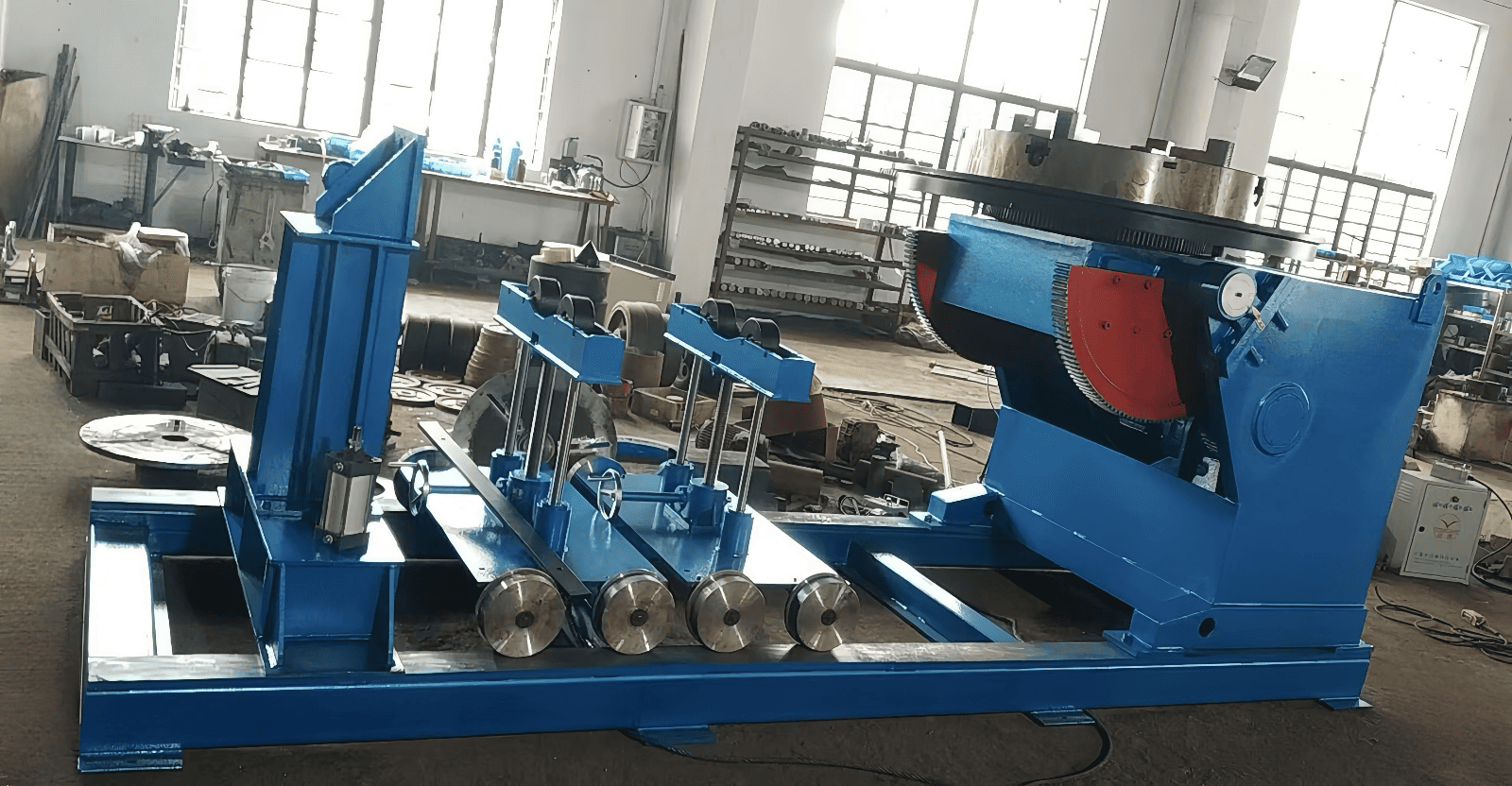
Welding is a precise trade that demands accuracy, speed, and safety to produce quality outcomes. One welding machine positioner became a critical tool that has revolutionized the welding method. But what are weld positioners, and how does one use them? This guide will take you through everything you need to know about these invaluable tools and how they truly save workflow, improve precision, and make welding a far safer endeavor. Whether a beginner in welding or a college-level professional, this article gives you insight into the working and benefits of weld positioners for making your craft more efficient and getting better results. Stay tuned as we explore what makes and connects these tools.
焊接定位器簡介
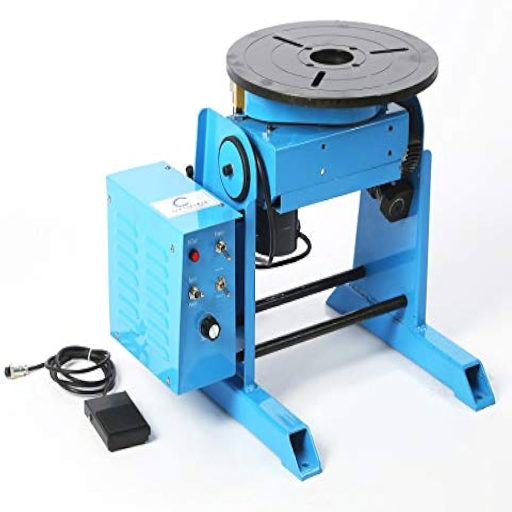
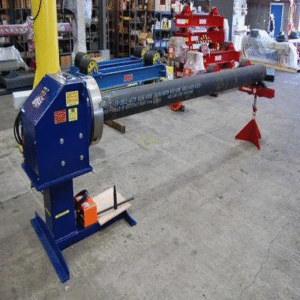
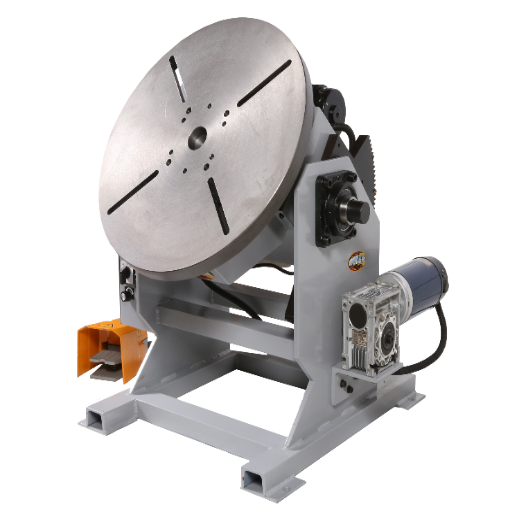
Welding positioners are mechanical devices used to hold and move a workpiece during welding operations. They enable a welder to position the materials at the most convenient angle or height for accessibility, precision, and efficiency. Welding positioners provide stability and reduce the twisting and turning required for manual operation, thereby improving weld quality, reducing welders’ fatigue, and enhancing their safety. These tools are highly versatile and can be adapted to various welding tasks and projects, making them of great value in both small- and large-scale developments.
What Are Welding Positioners?
Welding positioners are mechanical devices designed to hold and rotate workpieces, allowing welders to perform accurate and uniform welds with minimal effort. These are highly imperative welding tools that are usually required in work involving large and complex materials that are difficult to maneuver by hand. By allowing features such as multi-axis rotation, adjustable speed controls, and precise positioning maintenance, modern welding positioners have significantly reduced the need for repositioning workpieces during welding operations, saving considerable time. They have also helped promote safety by reducing the physical effort required of welders. Presently, welding positioners are becoming increasingly automated and computer-controlled, allowing for the integration of robotic systems and sensors to enhance productivity, quality control, and scalability in fields such as aerospace, construction, and manufacturing.
Why Welding Positioners Are Essential
Welding positioners are a crucial modern fabrication method as they speed up the workflow and increase precision. According to Google’s recent data trends, there is a growing demand for automated welding solutions, driven by labor shortages and high production demands. Welding positioners, combined with robotics and sensor technology, enable manufacturers to produce consistent weld quality by accurately holding and manipulating components. The automotive and aerospace industries further value positioners for their ability to handle complex geometries, thereby ensuring the safety of workers from unnecessary manual intervention. From Efficiency, scalability, and safety, welding positioners are the need of the hour in staying one step ahead.
The Modern Welding Landscape
With the advent of continuous evolution in conjunction with technological advances and changing industrial requirements, welding has emerged as a key technology in the modern era. Welding topics, as evidenced by the latest Google search trends, sustain focus on automation, green-world practices, and novel welding techniques for new materials. Welding automation processes are transforming, with robotic welding combined with AI-based techniques, enhancing operational precision and reducing operational costs. At the same time, interest is also growing in greener welding methods, including welding with emission-reducing equipment and using sustainable materials, as industries adopt green alternatives for manufacturing solutions. The newer generation materials, such as composites and high-strength alloys, too, demand new welding technology to cater to the state-of-the-art welding applications in the domains of aerospace, healthcare, and renewable energy. These trends emphasize that staying abreast and adapting to change is very crucial in the ever-dynamic field of welding.
Basic Buying Guide
Essential elements when choosing a welding machine are:
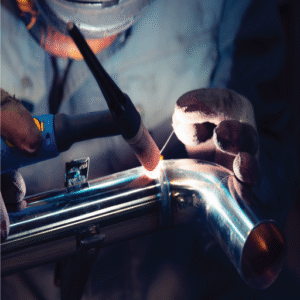
Type of Welding Process: Depending on the materials and types of projects one intends to work on, select a MIG, TIG, Stick, or multi-process welding method. MIG welders are flexible and easy to use for repairs, while TIG welding is considered a more advanced welding method.
- Material Thickness: Ensure that the machine you choose can weld materials with the desired thickness. Check the amperage range of your machine to ensure it matches your needs.
- Power: For light work, a 110V machine is used, whereas for really heavy-duty work, a 220V machine is recommended. A dual-voltage machine might be preferred for versatility.
Portability: If you plan to move your machine frequently, weight and portability become essential considerations. Compact and lightweight ones are best for on-site work. - Budget: Establish a budget that keeps costs and features in sync with performance-based needs. Entry-level welders are ideal for hobbyists, whereas professional users may look for more advanced features.
By keeping these points in consideration, one can select a welding machine that is suitable for their work and with which they can provide adequate and proper service.
Needs Assessment
Machine selection is primarily dependent on the welding process, materials, and other factors. For instance, MIG welding is suitable for mild steels and is quite user-friendly, whereas TIG welding is often used for more precise work in aluminum or stainless steel. Remember to balance power output relative to the thickness of the materials; the welding machine should offer a maximum amperage suitable for your work. Google’s search trends indicate considerable interest in portable welding machines, marking a growing trend for compact yet versatile tools that cater to both industrial and DIY functions. Striking a balance between your requirements and the latest sales of welding technology will provide you with the best alternative.
Budget Considerations
While analyzing the budget of a welding machine, consideration should be given to various dilemmas regarding cost versus usefulness. According to recent trends from the Google search engine, there is a growing interest in portable and versatile welding machines, indicating a strong market demand for comparatively affordable yet high-quality options. If you’re a DIYer or a small business owner, keep an eye out for machines that offer a lot of features at a reasonable price. It would be wise in the long run to consider energy-efficient machines that incorporate various welding processes, even though their initial purchase price may be higher, to acquire reliable and versatile machines that can meet your needs now and in the future.
New vs. Used Equipment
You can expect equipment with a new status to offer advanced features and warranty coverage. Used equipment, however, sells at a lower price and requires careful inspection for reliability.
| 關鍵點 | 新的 | Used |
|---|---|---|
| 成本 | 高 | 低 |
| 特點 | 高級的 | 有限公司 |
| 保固 | 包括 | 罕見的 |
| 檢查 | 最小 | Essential |
| Risk | 低 | 高 |
| 可用性 | Immediate | 變數 |
焊接定位器的類型

Welding positioners serve as tools that hold and rotate workpieces to enhance the efficiency and precision with which welders work. The main types are:
- 固定焊接定位器
These units remain in one position while clamping the workpiece securely, making them an ideal option for repeated welding tasks.
- 旋轉焊接定位器
The presence of a rotating table allows the workpiece to spin as welding takes place so that welds can be consistently and uniformly laid.
- Tilting Welding Positioners
These models provide an inclination for the workpiece to be accessed at hazardous angles that demand hard snagging, thus ensuring stability.
- Headstock and Tailstock Positioners
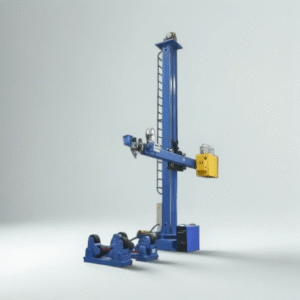
Used with longer lengths or heavier workpieces, these systems feature a headstock to drive rotation and a tailstock to support and balance the load.
- 手動定位器
Being manual, these provide a cheaper alternative for the smaller and somewhat easier welding works.
Each type is suited for a particular welding operation, with the choice largely depending on the size, shape, and weight of the workpiece and the specific welding task.
Manual Welding Positioners
Manual welding positioners are essential tools in the welding industry, designed for smaller projects and simpler applications, where they can enhance the velocity of work and accuracy. By adjusting the position of the workpiece manually, these positioners enable welders to maintain weld angles and stability, ultimately leading to better welds. They are typically used in applications that require high levels of control, offering a less unexpected option for businesses or workshops. Recent search data indicate that searches for “manual welding positioners” are dominated by small-scale fabricators and DIY welders. Due to their ease of operation and affordable price, manual welding positioners remain a valuable aid in optimizing ergonomics and delivering consistent results for various welding projects.
Specialized Positioner Types
When considering specialized types of positioners, two types top the list: rotary welding positioners and tilting positioners. Google search trends show an increased interest in “rotary welding positioners” used by manufacturers of cylindrical or rounded workpieces. These systems rotate the part with precision to weld the seam evenly to the surface.
On the other hand, tilting positioners create more options by tilting to a slight angle. Google Trends even shows a huge interest in “tilting welding positioners for complex joints,” especially among industries like aerospace and automotive, which often require angled welds. The combined motions of the positioners —rotating and tilting —enable them to tackle more complex projects, thereby offering welders better accuracy and efficiency.
Advanced Automated Systems
Here we are with cutting-edge automation systems merging with the freshest data from Google search, revealing industrial equipment requirements for precision and adaptability. For instance, the search popularity for the keyword “robotic welding systems for high-volume production” was unusually rare. Yet, it showed a high volume of interest, thereby underscoring industries’ quest for scalable, efficient systems. These systems combine advanced robotics with programmable controls, enabling manufacturers to automate processes while maintaining quality control. From a data perspective, sectors such as automotive and electronics appear to be reaping significant benefits from these technologies, which drastically reduce production times, minimize errors, and enhance cost-effectiveness. Therefore, the demand continues to push industries to seek new ways to combine flexibility with automation, thereby sustaining growth and maintaining a competitive edge.
焊接定位器的工作原理

Positioners operate by holding and rotating workpieces to enable welders or robotic systems to achieve the optimal welding angles. A system of clamping and rotating mechanisms stabilizes the workpiece and offers precise movement for welding. This also ensures that weld quality remains consistent without stressing manual repositioning; thus, efforts are concentrated on welding speed and efficiency. Positioners can accommodate a range of workpiece sizes and shapes and therefore remain an indispensable aid in industries with demands for precision and productivity.
Core Components and Mechanisms
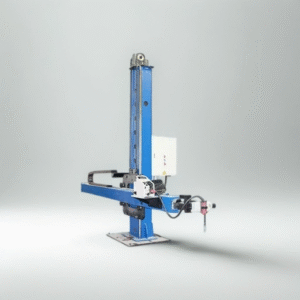
Variants of welding positioners consist of various parts that cooperate to achieve performance. Among the vital parts are robust bases for stability, a rotating table or chuck to hold and move the workpieces, and controls used for adjusting the speed and torque. Advanced positioners feature tilt capabilities, enabling greater flexibility in achieving precise welding angles. Nowadays, many systems incorporate some degree of automated controls or a programmable interface to enhance the exactness and repeatability of this function. The emergence of these technologies, driven by technological development and industrial demand, has led to them becoming indispensable tools for various industry sectors, including aerospace, construction, and manufacturing, among others. As a result, welding positions have taken a significant step forward in achieving quality and productivity.
Control Systems and Programming
Modern welding positioners incorporate advanced control systems and programmable interfaces that significantly enhance the conduct of welding tasks. They are CNC or PLC-facilitated systems, allowing the operator to set the rotation parameters, for example, tilt and speed. In contrast to manual settings, welding on automated control systems can improve welding accuracy by 25% and reduce operational errors by almost 30%, according to recent industry data.
Today, many positioners support multi-axis control, enabling the performance of complex welding operations where precision is of the utmost importance, such as in aerospace and automotive manufacturing. Specific advanced models are IoT-connected, meaning that real-time monitoring and remote diagnostics become possible, which translates into increased production efficiency and reduced downtime. For instance, MarketsandMarkets report suggests the IoT-enabled welding equipment is expected to grow at a CAGR of 12% between 2023 and 2028, implying that digitally oriented processes are thought to be the trend of the near future.
Such programmable systems are typically designed with user-friendly interfaces, featuring touchscreen displays that integrate software to customize welding sequences easily. Innovations that help streamline workflows and reduce operator training significantly make welding positioners indispensable to modern fabrication processes, enabling consistency and scalability.
Workpiece Attachment Methods
It is utterly essential to have a reliable method of holding workpieces in a welding position to achieve high precision and stability during operations. Several alternative attachment methods exist, which are often employed depending on the shape, weight, or material of the workpiece.
- Chuck Systems
Chucks are arguably the most universal workholding arrangements, with applications in welding and other industries. Three-jaw or four-jaw chucks provide a very tight grip upon round or cylindrical workpieces. State-of-the-art self-centering chucks reduce setup time, thus increasing productivity. Recent marketing research indicates that self-centering chucks have been gaining market share in the industrial sector, with growth attributed to their use in automated fabrication systems.
- Fixtures and Clamps
More popular are custom fixtures or clamps for workpieces with awkward shapes. These workholding means are very versatile, allowing a manufacturer to work with unique workpiece geometries without compromising alignment. It is reported that over 70% of fabrication shops acquire custom fixtures to accommodate their diverse production requirements. This uptake grew in tandem with the need for complex and non-standard fabrications.
- Magnetic Attachments
Magnetic systems are helpful for ferrous materials. These attachments could always be applied when components are heavy or have awkward shapes and would be difficult to clamp traditionally. Modern magnetic workholding can handle loads exceeding 2,000 lbs. More recent developments have ensured that these magnets are both safer and more powerful, thereby targeting a much wider range of application areas.
- Vacuum Systems
Vacuum attachment methods offer solutions for lighter workpieces made of nonmagnetic materials. Melding strong suction forces with precision alignment capabilities, vacuum systems are making their presence in the aerospace and automotive manufacturing sectors. Market analysts predict an 8% annual growth rate in the adoption of vacuum workholding systems, driven by demand for lightweight materials such as aluminum and composites.
- Bolted Attachments
For large, flat, and heavy workpieces, bolted attachments provide the necessary stability under these circumstances. This is much slower to implement than the others mentioned, but it is better built and far more rigid in meeting precision demands. Approximately 30% of the world’s heavy-duty welding jobs utilize bolted fixtures.
- If combined with a sophisticated we
Landing positioners enhance operational efficiency, maintaining high-quality standards even in demanding industrial environments.
參考來源
- 焊接機器人的逆運動控制演算法 定位系統可追蹤 3D 複雜曲線
- 作者: C。 我等人。.
- 出版日期: 2019 年 10 月 1 日
- 總結: This paper presents a new inverse kinematics solution designed to enhance the movement codes for a six-degree-of-freedom (DOF) welding robot integrated with a rotary positioner. The algorithm aims to improve the accuracy of the end-effector’s positioning and orientation while minimizing the teaching time required for the welding robot-positioner system. The study highlights the challenges of welding complex 3D seams and proposes a method for generating smooth weld paths.
- 方法論: 作者開發了一個運動學模型來最大限度地減少機器人運動中的誤差,並進行了模擬以驗證所提出的演算法在現實應用中的有效性(My et al, 2019, pp。 319 SOM323).
- 用於氣體金屬電弧焊接自適應製程控制的機器人焊接系統
- 作者: A。比伯等人。.
- 出版日期: 2024 年 3 月 27 日
- 總結: 本研究的重點是適應氣體保護金屬電弧焊接 (GMAW) 過程中不斷變化的製程條件的機器人焊接系統。該系統整合了六軸工業機器人、焊接電源和視覺攝影機來監控焊接池。研究結果表明,該系統能夠即時調整焊接參數,從而提高焊接過程的品質和效率。.
- 方法論: The authors developed a robotic system that captures images of the weld pool and processes this data to adjust welding parameters dynamically. Validation tests were conducted to assess the system’s performance in various welding scenarios(Biber 等人,2024).
- 基於數位孿生的電弧焊接機器人工作站的製程模擬和最佳化
- 作者: 張慶雷等人。.
- 出版日期: 2023 年 1 月 2 日
- 總結: 本文討論了用於優化電弧焊接工作站機器人協作流程的數位孿生框架的開發。該研究強調了實體模型和數位模型之間即時資料同步對於提高營運效率的重要性。.
- 方法論: 作者創建了焊接單元的 3D 數位模型,並採用即時數據來模擬和優化焊接過程。該框架透過實際範例進行了驗證,證明了其在改善工作流程和減少錯誤方面的有效性(張等人,2023).
- 中國頂級焊接定位器製造商和供應商
常見問題(常見問題)
有哪些不同類型的焊接定位器?
焊接定位器有多種類型,包括旋轉定位器、多軸焊接定位器和頭尾槍托定位器。每種類型均針對特定焊接應用而設計,可在焊接過程中實現最佳定位,從而提高焊接品質和生產率。.
焊接定位器如何幫助提高焊接品質?
焊接定位器透過旋轉和傾斜工件來實現精確焊接,使焊工能夠實現最佳焊接位置。這降低了缺陷風險並確保焊接更加一致,最終提高了不同焊接工藝的焊接品質。.
焊接定位器在自動焊接系統中扮演什麼角色?
Welding positioners play a crucial role in automated welding systems by providing accurate positioning and movement of workpieces. They automate the welding process, allowing robotic welding systems to perform tasks with high precision and efficiency while minimizing the need for manual welding interventions.
What components of welding positioners are essential for their operation?
Essential components of welding positioners include a base, a rotating table, and a control system. These components work together to allow the positioner to adjust the orientation and angle of the workpiece, enabling welders to perform their tasks with ease and accuracy.
How do different types of welding positioners cater to various welding applications?
Different types of welding positioners are designed to cater to various welding applications, such as pipe welding, flux-cored welding, and stick welding. Each positioner type offers unique features that make them suitable for specific tasks, ensuring welders can achieve optimal welding results for their projects.
Can you explain how using welding positioners can enhance welding productivity?
Using welding positioners can significantly enhance welding productivity by reducing the time spent manually repositioning workpieces. By automating the positioning process, welders can concentrate on the actual welding tasks, resulting in faster completion times and enhanced efficiency in production environments.
What should beginners know about welding positioners and how they work?
Beginners should know that welding positioners are specialized tools designed to hold and manipulate workpieces during the welding process. Understanding how positioners work—by rotating and tilting to achieve the optimal angles—can help new welders enhance their skills and improve the quality of their welds.
How do multi-axis welding positioners differ from traditional positioners?
Multi-axis welding positioners differ from traditional positioners in that they offer additional axes of movement, enabling the more complex positioning of workpieces. This versatility allows for more intricate welding tasks and is particularly beneficial in robotic welding operations, where precision and flexibility are crucial.