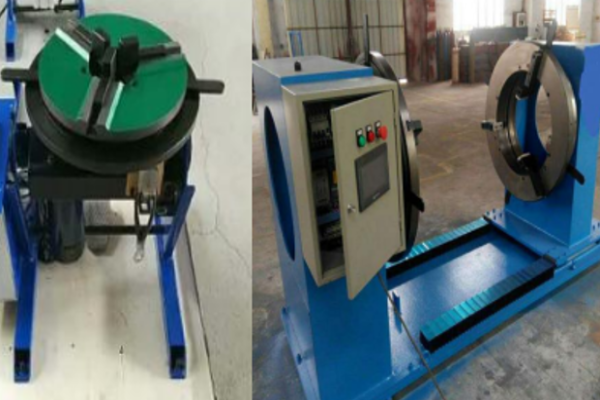
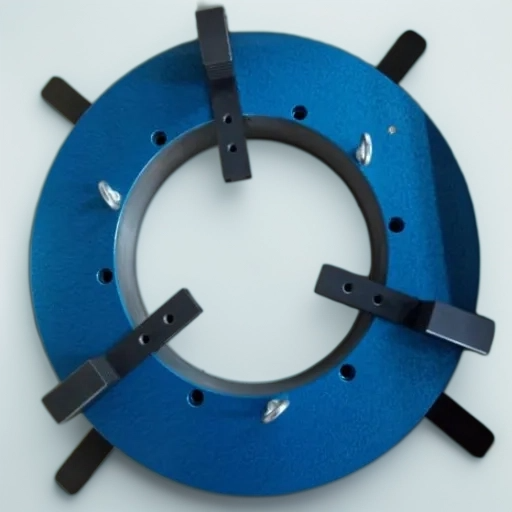
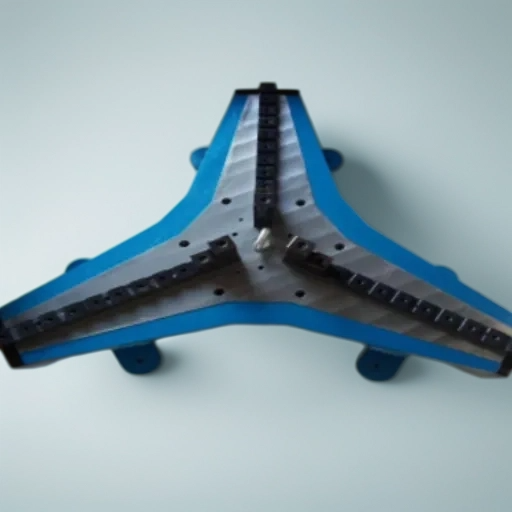
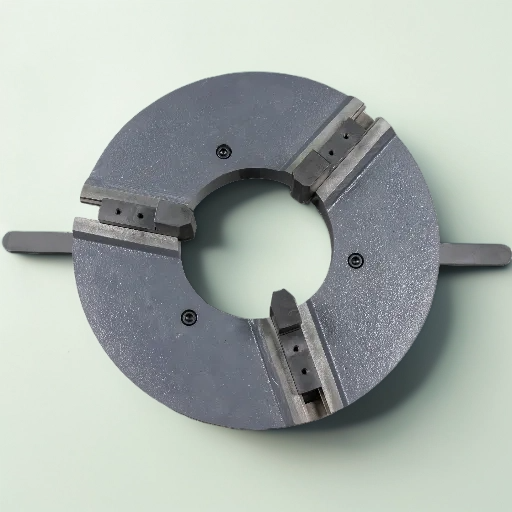
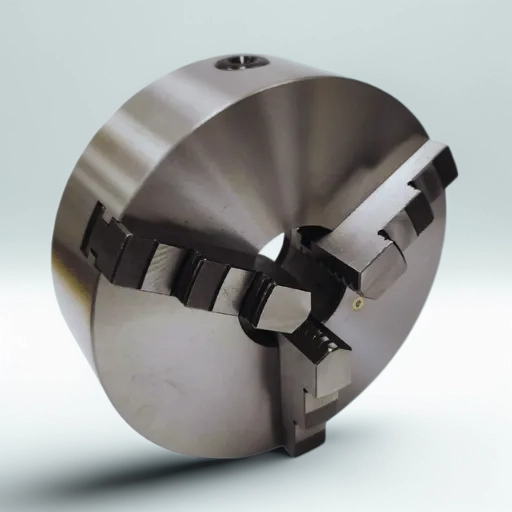
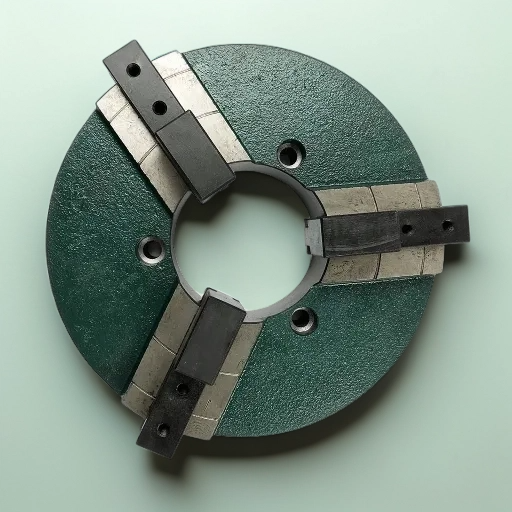
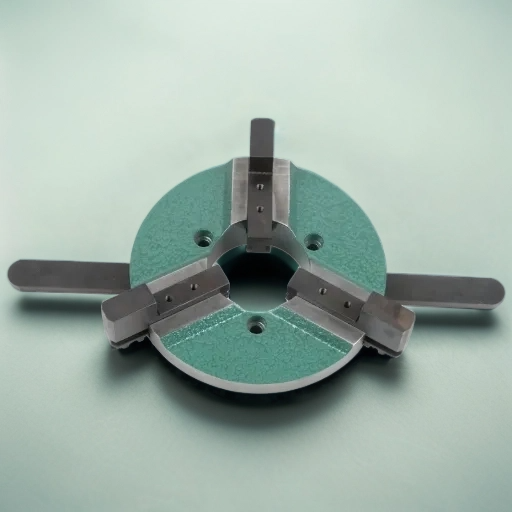
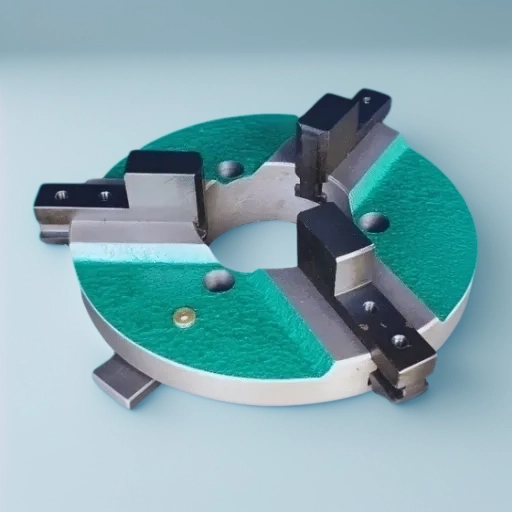
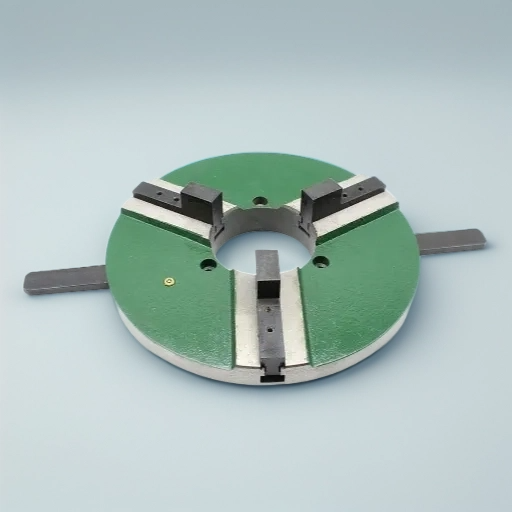
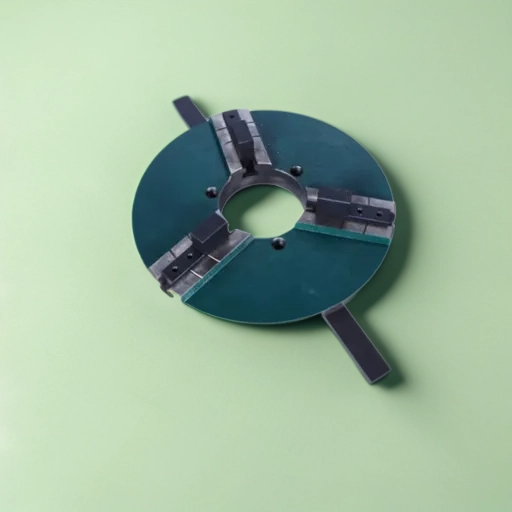
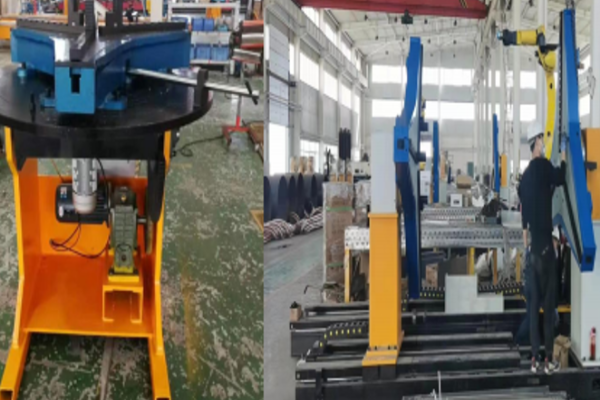
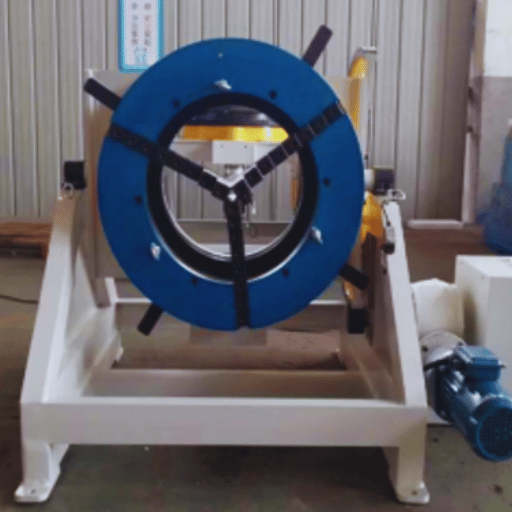
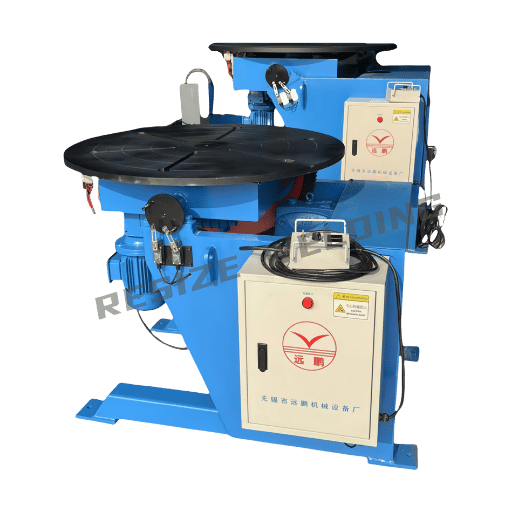
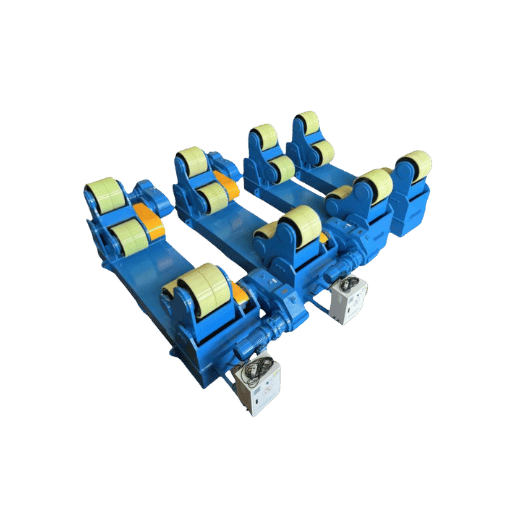
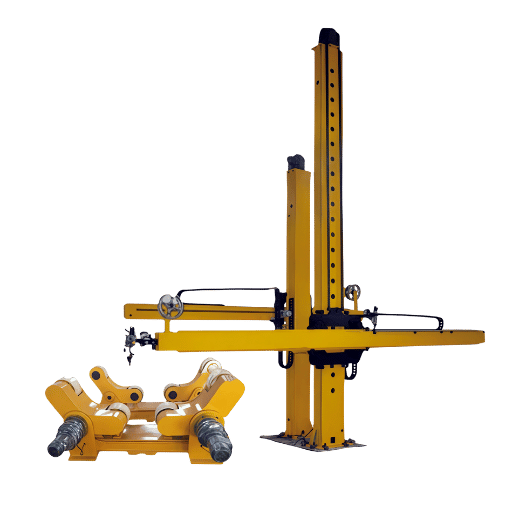
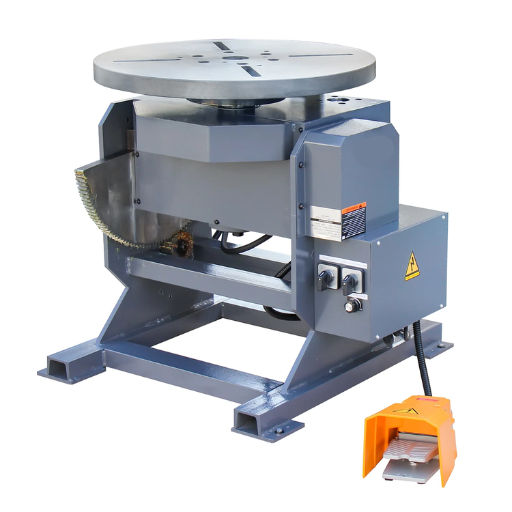
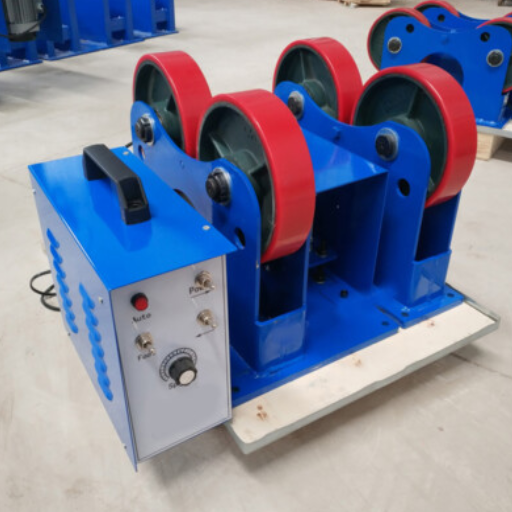
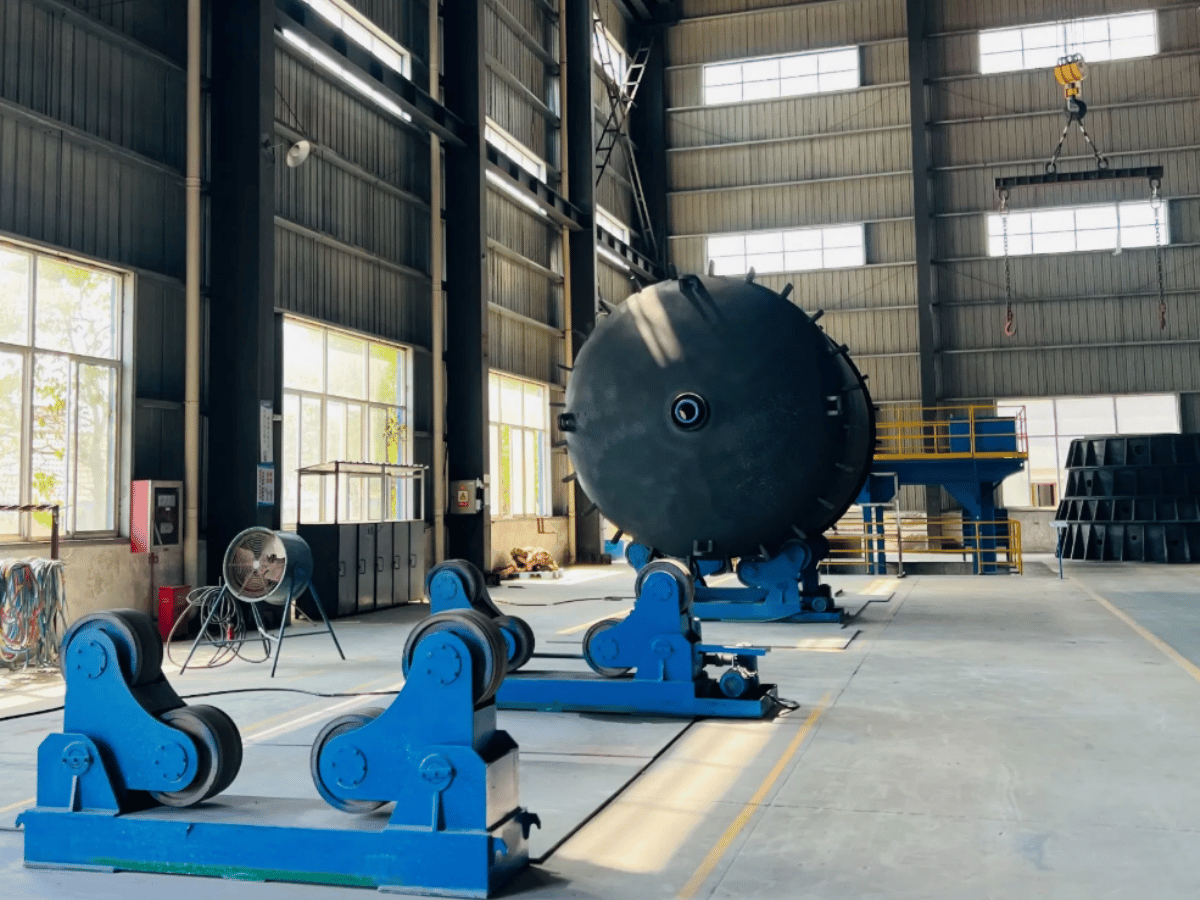
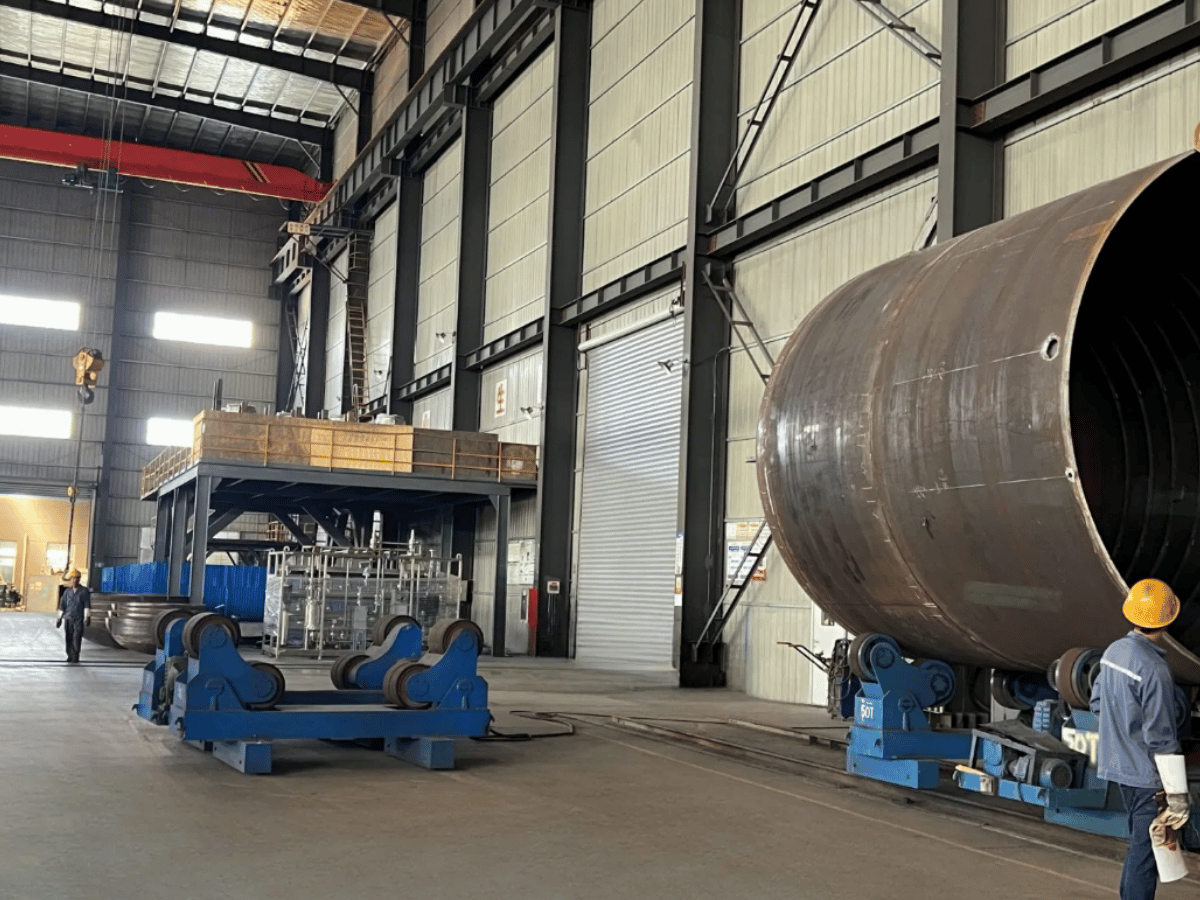
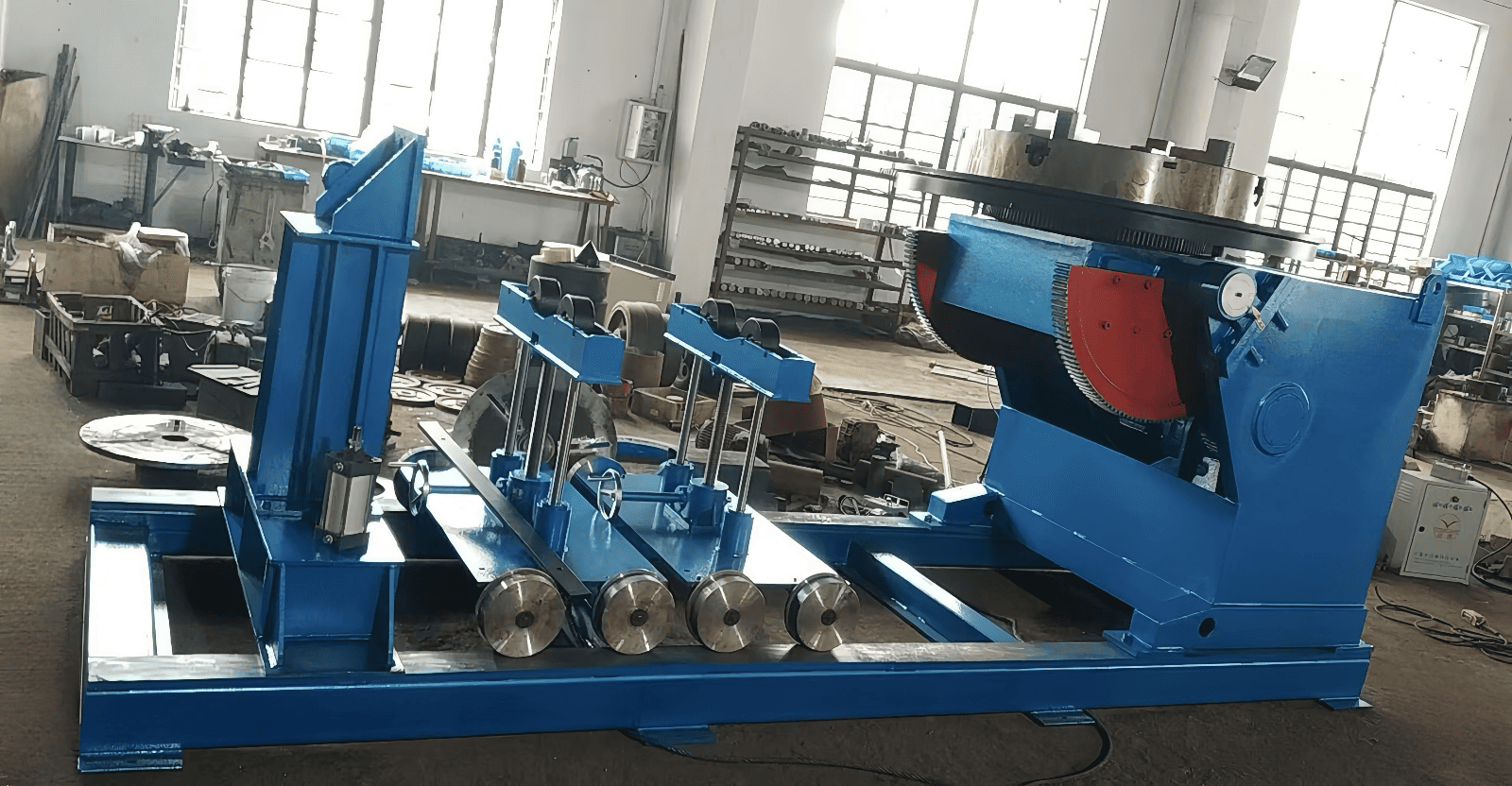
Check out the full range of our advanced welding chucks devised to enhance welding accuracy and overall efficiency. Tailored for specific uses, our welding grips come in every shape and form with some being self-pivoting, the spin lock or the gripper among others. Such tools have helped in minimizing waste not to mention making it possible for the straight edge to the welder every time an issue rises.
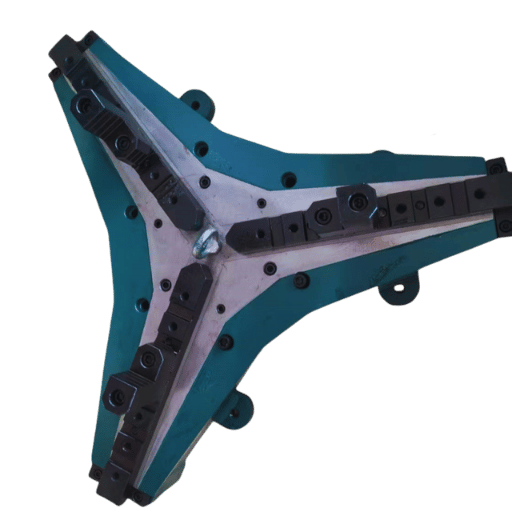
Welding Chuck: Understanding Types, Applications, and Innovations
- Importance: Welding tables also contribute to the safety and accuracy of the working area and the reduction of construction costs and the duration of operations.
- Types: Interested users may find standard welded chuck, finger chuck, power chuck and air chuck from many chuck manufacturers.
- Applications: Such features are most appropriate for manufacturing applications that do not require re-enameling.
- Economic Benefits: Help to improve the efficiency, a more clear control and an easy incorporation into the mature production techniques, while remaining within the budget.
Key Features of Our Welding Chuck
Check out the welding chuck, optimally suitable in cost. Made exact tight powerful changes. The right welding aid in an industrial and academic environment.
Robust And Long-Lasting
Constructed using strong and high quality materials to ensure that, product can withstand to the harsh conditions.
Secure Precision Grip
This will disable any movement of the workpieces while one is still within welding process.
Versatile and Adjustable
Can be used with all kind of machinery and suit different sizes of workpiece.
Efficient and Reliable
It comes with quick releases which aid in easier setting in short time and non-corrodible lays for uniform operation.
Advantages of Different Welding Chucks
- Self-Centering Chucks: Reduce setup time to zero by automatically aligning workpieces and accuracy especially in CNC applications.
- 3 Jaw Chucks: Provide strong mechanical grip especially for heavy work or large diameters.
- Lightweight Chucks: Provide the most portable ways of accomplishing smaller tasks.
- Heavy-Duty Chucks: Designed to withstand heavy work pieces and high loads thus more suitable in tougher setups.
Maintenance and Care for Welding Chucks
- Clean Regularly: Keep the equipment and working spaces clean and operational by removing waste material and sputter that could cause jam or blockage.
- Lubiricate Moving Parts: Reduce the wear and friction on the jaws slides and mechanisms by using recommended lubricant.
- Inspect and Align: Examine the jaws for the absence of the teeth, replace worn out jaws, and adjust jaws with respect to their proper relations.
- Handle with Care: Do not exceed the limit, place correctly, and use all the preventive measures accordingly to maintain the life of the chuck.
Best Welding Chuck for Sale
Identifying the most long-lasting and accurate welding chuck that you can find would be great. Whether you are a professional or not, you will find that it is capable of handling even rough projects effortlessly. Do it today!
Maximum clamping force: Till 1 meter.
Material compatibility: Various metals.
Jaw configuration: Three self-centering jaws.
Clamping diameter range: 6 inches to 25 inches.
Through-hole diameter: Large and customizable.
Design feature: Effeminate and site-specific.
Gripping Area: Ø50-1600 mm.
Weight at Load: 100 KG – 300 KG.
Weighing Limit: 3000 KG At Most.
Fixture Bolt Diameters: M12 through M16.
Jaws: Hardened, serrated, reversible jaws.
Number of Bolts: 6 bolts accommodated per setting.
Loading (Max): 529 lbs.
Chuck Range: 8 to 16 inches.
Material: Strong alloy steel Build.
Type of Chuck: 3-jaw self-centering.
Clamping Diameter (A): From 4.3 up to 14.9 inches.
Clamping Diameter (B): From 0.39 up to 9.8 inches.
Material: High-strength, durable steel.
Range of clamping: 80 mm to 280 mm.
Diameter for center hole: 3.9 inches max.
Diameter of chuck: Varies, up to 12 inches.
Type of jaws: Self-centering designs, reversible.
Maximum amount of clamping force: Up to 770 lbs.
Dead Load: 7 to 85 Kg.
Max Static Load: 1200 kg.
Centering Device: 3-jaw self-centering lever.
Maximum Clamping Size: Ø100 to Ø620 mm.
Applicable Material: Steel, Alloys, Aluminum.
Clamping Range: Inside and outside settings.
Voltage: 110 volts supply.
Chuck type: 3-jaw self-centering chuck.
Speed range: Variable speed from 0 to 10 RPM.
Table rotation: 360 degrees adjustable rotation.
Weight capacity: 200 lbs maximum vertical weight.
Angle adjustment: 0-90 degrees in 15-degree increments.
Weight Limit: 550 pounds maximum.
Power Supply: Power source of 110V AC.
Chucking System: Self-centering type, 3 jaws.
Rotational Speed: Between 2 and 12 revs per minute.
Draw Bar Range: Diameter from 0.4 inches to 14.9 inches.
Table Inclination: Between 0 and 90 degrees, with a locking function.
Clamping Range: 1 to 60 inches.
Rotation Speed: Up to 50 RPM.
Load Capacity: Up to 7500 pounds.
Material: Hardened Steel or Cast Iron.
Jaw Configuration: 3 reversible jaws or 4.
Centering Type: Performance Driven Self Centering Mechanism.
Jaw Types: Two, three, or four jaws.
Diameter Compatibility: 2 to 60 inches.
Capacity: 1,000 to 30,000 pounds of load.
Adjustment: External clamping and internal clamping.
Construction: Made using robust yet lightweight material.
Clamping Mechanism: Self-centering or independently moving jaws.
Diagram of the Welding Chuck Structure
Welding Chuck Technical Specifications
| Specification | 細節 |
|---|---|
| Jaw Type | 3-Jaw, 4-Jaw, 6-Jaw (Self-centering or Reversible) |
| Clamping Range | - Internal: 1.75" to 6.75" (44-171mm) - External: 0" to 24.75" (0-630mm) |
| 直徑 | 6" to 25" |
| Max Clamping Force | 200kg (440lbs) to 350kg (770lbs) |
| Max Loading Capacity | 30kg (66lbs) to 240kg (529lbs) |
| 重量 | 15lbs (6.8kg) to 460lbs (208.7kg) |
| 材質 | Steel 45# or Cast Iron |
| 特點 | - Self-centering - Reversible Jaws - T-Handle for adjustments |
| 應用 | Welding Positioners, Turntables, Manipulators, and Rotators |
| 自訂選項 | Jaws, Size, Material, and Clamping Methods |
| 維護 | Regular lubrication, cleaning, and inspection |
Common Applications for Welding Chuck
Why Choose Our Welding Chuck
- Experience in the Industry: Years of experience in welding and designing products keeping the professionals' needs in focus.
- Uncompromising Quality: Rigorous testing ensures durable and reliable welding chucks.
- Customer-Centric Support: The dedicated team is available for all technical questions or even after-sales support.
- Custom Solutions: Products tailored to meet specific project requirements.
我們的客戶怎麼說
Find out how our precision-engineered welding chucks increase accuracy and reliability for the most demanding of projects, delivered with unbeatable performance through satisfied clients.
Expert Guides to Welding Chuck
Welding Roll Out Wheel Chuck
A welding roll out wheel chuck is an apparatus for pipe welding that is indispensable and enables the users to hold and rotate the pipes securely so that high-quality, fast and accurate welds are generated. This piece of welding apparatus guarantees high standards and productivity, making it perfect to be used by pipe fabrication or industrial welding professional. If you are planning to enhance your present welding station, a roll-out wheel chuck that is dependable can never be overlooked if your purpose is welding of pipes without any discontinuity.
Welding Chuck Sizes
Welding chucks finds its application in welding jobs of ladders, beams and pipes or any other cylindrical object of enormous lengths. With such chucks being available in variety of sizes said from 8 inches to 60 inches, they have become an essential tool for use by welders depending on the nature of work. More commonly used every-day options are called 3-jaws self-centering chucks and spin-lock chucks, which are both made to work with welding jobs perfectly. Maintenance or a new addition, if a welding job, then the correct welding chuck compatible is in order..combine chucks in a machine clash with others.
What Is A 4 Jaw Chuck Used For?
A machinist needs a 4-jaw chuck in order to machine properly. 4 jaw chucks are intended to securely hold workpieces with irregular shapes, whose machining requires precision. It is effective in handling various machining operations of precise alignment such as making camshafts or machining parts with crankshafts which are off-center. Manufacturers install this chuck on lathes so that they can easily and accurately process expensive and complex parts.
Is A 3 Or 4 Jaw Chuck Better?
Typically, the 3-jaw chuck is preferred for its ease of use and speed for circular components, which therefore is usually the best for speedy CNC turning. Conversely, a 4-jaw chuck is more preferred since it provides additional manoeuvrability and more accuracy whiler working unconventional stuffs or having the workpiece slightly off center. If you require assured results for routine applications or adjusted precision for detailed tasks, appreciating the difference between 3 and 4 jaw chucks is necessary to make the correct lathe tool choice.
What Is A 2 Jaw Chuck Used For?
A 2-Jaw chuck is a professional tool that is frequently employed in the world of machining to grip large objects having two irregularly shaped corners. Designed chiefly for specific machining jobs, it makes it easier to grip the object, which in turn makes it of great importance to machinists who deal with unorthodox pieces of work. A 2-jaw machining chuck can enable accuracy and output in various engineering activities, be it in CNC or simply mechanical engineering.
Why Use A Six Jaw Chuck?
A six jaw chuck is the best device that can ever be used to hold securely thin walled or rather delicate work pieces. It is configured in such a manner to prevent problems caused by material yielding. The result of this is a far more regular of grip application, which further ensures the quality of the turning performance. Thin wall work pieces are best addressed with a six jaw chuck complement which guarantees precision cutting within required tolerances.
What Is A Chuck In Welding?
A welding chuck is an equipment that is designed for the specific goal to keep pieces of work in place during welding. This is an essential tool for a welder as it helps to maintain consistent and fault-free work. It is a common procedure in welding to use a holding device for the part that is being welded since it minimizes the possibility of making mistakes. Regardless of whether you are versed in the technicalities of welding or do it for fun, knowing how to attach a welding chuck in place and use it will surely be beneficial to your work.
How To Choose And Use A Lathe Chuck
Selecting an appropriate lathe chuck is vital when it comes to smooth and accurate operation. The four-jaw self-centering type of lathe chuck is the best in terms of adaptability and clamping force. This however calls for the need to make sure that chucks chosen are in accordance with the lathe they will be used with and also fulfill the project requirements. All applications performed on lathes stand to benefit a great deal accompnyed by the use of a chuk.
Welding Chuck Price
The prices for welding chucks can differ significantly based on the size, functionality as well as the brand. The basic chucks for welding cost from about $148.88, and the high-precision welding chucks are priced at up to $702.00. It does not matter if you need something cheaper (priced wisely) or a premium chuck for accuracy in welding, there is a very huge choice available out there for everybody.
Applications of Welding Chucks
- Industrial applications: One of the use-cases of chucks in the automotive industry is in holding of pipes and metal plates for welding purposes during vehicle building. In the construction sector chucks are utilized in massive structural welds, while chucks of low weight having the ability to centre themselves are used in the aerospace industries for limited tolerance work.
- Applications of Welding Positioners on Chucks: Chucks with the use of welding positions were able to align and rotate the workpiece easily so that complicated welding applications including the welding on pipes or cylindrical tanks were successfully executed.
- Uses of Welding Positioners on Chucks: Domination of the workpiece material size, the complexity of the project and many other elements should be taken into consideration while selecting the right chucks. Thus, having the heavy duty 3 jaw chuck for gaining stability is an available option, along with the self-centering chucks that is used in positioning tasks, and the availability of the wedling positioners.
Innovations in Welding Technology
- Smart welding system: The convergence of Industry 4.0 and IoT promotes an on-line platform, which optimizes the seam welding and improves the reliability of results.
- Cooperation Robots (Cobots): There is a revolutionary change taking place in welding, owing to the precision safety measures taken by cobots. Such robots provide welding support to workers thus very effective for jobs repeated on the same basis.
- Laser Welding Hand Tools: Offering Destructive-Free Heat Application and high quality precision; the laser welded hand tools are ideal for materials in structures and designs.
- High-Temperature Metal Joining Methods: High criteria on joints can be achieved through hyper-eutectic materials and reinforcing structures in the process of high-temperature metal working or heat treatment.
- Sustainable Welding Practices: It is in the trend these days that more and more energy efficient welding equipment as well as reactive welding which produces less gas are becoming the industry standards.
相關設備由RESIZE公司提供
Latest Blog Posts about Welding Chuck
Explore professional suggestions, skill, and expertise on Welding Chucks. Also find more regarding their suitable selection, ways of keeping real proper and effective use on every project at hand.
Welding is a craft on its own, and it requires a set of necessary skills, a studious approach, and, the appropriate tools to develop remarkable and neat work. It...
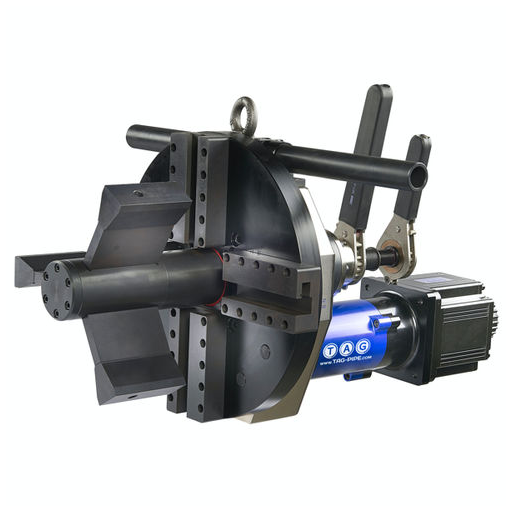
Pipe beveling is a critical part of welding and fabrication, ensuring strong and lasting pipe connections. Properly beveled pipe welds must provide the best possible welding quality and be...
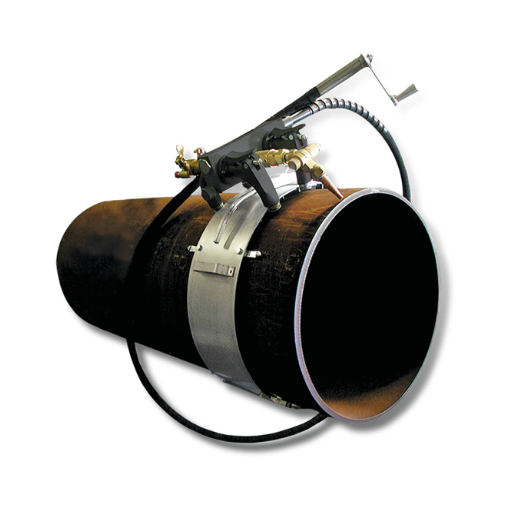
Pipe beveling is crucial for welding preparations, ensuring joint integrity and weld quality. Whether in the construction, manufacturing, or plumbing field, the use of a beveling machine saves time...
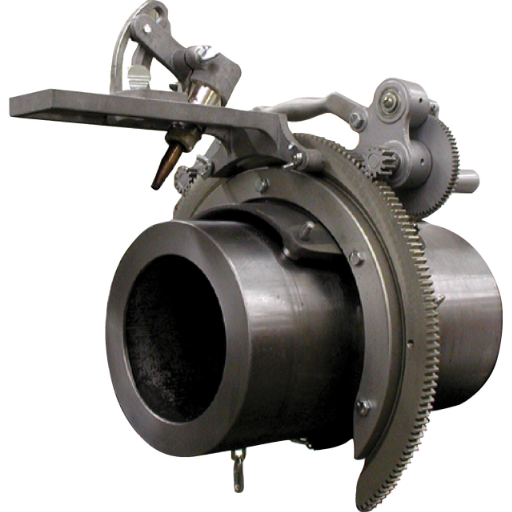
Beveling, Precision, and efficiency in cutting and weld preparation really suffer if those tools are not selected carefully. A portable beveling machine for plates and pipes represents a new...

Getting a quote for Welding Chuck
In making the purchase of our welding chucks, you don’t just acquire a plain product – you also win a partner in the efforts aimed at perfection, safety and cost-effective operation. Hundreds of Industry professionals recurring to our solutions to complete their every project exceptionally well cannot be mistaken.
常見問題
Q: What does a welding positioner chuck do?
A: A chuck on a welding positioner is a specialized piece of equipment that securely refrains work pieces under welding. It is essential for perfect positioning and rotating pieces during welding, which only increases welding efficiency and welding accuracy.
Q: Which advantages does the use of a 3 jaw welding chuck bring?
A: The 3 jaw welding chuck offers high clamping forces in all directions and is used in clamping various shapes of workpieces. It is very adjustable and can fit at different sizes, making the welding process more stable.
Q: What happens if a welding positioner table chuck has to undergo shipping before getting to the user?
A: Shipping goods allow the experts to deliver the mentioned welding positioner table chuck within a stipulated time and without damaging it. A user should ensure that their choice of a shipping service shall be able to provide for fast delivery, as well as unharmed delivery especially in the case of large or fragile goods.
Q: What is the loading capacity of a welding chuck?
A: The loading capacity of welding chucks depends on the type, and there is everything from very Gor light examples to heavy-duty ones capable of bearing multiple hundred lb loads. It is necessary to find a suitable chuck for work and the weight of welded workpieces.
Q: Can a welding turntable be used with a 4-jaw chuck?
A: Yes, a welding turntable can be used with a 4-jaw chuck. These make it possible to hold different shapes of workpieces better and provide more contact points for stability during welding.
Q: What should be the main attributes to be analyzed when opting for a welding positioner?
A: When deciding on a welding positioner, the key issues to be considered include the size within which the positioner operates (from ø200 to ø400 or from ø500 to ø1200), the carrying capacity of the positioner, the mouth of, the chuck (either 3 or 4 jaw) along with the specific details such as low center of gravity construction, strong retention capacities, etc.
Q: How can I attach a gripper to a welding positioner?
A: Installation of a gripper to a welding positioner is pretty simple and involves fixing it to the chuck after ensuring that it is properly positioned in reference to the work piece. There is a step by step process that one is supposed to follow provided by the manufacturer and the installation should be firm enough to ensure that it does its work safely.
Q: Why is a light weight construction preferred when it comes to welding chucks?
A: The light weight design of welding chuck is preferred because it plays a very significant role in ensuring that the chuck is easy to carry around especially when there is need to adjust or reposition it. This element is very important in setting up of the equipment in situations where adjustability is frequently required.
Q: How does the folding of a welding positioner impact the performance of its motor?
A: Another important part of the welding positioner is its motor which will be responsible for both turning and moving the work piece into its correct welding height. It even typically has the capability to stop the turning and moving suddenly on the desired angle, which is why the good quality of the motor is of high importance so as not to risk any poor welding outcome.
Q: What are the advantages of compact welding chucks?
A: A compact welding chuck can be advantageous and is convenient in terms of space as well as easiness in handling from both ends. It is well suited to little workshop inbuilt places and tiny infrastructure in terms of space, yet sufficiently large to maintain formality in welding situations.