溶接は芸術と科学の混合物であり、そこでは精度とスキルが強く、きちんと長く続く溶接を行うための最も重要な要素です しばしば無視されますが、溶接の成功の主な要素であると考えられている1 つは、シールドガスです 適切なシールドガス、例えばアルゴン、二酸化炭素、またはそれらの混合物の選択は、TIG溶接を使用しているかMIG溶接を使用しているかに関係なく、作業の品質、強度、外観に大きな影響を及ぼします このガイドでは、溶接ガスの詳細に入り、それらの目的、違い、最適な用途を明らかにします この記事の終わりまでに、適切なガスの選択を行うことで溶接技術を強化する方法がわかり、次のプロジェクトの成功に備えることができます。.
溶接ガスの紹介
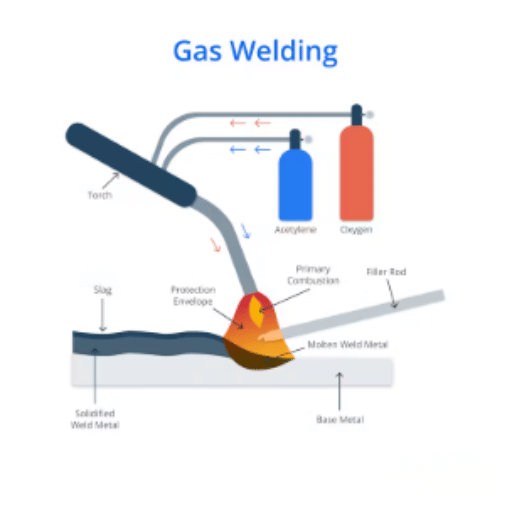
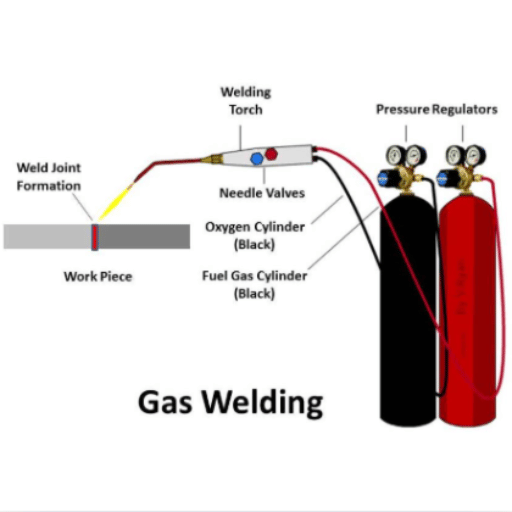
溶接ガスは、溶接領域を大気による汚染から保護し、アークを安定させ、溶接の品質全般に影響を与える役割を果たす、溶接用途用に特別に調製されたガスまたはガス混合物です。最も頻繁に使用されるガスはアルゴン、二酸化炭素、ヘリウムであり、それぞれが特定の溶接技術や材料に特に使用されます。説明すると、アルゴンは TIG 溶接のような精密作業に最適なガスですが、二酸化炭素は低コストでより深い浸透を与える能力があるため、MIG 溶接では広く使用されています。適切なガスの選択により、溶接強度、欠陥が少なく、全体的な品質が向上します。.
溶接におけるシールドガスの理解
溶接におけるシールドガスの主な機能の 1 つは、溶融溶接プールに保護環境を提供することであり、これにより、酸素や窒素などの大気による汚染を防ぎ、それによって溶接の耐久性が低下します。シールドガスの選択は、使用される溶接技術、材料の種類、および必要な溶接の品質に影響されます。.
例を挙げると、アルゴンはきちんとした正確な TIG 溶接に最適ですが、二酸化炭素は経済的であり、より深い浸透を提供できるため MIG 溶接に広範囲に適用されます。シールドガスの正しい選択は、溶接の安定性に貢献するだけでなく、欠陥も軽減し、可能な限り最良の結果をもたらします。.
TIG および MIG 溶接における適切なシールドの重要性
イン TIG および MIG 溶接, 、適切なシールドは、大気による汚染から溶接プールを保護し、このように酸化や溶接ビードの欠陥を防止するため、不可欠です さらに、材料および溶接プロセスに適したシールドガスは、溶接機がより良いアーク安定性を得、溶接品質を向上させ、多孔性を低減する結果となり、このような方法で使用されるシールドは、最終的に、強度、外観、および溶接継手の寿命を増加させる。.
溶接用途の概要
溶接は、材料を統一する能力と有効性により、さまざまな業界で広く採用されているプロセスです。主な用途は、構造フレームワークを構築するための必須である建設、車両の部品を接合するための自動車製造、軽量でありながら強力な部品を構成するための航空宇宙に見られます。さらに、溶接は造船、パイプライン、メンテナンス作業の舞台裏にあり、重要なインフラストラクチャや機械に強力で信頼できる接続を提供します。その多用途性により、溶接は、重工業プロジェクトだけでなく、繊細な精密ベースのタスクでも必需品に変わります。.
TIG溶接用のシールドガスの種類
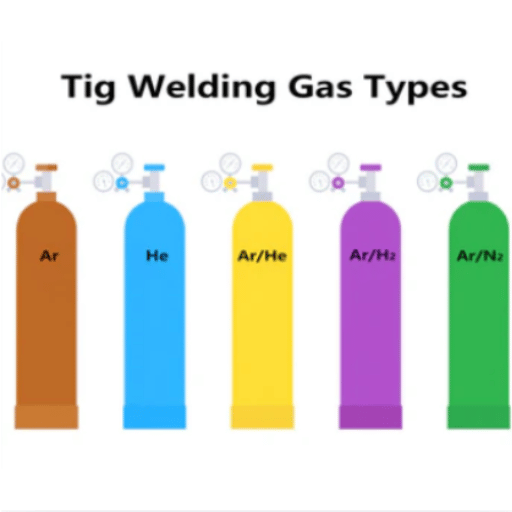
TIG溶接では、最適な結果を達成するために特定のシールドガスが必要です。主なオプションは次のとおりです:
一 アルゴン
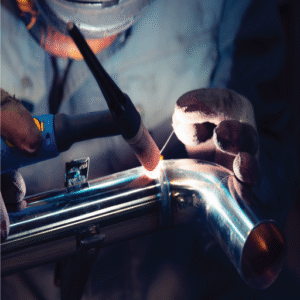
TIG溶接でアルゴンを用いることで、このガスは卓越したアーク安定性とクリーンで高品質な溶接を実現する能力により、最も人気のあるシールドガスとなっており、TIG溶接は、TIG溶接のステンレス鋼、アルミニウム、チタンなど、あらゆる種類の材料に適しています。.
2.ヘリウム
ヘリウムは常にアルゴンと組み合わせて使用されるガスであり、その理由は、熱出力を高めることができ、したがって最も厚い材料でも溶接できるようにするためです。より深く浸透し、溶接速度を速くすることができます。ただし、通常は価格が高くなります。.
3.アルゴン-ヘリウムミックス
アルゴンとヘリウムの組み合わせは、アークの最高級の安定性と驚異的な熱伝達など、両方のガス特性を必要とする人にとって最良の選択です。このガス混合物は主に、アルミニウム溶接や非鉄金属などのいくつかの高度な用途に適しています。.
4.水素強化アルゴン(ステンレス用)
ステンレス鋼をアルゴン-ヘリウム混合物と溶接することは、今日では一般的な方法です。アルゴンに水素を少量ずつ添加すると、優れた浸透剤および表面仕上げ促進剤となる可能性がありますが、それでも欠陥を生じさせないように注意して制御する必要があります。.
これらすべての場合において、それぞれのガスまたはガス混合物は、材料の種類、厚さ、および必要な溶接結果に従って選択されます。.
純粋なアルゴン:利点と応用
その不活性さのために、純粋なアルゴンは溶接で完全に評価され、酸化と汚染の両方から溶接領域を保護するのに役立ちます それは安定したアークとクリーンな溶接を生成し、それが特に精密用途に適している理由の1 つです TIGおよびMIG溶接で使用されるほかに、純粋なアルゴンはアルミニウム、マグネシウム、チタンのような非鉄金属で非常に効果的であり、品質の結果をもたらします その汎用性、管理可能な性質、および美しい溶接を作成する能力は、航空宇宙、自動車、製造などの分野で人気があります。.
ガス混合物: 溶接品質の向上
溶接品質を向上させるにはガスの組み合わせが不可欠です。さまざまなガスの特性を融合し、特定の用途に合わせて調整することでこれを行います。例として、MIG 溶接では、アークの安定性と浸透性を高めるためにアルゴンと二酸化炭素の混合物が使用されますが、TIG 溶接では、より深い溶接とより高い熱を与えるためにヘリウムとアルゴンの混合物が好まれます。これらの混合物は溶接特性を最適化するだけでなく、スパッタを減らし、ビーズの外観を改善し、全体的な効率を高めるため、さまざまな産業溶接作業で必要になります。.
シールドガスとしての水素
水素を遮蔽ガスとして使用すると、一部の用途では溶接部の浸透性とアークの安定性が向上します。アルゴンなどの不活性ガスと混合すると、ステンレス鋼の溶接に使用され、酸化を軽減することでよりクリーンな溶接を達成するのに役立ちます。水素ブレンドは、より迅速かつ効率的な生産を実現できるため、高熱入力溶接にも推奨されます。それにもかかわらず、その化学活性により、水素による亀裂のような問題が敏感な材料で発生しないように、水素を非常に注意深く処理する必要があります。.
MIG溶接用のシールドガスの種類
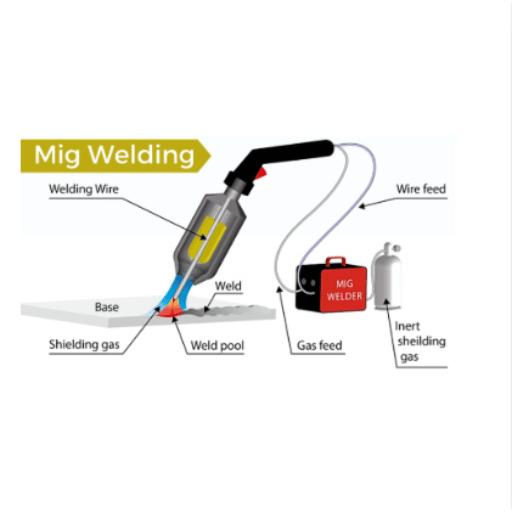
MIG溶接のために選択したシールドガスは、プロセス全体と溶接の品質にかなりの影響を与えます 最も一般的なシールドガスとその主な用途については、以下で説明します:
シールド用のガスはそれぞれ長所と短所があり、それは材料、その厚さ、およびアプリケーションの種類によって決定されます このように、最終的な選択は可能な限り最良の結果を得るために非常に重要です。.
MIG溶接に使用される一般的なガス
MIG溶接は、主にアルゴン、二酸化炭素、およびヘリウムを最も広く使用されているガスとして組み込まれ、別々に利用されるか、または組み合わされて利用されます 非鉄金属の溶接は、それが作成する滑らかで安定したアークのためにアルゴンが最高の状態にあるアプリケーションです 二酸化炭素は、鋼を溶接するための最も安価な選択肢であるが、同時にそれは非常に深い浸透を与える ヘリウムは、アルゴンと一緒に使用されることが最も多く、それは主に、高入熱および厚さの材料の場合に非常に有利な溶接速度の増加を担う適切なガスまたはガス混合物の選択は、材料の種類、厚さ、および必要な溶接機能によって決定されます。.
Best Gas for MIG: Carbon Dioxide vs. Argon Mixtures
A MIG welding decision on gas composition, whether carbon dioxide or argon mixtures, would be based on what the welder is looking for. Among the choices, CO2 stands out as the cheapest option for steel welding, providing deep penetration and sturdy welds accompanied by more spatter.
On the other hand, argon blends, such as argon mixed with CO2 or helium, guarantee an arc that is smoother, more stable and less spattery, thus making them best for thin materials or non-ferrous metals. An 80/20 argon-CO2 mix is perfect for general use, where it gives a good blend of the resulting weld’s cleanliness and penetration as well as the cost.
Applications of Different MIG Shielding Gases
Based on the materials and welding requirements, different MIG shielding gases serve different purposes. Carbon dioxide, for example, is the most common gas used to weld mild steel for heavy-duty applications. It gives deep penetration at a very low cost. Argon is commonly used, often mixed with CO2 or helium, for non-ferrous metals such as aluminum or copper because it provides a very smooth arc and produces very little spatter. A mix of 80 percent argon and 20 percent CO2 gets placed among the most versatile ones as it can be used for general-purpose welding of various steel thicknesses and still yields clean, strong welds. Each gas or gas mixture plays its part in improving weld quality, thus ensuring that the weld will stand up to the demands of the particular application.
Choosing the Right Gas for Your Welding Tasks
When you are to select the proper shielding gas for your MIG welding operations consider the undermentioned factors:
- The Type of Material: For example, carbon dioxide and argon mixture is the most common selection for mild steel welding due to the performance-cost balance it provides. In the case of aluminum or stainless steel, the procedure may involve argon-based gases, usually mixed with either helium or oxygen, thus producing more superior results.
- The Thickness of the Material: Gases with superior heat output may be required for the thicker materials, for example, carbon dioxide-rich ones, to achieve the desired penetration.
- The Welding Application: A mixture of 75% argon and 25% carbon dioxide is one of the most used and versatile options in the welding industry and it is suitable for general welding. However, some applications like thin materials or spray transfer might call for specialized gas mixtures like argon-helium combinations along with the specific ones.
- Cost Considerations: The pure gases are generally priced higher than the mixtures. Pick the one that the performance of which your application needs but at the same time is not over your limit.
If you can match the requirements of the material type, thickness, and application to select the proper gas, you can enhance your welding quality and productivity noiselessly. Supplier’s opinion or material-specific guidelines should be sought whenever there is doubt.
Factors to Consider in Gas Selection
In order to choose the right gas for welding, examine the following chief factors:
- 材料タイプ
Pick the gas that is suitable for the particular metal you are welding to ensure both compatibility and optimal performance. - Weld Appearance
Some gases, e.g. argon, give a cleaner finish which is suitable for precision applications. - Thickness of Material
Heavy materials could the use of heavier gases or gaseous mixtures such as argon-CO2 for deeper penetration. - Welding Process
The different processes like MIG or TIG might require specific gas types or mixtures. - Cost Efficiency
Choose the options such as gas blends that are both affordable and effective, thus balancing performance with budget constraints.
On the basis of these factors you will be able to take informed and thus correct decisions with regards to weld quality and project efficiency. Do not hesitate to consult with experts or manufacturers for specific guidance.
Impact of Gas Selection on Weld Quality and Appearance
Choosing the right gas is essential for weld quality and aesthetics. The right shielding gas or gas mixture reduces contamination which leads to cleaner and sharper welds. The right gas affects the stability of the arc, the depth of penetration, and the appearance of the bead. As an example, argon gives smoother arcs and clean finishes, while CO₂ can improve penetration but may also cause more spatters. A well-thought-out choice according to the material and welding method used gives rise to welds of even quality and being attractive to the eye.
Recommendations for Specific Materials and Joint Types
In the case of thinner materials, the heat input can be lowered by modifying the gas flow and arc energy, and thus warping and burn-through can be avoided. For intricate joints like T-joints or lap joints, the application of correct positioning and a steady shielding gas flow assures that the welds are of the same quality and are reliable.
よくある質問 (FAQ)
参照ソース
- Baker’s Gas – How to Choose a Shielding Gas for TIG Welding: TIG welding is provided with proper shielding gas options overview.
- Van’s Electric – TIG Shielding Gas Type and Flow Rate Overview: Pure argon and other gases for the process of TIG welding are presented with their positive and negative features and fields of application.
- ESAB – TIG Welding Steel: Benefits, Applications, and Industry Use: Shielding gases are examined in their interaction with the industries that do accept TIG welding as a technique.
- Universal Technical Institute – What Is TIG Welding?: TIG welding is defined and its applications in such hard industries as aerospace, automotive, and shipbuilding are mentioned.
- Welding Revolution – Technical Specifications for TIG Welding: The guide is about right shielding gas flows, current settings, and electrode selection for welding by the TIG method.
結論
Selecting the right shielding gas is fundamental to achieving superior welding results, whether you’re working with TIG or MIG processes. By understanding the unique properties of argon, carbon dioxide, helium, and their various mixtures, you can optimize weld quality, reduce defects, and enhance both the strength and appearance of your work. Remember that factors such as material type, thickness, joint configuration, and cost considerations all play crucial roles in gas selection. Armed with this comprehensive knowledge, you’re now equipped to make informed decisions that will elevate your welding projects to professional standards. Always consult manufacturer guidelines and industry experts when tackling specialized applications, and continue to refine your understanding of how shielding gases impact your welding outcomes for consistent, high-quality results.