溶接は、建設、製造、航空宇宙、自動車を含む様々な業界で教えられる重要なスキルです 溶接の複雑さは、それがどのように行われるかだけでなく、溶接位置がどのように理解されるかにも存在します 1G、2G、3G、4G、5G、6G-wild 溶接工のスキルと汎用性の本質的な基礎である専門用語 溶接の強度、品質、一貫性が影響を受ける、各位置には異なる課題と用途が伴います これらの重要な溶接位置を徹底的に調査し、素人にも専門家にもアクセスしやすい方法で説明します 溶接位置の本質とその応用を実生活で把握できるようにスキルを磨くことを目指す場合でも、単に溶接知識を豊かにすることを目的とする場合でも、この記事では成功への道を開くすべての洞察を提供します。.
溶接位置の紹介
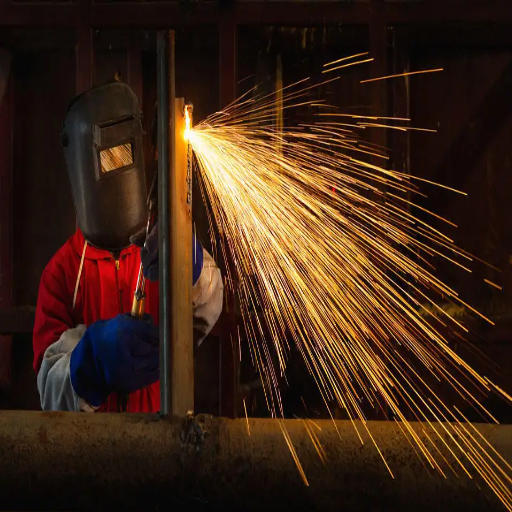
溶接位置という用語は、溶接が行われる特定の方向を表します。溶接の品質、効率、全体的な成功は溶接によって影響を受けるため、これらは重要です。 4 つの主要な溶接位置があります: 平らな、水平、垂直、およびオーバーヘッド。使用されるすべての位置と方法は、使用される技術に応じて、適切な溶融と構造的完全性を達成するために、これまでに非常にわずかな困難を引き起こします。これらの位置での溶接は、溶接工が遭遇する可能性のあるさまざまなプロジェクト要件と個人が連携し、多様な応用分野で一貫した高品質の結果を達成できるようにするための最も重要なステップと考えられています。.
溶接の概要
溶接のために、建設、自動車、航空宇宙、エネルギー生産を含む多くの産業が栄えてきました 約50%の工業的に製造された製品は、その生産中に溶接に依存しているため、販売可能な価値に溶接は強度と耐久性を構造に与え、複雑な設計とコンポーネントの製造を可能にします 技術の進歩に伴い、溶接の研究はますます刺激的になり、ロボット溶接とレーザー溶接は、精度、効率、持続可能性に対する需要の高まりに対応するためにこの分野をさらに推進しています このように、これらの増加した革新は、現代のインフラストラクチャと技術を形作る最も重要なスキルとプロセスの1 つとして溶接をさらに促進しました。.
溶接位置の重要性
溶接位置は、主にその品質、強度、耐久性の時代に関係します。 溶接を行う溶接工の位置は、したがって、建設、航空宇宙、自動車、または造船業界における仕事の成功品質を決定する主な要因の1 つです。 4つの基本的な溶接位置は、米国溶接協会(AWS)の規格定義によって認識されています:フラット(ダウンハンド)、水平、垂直、オーバーヘッド 各位置は、独自の専門知識を必要とし、安全な溶接を設定する上で特別な課題を提示します。.
研究によると、オーバーヘッドや垂直位置などの理想的ではない作業条件は、平坦な溶接と比較して生産性が 30 パーセントも低下する傾向があります。その理由は、重力に抗して溶接プールを制御することが難しいため、溶接部にスラグが含まれたり、溶融がなかったりするなど、欠陥が発生する可能性が高くなるためです。これにより、溶接部を訓練し、位置に関係なく溶接が正しく実行されるようにすることがさらに重要になります。.
ロボット溶接システムや自動溶接システムの技術進化は、困難または扱いにくい位置で高精度で一貫性のある溶接を実現するために、これらの障壁に対処しています。たとえば、自動車製造など、複数の位置での正確な溶接が必要な業界では、ロボット溶接システムの生産性が約 40 パーセント向上することが示されている場合があります。.
さらに、職業認定は、その標準の一部として位置での溶接のスキルを強調しています 研究によると、複数の位置で認定された溶接工は、基本的な位置のみに限定された溶接工よりも15-20 パーセント多く稼ぐことができ、したがって、貿易における多用途の価値を確立することができます 溶接位置の知識と理解は、溶接品質を向上させるだけでなく、安全性と効率性を確保するためにも不可欠であり、最終的には、プロジェクトを正常に完了するためにも不可欠です。.
さまざまな業界での応用
溶接はさまざまな業界にわたる基本的なプロセスであり、現代のインフラストラクチャと製造における溶接の多用途性と重要性が強調されています。溶接が重要な役割を果たす主要分野は次のとおりです。.
- 建設業
溶接は、建物、橋、その他の種類のインフラストラクチャの建設に不可欠です。鋼の骨組み、パイプライン、鉄筋は、何らかの技術を使用して溶接されることがよくあります。とりわけ、何らかの形での溶接は建設にとって非常に重要であるため、世界中で生産されるすべての鋼の約 50 パーセントが建物やインフラストラクチャで使用されることになっています。.
- 自動車産業
溶接は、自動車シャーシの溶接から始まり、排気システムの溶接まで、車両構造の中心です。ロボット溶接は、大量生産において高レベルの精度と効率を達成する可能性があります。最近のデータによると、平均的な自動車のコンポーネントの 70% 以上が溶接部品で構成されています。.
- 航空宇宙産業
航空宇宙産業では、軽量な耐空気性および耐熱性材料を結合するために特別な溶接の考慮が必要です。精密溶接の設計は航空機の組み立てに不可欠であり、溶接プロセスでは主にチタン、アルミニウム、複合材料が使用されます。能力溶接は、航空宇宙部品の重量を最小限に抑えながら構造強度を確保するために使用されます。.
- エネルギー産業
溶接は、石油やガスのパイプラインから風力タービンの製造などの再生可能エネルギー活動まで、エネルギー業界にサービスを提供しています。水中アーク溶接は主に高圧パイプラインの接合部を作成するために使用されます。溶接は、プラントや太陽光発電設備の保守にも重要です。.
- 造船 海洋産業
溶接は、耐久性と性能を考慮して、あらゆる場合に海洋産業に役立ちます。海洋溶接は、腐食条件に耐えるために厳しい基準を満たさなければなりません。この業界は毎年数十億ドルの価値があり、船舶の修理やメンテナンスが常に求められています。.
これらの産業は、溶接が芸術として、また科学として、技術的および経済的進歩を促進する信じられないほど広大な範囲と重要性を証明しています。.
高度な溶接位置
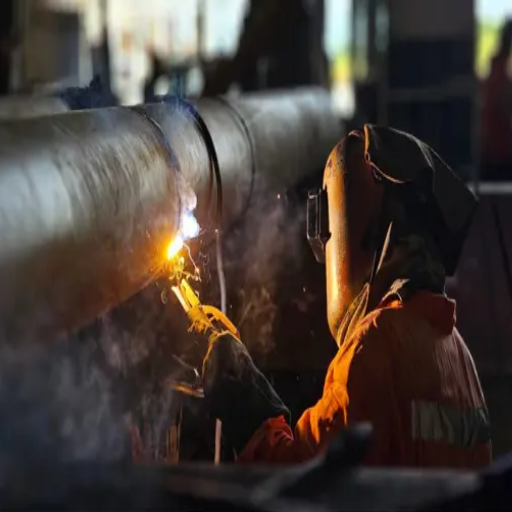
高度な溶接位置とは、その複雑さのために、より高い精度、スキル、専門知識を必要とする技術と方向を意味します それらは次のとおりです:
- フラットポジション (1G/1F) = この溶接は水平面の上側で行われます。これは最も簡単な位置と考えられ、初心者に適しています。.
- 水平位置 (2G/2F) ~ この位置では、溶接は水平軸に沿って行われ、溶接機は電極を最大限制御して動かして、均一な溶接を確保する必要があります。.
- 垂直位置 (3G/3F) ~ 溶接は下方または上方に移動する垂直軸で実行されるため、滴下などの問題を防ぐために材料をより細かく制御する必要があります。.
- オーバーヘッド位置 (4G/4F) = すべての溶接位置の中で最も難しいため、溶接はオーバーヘッドで行われ、安全のために溶融金属を制御する必要があります。.
- これらのポジションに熟達しているフィッターウェルダーは、さまざまな性質や範囲のプロジェクトを目指すことができます。.
4G溶接位置の把握
溶接位置4Gとは、頭上の位置で溝溶接を溶接することを指します。溶融金属の制御が難しいため、溶接工にとって最も困難な位置と言われています。通常、この位置は、頭上の梁やパイプラインを敷設するときなどの構造工事中に採用されます。.
Google の検索エンジンからの最新データは、不適切なビーズの浸透や滴り、欠陥など、「4G 溶接技術」および「4G 溶接テストの合格方法」検索におけるタマネギの皮剥ぎによって引き起こされる一貫した課題を明らかにしています。溶接工は、電極の角度を付けて溶接水たまりを制御するための短い円弧長を維持することなど、これらのタスクを完了するための高度なメカニズムをセットアップします。また、これらの予防措置には、溶けた金属の飛散から保護するように設計された耐炎性の衣類やシールドなどの必要な措置も含まれています。 4G 溶接位置の習得は溶接工のスキルの明らかな証拠であり、高度な認定と仕事の要件です。.
5G溶接位置の探索
の 5G 溶接位置はタイプです パイプが水平のままであるが回転できない固定位置の; したがって、溶接機は固定パイプの周りを作業する必要があります。 5G溶接位置は、単一のジョブで、オールインオーバーヘッド、垂直、水平位置を含むさまざまな角度で溶接する必要があるため、困難です。最近の研究によると、溶接機は「カップを歩く」などの技術に依存しており、この位置で溶接している間、より安定性と一貫性を保つことができます。さまざまな角度で完全性を維持できるように溶接を正確に制御することが不可欠です。適切な面取りやクランプなど、起こり得るエラーを防ぐために適切な準備を考慮する必要があります。 5G位置の習得は、石油やガスなどの産業では不可欠です。 、パイプラインには耐久性と品質を確保するために、このような固定位置溶接が溶接されることがよくあります。.
6G溶接位置に関する洞察
6G溶接位置は、溶接において最も困難でスキルが必要な位置の1 つと考えられています。 単純なアダプターが溶接できる他の位置とは異なり、6G内のパイプは45 度の角度で固定された状態に保持され、それによって溶接機は上向き、水平、下向きの角度で溶接を実行する必要があります。この位置を習得すると、オペレーターは厳しい条件下で複雑な形状を溶接する能力よりも優れています。.
現在の業界調査では、航空宇宙、石油 ガスパイプライン建設、建設などの分野で6G溶接機能の需要が高まっていることが示されています。 Google Trendsのデータによると、6G溶接の認定およびトレーニングプログラムに関連する検索用語はここ数年で着実に増加しており、このスキルが市場の需要を得ていることを示しています。.
このポジションには、溶接装置とフィラー材料に関する高いレベルの知識と、特定の金属ごとに正しい技術が必要です 溶接中の熱制御が重要になるだけでなく、手の安定性を維持する 最も重要な側面は、6Gポジションで完璧で耐久性のある溶接を準備することです 高度な認定専門家は、スキルを検証し、キャリアの機会を高める可能性のあるAWSの承認を追求するなど、さらなるトレーニングを受けることさえあります。.
溶接位置の比較
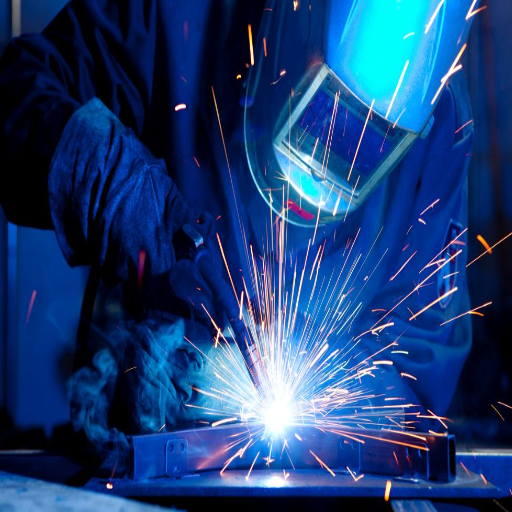
これらは溶接位置のタイプです: フラット、水平、垂直、オーバーヘッド、およびパイプ (5Gと6G) 非常に簡単に言うと、表にこれらの溶接位置の比較があります:
| 位置 | コード | 説明 | キーチャレンジ | 一般的な使用 |
|---|---|---|---|---|
| 平坦 | 1G/1F | 上に溶接します | 管理が簡単 | 一般溶接 |
| 水平 | 2G/2F | サイドウェルド | Gravity effects | Butt welds |
| Vertical | 3G/3F | Up/down weld | Metal sagging | 構造的 |
| Overhead | 4G/4F | Below weld | Gravity pulling | Fixed setups |
| 5G | 5G | Pipe horizontal | Multi-position | Pipe welding |
| 6G | 6G | Pipe at 45° | 複素角 | 認定 |
1G to 6G: Key Differences
Welding positions differ from one to another in terms of orientation, complexity, and application, ranging from flat and simple (1G) to angled and challenging (6G).
| 位置 | コード | Orientation | Complexity | Key Use | チャレンジ |
|---|---|---|---|---|---|
| 平坦 | 1G | 水平 | Simple | General welds | 管理が簡単 |
| 水平 | 2G | Vertical plane | 中程度 | Butt joints | Gravity effects |
| Vertical | 3G | Vertical axis | 中程度 | 構造的 | Metal sagging |
| Overhead | 4G | Below welder | Difficult | Fixed setups | Gravity pulling |
| Pipe Fixed | 5G | Horizontal pipe | Advanced | Pipe welding | Multi-position |
| Pipe Angled | 6G | 45° pipe angle | Most complex | 認定 | All positions |
Common Welding Positions and Their Uses
Welding positions have been categorized concerning practical applications and technical problems in the industry. Some of the leading welding positions, alongside their common uses, are outlined below:
- 1G (Flat Position): Starting welders will almost certainly learn welding in the 1G position since it is the simplest position to work in; it is widely employed in manufacturing and construction wherein flat materials are welded with gravity assisting in keeping a steady weld pool.
- 2G (Horizontal Position): Structural welds using the 2G position are essentially laid on horizontal things such as pipes, I-beams, etc. This horizontal position requires an exact hand against gravity to ensure a clean weld.
- 3G (Vertical Position): Seen in shipbuilding, industrial construction, and all other trades where welders weld materials in a vertical position. Skill is required to control the flow of molten metal and avoid defects.
- This position involves welding, typically from an overhead position, on pipework, as well as automotive repair and maintenance. The 4G position, being considered one of the more challenging work positions, requires welders to work against gravity and ensure weld integrity is maintained.
- Also known as a fixed pipe position in the industry, the 5G position is typically installed horizontally and is most commonly used in oil and gas solutions. Welders need to go around the pipe in various positions, adapting their technique to weld all the way around the pipe circumference.
- Inclined pipe positioning is considered the most challenging aspect. Due to its versatility, the 6G position is utilized for the highest level of execution in various industries, including power plants, offshore drilling, and aerospace. The pipe is angled at 45 degrees, thus requiring the use of a combination of vertical and horizontal welds. A certification in 6G signifies a very high level of skill and adaptability in welding.
Since the welding positions are intended to answer specific concerns of the industries concerning the structure or quality of various projects, each pose presents its problems, depending on the complexity and variety of the welding that will be presented.
Welding Skills Required for Each Position
Different welding positions require unique skills and techniques to provide precision and quality to the weld. They also depend on complexity and environment. It requires basic manual skills, including steady hand control and maintaining even heat and speed during flat welding (1G). This is considered a straightforward position; therefore, new welders typically begin with it.
On the other hand, horizontal welding (2G) requires maintaining control over the weld pool while gravity works against it, causing the molten metal to sag. Welders must be able to maintain precise angles and travel speeds to achieve acceptable, uniform welds.
As 3G welders, gravity introduces another level of complexity, particularly in the stoppage of sags during upward and downward passes of a weld bead. Welders must work with their equipment expertly, using exact heat settings and a steady hand technique to counteract the effects of gravity.
Overhead welding (4G) is one of the most challenging welding positions, requiring exceptional skill in manipulating the molten weld pool as it moves against gravity. Welders must possess perfect precision, excellent hand-eye coordination, and accurate knowledge of shielding techniques to prevent defects such as slag inclusions.
The 5G and 6G positions entail pipe welding at fixed angles along cylindrical surfaces. In addition to being able to weld in various orientations, these positions require a thorough understanding of pipe alignment and rotation. The 6G position is considered one of the most difficult as welders must apply their technical knowledge and solve problems in a challenging environment.
A welder’s grasp of safety procedures, materials, and machinery across all positions is very much crucial to achieving good and quality welds. Practice, training, discipline, and retraining on the positions are essential to attain exceptional quality welds and conform to innovations in the welding industry.
Techniques for Successful Welding
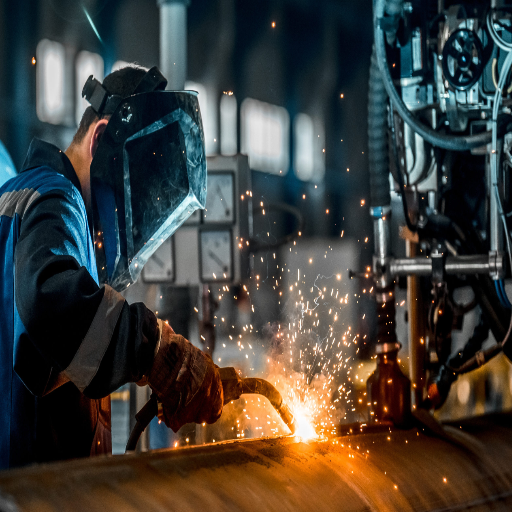
- Preparation: The surfaces ought to be cleaned well, removed from rust, dirt, or oil. Pollution creates weak bonds and hence welds of bad quality.
- Proper Equipment Usage: Equip yourself for the material type and the welding method. Be aware of the equipment user-wise to have control and be precise.
- Consistent Technique: Weld while walking with a steady line, correct angle, and flat speed, so that the welds will be uniform.
- Safety First: Use protective gear first, including gloves, a helmet, and goggles, and ensure you operate under a well-ventilated setup.
- Practice and Patience: Doing it repeatedly will improve it; it will also give you confidence. Always stay focused on the simpler things before moving on to the more complex ones.
Tips for Flat Welding and Overhead Welding
- Recognize the Welding Position: Flat welding is undertaken on the horizontal position, allowing gravity to do its work on the weld pool. In overhead welding, special care must be taken by the welder, as gravity can hinder the process, resulting in drips or uneven welds.
- Adjust Your Heat Settings: Using less amperage is best for overhead welding, as it prevents the weld pool from being too fluid and dripping down. For flat welding, more amperage can usually be utilized in the interest of speed and penetration.
- Give Thought to the Nature of Your Welding Rod or Wire: A standard rod or wire will do for flat-welding purposes. For overhead welding, one must choose a rod or wire best suited for controlling molten metal in more challenging positions, such as those rated for all-position welding.
- Maintain Proper Angle and Distance: For flat welding, angle the electrode slightly, around 5 to 15 degrees, to ensure even penetration. For overhead welding, maintain a short arc and hold the electrode perpendicular to the joint to minimize spatter and dripping.
- Wear Proper Protective Equipment. Flat and overhead welding require complete protective equipment; however, overhead welding necessitates special attention to protective helmets and flame-resistant clothing to prevent injury from falling sparks or molten material.
Best Practices for Pipe Welding
- Ensure Proper Joint Preparation
Start with the pipe edges having been cleaned and beveled to achieve good and consistent welds, removing rust, grease, dirt, and all contaminants that can hinder good weld penetration.
- Select the Right Welding Process
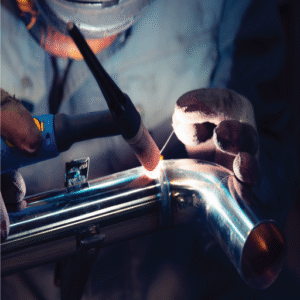
Choose the welding process for the job: TIG welding may be suitable for precision, while Stick welding (SMAW) is better suited for outdoor work conditions.
- Maintain Proper Heat Input
Control the heat input carefully to avoid warping or cracking. A lot of heat will distort the material, whereas less heat will generate poor fusion.
- Use Correct Welding Position and Technique
Use methods appropriate for horizontal, vertical, or inclined pipe positions, maintaining a constant travel speed to achieve a uniform weld.
- Inspect and Test Welds
Conduct thorough inspections and utilize NDT techniques, such as X-ray, ultrasonic testing, and dye penetrant testing, to verify weld strength and provide safety assurances in accordance with industry standards.
Achieving Precision in Vertical and Horizontal Welding
Vertical and Horizontal Welding: Key Technologies and Best Practices for High-Quality Welds
- The nomenclature of joint preparation
All joints should be clean, free from contamination, and properly aligned. Proper bevel and joint fitings allow better weld penetration and uniformity.
- Heat-Input Control
During welding operations, the heat input must be optimized and maintained to prevent situations such as warping and burning through the material. Amperage, voltage, and travel speed for specific welding positions should be taken into consideration.
- Stringer Beads
In vertical welding, stringer beads should be used with consistent upward or downward movement to give better control and reduce the chances of weld sagging or other defects.
- Electrode Angle Stability
Throughout work on both vertical and horizontal joints, maintain a consistent electrode angle relative to the workpiece surface. A travel angle of approximately 10 to 15 degrees generally works well for the weld pool to be smooth and even.
- Monitor Environmental Conditions
Whatever can affect shielding gas coverage—wind or drafts —leads to porous or weak welds. Employ welding curtains or shields to prevent that, if need be.
Following these rules can significantly improve the accuracy, strength, and durability of both vertical and horizontal welds.
参照ソース
- “An Effect of Electrical Current Strength and DCEN Polarity on SMAW Welding Results in Butt Joint Position 1G”
- 著者: Rika Veronika et al.
- 発行: July 24, 2023
- 主要な調査結果: This study examines the effect of varying electrical current strengths (60 A, 90 A, and 120 A) on the quality of welds in the 1G position using Shielded Metal Arc Welding (SMAW). The results indicated that:
- At 60 A, penetration was insufficient, leading to defects.
- At 90 A, there was improved penetration, but it was still incomplete.
- At 120 A, while penetration improved, defects were still present.
- 方法論: An experimental approach was employed, with qualitative assessments of weld quality based on visual inspections and defect analysis (Veronika, Bohari, & Putra, 2023; Veronika, Bohari, Yhuto, et al., 2023).
- “Analysis of Current on Mechanical Properties and Microstructure of A53 Gr B Material with Gas Tungsten Arc Welding Process”
- 著者: T. Tarmizi et al.
- 発行: May 3, 2021
- 主要な調査結果: This research focused on the effects of welding current on the mechanical properties of A53 Gr B steel welded using GTAW (Gas Tungsten Arc Welding) in the 5G position. The study found that:
- A current of 90 A yielded the best tensile strength (480 MPa) and hardness (190 HV).
- Lower currents resulted in incomplete penetration defects.
- 方法論: The study employed a systematic approach, varying the current and measuring the resulting mechanical properties and microstructure through tensile and hardness tests(Tarmizi et al., 2021, pp. 20–28).
- “Analysis of Welding Position and Current on Mechanical Properties of A36 Steel using Shield Metal Arc Welding”
- 著者: F. Vietanti et al.
- 発行: November 1, 2021
- 主要な調査結果: This study investigated the impact of various welding positions (1G, 2G, and 3G) and current levels on the mechanical properties of A36 steel. The results indicated:
- The 1G position provided the highest tensile strength and hardness.
- Variations in current significantly influenced the mechanical properties.
- 方法論: The research employed experimental methods, conducting tensile tests and hardness measurements to evaluate the effects of welding parameters (Vietanti et al., 2021).
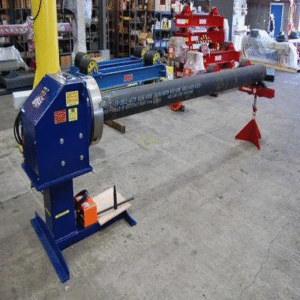
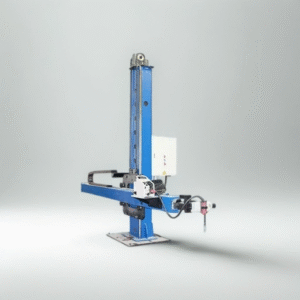
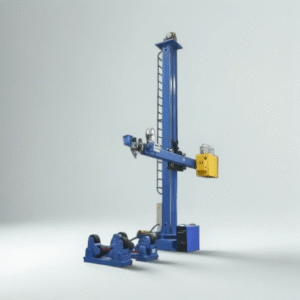
- 中国のトップ溶接ポジショナーメーカーとサプライヤー
よくある質問 (FAQ)
1g溶接位置とは何ですか?
1g溶接位置とは、溶接が接合部の上側で行われる平らな位置を指し、溶接装置の操作が容易になります。この位置は溶接プレートによく使用され、最も基本的でアクセスしやすい溶接位置の1つと考えられており、初心者に最適です。.
2g溶接位置は1g位置とどのように異なりますか?
2g溶接位置は、溶接継手が水平に配置されている水平位置での溶接を含み、溶接機は溶接プールの側面で作業しながら溶接プールの制御を維持する必要があります。この位置は、重力が溶接プールに大きく影響するため、平坦な1g位置と比較して独特の課題を提示します。.
3g溶接位置とその用途とは何ですか?
3g溶接位置は、溶接継手が垂直方向に向けられる垂直位置であり、この位置は、様々な用途、特に垂直継手が一般的な構造溶接やパイプ溶接で頻繁に使用されるが、3g溶接位置の習得は、その複雑さのために溶接工にとって不可欠である。.
4g溶接位置の課題は何ですか?
The 4 G welding position involves welding in an overhead position, which can be quite challenging due to gravity affecting the molten weld pool. Welders must develop specific skills to control the weld and prevent defects, making the 4g position one of the more advanced welding positions.
5g溶接位置の意義は?
The 5 G welding position is used primarily for pipe welding, where the pipe is fixed in a horizontal orientation. This position requires the welder to manage the weld pool effectively while working around the pipe’s curvature, making it essential for welders to have adequate skills to produce a quality weld.
6gの溶接位置は5gとどのように異なりますか?
6g 溶接位置は、パイプを 45 度の角度で溶接する、より高度な位置です。この位置は、5 G 位置と 6 G 位置の両方の側面を組み合わせているため、溶接工が溶接を効果的に完了するために技術を適応させる必要があるため、困難です。これは、重要な配管用途でよく使用されます。.
さまざまな種類の溶接位置とその重要性は何ですか?
溶接位置を理解することは、どの溶接工にとっても非常に重要です。各位置 1 G、2 G、3G、4 G、5 G、および 6 G ¢ には独自の課題と用途があるためです。溶接用途の安全性と品質を確保するためにさまざまな種類の溶接位置が標準化されており、これらの位置を習得することは溶接分野でのキャリアアップに不可欠です。.
4g位置のオーバーヘッド溶接に必要なスキルとは?
4g位置でのオーバーヘッド溶接には、スラグ介在物やその他の欠陥を防ぐために溶接プールを制御し、安定した手を維持する能力など、特定のスキルセットが必要です。溶接工は、熱を管理し、強力な溶接接合部を確保するための適切な技術にも精通している必要があります。.