용접은 건설,제조, 항공우주,자동차 등 다양한 산업 분야에서 가르치는 필수 기술입니다. 용접의 복잡성은 용접 작업 수행 방식에만 있는 것이 아니라 용접 위치를 이해하는 방식에도 있습니다. 본질적으로 용접공의 기술과 다재다능함의 기초가 되는 1G,2G, 3G,4G, 5G,6G 와일드 기술 용어. 각 위치는 서로 다른 도전과 용도를 수반하며,이에 따라 용접의 강도,품질 및 일관성이 영향을 받습니다. 우리는 이러한 중요한 용접 위치를 철저히 탐색하고 일반인과 전문가가 모두 접근할 수 있는 방식으로 설명하여 용접 위치와 실제 생활에서의 응용 프로그램의 본질을 파악할 수 있도록 합니다. 기술을 연마하는 것을 목표로 하든 단순히 용접 지식을 풍부하게 하는 것을 목표로 하든 이 기사는 성공의 길을 열어줄 모든 통찰력을 제공할 것입니다.
용접 위치 소개
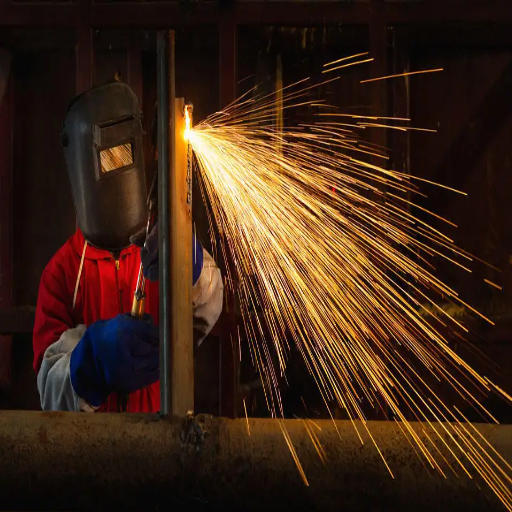
용접 위치라는 용어는 용접이 수행되는 특정 방향을 설명합니다. 용접 품질,효율성 및 전반적인 성공이 용접의 영향을 받기 때문에 중요합니다. 4 가지 기본 용접 위치가 있습니다: 평평,수평, 수직 및 오버 헤드. 사용되는 모든 위치와 방법은 적절한 융합 및 구조적 무결성을 달성하기 위해 사용되는 기술에 따라 매우 약간의 어려움을 초래합니다. 이러한 위치에서의 용접은 용접공이 접할 수있는 다양한 프로젝트 요구 사항과 개인이 인터페이스하고 다양한 응용 분야에서 일관되고 고품질의 결과를 얻을 수있는 가장 중요한 단계로 간주됩니다.
용접의 개요
용접으로 인해 건설,자동차, 항공 우주,에너지 생산 등 많은 산업이 번성했습니다. 산업적으로 제조된 제품의 약 50% 는 생산 과정에서 용접에 의존하므로 판매 가능한 가치를 더합니다. 용접은 구조물에 강도와 내구성을 부여하여 복잡한 설계와 구성 요소의 제작을 가능하게 합니다. 기술 발전으로 용접에 대한 연구는 점점 더 흥미로워졌으며 로봇 및 레이저 용접은 정확성,효율성 및 지속 가능성에 대한 증가하는 수요를 충족시키기 위해 규율을 더욱 추진했습니다. 따라서 이러한 증가된 혁신은 용접을 현대 인프라와 기술을 형성하는 가장 중요한 기술 및 프로세스 중 하나로 더욱 촉진했습니다.
용접 위치의 중요성
용접 위치는 주로 그들의 질,힘, 및 내구성의 시대를 관련시킵니다. 용접을 실행하는 용접공의 위치는 그러므로 건축,항공 우주,자동, 또는 조선 공업에 있는 일의 성공적인 질을 결정하는 주요 요인의 한개입니다. 4 개의 기본적인 용접 위치는 미국 용접 사회 (AWS) 기준 정의에 의해 인식됩니다: 편평한 (다운핸드), 수평한,수직, 및 머리 위. 각 위치는 그것의 자신의 전문 기술을 요구하고 안전한 용접을 설치하는 특별한 도전을 제시합니다.
연구에 따르면,오버헤드 및 수직 위치와 같이 이상적이지 않은 작업 조건은 평평한 용접에 비해 생산성을 30 퍼센트나 감소시키는 경향이 있습니다. 그 이유는 용접 풀을 중력에 대항하여 제어하기가 어렵기 때문에 용접에 슬래그 포함 또는 융합 부족과 같은 결함이 발생할 가능성이 높아지기 때문입니다. 이는 용접공을 교육하고 위치에 관계없이 용접이 올바르게 실행되도록 하는 것의 중요성을 더욱 강조합니다.
로봇 및 자동화 용접 시스템의 기술 진화는 어렵거나 어색한 위치에서 높은 정밀도와 일관성의 용접을 수행하기 위해 이러한 장벽을 해결하고 있습니다. 예를 들어,자동차 제조와 같이 여러 위치에서 정밀한 용접이 필요한 산업에서 로봇 용접 시스템이 생산성을 약 40 퍼센트 증가시키는 것으로 나타났습니다.
더욱이,직업 자격증은 표준의 일부로서 포지션에서의 용접 기술을 강조합니다. 연구에 따르면 하나 이상의 포지션에서 인증된 용접공은 기본 포지션에만 국한된 용접공보다 15-20 퍼센트 더 많은 수익을 올릴 수 있으므로 무역에서 다재다능하다는 가치를 확립합니다. 용접 포지션에 대한 지식과 이해는 용접 품질 향상뿐만 아니라 안전성과 효율성 보장,궁극적으로 프로젝트의 성공적인 완료를 위해 필수적입니다.
다양한 산업 분야의 응용 분야
용접은 다양한 산업 전반에 걸친 근본적인 과정으로,현대 인프라 및 제조 분야에서 다재다능함과 중요성을 강조합니다. 다음은 용접이 중요한 역할을 하는 몇 가지 주요 분야입니다.
- 건설 산업
용접은 건물,교량 및 기타 유형의 인프라 건설에 매우 중요합니다. 강철 프레임 워크,파이프 라인 및 보강 막대는 한 가지 기술 또는 다른 기술을 사용하여 자주 용접됩니다. 다른 용도 중 어떤 형태의 용접은 건설에 매우 중요하므로 전 세계적으로 생산되는 모든 철강의 약 50 퍼센트가 건물 및 인프라에 사용될 예정입니다.
- 자동차 산업
용접은 차량 건축의 중심에,차 포좌의 용접에서 시작하고 배출 체계의 용접에 확장합니다. 로봇 용접은 대량 생산에 있는 정밀도 그리고 효율성의 고도를 달성할지도 모릅니다. 최근 자료는 평균 차에 있는 성분의 70% 이상 용접한 부속으로 이루어져 있다는 것을 보여줍니다.
- 항공우주산업
항공우주 산업은 경량 공기 및 내열 소재를 결합하기 위해 특별한 용접 고려 사항이 필요합니다. 정밀 용접 설계는 항공기 조립에 필수적이며 용접 공정은 주로 티타늄,알루미늄 및 복합재를 활용합니다. 항공우주 부품의 중량을 최소화하면서 구조적 강도를 보장하기 위해 능력 용접이 사용됩니다.
- 에너지 산업
용접은 석유 및 가스 파이프라인에서 풍력 터빈 제작과 같은 재생 에너지 활동에 이르기까지 에너지 산업에 서비스를 제공합니다. 수중 아크 용접은 주로 고압 파이프라인용 조인트를 만드는 데 사용됩니다; 용접은 플랜트 및 태양광 설비를 유지하는 데에도 중요합니다.
- 조선 및 해양 산업
용접은 내구성과 성능 고려 사항 때문에 모든 경우에 해양 산업에 도움이 됩니다. 해양 용접은 부식성 조건을 견딜 수 있도록 까다로운 표준을 충족해야 합니다. 선박 수리 및 유지 관리에 대한 수요가 항상 증가하는 가운데 업계는 매년 수십억 달러의 가치가 있습니다.
이러한 산업은 기술 및 경제 발전을 촉진하는 예술이자 과학으로서 용접이 갖는 믿을 수 없을 정도로 광범위한 범위와 중요성을 입증합니다.
고급 용접 위치
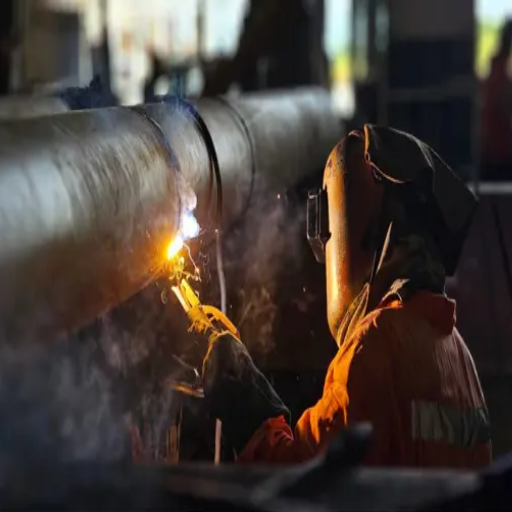
고급 용접 위치는 복잡성으로 인해 더 큰 정밀도, 기술 및 전문 지식이 필요한 기술 및 방향을 의미합니다. 그들은:
- 평평한 위치 (1G/1F) – 이 용접은 수평면의 위쪽에서 수행됩니다. 이것은 가장 쉬운 위치로 간주 될 수 있으며 초보자에게 적합합니다.
- 수평 위치 (2G/2F) – 이 위치에서 용접은 수평 축을 따라 이루어지며 용접기는 균일 한 용접을 보장하기 위해 최대한의 제어로 전극을 이동해야합니다.
- 수직 위치 (3G/3F) – 아래 또는 위로 이동하는 수직 축에서 용접이 수행되므로 물방울과 같은 문제를 방지하기 위해 재료에 대한 더 많은 제어가 필요합니다.
- 머리 위 위치 (4G/4F) – 모든 용접 위치 중 가장 까다로운 용접은 머리 위에서 이루어지며 안전을 위해 용융 금속을 제어해야합니다.
- 이러한 직위에 능숙하기 때문에 더 건강한 사람은 다양한 성격과 범위의 프로젝트를 열망할 수 있습니다.
4G 용접 위치 이해
용접 위치 4G 는 오버헤드 위치의 용접 홈 용접을 말합니다. 용융 금속 제어의 어려움으로 인해 용접공이 작업하기에 가장 까다로운 위치라고 합니다. 일반적으로 이 위치는 오버헤드 빔 및 파이프라인을 놓을 때와 같은 구조 작업 중에 채택됩니다.
구글의 검색 엔진의 최신 데이터는 부적절한 비드 침투 및 드립 또는 결함과 같은 “4G 용접 기술” 및 “4G 용접 테스트 통과 방법” 검색에서 양파 스키닝으로 인해 지속적으로 제기되는 문제를 보여줍니다. 용접공은 전극을 각도하고 용접 웅덩이를 제어하기 위해 짧은 아크 길이를 유지하는 것을 포함하는 이러한 작업을 완료하기 위해 고급 메커니즘을 설정합니다. 또한 이러한 예방 조치에는 용융 금속이 튀는 것을 방지하도록 설계된 방패 및 방패와 같은 필요한 조치가 포함됩니다. 4G 용접 위치 숙달은 용접공의 기술을 보여주는 명확한 증거이며 고급 인증 및 직무에 대한 요구 사항입니다.
5G 용접 위치 탐색
5g 용접 위치는 유형입니다 파이프가 수평으로 유지되지만 회전 할 수없는 고정 위치; 따라서 용접기는 고정 파이프 주변에서 작업해야합니다. 5G 용접 위치는 단일 작업에서 올인 오버 헤드,수직 및 수평 위치를 포함하여 다양한 각도에서 용접해야하므로 도전적입니다. 최근 연구에 따르면 용접공은 “컵을 걷고”와 같은 기술에 의존하여이 위치에서 용접하는 동안 더 많은 안정성과 일관성을 유지하는 데 도움이됩니다. 다양한 각도에서 무결성을 유지하도록 용접을 정밀하게 제어하는 것이 필수적입니다. 적절한 베벨링 및 클램핑과 같은 좋은 준비를 고려하여 가능한 오류를 방지해야합니다. 5G 위치의 숙달은 내구성과 품질을 보장하기 위해 파이프 라인이 종종 고정 위치 용접으로 용접되는 석유 및 가스와 같은 산업에서 필수적입니다.
6G 용접 위치에 대한 통찰력
6G 용접 위치는 용접에서 가장 어렵고 기술이 필요한 위치 중 하나로 간주됩니다. 간단한 어댑터가 용접 할 수있는 다른 위치와 달리 6G 의 파이프는 45 도 각도로 고정되어있어 용접기가 위쪽,수평 및 아래쪽 각도에서 용접을 수행 할 수 있습니다. 이 위치를 마스터하면 실제로 작업자가 게임보다 앞서게됩니다. 즉,가혹한 조건에서 복잡한 형상을 용접 할 수있는 능력입니다.
현재 업계 연구에 따르면 항공 우주,석유 및 가스 파이프 라인 건설,건설과 같은 분야에서 6G 용접 기능에 대한 수요가 증가하고 있습니다. Google Trends 데이터에 따르면 6G 용접 인증 및 교육 프로그램과 관련된 검색어는 지난 몇 년 동안 꾸준한 증가를 경험했으며 이는이 기술이 시장 수요를 얻었음을 나타냅니다.
이 직책은 용접 장비 및 필러 재료에 대한 높은 수준의 지식과 더불어 각 특정 금속에 대한 올바른 기술을 요구합니다. 용접 중 열 제어는 물론 손의 안정성 유지가 중요합니다. 가장 중요한 측면은 6G 위치에서 완벽하고 내구성이 뛰어난 용접을 준비하는 것입니다. 고급 인증 전문가는 자신의 기술을 검증하고 잠재적으로 경력 기회를 향상시키기 위해 AWS 승인을 추구하는 등 추가 교육을 받을 수도 있습니다.
용접 위치 비교
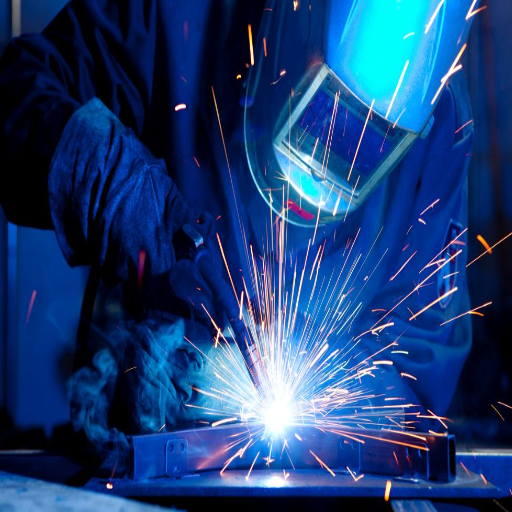
이들은 용접 위치의 유형입니다: 편평한,수평한, 수직,오버헤드, 관 그들 (5G 와 6G). 아주 간단하게 둬,여기 테이블에서 이 용접 위치 사이 비교는:
| 위치 | 코드 | 설명 | 핵심 과제 | 일반적인 사용 |
|---|---|---|---|---|
| 플랫 | 1G/1F | 위에 용접 | 관리하기 쉬운 | 일반 용접 |
| 수평의 | 2G/2F | Side weld | Gravity effects | Butt welds |
| Vertical | 3G/3F | Up/down weld | Metal sagging | Structural |
| Overhead | 4G/4F | Below weld | Gravity pulling | Fixed setups |
| 5G | 5G | Pipe horizontal | Multi-position | Pipe welding |
| 6G | 6G | Pipe at 45° | Complex angles | Certification |
1G to 6G: Key Differences
Welding positions differ from one to another in terms of orientation, complexity, and application, ranging from flat and simple (1G) to angled and challenging (6G).
| 위치 | 코드 | Orientation | 복잡성 | Key Use | Challenge |
|---|---|---|---|---|---|
| 플랫 | 1G | 수평의 | 간단한 | General welds | 관리하기 쉬운 |
| 수평의 | 2G | Vertical plane | 보통의 | Butt joints | Gravity effects |
| Vertical | 3G | Vertical axis | 보통의 | Structural | Metal sagging |
| Overhead | 4G | Below welder | 어려운 | Fixed setups | Gravity pulling |
| Pipe Fixed | 5G | Horizontal pipe | 고급 | Pipe welding | Multi-position |
| Pipe Angled | 6G | 45° pipe angle | Most complex | Certification | All positions |
Common Welding Positions and Their Uses
Welding positions have been categorized concerning practical applications and technical problems in the industry. Some of the leading welding positions, alongside their common uses, are outlined below:
- 1G (Flat Position): Starting welders will almost certainly learn welding in the 1G position since it is the simplest position to work in; it is widely employed in manufacturing and construction wherein flat materials are welded with gravity assisting in keeping a steady weld pool.
- 2G (Horizontal Position): Structural welds using the 2G position are essentially laid on horizontal things such as pipes, I-beams, etc. This horizontal position requires an exact hand against gravity to ensure a clean weld.
- 3G (Vertical Position): Seen in shipbuilding, industrial construction, and all other trades where welders weld materials in a vertical position. Skill is required to control the flow of molten metal and avoid defects.
- This position involves welding, typically from an overhead position, on pipework, as well as automotive repair and maintenance. The 4G position, being considered one of the more challenging work positions, requires welders to work against gravity and ensure weld integrity is maintained.
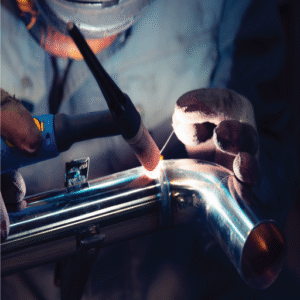
- Also known as a fixed pipe position in the industry, the 5G position is typically installed horizontally and is most commonly used in oil and gas solutions. Welders need to go around the pipe in various positions, adapting their technique to weld all the way around the pipe circumference.
- Inclined pipe positioning is considered the most challenging aspect. Due to its versatility, the 6G position is utilized for the highest level of execution in various industries, including power plants, offshore drilling, and aerospace. The pipe is angled at 45 degrees, thus requiring the use of a combination of vertical and horizontal welds. A certification in 6G signifies a very high level of skill and adaptability in welding.
Since the welding positions are intended to answer specific concerns of the industries concerning the structure or quality of various projects, each pose presents its problems, depending on the complexity and variety of the welding that will be presented.
Welding Skills Required for Each Position
Different welding positions require unique skills and techniques to provide precision and quality to the weld. They also depend on complexity and environment. It requires basic manual skills, including steady hand control and maintaining even heat and speed during flat welding (1G). This is considered a straightforward position; therefore, new welders typically begin with it.
On the other hand, horizontal welding (2G) requires maintaining control over the weld pool while gravity works against it, causing the molten metal to sag. Welders must be able to maintain precise angles and travel speeds to achieve acceptable, uniform welds.
As 3G welders, gravity introduces another level of complexity, particularly in the stoppage of sags during upward and downward passes of a weld bead. Welders must work with their equipment expertly, using exact heat settings and a steady hand technique to counteract the effects of gravity.
Overhead welding (4G) is one of the most challenging welding positions, requiring exceptional skill in manipulating the molten weld pool as it moves against gravity. Welders must possess perfect precision, excellent hand-eye coordination, and accurate knowledge of shielding techniques to prevent defects such as slag inclusions.
The 5G and 6G positions entail pipe welding at fixed angles along cylindrical surfaces. In addition to being able to weld in various orientations, these positions require a thorough understanding of pipe alignment and rotation. The 6G position is considered one of the most difficult as welders must apply their technical knowledge and solve problems in a challenging environment.
A welder’s grasp of safety procedures, materials, and machinery across all positions is very much crucial to achieving good and quality welds. Practice, training, discipline, and retraining on the positions are essential to attain exceptional quality welds and conform to innovations in the welding industry.
Techniques for Successful Welding
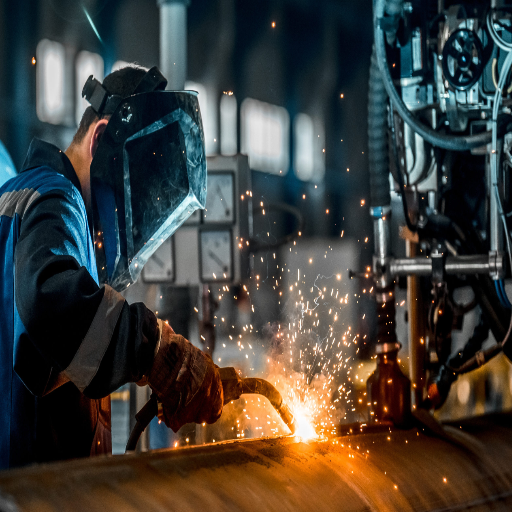
- Preparation: The surfaces ought to be cleaned well, removed from rust, dirt, or oil. Pollution creates weak bonds and hence welds of bad quality.
- Proper Equipment Usage: Equip yourself for the material type and the welding method. Be aware of the equipment user-wise to have control and be precise.
- Consistent Technique: Weld while walking with a steady line, correct angle, and flat speed, so that the welds will be uniform.
- Safety First: Use protective gear first, including gloves, a helmet, and goggles, and ensure you operate under a well-ventilated setup.
- Practice and Patience: Doing it repeatedly will improve it; it will also give you confidence. Always stay focused on the simpler things before moving on to the more complex ones.
Tips for Flat Welding and Overhead Welding
- Recognize the Welding Position: Flat welding is undertaken on the horizontal position, allowing gravity to do its work on the weld pool. In overhead welding, special care must be taken by the welder, as gravity can hinder the process, resulting in drips or uneven welds.
- Adjust Your Heat Settings: Using less amperage is best for overhead welding, as it prevents the weld pool from being too fluid and dripping down. For flat welding, more amperage can usually be utilized in the interest of speed and penetration.
- Give Thought to the Nature of Your Welding Rod or Wire: A standard rod or wire will do for flat-welding purposes. For overhead welding, one must choose a rod or wire best suited for controlling molten metal in more challenging positions, such as those rated for all-position welding.
- Maintain Proper Angle and Distance: For flat welding, angle the electrode slightly, around 5 to 15 degrees, to ensure even penetration. For overhead welding, maintain a short arc and hold the electrode perpendicular to the joint to minimize spatter and dripping.
- Wear Proper Protective Equipment. Flat and overhead welding require complete protective equipment; however, overhead welding necessitates special attention to protective helmets and flame-resistant clothing to prevent injury from falling sparks or molten material.
Best Practices for Pipe Welding
- Ensure Proper Joint Preparation
Start with the pipe edges having been cleaned and beveled to achieve good and consistent welds, removing rust, grease, dirt, and all contaminants that can hinder good weld penetration.
- Select the Right Welding Process
Choose the welding process for the job: TIG welding may be suitable for precision, while Stick welding (SMAW) is better suited for outdoor work conditions.
- Maintain Proper Heat Input
Control the heat input carefully to avoid warping or cracking. A lot of heat will distort the material, whereas less heat will generate poor fusion.
- Use Correct Welding Position and Technique
Use methods appropriate for horizontal, vertical, or inclined pipe positions, maintaining a constant travel speed to achieve a uniform weld.
- Inspect and Test Welds
Conduct thorough inspections and utilize NDT techniques, such as X-ray, ultrasonic testing, and dye penetrant testing, to verify weld strength and provide safety assurances in accordance with industry standards.
Achieving Precision in Vertical and Horizontal Welding
Vertical and Horizontal Welding: Key Technologies and Best Practices for High-Quality Welds
- The nomenclature of joint preparation
All joints should be clean, free from contamination, and properly aligned. Proper bevel and joint fitings allow better weld penetration and uniformity.
- Heat-Input Control
During welding operations, the heat input must be optimized and maintained to prevent situations such as warping and burning through the material. Amperage, voltage, and travel speed for specific welding positions should be taken into consideration.
- Stringer Beads
In vertical welding, stringer beads should be used with consistent upward or downward movement to give better control and reduce the chances of weld sagging or other defects.
- Electrode Angle Stability
Throughout work on both vertical and horizontal joints, maintain a consistent electrode angle relative to the workpiece surface. A travel angle of approximately 10 to 15 degrees generally works well for the weld pool to be smooth and even.
- Monitor Environmental Conditions
Whatever can affect shielding gas coverage—wind or drafts —leads to porous or weak welds. Employ welding curtains or shields to prevent that, if need be.
Following these rules can significantly improve the accuracy, strength, and durability of both vertical and horizontal welds.
참조 소스
- “An Effect of Electrical Current Strength and DCEN Polarity on SMAW Welding Results in Butt Joint Position 1G”
- 저자: Rika Veronika et al.
- 출판: July 24, 2023
- 주요 결과: This study examines the effect of varying electrical current strengths (60 A, 90 A, and 120 A) on the quality of welds in the 1G position using Shielded Metal Arc Welding (SMAW). The results indicated that:
- At 60 A, penetration was insufficient, leading to defects.
- At 90 A, there was improved penetration, but it was still incomplete.
- At 120 A, while penetration improved, defects were still present.
- 방법론: An experimental approach was employed, with qualitative assessments of weld quality based on visual inspections and defect analysis (Veronika, Bohari, & Putra, 2023; Veronika, Bohari, Yhuto, et al., 2023).
- “Analysis of Current on Mechanical Properties and Microstructure of A53 Gr B Material with Gas Tungsten Arc Welding Process”
- 저자: T. Tarmizi et al.
- 출판: May 3, 2021
- 주요 결과: This research focused on the effects of welding current on the mechanical properties of A53 Gr B steel welded using GTAW (Gas Tungsten Arc Welding) in the 5G position. The study found that:
- A current of 90 A yielded the best tensile strength (480 MPa) and hardness (190 HV).
- Lower currents resulted in incomplete penetration defects.
- 방법론: The study employed a systematic approach, varying the current and measuring the resulting mechanical properties and microstructure through tensile and hardness tests(Tarmizi et al., 2021, pp. 20–28).
- “Analysis of Welding Position and Current on Mechanical Properties of A36 Steel using Shield Metal Arc Welding”
- 저자: F. Vietanti et al.
- 출판: November 1, 2021
- 주요 결과: This study investigated the impact of various welding positions (1G, 2G, and 3G) and current levels on the mechanical properties of A36 steel. The results indicated:
- The 1G position provided the highest tensile strength and hardness.
- Variations in current significantly influenced the mechanical properties.
- 방법론: The research employed experimental methods, conducting tensile tests and hardness measurements to evaluate the effects of welding parameters (Vietanti et al., 2021).
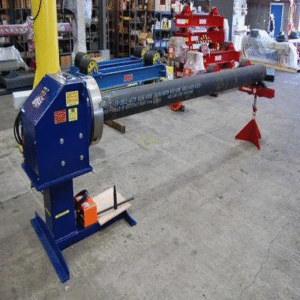
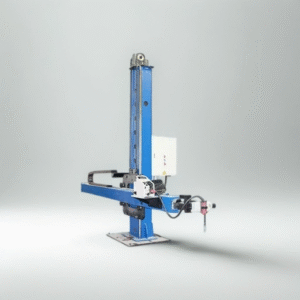
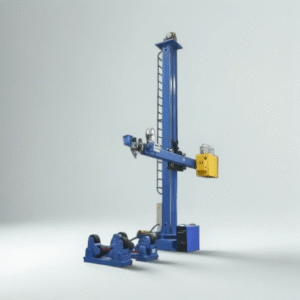
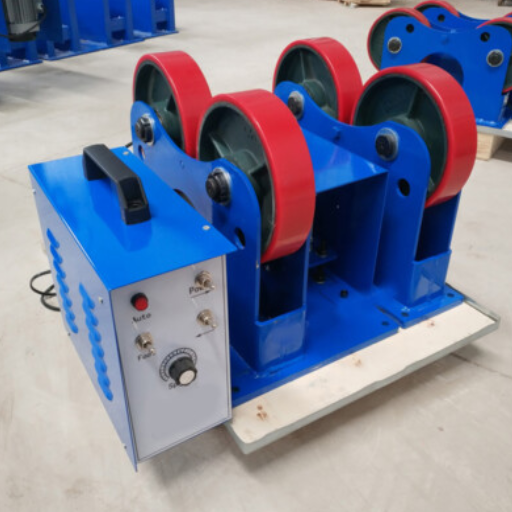
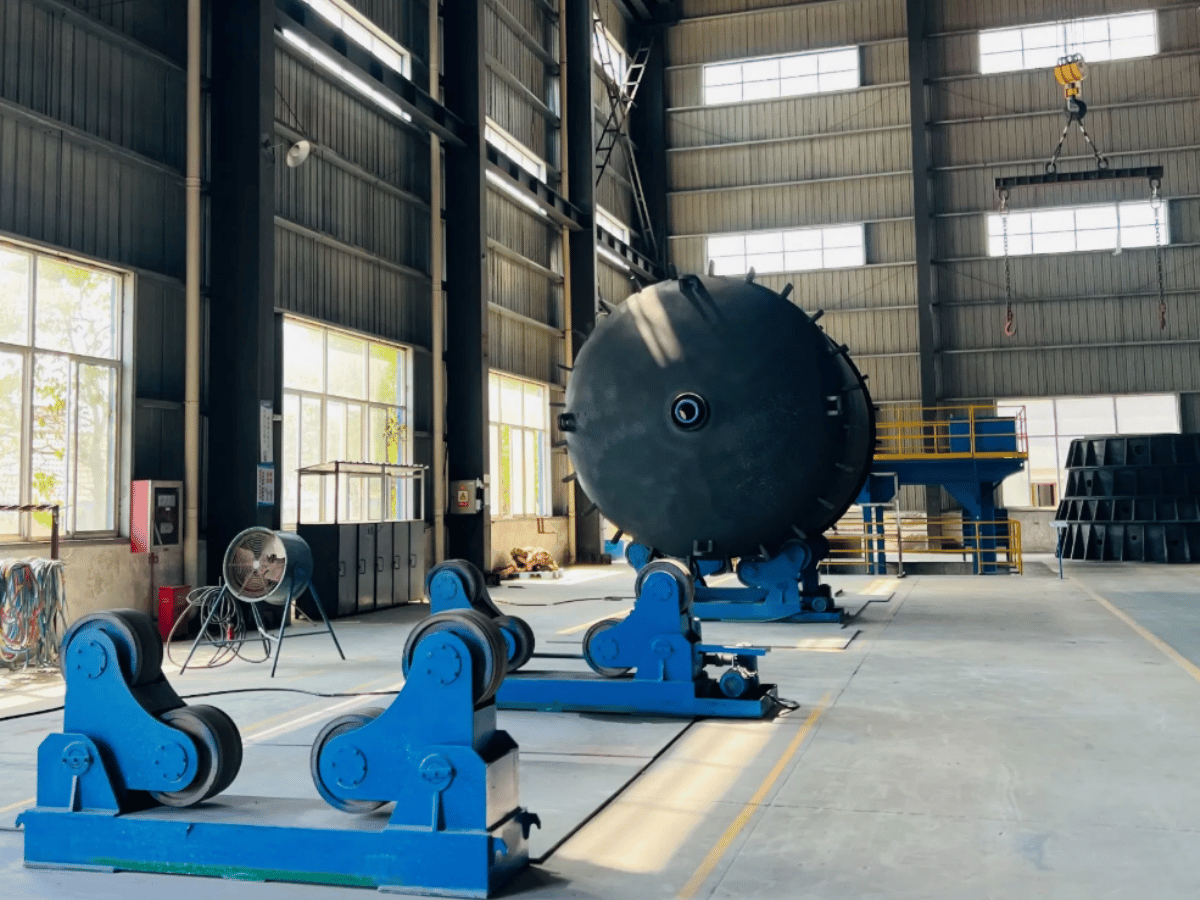
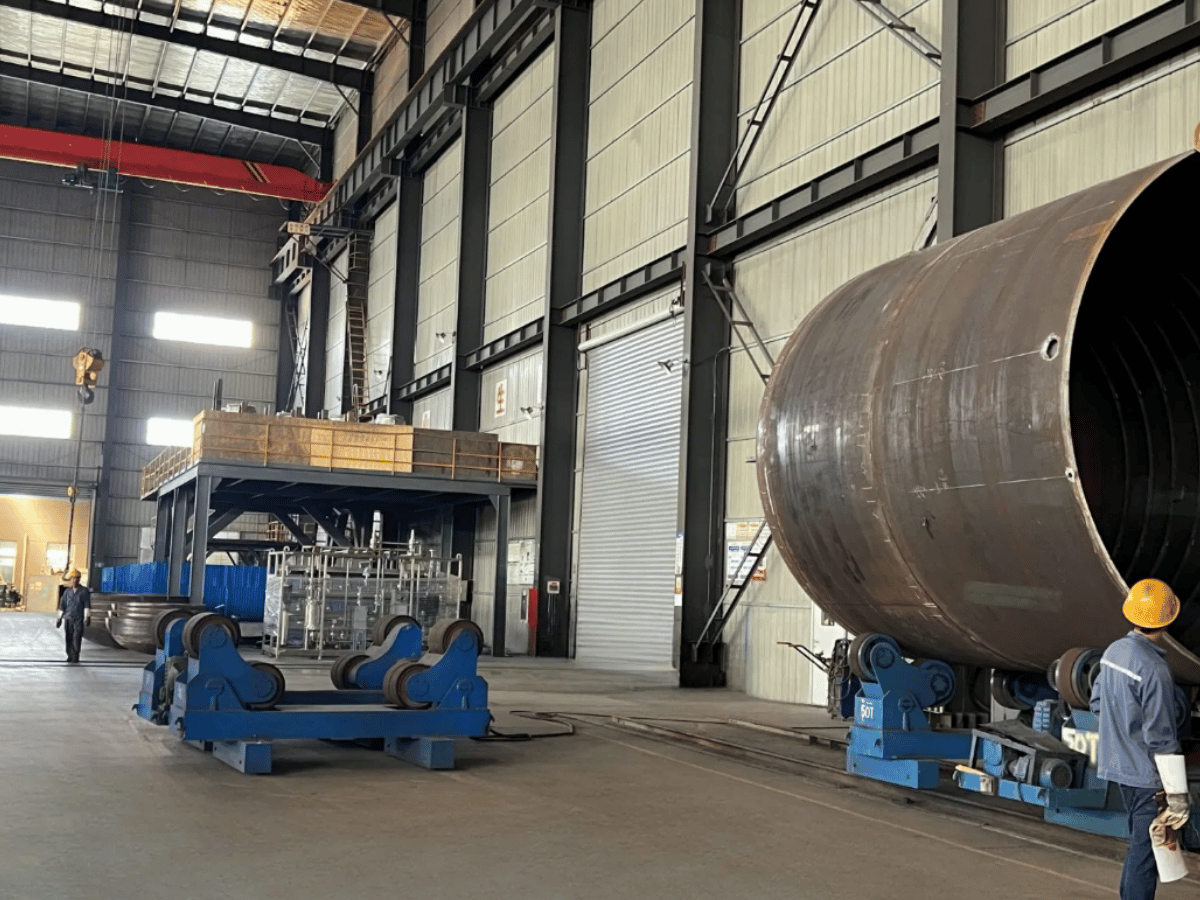
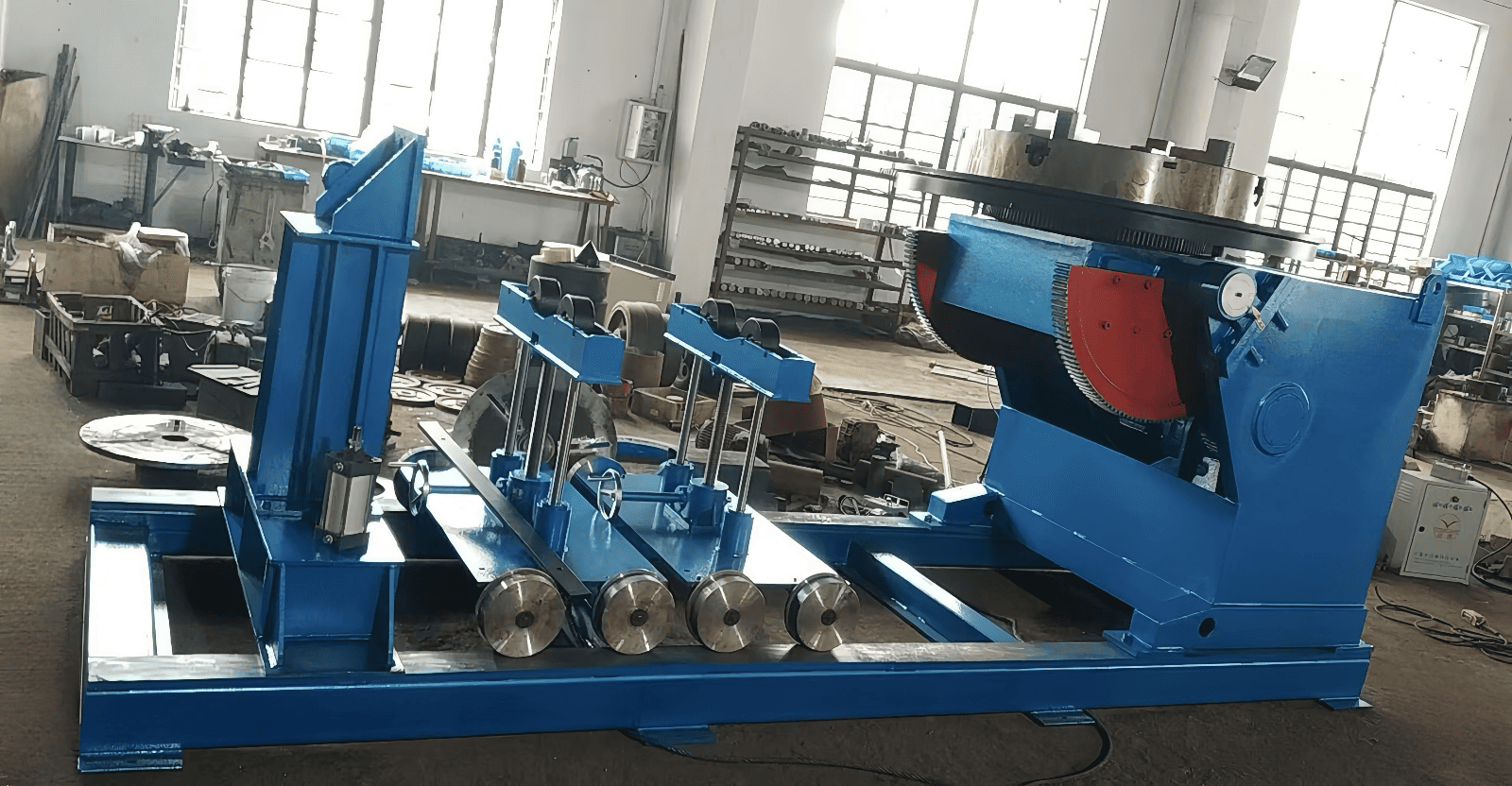
- 중국의 최고 용접 포지셔너 제조 업체 및 공급 업체
자주 묻는 질문 (FAQ)
1g 용접 위치는 무엇입니까?
1g 용접 위치는 접합부의 상단에서 용접이 수행되는 평평한 위치를 말하며 용접 장비를 조작하기가 더 쉽습니다. 이 위치는 용접 플레이트에 자주 사용되며 가장 기본적이고 접근 가능한 용접 위치 중 하나로 간주되어 초보자에게 이상적입니다.
2g 용접 위치는 1g 위치와 어떻게 다른가요?
2g 용접 위치는 수평 위치에서 용접을 포함하며 용접 조인트는 수평으로 위치하며 용접기는 접합부 측면에서 작업하면서 용접 풀의 제어를 유지해야 합니다. 이 위치는 중력이 용접 풀에 더 큰 영향을 미치기 때문에 평평한 1g 위치에 비해 독특한 문제를 제시합니다.
3g 용접 위치와 그 응용 분야는 무엇입니까?
3g 용접 위치는 용접 조인트가 수직 방향으로 향하는 수직 위치입니다. 이 위치는 다양한 응용 분야,특히 수직 조인트가 일반적인 구조 용접 및 파이프 용접에서 자주 사용됩니다. 3g 위치를 마스터하는 것은 복잡성으로 인해 용접공에게 필수적입니다.
4g 용접 위치의 과제는 무엇입니까?
The 4 G welding position involves welding in an overhead position, which can be quite challenging due to gravity affecting the molten weld pool. Welders must develop specific skills to control the weld and prevent defects, making the 4g position one of the more advanced welding positions.
5g 용접 위치의 중요성은 무엇입니까?
The 5 G welding position is used primarily for pipe welding, where the pipe is fixed in a horizontal orientation. This position requires the welder to manage the weld pool effectively while working around the pipe’s curvature, making it essential for welders to have adequate skills to produce a quality weld.
6g 용접 위치는 5g와 어떻게 다른가요?
6g 용접 위치는 45 도 각도로 파이프를 용접하는 것과 관련된보다 진보 된 위치입니다. 이 위치는 5 G 및 6 G 위치의 측면을 모두 결합하므로 용접공이 기술을 적용하여 용접을 효과적으로 완료해야하므로 도전적입니다. 그것은 종종 중요한 배관 응용 분야에 사용됩니다.
용접 위치의 다른 유형 및 그들의 중요성은 무엇입니까?
용접 위치를 이해하는 것은 어떤 용접공든지를 위해 결정적입니다,각 위치—1 G,2 G,3G, 4 G,5 G,및 6 G—는 유일한 도전 및 신청을 제시하기 때문에,용접 위치의 다른 유형은 용접 신청에 있는 안전 그리고 질을 지키기 위하여 표준화되고,이 위치를 장악하는 것은 용접 분야에 있는 경력 전진을 위해 근본적입니다.
4g 위치의 오버헤드 용접에는 어떤 기술이 필요합니까?
4g 위치의 오버헤드 용접은 슬래그 개재물 및 기타 결함을 방지하기 위해 용접 풀을 제어하고 안정적인 손을 유지하는 능력을 포함한 특정 기술 세트를 필요로 합니다. 용접공은 또한 열을 관리하고 강력한 용접 조인트를 보장하기 위한 적절한 기술에 익숙해야 합니다.