정밀 절단은 여러 가지 방법으로 할 수 있습니다. 가장 일반적인 유형에는 레이저 절단,플라즈마 절단 및 워터젯 절단이 포함됩니다. 모두 개별적인 미덕과 광범위한 전문 응용 분야가 있습니다. 그러나 어떤 목적에 더 적합한지가 큰 문제입니다. 모든 사람이 금속 또는 플라스틱 재료만을 사용하므로 가공을 위해 선택한 절단 유형은 작업,비용 및 품질의 효율적인 완료에 중요한 역할을합니다. 이 기사에서는 재료가없는 가공에 대한 이러한 절단 기술의 주요 효과에 대해 논의하고 유리한 특성과 불리한 특성을 분류하여 잘 정당화 된 결론을 제공합니다. 방법을 검토하고 최종적으로 개인의 요구를 가장 잘 충족시키는 방법을 식별 할 수있는 또 다른 기회를 갖게됩니다.
절단 방법 개요
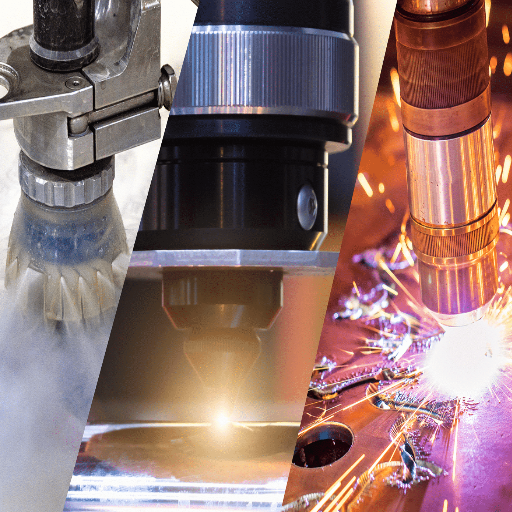
분리 방법을 고려할 때 각 기술의 긍정적 인 측면에 대한 정보는 중복되지 않습니다:
- 레이저 절단: 레이저 절단에는 집중된 빔을 사용하여 슬롯을 절단하는 작업이 포함되므로 섬세한 작업에 적합합니다. 금속,플라스틱, 칼의 얇은 시트를 절단하는 데 매우 효율적이므로 정확한 모서리와 낮은 낭비가 발생합니다.
- 플라즈마 절단: 이온화될 수 있는 가스를 사용하여 강철이나 알루미늄과 같은 전도성 금속을 절단하는 공정입니다. 특히 두꺼운 재료의 경우 효율성과 속도가 이 기술의 핵심 하이라이트입니다.
- 워터젯 절단: 워터젯 절단은 고압의 물을 이용하여 금속,석재, 유리 등 광범위한 재료를 연마재를 물에 혼합하여 절단하는 다목적 기술입니다. 정확하고,가장 중요한 것은 따뜻하지 않아 재료의 왜곡이 불가능합니다.
모든 방법에는 장점과 단점이 있습니다; 따라서 선택을 하기 전에 절단할 재료, 원하는 절단 품질, 작업의 복잡성을 고려해야 합니다.
Laser Cutting 이란 무엇입니까?
레이저 절단 기술은 레이저 빔을 사용하여 재료를 정밀하게 절단,조각 또는 마킹하는 제조 공정입니다. 절단에 사용되는 레이저는 일반적으로 CO2,섬유, 다이오드 또는 기타 유형의 레이저와 같이 앞서 언급한 기술을 통합한 레이저 소스에 의해 생성되며 가스 지향 광학 장치에 의해 절단 헤드를 통해 안내됩니다. 이산화탄소 레이저 (CO2 레이저) 는 주로 다양한 재료를 절단하는 데 사용되어 고정밀 절단을 용이하게 하는 얇은 빔을 생성합니다. 이러한 재료의 선택적 제거는 레이저를 사용하여 화학 반응,절제 또는 용융을 유도함으로써 달성될 수 있습니다. 레이저에 의해 생성된 거의 모든 절개는 용융되거나 기화된 재료의 배출을 포함합니다. 레이저 절단은 이러한 요구 사항을 충족하도록 설계되었습니다. 레이저 절단에 사용되는 장비와 그 응용 분야를 과소평가할 수 없습니다.
플라즈마 절단 이해
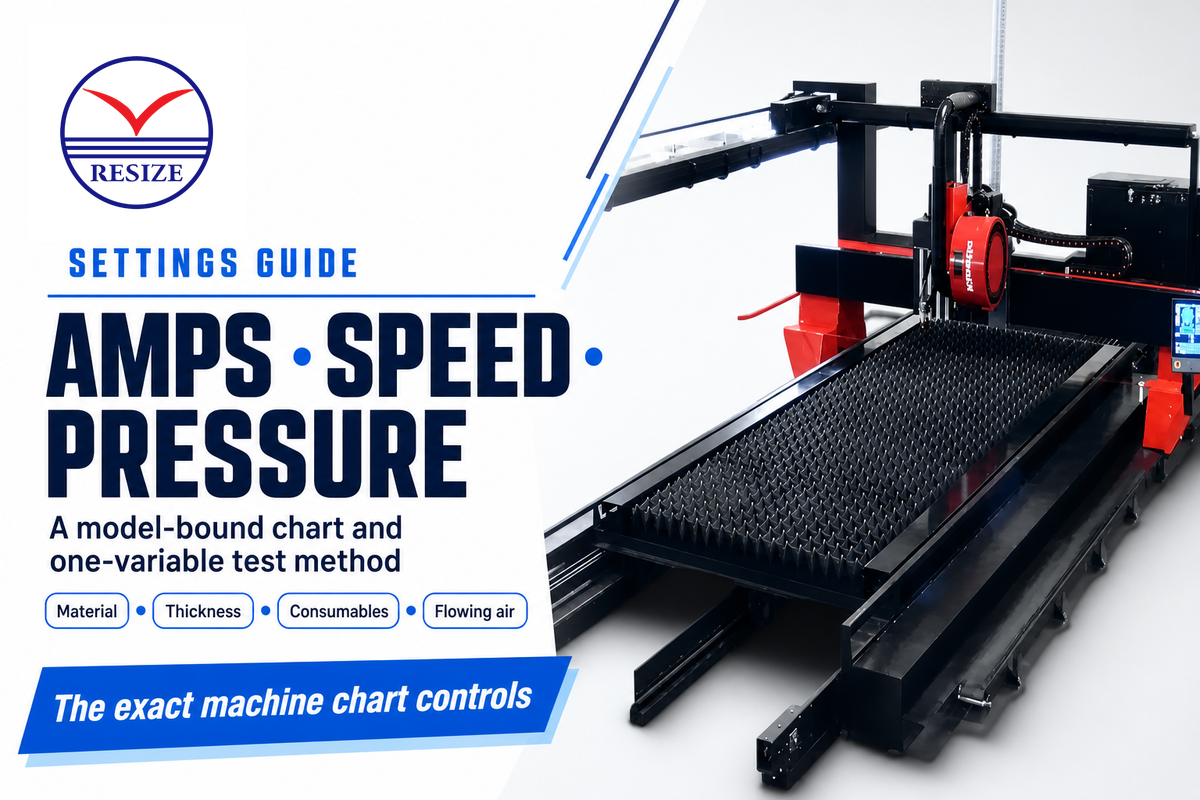
전기 전도성 재료의 정밀한 절단은 플라즈마 토치로 어려움 없이 이루어집니다. 간단히 말해서,이 기술은 전극을 표면에 용접하여 작동하여 아크를 생성합니다; 따라서 가스가 그 일부를 형성하여 플라즈마로 변하게 합니다. 이 플라즈마는 극도로 뜨겁고 공작물을 빠르게 가열하며 고속 가스의 리벳 흐름으로 확산되는 금속을 지워 광택이 나는 가장자리로 미세 절단을 초래합니다. 그러나 두께가 큰 재료,특히 강철,스테인리스강 및 알루미늄을 절단하는 경우 제조 공장에서는 연마 및 열 절단 방법에 비해 더 빠르고 더 높은 품질로 이를 달성할 수 있습니다. Google 이 발표한 최신 통계에 따르면,재료의 부피가 큰 부분에서 시작하여 가장 복잡한 예술 형태까지 자유롭게 만들 수 있기 때문에 많은 사람들이 플라즈마 절단 솔루션을 찾는 데 관심이 있다는 것이 분명합니다.
워터젯 커팅 소개
고압 (또는 워터젯 절단) 에서 물을 사용하여 절단하는 기술은 결코 실망시킬 수 없는 기술 중 하나입니다. 워터젯은 고압의 물 제트를 사용하여 다양한 구성 요소를 절단하며 때로는 중복 재료가 상쾌한 역할을 합니다. 이 프로세스는 제트의 증기로 모든 재료를 세척하고 세척하여 부드러운 절단을 초래합니다. 감시 역할에서 차단된 다른 모든 것에서 사람들은 워터젯 절단이 레이저 및 플라즈마와 같은 다른 모든 절단 기술과 동일하다고 믿으며 동시에 상당한 양의 열을 방출하지 않는 다른 절단 기술에 비해 헤아릴 수 없는 우위를 가지고 있습니다. 특히 열을 도입하지 않고 절단을 보장함으로써 열에 민감한 공작물의 변형을 제거합니다. 이는 특히 정밀도가 핵심인 일반 금속 및 기타 다양한 플라스틱 재료뿐만 아니라 세라믹,유리 및 기타 여러 복합 재료를 사용하여 정밀하게 작업할 수 있는 능력 덕분입니다. 더욱이 제조 중 독성 폐기물 및 열을 제거하는 것이 특징인 친환경 운영으로 인해 항공우주,자동차, 계약 제조와 같은 분야에서 엄청난 승인을 얻었습니다.
레이저 절단 대 플라즈마 절단
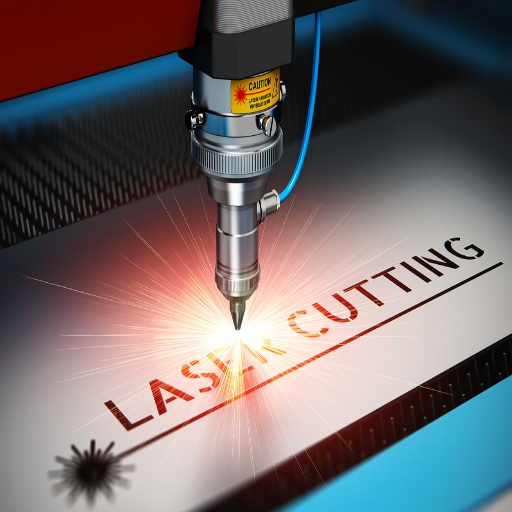
간단히 말해서, 레이저 절단은 높은 수준의 정밀도, 버가 없는 가장자리, 다양한 물질의 쉬운 레이저 절단과 같은 여러 가지 장점을 제공하는 반면, 플라즈마 절단은 더 저렴하고 높은 수준에서 가장 잘 작동하는 더 빠른 방법이 필요한 상황에 대해 고려됩니다. -두께 전도성 금속.
| 파라미터 | 레이저 | 플라즈마 |
|---|---|---|
| 정밀 | ±0.005인치 | ±0.015인치 |
| 에지 품질 | 매끄러운 | 더 거칠게 |
| 재료 | 모든 유형 | 전도성 전용 |
| 두께 | 최대 1 in | 최대 2 in |
| 속도 | 더 빠르게 (얇게) | 더 빠르게 (두껍게) |
| 비용 | 더 높은 | 더 낮은 |
| 열 효과 | 최소의 | 현재 |
| 유지보수 | 비싼 | 저렴한 |
| 설정 | 복잡한 | 간단한 |
| 애플리케이션 | 정밀 작업 | 힘든 일 |
레이저 절단의 장점
- 높은 정밀도와 정확성
레이저 빔 분할은 ±0.001″만큼 엄격한 공차를 가진 복잡한 모양의 설계에서도 매우 높은 정확도를 낼 수 있는 놀라운 발전입니다. 수많은 차원을 포함하는 프레임워크를 유지해야 할 때 이 기술이 사용하기에 가장 적합하다는 것은 이러한 사실 때문입니다.
- 부드러운 가장자리 마감
레이저 절단 기술은 광속이 집중될 때, 절단과 유사한 닦는 것이 필요하지 않을 정도에, 가장자리에 아무 숫돌도, 그리고 가장자리가 매끄러운 남아 있다 이렇게 전진됩니다.
- 최소한의 재료 폐기물
또한, 매우 정밀하기 때문에 레이저 절단은 손실을 줄이기 위해 레이저 절단 매개 변수가 신중하게 설정되므로 재료 낭비를 최소화합니다. 납을 사용할 수 있으므로 많은 양의 스크랩을 생성하지 않고 재료를 원료의 전체 크기로 절단 할 수 있으며 대신 다른 폭발물과 함께 재료를 다시 만들어야합니다.
- 재료 전반에 걸친 다양성
산업 응용 분야에서 레이저 절단을 적용하는 데는 다양한 변형이 있었으며 이 기술은 금속, 플라스틱, 목재, 심지어 직물을 포함한 광범위한 재료에 적용될 수 있어 다양한 산업 요구 사항을 충족하는 데 적용할 수 있습니다.
- 자동화 및 속도
레이저 절단기는 최근 자동화를 갖추고 있어 가공 시간이 빨라지고 인건비가 절감됩니다. 더 큰 범위에서는 훨씬 더 큰 생산성 향상을 달성했습니다.
플라즈마 절단의 이점
- 더 빠른 절단 속도
플라즈마 절단은 특히 얇은 재료 절단과 관련된 경우 속도 면에서 전통적인 절단 기술을 앞지릅니다. 생산 절차가 단축되고 생산성이 최고 수준으로 향상됩니다.
- 다양한 재료를 통해 연소하는 능력
플라즈마 절단은 강철, 스테인리스강, 알루미늄, 황동, 구리 등 다양한 금속 재료와 함께 사용되며; 따라서 다용도 기계입니다.
- 날카롭고 명확한 컷이 보장됩니다
Against all odds, plasma cutting provides smooth cuts that require less processing time, maximize the utilization of the part, and result in far less surface dross.
- Profitable in Operation
In comparison to other methods, such as laser and plasma cutting, plasma cutting has reasonable operating costs due to its low-priced units and running costs. This also can reduce the scrap level.
- Flexibility, Ease of Making Changes, And Movement
In contrast to older systems, the present-day plasma cutting systems are designed to be small in size and are therefore more mobile. The user is also given an easier time when setting them up and operating them, and, hence, it does not matter what experience level the user is at.
절단 재료 고려 사항
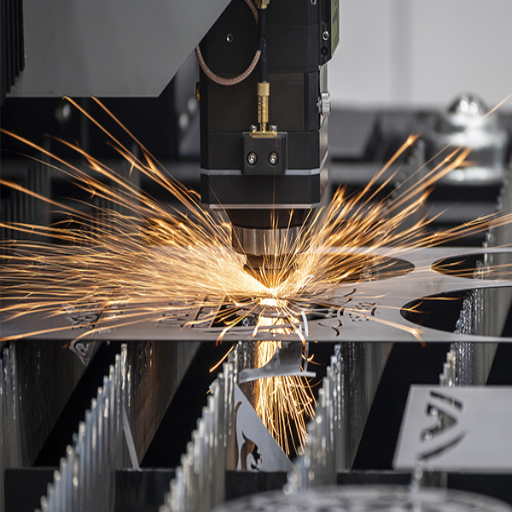
When selecting materials for plasma cutting, it is essential to consider the type, thickness, and conductive properties of the material. Plasma cutting works quite well on electrically conductive metals, such as steel, stainless steel, and other materials, including aluminum. For thicker materials, a higher system amperage may be required to achieve clean and precise cuts. And moreover, one can increase the speed of cutting and improve the quality of the cutting edge by working with specific material properties, such as the material’s hardness and heat resistance. It is necessary to quickly adjust the settings to the minimum while cutting, to avoid any part of the work being ruined due to inaccuracy.
Best Materials for Laser Cutting
Laser cutting is a popular machining method that offers numerous advantages, particularly in its versatility across multiple materials. Below are five materials suitable for the laser cutting process: mild steel, stainless steel, aluminum, polycarbonate, and acrylic, each with specific aspects that determine their usability in such activities.
- Mild Steel
Details: Straightforward to cut when using a laser due to its high iron content, thus it can be fabricated into a complex shape with clean contours. The requirements in terms of capability are minimal for thin sections and can be scaled to accommodate varying thicknesses.
Applications: Found applications among other things in building and construction, especially in the making of auto spares, and other facilities for supporting products, as a base material for steel production.
- 스테인레스 스틸
Details: It possesses unique qualities that no hard metal can match, including a great deal of strength and corrosion resistance, which explains why it is so much easier to use for laser cutting applications. The focus here is more on preparing the materials, as higher sheet metals require extra power to cut.
Applications: In the healthcare sector, quality medical accessories lead the way in applications, along with kitchen equipment stores, and also in construction for stability requirements.
- Aluminiumкрыть
Details: Because aluminium is a lightweight material with high reflectance, it may sometimes require adjustments to address reflected problems associated with this metal.
Explanation: leads one to the conclusion that lower thermal conductivity.
Contemporary industries, such as aviation, niche vehicles, and industrial electronics, commonly use these materials, especially plastics.
- Plywood
Description: Plywood is a standard non-metal material that is used in laser cutting. It can be applied to thin-sheet wood laser cuttings, as these sheets cut easily and cleanly and have a slight burning around the edges, which adds an attractive contrast to their aesthetics.
Applications: It finds its application in the design of various pieces of domestic interiors and furniture, as well as in the study of dimensions and proportions with the help of architectural layouts.
- Acrylic
Details: It is a versatile and transparent plastic, and is the most common type of material for quickly removing cut pieces and creating very even and shiny edges. It is available in various hues and comes in different thicknesses for more creative works.
Applications: The most significant demand for this engineering plastic material comes from the manufacture of signs, as well as from advertising and display.
Metal Types Suitable for Plasma Cutting
Metalworking is far from redundant in the current era, as there is a breakthrough technology called plasma cutting that uses a compressed, ionized gas to create metal parts for airplanes and cars, a far-fetched concept, isn’t it? But these experiments are all grounded in reality. Plasma cutting is a high-speed and precise process, which can be utilized in cutting almost any metal, subject to the restrictions of the metal’s conductivity for live cutting and thickness. A few categories of metal are these:
- Steel
Examples: Fusion welding penetrates the 10 mm thick base material, while the penetration of the thicker base material is reached through plasma cutting. Using plasma cutting techniques to create a significant cut in materials such as aluminum will have a minimal impact on the material’s structural integrity. Appreciation of the range of steels available can improve the ability to maximize the capability of plasma processes to enhance material removal rates and quality, and thus enhance the economic features of any plasma system.
A suggestion is that the varied material of the composite steel should be split into its four major constituents before plasma treatment is made. If any thermoplastics prevent plasma cutting, these materials can be removed by chamfering them from the face using optical treatment, magnets, or other means.
- 알루미늄
Examples: With the steel structure, a person might design a picture of an aluminum sculpture and then cut out the desired shape.
A suggested solution for a porous composite aluminum material is to treat the thin pores in the form of a slot while immersed in a polyelectrolyte solution, particularly one containing molybdate. Also, do not be afraid if this action may lead to a decrease in transparency quality, as cut-edge discoloration can be removed from the fold lines of the weld and blended into another colored range, and the borders can be refined to maintain the given transparency.
- Copper
More information: Due to the high conductivity property of chrome, this metal does resist plasma cutting; however, this obstacle can be overcome with competitively high efficiency by applying the proper control parameters.
Suitability: It is primarily engaged in electrical equipment, industrial and residential roofing, and sanitaryware applications.
- Bronze.
Subpoints: When it comes to beauty, brass is among the traditionally more aesthetically pleasing metals, which, when cut using plasma, can serve both structural and decorative purposes.
Suitability: This application is commonly used in the manufacture of sound instruments, pipes, and other items of engineering and construction significance.
For these and other types of metals, plasma cutting is usually the ideal operational solution. Plasma cutting remains one of the most effective methods for achieving precise shape adjustments and tailoring them to current production requirements and internal innovation.
Waterjet Applications for Various Materials
Hydro Dynamic Waterjet is a non-traditional, versatile, and precision cutting technology that is gaining popularity among the diverse industrial sectors for being able to cut several types of materials without ‘heat-induced distortion’. The following are common materials processed using Hydro Dynamic Waterje,t along with the processes:
- Steel
Details: Waterjet cutting is widely used for cutting steel of various thicknesses, yielding smooth cuts with no impact on the metal’s properties.
Applications: Majorly used in building and construction, as well as in the making of engines and structural components of vehicles.
- Glass
Details: Conventional fabrication employs thermal processes to alter the shape of glass. This is not the case with waterjet technology. It allows glass contours to be designed and changed without breaking or chipping,g yielding very accurate outputs.
Applications: Waterjet cutting of glass is a common practice and finds applications in the design of architectural elements, the production of windows, mirrors, and decorative panels.
- Ceramics
Details: When working with complex and dense ceramic materials, waterjet cutting is highly effective, as it achieves minimal material flaws through precise cutting.
Applications: The attributes of ceramics have been modified, resulting in the creation of products such as floor and wall tiles, metal bodies for heavy industry applications, and even human implants.
- 알루미늄
Additional Information: Aluminium, known for its lightweight and tensile properties, can be effectively machined by waterjet to eliminate burrs.
Usage: This metal is widely employed in the advanced, shipping, and packaging industries.
- Rubber
Additional Information: Rubber’s stretchability makes it a perfect material for waterjet usage, which is also popular for its precise delivery and cleaning capabilities without risk of part damage.
Applications: Used in making hydrogaskets, seals of different types, and machine parts, including those for use in industrial sectors.
Water jet continues to be a cut above other cutting mechanisms for the aforementioned sectors and engineers due to its advantages in precision cutting, productivity, and quality.
운영 비용 및 효율성
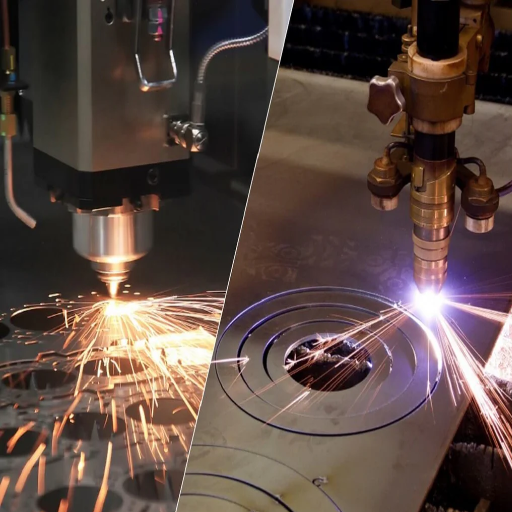
It is known that waterjet cutting is a reliable and cost-effective method for producing accurate and intricate work. The main costs associated with running a waterjet cutting mechanism are water use, electricity, abrasive materials and other consumables, as well as routine machine maintenance. Given that, in particular, the use of abrasives can be a considerable cost, but this is compensated for by the rapid destruction of the sharing and turning over of machine materials. Moreover, there is no warpage of parts due to the lack of heat-affected zones, which again implies time and money saved on extra activities such as finishing. Thus, the aspects above prompt the application of waterjet cutting, particularly in industries that require cost-effective and reliable production methods.
Cost Analysis: Laser Cutting vs Plasma Cutting
Narrower Summary: When it comes to comparative prices, plasma cutting is more commonly known for cutting thicker materials and is best suited for those with minimal designs, whereas laser cutting is comparably more expensive, allowing for a wider use of the beam with the promise of precision cutting.
| 파라미터 | 레이저 | 플라즈마 |
|---|---|---|
| 초기 비용 | $50k–$500k | $10k–$200k |
| Running Cost | 더 높은 | 더 낮은 |
| 유지보수 | 비싼 | 저렴한 |
| 속도 | 더 빠르게 (얇게) | 더 빠르게 (두껍게) |
| 정밀 | ±0.005인치 | ±0.015인치 |
| 재료 | 모든 유형 | 전도성 전용 |
| 두께 | 최대 1 in | 최대 2 in |
Operating Costs of Waterjet Cutting
Water jet cutting provides a unique combination of accuracy and flexibility in its cutting shapes. The two physical properties define everything that an ideal work would require to be a practical tool suitable for any industrial setting. However, its fees must be carefully ascertained in relation to its operation and application in various industries. The most significant expenditure that cuts across all projects is the consumption of abrasive materials, water, electricity, and maintenance.
- Abrasive Material Costs: Abrasive garnet is a significant consumable in waterjet cutting, typically constituting 60-80% of the total operating cost. On average, garnet usage can range from 0.5 to 1.5 pounds per minute, depending on the material and cutting speed. Given that garnet costs between 20 and 30 cents per pound, the price of the abrasion is probably somewhere between $12 and $30 per hour.
- Water is used in the water cutting process, where it is sprayed into a high-pressure jet. An average waterjet cutter’s water consumption is between 0.5 and 1 gallon per minute. Such water is usually inexpensive; however, other costs, such as the purchase of purification equipment or disposal charges, may need to be incurred to comply with air pollution control regulations.
- Electricity is another significant cost in waterjet cutting, as the cutting process cannot be carried out without water. The high-pressure pumps, which are two in number, are the machines that consume the energy in the process. The industry standard electricity costs in dollars per hour tend to fall within the range of $ 5 to $ 15, depending on the size of the pump and geographical location. Additionally, the use of efficient pump systems will reduce power requirements.
- Service, cleaning, and operation differ from the other sections of the jet cutting machine. To live longer, water jet cutting machines require regular maintenance. Nozzles, seals, and high-pressure lines are operational elements that sometimes wear out and also need frequent replacement. Maintenance costs may range from $6 to $10 for one operating hour.
Depending on the materials used and the design of the waterjet machine, the typical operating costs for waterjet cutting range from $15 to $40 per hour. At first glance, the initial and operational charges may be expensive, but the economics of waterjet cutting will argue otherwise. Consistent tolerances, minimal scrap materials, and no additional edge finishing are some of the long-term cost advantages. Thus, for manufacturing plants that require work with controlled tolerances and shortened cycle times, this equipment is the most suitable.
Efficiency of Fiber Laser Cutting
Known for effectiveness, cost-efficiency, and seamless cutting, the fiber is the most sought-after in many sectors due to the following reasons. Fiber lasers cut faster than the CO2 cutting system by using laser beams that magnify the penetration focal depth, focusing primarily on thin to medium materials such as stainless steel, carbon steel, and aluminum. Recent studies have shown that fiber lasers can cut almost three times faster than CO2 lasers on specific material thicknesses. Additionally, fiber lasers are highly resistant to energy, which also helps reduce operational costs. The requirement for their service is lower, and they have a longer life, hence they have the potential of being very beneficial to businesses as they can be used to enhance productivity without compromising on focus. It is for these reasons that this methodology is regarded as the best one for current industrial applications.
참조 소스
- Comparison of laser beam, oxygen and plasma arc cutting methods in terms of their advantages and disadvantages in cutting structural steels
- 저자: G. Irsel, B. N. Güzey
- 출판 날짜: December 1, 2021
- 저널: Journal of Physics: Conference Series
- Citation Token: (Irsel & Güzey, 2021)
- 요약: This study investigates the cutting success of laser beam, plasma arc, and oxygen cutting methods on structural steels. The authors conducted experiments on tensile specimens to analyze microstructure, hardness, surface roughness, and strength after the cutting process. The results indicated that plasma arc cutting is more cost-effective than laser cutting, but it leads to increased hardness on the cut surfaces, making subsequent machining operations more challenging. The study also noted that laser cutting produced less vertical inclination on the cut surface compared to plasma cutting.
- Plasma Cutting of Structured Sheet Metals in Comparison with Laser Beam Cutting
- 저자: Leander et al.
- Publication Year: 2015
- Citation Token: (Leander et al., 2015, pp. 135–144)
- 요약: This paper qualifies the plasma cutting process for thin structured sheets as an alternative to laser cutting. The authors performed roughness and straightness measurements and assessed the absence of burrs. The findings showed that plasma cutting can achieve good quality on structured sheets, comparable to laser cutting, particularly in terms of surface finish and straightness.
- Top Plasma Cutting Machines Manufacturers and Supplier in China
자주 묻는 질문 (FAQ)
플라즈마 절단과 레이저 절단의 차이점은 무엇입니까?
플라즈마 절단과 레이저 절단의 주요 차이점은 절단 방법에 있습니다. 플라즈마 절단은 이온화된 가스 또는 플라즈마의 고속 제트를 사용하여 금속을 절단하는 반면,레이저 절단은 농축된 레이저 빔을 사용하여 재료를 녹이고 기화시킵니다. 이로 인해 다양한 재료에 대한 정밀도,속도 및 적합성의 차이가 발생합니다.
레이저 커터는 플라즈마 기계와 비교하여 어떻게 작동합니까?
레이저 커터는 집중된 광선을 재료에 향하게 하여 녹여서 정밀한 절단을 만들어 작동한다. 이와 대조적으로 플라즈마 기계는 전기 아크를 사용하여 가스를 과열시켜 고속 플라즈마 제트로 금속을 절단할 수 있게 한다. 이로 인해 두 방법 사이의 정확도와 가장자리 품질이 다양해진다.
레이저 절단보다 플라즈마 절단을 언제 선택해야 합니까?
레이저 시스템보다 훨씬 효율적으로 최대 수 인치 두께의 재료를 절단할 수 있으므로 두꺼운 금속을 사용하여 작업할 때 플라즈마 절단을 선택할 수 있습니다. 또한 속도가 우선인 대규모 프로젝트에서는 플라즈마 절단이 더 비용 효율적인 경우가 많지만 복잡한 설계와 얇은 재료에서는 레이저 절단이 선호됩니다.
기존 플라즈마 절단과 비교하여 파이버 레이저 절단기를 사용하면 어떤 이점이 있습니까?
파이버 레이저 커터는 기존의 플라즈마 절단에 비해 더 높은 정밀도,더 빠른 절삭 속도,향상된 에너지 효율 등 여러 가지 장점을 제공합니다. 파이버 레이저는 더 집중된 빔을 생성하여 더 깔끔한 절삭과 열 영향 영역이 적어집니다. 따라서 더 거친 모서리를 생성할 수 있는 플라즈마 절단과 달리 복잡한 설계와 더 얇은 재료에 이상적입니다.
CNC 플라즈마 절단기는 CNC 레이저 절단기와 어떻게 다릅니까?
CNC 플라즈마 절단기는 절단을 위해 플라즈마 토치를 안내하기 위해 컴퓨터 제어 시스템을 사용하는 반면 CNC 레이저 절단기는 레이저 빔을 사용합니다. 주요 차이점은 절단 공정에 있으며 플라즈마 절단은 두꺼운 재료에 더 적합하고 레이저 절단은 얇은 재료에 더 큰 정밀도를 제공합니다. 두 시스템 모두 자동 절단 솔루션을 제공하지만 금속 제조에서 서로 다른 요구 사항을 충족합니다.
플라즈마 절단은 레이저 절단보다 정확도가 떨어지나요?
예,플라즈마 절단은 일반적으로 레이저 절단보다 정확도가 떨어지는 것으로 간주됩니다. 플라즈마 절단은 더 넓은 연석과 거친 모서리를 생성 할 수 있으므로 정밀 작업에 적합하지 않습니다. 대조적으로 레이저 절단은 더 미세한 세부 사항과 더 부드러운 모서리를 제공하므로 높은 정확도가 필요한 응용 분야에 선호되는 선택입니다.
레이저 절단 및 플라즈마 절단에 필요한 절단 요구 사항은 무엇입니까?
레이저 절단을 위한 절삭 요건은 일반적으로 깨끗하고 안정적인 표면,재료에 대한 최적의 두께,적절한 가스 설정을 포함합니다. 플라즈마 절삭은 비슷한 고려 사항이 필요할 수 있지만 표면 조건에 더 관대하며 더 넓은 범위의 재료 두께를 처리할 수 있습니다. 이러한 요구 사항을 이해하면 특정 프로젝트에 적합한 절삭 기술을 선택하는 데 도움이 될 수 있습니다.