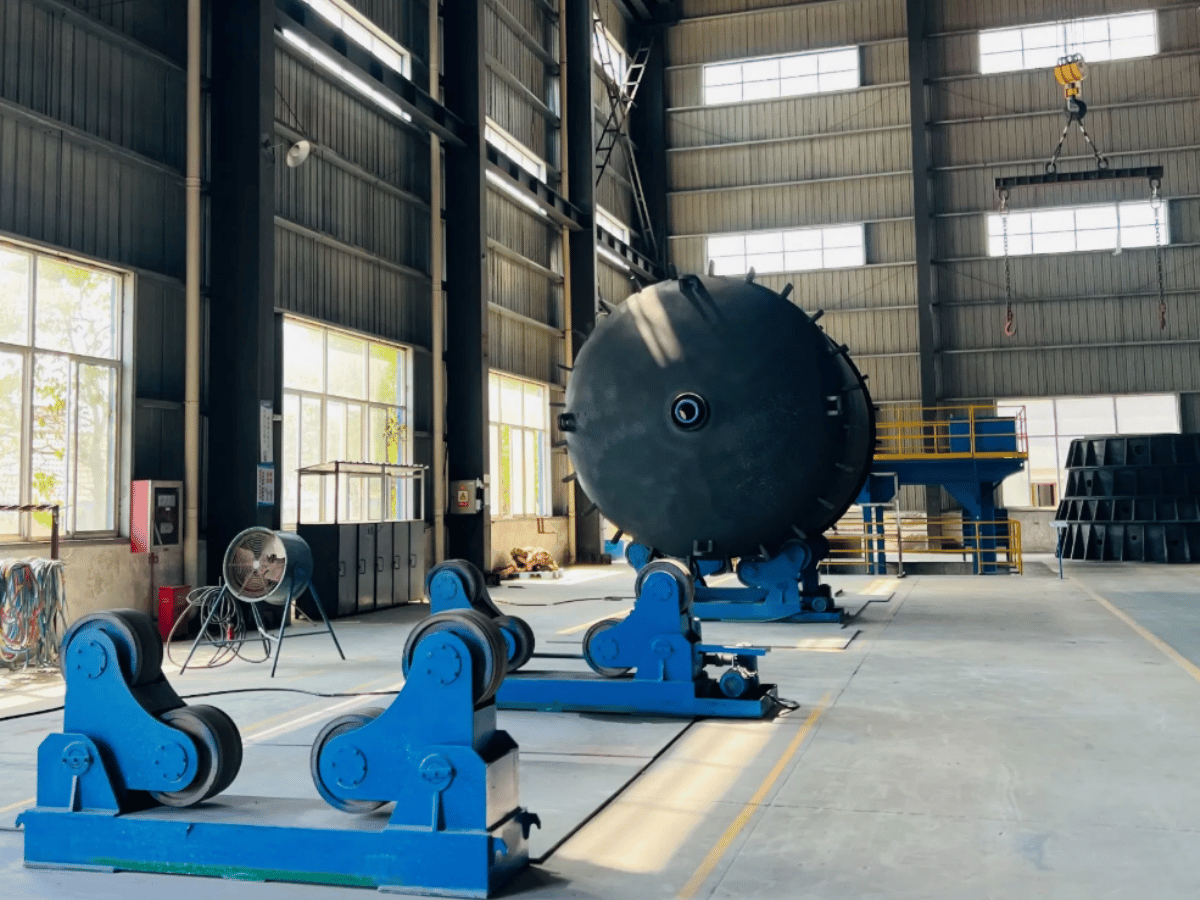
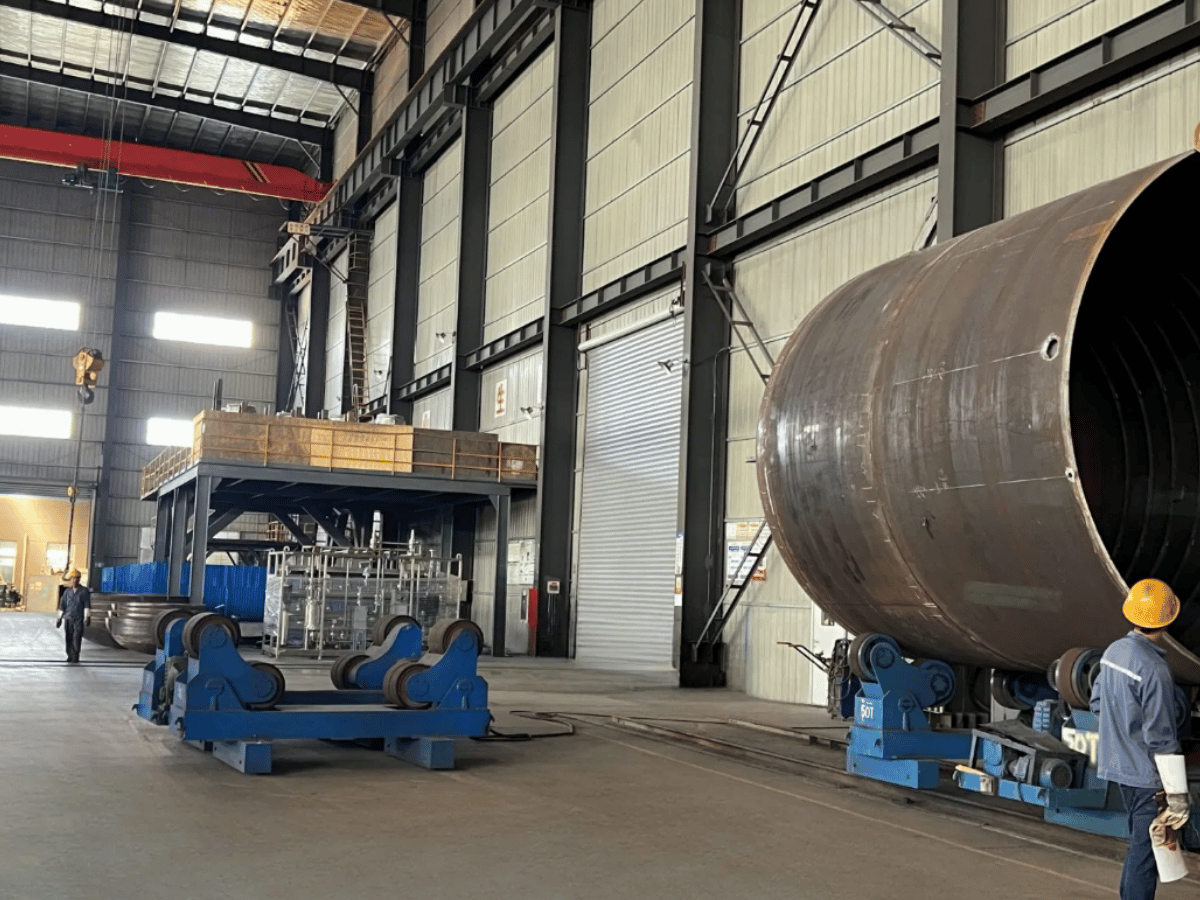
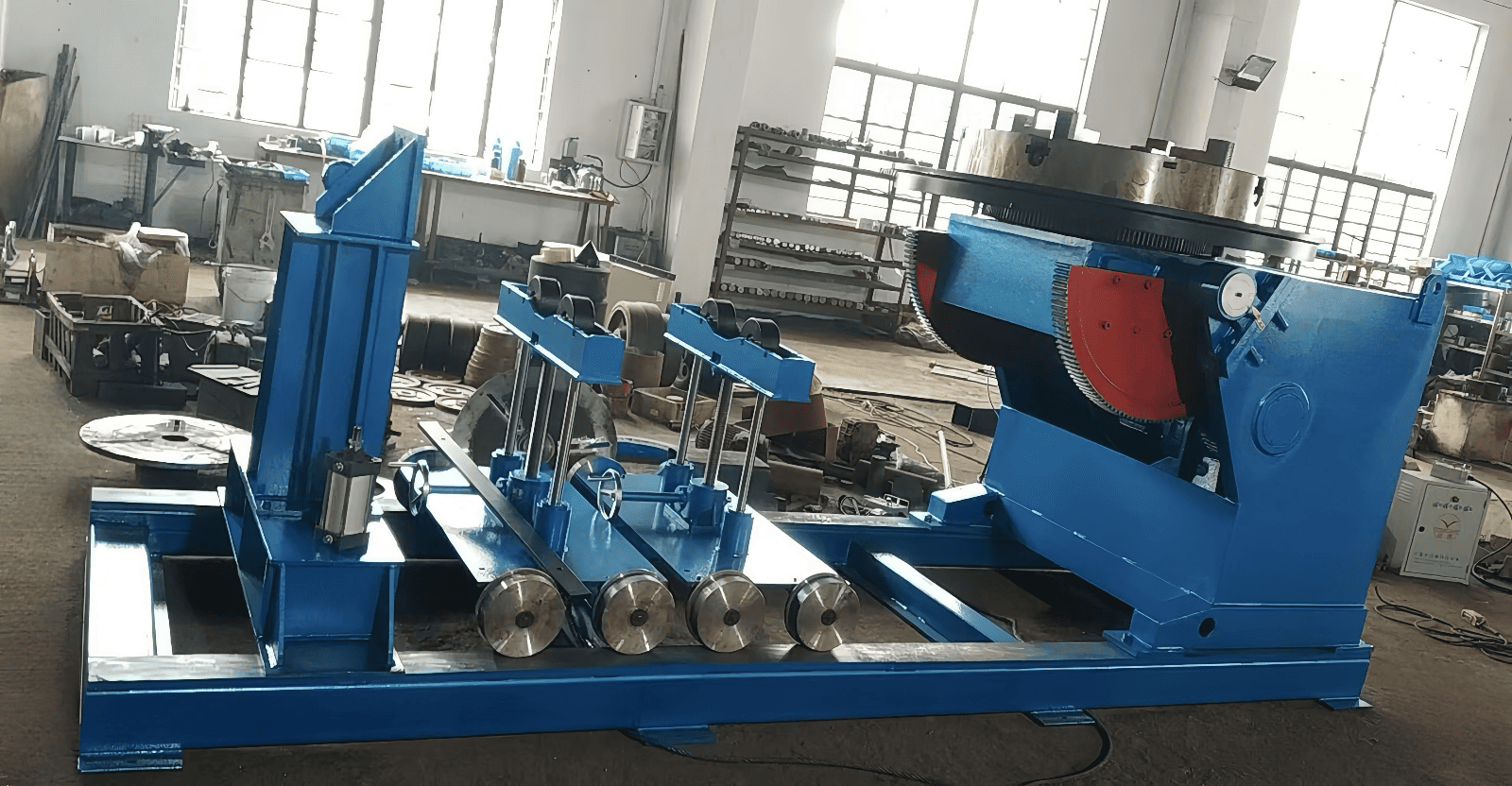
Widely known for its low-bending loss, the Delau lens has advanced significantly in the last few years to become the top choice in visionary optical devices. However, even if experienced fiber optics engineers possess all the necessary qualifications to handle flexible communication fibers to the standard, they are likely to face the same problems that modern practical engineering of unique optical devices encounters.
These challenges of optical fiber communication range from the most common oxidations to the least known, such as fiber splicing, although the latter is in no way less challenging. There are ways to overcome this problem and improve proficiency, which are discussed on this page.
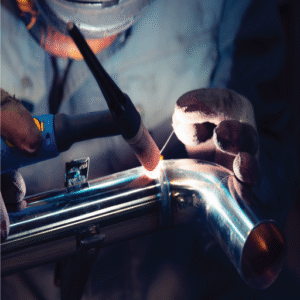
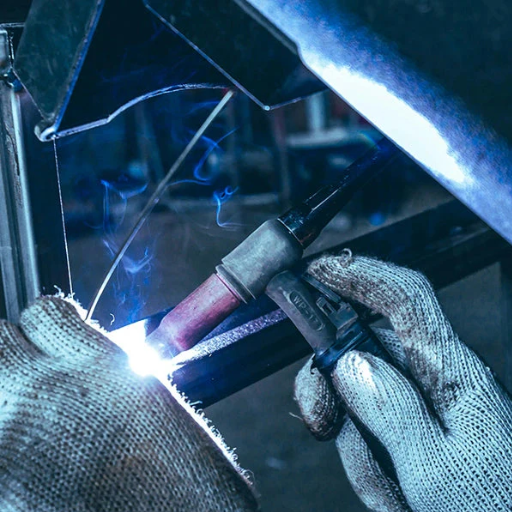
Understanding Common TIG Welding Defects
- 孔隙度
Porosity describes the trapping of gaseous substances in the weld as small gas pockets or voids. It tends to weaken the weld and hurts the overall quality of the joined materials. Porosity is commonly encountered in the case of undesired material firstment contamination, improper gas shielding flow, and high humidity levels during welding. To help prevent the occurrence of porosity, it is recommended to maintain clean work conditions, operate with the proper variation of the protective gas flow, and ensure that all components are dehydrated.
- 裂紋
Cracks appear during welding or long after the process because of low deformation of welds or composites. Unwanted stresses developed during the formation of the weld metal often cause crack propagation. For example, inadequate preparation of joints, an unusually high energy is inputted, and incompatible materials are clamped. To avoid cracks, design and prepare joints correctly, control the amount of heat used during welding, and use materials that will not bond poorly for the given service.
- 削弱
Undercutting is the downdragging of the weld into the base material due to eventual erosion, resulting in a channel that can be observed below the top surface level of the weld. This interrupts the intended functioning of the component and may even cause it to break. Heat or application of the electrode in the wrong direction is the usual cause of undercutting. Decreasing the heat, adjusting the welding speed, and maintaining a specific torch angle help prevent undercutting.
What is a TIG Weld?
Shielded Metal Arc Welding, also widely regarded as Arc Welding, is another form of arc welding and is probably the most commonly known welding style. The welding procedure is named so because electrodes from this welding procedure are “shielded” from the atmosphere by a covering of flux. Flux is used instead of inert gas in this form of arc welding. Some of the examples would be Stick Welding, TIG Welding, and Submerged Arc, in which all three use bare electrodes, and in turn, are cheap. Meanwhile, CO2 welding is considered a type of gas metal arc welding, or MIG welding, due to its use of advanced processes and features that utilize electrons. Plasma Arc welding, consisting of the following sources of heat (also non-fusion heat sources); Cold Metal Transfer, Gas Metal Arc, CMT Tandem, Pulsed and Control Processes is considered it advanced development.
Types of Common TIG Welding Defects
Due to low skill, there are instances of different welding defects such as burn through, spatter, gas metal arc, and tungsten in the gas tungsten arc, etc.
| Defect | Cause | Prevention |
|---|---|---|
| 孔隙度 | Contamination, gas | Clean, proper gas |
| 裂紋 | Rapid cooling | Preheat, control rate |
| Craters | Arc termination | Gradual current drop |
| 不完全融合 | Low heat, angle | Adjust heat, angle |
| Tungsten Inclusion | Electrode touch | Steady hand, inspect |
| 畸變 | Excessive heat | Clap, balance weld |
| 缺乏滲透性 | Low heat, speed | Increase heat, slow |
| Oxidation | Poor shielding | Ensure gas coverage |
| Electrode Wear | Wrong current | Match current, grind |
Identifying Common TIG Welding Problems
Though TIG welding is known for its precision and versatility, some other standard variables can compromise the integrity of the welding process. According to the recent theory of management and practice, the main obstacles faced particularly degrade the quality of weld are:
- Porosity – The weld issue occurs when gas is trapped in the weld, creating pores or blisters as gas pockets. It is mainly due to contamination of the base material, as well as the absence of an adequate shielding gas, and may also be due to disturbances in the gas flow caused by drafts. To prevent the development of porosity, it is essential to ensure that the materials are free from contamination and that there is continuous shielding gas flow.
- Cracks – Incipient cracks may occur in TIG welds, for example, when incorrect filler wires are used, excessive or inadequate heat input is applied, or when the weld cools too quickly. Appropriate filler wire types and sizes must be chosen to prevent cracking. More importantly, for all laser welding, it is essential to use proper heat input limits and respect the limits of the metal being welded.
- Contamination – Any habit-forming elements within the weld, such as tungsten inclusions or foreign elements, can compromise the bond. An example of this is that before considering the severe effects of any such inclusion, you should appreciate the severe effects of even minor contamination or impurities. Usually, welding impurities are caused mainly by, but not limited to, interactive tungsten electrode maintenance haze on the learners’ effluent and any wrong maneuvers. This trouble can be prevented by thoroughly cleaning devices and properly repairing the tungsten points.
- Insufficient Penetration – A problem with inadequate penetration is that it can result in weak welds. This problem typically occurs because the machine has been set at a low amperage or due to an incorrect torch position. Correct amperage adjustment and torch alignment for the workpiece are essential for achieving full penetration.
- Undercut – An undercut refers to the erosion of the base material due to high heat or an incorrect flame position. Undercut can be resolved by adjusting the power flow and maintaining a consistent distance and torch angle.
If solutions are provided to these typical kinds of TIG welding challenges, it is evident that weld quality can be improved and project integrity protected. Knowledge and application of safe practices are essential for ensuring minimal or no rework and achieving the desired project results.
Common Causes of TIG Weld Defects

- Substandard Welding Consumables
Contaminated processing surfaces, including welds and the electrodes and wire used in the welding process, can cause the welds to contain flaws and capillary structures. Every effort should be made to clean all materials before welding them.
- Shielding gas is underutilized.
Either the lack of an adequate amount of the shielding gas can lead to contamination, or the overuse may lead to oxidation. Set the proper flow rate and make sure that the area being shielded is well covered.
- Improper Welding Torch Position
A range of parameters, including the welding torch position, must be controlled to ensure the weld is made correctly. Failing to maintain the proper welding torch position may result in the formation of V-shaped grooves as well as inclusions, and lead to the exposure of the base metal’s edges at one side or a triangle.
- Excessive enthalpy
Generating too much heat on the work piece may result in distortion, cracking, and a faulty weld, which is highly fragile. Ensure the welding current conforms to the plate thickness by carefully adjusting the amperage.
- Suboptimal electrode size
Certain factors could also trigger this. For example, using a blunt tungsten electrode can significantly impact the electrode’s stability during the welding process. Instead, ensure the correct dimensional sharpening of the tungsten.
With these causes, it is possible to eliminate or reduce such bonds that cause defects in the TIG technique.
Lack of Fusion in TIG Welding
In TIG welding, a fusion deficiency occurs when the molten material fails to combine correctly with either the joint surfaces or between individual runs of the weld. This type of lack of fusion can result in very weak welds and even cause pieces to tear along the weld. The main reasons include a heat setting that is too low, a wrong angle of the torch, and a faulty filler mesh on the weld bead to the base material. This concern can, however, be mitigated by ensuring sufficient amperage, using the torch correctly, and selecting and applying fillers properly.
Many welding personnel struggle to work with surfaces contaminated by oil, dust, or rust, which introduces impurities that exacerbate the lack of fusion. In this case, it is essential to conduct a thorough inspection of the area before any welding task involving solvent cleaning and grinding the surface to be welded. Furthermore, appropriate thumb action and pace maintenance are also beneficial in controlling the arc and, as a result, achieving better fusion. Modern welding standards are certainly directed at ongoing training and enhanced welding skills; therefore, any serious welding-related user will need to access such solutions.
External Factors Affecting TIG Welds
Many factors other than the processes also contribute significantly to the overall quality, performance, and effectiveness of the TIG welding process. Welders can significantly improve the quality of their joints by addressing factors beyond penetration and heat distribution. The following are the five most significant external factors that influence the quality of TIG welds:
- One of These Factors is Ambient Air Temperature and Relative Humidity
Extreme changes in temperature or variations in humidity can cause material properties to change, resulting in an unstable weld pool. Humid conditions, for example, might cause moisture-based contamination due to the greater amount of moisture present in the air, creating a tendency for empty tombs to form.
- Gas Conditions and the Amount Needed for Them
Performing welding with impure or inappropriate gas can lead to corrosion and overheating during the welding process. It is essential to select pure gases, as well as nearly 100% argon and helium-containing mixtures, that are more suitable for the characteristic flow rates.
- State of the Substrate and the TIG Welding Material
It is of high importance to keep the surface of the workpiece clean and properly prepared. Unwanted elements on the surface of metal, such as oil, rust, and paint, can hinder the welding process and lead to defects, including porosity or lack of fusion.
- Choice of Electrode and Proper Care
Arc ignition will be complex and unstable if instead wrong kind of electrode is the problem. Cordura’s electrodes are an example, as they require grinding and repulsion before use.
- Flow of Air from the Surroundings
When the surroundings are being welded with care, any, for example, draft from fan air cannot be underestimated, as it can also lead accidentally to impurity in the shielding gas and a reduction in welding quality.
It is therefore essential to comprehend the above factors, among many others, to increase the accuracy and efficiency of welding.
Equipment and Technique Issues
Ensuring optimal results in welding operations requires careful consideration of both equipment and processes. Examples of this include selecting the wrong current generator, machine, and, in most cases, welding equipment, and subsequently mismatching its controls to the more ostensibly correct machine for the material type. Using incorrect amperage or voltage settings, for example, is likely to result in weld flaws such as porosity, cracks, or undercuts. The application of filler materials to the weld design also results in enhanced wear resistance; however, a few further enhancements may be made. There are also human errors that cause mechanical defects, such as exiting the beam line or assuming the incorrect torch angle.
And Google’s search engine has the latest information—according to the search, the queries (one of the most popular) of a welder is”—How to get better in welding? ” The answer is enhancing the skill by practicing regularly, as it helps to maintain a stable grip, a homogeneous advancement, and the correct positioning of the electrode or torch. In addition, utilizing tools that incorporate the latest technologies, such as the machine’s pre-set programs or machine dynamics corrections, will significantly contribute to improved performance and minimize the likelihood of errors. Once the craft is perfected and the instruments are up to date and efficient, the welding procedure yields more representative and likely results.
防止常見的 TIG 焊接缺陷
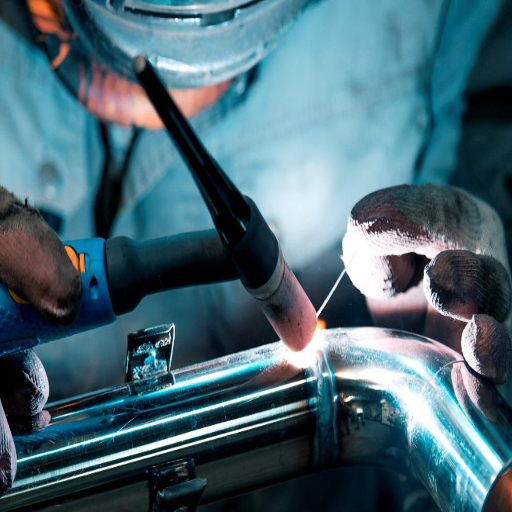
The following strategies will help prevent the common types of TIG welding defects:
- Keep a Clean Workstation – Dirt and other pollutants should not be present on a welding surface or the tungsten electrode to avoid any porosity or weak welds build-up
- Heat Control – The correct amperage must be ensured so that the weld does not crack or generally warp due to high temperatures
- Proper Gas Shield – Check the shielding gas flow rate and area coverage to make sure wherever the weld occurs, it does not look to be oxidized or discolored
- Proper Filler Metal – That is, fill the joint with a base metal which is similar to the weld area unlike different aluminum, as the disquisition materials are incompatible
- Perform Techniques with Excessive Accuracy – use the right speed and appropriate torch angle to ensure that the welded region has no wavy or sagged appearance, equivalent to the welding method used in some cases.
With such tips, defect occurrences are expected to decrease, and welding productivity is expected to improve.
Best Practices for TIG Welding
TIG (Tungsten Gas Inert) welding equipment requires accurate tracking and control, skilled employees for its most effective and most efficient performance, since any imprecision of the torch, the electrode, and the rod, or welding equipment in general, may spoil everything. Although welding with TIG has been used for a long time, modern welding technology is continually changing to meet the needs of people today, unlike yesteryears. This TIG welding report notes that the welding conditions in 2019 differ from those in 1999.
- Select the Correct Tungsten Electrode – According to the welding material and applicable skill parameters, the appropriate electrode should be used (for example: using 2% thoriated tungsten or lanthanated alloy on steel and aluminum, respectively). This helps eliminate unwanted arc disturbance and electrode blockage.
- Optimize Amperage Settings – Amperage is a parameter that can be adjusted depending on the thickness and material type. Without these, through excessive heat or use of too low a current when welding, then impossible welds such as excess spatter or poor penetration can be made.
- Try Pulsed TIG Welding Especially for Thin and Vulnerable Materials – When it is difficult to weld thin materials traditionally, many professionals today go for pulsed TIG welding. Along with reducing distortion and preventing burn-throughs, it will also significantly minimize oxides and contaminations along the border, especially about materials like stainless steel and aluminum. FCW will provide the answers we need when welding advanced and sensitive materials, also known as pulsed welding.
- A Clean Start is Essential- Make sure all surfaces are devoid of any unwanted residues or even support materials for the process of fusion, such as protective oils, give aways, and rust. Any contaminants present can extend the pores in the weld region, leading to defective constructs and material fatigue.
- Post-Weld Cleaning and Inspection: After the welding procedure has ended and the designated area has been welded, remove any oxidation or other substances from the surface of the joint. Execute a detailed visual or other non-intrusive test to ascertain that the weld is up to structural design as well as the appearance quality.
By implementing such innovative practices, craftsmen can upgrade their skills, achieve the anticipated outcomes by creating trendy images of the art, and adapt to the changes currently affecting the construction industry.
Comparison of TIG and Stick Welding Techniques
Comprehensive Comparison in One Sentence: TIG welding more efficiency, allows to work with a broader range of materials and provides aesthetically appealing finished products, whereas stick welding is inexpensive and portable, convenient to use outdoors and for heavy duty jobs.
| 參數 | TIG 焊接 | 棒焊 |
|---|---|---|
| 精密 | 高 | 中等 |
| 多功能性 | Wide material range | Limited materials |
| 便攜性 | 低 | 高 |
| 成本 | 設定成本高 | 設定成本低 |
| 速度 | 慢 | 中等 |
| 技能水平 | 高 | 中等 |
| Cleanliness | No slag, clean welds | Slag requires cleanup |
| Outdoor Use | 有限公司 | 非常好 |
| 耐久性 | High-quality welds | Strong welds |
| 設定 | 複雜的 | 簡單 |
Routine Maintenance for Welding Equipment
Maintaining welding equipment is a critical practice that might help prevent damage, enhance the level of safety standards, and help improve productivity. Please consider the following practical steps that must be carried out and comply with the industry expectations;
- Inspect cables and connections. Remember that from time to time, it is necessary to control the condition of the welding cables with connectors in order to identify problems in time. In case of damaged cables, there is an excellent risk of fluctuations in the remaining break power, or worse, the risk of Electric shock because of this, it is recommended that all the damaged parts be replaced promptly..
- Clean and Store Correctly. Sometimes torch parts and other speaking welding power sources are caked with some to form a rest on them. In such cases, clean them using forced air or a soft dusting brush. At all times, avoid storing the equipment in a humid, hot place to prevent oxidation.
- Check the status of Consumables from time to time- check the condition of such consumables as electrodes, tips, and nozzles. Where they are in bad condition, replace them where appropriate, in order to make good-quality welds. vent
- Place the correct Amount of Gas at the recommended Pressure – this involves providing proper shielding on the weld in TIG as well as MIG welding. Before applying pressure, there should be a thorough check on Hoses on Leaking Hoses, and whether the Regulators are functioning well and without errors.
- Adjust the equipment – Performing calibration assures that the voltage and amperage settings are accurate. Regular calibration of the machines is required in order to match the values given by the manufacturer and for the sake of consistency.
- Service all Mobile Components – for machines made up of gears and other parts which move, a suitable lubricant should be applied to prevent wear and promote movement.
These repair techniques are recommended to be performed during daily operations to prevent potential equipment downtime and ensure that the high-quality welding work conforms to standards regularly.
Remedies for Common TIG Welding Problems
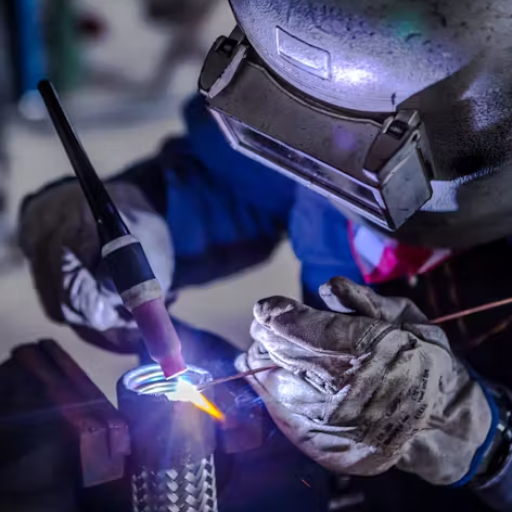
- Porosity Issue in Welds
Before the welding process, the metal surfaces shall be adequately cleaned and freed from all contaminants like rust, oil, and grease.
Ensure that proper shielding gas flow is being used and that there are no leaks in the gas line.
- Contamination of the Electrode
Clean the tungsten electrodes. If they can no longer be cleaned properly, replace them with new ones.
Never allow the tungsten electrode under any circumstances to touch the filler material or the base metal during welding.
- Difficulties in the Arc Ignition
Double-check that the tungsten electrode has the correct shape and is securely seated.
Perform a check of the welding machine’s power settings and inspect the connection to the base metal.
- Too Much Heat
Control the power output in such a way as to uniformly preheat the working surface.
Pulsed TIG welding is preferable to keep heat while welding a molecular bond in all metals.
- Weld Cracking Problems
The welder shall ensure that a compatible filler material is used for the base metal.
For Large sections or those with heavy cross sections, preheating may be carried out to constrain thermal gradients during the cool-down period.
Obviously, by addressing these points one by one, you are well on your way to achieving better welding and reduced rework, with consequential savings of time and effort in your projects.
Solving Lack of Fusion Issues
Lack of fusion in welding is the condition in which the weld metal does not fully connect with the other base metals or is not wholly joined to its weld bead. This defect can endanger the integrity of the joint and the weld’s quality. To meet this challenge, the following steps have to be take.n
First of all, Make Sure the Parts are Properly Cleaned
Clean the base material from all adherent impurities, such as rust, oil, grease, etc. – any of which hinder the welding. A wire brush should be used together with a suitable solvent if needed.
- Welding Settings: Adjustment:
Increase the amount of current used in welding or raise the output voltage in order to provide the electric arc with enough heat in which the base and filler metal are completely molten. In this regard, the electrode or filler wire is fed at a higher melting rate than the welding current could allow, which in turn causes molten droplets to fall outside the preferred welding line.
Decrease the welding travel speed, and the weld area in construction could be embedded with sufficient heat to maintain the required fusion temperature.
- Select the Suitable Type of Filler Material Or Electrode
Check that the properties of the electrode or the filler wire match those of the parent materials so as to ensure that it helps in increasing fusion. This is because specific materials may require additional particular alloys.
- Improve Positional Welding Aspects
Set the correct angle and the traveling speed consistently during welding. Make sure that the arc does not travel off the welded edges, and this will help in obtaining satisfactory fusion.
When working in overhead and vertical welding positions, make adjustments to the technique to achieve a maximum heat input without excessive spatter.
- Evaluate Every Aspect of the Preparation and Joint Design
Verify that the joint is suitably prepared according to the requirements given, including the specific bevelling, spacing, or grooving of the edges so that the edges do join. Arc coverage overblunt corners prevents the arc from seeing the far sides of the joint in a severe narrow gap welding.
These strategies help improve the welds because the problem of lack of fusion is easily contained. Searching the web has indicated that changing techniques and preparing their people accordingly are centered as solutions towards the issues that hang in the industry.
Addressing Contamination in Welds
When welding is not done correctly, contamination may enter the weld joints, which consequently results in poor-quality work. Both preparation and operator removal are essential components for dealing effectively with this concern. As others have noted in the recent global market experiences, widespread pollutants for welding like moisture, oil, rust, and dirt easily bring in pores, weal weld joints, or even cause cracking in time. Cleaning and purging the base materials of any impurities before weld processing is, therefore, very crucial at this point. Aside from this essential element, concern about the effect of other environmental influences such as humidity and ventilation also exists, as well as the danger of dirt or moisture contamination from outside sources.
It is possible to make the welding process safer by reducing air impurities with the use of newer and advanced techniques and machinery, such as Argon shielding gas. In welding, it is also advised that the use of welding machinery should be kept to a minimum and that they should be inspected or controlled on a regular schedule to prevent any oil from the gas hoses or oil from any part of the gas flow being used for welding from leaking. A product or service provider allows for superior welding that is neater, more resilient, and has greater longevity by adhering to these strategies, which consist of good practices of material process, resources in the industrial sector, and maintenance of equipment.
參考來源
- 具有增強視覺功能的鎖孔 TIG 焊接中基於深度學習的缺陷檢測
- 作者: 張軒、趙勝斌、王明迪
- 出版日期: 2024 年 8 月 1 日
- 總結: This study presents a method for real-time defect detection in keyhole TIG welding using a multi-layer deep neural network trained on a comprehensive dataset of welding images. The research highlights the effectiveness of deep learning in identifying various weld states, including both good welds and defects such as burn-through and undercut. The methodology involves extensive preprocessing and data augmentation to ensure high accuracy and real-time performance in defect detection.
- 主要發現: The proposed method significantly improves quality control and defect prevention in TIG welding processes, demonstrating high accuracy in distinguishing between different weld conditions(Zhang et al., 2024).
- Tungsten Inert Gas (TIG) and Metal Inert Gas (MIG) Welding Applications – Critical Review
- 作者: S. L. Lawal, S. Afolalu, T. Jen, E. Akinlabi
- 出版年份: 2023
- 總結: This review critically examines the applications of TIG and MIG welding processes, focusing on their operational challenges and the need for reliable welds with adequate mechanical properties. It discusses common defects such as porosity and plastic deformation due to frictional heat. It recommends friction stir processes integrated with TIG/MIG welding as a solution to improve fatigue behavior in welded joints.
- 主要發現: The review emphasizes the importance of understanding the operational parameters and defect prevention strategies in TIG welding, particularly in industries such as aerospace and automotive (Lawal et al., 2023).
- Maximization of Compressive Strength in TIG Welding of Mild Steel Using Response Surface Methodology
- 作者: Oyinbade A.A., Imoukhuede K.A., Akadri A.O
- 出版年份: 2023
- 總結: This study focuses on optimizing the compressive strength of TIG-welded mild steel using Response Surface Methodology (RSM). The authors developed a second-order polynomial model to minimize fatigue and improve the mechanical properties of welded joints.
- 主要發現: The results indicate that the quadratic model effectively minimizes fatigue response, achieving statistically significant improvements in weld strength(A.A et al., 2023).
- Top Welding Rotator Manufacturers and Suppliers in China
常見問題(常見問題)
TIG焊接常見的缺陷和問題有哪些?
常見的 TIG 焊接缺陷包括孔隙率、缺乏熔合、不完全熔深和燒穿。這些問題可能是由於焊接參數不正確、屏蔽氣體覆蓋不足或使用不正確的填充材料類型而產生的。了解這些常見的 TIG 焊接問題對於實現高品質焊接至關重要。.
如何解決常見的 TIG 焊接缺陷?
要解決常見的TIG焊接缺陷,首先應找出具體缺陷及其原因。例如,如果您遇到熔化不足的情況,請確保適當的氣流並調整焊接電流。此外,使用正確的填充桿並保持穩定的手部位置有助於防止缺陷的發生。.
是什麼導致 TIG 焊接缺乏熔化?
Lack of fusion is a common weld defect that occurs when the molten metal does not properly join with the base material. This can result from insufficient heat, incorrect welding speed, or poor gas coverage. Properly adjusting the welding parameters and ensuring adequate shielding can help mitigate this issue.
What are the types of weld defects in TIG welding?
The types of weld defects in TIG welding include porosity, undercut, excessive spatter, and lack of penetration. Each of these defects can affect the structural integrity of the weld, making it essential to understand their causes and implement preventative measures.
How does improper shielding gas affect TIG welding?
Improper shielding gas can lead to various defects, such as porosity and oxidation. A lack of shielding gas can expose the weld pool to contaminants, while poor gas flow can result in inadequate coverage. It’s crucial to ensure proper shielding gas coverage to maintain the quality of the weld.
What are the common causes of porosity in TIG welding?
The common causes of porosity in TIG welding include contamination from oils or moisture on the base material, inadequate shielding gas flow, and improper filler metal. To prevent porosity, always clean the surfaces before welding and maintain a consistent gas flow rate.
How can I prevent common welding defects in TIG welding?
Preventing common welding defects involves maintaining proper welding parameters, ensuring adequate shielding gas coverage, and using the right filler metal type. Regularly inspecting your welding equipment and practicing good technique can also help in avoiding defects.
What is the importance of understanding the causes of incomplete penetration?
Understanding the causes of incomplete penetration is crucial for preventing this common defect. Incomplete penetration can weaken the weld joint and compromise the overall strength of the assembly. Factors such as insufficient heat and improper technique can lead to this issue, which can be avoided with careful attention to welding parameters.