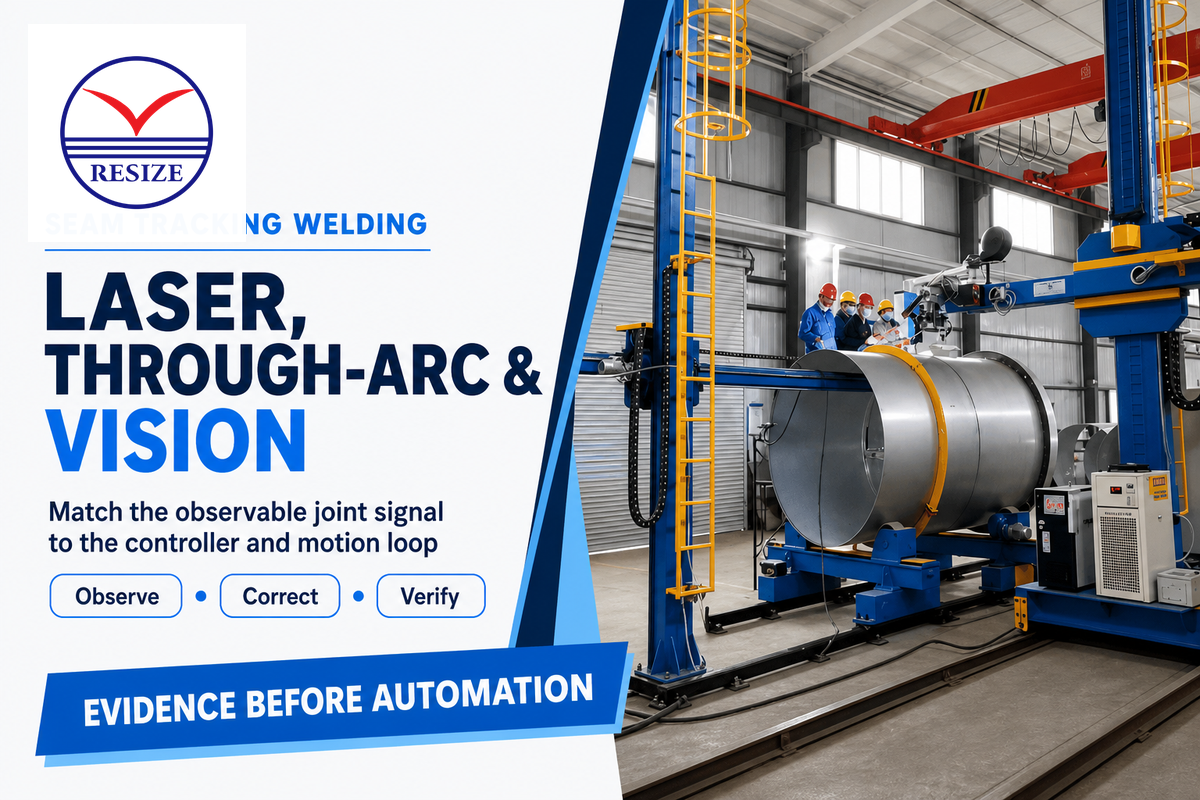
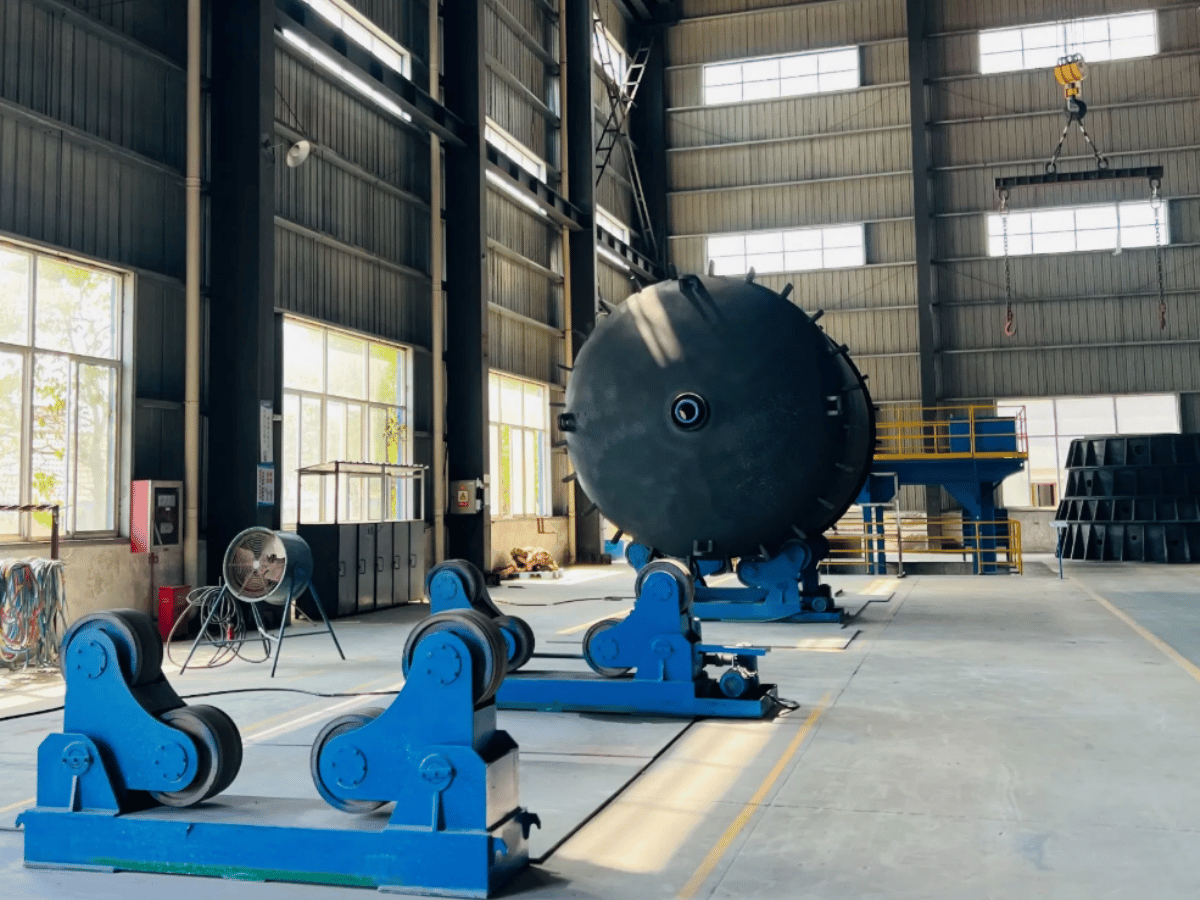
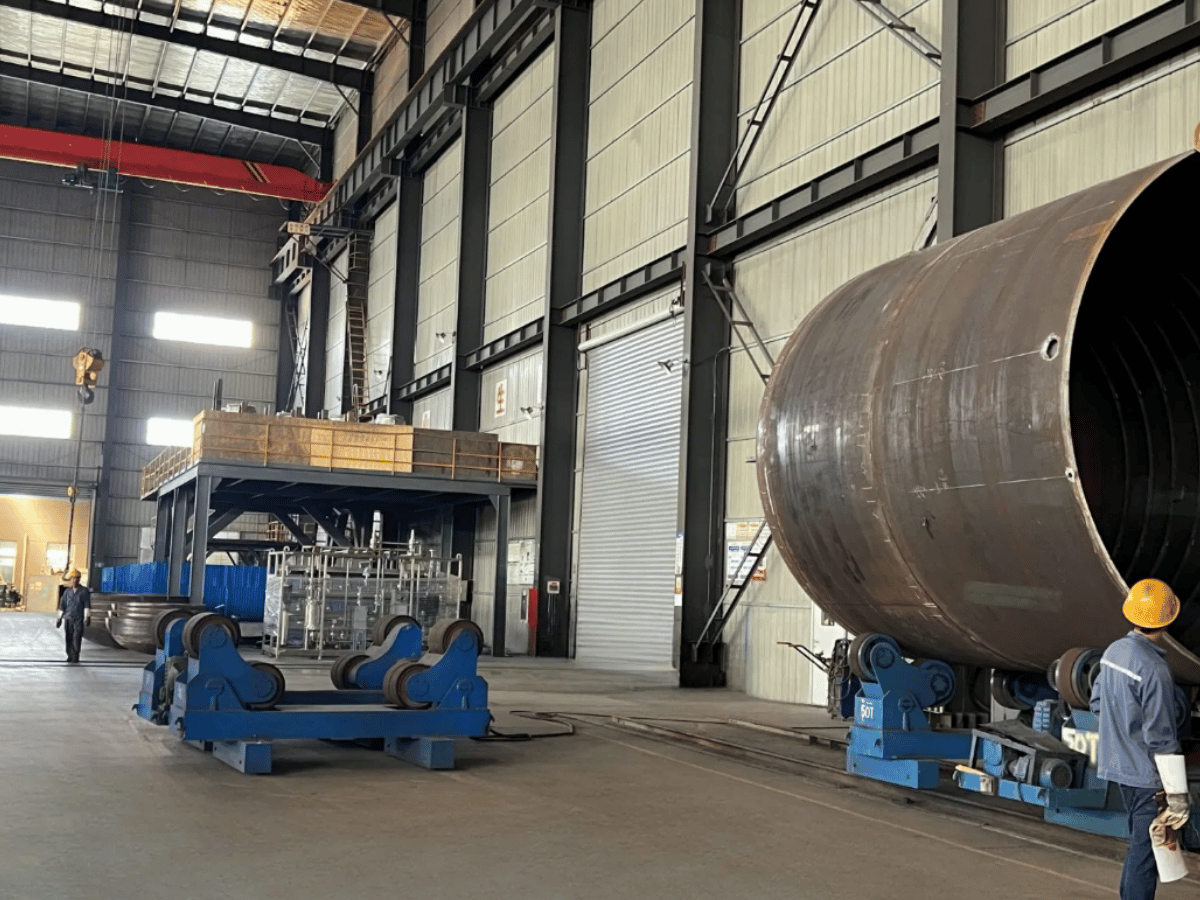
Precision and efficiency are very important when dealing with the long pipes and heavy welding tasks. The long pipe welding rotator is the answer to this, it’s a crucial tool revolutionizing the way welding of pipes is being carried out. The right welding positioner can be a huge support to your workflow make it more accurate, less hard toil-full but more productive. This article will take you through all aspects of long 管道焊接旋轉器 starting from the main advantages to the most important tips on choosing the right equipment. You will also learn how to make your welding process more organized and get the best results almost effortlessly.
Understanding Pipe Welding and Rotators
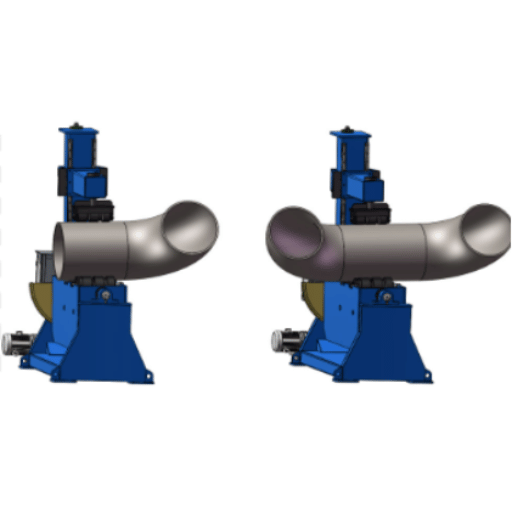
Pipe welding is a kind of process technique which is very essential. Two sections of the pipe are joined to form a unit that is very rugged. A lot of attention is needed when the operation is going to be done so that the welds are strong and leak-proof. Rotators are very important machines to fasten-rotate the pipes securely which help the welders to do their job quickest and with good results. These are the machines that reduce manual works, lag in welding and productivity falls off by keeping the pace of the welding going and the optimal location of the pipes. The purchase of the proper rotator will result in the operation being done more smoothly, the quality of the weld improving and the longevity of the weld getting better.
什麼是管道焊接?
Pipe welding is the method where two pipe chunks are attached so that the connection is secure and not leaking. The process is bringing metal surfaces together by using only heat, only pressure, or both of them at the same time, with tools including power supplies and methods such as arc welding, TIG welding, or MIG welding, quite frequently. The use of this technique is of utmost importance in sectors such as construction, oil, energy, and manufacturing, where pipe connections need to be strong and long-lasting.
焊接旋轉器簡介
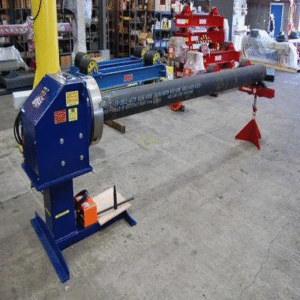
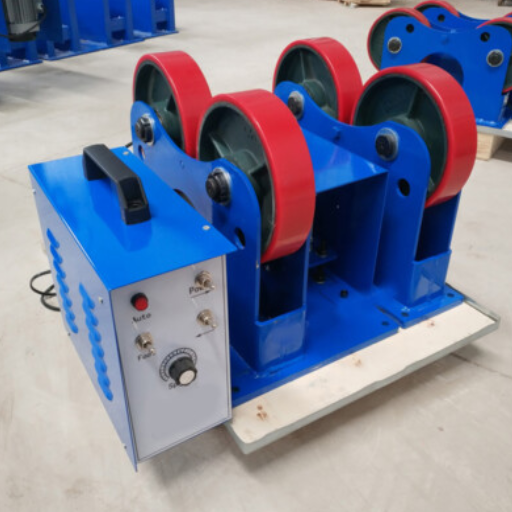
Welding rotators are equipment used to turn tubes or tanks in a welding operation. They provide steady and controlled rotation that results in better welding, as well as less worker fatigue, and therefore weld quality improvement. Widely practiced in the sectors where strong pipe connections are indispensable, they also as a result make the processes smooth, the heavy parts easy to handle, and the welds uniform.
Importance of Pipe Welding Rotators in Fabrication
Welding rotators in matter of pipes important in the fabrication process due to the creation of constant and precise welds. The change is minimizing the handling that comes from the worker, cutting down the tiredness of workers and reducing the possibility of making errors, and of course at huge rates because they; in addition, they make the work so much quicker and productive that the increase can be seen easily. These tools are so important for uniform weld quality that the rotation with speed and ease they provide makes the tools a necessity in such strict industries as oil and gas or construction, where the commitment to reliability and precision is an issue.
管道旋轉器的類型
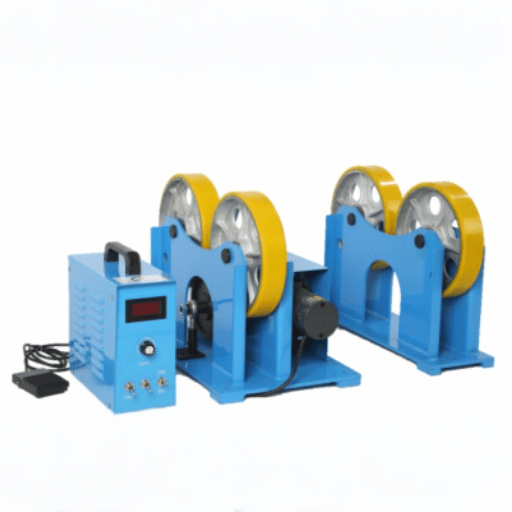
Pipe rotators are available in different configurations to cater to various fabrication requirements. The types that are most common are:
1。 常規旋轉器
These rotators have fixed or manually adjustable rollers and are ideal for pipes that have the same diameters. They are very reliable units for the operation of standard welding tasks.
2。 自對準旋轉器
These rotators are capable of automatically adjusting themselves to the diameter of the pipe being worked on. Thus, the operation proceeds smoothly without any manual interventions. They are well-suited for a wide range of sizes.
3. Anti-Drift Rotators
The main purpose of the anti-drift rotator is to minimize side movement during the process of rotator rotation. This is particularly advantageous when working on long and heavy pipes.
4。 車削輥
These are rotators which are very specialized and are used in very heavy-duty applications where extra heavy pipes are rotating and large diameter pipes need very solid support.
Every kind of them serves the unique demands of a project, in this way, guaranteeing the clients the best welding and also civil works result possible.
Overview of Different Types of Pipe Rotators
Pipe rotators come in different versions, and each is specifically designed for particular welding and fabrication purposes. The self-aligning rotators are the best option for the fluctuation in the diameters of the pipe as they can adjust automatically which is convenient and saving time. The conventional rotators need to be adjusted manually, but they are capable of providing good steadiness for pipes that have the same inner diameter. The anti-drift rotators ensure the pipe does not get out of alignment causing a wavy weld during weld rotation, particularly hard and long/heavy pipes. We are discussing the best pipe rotators for heavy-duty work, which would mean turning rolls and, thus, the most difficult project in the selection process is the vast industrial place. The possible results of the project depend on the type of rotator that will be selected, the size of the project, the number of welds that will be done, etc.
Benefits of Using Specific Types of Welding Rotators
Choosing certain 焊接旋轉器 types is very profitable. There are plenty of advantages like superior necessary; improved confirmation and protection. For example, the roller that self-aligns will adapt to changes in the diameter of the pipe, which will entail no manual corrections and will cut down on time spent on the setup. A roller of the fixed type will work regularly and will be very important for piping of the same size, thus ensuring that the work will be done in a dependable manner. The ones with anti-drift prevent the lateral movement that was not wanted; it will hold in and be very useful for the work of heavy weights and that which is bulky up to the point of sell; it, too, is very necessary in the case of heavy weights and bulky items. With the appropriate welding rotator type for your project, it is possible to have perfect alignment, higher welding quality, and enhanced productivity at the same time.
Choosing the Right Rotator for Your Project
💡 Key Selection Criteria
When selecting the appropriate welding rotator for your project, the first thing to do is to evaluate the size, weight, and shape of your workpieces. Fixed rotators are the most suitable for uniform and smaller pipes as they offer simplicity and reliability. On the other hand, if your project requires moving heavier or irregularly shaped workpieces, you should go for self-aligning rotators and take advantage of the automatic adjustment. The anti-drift rotators are quite helpful in maintaining precise alignment if lateral movement is likely to affect the process. The specific demands of your project have to be considered too, and features like the capacity of the load, ease of adjustment, and alignment precision should be given more weight in order to achieve the best performance and efficiency.
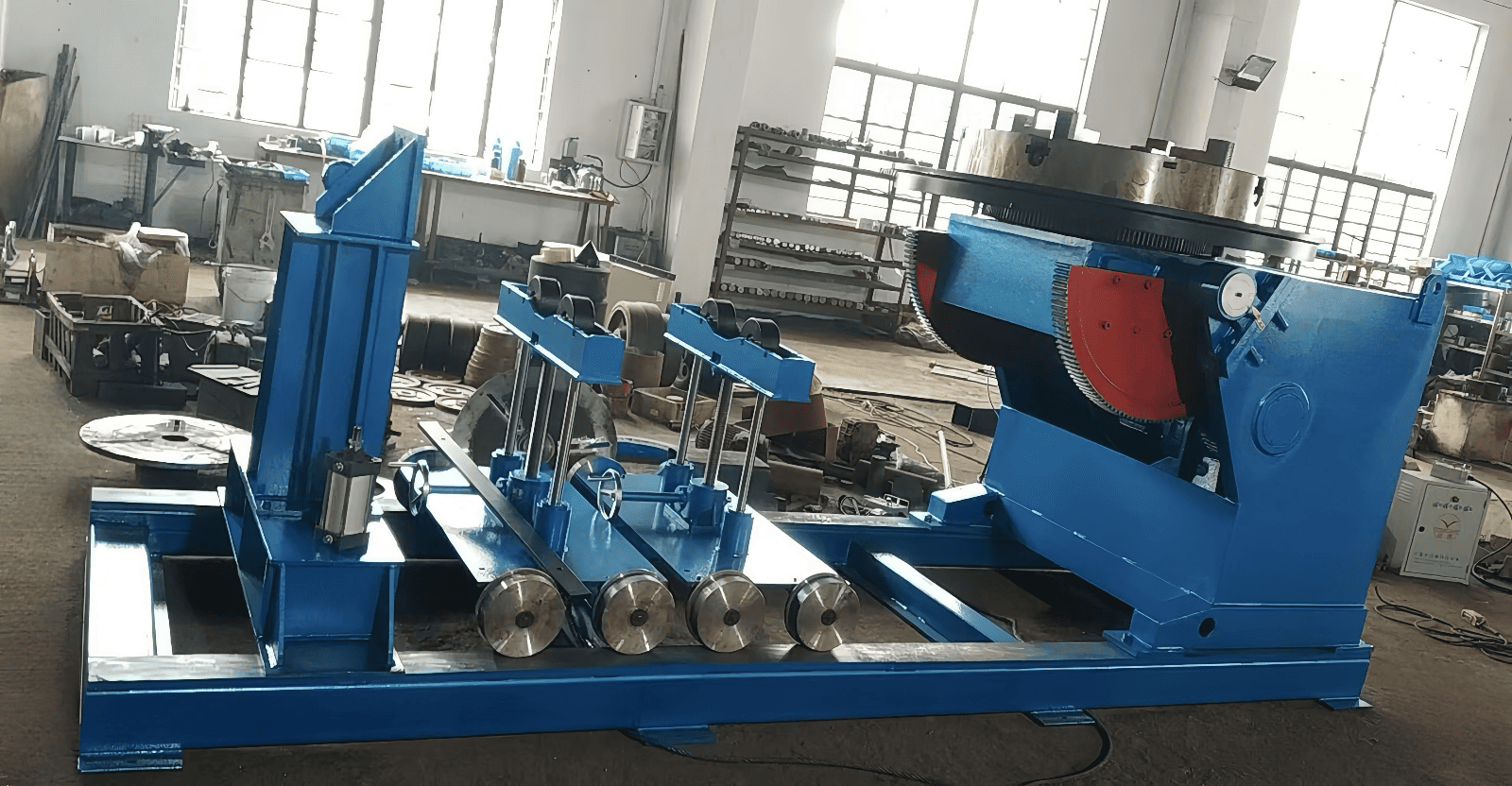
Components of a Welding Positioner
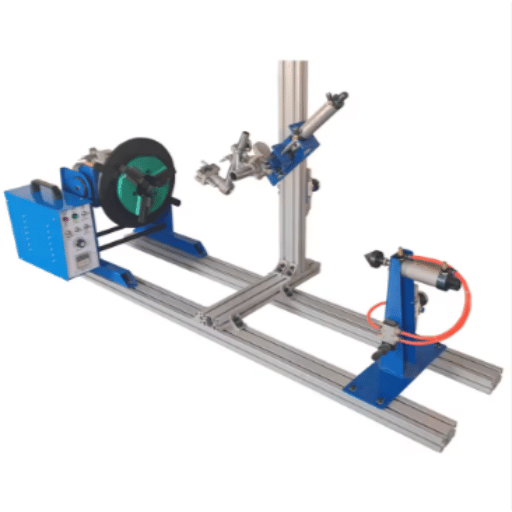
Each component has its own unique and very important function in such that they all work together in order to help the welding process to be far more effective and accurate, and this makes positioners a necessity for very complex welding applications.
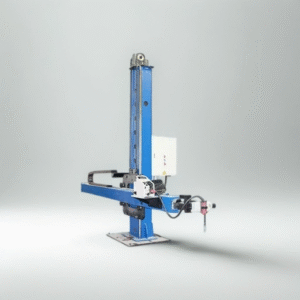
Main Components of Pipe Welding Positioners
1. Rotary Chuck
It secures the pipe or workpiece in a certain position and meanwhile it can be rotated as needed for welding.
2. Turning Rolls
Comprise the means of lateral movement or supporting and rotating the piece that is the cylinder, most often the principles are set around the roller types or roller beds. Turning Rolls are the same as the Rotators in the European and Australian market.
3. Tilting Mechanism
It Provides adjustable and stable inclinations to set the pipe’s correct placement for the perfect welding spot.
4. Control System
It provides the ability to program or manually control the rotation, speed, and tilting to obtain the best results.
5. Base Frame
Mostly, the design of welding tractors copy that of a three-axis CNC machine. Three-axes framework is placed onto a steel frame with four wheels that are manually adjustable. The wheels have to be blocked prior to the start of the welding program in order to stabilize the entire frame. A traveling carriage with a clamping device is mounted over these carriages. Plasma cutting station, circle cutting station, and the magnetic holder station are also mounted on the traveling carriage in order to form integrative welding and cutting equipment.
These components operate in tandem to deliver the utmost accuracy, productivity, and safety in pipeline welding.
How Components Affect Welding Performance
The quality, efficiency, and precision of the welding process are directly affected by the components in a pipe welding setup. While the rotary chuck keeps the pipe steady during rotation, the occurrence of defects that result from movement is minimized. The drive motor gives a consistently controlled speed crucial to the production of welds that are even. The tilting mechanism allows welders to put the pipe at the best angles, so that better accessibility and reduced strain are achieved. The control system makes it possible for very fine changes to be made, thus making the operations quite precise and repeatable. Finally, the base frame is the one that makes sure the whole thing does not wobble but stays intact while heavy pipes are being dealt with; this is how it is helpful in creating a safe and sure welding environment. All the things taken together make the welding performance better, produce great and stable results all the time.
Integration with Pipe Welding Rotators
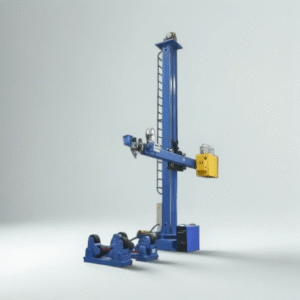
Integrating the pipe welding rotators with the welding processes, the efficiency and precision at the same time see a very significant improvement. These rotators even complement the positioners and, as such, give a constant and uniform rotation – the weld is accordingly of high quality in the entire pipe circumference. Manipulation of the pipe is very smoothly accomplished by the use of the rotators which means that all welding is now automated with minimum manual labor hence errors are minimized and operator safety is enhanced. Besides, their ability to fit different pipe sizes and materials is a big positive that makes them very flexible tools to be used in different industrial sectors. On the whole, the welding rotators and positioning are the dream-team that not only optimize the workflow but also impose less welding time and provide the customer with best possible quality of the weld.
焊接工藝和技術
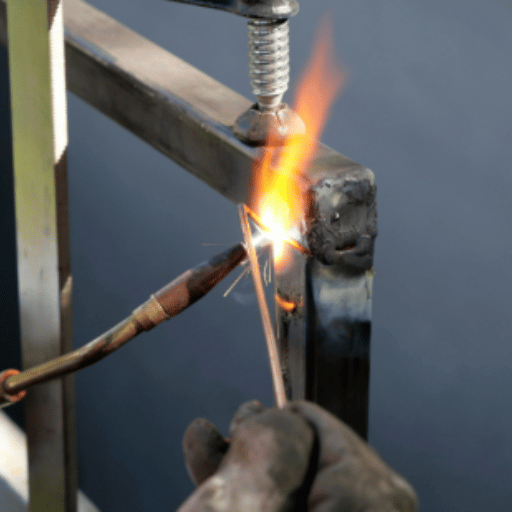
Welding, a procedure that is most commonly used for metal or plastic and is also considered as one of the methods that fuses two or more materials into one by using high successively high melting point geometry in the melting part and solidifying part in the cooling part and is expected to create a strong bond between the parts. Below are the most common pipe-welding methods as follows:
1. Shielded Metal Arc Welding (SMAW)
Commonly known as stick welding, this is a manual welding process that uses an electrode with flux coat to deposit the weld. It is very versatile, cost-effective, and widely used in maintenance and construction.
2. Gas Tungsten Arc Welding (GTAW)
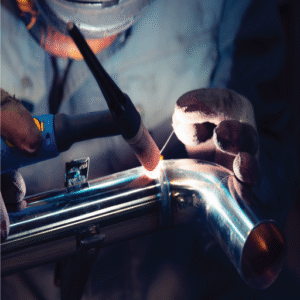
This welding process is also referred to as TIG welding. It is close to the weld in terms of the quality requirement as well as offers extreme precision. The process uses a tungsten electrode and a shielding gas, argon usually, to maintain the purity of the weld zone and prevent contamination.
3. Gas Metal Arc Welding (GMAW)
Also known as MIG welding, this is a semi-automatic welding process that makes a continuous wire electrode fed through the welding gun. It is well known for its quick, clean and efficient welding ability, which is good for large-scale projects.
4. Flux Core Welding (FCAW)
It is like MIG but instead of solid wire it uses wire filled with flux. It performs particularly well in the outdoors where the wind might interfere with the shielding gases.
Each technique has its own pros and selection of one is influenced by factors like the welding material, position of welding, and the requirements of the project. Proper training and keeping to the safety regulations are very important to get the welds of high quality.
Types of Welding Processes Used with Pipe Rotators
Pipe rotators are one of themost convenient tools in the world that can be used in the welding of the various pipes in terms of the efficiency and the precision that they can provide. The following list mentions the common welding techniques that are used with pipe rotators:
Tungsten Inert Gas (TIG) Welding
It is the best way to do the job with accuracy as it produces nice and high-class welds on pipes.
金屬惰性氣體 (MIG) 焊接
It is the best alternative for performing work quickly and automatically, which is the reason why it is most commonly used for the large projects and is considered as a green technology in welding due to its high efficiency as compared to other methods.
埋弧焊 (SAW)
This is a welding method that is used for intense and high-demanding applications. This gives the benefit of providing similar high-class welds with less human interruption.
磁通芯電弧焊接 (FCAW)
It is also very common as it is the best option for the places where the use of welding gas can be the one to interrupt the process most.
The choice between the techniques is most commonly driven by the material, the quality of the weld sought or expected, and the time constraint.
Advanced Techniques in Rotary Welding
Cutting-edge rotary welding methods are being transformed by automation and precision to reinforce productivity and the standard of welds. Ways like orbital welding are being used to the benefit of pipes and tubes by uniformly providing high-quality welds and taking over by the machine the welding parameters control. Also, programming logic controllers (PLCs) can be applied to rotary welding machines so as to make the welding process cycle repeatable and even all through the manufacturing process. Their application comes under the heading of various large industries where precision and highest quality welds are demanded, for instance, the aerospace, automotive and oil and gas industries.
Positioning and Aligning Pipes for Optimal Results
The correct positioning and alignment of the pipes are very important to get a good welding result. Before welding, the pipes must be firmly clamped to prevent any movement and therefore to ensure a correct alignment. The use of special equipment like pipe alignment clamps, laser alignment systems, and leveling devices help to reach the needed precision. Furthermore, any roughness on the surface, like burrs or debris, must be smoothed down to make a strong and uniform connection. The continuous alignment will help to improve the quality of the weld, thus reducing the probability of defects and making sure that the strength of the building is maintained throughout the joint.
【參考來源】
- Senlisweld – Pipe Rotator, Welding Rotator, OEM & ODM: This guide entails the fundamental components, various types, and application sectors for the use of pipe rotators.
- Welding Supplies Direct – Welding Rotators and Turning Rolls: A detailed presentation of the welding rotators, emphasizing their part in the quality and high efficiency of the welding works.
- Resize Weld – Pipe Rotators for Welding: Enhancing Efficiency and Precision: Reveals the orchestration of pipe rotators in making the welding or fabrication steps easy by rotating the cylindrical workpiece.
常見問題(常見問題)
Accelerate Your Welding Projects Today
Invest in the right long pipe welding rotator and transform your fabrication process. Experience enhanced precision, improved safety, and superior weld quality across all your heavy-duty welding applications.