溶接は確かに最も重要で長続きする工業プロセスの一つですそれは私たちが今日生きる世界を形作っていました溶接の世界は原始的な鍛冶方法から宇宙船やロボット工学で使われる超現代的でさらに生産的な技術へと絶えず変化していますこの論文では世界中の産業を変えた溶接の始まり、大きな転換点、そして技術の進歩を示す広大な過去を段階的に紹介しますこの分野の専門家であれ歴史愛好家であれ単に溶接が私たちの技術の進歩に与えた影響を知りたい人であれこの時系列はプロセス全体の魅力的な見方を与えてくれます - 溶接の最初の段階から最新の実践に至るまで溶接の進化のあらゆる時期が今日私たちができる驚異をどのように可能にしたか見てみましょう。.
The Origins of Welding
The history of welding goes back to ancient times with the earliest proof of the process being in the Bronze and Iron Ages. Blacksmiths of these days employed very basic forge welding techniques, which involved heating and hammering pieces of metal together to manufacture things like tools, weapons, and other necessary items. During the Middle Ages, the development of slag among other things gave better strength and quality to metal joints. The techniques of that time which were considered the end of welding opened the door for more specialized and efficient modern technologies to emerge.
🔨
Early Techniques: Forge Welding
Among the earliest techniques, forge welding was involved, the metals were heated until they got into the form that can be easily shaped and then they were hammers together to make a solid bond. The method depended on extreme temperatures produced by ancient forges and the blacksmith’s craft to make sure the connections were strong. Even though it was restricted by the tools and materials on hand, forge welding was a basic operation that opened the door to the modern developments.
The Development of Gas Welding
Gas welding started its journey in the late 19th century when it was recognized as an important new method for joining metals. A very pure and hot flame that could melt and weld metals was produced by fusing together oxygen with a gas fuel, typically acetylene. Compared to forge welding, this method was more precise and portable, thus, it was quickly accepted in automobile repair and metalworking industries. Gas welding did not only maximize the efficiency but also allowed the operator to exercise more control over the weld, thereby, it became a highlight of the welding technology’s development.
Introduction to Arc Welding
Arc welding is a technique that employs an electric arc to melt and fuse metals, thereby creating a durable and efficient weld. The electric arc is formed between the electrode and the workpiece, resulting in high temperatures that liquefy the metal at the joint. The process is prominently adopted in different sectors due to its adaptability, accuracy, and capability to weld heavy gauge materials successfully. Arc welding offers a range of options such as Shielded Metal Arc Welding (SMAW), ガスメタルアーク溶接 (GMAW), and Tungsten Inert Gas Welding (TIG), each one designed for particular applications and types of materials.
The Evolution of Welding Technologies
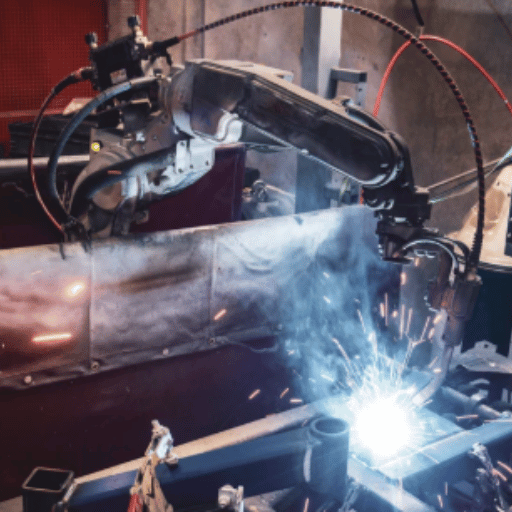
Over the years, welding technologies have undergone tremendous changes and have been shaped by the needs of industries and the progress of science. Gas welding was first introduced during the 19th century in which a regulated combination of oxygen and fuel gases was employed to generate the extreme heat necessary for metal joining. Then came the electric arc welding which was invented in the late 1800s and gave more accurate and quicker metal joining the possibility of being used for large industrial applications because it was the most economic process.
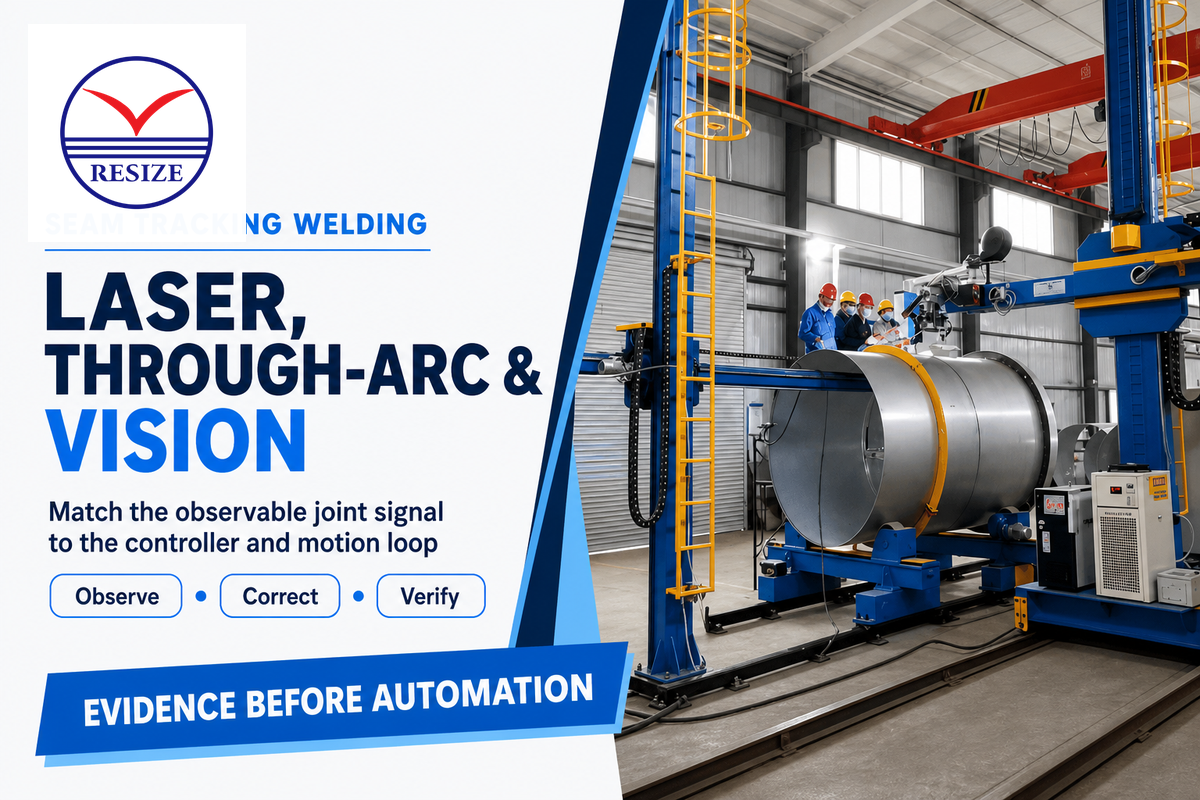
The innovation of the twentieth century included among others the development of robotized welding and the emergence of the welding methods TIG and MIG that enhanced accuracy and flexibility. As of now, laser and ultrasonic welding being among the most advanced techniques are contributing to the efficient production of aerospace, automotive, and electronics industries, thus turning welding into a rare skill requiring special training and being very flexible.
Metal Inert Gas (MIG) Welding
Metal Inert Gas (MIG) welding, which is also referred to as Gas Metal Arc Welding (GMAW), is a very adaptable and commonly used method that uses a non-stop wire electrode which is fed into a welding gun. A gas that is inert or semi-inert, for instance, argon or a combination of argon and carbon dioxide, protects the hot molten weld pool from being contaminated by the surrounding atmosphere. Through this method, weld pool is produced that has extremely high speed and efficiency which also makes the process a preferred choice for welding different kinds of metals like steel, aluminum, and stainless steel, etc. MIG welding has found its way into the automotive, construction and manufacturing industries because of its user-friendly nature, low spatter production, and convenience in using the process for both thin and thick materials.
⚡ Friction Stir Welding: A Modern Innovation
Friction Stir Welding (FSW) is one of the most sophisticated solid-state joining methods which employs a non-consumable rotating tool to produce the heat through friction and, thus, softening the parts to be welded without reaching the melting point. The use of FSW guarantees a weld that is much stronger than the base material, no or little distortion, and high-quality results, so it is the most advantageous for the aerospace, automotive, and shipbuilding industries. The technique’s capability of joining lightweight materials such as aluminum has made FSW a preferred option where precision and strength are requirements.
溶接のタイムライン 時代を超えて
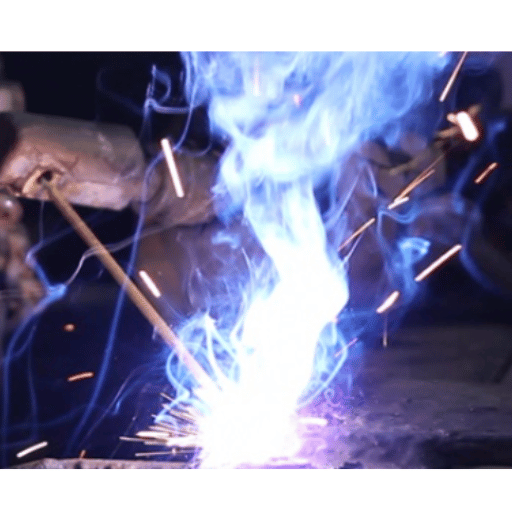
Early Beginnings
Welding has a long history that goes back to the Bronze Age (around 2000 BCE), when metals such as gold and copper were first joined by means of heating and hammering together. This very basic process was the first step in metalworking.
The Middle Ages
During the Middle Ages, the blacksmiths had improved the method by using forge-welding, where heated pieces of iron were hammer-welded together. The period witnessed the progress in tools and methods that ultimately led to the creation of more robust and reliable metal works.
The 19th Century
The 19th century’s industrial revolution was the main turning point in welding technology with the gas welding invention and the arc welding development at the end of the 1800s. These technologies brought higher accuracy and productivity, allowing for metal joining on a big scale.
The 20th Century
In the 20th century, welding techniques went through a series of rapid advancements, among them the methods of resistance welding, TIG (Tungsten Inert Gas) welding, and MIG (Metal Inert Gas) welding. The use of lasers together with other automated processes was a major breakthrough in the field because it improved both the speed and the quality of the product. These techniques were soon adopted by industries like shipbuilding, automotive manufacturing, and aerospace that were very reliant on them.
Present Day
Today’s welding methods not only embrace but also incorporate high-tech solutions like robotic systems, laser welding, and ultrasonic techniques. The use of these state-of-the-art technologies is geared toward efficiency, accuracy, and flexibility, which in turn is helping to push forward innovation in various industrial applications. The welding process remains a key part of manufacturing and engineering worldwide, as it is still evolving.
Historical Milestones in Welding History
The first welding processes were introduced with the simultaneous development of the carbon arc and the metal arc welding methods.
The oxy-acetylene welding process gave metal fabrication a lot of control and versatility.
The use of welding in the shipbuilding and military sectors was so large that it led to the development of submerged arc welding, which was faster and stronger, amongst others, as a result of the application of such processes in the industry.
The 20th Century was the period when gas tungsten arc welding (TIG) and gas metal arc welding (MIG) were invented, and they brought accuracy and ease of use in welding.
The application of laser welding and robotic systems led to the automation of the process and precision that welding moved into highly technical industries like aerospace and microelectronics.
All these developments testify to the transformation of welding from a basic metal joining method to a highly sophisticated and essential technology.
Major Industrial Applications of Welding
Welding is widely considered a fundamental process in various industries because it not only allows but also supports the creation and maintenance of the core structures and products. Important usages consist of:
自動車産業
A process used for both vehicle manufacturing and repair, among others, for parts like frames, exhaust systems, and engine components.
建設
Unavoidably the main technology used for supporting the construction of infrastructure, bridges, pipelines, and buildings.
エアロスペース
Gives the ability to manufacture aircraft components and satellites that are of less weight but high durability.
Energy Sector
A major player in the functioning of pipelines, power plants, and the installation of systems based on renewable energy like wind turbine maintenance.
造船
The technique that gives rise to strong and long-lasting hulls and other marine structures.
All these industries apply different forms of welding techniques so that their operations are safe, efficient, and enduring.
Impact of World Wars on Welding Technologies
The World Wars were among the most important factors that hastened the development of welding technologies mainly because the military equipment, ships, and infrastructure needed were to be constructed very fast and efficiently. Oxy-acetylene welding and riveting were the techniques used in the first world war that lasted long but these methods were slow at the same time. Innovation in arc welding was the result of this demand for speed and the use of arc welding in World War II became the main method as it was the quickest and most reliable. Besides, the wars also resulted in the creation of different welding processes, one of which was submerged arc welding, that could be used for the mass production of vital machines and vehicles. All these advances were eventually integrated into today’s welding processes and displaced the old ones establishing new standards in industrial manufacturing as well.
Modern Welding Practices
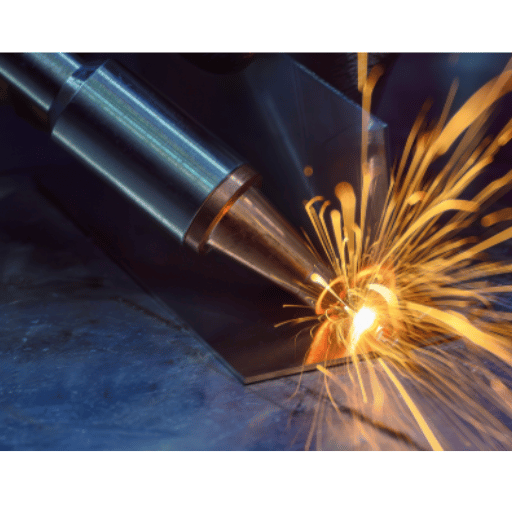
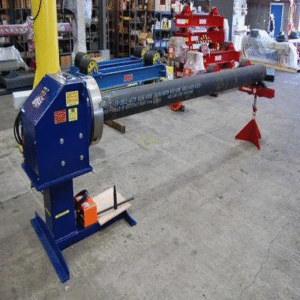
In modern times, welding practices that are more efficient, accurate, and environmentally friendly are the ones that take the lead. Laser welding, robotic welding systems, and friction stir welding are among the most common techniques in the production sectors like automotive, and aerospace. Laser welding is remarkable for its high-speed precision and is very suitable for thin materials, while robotic welding systems are very consistent and able to accelerate the whole production process due to automation. Friction stir welding, famous for its strength and reliability, is capable of joining materials without melting them thus it is suited for the demanding applications of shipbuilding and aircraft manufacturing. It is through these innovative practices that manufacturers reap the benefits of high productivity, low material waste, and enhanced performance in vital manufacturing processes.
🔬 Contemporary Welding Techniques
Laser Welding
Provides precision and speed, making it the best choice for complex designs as well as high-volume production.
Ultrasonic Welding
Gaining more application in electronics and medical device manufacturing because of its precision and capability to fuse fragile parts without risking heat damage.
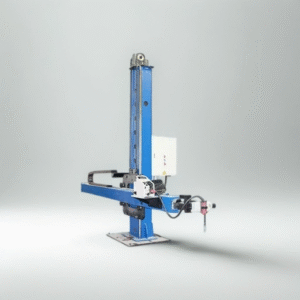
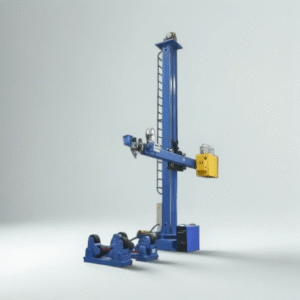
Robotic Welding
Provides consistency and accelerates production processes through automation, increasing output without compromising quality.
Inert Gas Welding Applications
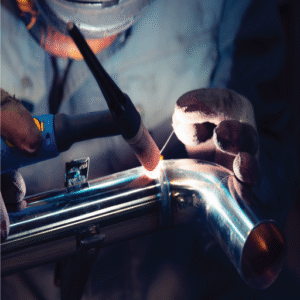
Inert gas welding techniques like TIG (Tungsten Inert Gas) and MIG (Metal Inert Gas) welding are still adopted by many industries because they provide high-quality, clean, and versatile welds. It is especially appreciated in the aerospace sector where it is used to manufacture strong and light structures, in the automotive industry for the production of durable parts, and in the pipeline and pressure vessel construction sectors for obtaining leak-proof connections. Moreover, the fact that it can weld such non-ferrous metals as aluminum and magnesium urges the industries needing corrosion-resistant and high-strength materials to make use of it.
Key Applications of TIG & MIG Welding
- Aerospace: Manufacturing strong and lightweight structures
- Automotive: Production of durable vehicle components
- Pipeline Construction: Creating leak-proof connections in pressure vessels
- Non-Ferrous Metals: Welding aluminum and magnesium for corrosion resistance
Future Trends in Welding Technologies
The advancements in automation, additive manufacturing, and eco-friendly solutions are all contributing to the future of welding technologies. Robotic welding systems have gotten more frequent use in industrial applications which results in higher efficiency and accuracy. 3D metal printing, for instance, is a type of additive manufacturing that is not only impacting the traditional welding process but also allowing intricate designs to be created and cutting down on material wastage at the same time. On top of that, the development of eco-friendly welding processes, like friction stir welding and the application of renewable energy sources, is minimizing the negative impact on the environment that welding normally causes and at the same time keeping the high-quality standards. All these trends portray a constant shift toward smarter and more sustainable welding solutions.
Automation
Robotic welding systems providing higher efficiency and precision in industrial applications.
Additive Manufacturing
3D metal printing enabling intricate designs while reducing material waste.
Eco-Friendly Solutions
Sustainable processes minimizing environmental impact while maintaining quality standards.
参照ソース
1. Miller Welds – The History of Welding
The development of welding from the Bronze Age is traced through various epochs up to the 20th century with the most noteworthy events.
2. Universal Technical Institute (UTI) – Guide to the Long History of Welding
The discussion covers the whole history of welding with the invention of acetylene by Edmund Davy in the 19th century as the starting point.
3. Welding History Timeline (1900-1950)
A comprehensive timeline of welding advancements from early times till now is presented.
よくある質問 (FAQ)
結論
The evolution of welding from ancient forge techniques to cutting-edge robotic systems represents one of the most remarkable technological journeys in human history. From the Bronze Age blacksmiths who first discovered the potential of joining metals through heat and pressure, to modern engineers utilizing laser precision and artificial intelligence, welding has continuously adapted to meet the demands of each era. The World Wars accelerated development, the industrial revolution transformed production capabilities, and today’s innovations in automation and sustainability are shaping the future of manufacturing. As we look ahead, welding technologies will continue to evolve, driven by the need for greater efficiency, environmental responsibility, and precision. This essential process remains at the heart of industrial progress, enabling everything from aerospace exploration to renewable energy infrastructure, proving that the art and science of welding will remain indispensable for generations to come.