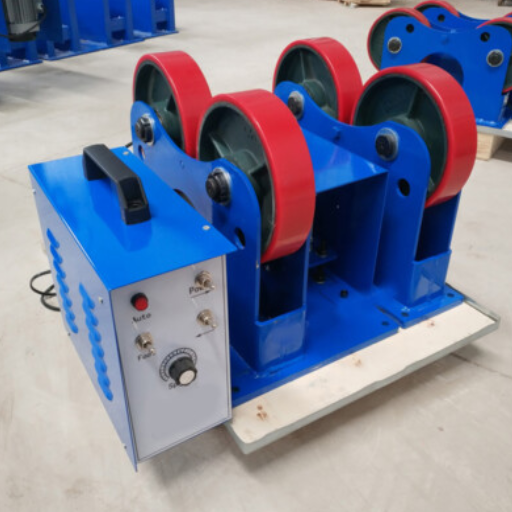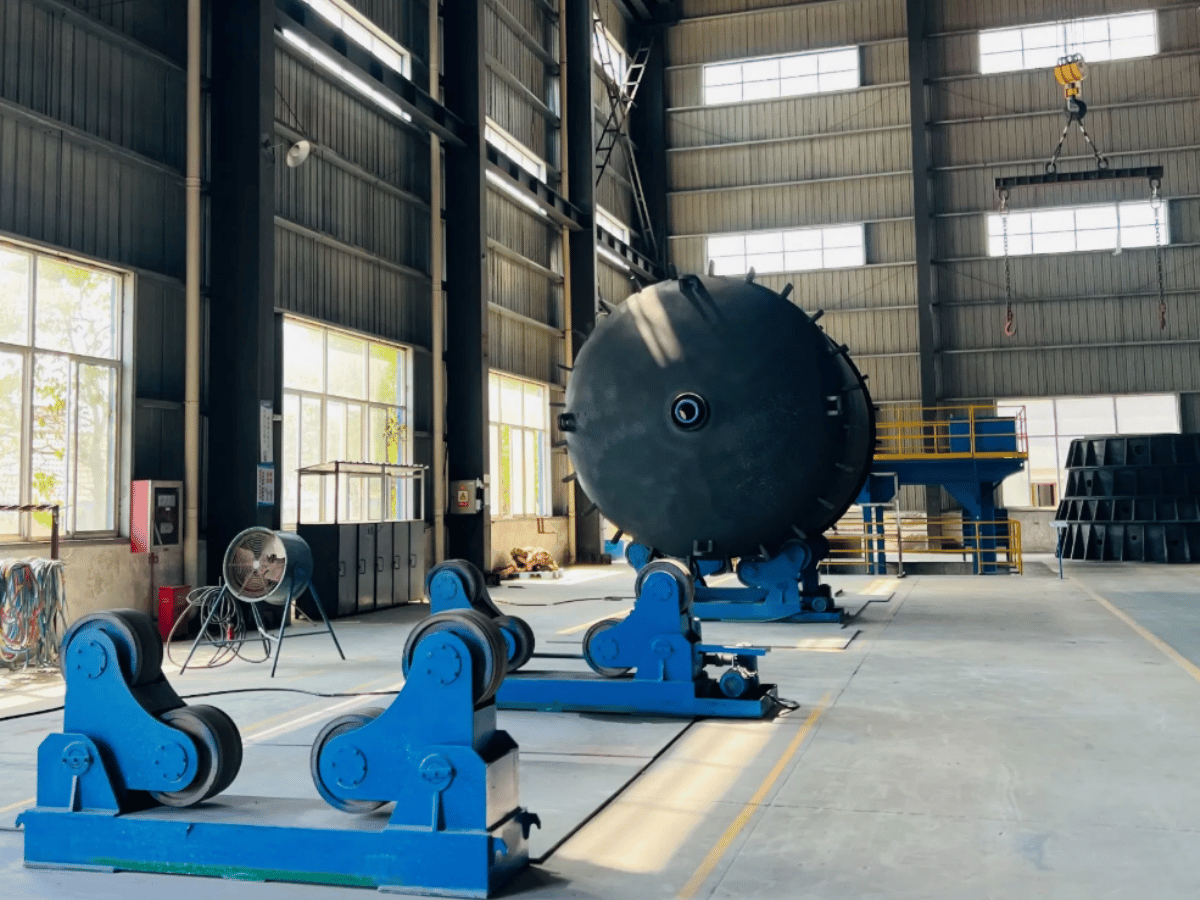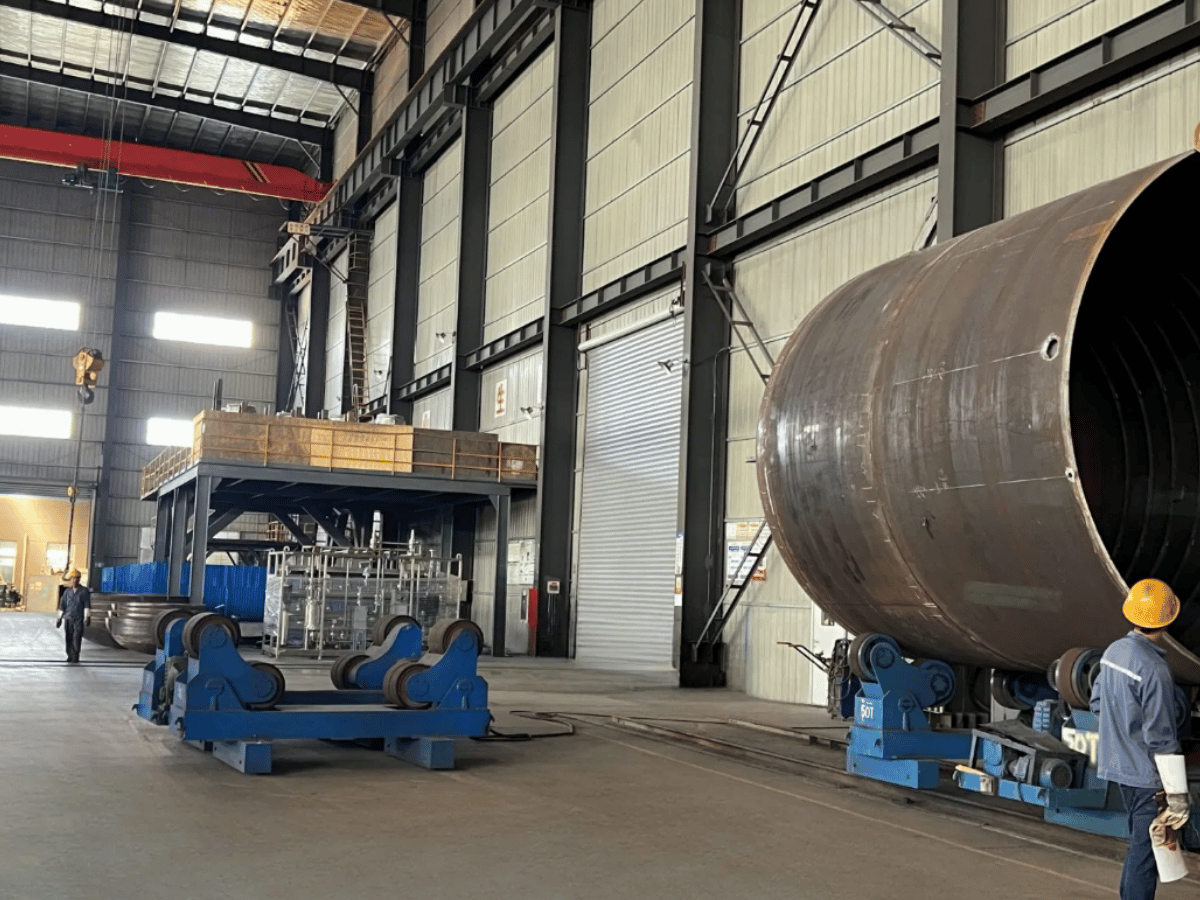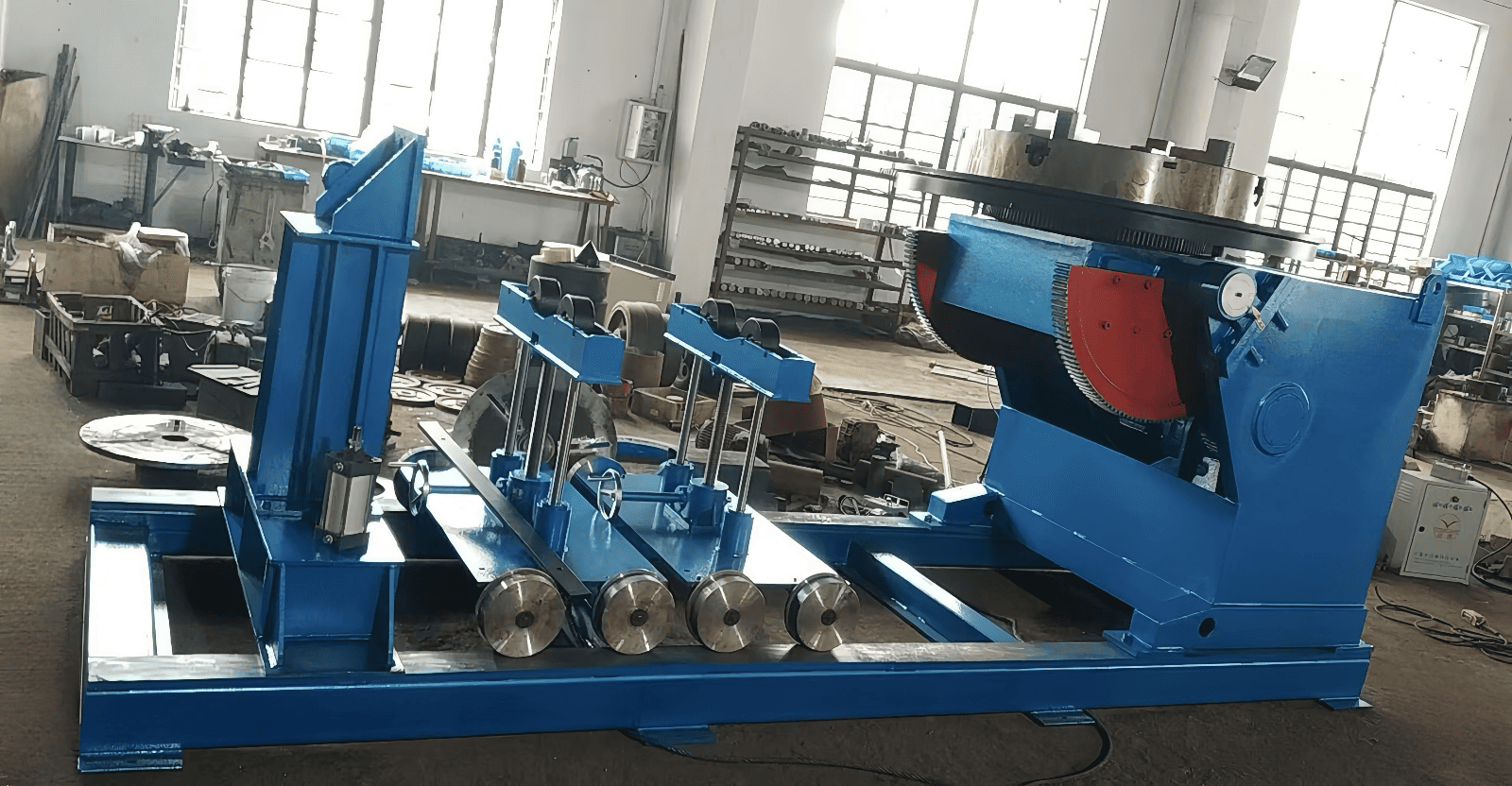
Positioners are devices used in most industrial applications to manipulate a body or a tool with precision. When picking an appropriate driving motor for designing these mechanisms, there is always only two motors that will come across them – servo motors and ac motors. Despite the fact that one may argue that the choice of either depending on performance objectives has an effect, however, there are distinctions that requite catering on the application requirements. These distinctions need to be understood and they are very important to enhance the efficiency of motorized positioner and how to integrate them into this modern industrial system smoothly. This report discusses the main differences of servo motor and ac motor motor, providing their specific applications, advantages and when to use each one. If ask engineers, service technicians or individuals in business to meet their needs for industrial interaction and level, the information contained in this article is readily available and help meet the requirements in making the appropriate decision.
Introduction to Motor Types
What are Alternating Current (AC) Motors?
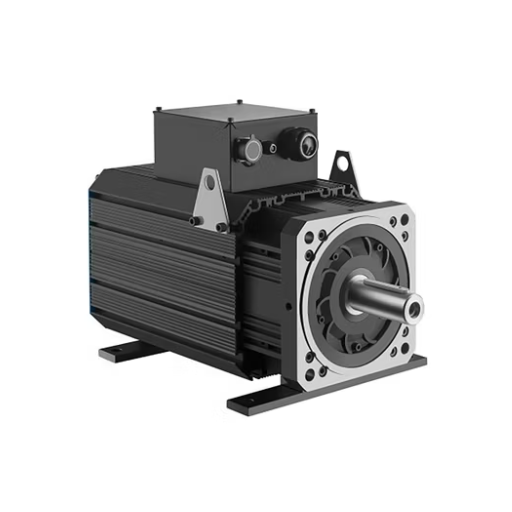
Among the diverse types of electric motors available, also known as AC motors, are those that are powered by electric currents in which supply switches to opposite directions at intervals. They are extensively used in most industries on account of their uncomplicated design and high substance trait. AC motors are generally divided into two principal types – they are synchronous and asynchronous (or induction) motors. Synchronous motors work at a constant speed which is rigidly maintained in synchrony with the frequency of the supply current, they are suitable for applications that require smooth and accurate speed control. By contrast, induction motors are more application specific, allowing more robust and cost effective solutions to be used in more industrially targeted applications such as conveyors, fans and pumps. It is easy to convertible applications depends on such factors as low heat generation, the inherent simplicity of the designs, minimum maintenance requirements in the choice of efficient and cost-effective motors between alternating current and direct current for use in most industrial and residential installations.
Explaining Servo Motor Mechanics
There are particular motors that are created to fulfill special functions in machines. For instance, a servo might have very controlled movements and might only turn 90 degrees in each direction unlike a normal motor which will constantly rotate on and on to perform the required function. The servo motor can be thought of as an ‘enhanced’ version of the regular motor that is additionally fitted with a feedback mechanism. There are processes occurring in the background of typical motors that are excluded in servos. In the absence of the feedback loop, a motor would keep rotating until it is disconnected. A typical motor is supposed to carry out a specific function and go off. It is not capable of achieving its utmost torque…if it was never brought to a halt functioning!
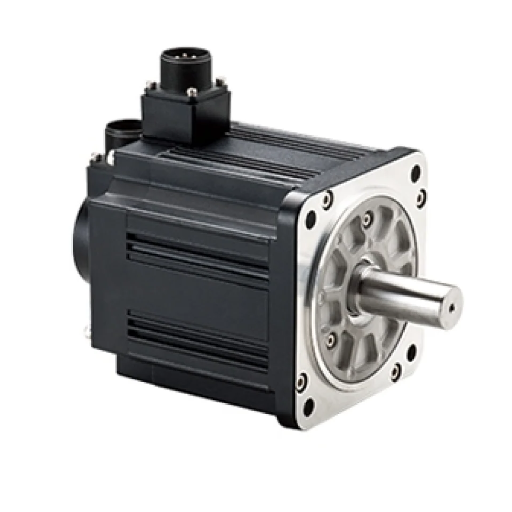
Modern servo motors are recognized for their ability to provide compact power transmission machines over a wide speed range, high torque density, and consistent operation. The servomotors mostly exist in AC as well as DC forms where one is likely to find AC servomotors in the industrial application due to their robust nature to handle high duty factor. They offer even more control when used with sophisticated control systems where linking and timing of many other automation devices is seamless. Closed loop systems using servo motors are currently the most common components in motion systems. Servo motors are exposing many industries such as precision motion control to numerous innovative uses due to their advancement in technology.
Understanding DC servo motors in a transparent way
A DC servo motor is a specific type of motor that typically uses a power supply in order to control its movement. This type of engine combines attractiob characteristics thar are of direct current with a position feed back device such as an encoder, potentiometer etc to monitor and automate control of it. Because of this, dc servo motors are best suited for applications such as robotics, mniature components and other .movable equipment where high resolution accurate control is needed. Indeed, in the case of dc servo motors, it is possible to maintain a high level torque down to speed and so this makes them perfect for applications that require a high degree of acouracy. Likewise, improvements in the composition and overall methods of control design have increased the efficiency and shelf-life of dc servo motors, thus making them relevant in prevailing and new engineering fields.
Key Differences Between Servo and AC Motors
Control Mechanisms in Servo vs AC
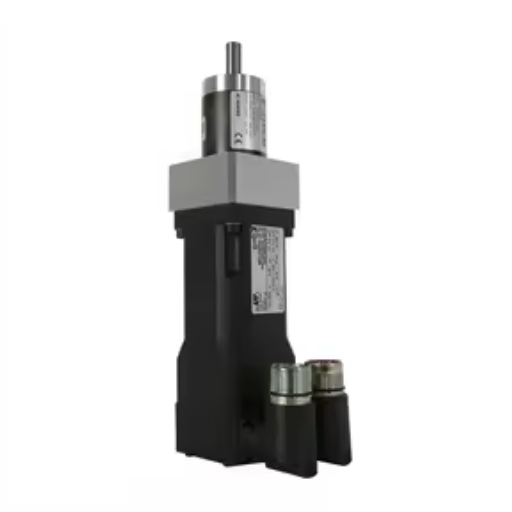
When it comes to AC motors, open-loop control tends to be the best and easiest most cost effective method used in controlling them. Servo motors are controlled by closed loop control system which continuously monitors feedback from encoder and resolver regarding position and velocity of the machine in order to ensure accurate fit. In such cases, a servo motor can make adjustments in real time thus ensuring high level of accuracy and consistent performance even if load changes. yet. Another useful features of Servo motors is the presence of the most advanced motion controllers that are specially tailored to perform specific functions are installed in the system which ise of very great help especially in a bunch ofRnD filed and across the set of other related fields targeted on exact control. On the flipside, AC props are mainly controlled in an open loop manner. That means to say that they rely on the frequency and voltage supplied to regulate their speed and torque. Also, some AC motors can be controlled slightly, such is the case of an AC motor by means of a variable frequency drive however they are rather inferior to control than the servo motor based systems. When less of very high precision and more of the simple design and long service ability are required, the AC motors are very likely to be chosen for the application. The difference in the control logic types is very important in the machines and techniques equipped with servo and AC motors.
| 特色 | AC Induction Motor | 伺服馬達 |
|---|---|---|
| Control Type | Open Loop | Closed Loop (Feedback) |
| 精密 | Low to Moderate | Extremely High |
| Torque at Speed | 變數 | Consistent Across Range |
| 成本 | 較低 | Higher (System Cost) |
Performative qualities Of different motors
For this reason different machines are designed for different applications in terms of other machines each of which possesses unique technical assets and operational specificities. For instance, the AC motors have found application in the industrial sector on a large scale owing to their ruggedness and efficiency in operation and minimal maintenance. They are particularly effective under steady-state operating conditions and can take on heavy loads with great confidence even at full load. However, the same applications might not be available when the need for a fast start up or precise control comes up. On the other hand, mechanisms short in ideal solutions for applications where precision of the stepper motor is required, controlled speed changes s and fast response in acceleration are present, are called servo motors. In general automation, these have “sensors” such as encoders for their position control and shaft shafts, the hole should illustrated some movement between pre over positions to the control. Such control lines in a particular shaft is essential in controlling a particular very well. Also, DC motors are widely preferred for the reason of its easy control and simplicity, especially in the lower power sector when compared to AC motors. Direct current motors can be controlled at precise speeds and torque levels by varying the voltage levels that are provided making them suitable for small machines, toys and mobile accessory applications. This’s true for both engines because the design principle of each needs to accommodate their respective applications hence improving the reach of motors for both industrial and user requirements.
Cost Comparisons and Economic Factors
When considering the engine type, calculating the cost price and economic aspects have a significant effect on the final decision. The AC motors are comparatively cheaper among large industrial circles, as basically it is less complicated and is more available. Centralized power systems have economically more benefited during the project of electrical design because they use the system more intensively and for a long time. In a complete contrast, the DC engines are offset price due in installation of materials such as brushes and electronic controller and are piano efficient in numerous high end activities. The issue at this point however, is shifting to the operating cost of these two engine types when one ascends to energy consumption of the electrical system. AC motors may come at less cost but due to the way the assembly is built; the efficiency level can be debated. Lastly, DC motors might be the ultimate solution to the day to day maintenance expense in machines running with higher precision or different speed. Through accurate appraisals of these economic challenges, the concern for the performance based on any financial constraints sounds practical, and it is within this that solutions that are applicable to different cases are alloyed.
Applications of Servo Motors in Position Control
Applications in Automation
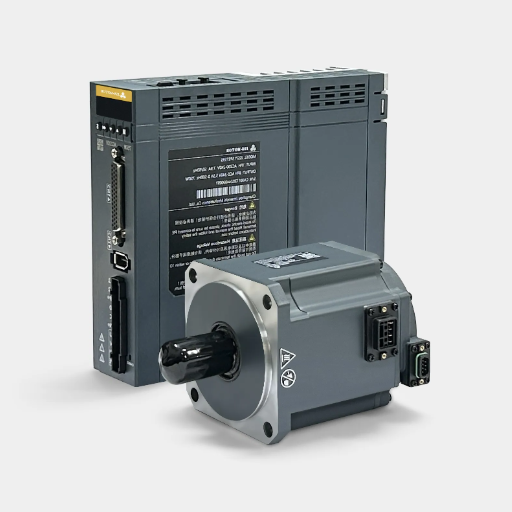
The servo motor assumes tremendous importance with the advent of the process of automation in the industrial revolutions of the 20th century. The application of servo motors is very common in industries using automated machines like robotic arms, assembly, welding, or movement of part materials as they enable a pinpoint and free-from-vibration movement. Again, in the context of servo motors manufacturing industry stroke controllers, grouped under servo motors,notably provided assistance in reducing cycle time of certain manufacturing processes. More than that, servo motors in the packaging industry allow for the accurate positioning of the product when filled, eliminating any chances of damage or spillage thus eliminating waste. Therefore, it is mainly the varied scope within which these devices can be utilized and their dependability that makes them so desirable when one ha in mind the growth of automated systems within the industrial context.
Considering advanced servo motors and their usefulness in the accuracy feature
Precision tasks demand numerous advantages from the servo motors ensuring they have a permanent position importance in the various sectors. Ensuring it shows good quality position, speed, and control is the critical aspect which is required in applications which are made up of particular movements such as robotic arms and CNC machines. Servo motors used in such applications maintain secured a level of precision even in changing conditions as they are able to work even though fault-processing algorithms are checked. It has attractive properties such as high power factor enabling it to save on fuel due to low energy consumption while maintaining high performance. Moreover, high precision rotators are also flexible and this allows for incorporation of even sophisticated sensor and controller systems thus further increasing the performance of the intelligent manufacturing systems. Such advantages make servo motors a favorite in sectors that aim at very high levels of precision, equipment reliability, and operating around the clock in an automatic mode among other options.
Incorporation of Encoder Feedback
In maintaining the operational properties and precision of a servo motor, one of the main functions of an encoder in the feedback system. With the encoder’s ability to efficiently provide the location of the motor in real time, it never misses as it operates, and any movement produced changes the state of the motor at that instant. In this design, the system mostly focuses on sensing the location, the speed, and the direction of the motor, thereby the somewhat needed corrections are fast and the control targets are easily met. Also with the intervention of new encoder sensor technology, when used in conjunction with servo motors, makes the machines even much more accurate than before in industries that require positioning controls strictly. Sophisticated encoder systems also take group adjustment further by enabling communications in the overall automated system, thus helping in up-gradation of the systems for a new manufacturing environment which is more intelligent and more integrated.
Applications of AC Motors in Industrial Settings
The Use of Induction Motors in Modern Society
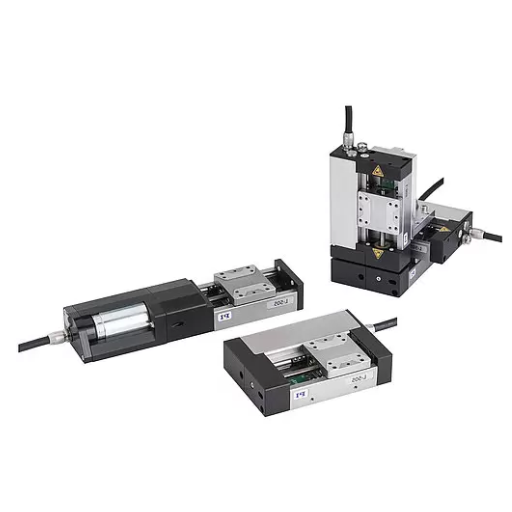
One indisputable fact is that induction motors have become an integral part of modern industrial systems. Their enduring qualities, combined with scanty maintenance demands, have rendered them useful in a whole gamut of applications from conveyor systems and water pumps to heavy duty compressors and fans. Their robust design and ability to efficiently run at any load make them an ideal solution in places where damage or breakdown won’t be accepted. The application of Variable Frequency Drives (VFDs) has even gone further to improve the preciousness of such motors by enabling, besides other things, speed control, and energy economy. This facility enables industries to save their expenses in running costs while still delivering excellent service. Due to their adaptability and consistence in performance, it is for sure that, induction motors support profoundly modern industrial equipment and stand for active operation with changing loads.
Advancement of High-Power AC Motors
Due to the enormous advantages of AC motors in the context of working at high power, these versions are very popular in industry. Some of the advantages of these motors over other motors include the low losses of energy while having high power capacity, such motors are necessary for industrial sectors like manufacturing, transport, and electricity. Induction motors, which are a type of AC motor, do not need brushes and commutators. This means that the maintenance of such motors is less and they are more reliable for a longer period of operation. Besides, AC motors have a wide speed-torque range which allows them to integrate with different forms of equipment effectively. Technological advancements such as the incorporation of variable frequency drives have been made to help increase the efficiency of these motors by availing speed control and power consumption optimization. This ultimately contributes to the reduction of energy consumption and the promotion of natural sustainability by reducing pollution. Their approach is such that any possible chances of failure due to extreme conditions are taken care of, hence providing a solid base for the ac motors in high power, mission-critical systems. AC motors, in the long run, are far more cost effective and reliable due to its characteristics and additional controls. Consequently a.c. industrial motors are essential because they provide energy saving, service, new technology of control on high performance level.
Comparison with brushless motors
In a lot of industrial and commercial uses, AC motors and brushless dc motors are often used. However, there are differences in the way the two are designed, the way they operate and how appropriate one would be over the other in a particular application. AC motors are designed to operate very few and easy parts and components, as well as for the most challenging jobs. Such motors are often less expensive, easy to repair and are best utilized when there’s no need to worry about the efficiency of the motor under harsh conditions. Likewise, BLDC motors are one of the best mechanical products known for providing accuracy, minimal power usage and extended use in due to the removal of power consuming components such as brushes. Coupled with their small size and the capacity to deliver smooth well measured twisting force, they are well suited for tasks in such fields like automation – robotics, home – appliances and transportation machines. In addition, it is quite common for BLDC motors to have advanced electronic control systems for speed and position control, which is suitable for automatic systems and high technology fields. While AC motors may be more effective and robust for high powered applications, in cases requiring maintenance of accuracy, energy use and small size regulations, it is advisable to use BLDC motors. The differentiation between the use of the two pros becomes evident only if the operating environment is considered since each has certain specific features to provide for different industrial sectors.
Choosing the Right Motor for Your Application
What to take into account when selecting a motor
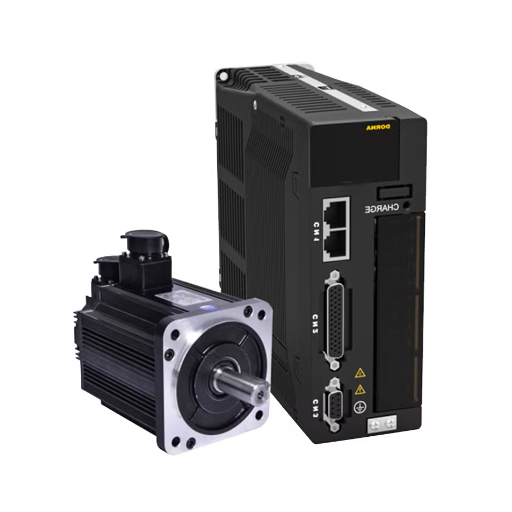
Before choosing the ideal motor for an intended application, the initial step taken would always include coming up with the operational demands of the specific project. Considerations to be taken into assuming this identification include, torque, operating speed as well as output power. In an instance where higher-revolving speed capacity is required or extremely efficient control is sought, a Brushless DC (BLDC) motor may be preferable because it offers effectiveness and dependability in such circumstances. However, for more demanding industrial processes, which entail pulling high loads and require high level of protection, an AC motor might be the optimal solution with the requisite strength and energy at the specified requirements. Next, I look at the operating atmosphere and power consumption as relevant factors. If the motor is likely to be subject to severe temperatures, dusty conditions, or moist conditions, I ensure the designated protection rating (IP Rating) has been met to sustain such operations. Moreover, motor efficiency is essential given that motors usually consume a lot of energy in industrial and commercial facilities. Making the right decisions on energy-efficient products has got other benefits which include cutting operational expenses apart from the reduction of environmental impact. In addition, I assess the whole life cycle, that is, also considering the initial cost, maintenance, and life expectancy of the motor, so as to obtain value and reliability in the long run. I test whether it can work with industrial devices and how easy it can be implemented in the existing system. For most recently installed machinery, engines that offer superior control as they are rated at a higher technology level such as those meant for a Variable Frequency Drive drive or those available in higher complexity comes with much better capacity and results. Relevant motor specifications are derived by taking into account various factors so as to contain the cost for which the motor ought to provide and the requirements present at the time and projected for the future operations.
How to determine the parameters of power sources
Comprehending the requirements of forces such as the power supply becomes very critical as this guarantees smooth and successful operation of the components in many systems where drives are incorporated. The key consideration in this regard is the compatibility in terms of voltage, in other words, the importance of ensuring the voltage output of the chosen power source corresponds to the rated voltage of the motor or the device. The issues of voltage mismatch may result into power inefficiency, overheating and even failure. Following it closely in order of priority is the issue of current which is the ability of the power supply to supply the necessary current at any particular time especially if high current is required on start-up. In addition, it is imperative to take into account the type of power supply- whether AC or DC will be used the specific application under consideration. It is more common to use DC power supplies where systems have an outstanding level of accuracy and regular maintenance is needed, while AC power supplies are usually used in systems where large motors are involved such as factories since they can easily be found and expanded. On the other hand, it is quite essential that consideration is given to the protection characteristics of the power supply particularly for effective protection measures like overload or short circuit protection enables to increase the safety levels and durability of the entire system. All these strategies enable the enhancement of the performance of the device while minimizing the danger inherent in less energy consumption. Therefore, it is extremely important to adjust the choice of power supply to the specific requirements that the application in question possesses.
Suggestions for Different Domains
- 在製造業: 就製造工廠而言,可靠性和壽命是選擇電源時要考慮的主要特徵。應用具有高能源效率等級的變壓器整合不間斷電源(UPS)系統等輔助方法是可用於減少斷電的工具之一。這些還由模組化電源支持,用於適應各種負載,並且還旨在輕鬆升級。.
- 在衛生部門: 一致性和精確度對於健康領域使用的設備至關重要,因為它們需要精確的電力。對於運作不得因高螢光或雷射輻射而受到干擾的健康設備,必須使用的設備是 EMI 最低的電源設備。冗餘提高了危急情況下的成功率。.
- 資料中心: IT設施特別是資料中心設施的建設需要密集設計,因為這些設施旨在支援和發展現代創新產業和科技進步,並具有所有相關散熱、能耗等功能。設計具有六個可用性的系統並將冷凍水引入資料室除了回到混合IT的要點成本高昂之外,可能無效。全面的綠色資料中心策略也將為此類措施提供充分的理由。.
- 再生能源領域: 光伏板、風能係統等再生能源系統的電力電子設備的設計應支援波動電力。透過 MPP 追蹤 (MPPT) 控制器和具有儲能功能的電壓源逆變器,人們可以提高效率並以最佳方式操作電力電子轉換器。.
- 運輸業: 電動車和公共交通系統的電源應高效、輕巧、緊湊。充電快、溫度控制功能良好的產品除了降低營運成本外,還可以支援電源。.
獲利、安全、環保是各行業的指導原則。為特定工廠和設施調試正確的電氣機械和設備是可能且有益的。.
參考來源
光纖定位器中的 4 毫米微型伺服控制系統
mdpi。com
討論伺服系統對光纖定位器性能的影響,深入了解伺服馬達應用。.
微定位器和奈米定位器的執行器
asmedigitalcollection.asme.org
探索執行器(包括伺服馬達和交流馬達)在精確定位系統中的作用。.
用於電動拋物面太陽能反射器的自動定位器和控制系統
研究門網
檢查伺服馬達在太陽能應用電動定位器中的使用。.
常見問題(常見問題)
伺服驅動器在位置控制方面以何種方式超越交流驅動技術?
伺服驅動器的設計目的是提供動態定位設備。交流驅動器用於控制交流機器中的電機,主要是為了控制速度或控制扭矩。驅動電路的集合是伺服的內部電路,取決於預期用途,可以添加運動控制器。這種伺服控制可以快速輕鬆地調整位置和速度等組件功能以及電流控制,這是伺服系統最適合的地方。最近的驅動器設計已經得到了同類改進,但伺服控制器相對於感應馬達驅動器的優勢仍然是易於控制和回饋的問題。交流驅動器可以成為更便宜的工具,使用起來更簡單,而伺服驅動器在要求更高、更協調的操作中會更好。像 Kollmorgen 這樣的公司生產現代凸版印刷機使用所需的完整伺服驅動器套件。.
由於考慮了扭力負載、功率和運行速度等因素,伺服系統特性有哪些發現?
到目前為止,步進馬達已經享受了開環易於控制的好處,確保它們因較低的定位器價格而廣受歡迎。然而,它們往往會經歷階躍損失,最大限度地減少高速扭矩並降低效率。 BLDC 是無刷直流伺服系統的 bldc 伺服馬達的縮短術語,它減輕了上述風險因素,因為 bldc 提供了兩個獨特的功能:低速高扭矩和無扭矩漣波步進功能。對於每種應用,都有優點和缺點;因此,使用步進馬達作為駕駛員非常方便,無需保留許可證,也不需要擔心觸發電子設備,但必須使用更精確且具有獨特動態性能的伺服機構。在現代伺服市場上,更大的直流馬達和曲速 ds 驅動馬達螺桿到馬達聯軸器的情況很少見,這種 ocd pm 技術目前已逐步淘汰。鑑於目前的看法,與許多精密轉換表的情況一樣,即使複合成本更合理,伺服精度和動態的設計規範也是更合理的。.
如果我們談論精密定位器,在高精度應用中使用永磁伺服馬達代替同步交流伺服馬達是否合適?
本文對永久和同步交流伺服馬達的物理設計和轉子類型進行了詳細比較。永久馬達的優點是轉子中使用磁鐵可以實現高扭矩,從而獲得更高的能源效率。這三種類型的永磁馬達是直驅、高性能電機,適合動態應用。同步交流馬達不能歸類為永磁馬達,但它們也可以用於交流驅動應用。它們有一個輕微的缺點,即控制可能很難匹配永磁體的快速響應能力,特別是在交流馬達方面。另一個常見的趨勢是使用永久磁鐵和 BLDC,因為特定的運動在空間中支離破碎,並且周圍的控制器定律。為了實現從特定馬達的上述特性中獲得的好處,驅動電子和馬達系統是合適的。.
馬達的扭矩漣波和零速度扭矩特性如何有助於為需要像執行器一樣線性的系統選擇馬達?
雖然由於特殊的轉子和控制器設計,這種馬達通常在 bldc 伺服馬達和永磁馬達中具有較低的扭矩紋波,但對於那些具有非常嚴格的精度和定位要求的應用來說,它變得很重要。當馬達產生的扭矩不是恆定時,扭矩紋波 1a 也是此類應用的主要問題,因為有害振動通常發生在動力系統,特別是線性馬達中。馬達的能量保持能力使其能夠在不移動的情況下保持足夠的系統扭矩,這是選擇馬達時的另一個重要考慮因素。在鐵芯軸向轉子中,具有逆變器,其中控制輸出功率和扭矩,輸出軸處的扭矩控制變得複雜。但馬達相互軸配置的主要優點是消除齒輪,並減少精確線性運動的方法。但這需要一定水平的線性運動系統技術。適當的馬達技術具有適當的磁場設計,完成轉子以及運動和驅動器電子設備。.
我如何知道在定位器中使用直接驅動還是齒輪減速伺服系統?
透過直接驅動的應用,無需使用齒輪組,從而減少慣性、提高重複性並最大限度地減少幅度限制,此類系統非常適合需要精確高速控制的操作應用。減速伺服系統使用戶能夠透過增加扭矩和降低系統的有效慣性來擴展應用的能力,這在低速條件下或使用較重負載時扭矩較大時尤其重要。但直接傳動有時可以透過引入齒輪間隙係數來增加維護。如今,大多數馬達套件都採用同步低轉子慣量馬達和數位交流電子設備的組合來實現高性能,並且是直接驅動。位置控制和扭矩漣波減少等電力驅動特性在直接驅動系統中變得非常重要,以確保運動的平穩性。在選擇直接驅動或齒輪解決方案時,觀察製程控制、整合和應用規格的困難。.