The core elements of modern automation systems at present time use multi-axis positioner technology as their main technological innovation. Industries across the world use this advanced technology to control complicated movements and operations with their maximum possible precision from robotics to aerospace manufacturing. This blog article investigates how multi-axis positioners use their automation capabilities to enhance production efficiency and create new design possibilities and fulfill the increasing need for precise manufacturing processes. People from all backgrounds, including engineers and tech enthusiasts and industry executives, should join us to discover how multi-axis positioner systems will change the automation industry in the future.
Understanding Multi-Axis Positioners
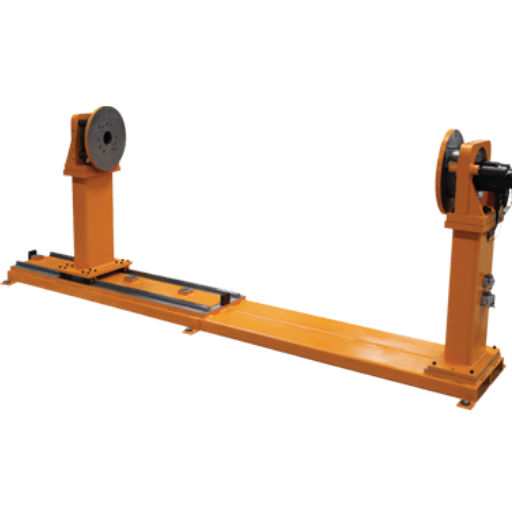
Definition and Purpose of Multi-Axis Positioners
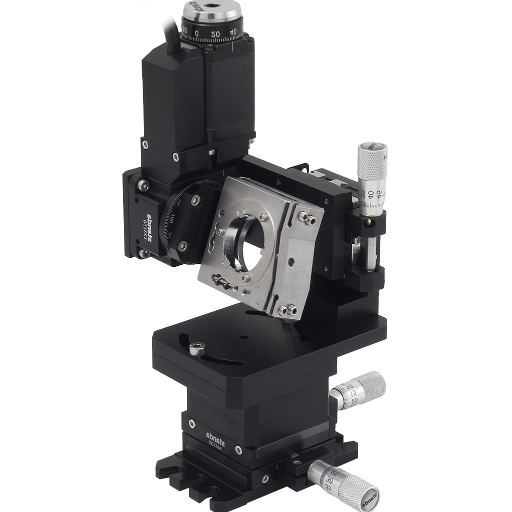
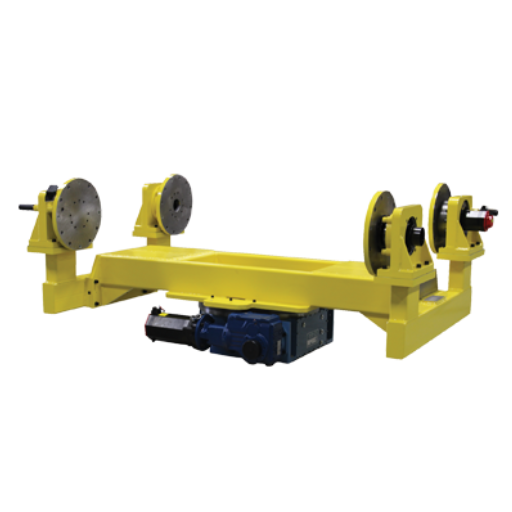
Multi-axis positioners function as sophisticated mechanical systems which enable operators to control movement of objects and tools across three-dimensional space. The system finds its application in three industrial sectors which include robotics and aerospace and manufacturing because its technology delivers exact positioning results which are essential for successful operation. The system operates through its implementation of multiple rotational and linear axes which provide users with enhanced capacity to control their movements and physical orientation. The primary function of the system is to improve both the precision and the speed of welding operations and machining tasks and inspection processes and assembly work. The growing demand for high-precision automated systems in modern applications has made multi-axis positioners essential equipment for achieving rapid production and precise results in intricate manufacturing workflows.
Types of Multi-Axis Positioning Systems
The operation of multi-axis positioning systems requires different system types which must fulfill specific needs of each separate application. The rotary positioner stands out as the most frequently used system which utilizes its rotating axes to position workpieces for metalworking processes such as welding and cutting and machining. The systems demonstrate exceptional value because they can achieve precise results while efficiently processing complex geometrical shapes. The linear positioning system represents another type which employs its linear axes to execute straight path movements across multiple directional paths.
The gantry system operates as an advanced positioning system which uses its linear movement framework to conduct substantial operations at factories. Gantry systems are often chosen for their ability to cover expansive work areas while maintaining rigidity and precision. Articulated robotic arms function as multi-axis systems which combine their linear and rotational capabilities to perform different tasks including material handling and packaging and delicate 3D printing operations. The systems use multiple joints to replicate human arm movements which allow them to handle tight spaces and perform complex movements.
Hexapod positioners together with Stewart platform positioners have emerged as popular solutions due to their six degrees of freedom which deliver exceptional movement range and precise control. The system uses six legs which can adjust their position to create movement across three straight paths and three rotational movements. The system design operates optimally for applications which require exact placement control in fields like optics alignment and aerospace testing and surgical instrument development. The multi-axis positioning systems operate through their dedicated system types which boost operational speed together with precise performance and increased output efficiency in multiple industrial domains.
Key Components of Multi-Axis Positioners
The system of multi-axis positioners depends on several essential components which work together to deliver accurate motion control. The system typically includes these components:
Actuators – The devices execute movement operations through three different axis points. The system uses linear actuators for translational motion and rotary motors for angular displacement as its primary movement methods.
Encoders – The system uses encoders to deliver position and speed information which enables the system to achieve better accuracy and repeatability through its real-time adjustments.
Motion Controllers – The main controller system receives commands while it controls all axis movements to achieve coordinated operations.
Support Structures – Engineers use high-stiffness materials to build lightweight frames which reduce vibrations and maintain operational stability during equipment usage.
Software Interfaces – The software tools enable users to program positioners through advanced control systems which include path optimization and error correction and remote system monitoring functionalities.
Sensors – The system uses integrated sensors to improve accuracy by tracking temperature and load and external force conditions which enable the system to adapt to environmental changes.
The various components of multi-axis positioners enable the system to provide exceptional accuracy and dependability and flexible performance throughout multiple industrial and scientific uses.
Precision in Automation: The Role of Multi-Axis Positioning Systems
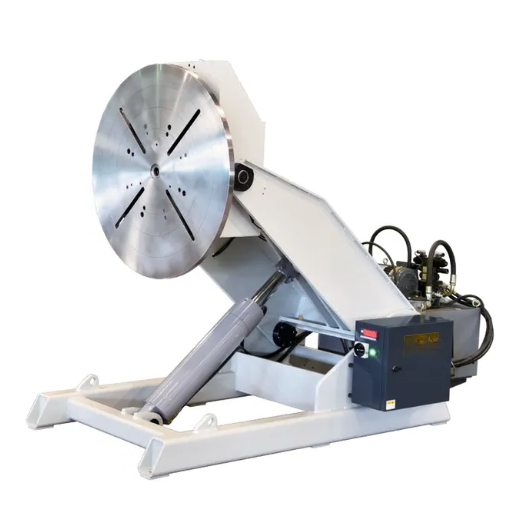
Importance of Precision in Industrial Applications
Modern industrial applications require precision because it determines their productivity levels and product quality and operational efficiency. The semiconductor manufacturing industry and aerospace sector and medical device production field all need highly precise positioning systems to achieve their strict tolerance requirements and obtain dependable operational results. The semiconductor industry shows that tiny errors in wafer alignment result in microchip performance failures which create expensive manufacturing defects. Aerospace operations depend on exact assembly of components which guarantees safety and performance during extreme operational conditions.
The upcoming need for sub-micrometer accuracy operation systems which function across multiple axes will increase as automation technology develops. The system requires this precise level of accuracy because it helps the system decrease waste while gaining repeatable results needed to sustain high production rate environments. Multi-axis positioning systems achieve the necessary industrial precision through their combination of advanced motion control algorithms and real-time feedback systems. Industrial processes achieve new standards of quality through these advancements which drive innovation.
How Multi-Axis Positioners Achieve High Precision
The design of multi-axis positioners uses two primary components which are advanced engineering methods and modern technological solutions to achieve their high accuracy standards. The systems use durable mechanical structures which consist of high-stiffness frames and low-friction linear bearings to maintain their operational stability while minimizing vibrations. The system achieves higher precision through its advanced motion control technology which uses high-resolution encoders and servo motors to deliver precise positional information and feedback data. The system uses real-time monitoring together with adaptive control algorithms which enable dynamic adjustments to counteract environmental changes and load differences and mechanical component deterioration. The combination of accurate hardware components and intelligent control systems enables multi-axis positioners to achieve the high accuracy and repeatability standards which modern industries require.
Applications of Precision Positioning Systems
Multiple industries heavily utilize precision positioning systems because these systems deliver exacting accuracy and operational command. The semiconductor industry uses these systems for wafer alignment and lithography and inspection processes which produce complex microchips. The systems serve as essential components of advanced medical technologies which include robotic surgery and diagnostic imaging systems because accurate positioning directly affects patient results. The systems enable defense and aerospace applications through their capacity to achieve precise targeting and satellite assembly and optical system alignment functions. Researchers in nanotechnology use precision positioners to control and study materials which exist at atomic and molecular dimensions. The wide range of their applications establishes them as essential technologies which drive forward innovation while improving the efficiency of modern equipment and operational methods.
Parallel-Kinematic Systems: Advancements in Motion Control
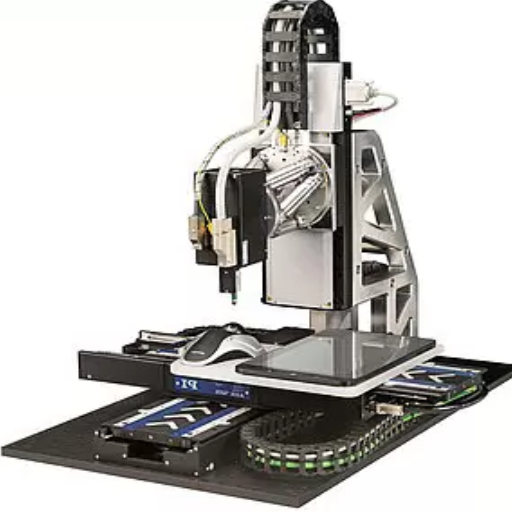
Overview of Parallel-Kinematics Technology
The development of parallel-kinematic systems (PKS) creates a major breakthrough in motion control technology which delivers better accuracy and speed and operational flexibility than conventional serial systems. The systems operate through multiple actuators which work together to move one platform, which results in increased stiffness and decreased weight and decreased mechanical faults. The special structure of PKS enables them to perform quick movements while maintaining their ability to precisely control multiple motion axes, which makes them suitable for use in robotic systems and semiconductor production and measurement technology.
The latest developments in parallel-kinematics have improved their operational capabilities through the introduction of high-resolution sensors and real-time control algorithms and small actuator systems. The new updates deliver better system performance which results in higher task repeatability and complete system dependability. The symmetrical design of the parallel configuration automatically decreases error accumulation, which results in better measurement accuracy. The advanced features which PKS systems introduce to motion control systems create new possibilities which modern industries now use in their operations.
Advantages of Parallel-Kinematic Systems in Automation
Automation systems benefit from Parallel-Kinematic Systems (PKS) because these systems provide exceptional accuracy and strong structural integrity. The design of the system uses a symmetric pattern which connects several actuators to create balanced weight distribution across all components. PKS systems achieve better performance through their lightweight construction which decreases their components’ weight and their system’s overall weight. This technology performs best in environments which require fast and continuous movement because it uses its lightweight design to achieve peak performance.
Another critical benefit is the enhanced flexibility of these systems. The PKS system enables multi-axis movement which allows users to adapt their production processes according to their specific needs. Their compact design also makes them highly space-efficient which is vital in industries where floor space is at a premium. These features work together to decrease operational expenses while they boost production efficiency and product quality making PKS systems into essential components for contemporary automated systems.
Comparison with Traditional Positioning Systems
PKS systems provide better accuracy and reliability and flexibility for use in different environments than traditional positioning systems. The performance of traditional systems gets restricted because they depend on fixed mechanical components which are unable to adjust to changing conditions. The PKS system uses cutting-edge technologies that include motion correction which operates in real-time and high-precision feedback loops to achieve superior spatial accuracy and responsiveness. The equipment in traditional systems suffers from decreased functionality after prolonged usage yet PKS systems maintain their operational efficiency because they utilize durable materials and automatic self-calibration systems which function well during demanding operational periods. The combination of smart sensors with AI-powered controls in PKS systems enables them to handle intricate operations which traditional systems cannot execute without major system changes. The system offers businesses which need to expand their operations while maintaining precise automated processes an ideal solution through its design.
Welding Positioners: Enhancing Welding Efficiency
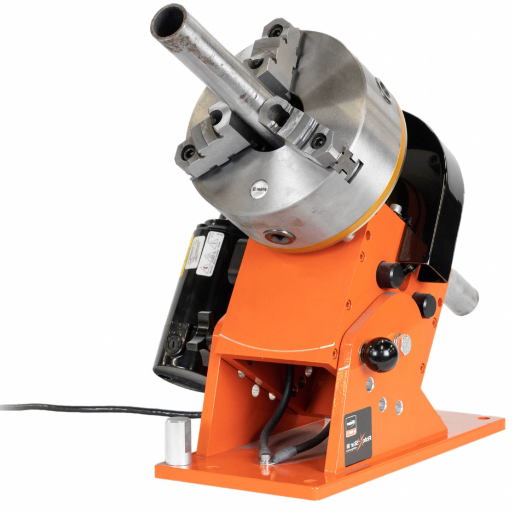
Functionality of Welding Positioners in Manufacturing
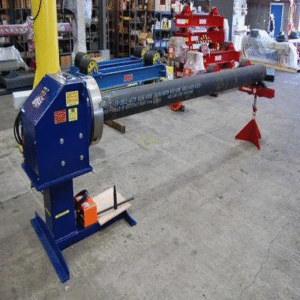
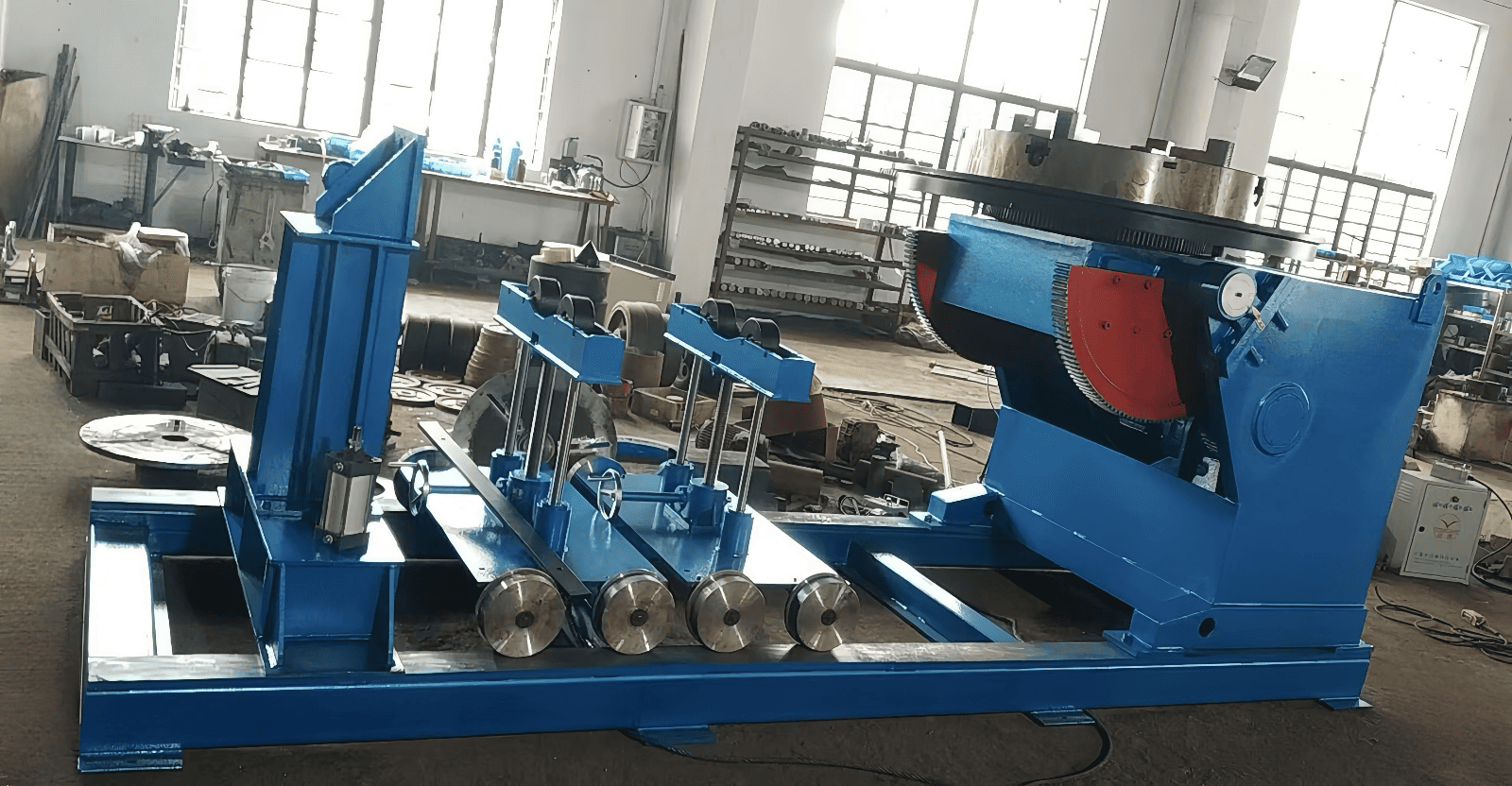
Welding positioners serve an essential function because they increase manufacturing welding operations through better efficiency and more accurate results. The devices secure workpieces while enabling their rotation to permit welders and robotic arms to create welds at the best angle. The system provides proper alignment together with controlled movement which enables welding positioners to decrease defects while achieving consistent weld quality. The system enables workers to handle complex heavy items and irregularly shaped objects because it reduces their physical demands while increasing their work efficiency. Modern positioners offer essential functions through their advanced features which include variable speed control and automated rotation and robotic welding system compatibility to maintain consistent fabrication standards across multiple industrial sectors.
Integration of Multi-Axis Positioners in Welding Processes
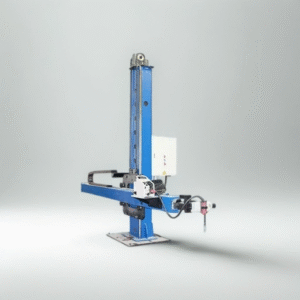
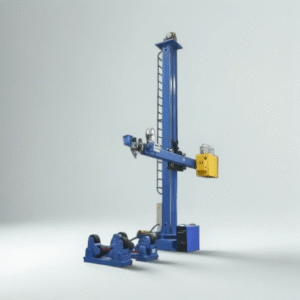
Welding processes now utilize multi-axis positioners which provide substantial improvements to both operational efficiency and welding precision. Advanced tools enable manufacturers to position workpieces at their best welding angles which reduces extensive repositioning needs during production work. Positioners offer welders stable working angles which decrease welding defects that emerge from difficult to reach welding positions while increasing operator comfort.
Modern multi-axis positioners use programmable controls and synchronized motion capabilities to achieve smooth operation with robotic welding systems. The technology combination enables consistent and precise weld production for both complex and high-volume manufacturing operations. Multi-axis positioners achieve two benefits through their automatic positioning capabilities which decrease operational cycle times and boost productivity levels to satisfy the safety and efficiency needs of automotive and aerospace and heavy machinery industries. Their technology flexibility together with welding advancements shows how vital they are to building the future of manufacturing.
Case Studies on Welding Positioning Systems
My research establishes that welding positioning systems serve essential purposes because they enhance productivity while maintaining quality standards across multiple sectors. A case study about a major automotive manufacturer demonstrates how their assembly process improved through the establishment of multi-axis positioners in their production line. The company used these systems to achieve better weld quality while decreasing their production times. The company used its positioning system to produce different vehicle models with minimal equipment changes which helped it to reduce production halts. The success of this project demonstrates that advanced positioning systems should be implemented because they provide businesses with essential tools to succeed in competitive markets.
The aerospace industry provides another strong evidence because its operations require accurate results to function properly. A top aerospace company used automated welding positioning systems to build its aircraft components. The systems increased dimensional precision while they maintained uniformity in weld production throughout the complicated geometric patterns. The automation process decreased the need for workers because it allowed the system to complete tasks more quickly and cut down on worker expenses. The evidence shows that welding positioning systems increase operational efficiency while they uphold strict requirements that safety-sensitive manufacturing industries must meet.
These real-world examples highlight the practical applications of welding positioning systems which create transformative effects for contemporary manufacturing operations. The implementation of advanced technologies by companies leads to operational efficiency improvement and product quality enhancement which enables better market demand adaptation, making these technologies essential for their operations in competitive industries.
Future Trends in Multi-Axis Positioner Technology
定位系統的新興技術
新興技術推動多軸定位系統的發展,透過其創新能力創造新的工業標準。人工智慧(AI)和機器學習演算法的整合帶來了重大的技術進步。這些技術使定位系統能夠創建最佳的運動模式,預測維護要求,使系統能夠透過即時適應性處理複雜的製造操作。該系統透過先進的感測器(包括雷射追蹤器和提供精確位置和對準資料的光學編碼器)實現了更高的精度和準確度。.
採用物聯網(物聯網)連接已成為人們現在進行研究的重要趨勢。支援物聯網的定位系統與製造生態系統中存在的所有智慧型裝置建立完全相容性,使他們的系統能夠協同工作並實現自動化流程。碳纖維複合材料作為輕質但堅固的材料的發展能夠創建更有效率的節能定位系統。新的發展透過更好的靈活性和更快的操作改進了多軸定位器,使工業部門能夠滿足即將到來的製造要求。.
人工智慧和自動化對定位的影響
人工智慧(AI)和自動化技術為定位系統的各個方面帶來了新的準確性和靈活的解決方案。定位系統現在使用人工智慧演算法透過運動控制和設備壽命預測以及即時決策支援來提高操作效率。系統的預測能力可以保持設備功能,同時提高整體工作效率。自動化過程提高了操作效率,因為它需要較少的手工工作,同時產生保持高品質的穩定結果。這些技術的結合創造了智慧系統,可以提高其性能,這對於在工業快速變革時期需要改進生產流程的行業至關重要。.
未來十年多軸定位器的預測
由於人工智慧和機器學習以及即時數據分析的開發,未來十年將為多軸定位器帶來關鍵的技術改進。這些技術將使定位器達到前所未有的精度、適應性和可靠性水平,這對於航空航天和醫療設備製造以及先進的機器人應用至關重要。物聯網整合將在系統之間建立完整的連接,使它們能夠透過自動自我診斷即將出現的問題來運行,這些問題可能會破壞其功能。下一代定位器將受益於更堅固、更輕的材料,這將提高其操作安全性和能源消耗,因為材料科學不斷發展。智慧製造採用的日益增長的趨勢將使多軸定位器成為實現超自動化的重要工具,同時支援全球技術進步。.
常見問題(常見問題)
選擇不同的運動軸對多軸定位器的性能有何影響?
軸選擇程序建立了系統執行工件搬運任務的能力,同時保持所需的精確對準標準。軸的數量會影響自由度,從而影響是否需要單軸級、旋轉級或像六腳架這樣的全多軸系統。軸的選擇決定了行程距離和系統的剛度特性及其慣性特性,它們共同影響系統重複運動和高速運轉的能力。設計人員需要找到有效負載能力和扭矩要求以及軸承選擇的正確組合,因為這些因素決定了執行器和馬達是否能夠運行其預定任務,而不會產生不必要的設備停機時間。該系統透過其運動控制器和 EtherCAT 介面整合實現線性級和旋轉部件以及平行運動系統之間的同步運動。.
六足動物和史都華平台設計有哪些優勢?
六腳架和史都華平台設計提供六個自由度,支援滿足計量光子學和航空航天應用要求的精確定位系統。六腳架系統透過其平行運動系統實現更好的動態性能,從而實現微定位和高性能運動能力。六腳架設計提供模組化和可擴展的功能,使生產線和自動化生產線能夠高效運行,同時使用更少的佔地面積和更簡單的固定裝置設計。六腳架和斯圖爾特平台的可重複性和靈活的介面功能使其成為光學對準和晶圓處理以及精確定位應用的理想選擇。這些系統透過無刷或壓電執行器的組合實現了卓越的性能,使它們能夠以最小的慣性達到高速定位,並獲得優異的投資回報。.
運動控制器如何與多軸系統整合?
該系統使用運動控制器來管理三種類型的電機,其中包括伺服電機和步進電機以及線性電機和執行器,用於執行複雜的多軸軌跡,透過其可編程控制功能實現高重複性。目前的控制器為 EtherCAT 提供支持,使他們能夠提供高速回饋並執行機器人操作、焊接定位器任務和計量例程所需的高級運動曲線。運動控制器調諧的成功取決於在所有軸上實現扭矩、阻尼和剛度設定之間的正確平衡,這使得旋轉級和線性級能夠在不產生振盪的情況下運行。該系統提供的控制器提供自動化介面來支援其整合到生產系統中,同時系統使用診斷和模組化更新來最大限度地減少生產中斷。控制器選擇過程在確定投資回報率方面發揮著至關重要的作用,因為它可以推動生產效率的提高,並能夠建立能夠滿足未來需求的系統。.
在精密任務中,壓電驅動與傳統伺服馬達相比如何?
壓電執行器在微定位和高頻應用中實現了最佳性能,因為其極細的分辨率、低延遲和最小的間隙優於傳統的伺服和無刷馬達系統。該系統在需要亞微米或奈米重複性的光學對準、光子學和精密計量應用中運行。伺服馬達和線性馬達提供卓越的行程範圍和有效負載能力,使其成為焊接定位器、重型固定裝置和生產線的理想選擇,而這取決於有效的扭矩和慣性處理。一些系統將壓電級與粗伺服級結合起來,以實現大行程和超精細調節,從而提高整體系統投資回報率。工程師必須評估控制器相容性和系統剛度以及特殊介面要求和運動控制器需要來實現完整的壓電系統潛力。.
在決定使用多軸定位系統之前,我應該評估投資回報的哪些方面?
計算多軸系統的投資報酬率的過程要求組織評估其生產效率的提高和停機時間的減少以及實現精確績效的能力 焊接定位 以及計量和航空航天組裝作業。包括六足動物和模組化線性級的多軸系統的設計使組織能夠透過將多個單軸系統組合成一個緊湊的系統來實現更快的循環時間。該分析需要評估初始費用,包括馬達和運動控制器以及軸承以及與自動化線路的系統集成,以及隨後從降低勞動力成本和提高營運效率中獲得的經濟效益。由於模組化介面和可程式控制器既創造了可擴展性又創造了適應性,因此透過未來的流程變更,投資保持安全。總擁有成本必須考慮維護費用和夾具相容性以及精確對準和減少可變性所帶來的潛在品質增強。.
參考來源
多軸工具機的建模和測量可提高定位精度
oulurepo.oulu.fi
探索提高多軸工具機定位精度的方法。.
工具機中多軸運動定位的比較方法
期刊.sagepub.com
分析多軸工具機的不同運動定位方法。.
基於視覺的動態目標追蹤並應用於多軸位置控制
link.springer.com
檢查基於視覺的動態多軸位置控制技術。.