專業人士和愛好者都認為投資二手 MIG 焊工具有成本效益且實用。然而,購買二手焊工時必須經過高度考慮,以確保您的品質、安全性和性能方面的物有所值。本指南旨在闡明購買二手 MIG 焊工時需要考慮的基本因素。無論您是製定升級預算還是尋求經濟高效的方式來啟動焊接項目,本文都將引導您做出明智的決定,考慮要尋找的關鍵功能、要避免的陷阱以及長期維護的提示。通讀以獲得專家見解並使您的購買物有所值。.
了解 MIG 焊接機
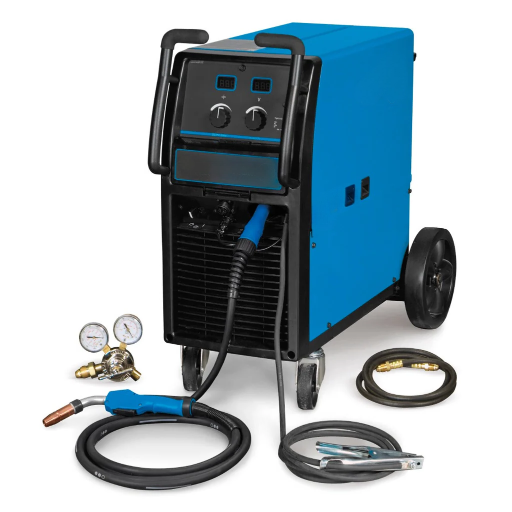
MIG 焊接機,也稱為氣體金屬電弧焊接機,用於焊接過程中透過焊絲電極和工件之間產生的電弧連接金屬。該製程提供電極線和屏蔽氣體的連續進料,可保護焊接免受大氣污染並穩定電弧。 MIG 焊接以其易於操作和速度而聞名,可在多種材料(包括鋼、鋁和不銹鋼)上產生乾淨而堅固的焊接。因此,在工業和家庭商店應用中,這是一種同樣常見的做法,因為它具有多種用途,並且能夠加工從薄板到厚結構鋼的任何材料,而操作員的技能很少。.
什麼是 MIG 焊機?
一般來說,MIG焊接機用於氣態金屬電弧焊接過程。這種焊接包括連續消耗電極線,電極線將兩塊金屬粘合在一起,同時通過釋放屏蔽氣體(通常是氬氣、二氧化碳或兩者的混合物)來保護焊接區域,以防止氧化和外部污染。 MIG 焊工具有各種其他功能,例如電壓控制、送絲速度調節和過載保護,以滿足不同的要求。根據其創新和複雜程度,現代 MIG 焊工可以是小型緊湊型,也可以是便攜式,利用逆變器技術實現高效操作和高品質焊接。這些機器廣泛應用於汽車維修、建築和金屬製造等行業以及 DIY 愛好者,因為它們可以以穩定、快速且易於操作的方式焊接不同厚度的材料。.
MIG 焊接工作原理
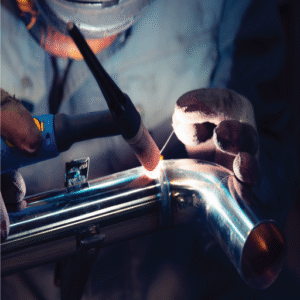
MIG 焊接利用連續實心線電極,透過焊槍饋送,將焊接池內的兩種基材連接起來。惰性屏蔽氣體(通常是氬氣或氬氣-二氧化碳混合物)從焊槍中排出,以保護焊池免受大氣污染物的影響。電極變薄,其下方形成焊道,由電極尖端和工件之間的電弧產生,產生足夠高的溫度以進行熔化。.
必須持續控制送絲速率、電壓和電流,以確保穩定的電弧和最佳的焊接品質。現代 MIG 焊接設備透過複雜的電子設備和某種形式的自動化促進此類調整,從而為所討論的特定材料和厚度建立最佳參數。這是一種全方位程序,可以非常有效地使用各種類型的金屬(包括鋼、鋁和不銹鋼)完成其任務,由於產生的飛濺極少,因此不需要特定的清理程序。連續送絲和屏蔽使 MIG 焊接在堅固的清潔焊接中非常受歡迎,並且可以在廣泛的工業和家庭應用中輕鬆重複。.
MIG 焊機的主要規格
- 安培數範圍 2 確定可焊接材料的厚度,對於大多數 MIG 焊工來說通常在 30 至 500 安培之間。.
- 電壓控制 10 調整電弧以確保可以在各種材料和厚度上進行一致的焊接。.
- 線材進給速度 答 以英吋每分鐘(英吋/分鐘)為單位測量。填充線以這種速度送入焊接,這直接影響焊接的穿透和外觀。.
- 執勤週期 1 表示焊工在 10 分鐘內工作而不會過熱的時間百分比;對於長時間或重型焊接任務非常重要。.
- 屏蔽氣體相容性 指定焊工支撐的保護氣體的類型,例如氬氣、二氧化碳或其混合物,這反過來又會影響焊接的特性和外觀。.
購買二手 MIG 焊工的優點和缺點
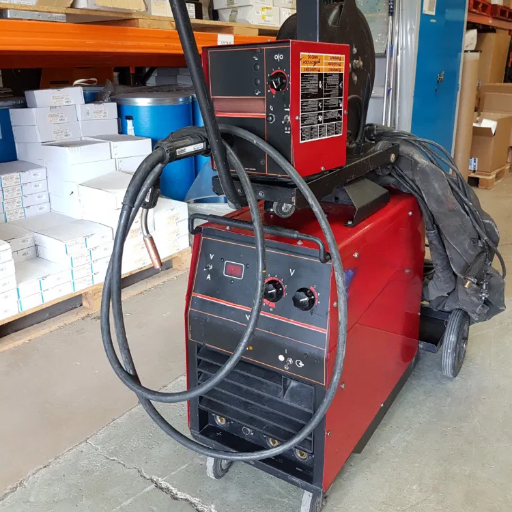
優勢
- 節省成本 ad 與新製造的機器相比,二手焊工的價格明顯更高,這使得它們成為業餘愛好者或預算有限的企業更經濟的選擇。.
- 經過驗證的可靠性 1 當二手機械維護良好時,只要在購買前進行徹底檢查或檢查,它可能具有經過驗證的性能記錄,保證可靠的操作。.
- 立即可用 BOD 二手設備通常可供購買,因此您無需等待很長時間即可購買新機器。.
- 測試性能 5 大多數未充分利用的焊工已被證明功能良好,因為它們已在實際工作條件下使用並經過測試。.
- 訪問舊型號 5 一些舊型號已不再生產,但可能很耐用,或者具有一些功能,人們實際上希望由經驗豐富的焊工保留。.
- 折舊速度較慢 與新同行不同,二手焊工的折舊速度隨著時間的推移而減慢,從而保留了轉售價格,使其成為更具成本效益的投資。.
答 缺點
- 磨損 畢竟,二手設備通常會帶來許多其他隱藏問題,例如組件磨損、性能下降或只需要維修或更換。.
- 有限保固 2 大多數焊工都沒有保修,這使得買家可以減少預付款,但增加了維修風險。.
- 未知的維護歷史記錄 二手 MIG 焊工可能沒有完整的維護記錄,因此很難確定他們過去是否經過適當的維修或修理。.
- 壽命較短 2 根據先前的使用和年齡,二手焊工通常比新焊工的使用壽命更短。.
- 隱藏損壞 2 零件內部可能會受到輕微損壞、磨損或疲勞,這可能會導致操作過程中突然故障。.
- 相容性問題 2 舊型號可能與現代配件、消耗品或技術升級不相容,從而限制了其長期實用性。.
成本比較:新焊機與二手 MIG 焊機
新型 MIG 焊工通常提供先進的技術、效率和可靠性,儘管成本較高。相較之下,二手焊工價格更實惠,但可能缺乏長期性能、保固和相容性。.
Key Features to Look for in a Used MIG Welder
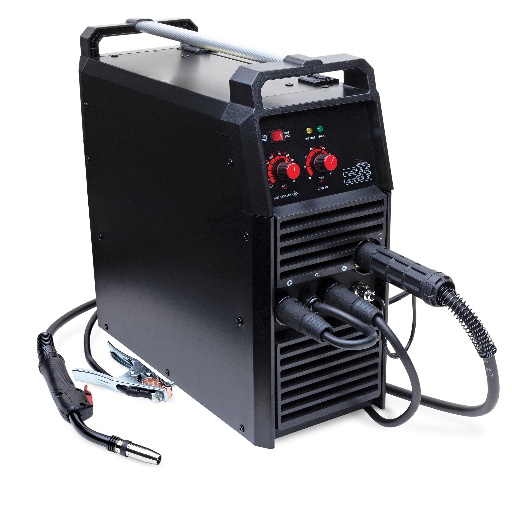
🔧 Wire Feed Mechanism
To achieve a smooth and reliable wire-feed system, it is essential to verify proper operation and maintain equilibrium during welding. Damaged or worn-out components within this mechanism will result in inconsistent performance.
⚡ Power Output Range
Examine the amperage options of the machine and verify that they match the thickness and type of materials you intend to weld. You want the power output range to be versatile to accommodate multiple welding applications.
🔍 Condition of Components
Inspect key components, such as the torch, cables, and ground clamp, for signs of wear or damage. Parts replacement will increase costs and impact the initial affordability of the welder.
⏱️ Duty Cycle
Check the welder’s duty cycle, i.e., the time it can operate at a given power setting before needing to cool down. The higher the duty cycle, the longer the welder can work on longer and more concentrated welding jobs.
🔗 Compatibility with Materials and Accessories
Ensure that the welder supports the type of materials you will be working with and is compatible with consumables readily available in the market, such as wires and shielding gas. Otherwise, its use might be constrained.
Welding Power Source and Capability
The welding power source is a crucial aspect that directly impacts the efficiency, flexibility, and overall performance of welding systems into which it is incorporated. It influences the determination of the type of weld and its quality, as well as the kind of materials that can be processed. Welders are usually powered by either AC or DC, or sometimes both power sources. An AC power source is suitable for carrying out welding tasks requiring a steady bead on metals like aluminum. In contrast, DC power affords arc consistency and is generally preferred when welding steel and other ferrous metals.
With its up-to-date inverter technology, the welding machines now offer more control over the arc, reduced weight, and improved energy efficiency compared to transformer-based welding machines. Moreover, a multi-process welder switching between MIG, TIG, and Stick offers good flexibility for fabrication work. Some other important factors to consider in power sources include the amperage range and duty cycle, as they determine whether the equipment can handle the thickness of materials and the workload demands of a given project. Thus, when a power source is selected correctly, one can request more welds in less time and ensure that these welds are safe, precise, and durable for commercial and industrial purposes.
Feeder Mechanism and Wire Types
The feeder mechanism in a MIG welder plays a crucial role in ensuring the consistent delivery of welding wire to the arc, directly influencing weld quality and operational efficiency. Typically, MIG welders utilize a push or push-pull feeder system, with the latter offering superior feeding performance over longer distances or with more delicate wires such as aluminum. When evaluating a used MIG welder, inspecting the condition of the drive rolls, liners, and tension adjustments is crucial to ensure uninterrupted functionality and prevent wire slipping or erratic feeding during operation.
Wire types employed in MIG welding vary based on application requirements and base material composition. Common wire materials include mild steel, stainless steel, and aluminum, with options for solid wires or flux-cored wires, depending on the shielding gas used and the welding environment. For general-purpose applications, ER70S-6 solid wire is widely utilized due to its compatibility with various steels and superior deoxidizers, which enhance arc stability. Flux-cored wires are preferable for outdoor or high-wind scenarios, where shielding gas may disperse. Ensuring compatibility between the welding wire and the feeder system, as well as verifying the wire spool size compatibility with the used MIG welder, are key considerations for both performance and long-term reliability.
Portability and Size Considerations
Consider weight, dimensions, and handle/wheel configurations, taking into account both portability and size, when selecting a used MIG welder. Weightless and compact units are best for frequent transportation in a restricted working environment. Welders with handles or wheels built in make it easier to move the machine between remote and on-site applications. However, when selecting a welder, factors such as portability, adequate power output, and duty cycle should be weighed to ensure that operational requirements are met adequately. Always consider your unique situation when selecting an appropriate trade-off between size and performance.
What to Look for When Buying a Used MIG Welder
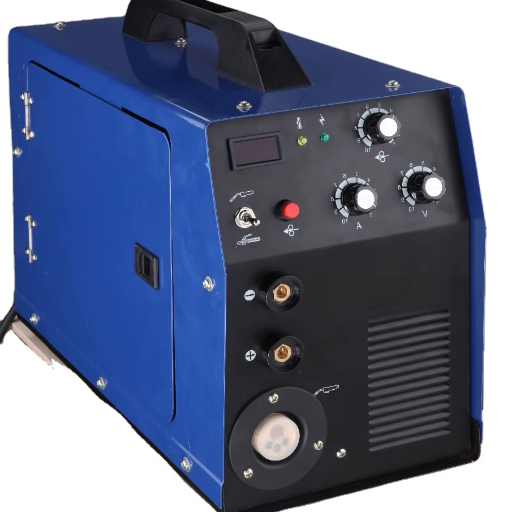
When purchasing a used MIG welder, consider its overall condition and operational capacity. Examine the power cables, connecting cords, and other components for minimal damage or wear, as even minor damage in any of these could be fatal to the machine’s operation. Check its duty cycle to ensure it meets your load requirements, and test its wire feed to confirm it works smoothly and uniformly. Inspect for any internal damage or signs of wear, such as marks caused by overheating or rust, among other potential issues. These symptoms may indicate that the device has not been well-maintained. Also, check the availability of spare parts and consumable items for that particular model to avoid any inconvenience during repair. Maintenance records could be asked for if they are available so that one can determine how well the equipment has been maintained.
Evaluating Specifications and Features
Considering the specifications and features of your used MIG welder, ensure it suits the nature of your projects and working conditions. First, look for the amperage range of a welder, as that dictates the materials and thicknesses it can work with. The wider the amperage range, the more versatile and broader the applications to which it can be attached. Next, check for input voltage requirements, as some models support dual voltages, such as 120V and 240V, making them ideal for use in residential and industrial environments, respectively.
Next in line comes the duty cycle that tells you how long, to the nearest 10 minutes, a welder can continuously work at a set amperage: high duty cycles tend to be suited for heavy-duty works requiring much longer operating time. You will need to evaluate the type and size of wire you will need to purchase, as some welders may restrict your options, making them less flexible for the job at hand. Advanced features, such as voltage adjustment, digital displays, and synergic controls, can make things a lot easier for you and set you up for accuracy from the get-go.
Additionally, ensure your machine comes equipped with features such as a spool gun for aluminum welding, a gas line for shield gas, or optional extras like a welding cart or carrying case. Considerations in usability and value over time will depend greatly on those features. Cross-verify the specifications, as listed, with the manufacturer’s documentation to ensure that the welder meets your expectations and is not missing any vital components. This thorough evaluation will inform an informed purchasing decision that meets your specific welding needs.
Inspecting for Signs of Wear and Tear
Some critical areas to ascertain wear and tear would be:
🔧 Torch and Cables’ Condition
Check for any cracks, excess heat damage, or worn-out components, such as the nozzle and contact tip. Inspect cables for any signs of fraying, cutting, or wire exposure that could render it unsafe or prone to performance issues.
⚙️ Drive Rollers and Wire Feed Mechanism
Check for uneven wear on the drive rollers or any buildup of debris, which may cause intermittent wire feeding. Test the wire drive system to ensure it operates smoothly without any jams or unusual noises.
🔌 Power Code and Plug
Inspect the power code and the plug for any damage. Check for exposed wires, burns, deformations, among other abnormalities. The damaged power code would be an electrical safety hazard.
🏠 Exterior and Cooling System
Inspect the case for dents, corrosion, or loose components, as these may indicate rough handling. Check that the cooling mechanism, including the vents and fans, is clean and properly working to prevent overheating.
⚡ Testing the Welding Functionality
This involves doing a live test whenever possible. Check for any issues with arc stability, wire feeding smoothness, and generally observe for any other performance issues. The latter help to reveal problems that cannot be identified in a visual inspection.
Being conscious of these areas helps one avoid costly repairs, hence ensuring that the used welder is reliable and safe. Any issues discovered must be addressed and remedied before the purchase is completed.
Testing Functionality Before Purchase
When confirming the operational functionality of a used MIG welder before purchase, I check some basic working features. I, therefore, check if the power supply is in order and if the machine powers on without any problems. Then, I check the wire feed operation by varying the speeds to ensure that the feeding is smooth and uniform. Meanwhile, the tester examines the gas flow system to make sure it can still supply shielding gas consistently. Lastly, if permission is granted, a brief welding test is conducted to assess arc stability, weld quality, and performance. These steps confirm that the welder fulfills all my requirements and is functioning well.
Maintaining Your Used MIG Welder
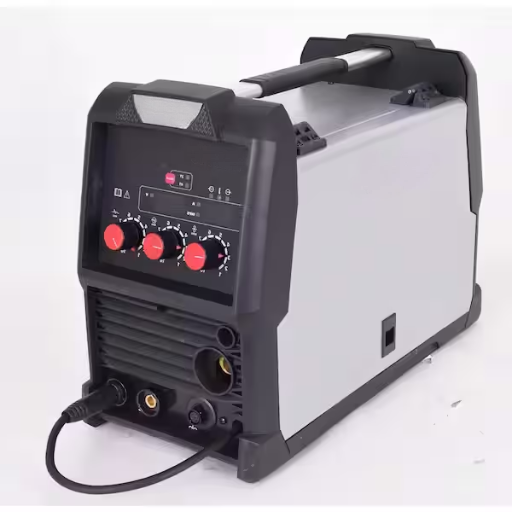
A used MIG welder must be properly maintained to remain in good working condition. Regular cleaning of the nozzle is necessary to prevent spatter from obstructing the gas flow. Examine the contact tips and liners for wear and replace them if they are worn, to ensure smooth wire feeding. Inspect all electrical connections for signs of wear or looseness, and tighten them as necessary. Keep an eye on the drive rolls and adjust their tension as needed to prevent wire slippage or deformation. To avoid any leakage, always inspect the shielding gas regulator and hoses for leaks. Store the unit in a dry location to keep it safe from corrosion and damage. Proper maintenance will not only extend the equipment’s shelf life but also ensure it performs optimally.
Regular Maintenance Tips for Longevity
- 🔧 Inspect and Replace Consumables – Routinely check for wear or clogging on contact tips, nozzles, and liners. Replace them as required due to irregular wire feeding or arc performance.
- 🧽 Clean and Lubricate Wire Feeding System – Keep the wire drive system clean. Use compressed air as a cleaning aid to blow dust and dirt from the drive rolls and feed tubes and apply lubricant to the moving parts as recommended by the manufacturer.
- 🔌 Check Electrical Connections – Periodically inspect all electrical items, cables, and connectors for signs of damage, corrosion, and loose connections. Keep it tight and replace it when necessary to provide uniform power delivery.
- 🔗 Inspect the Ground Clamp and Cable – Check the ground clamp to ensure good condition and check for any signs of fraying and exposed wire on the cable. A perfect ground connection is essential for a stable arc and ensuring stable operation.
- 💨 Test and Calibrate the Gas System – Check the flow rate on the shielding gas regulator regularly and ensure it is in the proper setting. Inspect hoses and fittings for leaks, and replace any compromised components to prevent gas contamination in the welding area.
Understanding Welding Power Sources and Efficiency
When evaluating welding power sources for a used MIG welder, it is crucial to understand the power input requirements and efficiency of the unit. Typically, MIG welding systems employ either transformer-based or inverter-based power supplies, each with distinct characteristics. Transformer-based power sources are famous for their durability and simplicity but are usually heavier and less energy-efficient when compared to inverter-based units. Inverter technology refers to compact and lightweight designs that promote energy efficiency, although they are often more costly in terms of initial investment and require careful maintenance.
Efficiency, in turn, will affect working costs and specific aspects of performance. Check for input voltage compatibility (whether it is 110V, 220V, or both), as this is essential for ensuring compatibility with the available power sources. Another factor to consider is the duty cycle rating, which defines the percentage of time the welder can operate at a particular amperage within 10 minutes of being turned on without overheating. For used MIG welders, it is more important to verify the status of the capacitors and the cooling system inside, as these components can deteriorate welding efficiency due to wear and tear.
Ultimately, the selection of a power source should depend on the anticipated welding applications, taking into account the material type, thickness, and production volume required. By considering these factors, welding operations can be performed most effectively in terms of both production and cost.
Choosing the Right Shielding Gas
The most important factors to consider when selecting the right shielding gas for a used MIG welder include the type of material being welded and the desired weld properties. Argon-carbon dioxide mixtures offer a suitable balance between arc stability and penetration on steel. On the other hand, argon is ideal for aluminum and non-ferrous metals. I further believe that the gas flow rate provides sufficient coverage over the weld pool, as inadequate gas flow may reveal the presence of weld defects, such as porosity. Selecting shielding gases based on the work at hand enhances welding quality and efficiency.
常見問題(常見問題)
“購買二手 MIG 焊工有什麼好處”?
購買二手 MIG 焊工可以節省大量資金,同時仍確保卓越的性能。有許多二手 MIG 焊工出售,特別是林肯和米勒型號,它們運行良好,無需花費新焊接成本即可實現優質焊接。另一方面,購買二手設備可能是更永續的選擇,可以減少焊接行業的浪費。.
“值得花精力翻新二手 MIG 焊工”?
翻新用過的 MIG 焊工是擴展其可操作性和提高性能的一種經濟有效的方法。透過這種方式,許多用過的焊工只需小心一點即可恢復到良好的工作狀態,例如更換送絲裝置或熔斷器等磨損部件,並確保焊接電源高效運作。.
【二手的 MIG 焊工要找什麼】
購買二手 MIG 焊工時,請考慮品牌聲譽(林肯電氣或米勒)、其可提供的焊接電流及其整體狀況等因素。尋找任何磨損跡象,例如送絲機損壞,並查看使用歷史記錄,以確保其得到充分維護並處於良好的工作狀態。.
“我可以用用過的 MIG 焊機焊接鋁嗎?”?
是的,鋁可以用用過的 MIG 焊機焊接,但關鍵是確保焊工具有正確的鋁焊接設置,並使用合適的屏蔽氣體,例如氬氣或混合 CO2 屏蔽氣體。某些型號(如林肯或米勒焊工)有特殊要求或可能需要配件來正確焊接鋁,因此在購買之前請檢查規格。.
“作為便攜式 MIG 焊工有什麼優點”?
便攜式 MIG 焊工的優點是能夠在不同位置進行焊接,而無需連接到電源。許多重量輕且易於攜帶,非常適合現場工作。這種優勢對於鈑金工作或難以到達維修的區域來說非常方便。.
【二米格焊工的焊接功率範圍是多少】
各種應用中使用的 MIG 焊工在焊接功率方面差異很大,通常從 200 安培到 400 安培以上不等。 Vantage 322 處理重型焊接工作。相比之下,較小的裝置可能適用於輕到中焊接工作。在選擇焊工之前,請務必查看您自己的作業規格。.
參考來源
- The Smart Buyer’s Guide to Purchasing Used Welders
This guide offers insights into ensuring quality when purchasing used welders, emphasizing the importance of purchasing from established retailers. - Discover the Best Used Welders for Sale
This article discusses key factors, such as machine condition, age, and signs of wear and tear, when purchasing used welders. - What You Should Consider Before Buying Used Welding Machines
A comprehensive guide covering aspects like the type of welder, seller credibility, machine condition, and duty cycle. - How to Check Out a Used Welder? (Reddit Discussion)
A community-driven discussion offering practical advice and tips for inspecting used welders. - 焊工銷售指南
💡 Final Recommendation
When purchasing a used MIG welder, thorough inspection and testing are your best investments. Take time to evaluate each component, verify functionality, and ensure the unit meets your specific welding requirements. A well-chosen used welder can provide years of reliable service while saving significant costs compared to new equipment.