Investing in second-hand MIG welders can be considered cost-efficient and practical by both professionals and hobbyists. However, used welders must be purchased with a high level of consideration to ensure value for your money in terms of quality, safety, and performance. This guide intends to shed light on the essential factors to consider while shopping for 2nd hand MIG welders. Whether you are developing a budget for an upgrade or seeking cost-effective ways to initiate your welding projects, this article will guide you toward an informed decision, considering key features to look for, pitfalls to avoid, and tips for long-term maintenance. Read through to get expert insights and make your purchase worthwhile.
Understanding MIG Welders
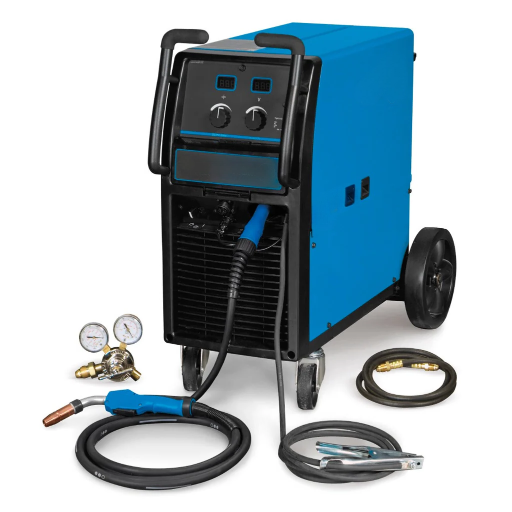
The MIG welding machines, also known as Gas Metal Arc Welding machines, are used in welding processes to join metals by means of an electric arc generated between a wire electrode and the workpiece. The process offers a continuous feed of electrode wire and of shielding gas, which protects the weld from atmospheric contamination and stabilizes the arc. MIG welding is renowned for its ease of operation and speed, producing clean and strong welds on a wide range of materials, including steel, aluminum, and stainless steel. It is thus an equally common practice, both in industrial and home-shop applications, given its versatility of use and ability to process anything from thin sheets to thick structural steel with very little skill on the operator’s part.
What is a MIG Welder?
Generally, a MIG welding machine is used for the Gas Metal Arc welding process. This weld consists of the continuous consumption of electrode wire, which bonds two pieces of metal together while protecting the weld area by releasing a shielding gas, typically Argon, CO2, or a blend of the two, to prevent oxidation and external contamination. MIG welders come with various other features, such as voltage control, wire feed speed adjustment, and overload protection, to meet different requirements. Depending on its level of innovation and sophistication, a modern MIG welder can be either small and compact or portable, utilizing inverter technology for efficient operation and high-quality welds. These machines are extensively used in industries such as automotive repair, construction, and metal fabrication, as well as by DIY enthusiasts, since they can weld materials with varying thicknesses in a stable, fast, and easy-to-operate manner.
How MIG Welding Works
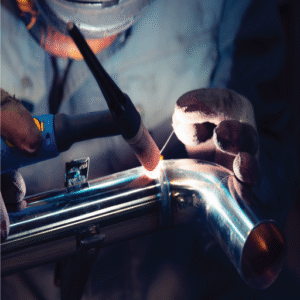
MIG welding utilizes continuous solid wire electrodes, fed through the welding gun, to join the two base materials within the weld pool. The inert shielding gas, usually argon or an argon-carbon dioxide mixture, gets discharged from the welding gun to shield the weld pool from atmospheric contaminants. The electrode thins down, and a weld bead forms underneath it, created by the electric arc between the electrode tip and the workpiece, which generates sufficiently high temperatures for fusion to occur.
The wire feed rate, voltage, and current must be continuously controlled to ensure stable arcs and optimal weld quality. Modern MIG welding equipment facilitates such adjustments through complex electronics and some form of automation, which establishes the optimal parameters for the specific materials and thicknesses in question. It is an all-around procedure that accomplishes its task quite efficiently with various types of metal, including steel, aluminum, and stainless steel, where particular cleanup procedures are unnecessary due to the minimal spatter generated. Continuous wire feed and shielding make MIG welding very popular for clean welds that are strong and can be easily repeated across a wide range of industrial and domestic applications.
Key Specifications of MIG Welders
- Amperage Range – Determines the thickness of materials that can be welded, generally between 30 and 500 amps for most MIG welders.
- Voltage Control – Adjusts the arc to ensure consistent welds can be made on various materials and thicknesses.
- Wire Feed Speed – It is measured in inches per minute (in/min). The filler wire is fed into the weld at this speed, which directly affects the penetration and appearance of the weld.
- Duty Cycle – Indicates the percentage of time the welder can work in 10 minutes without getting overheated; very important for extended- or heavy-duty welding tasks.
- Shielding Gas Compatibility – Specifies the types of shielding gases, such as argon, carbon dioxide, or their mixtures, that the welder supports, which in turn influences the characteristics and appearance of the weld.
Pros and Cons of Buying Used MIG Welders
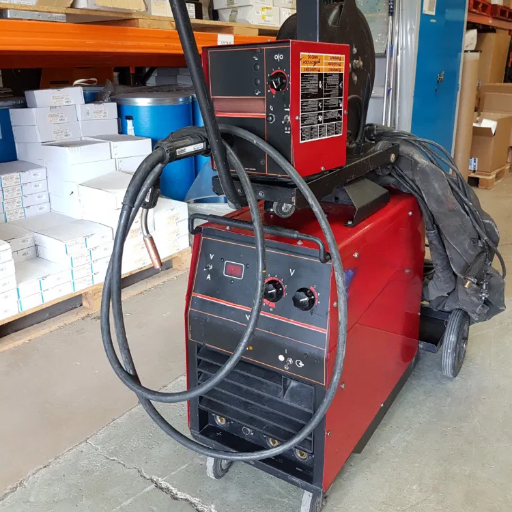
✓ Advantages
- Cost Savings – Compared to newly manufactured machines, used welders are significantly more affordable, making them a more economical option for hobbyists or businesses with limited budgets.
- Proven Reliability – When used machinery is well-maintained, it may have a proven record of performance, guaranteeing dependable operation, provided it was thoroughly checked out or inspected before purchase.
- Immediate Availability – Pre-owned equipment is typically available for purchase, so you don’t need to wait long to acquire new machinery.
- Tested Performance – Most welders that have been underused have proven to function well as they have been used and put to the test under actual working conditions.
- Access to Older Models – Some older models are no longer being made but might be durable or have some features one would actually like to be kept by experienced welders.
- Slower Depreciation – Unlike their new counterparts, used welders depreciate with time slower, retaining their resale price and making it a more cost-worthy investment.
✗ Disadvantages
- Wear and Tear – After all, used equipment often comes with many other hidden issues, such as worn-out components, reduced performance, or simply requiring repairs or replacements.
- Limited Warranty – Most welders come without a warranty, allowing buyers to pay less upfront but increasing the risk of repairs.
- Unknown Maintenance History – Used MIG welders may not have complete maintenance records, making it difficult to determine whether they have been properly serviced or repaired in the past.
- Shorter Lifespan – Depending on previous use and age, used welders usually have a shorter operational life than new ones.
- Hidden Damage – The insides of components may be subtly damaged, worn, or fatigued, which can lead to sudden failures during operation.
- Compatibility Issues – Older models may be incompatible with modern accessories, consumables, or technological upgrades, thereby limiting their long-term utility.
Cost Comparison: New vs Used MIG Welders
New MIG welders generally offer advanced technology, efficiency, and reliability, albeit at a higher cost. In contrast, used welders are more affordable but may lack long-term performance, warranty, and compatibility.
Key Features to Look for in a Used MIG Welder
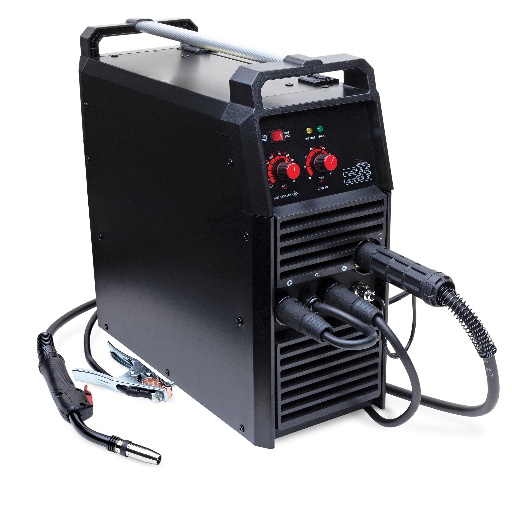
🔧 Wire Feed Mechanism
To achieve a smooth and reliable wire-feed system, it is essential to verify proper operation and maintain equilibrium during welding. Damaged or worn-out components within this mechanism will result in inconsistent performance.
⚡ Power Output Range
Examine the amperage options of the machine and verify that they match the thickness and type of materials you intend to weld. You want the power output range to be versatile to accommodate multiple welding applications.
🔍 Condition of Components
Inspect key components, such as the torch, cables, and ground clamp, for signs of wear or damage. Parts replacement will increase costs and impact the initial affordability of the welder.
⏱️ Duty Cycle
Check the welder’s duty cycle, i.e., the time it can operate at a given power setting before needing to cool down. The higher the duty cycle, the longer the welder can work on longer and more concentrated welding jobs.
🔗 Compatibility with Materials and Accessories
Ensure that the welder supports the type of materials you will be working with and is compatible with consumables readily available in the market, such as wires and shielding gas. Otherwise, its use might be constrained.
Welding Power Source and Capability
The welding power source is a crucial aspect that directly impacts the efficiency, flexibility, and overall performance of welding systems into which it is incorporated. It influences the determination of the type of weld and its quality, as well as the kind of materials that can be processed. Welders are usually powered by either AC or DC, or sometimes both power sources. An AC power source is suitable for carrying out welding tasks requiring a steady bead on metals like aluminum. In contrast, DC power affords arc consistency and is generally preferred when welding steel and other ferrous metals.
With its up-to-date inverter technology, the welding machines now offer more control over the arc, reduced weight, and improved energy efficiency compared to transformer-based welding machines. Moreover, a multi-process welder switching between MIG, TIG, and Stick offers good flexibility for fabrication work. Some other important factors to consider in power sources include the amperage range and duty cycle, as they determine whether the equipment can handle the thickness of materials and the workload demands of a given project. Thus, when a power source is selected correctly, one can request more welds in less time and ensure that these welds are safe, precise, and durable for commercial and industrial purposes.
Feeder Mechanism and Wire Types
The feeder mechanism in a MIG welder plays a crucial role in ensuring the consistent delivery of welding wire to the arc, directly influencing weld quality and operational efficiency. Typically, MIG welders utilize a push or push-pull feeder system, with the latter offering superior feeding performance over longer distances or with more delicate wires such as aluminum. When evaluating a used MIG welder, inspecting the condition of the drive rolls, liners, and tension adjustments is crucial to ensure uninterrupted functionality and prevent wire slipping or erratic feeding during operation.
Wire types employed in MIG welding vary based on application requirements and base material composition. Common wire materials include mild steel, stainless steel, and aluminum, with options for solid wires or flux-cored wires, depending on the shielding gas used and the welding environment. For general-purpose applications, ER70S-6 solid wire is widely utilized due to its compatibility with various steels and superior deoxidizers, which enhance arc stability. Flux-cored wires are preferable for outdoor or high-wind scenarios, where shielding gas may disperse. Ensuring compatibility between the welding wire and the feeder system, as well as verifying the wire spool size compatibility with the used MIG welder, are key considerations for both performance and long-term reliability.
Portability and Size Considerations
Consider weight, dimensions, and handle/wheel configurations, taking into account both portability and size, when selecting a used MIG welder. Weightless and compact units are best for frequent transportation in a restricted working environment. Welders with handles or wheels built in make it easier to move the machine between remote and on-site applications. However, when selecting a welder, factors such as portability, adequate power output, and duty cycle should be weighed to ensure that operational requirements are met adequately. Always consider your unique situation when selecting an appropriate trade-off between size and performance.
What to Look for When Buying a Used MIG Welder
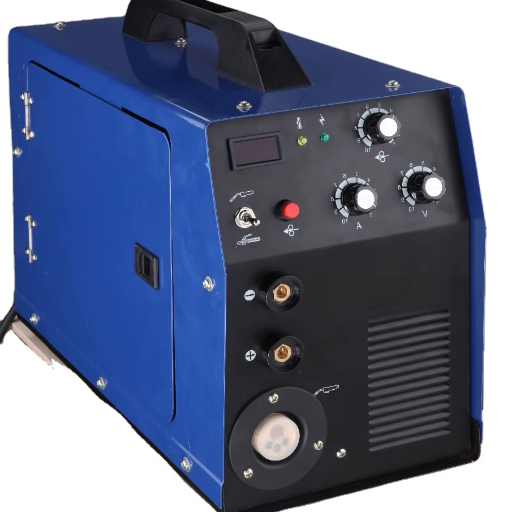
When purchasing a used MIG welder, consider its overall condition and operational capacity. Examine the power cables, connecting cords, and other components for minimal damage or wear, as even minor damage in any of these could be fatal to the machine’s operation. Check its duty cycle to ensure it meets your load requirements, and test its wire feed to confirm it works smoothly and uniformly. Inspect for any internal damage or signs of wear, such as marks caused by overheating or rust, among other potential issues. These symptoms may indicate that the device has not been well-maintained. Also, check the availability of spare parts and consumable items for that particular model to avoid any inconvenience during repair. Maintenance records could be asked for if they are available so that one can determine how well the equipment has been maintained.
Evaluating Specifications and Features
Considering the specifications and features of your used MIG welder, ensure it suits the nature of your projects and working conditions. First, look for the amperage range of a welder, as that dictates the materials and thicknesses it can work with. The wider the amperage range, the more versatile and broader the applications to which it can be attached. Next, check for input voltage requirements, as some models support dual voltages, such as 120V and 240V, making them ideal for use in residential and industrial environments, respectively.
Next in line comes the duty cycle that tells you how long, to the nearest 10 minutes, a welder can continuously work at a set amperage: high duty cycles tend to be suited for heavy-duty works requiring much longer operating time. You will need to evaluate the type and size of wire you will need to purchase, as some welders may restrict your options, making them less flexible for the job at hand. Advanced features, such as voltage adjustment, digital displays, and synergic controls, can make things a lot easier for you and set you up for accuracy from the get-go.
Additionally, ensure your machine comes equipped with features such as a spool gun for aluminum welding, a gas line for shield gas, or optional extras like a welding cart or carrying case. Considerations in usability and value over time will depend greatly on those features. Cross-verify the specifications, as listed, with the manufacturer’s documentation to ensure that the welder meets your expectations and is not missing any vital components. This thorough evaluation will inform an informed purchasing decision that meets your specific welding needs.
Inspecting for Signs of Wear and Tear
Some critical areas to ascertain wear and tear would be:
🔧 Torch and Cables’ Condition
Check for any cracks, excess heat damage, or worn-out components, such as the nozzle and contact tip. Inspect cables for any signs of fraying, cutting, or wire exposure that could render it unsafe or prone to performance issues.
⚙️ Drive Rollers and Wire Feed Mechanism
Check for uneven wear on the drive rollers or any buildup of debris, which may cause intermittent wire feeding. Test the wire drive system to ensure it operates smoothly without any jams or unusual noises.
🔌 Power Code and Plug
Inspect the power code and the plug for any damage. Check for exposed wires, burns, deformations, among other abnormalities. The damaged power code would be an electrical safety hazard.
🏠 Exterior and Cooling System
Inspect the case for dents, corrosion, or loose components, as these may indicate rough handling. Check that the cooling mechanism, including the vents and fans, is clean and properly working to prevent overheating.
⚡ Testing the Welding Functionality
This involves doing a live test whenever possible. Check for any issues with arc stability, wire feeding smoothness, and generally observe for any other performance issues. The latter help to reveal problems that cannot be identified in a visual inspection.
Being conscious of these areas helps one avoid costly repairs, hence ensuring that the used welder is reliable and safe. Any issues discovered must be addressed and remedied before the purchase is completed.
Testing Functionality Before Purchase
When confirming the operational functionality of a used MIG welder before purchase, I check some basic working features. I, therefore, check if the power supply is in order and if the machine powers on without any problems. Then, I check the wire feed operation by varying the speeds to ensure that the feeding is smooth and uniform. Meanwhile, the tester examines the gas flow system to make sure it can still supply shielding gas consistently. Lastly, if permission is granted, a brief welding test is conducted to assess arc stability, weld quality, and performance. These steps confirm that the welder fulfills all my requirements and is functioning well.
Maintaining Your Used MIG Welder
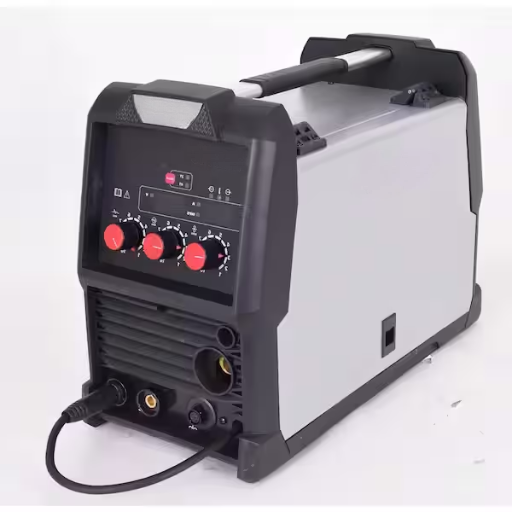
A used MIG welder must be properly maintained to remain in good working condition. Regular cleaning of the nozzle is necessary to prevent spatter from obstructing the gas flow. Examine the contact tips and liners for wear and replace them if they are worn, to ensure smooth wire feeding. Inspect all electrical connections for signs of wear or looseness, and tighten them as necessary. Keep an eye on the drive rolls and adjust their tension as needed to prevent wire slippage or deformation. To avoid any leakage, always inspect the shielding gas regulator and hoses for leaks. Store the unit in a dry location to keep it safe from corrosion and damage. Proper maintenance will not only extend the equipment’s shelf life but also ensure it performs optimally.
Regular Maintenance Tips for Longevity
- 🔧 Inspect and Replace Consumables – Routinely check for wear or clogging on contact tips, nozzles, and liners. Replace them as required due to irregular wire feeding or arc performance.
- 🧽 Clean and Lubricate Wire Feeding System – Keep the wire drive system clean. Use compressed air as a cleaning aid to blow dust and dirt from the drive rolls and feed tubes and apply lubricant to the moving parts as recommended by the manufacturer.
- 🔌 Check Electrical Connections – Periodically inspect all electrical items, cables, and connectors for signs of damage, corrosion, and loose connections. Keep it tight and replace it when necessary to provide uniform power delivery.
- 🔗 Inspect the Ground Clamp and Cable – Check the ground clamp to ensure good condition and check for any signs of fraying and exposed wire on the cable. A perfect ground connection is essential for a stable arc and ensuring stable operation.
- 💨 Test and Calibrate the Gas System – Check the flow rate on the shielding gas regulator regularly and ensure it is in the proper setting. Inspect hoses and fittings for leaks, and replace any compromised components to prevent gas contamination in the welding area.
Understanding Welding Power Sources and Efficiency
When evaluating welding power sources for a used MIG welder, it is crucial to understand the power input requirements and efficiency of the unit. Typically, MIG welding systems employ either transformer-based or inverter-based power supplies, each with distinct characteristics. Transformer-based power sources are famous for their durability and simplicity but are usually heavier and less energy-efficient when compared to inverter-based units. Inverter technology refers to compact and lightweight designs that promote energy efficiency, although they are often more costly in terms of initial investment and require careful maintenance.
Efficiency, in turn, will affect working costs and specific aspects of performance. Check for input voltage compatibility (whether it is 110V, 220V, or both), as this is essential for ensuring compatibility with the available power sources. Another factor to consider is the duty cycle rating, which defines the percentage of time the welder can operate at a particular amperage within 10 minutes of being turned on without overheating. For used MIG welders, it is more important to verify the status of the capacitors and the cooling system inside, as these components can deteriorate welding efficiency due to wear and tear.
Ultimately, the selection of a power source should depend on the anticipated welding applications, taking into account the material type, thickness, and production volume required. By considering these factors, welding operations can be performed most effectively in terms of both production and cost.
Choosing the Right Shielding Gas
The most important factors to consider when selecting the right shielding gas for a used MIG welder include the type of material being welded and the desired weld properties. Argon-carbon dioxide mixtures offer a suitable balance between arc stability and penetration on steel. On the other hand, argon is ideal for aluminum and non-ferrous metals. I further believe that the gas flow rate provides sufficient coverage over the weld pool, as inadequate gas flow may reveal the presence of weld defects, such as porosity. Selecting shielding gases based on the work at hand enhances welding quality and efficiency.
Frequently Asked Questions (FAQs)
❓ What are the benefits of buying a used MIG welder?
Buying a used MIG welder allows you to save a significant amount of money while still ensuring excellent performance. There are many used MIG welders for sale, notably Lincoln and Miller models, which run well enough to achieve quality welding without the cost of a new one. On the other hand, purchasing used equipment can be a more sustainable option, reducing waste in the welding industry.
❓ Would it be worth the effort to refurbish a used MIG welder?
Refurbishing a used MIG welder can be a cost-effective way to extend its operability and improve performance. In this way, many used welders can be restored to good working order with a bit of care, such as replacing worn parts like the wire feed unit or fuse and ensuring that the welding power source operates efficiently.
❓ What to look for in a used MIG welder?
When purchasing a used MIG welder, consider factors such as the brand reputation (Lincoln Electric or Miller), the welding current it can deliver, and its overall condition. Look for any signs of wear and tear, such as damage to the wire feeder, and review the usage history to ensure it has been adequately maintained and is in good working condition.
❓ Can I weld aluminum with a used MIG welder?
Yes, aluminum can be welded with a used MIG welder, but the key is to ensure that the welder has the correct settings for aluminum welding and uses a suitable shielding gas, such as Argon or a mixed CO2 shielding gas. Some models (like the Lincoln or Miller welders) have special requirements or may need accessories to weld aluminum properly, so check the specs before purchasing one.
❓ What comes with the advantage of being a portable MIG welder?
Portable MIG welders offer the advantage of being able to weld at various locations without being connected to an electrical source. Many are lightweight and easy to carry, making them ideal for on-site work. This advantage comes in handy for sheet metal jobs or areas that are hard to reach for repairs.
❓ What is the welding power range of used MIG welders?
MIG welders used in various applications differ widely in terms of welding power, typically ranging from 200 Amps to more than 400 Amps. And there are heavy-duty welding things handled by the Vantage 322. In contrast, smaller units are probably meant for light to medium welding work. Always review your own job specifications before selecting a welder.
Reference Sources
- The Smart Buyer’s Guide to Purchasing Used Welders
This guide offers insights into ensuring quality when purchasing used welders, emphasizing the importance of purchasing from established retailers. - Discover the Best Used Welders for Sale
This article discusses key factors, such as machine condition, age, and signs of wear and tear, when purchasing used welders. - What You Should Consider Before Buying Used Welding Machines
A comprehensive guide covering aspects like the type of welder, seller credibility, machine condition, and duty cycle. - How to Check Out a Used Welder? (Reddit Discussion)
A community-driven discussion offering practical advice and tips for inspecting used welders. - Guide for Welders for Sale
💡 Final Recommendation
When purchasing a used MIG welder, thorough inspection and testing are your best investments. Take time to evaluate each component, verify functionality, and ensure the unit meets your specific welding requirements. A well-chosen used welder can provide years of reliable service while saving significant costs compared to new equipment.