The core elements of modern automation systems at present time use multi-axis positioner technology as their main technological innovation. Industries across the world use this advanced technology to control complicated movements and operations with their maximum possible precision from robotics to aerospace manufacturing. This blog article investigates how multi-axis positioners use their automation capabilities to enhance production efficiency and create new design possibilities and fulfill the increasing need for precise manufacturing processes. People from all backgrounds, including engineers and tech enthusiasts and industry executives, should join us to discover how multi-axis positioner systems will change the automation industry in the future.
Understanding Multi-Axis Positioners
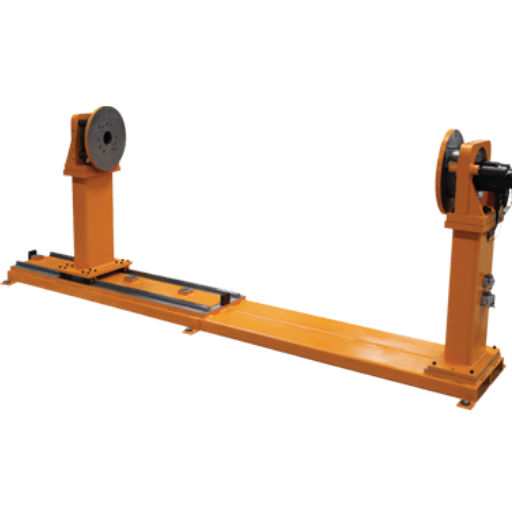
Definition and Purpose of Multi-Axis Positioners
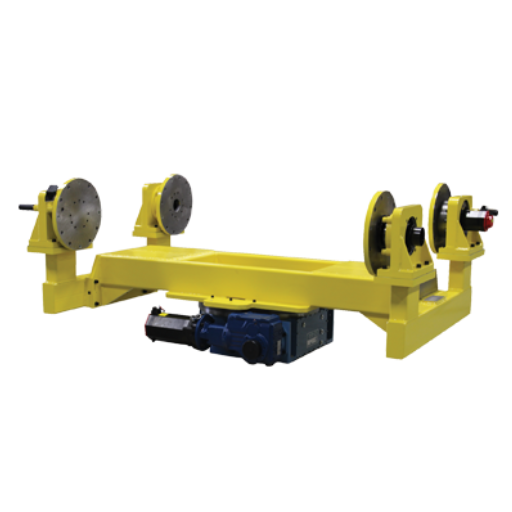
Multi-axis positioners function as sophisticated mechanical systems which enable operators to control movement of objects and tools across three-dimensional space. The system finds its application in three industrial sectors which include robotics and aerospace and manufacturing because its technology delivers exact positioning results which are essential for successful operation. The system operates through its implementation of multiple rotational and linear axes which provide users with enhanced capacity to control their movements and physical orientation. The primary function of the system is to improve both the precision and the speed of welding operations and machining tasks and inspection processes and assembly work. The growing demand for high-precision automated systems in modern applications has made multi-axis positioners essential equipment for achieving rapid production and precise results in intricate manufacturing workflows.
Types of Multi-Axis Positioning Systems
The operation of multi-axis positioning systems requires different system types which must fulfill specific needs of each separate application. The rotary positioner stands out as the most frequently used system which utilizes its rotating axes to position workpieces for metalworking processes such as welding and cutting and machining. The systems demonstrate exceptional value because they can achieve precise results while efficiently processing complex geometrical shapes. The linear positioning system represents another type which employs its linear axes to execute straight path movements across multiple directional paths.
The gantry system operates as an advanced positioning system which uses its linear movement framework to conduct substantial operations at factories. Gantry systems are often chosen for their ability to cover expansive work areas while maintaining rigidity and precision. Articulated robotic arms function as multi-axis systems which combine their linear and rotational capabilities to perform different tasks including material handling and packaging and delicate 3D printing operations. The systems use multiple joints to replicate human arm movements which allow them to handle tight spaces and perform complex movements.
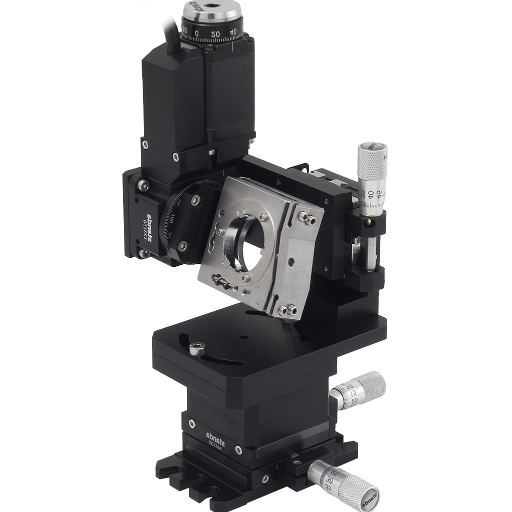
Hexapod positioners together with Stewart platform positioners have emerged as popular solutions due to their six degrees of freedom which deliver exceptional movement range and precise control. The system uses six legs which can adjust their position to create movement across three straight paths and three rotational movements. The system design operates optimally for applications which require exact placement control in fields like optics alignment and aerospace testing and surgical instrument development. The multi-axis positioning systems operate through their dedicated system types which boost operational speed together with precise performance and increased output efficiency in multiple industrial domains.
Key Components of Multi-Axis Positioners
The system of multi-axis positioners depends on several essential components which work together to deliver accurate motion control. The system typically includes these components:
Actuators – The devices execute movement operations through three different axis points. The system uses linear actuators for translational motion and rotary motors for angular displacement as its primary movement methods.
Encoders – The system uses encoders to deliver position and speed information which enables the system to achieve better accuracy and repeatability through its real-time adjustments.
Motion Controllers – The main controller system receives commands while it controls all axis movements to achieve coordinated operations.
Support Structures – Engineers use high-stiffness materials to build lightweight frames which reduce vibrations and maintain operational stability during equipment usage.
Software Interfaces – The software tools enable users to program positioners through advanced control systems which include path optimization and error correction and remote system monitoring functionalities.
Sensors – The system uses integrated sensors to improve accuracy by tracking temperature and load and external force conditions which enable the system to adapt to environmental changes.
The various components of multi-axis positioners enable the system to provide exceptional accuracy and dependability and flexible performance throughout multiple industrial and scientific uses.
Precision in Automation: The Role of Multi-Axis Positioning Systems
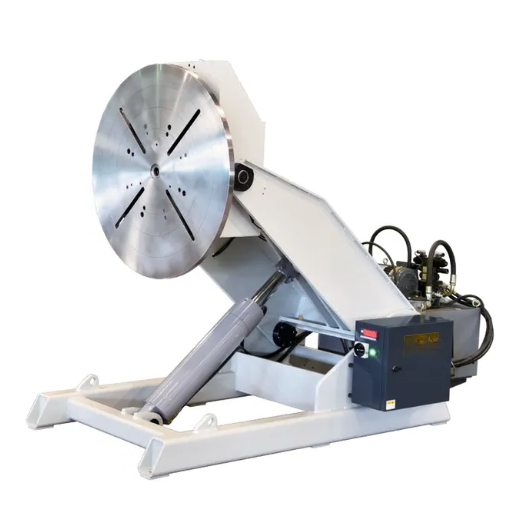
Importance of Precision in Industrial Applications
Modern industrial applications require precision because it determines their productivity levels and product quality and operational efficiency. The semiconductor manufacturing industry and aerospace sector and medical device production field all need highly precise positioning systems to achieve their strict tolerance requirements and obtain dependable operational results. The semiconductor industry shows that tiny errors in wafer alignment result in microchip performance failures which create expensive manufacturing defects. Aerospace operations depend on exact assembly of components which guarantees safety and performance during extreme operational conditions.
The upcoming need for sub-micrometer accuracy operation systems which function across multiple axes will increase as automation technology develops. The system requires this precise level of accuracy because it helps the system decrease waste while gaining repeatable results needed to sustain high production rate environments. Multi-axis positioning systems achieve the necessary industrial precision through their combination of advanced motion control algorithms and real-time feedback systems. Industrial processes achieve new standards of quality through these advancements which drive innovation.
How Multi-Axis Positioners Achieve High Precision
The design of multi-axis positioners uses two primary components which are advanced engineering methods and modern technological solutions to achieve their high accuracy standards. The systems use durable mechanical structures which consist of high-stiffness frames and low-friction linear bearings to maintain their operational stability while minimizing vibrations. The system achieves higher precision through its advanced motion control technology which uses high-resolution encoders and servo motors to deliver precise positional information and feedback data. The system uses real-time monitoring together with adaptive control algorithms which enable dynamic adjustments to counteract environmental changes and load differences and mechanical component deterioration. The combination of accurate hardware components and intelligent control systems enables multi-axis positioners to achieve the high accuracy and repeatability standards which modern industries require.
Applications of Precision Positioning Systems
Multiple industries heavily utilize precision positioning systems because these systems deliver exacting accuracy and operational command. The semiconductor industry uses these systems for wafer alignment and lithography and inspection processes which produce complex microchips. The systems serve as essential components of advanced medical technologies which include robotic surgery and diagnostic imaging systems because accurate positioning directly affects patient results. The systems enable defense and aerospace applications through their capacity to achieve precise targeting and satellite assembly and optical system alignment functions. Researchers in nanotechnology use precision positioners to control and study materials which exist at atomic and molecular dimensions. The wide range of their applications establishes them as essential technologies which drive forward innovation while improving the efficiency of modern equipment and operational methods.
Parallel-Kinematic Systems: Advancements in Motion Control
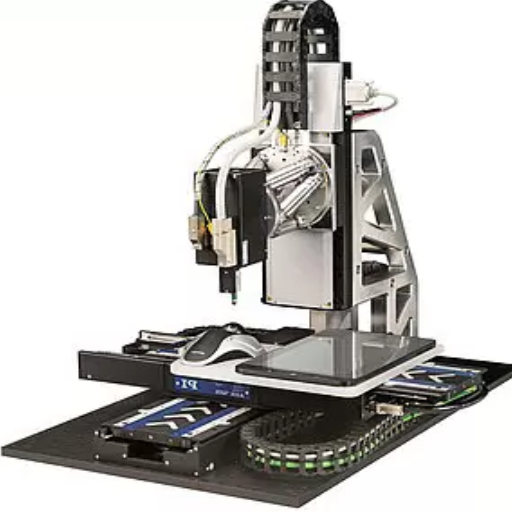
Overview of Parallel-Kinematics Technology
The development of parallel-kinematic systems (PKS) creates a major breakthrough in motion control technology which delivers better accuracy and speed and operational flexibility than conventional serial systems. The systems operate through multiple actuators which work together to move one platform, which results in increased stiffness and decreased weight and decreased mechanical faults. The special structure of PKS enables them to perform quick movements while maintaining their ability to precisely control multiple motion axes, which makes them suitable for use in robotic systems and semiconductor production and measurement technology.
The latest developments in parallel-kinematics have improved their operational capabilities through the introduction of high-resolution sensors and real-time control algorithms and small actuator systems. The new updates deliver better system performance which results in higher task repeatability and complete system dependability. The symmetrical design of the parallel configuration automatically decreases error accumulation, which results in better measurement accuracy. The advanced features which PKS systems introduce to motion control systems create new possibilities which modern industries now use in their operations.
Advantages of Parallel-Kinematic Systems in Automation
Automation systems benefit from Parallel-Kinematic Systems (PKS) because these systems provide exceptional accuracy and strong structural integrity. The design of the system uses a symmetric pattern which connects several actuators to create balanced weight distribution across all components. PKS systems achieve better performance through their lightweight construction which decreases their components’ weight and their system’s overall weight. This technology performs best in environments which require fast and continuous movement because it uses its lightweight design to achieve peak performance.
Another critical benefit is the enhanced flexibility of these systems. The PKS system enables multi-axis movement which allows users to adapt their production processes according to their specific needs. Their compact design also makes them highly space-efficient which is vital in industries where floor space is at a premium. These features work together to decrease operational expenses while they boost production efficiency and product quality making PKS systems into essential components for contemporary automated systems.
Comparison with Traditional Positioning Systems
PKS systems provide better accuracy and reliability and flexibility for use in different environments than traditional positioning systems. The performance of traditional systems gets restricted because they depend on fixed mechanical components which are unable to adjust to changing conditions. The PKS system uses cutting-edge technologies that include motion correction which operates in real-time and high-precision feedback loops to achieve superior spatial accuracy and responsiveness. The equipment in traditional systems suffers from decreased functionality after prolonged usage yet PKS systems maintain their operational efficiency because they utilize durable materials and automatic self-calibration systems which function well during demanding operational periods. The combination of smart sensors with AI-powered controls in PKS systems enables them to handle intricate operations which traditional systems cannot execute without major system changes. The system offers businesses which need to expand their operations while maintaining precise automated processes an ideal solution through its design.
Welding Positioners: Enhancing Welding Efficiency
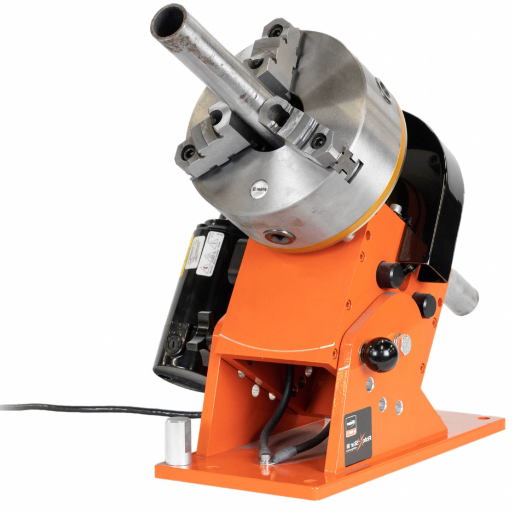
Functionality of Welding Positioners in Manufacturing
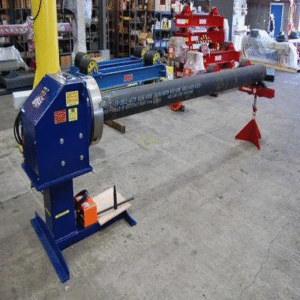
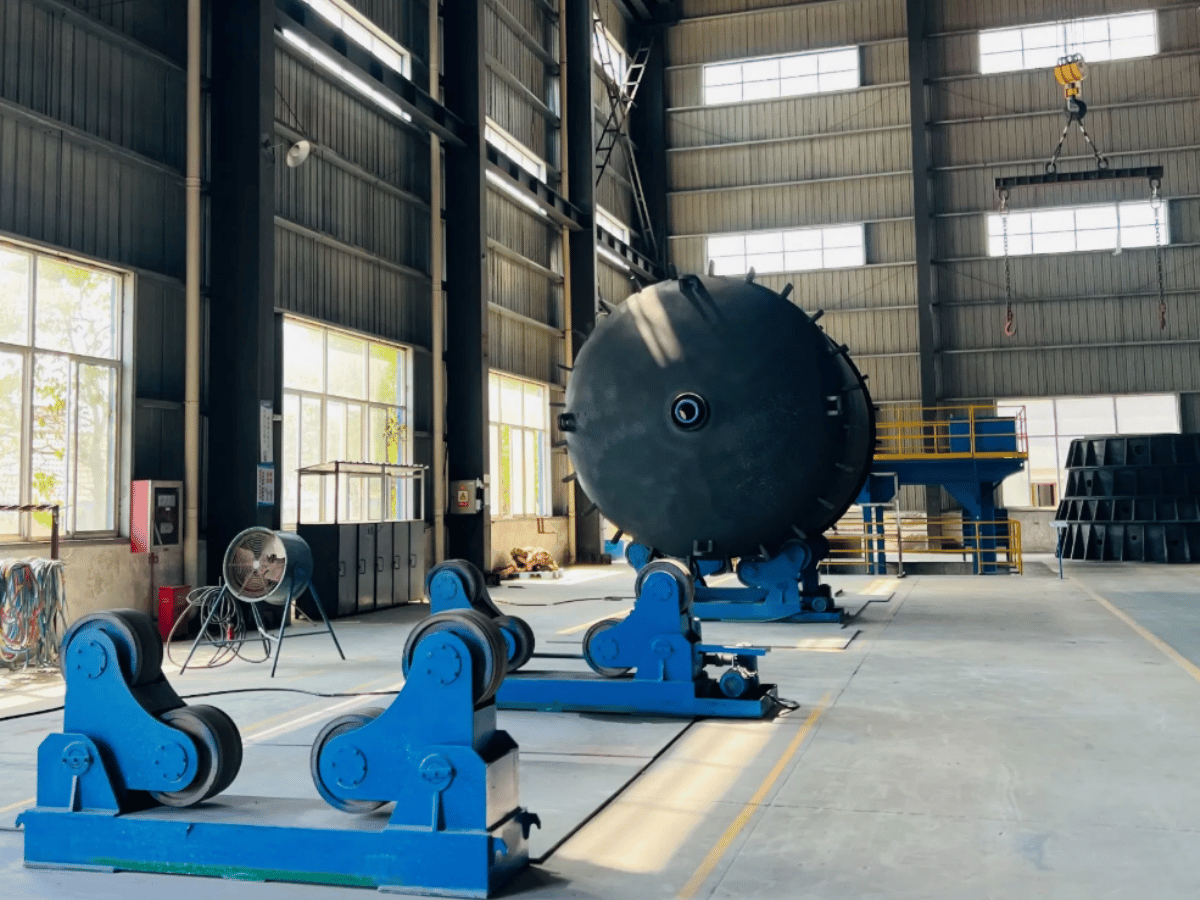
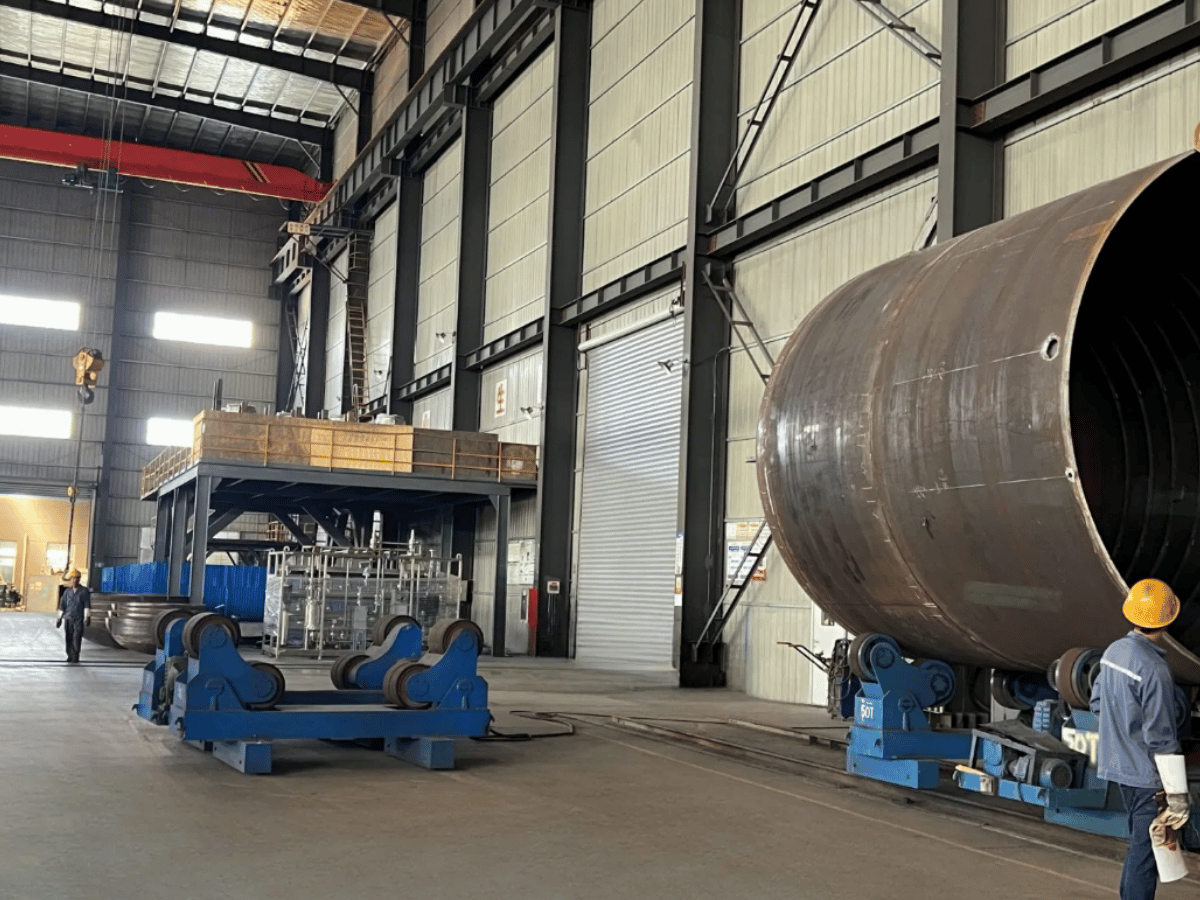
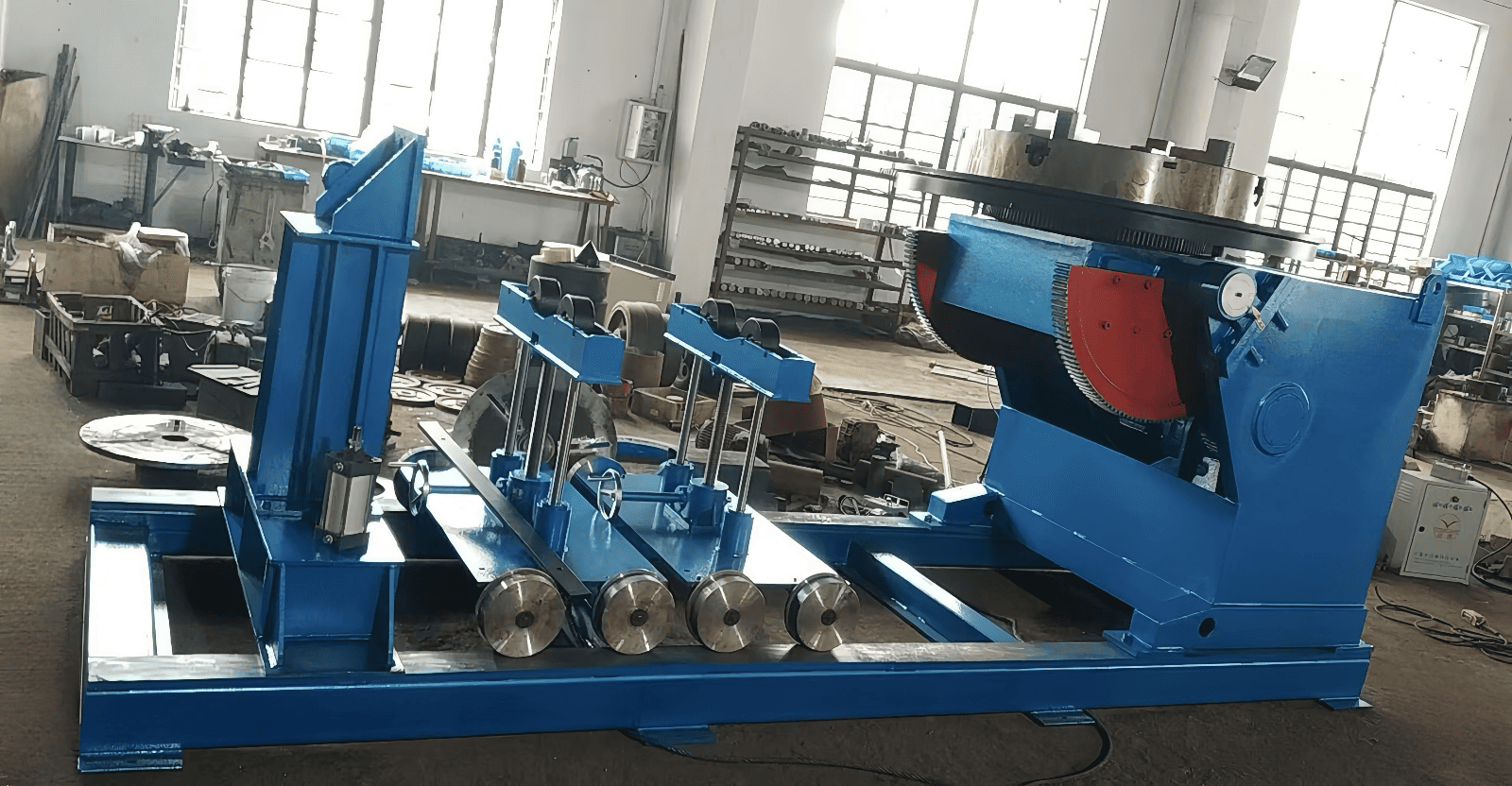
Welding positioners serve an essential function because they increase manufacturing welding operations through better efficiency and more accurate results. The devices secure workpieces while enabling their rotation to permit welders and robotic arms to create welds at the best angle. The system provides proper alignment together with controlled movement which enables welding positioners to decrease defects while achieving consistent weld quality. The system enables workers to handle complex heavy items and irregularly shaped objects because it reduces their physical demands while increasing their work efficiency. Modern positioners offer essential functions through their advanced features which include variable speed control and automated rotation and robotic welding system compatibility to maintain consistent fabrication standards across multiple industrial sectors.
Integration of Multi-Axis Positioners in Welding Processes
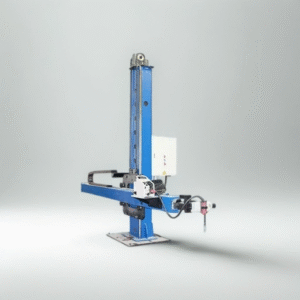
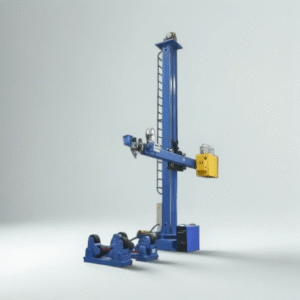
Welding processes now utilize multi-axis positioners which provide substantial improvements to both operational efficiency and welding precision. Advanced tools enable manufacturers to position workpieces at their best welding angles which reduces extensive repositioning needs during production work. Positioners offer welders stable working angles which decrease welding defects that emerge from difficult to reach welding positions while increasing operator comfort.
Modern multi-axis positioners use programmable controls and synchronized motion capabilities to achieve smooth operation with robotic welding systems. The technology combination enables consistent and precise weld production for both complex and high-volume manufacturing operations. Multi-axis positioners achieve two benefits through their automatic positioning capabilities which decrease operational cycle times and boost productivity levels to satisfy the safety and efficiency needs of automotive and aerospace and heavy machinery industries. Their technology flexibility together with welding advancements shows how vital they are to building the future of manufacturing.
Case Studies on Welding Positioning Systems
My research establishes that welding positioning systems serve essential purposes because they enhance productivity while maintaining quality standards across multiple sectors. A case study about a major automotive manufacturer demonstrates how their assembly process improved through the establishment of multi-axis positioners in their production line. The company used these systems to achieve better weld quality while decreasing their production times. The company used its positioning system to produce different vehicle models with minimal equipment changes which helped it to reduce production halts. The success of this project demonstrates that advanced positioning systems should be implemented because they provide businesses with essential tools to succeed in competitive markets.
The aerospace industry provides another strong evidence because its operations require accurate results to function properly. A top aerospace company used automated welding positioning systems to build its aircraft components. The systems increased dimensional precision while they maintained uniformity in weld production throughout the complicated geometric patterns. The automation process decreased the need for workers because it allowed the system to complete tasks more quickly and cut down on worker expenses. The evidence shows that welding positioning systems increase operational efficiency while they uphold strict requirements that safety-sensitive manufacturing industries must meet.
These real-world examples highlight the practical applications of welding positioning systems which create transformative effects for contemporary manufacturing operations. The implementation of advanced technologies by companies leads to operational efficiency improvement and product quality enhancement which enables better market demand adaptation, making these technologies essential for their operations in competitive industries.
Future Trends in Multi-Axis Positioner Technology
Emerging Technologies in Positioning Systems
Emerging technologies drive the development of multi-axis positioning systems which create new industrial standards through their innovative capabilities. The integration of artificial intelligence (AI) and machine learning algorithms presents a major technological advancement. The technologies enable positioning systems to create optimal movement patterns which predictive maintenance requirements which allow systems to handle intricate manufacturing operations through real-time adaptability. The system achieves improved precision and accuracy through advanced sensors which include laser trackers and optical encoders that deliver precise position and alignment data.
The adoption of IoT (Internet of Things) connectivity has become an essential trend about which people now conduct research. The IoT-enabled positioning systems establish full compatibility with all smart devices present in a manufacturing ecosystem which enables their systems to work together and achieve automated processes. The development of carbon fiber composites as lightweight yet strong materials enables the creation of more efficient energy-saving positioning systems. The new developments improve multi-axis positioners through better flexibility and faster operation which enables industrial sectors to meet upcoming manufacturing requirements.
The Impact of AI and Automation on Positioning
Artificial intelligence (AI) and automation technologies bring new levels of accuracy and flexible solutions to all aspects of positioning systems. Positioning systems now use AI algorithms to improve operational efficiency through movement control and equipment lifespan forecasting and instantaneous decision support. The system’s predictive abilities keep equipment functional while boosting total work efficiency. The process of automation improves operational efficiency because it needs less manual work while producing stable results that maintain high quality. The combination of these technologies creates intelligent systems that enhance their performance which proves essential for industries that need to improve their production processes during times of rapid industrial change.
Predictions for Multi-Axis Positioners in the Next Decade
The upcoming ten years will bring crucial technological improvements to multi-axis positioners because of artificial intelligence and machine learning and real-time data analytics development. These technologies will enable positioners to achieve unprecedented levels of precision, adaptability, and reliability, which will become essential for aerospace and medical device manufacturing and advanced robotics applications. The IoT integration will establish complete connectivity between systems which will enable them to operate through automatic self-diagnosis of upcoming problems that could disrupt their functions. Next-generation positioners will benefit from stronger yet lighter materials which will improve their operational security and energy consumption because materials science continues to develop. The growing trend of smart manufacturing adoption will position multi-axis positioners as essential tools which enable hyper-automation while they support worldwide technological advancement.
Frequently Asked Questions (FAQs)
What impact does selecting different axes of movement have on the performance of multi-axis positioners?
The axes selection procedure establishes the system’s capacity to perform workpiece handling tasks while maintaining required precision alignment standards. The number of axes affects degrees of freedom and thus whether a single-axis stage, rotary stage, or a full multi-axis system like a hexapod is required. The selection of axes determines the travel distance and the system’s stiffness characteristics and its inertia properties which together affect the system’s ability to repeat movements and operate at high speeds. Designers need to find the right combination of payload capacity and torque requirements and bearing selection because those factors determine whether the actuator and motor will operate their scheduled tasks without creating unnecessary equipment downtime. The system achieves synchronized movement between its linear stages and rotary components and parallel-kinematic systems through its motion controller and EtherCAT interface integration.
What advantages do hexapods and stewart platform designs offer?
The hexapod and Stewart platform designs deliver six degrees of freedom which support accurate positioning systems that meet the requirements of metrology photonics and aerospace applications. The hexapod system achieves better dynamic performance through its parallel kinematic system which enables micro-positioning and high-performance motion capabilities. The hexapod design provides modular and scalable capabilities which enable production lines and automation lines to operate efficiently while using less floor space and simpler fixture designs. The repeatability and flexible interface capabilities of hexapods and stewart platforms make them ideal for optical alignment and wafer handling and precision alignment applications. The systems achieve exceptional performance through their combination of brushless or piezoelectric actuators which enable them to reach high-speed positioning with minimal inertia at an excellent return on investment.
How do motion controllers integrate with multi-axis systems?
The system uses motion controllers to manage three types of motors which include servo motors and stepper motors and linear motors and actuators for executing complex multi-axis trajectories which achieve high repeatability through their programmable control feature. The current controllers offer support for EtherCAT which enables them to deliver high-speed feedback and to execute advanced motion profiles needed for robotic operations and welding positioner tasks and metrology routines. The success of motion controller tuning depends on achieving the correct balance between torque and damping and stiffness settings across all axes which allows the rotary stage and linear stages to operate without producing oscillations. The system provides controllers which offer automation interfaces to support their integration into production systems while the system uses diagnostics and modular updates to minimize production interruptions. The process of controller selection plays a crucial role in determining ROI because it drives production efficiency improvements and enables the establishment of systems which can grow to accommodate future needs.
How does piezoelectric actuation compare to traditional servo motors in precision tasks?
Piezoelectric actuators achieve their best performance in micro-positioning and high-frequency applications because their extremely fine resolution and low latency and minimal backlash outperform conventional servo and brushless motor systems. The system operates in optical alignment and photonics and precision metrology applications which need sub-micron or nanometer repeatability. Servo motors and linear motors provide superior travel range and payload capacity, making them ideal for welding positioners and heavy fixtures and production lines, which depend on effective torque and inertia handling. Some systems combine piezoelectric stages with coarse servo stages to achieve both large travel and ultra-fine adjustment, improving overall system ROI. Engineers must assess controller compatibility and system stiffness and special interface requirements and motion controller needs to realize complete piezoelectric system potential.
What aspects of return on investment should I evaluate before I decide to use multi-axis positioning systems?
The process of calculating ROI for multi-axis systems requires organizations to evaluate their production efficiency improvements and downtime reduction and their ability to achieve precise performance through welding positioning and metrology and aerospace assembly operations. The design of multi-axis systems which include hexapods and modular linear stages enables organizations to achieve faster cycle times through their ability to combine multiple single-axis systems into one compact system. The analysis requires assessment of both initial expenses which include motors and motion controllers and bearings and system integration with automation lines and subsequent financial benefits from reduced labor costs and enhanced operational efficiency. The investment remains secure through future process changes because modular interfaces and programmable controllers create both scalability and adaptability. The total cost of ownership must consider both maintenance expenses and fixture compatibility and the potential quality enhancements which result from precise alignment and reduced variability.
Reference Sources
Modeling and Measurement of Multi-Axis Machine Tools to Improve Positioning Accuracy
oulurepo.oulu.fi
Explores methods to enhance positioning accuracy in multi-axis machine tools.
Comparing Approaches for Multi-Axis Kinematic Positioning in Machine Tools
journals.sagepub.com
Analyzes different kinematic positioning methods for multi-axis machine tools.
Vision-Based Tracking of a Dynamic Target with Application to Multi-Axis Position Control
link.springer.com
Examines vision-based techniques for dynamic multi-axis position control.