Precision and stability are greatly important in welding, providing the difference between a perfect, long-lasting weld and a flawed seam. The welding chuck securely holds the workpiece in place during the entire process and remains a fundamental element of welding. However, the selection of a chuck that suits the welding job is little less than an educated guess, and its decision-making requires careful analysis, considering the type of material, complexity in welds, and project scale.
This article intends to assist both novice and experienced welders in making the most informed decision with regard to what kind of 焊接卡盤 is the best. From a detailed exploration of the individual chuck types to the evaluation of their compatibility with selected applications, this blog post will give a comprehensive outline for ensuring that your welding setup is optimized for success.
關鍵外帶
Selecting the correct welding chuck is a balance of material compatibility, workpiece geometry, and the required level of automation to ensure weld integrity and operational safety.
了解焊接卡盤
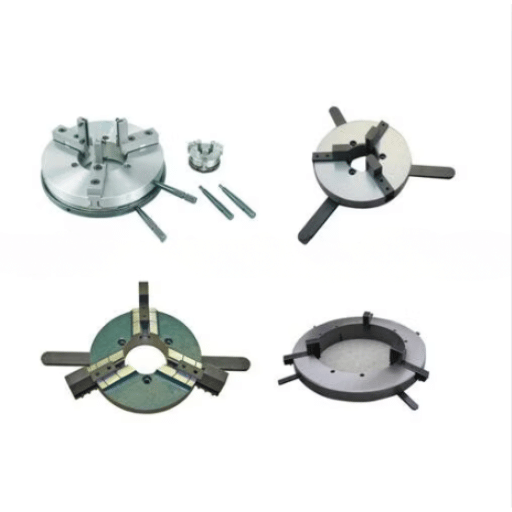
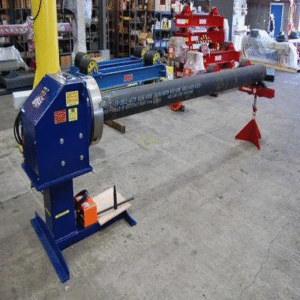
Welding chucks are very vital tools used to secure workpieces into place during the course of welding. They are available in a variety of types, such as three-jaw, four-jaw, or magnetic chucks, where each type finds favor in one or more applications. A three-jaw chuck is best for round or cylindrical workpieces because of its self-centering feature; the four-jaw chuck offers greater adaptability to irregular or unsymmetrical jobs. Magnetic chucks are simply used on magnetic materials, where no form of mechanical clamping is required. The selection of a chuck type is therefore reliant on the shape, material, and precision requirements of the workpiece, rendering stability and accuracy during welding proceedings.
What Is a Welding Chuck?
In the stabilization of a component during welding, the welding chuck is regarded as a special clamping device for such welding processes. It secures the accuracy of the part to be welded by minimizing part movement and distortion from heat and other forces during the process. Welding chucks are done in different configurations like three-jaw, four-jaw, or magnetic depending on the material, shape of the workpiece, and the demand of the job for accuracy. The use of a welding chuck in the right way will be vital in welding high-quality welds and upkeeping operational efficiency.
How a Welding Chuck Enhances Your Weld
Precise, stable, and repeatable work provided by an excellent welding clamp will guarantee increased importance to the success of the welding process. Minimizing movement and vibration provides for feet-in-position welding. Holding peripherals in the proper alignment, particularly with intricate applications, is ensured with the clamp design and the opportunity for perfect fit-up. The fixing power of a qualified welding chuck will automatically limit the chance of welding defects—for example, distortion, incomplete fusion, or misalignment—significantly advancing the structural integrity and durability of the result.
💡
專業提示
Always check the “Runout” specifications of your chuck before starting high-precision jobs; even minor deviations can lead to significant alignment issues in long workpieces.
Key Terminology Related to Welding Chucks
- •
Clamping Force: The pressure which a welding chuck applies to a workpiece to keep it in place. - •
Runout: The extent of deviation from a true rotational axis. - •
Jaw Types: The mechanism (independent vs. self-centering) used to pull the workpiece into the chuck. - •
Material Compatibility: The suitability of the chuck for specific metals like steel, aluminum, or titanium. - •
Adjustability: The capacity for joint or angle settings to accommodate various clamping needs.
This is the basic terminology that will enable a professional to understand how welding chucks operate and are selected for application, hence offering a flawless performance with accurate results.
Types of Welding Chucks
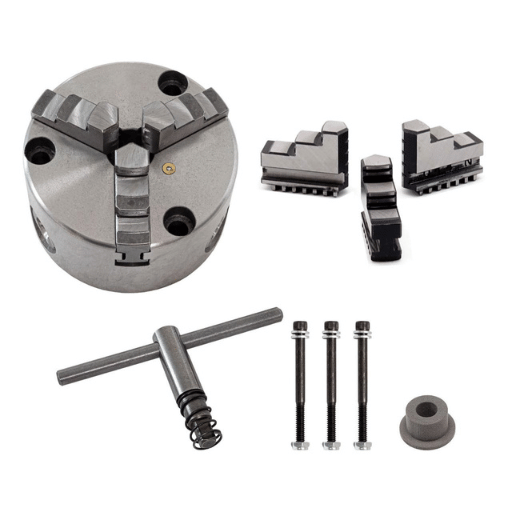
- 1
Three-Jaw Chucks
Used extensively for workpieces with rounded symmetry. They feature a self-centering mechanism for steady, even movement. - 2
Four-Jaw Chucks
Ideal for peculiar-shaped or asymmetric workpieces, allowing independent jaw adjustment for precise alignment. - 3
Magnetic Chucks
Specifically designed for ferrous materials, using magnetic force to attract workpieces without mechanical clamps. - 4
Scroll Chucks
Operated by a scroll mechanism that activates multiple jaws simultaneously for consistent accuracy on round pieces. - 5
Combination Chucks
Targets broader applications by combining self-centering features with individual jaw adjustability, though at a higher cost.
Three-Jaw vs. Four-Jaw Chucks
| 特色 | Three-Jaw Chuck | Four-Jaw Chuck |
|---|---|---|
| Main Strength | Speed & Self-Centering | Adaptability & Control |
| Workpiece Shape | Round or Hexagonal | Irregular or Asymmetric |
| Alignment | 自動的 | 手動/獨立 |
三爪或四爪卡盤的選擇決定了應用的特定需求。三爪卡盤具有超高效的自定心功能,可立即以一致的精度夾緊圓形或六角形工件,使其成為幾乎所有切割任務的理想選擇。一個缺點是,形狀不僅僅是簡單的不對稱性,很難處理。由於鉗口是獨立調整的,因此保證與絕對形式不同的設定適合四鉗口模型;因此,當需要對不規則部件進行精確居中時,這些模型是首選。.
自中心與通用卡盤
三顎自定心卡盤在夾緊時可以用新工件居中。這使得這些卡盤非常適合快速、精確地處理具有圓柱形或非常對稱配置的工件的情況。另一方面,通用卡盤雖然操作上相似,但可能具有一些特殊的可調節機制,可應對相當大範圍的工件扭曲。當涉及選擇時,自定心卡盤非常適合常規、大批量工作;通用卡盤適用於需要更大適應性和客製化工件固定解決方案的情況。.
用於管道焊接的專用卡盤
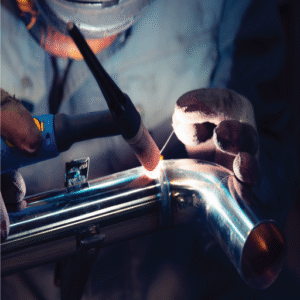
保證無縫 焊接和充分對齊 在兩個管道之間,這些夾具的設計考慮了精確性和穩定性。有些型號具有適應性強的鉗口來調節夾具的直徑,或具有系統化的夾緊裝置來形成筆直且相同的焊道。這些夾具特有的其他功能可能包括快速夾緊裝置或管夾,它們可以實現快速可靠的抓握,從而減少設定時間。使用厚實且相對堅硬的設計,具有高重複性,非常適合在手動啟動和自動焊接應用中保持高焊接品質。.
使用焊接夾頭的優點
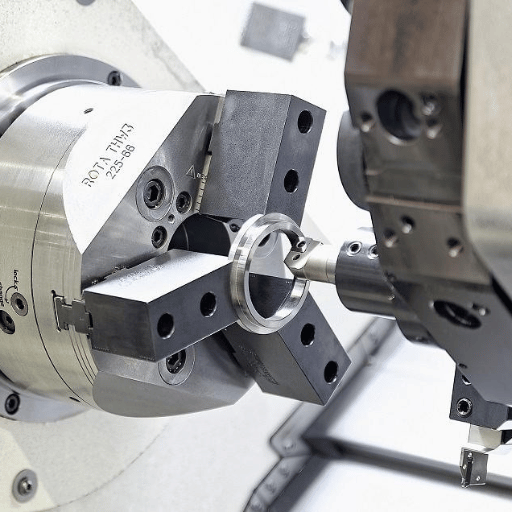
- ✓
增強精度: 確保精確對準,實現低錯誤率和高焊接品質。. - ✓
安全握把: 牢固地固定工件以減少缺點並提高應用穩定性。. - ✓
時間效率: 可靠的夾緊系統可減少設定時間並確保穩定保持。. - ✓
多功能性: 通用設計適用於各種工件形狀和尺寸。. - ✓
提高安全性: 鎖定裝置可安全地放置庫存,減少操作過程中的意外風險。. - ✓
耐久性: 重材料使卡盤能夠承受高溫,從而延長耐用性。.
使用正確設計的夾克的好處
良好的卡盤可提高焊接操作過程中的效率、精度和安全性。它牢固地夾緊工件,從而最大限度地減少材料移動,從而降低焊接品質並降低錯誤或缺陷的發生率。此外,卡盤可以減少設定和調整,節省時間並提高生產率。由於其堅固的結構,該卡盤經過精心設計,經久耐用,為在崎嶇的工業環境中長期使用提供了一種經濟高效的方法。總而言之,除了使用正確的卡盤之外,似乎沒有更好的方法來優化焊接操作的性能。.
Chuck 設計如何影響精密焊接
卡盤成型直接影響精密焊接過程中的準確性和一致性。憑藉適當的同心度、夾緊力分佈和材料相容性,卡盤在焊接過程中將工件牢固地固定在對準內。高品質卡盤的設計可實現最小的跳動,從而在旋轉或運動過程中實現最小的變形。此外,可調節或客製化的卡盤為處理不同幾何形狀的工件提供了靈活性,使焊接品質變得更好。根據焊接要求選擇合適的卡盤成為高性能應用的重要方面。.
自動化在焊接卡盤中的作用
焊接卡盤有助於提高焊接過程的效率、準確性和可重複性。與機器人系統以及 CNC 技術相結合,自動卡盤可提供一致的夾緊力、更短的循環時間以及適應多種不同工件形狀和尺寸的靈活性。自動焊接透過最大限度地減少人為錯誤,有助於提高生產率和經濟性;品質控制的即時監控至關重要,特別是在先進的加工環境中。因此,焊接卡盤的自動化將被證明是維持現代工業標準和確保成功工作績效的關鍵方面。.
選擇正確的焊接卡盤
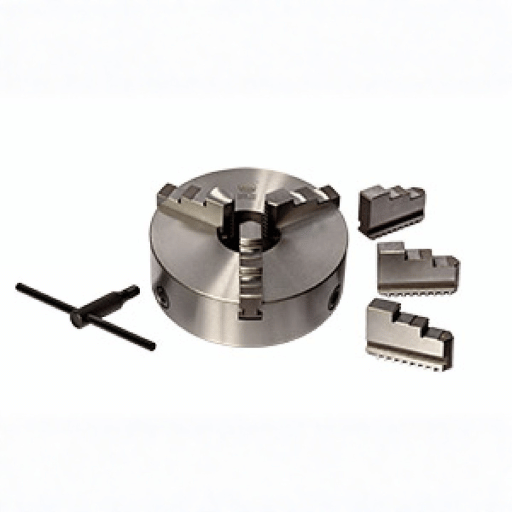
選擇最佳的焊接卡盤是為了確定您的特定焊接需求,其中包括工件的尺寸、工件材料和焊接工藝。關鍵考慮因素包括:
- •
相容性: 確保卡盤適應工件的尺寸和幾何形狀,以最大限度地減少打滑。. - •
材料耐久性: 評估由耐熱和耐磨材料製成的卡盤,用於高熱設定。. - •
Adjustability: 選擇帶有可調式夾具的卡盤,以滿足不同尺寸並提供卓越的精度。. - •
自動化功能: 對於大容量生產,請考慮支援自動化系統的卡盤。.
透過一窺這些反思,我們發現最好的設計應該提供最大的性能、安全性、壽命和整體品質。.
選擇夾頭時要考慮的因素
選擇卡盤時,權衡材料相容性、精度要求和可擴展性至關重要。材料相容性是指卡盤能夠牢固地固定焊接的特定材料,這是使用者防滑的安全標誌。精度要求涉及卡盤保持的佈置和重新對準,以確保滿足嚴格的公差。可擴展性考慮了卡盤擴展的潛力,例如將來容納更大的工件或與高度自動化的系統整合。遵守這些考慮因素將保證卡盤符合操作要求並提高長期生產力。.
了解查克大白鯊及其功能
卡盤鉗口由一個整體機構組成,旨在確保加工過程中的工作安全。它主要負責確保夾緊力始終施加,保持精確對準,並在高旋轉應力期間檢查滑動或過度的鉗口運動。卡爪可以根據特定要求模製或輪廓,例如低輪廓或高精度。這種佈置減少了不必要的運動並提高了效率。鉗口的選擇直接影響工業產品的操作效率和最終品質。.
在夾具和自旋鎖機構之間進行選擇
夾具和旋轉鎖定機構之間的決定是基於獨特的操作需求。夾持裝置優於旋轉鎖,可在需要在多個位置移動的不規則或較重的工件上實現強大的固定握把。另一方面,旋轉鎖在需要快速、重複鎖定和高精度定位的應用中表現出色,這些應用常見於高公差製造中。為了實現可靠可靠的加工操作,必須考慮工件材料、速度和精度等因素。.
保持焊接卡盤
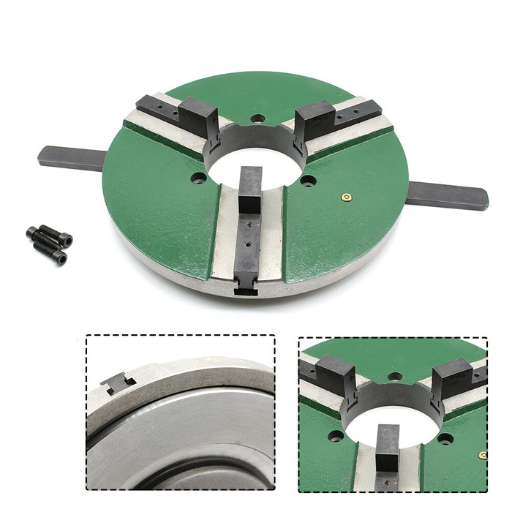
良好的焊接卡盤維護是日常操作的必備條件,也是正確性能的保證。實現這一目標的主要步驟是:
- 1
定期清潔
每次使用後必須清除卡盤上的碎片、灰塵和焊接殘留物,以確保零污染。. - 2
檢查
經常檢查磨損或損壞,例如鉗口或鎖定機構的裂縫,以盡量減少安全隱患。. - 3
潤滑
按照指示在運動部件上塗抹合適的潤滑劑,以減輕摩擦並防止腐蝕性損壞。. - 4
校準
確保所有螺栓和螺絲擰緊,並偶爾進行校準以確保準確操作。. - 5
儲存
不使用時存放在乾淨、乾燥的地方,以防止潮濕和潛在的生鏽。.
長壽的基本維護技巧
為了保持焊接卡盤處於最佳功能,必須按照安全檢查表進行定期檢查。卡盤鉗口和螺紋可能會機械損壞或磨損;應檢查、更換或修理它們。跟進主要焊接卡盤所需的潤滑劑,以避免吸入失敗和劇烈操作。每次使用後徹底清潔設備,清除焊接飛濺和污染。隨後的服務必須包括仔細的對準和校準,確保持續的精度和一流的功能。這些執行良好的步驟可以增加機器的強度並增加工作壽命。.
常見問題和故障排除
““故障排除指南”
- 不規則旋轉: 由污垢或缺乏潤滑劑引起。仔細清潔並重新潤滑。.
- 不對中: 錯誤調整或磨損零件造成的結果。檢查校準。.
- 夾緊力減小: 下巴磨損或家政不善。如有必要,請更換下巴。.
- 振動/噪音: 負載不平衡或損壞。確保正確安裝。.
- 黏/幹擾: 污染問題。拆卸和清潔組件。.
如果這些問題透過日常維護和及時的整改措施得到及早解決,那麼設備的效率和壽命就可以以其最佳形式體驗。.
何時更換你的查克
當卡盤出現嚴重影響性能或安全性的問題時,即使在持續維護或修理後,也應更換卡盤。需要更換的跡象包括由於抓握動作不佳以及對準或同心度重複損失而導致卡盤鉗口嚴重磨損。更換答案還包括任何形式的物理損壞,例如裂縫或變形。如果卡盤偶爾導致耐受性喪失或以其他方式損害生產力,那麼針對重複停機風險進行更換的經濟性將是相當明確的。定期檢查並遵循製造商關於盡快更換的建議將使這一天免受困難和風險。.
參考來源
- MISA 製造: 提高汽車產業的產品品質和焊接均勻性。.
- 調整焊接尺寸: 詳細介紹焊接定位卡盤和行業優勢。.
- 桑利斯韋爾德: 旋轉操作中的焊接卡盤及其與定位器的適應。.
- 打擊群: 焊接線軸中卡盤和動力輥的使用指南。.
- 運動指數驅動器: 定位系統如何提高生產品質。.
常見問題(常見問題)
您熟悉焊接卡盤嗎?
焊接卡盤是一種特殊裝置,用於在焊接時將工件保持在穩定位置。.
使用焊接卡盤有什麼好處?
焊接卡盤可實現焊接均勻性,有助於將未對準降至最低,並保持產品品質。.
哪些特定行業需要使用焊接卡盤?
汽車、航空航太、建築和製造業都需要焊接卡盤。.
焊接卡盤如何夾緊?
焊接卡盤牢固地固定工件;旋轉焊接操作可提供正確的焊接定位和穩定性。.
有哪些類型的焊接卡盤可供選擇?
一般選項包括根據各自應用規範客製化的手動、氣動和液壓焊接卡盤。.