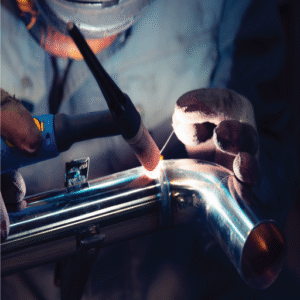
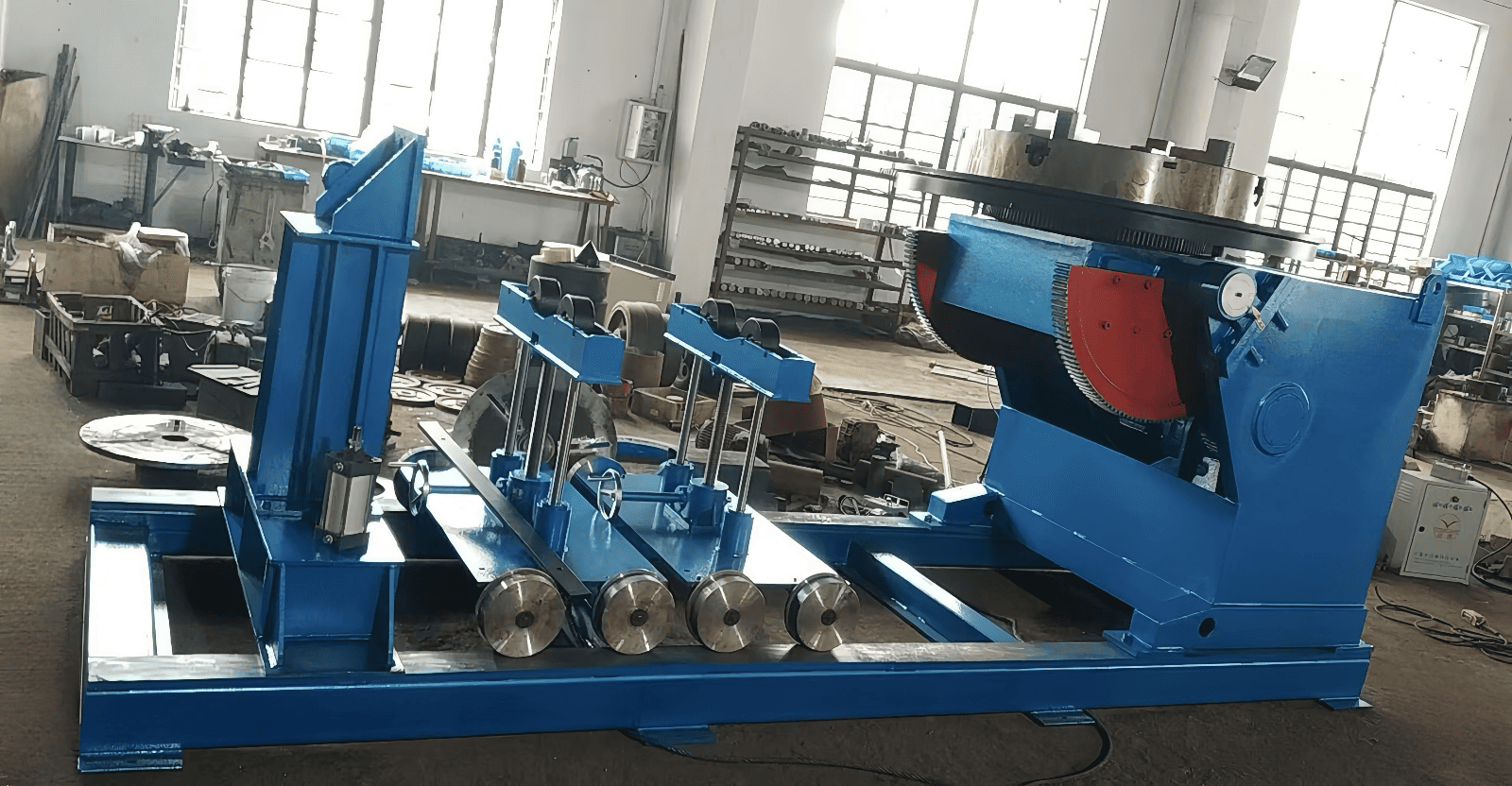
Precision and stability are greatly important in welding, providing the difference between a perfect, long-lasting weld and a flawed seam. The welding chuck securely holds the workpiece in place during the entire process and remains a fundamental element of welding. However, the selection of a chuck that suits the welding job is little less than an educated guess, and its decision-making requires careful analysis, considering the type of material, complexity in welds, and project scale.
This article intends to assist both novice and experienced welders in making the most informed decision with regard to what kind of welding chuck is the best. From a detailed exploration of the individual chuck types to the evaluation of their compatibility with selected applications, this blog post will give a comprehensive outline for ensuring that your welding setup is optimized for success.
Key Takeaway
Selecting the correct welding chuck is a balance of material compatibility, workpiece geometry, and the required level of automation to ensure weld integrity and operational safety.
Understanding Welding Chucks
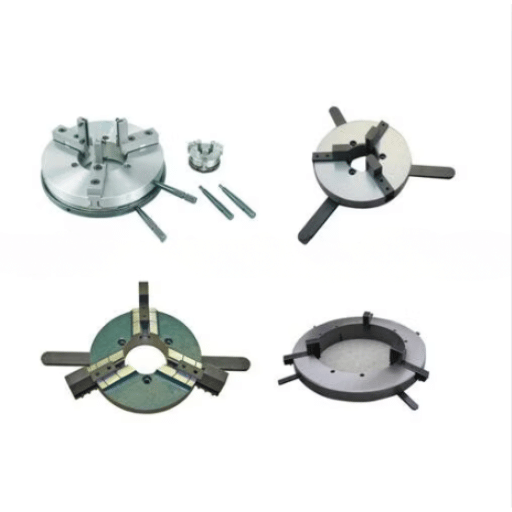
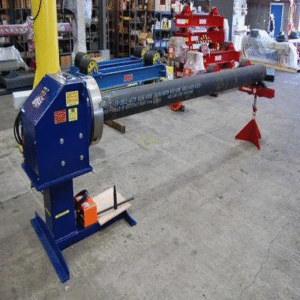
Welding chucks are very vital tools used to secure workpieces into place during the course of welding. They are available in a variety of types, such as three-jaw, four-jaw, or magnetic chucks, where each type finds favor in one or more applications. A three-jaw chuck is best for round or cylindrical workpieces because of its self-centering feature; the four-jaw chuck offers greater adaptability to irregular or unsymmetrical jobs. Magnetic chucks are simply used on magnetic materials, where no form of mechanical clamping is required. The selection of a chuck type is therefore reliant on the shape, material, and precision requirements of the workpiece, rendering stability and accuracy during welding proceedings.
What Is a Welding Chuck?
In the stabilization of a component during welding, the welding chuck is regarded as a special clamping device for such welding processes. It secures the accuracy of the part to be welded by minimizing part movement and distortion from heat and other forces during the process. Welding chucks are done in different configurations like three-jaw, four-jaw, or magnetic depending on the material, shape of the workpiece, and the demand of the job for accuracy. The use of a welding chuck in the right way will be vital in welding high-quality welds and upkeeping operational efficiency.
How a Welding Chuck Enhances Your Weld
Precise, stable, and repeatable work provided by an excellent welding clamp will guarantee increased importance to the success of the welding process. Minimizing movement and vibration provides for feet-in-position welding. Holding peripherals in the proper alignment, particularly with intricate applications, is ensured with the clamp design and the opportunity for perfect fit-up. The fixing power of a qualified welding chuck will automatically limit the chance of welding defects—for example, distortion, incomplete fusion, or misalignment—significantly advancing the structural integrity and durability of the result.
💡
Pro Tip
Always check the “Runout” specifications of your chuck before starting high-precision jobs; even minor deviations can lead to significant alignment issues in long workpieces.
Key Terminology Related to Welding Chucks
- •
Clamping Force: The pressure which a welding chuck applies to a workpiece to keep it in place. - •
Runout: The extent of deviation from a true rotational axis. - •
Jaw Types: The mechanism (independent vs. self-centering) used to pull the workpiece into the chuck. - •
Material Compatibility: The suitability of the chuck for specific metals like steel, aluminum, or titanium. - •
Adjustability: The capacity for joint or angle settings to accommodate various clamping needs.
This is the basic terminology that will enable a professional to understand how welding chucks operate and are selected for application, hence offering a flawless performance with accurate results.
Types of Welding Chucks
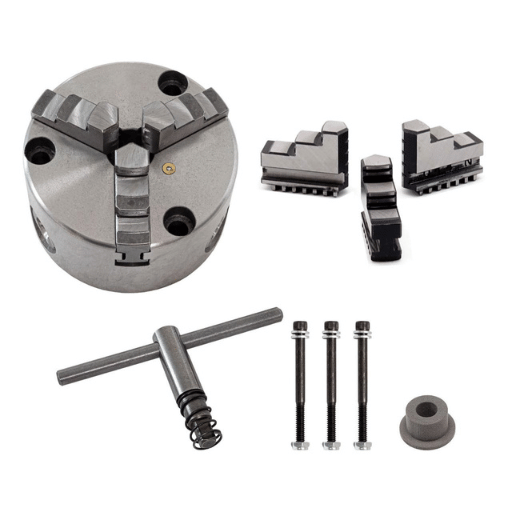
- 1
Three-Jaw Chucks
Used extensively for workpieces with rounded symmetry. They feature a self-centering mechanism for steady, even movement. - 2
Four-Jaw Chucks
Ideal for peculiar-shaped or asymmetric workpieces, allowing independent jaw adjustment for precise alignment. - 3
Magnetic Chucks
Specifically designed for ferrous materials, using magnetic force to attract workpieces without mechanical clamps. - 4
Scroll Chucks
Operated by a scroll mechanism that activates multiple jaws simultaneously for consistent accuracy on round pieces. - 5
Combination Chucks
Targets broader applications by combining self-centering features with individual jaw adjustability, though at a higher cost.
Three-Jaw vs. Four-Jaw Chucks
| Feature | Three-Jaw Chuck | Four-Jaw Chuck |
|---|---|---|
| Main Strength | Speed & Self-Centering | Adaptability & Control |
| Workpiece Shape | Round or Hexagonal | Irregular or Asymmetric |
| Alignment | Automatic | Manual/Independent |
The option of three or four-jaw chucks dictates the specific needs of the application. Three-jaw chucks are super-efficient self-centering, made to grip round or hex-shaped workpieces instantly and with consistent precision, making them ideal for almost all cutting tasks. One drawback is that a shape that was more than just a simple asymmetry would be difficult to handle. Set-ups with variation from absolute forms are guaranteed to suit a four-jaw model as jaws are adjusted independently; hence, these models are preferred where precise centering of irregular parts is necessary.
Self-Centering vs. Universal Chucks
The three-jaw self-centering chucks can center themselves with the new workpiece as they are being clamped. This makes these chucks ideal for a situation in which fast and precise handling of workpieces with cylindrical or very symmetrical configurations is paramount. On the other hand, Universal Chucks, while operationally similar, may have some peculiar adjustable mechanisms for a considerable range of workpieces’ contortions. When selection is concerned, the self-centering chucks are ideal for routine, high-volume work; the universal chucks are suitable for situations requiring greater adaptability and customized workholding solutions.
Specialized Chucks for Pipe Welding
To guarantee seamless welding and adequate alignment between two pipes, these clamps are engineered with precision and stability in mind. Some models possess adaptable jaws to regulate the diameter of the clamp or have systemized clamping devices to create straight and identical weld beads. Other features specific to these clamps may include a quick-clamp device or pipe clamps, which enable rapid and dependable grip, thus reducing setup time. Chunky and relatively stiff designs are used that possess high repeatability, ideal for maintaining high weld quality in manually activated as well as automated welding applications.
Advantages of Using a Welding Chuck
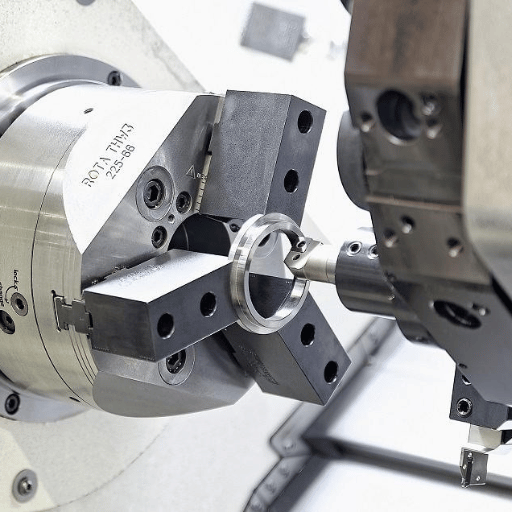
- ✓
Enhanced Precision: Ensures accurate alignment for low error rates and high weld quality. - ✓
Secure Grip: Firmly holds workpieces to reduce drawbacks and increase application stability. - ✓
Time Efficiency: Reliable clamping systems reduce setup time and assure a steady hold. - ✓
Versatility: Universal designs address a wide array of workpiece shapes and sizes. - ✓
Improved Safety: Locking devices securely place stock, lessening accidental risks during operation. - ✓
Durability: Heavy materials allow chucks to withstand high temperatures for prolonged endurance.
Benefits of Using a Properly Designed Chuck
A good chuck enhances efficiency, precision, and safety during welding operations. It securely clamps the workpiece, hence minimizing material movement, which translates into even weld quality and a lower incidence of errors or defects. In addition, a chuck lessens setup and adjustments, saving time and increasing productivity. With its rugged construction, this chuck is engineered for durability, providing a cost-efficient approach for long-term use in rugged industrial environments. To sum up, there seems no better way to optimize performance in welding operations other than using the right chuck.
How Chuck Design Affects Precision Welding
Chuck shaping directly affects accuracy and consistency during precision welding. With appropriate concentricity, clamping force distribution, and material compatibility, a chuck holds the workpiece securely within alignment during welding. High-quality chucks are designed for minimum runout, enabling minimal distortion during rotation or motion. Moreover, adjustable or customized chucks provide flexibility in handling workpieces with varied geometries, letting the weld quality get even better. Choosing the appropriate chuck under the welding requirements becomes a vital aspect for high-performance applications.
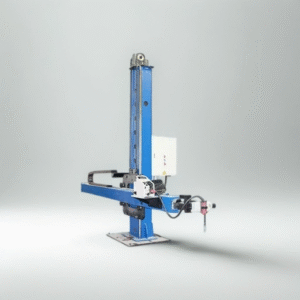
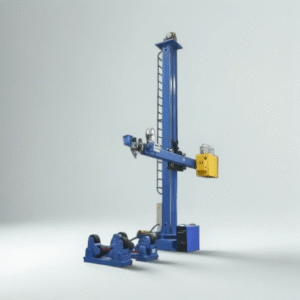
The Role of Automation in Welding Chucks
Welding chucks help to improve the efficiency, accuracy, and repeatability of the welding process. In conjunction with robotic systems as well as CNC technology, automated chucks provide consistent clamping forces, shorter cycle times, and the flexibility of accommodating numerous different workpiece shapes and sizes. Automated welding contributes to high production rates and the economy of the process by minimizing human error; real-time monitoring for quality control is crucial, specifically in advanced processing environments. Thus, automation in welding chucks would prove to be a critical aspect in maintaining modern industrial standards and ensuring successful working performance.
Choosing the Right Welding Chuck
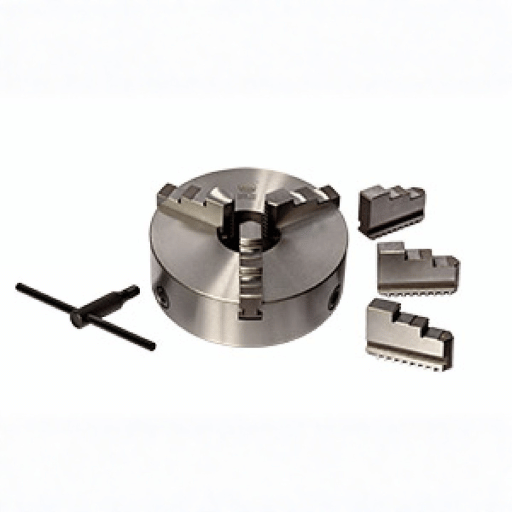
Choosing the best welding chuck is about identifying your particular welding needs which will include the size of the workpiece, workpiece material, and welding process. Key considerations include:
- •
Compatibility: Ensure the chuck accommodates the size and geometry of your workpiece to minimize slippage. - •
Material Durability: Assess chucks made of heat- and wear-resistant materials for high-heat settings. - •
Adjustability: Pick a chuck with adjustable clamps to cater to different sizes and offer superior precision. - •
Automation Features: For high-capacity production, consider chucks that support automated systems.
By glimpsing through these reflections, we find that the best design should offer the utmost in performance, safety, longevity, and overall quality.
Factors to Consider When Selecting a Chuck
When selecting a chuck, it is critical to weigh material compatibility, precision requirements, and scalability. Material compatibility designates the capability of the chuck to securely hold onto the particular materials of the weld—a sign of security to the user against slipping. Precision requirements concern the arrangement and realignment kept by the chuck to ensure that tight tolerances are met. Scalability considers the potential of a chuck to expand—such as accommodating larger workpieces in the future or integrating with highly automated systems. Adhering to these considerations will guarantee that the chuck matches operational requirements and boosts long-term productivity.
Understanding Chuck Jaws and Their Functions
The chuck jaw consists of an integral mechanism designed to secure work during machining. It is primarily responsible for ensuring that clamping force is consistently exerted, alignment is maintained accurately, and slippage or excessive jaw movement are checked during high rotational stresses. Chuck jaws can be molded or contoured according to specific requirements, such as low profile or high precision. This kind of arrangement reduces unwanted movement and enhances efficiency. Selection of jaws has a direct bearing on the operational efficiency and final quality of the industrial product.
Choosing Between Gripper and Spin Lock Mechanisms
Deciding between gripper and spin lock mechanisms is based upon unique operational needs. Gripping devices outclass spin locks for strong fixed grips on irregular or heavier workpieces requiring movement in numerous positions. On the other hand, spin locks excel in applications needing quick, repetitive locking and high-precision positioning, often found in high-tolerance manufacturing. Factors like the material of the workpiece, speed, and precision must be considered for a solid and reliable machining operation.
Maintaining Your Welding Chuck
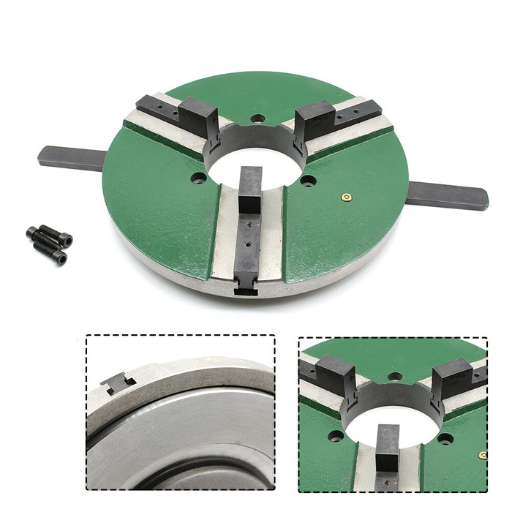
Good maintenance of your welding chuck is a must-have for everyday operation as well as an assurance of proper performance. The main steps to achieve this are:
- 1
Regular Cleaning
Debris, dust, and welding residue must be removed from the chuck after every use to ensure zero contamination. - 2
Inspection
Frequently check for wear or damage, such as cracks on the jaws or locking mechanisms, to minimize safety hazards. - 3
Lubrication
Apply suitable lubricant to moving parts as directed to ease friction and prevent corrosive damage. - 4
Calibration
Ensure all bolts and screws are tightened and perform occasional calibration for accurate operation. - 5
Storage
Store in a clean, dry place when not in use to prevent moisture and potential rusting.
Essential Maintenance Tips for Longevity
To keep the welding chuck in optimum functioning, it is essential to conduct regular checks following safety checklists. Chuck jaws and threads could become mechanically damaged or worn; they should be checked and replaced or repaired. Follow up with the lubricants major welding chucks require to avoid failed suction and intense operation. Clean the unit completely after each use, clearing it from weld spatters and contamination. The ensuing service must include careful alignment and calibration, ensuring sustained precision and top-notch functioning. Such steps performed well induce added strength of the machine with an increase in work life.
Common Issues and Troubleshooting
⚠️ Troubleshooting Guide
- Irregular Rotation: Caused by dirt or lack of lube. Clean meticulously and relubricate.
- Misalignment: Results from wrong adjustments or worn parts. Check calibrations.
- Reduced Clamping Force: Worn jaws or poor housekeeping. Replace jaws if necessary.
- Vibration/Noise: Unbalanced loads or damage. Ensure proper mounting.
- Sticking/Jamming: Contamination issues. Disassemble and clean components.
If these issues are dealt with early through routine maintenance with timely rectification measures, then efficiency and longevity of the equipment can be experienced in their optimal forms.
When to Replace Your Chuck
A chuck should be replaced when it presents problems of a magnitude that affect performance or safety even after continuous maintenance or repair. Signs it requires a replacement include wide wear of chuck jaws as a result of poor gripping action and repetitive losses of alignment or concentricity. Answers for replacement as well include any form of physical damage, such as a crack or distortion. Should the chuck be causing loss of tolerance or otherwise damaging productivity more than once in a while, then the economics of replacement against repeated risks of downtime would be quite definite. Regular examination and following the manufacturer’s recommendation with regard to soon replacement shall save the day from hardship and risk.
Reference Sources
- MISA Manufacturing: Improving product quality and weld uniformity in the automotive industry.
- Resize Weld: Detailed account of welding positioner chucks and industry advantages.
- Senlisweld: Welding chucks in rotary operations and their adaptation with positioners.
- Strike Group: Guidance for use of chucks and power rollers in welding spools.
- Motion Index Drives: How positioning systems result in improved production quality.
Frequently Asked Questions (FAQs)
Are you familiar with welding chucks?
Welding chucks are special devices used to maintain a workpiece in a steady position while welding it.
What advantages do I derive from using welding chucks?
Welding chucks bring uniformity to welding, help in keeping misalignment to a minimum, and maintain product quality.
Which particular industries require the welding chucks to be used?
Welding chucks are required in automotive, aerospace, construction, and manufacturing industries.
How does a welding chuck grip?
A welding chuck holds the workpiece firmly; rotary welding operations give proper positioning and stability for welding.
What are the kinds of welding chucks available?
General options include manual, pneumatic, and hydraulic welding chucks customized to respective application norms.