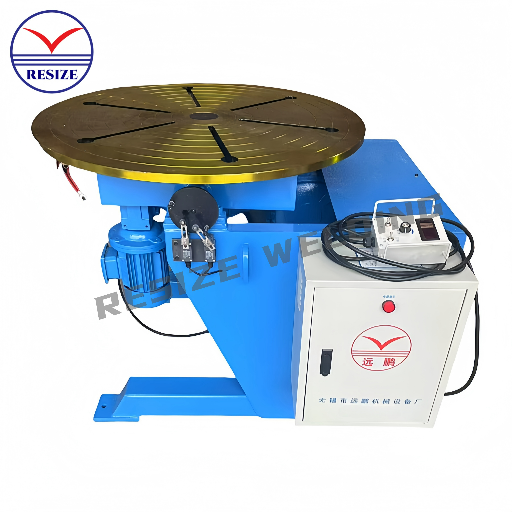
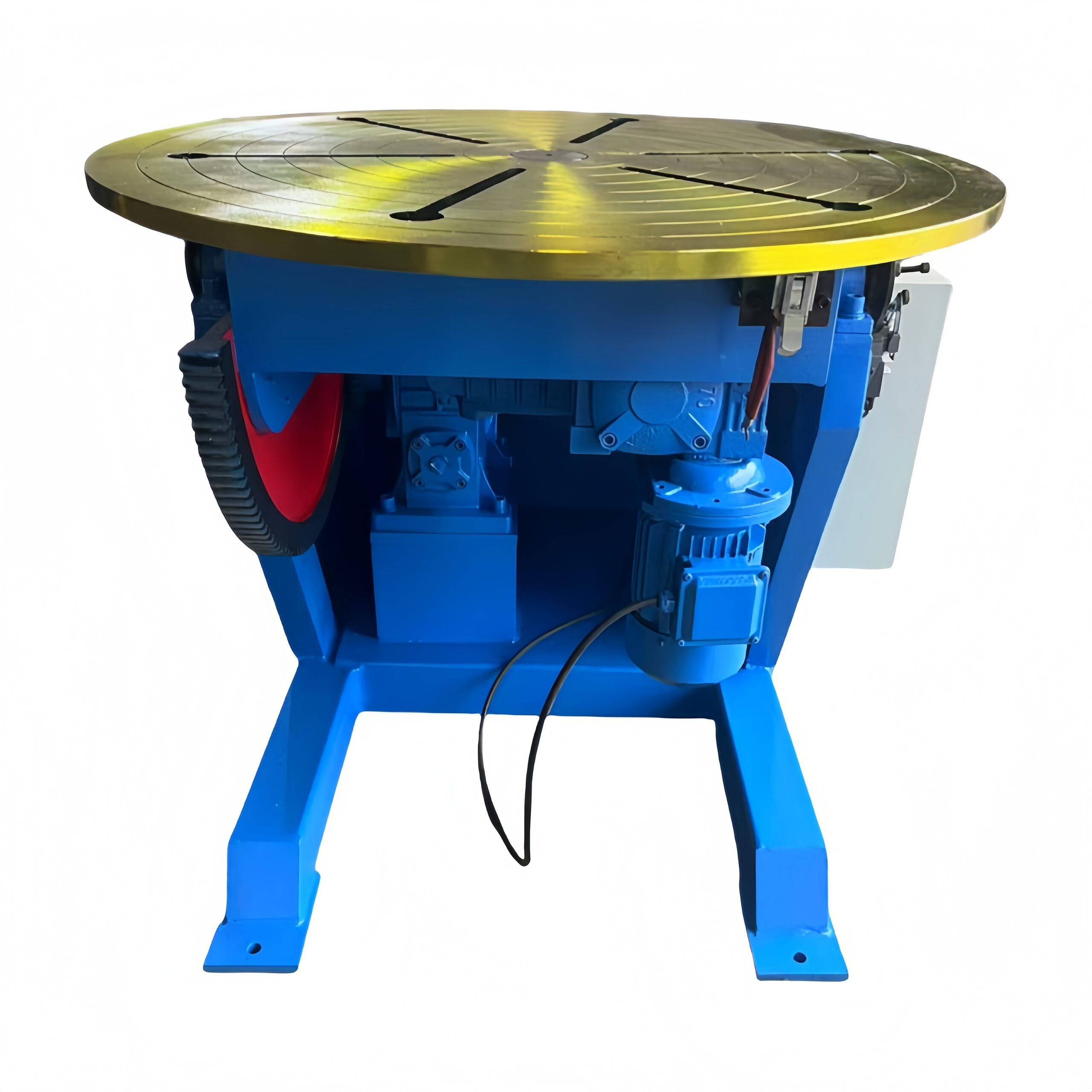
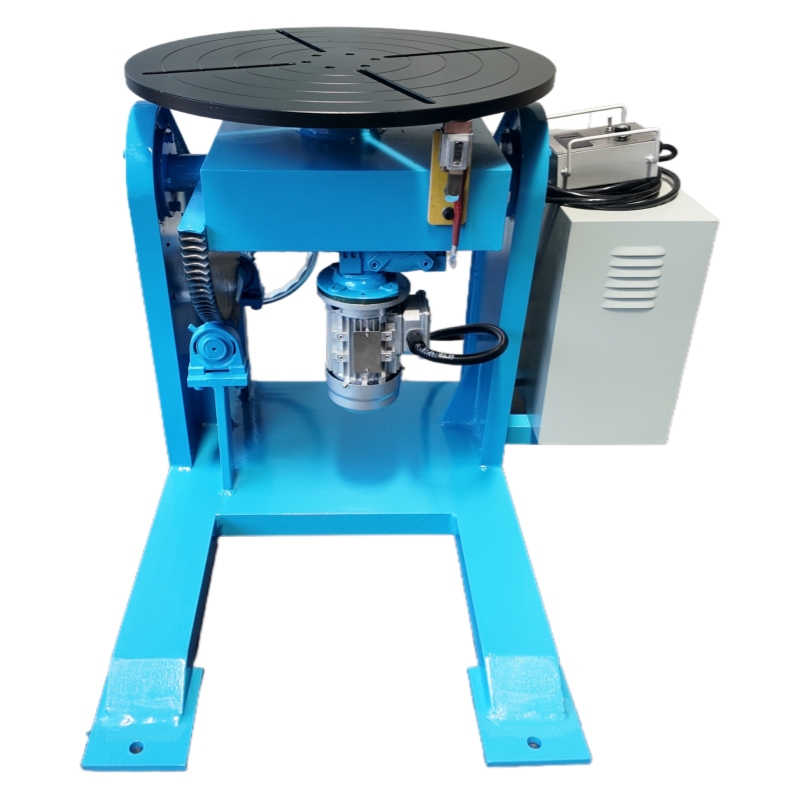
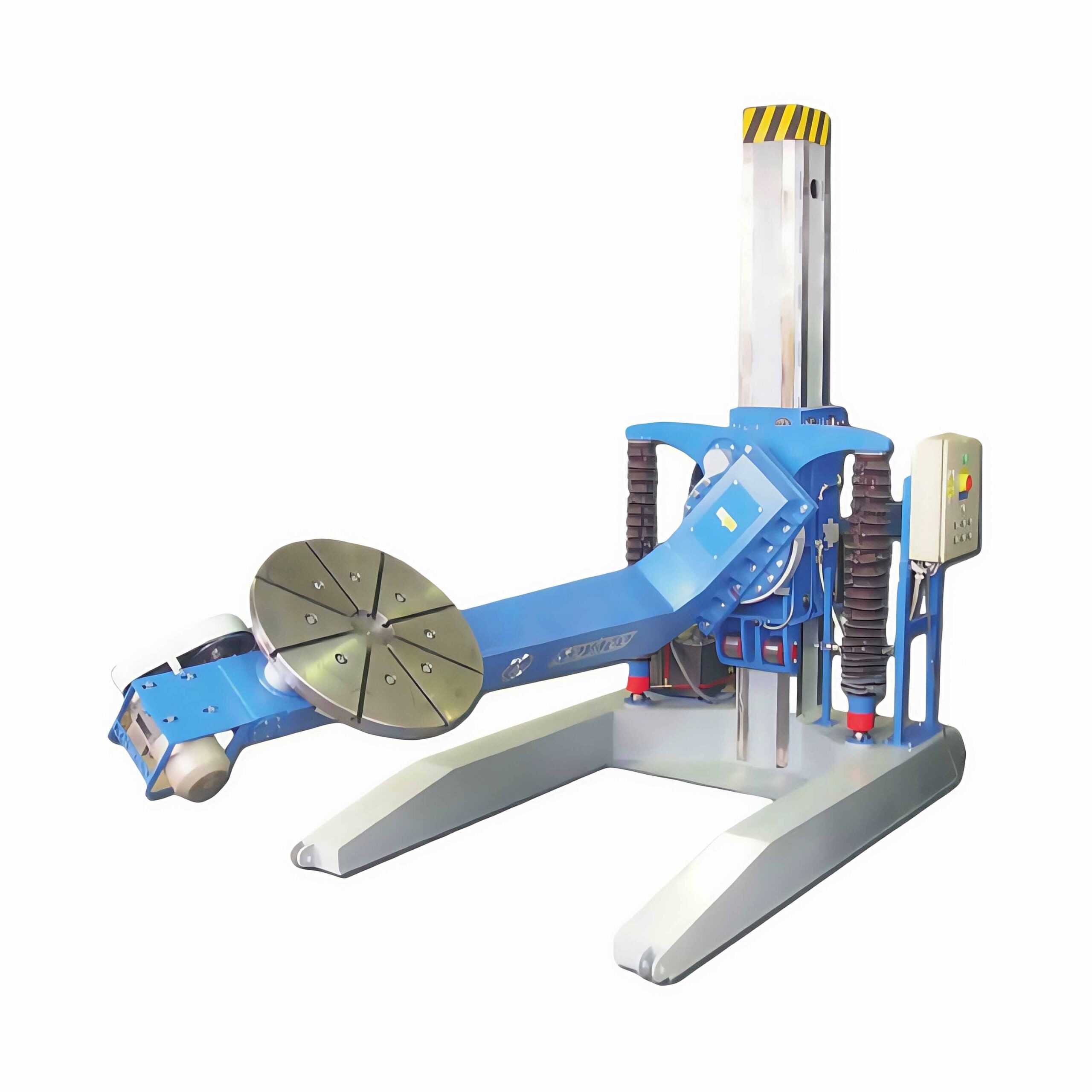
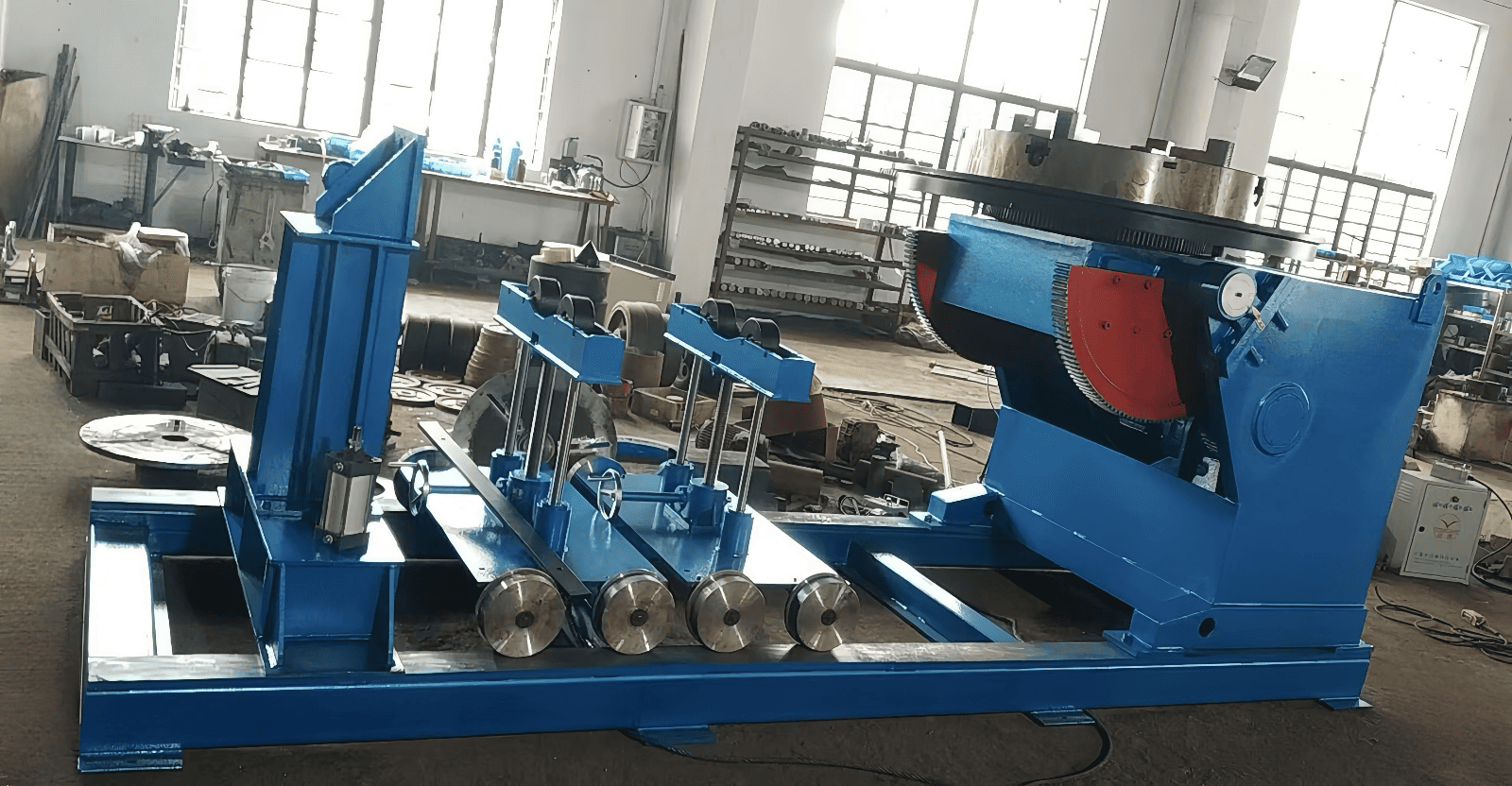
Our industrial-grade welding positioners eliminate backbreaking manual positioning, boost weld accuracy by 40%, and reduce project time by half. Join 10,000+ welders who've transformed their workflow.
Home » Welding Positioner
More 15,000 Companies & Partners trusted & RESIZE


Endless lifting, rotating, and readjusting hefty assemblies wear you out and raise the chance of injury.
Hand-guided placement opens the door to glitches, costing you extras hours, parts, and unhappy customers.
Frequent set-up changes and re-positioning steal welding time, trimming both productivity and profit margins.
Twisted stances while maneuvering heavy pieces heighten accident chances and compound liability worries.
Designed for efficient productivity and quality, safety, and workflow management, our welding positioners are essential for the sustained productivity required in contemporary industrial operations.
Hands-free operation enables operators to adjust positioners via voice commands, enhancing productivity and maintaining workflow focus.
Advanced engineering ensures precise alignment, consistent quality, and reduced defects, eliminating rework and enhancing welding accuracy.
Minimize strain with ergonomic positioners that enhance posture, accessibility, and safety for a comfortable welding experience.
Flexible options enable tailored positioners for specific applications, enhancing efficiency and compatibility across various industrial needs.
A full 360-degree rotation paired with a 135-degree tilt lets operators reach any weld joint with ease. Variable-speed control, adjustable from 0.1 to 10 RPM, optimizes travel time for parts of any size.
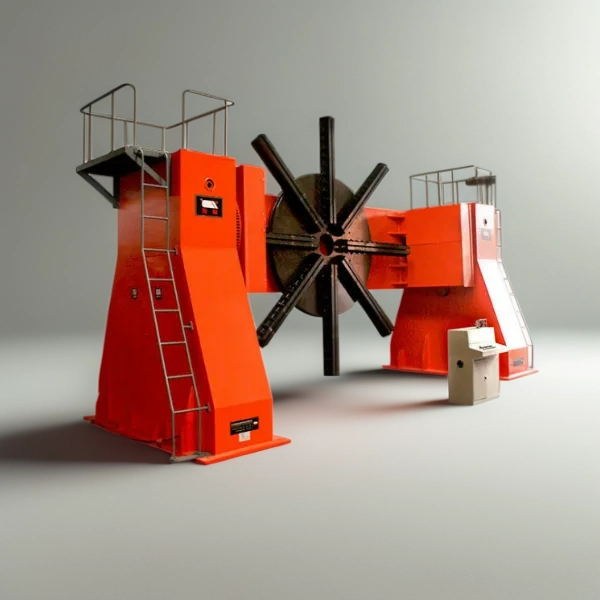
Positioners support loads from 50 kilograms to well over 500 tonnes. Compact benchtop units manage small components; large cradle systems guide massive assemblies.
Plug the system into a robotic cell or run it alone using onboard programming. The IoT links health data from relays, enabling predictive maintenance and reducing downtime.
Removing hands from the weld zone cuts injury rates by up to 90 percent. Comprehensive safeguards include load sensing, light curtains, and clearly labeled emergency stops.
Answer a few questions and we'll recommend the perfect welding positioner for your application
Select the main type of work you'll be doing
Include fixture weight in your estimate
Different processes require different rotation speeds
This affects control systems and precision requirements
Select all that apply (click to toggle)
Flexible options to fit any budget - with ROI typically achieved in 6-18 months
Load Capacity: 200kg to 50 tons
Tilting Range: ±135°
Rotation Speed: Adjustable, up to 70°/s
Positioning Accuracy: ±0.10mm to ±0.20mm
Control System: PLC or remote control
Power Supply: 380-480V, 50/60Hz
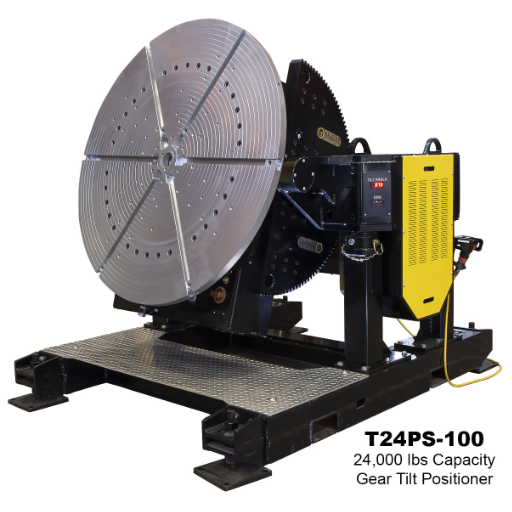
Load Capacity: Up to 20,000kg
Tilting Range: 0° to 120°
Rotation Speed: 0.05–1.0 RPM
Elevation Range: Hydraulic, up to 117 inches
Table Diameter: 1,000–1,300mm
Control System: Remote and foot pedal
Load Capacity: 100kg to 20,000kg
Tilting Range: ±180°
Rotation Range: 360° continuous
Control System: PLC with remote control
Voltage Options: 400V to 600V
Customization: Adjustable height and arm length
Tube Capacity: 7/8" to 3" diameter
Rotation Speed: 0.2–2.4 RPM
Load Capacity: Up to 5,400 lbs
Height Adjustment: 44"–69" range
Power Supply: 208–240V, 3-phase
Clamping Type: Adjustable, non-magnetic
Load Capacity: Up to 500 lbs.
Table Diameter: 12–20 inches.
Tilt Angle: 0–120 degrees.
Rotation Speed: 0–15 RPM.
Power Input: 110–220 VAC.
Welding Current: Up to 500 amps.
Load Capacity: 100kg to 20,000kg
Table Diameter: 12–60 inches.
Tilt Range: 0–135 degrees.
Rotation Speed: 0.05–15 RPM.
Power Input: 110–480 VAC.
Welding Current: Up to 1,500 amps.
Load Capacity: Up to 500 tons.
Table Diameter: 1.31–13.12 inches.
Tilt Angle: 0–135 degrees.
Rotation Speed: 0.05–1.75 RPM.
Power Input: 220–480 VAC.
Motor Power: Up to 18.5 kW.
Load Capacity: Up to 100,000 kg.
Table Diameter: 400–4,000 mm.
Rotation Speed: 0.02–4 RPM.
Tilt Angle: /.
Power Input: 110–400 VAC.
Motor Power: 0.18 to 20 kW.
Load Capacity: Up to 20 tons.
Rotation Speed: 0.05–3.5 RPM.
Workpiece Diameter: Up to 3,400 mm.
Height Adjustment: 700–1,800 mm.
Power Input: 400V, 50/60 Hz.
Rotation Angle: Customizable.
Calculate the required positioner capacity based on your workpiece specifications
Tip: Always add 25-50% safety margin to your calculated capacity. Center of gravity changes as you add weld material.
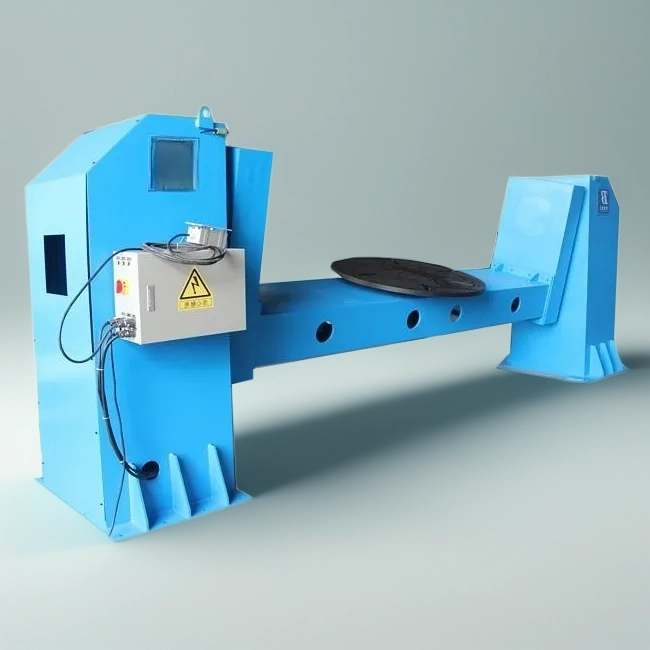
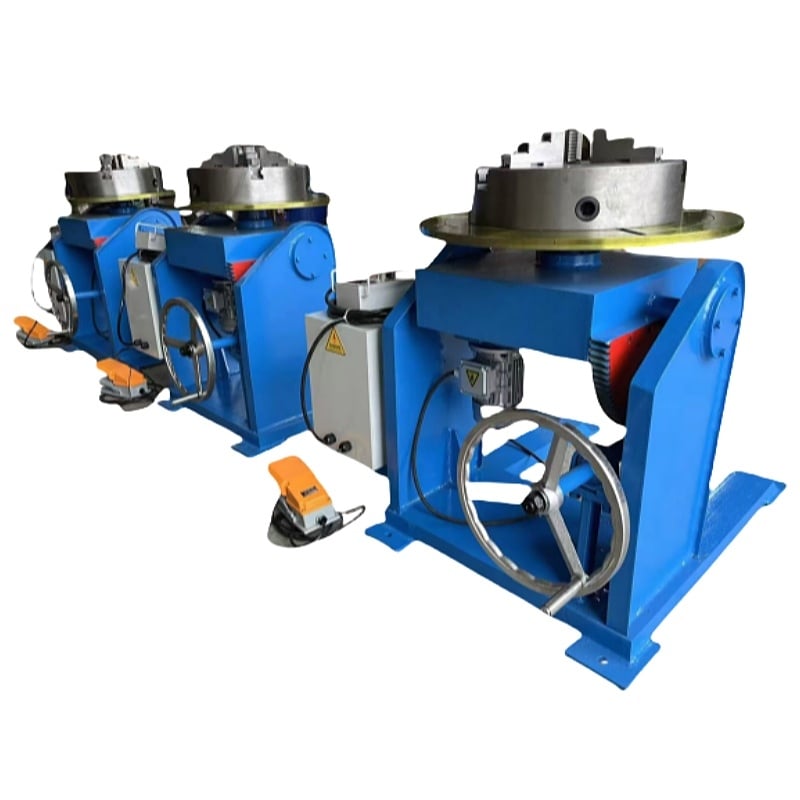
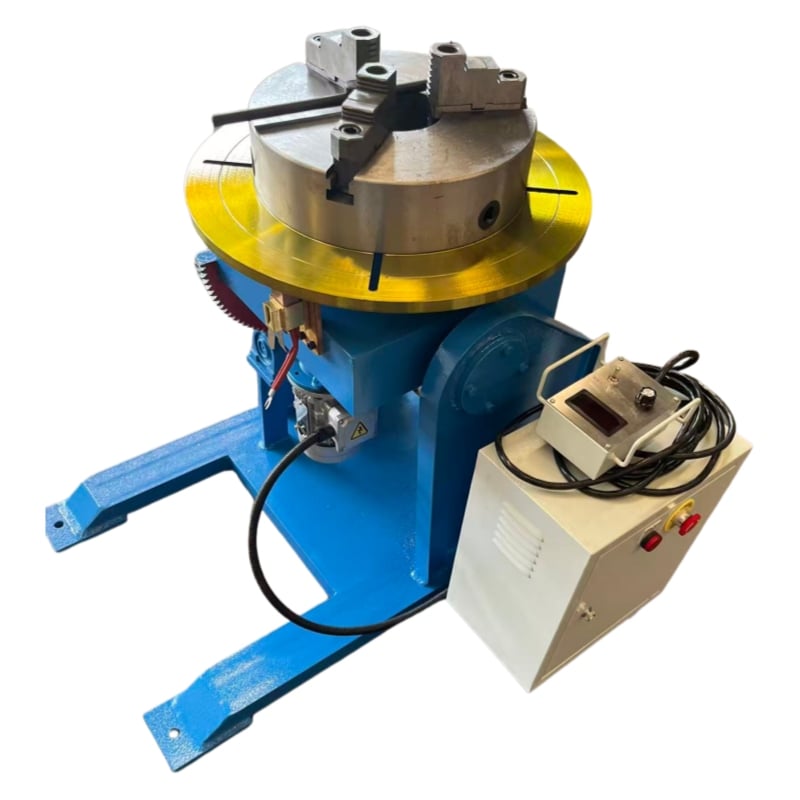
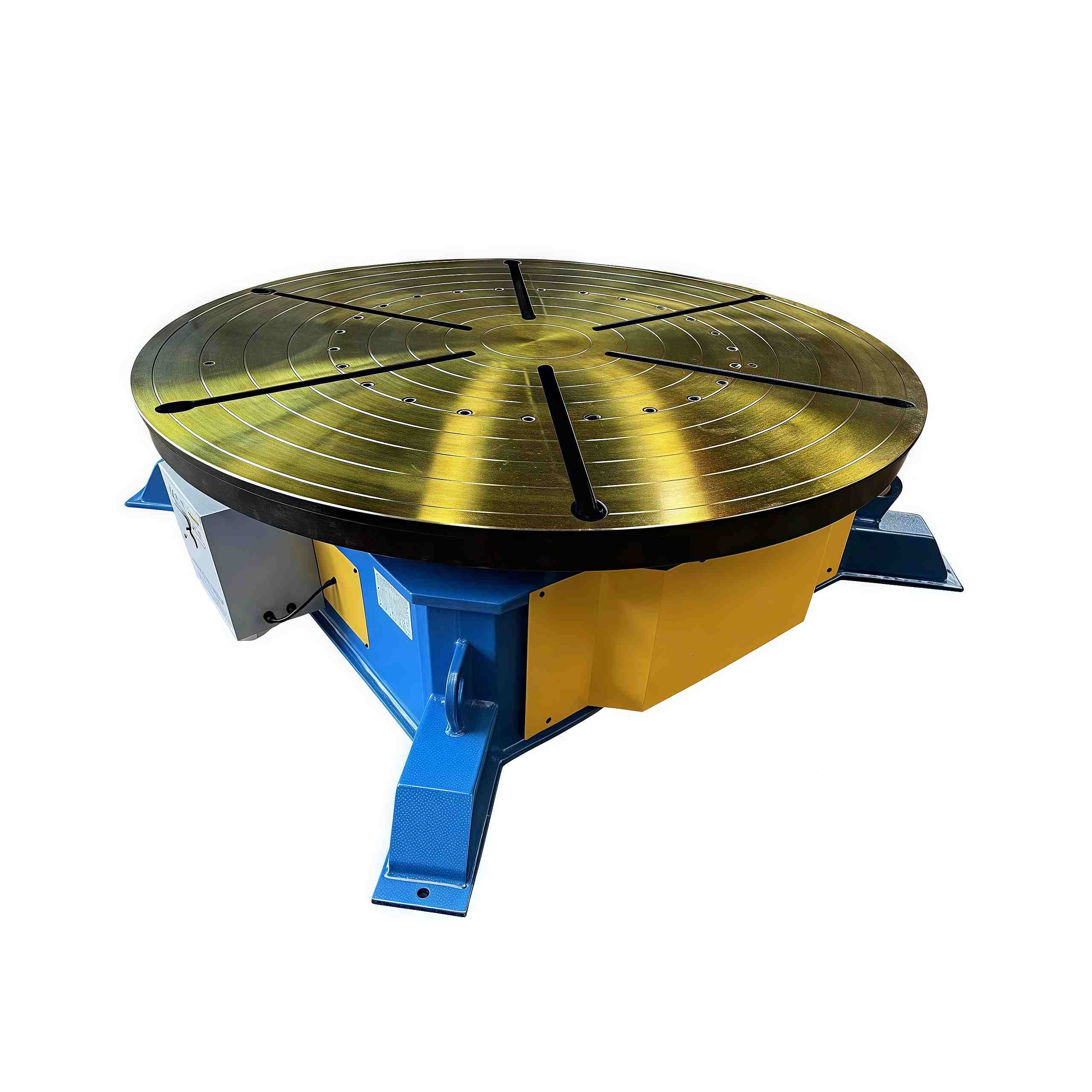
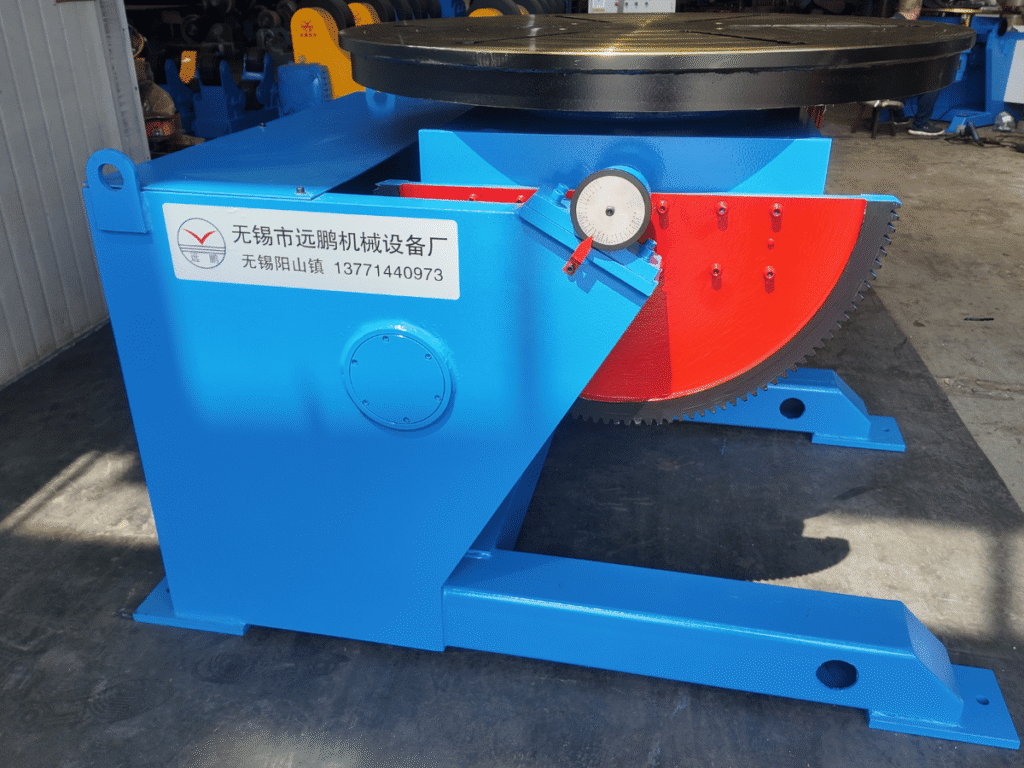
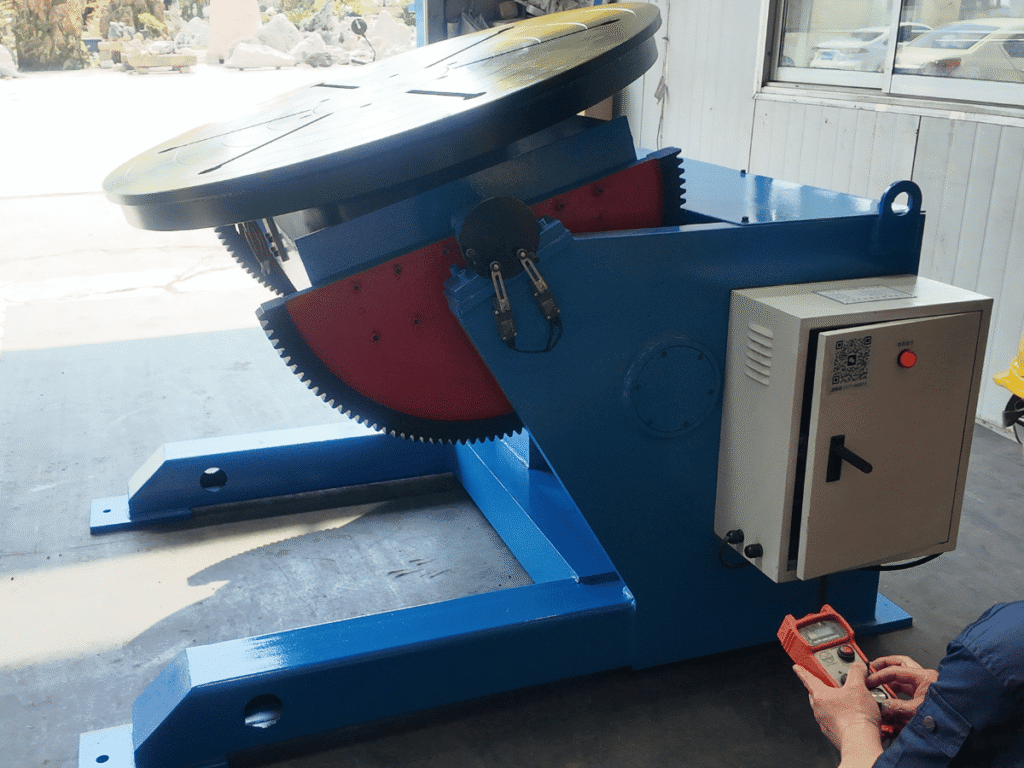
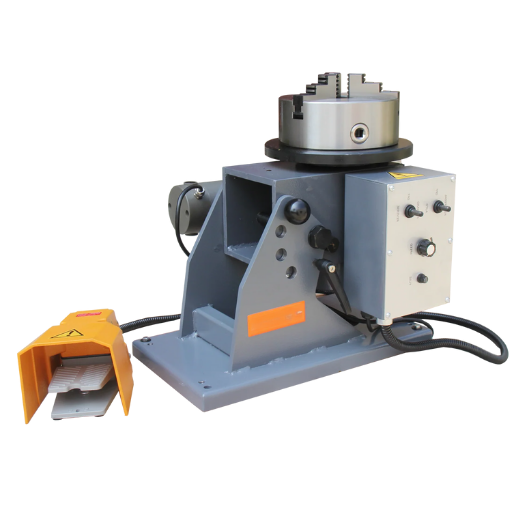
A welding positioner is a handy machine that spins and tilts a workpiece so the welder can reach every joint without twisting their body. By bringing the metal to the comfort zone of the operator, the positioner cuts down on bad angles and sloppy welds. Most models come with a rotating table, adjustable clamps, and a chuck that securely grips tubes, plates, or irregular shapes. Because the setup never shakes or slides, users get straighter, cleaner beads every time. For busy shops chasing quality and speed, the welding positioner quickly moves from a nice extra to a must-have
A rotary positioner enhances productivity in welding by allowing precise rotation and angle adjustments, thereby reducing the need for manual repositioning. It improves workflow, increases efficiency, and facilitates the delivery of high-quality welds, ultimately reducing costs and enhancing profitability.
Lorem ipsum dolor sit amet, consectetur adipiscing elit. Ut elit tellus, luctus nec ullamcorper mattis, pulvinar dapibus leo.
Quality Management
European Compliance
Safety Compliance
Safety Management
Calculate optimal positioner rotation speed for consistent, high-quality welds
| Model | Loading capacity (kg) | Rotating speed (rpm) | Tilting speed (rpm) | Tilting Angle (°) | Worktable diameter (mm) | Rotation motor Power (kw) | Tilting motor(kw) |
|---|---|---|---|---|---|---|---|
| HBJ-01 | 100 | 0.4-4 | manual | 0-90 | 400 | 0.18 | / |
| HBJ-03 | 300 | 0.1-1 | manual | 0-90 | 600 | 0.18 | / |
| HBJ-03 | 300 | 0.1-1 | 1 | 0-90 | 600 | 0.18 | 0.18 |
| HBJ-06 | 600 | 0.09-0.9 | 0.42 | 0-90 | 1000 | 0.75 | 0.75 |
| HBJ-12 | 1200 | 0.05-0.5 | 0.4 | 0-120 | 1200 | 1.1 | 1.1 |
| HBJ-30 | 3000 | 0.05-0.5 | 0.23 | 0-135 | 1400 | 1.1 | 2.2 |
| HBJ-50 | 5000 | 0.05-0.5 | 0.2 | 0-135 | 1500 | 1.5 | 3 |
| HBJ-100 | 10000 | 0.05-0.5 | 0.2 | 0-135 | 2000 | 3 | 4 |
| HBJ-150 | 15000 | 0.04-0.4 | 0.15 | 0-135 | 2200 | 4 | 7.5 |
| HBJ-200 | 20000 | 0.04-0.4 | 0.15 | 0-135 | 2500 | 5.5 | 11 |
| HBJ-300 | 30000 | 0.03-0.3 | 0.15 | 0-135 | 3000 | 5.5 | 15 |
| HBJ-500 | 50000 | 0.03-0.3 | 0.06 | 0-135 | 4000 | 11 | 18.5 |
| Speed type | Ac frequency coversion stepless speed regulation (Infinitely variable turning speed) | ||||||
| Other model | Customized according to order |
Calculate the return on investment for adding a welding positioner to your shop
Ready to boost your welding productivity?
Here’s what our customers say about our Welding Positioner
Find the perfect positioner for your application by comparing specifications
Try adjusting your filters or contact us for custom solutions
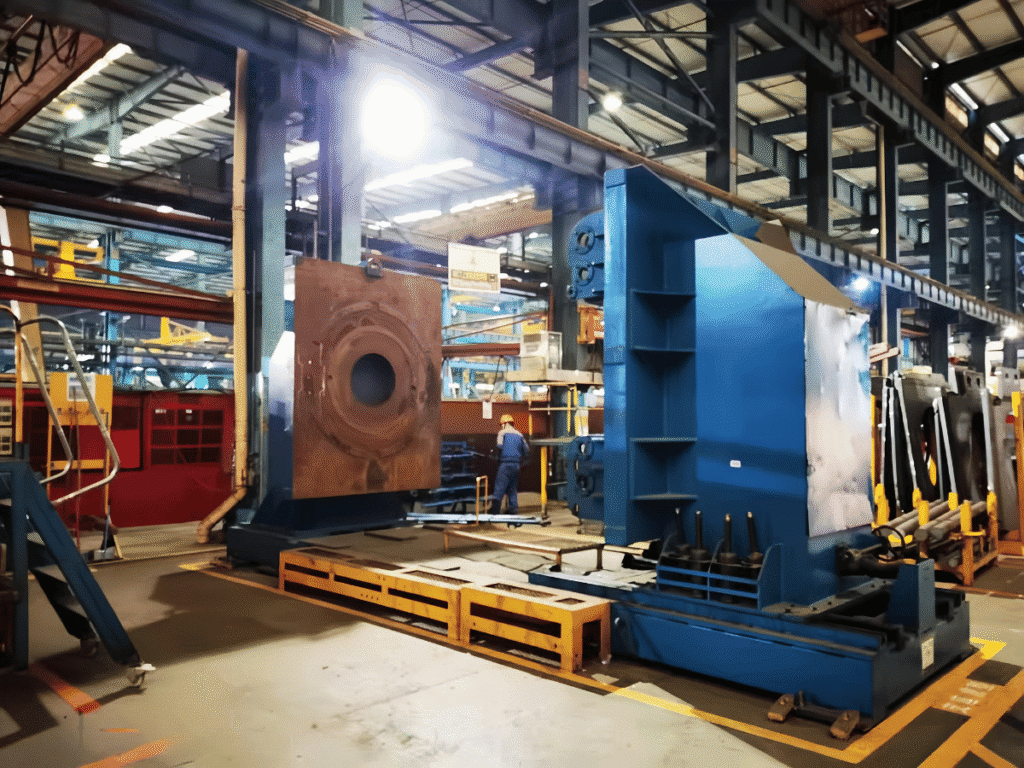
We design and manufacture positioners for special applications up to 100+ tons
2-axis positioners rotate and tilt (130° typical), perfect for most welding tasks. 3-axis systems add height adjustment, offering superior accessibility for complex geometries. Choose based on your workpiece complexity and size range.
Absolutely! Our positioners are designed for easy integration with MIG, TIG, stick welders, and robotic systems. We provide PLC-compatible controls and can customize interfaces for your specific equipment.
Explore expert tips and insights on weld positioners to boost efficiency, precision, and safety in your welding projects..
Welding lies at the heart of metal fabrication. However, selecting the proper welding process for a specific application can often be a challenge. And yet, two of the more...
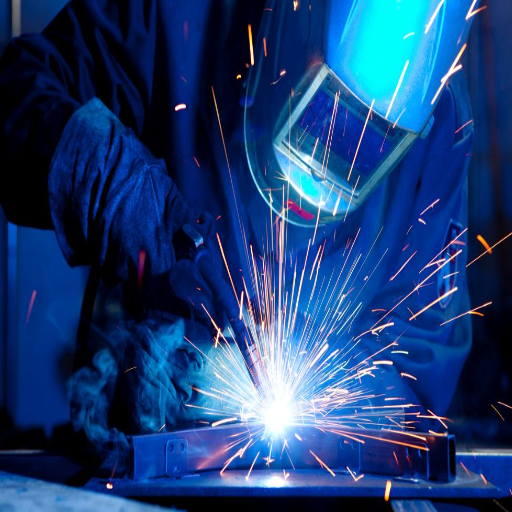
Welding is a vital skill taught in various industries, including construction, manufacturing, aerospace, and automotive. The complexity of welding doesn’t reside solely in how it is done but also...
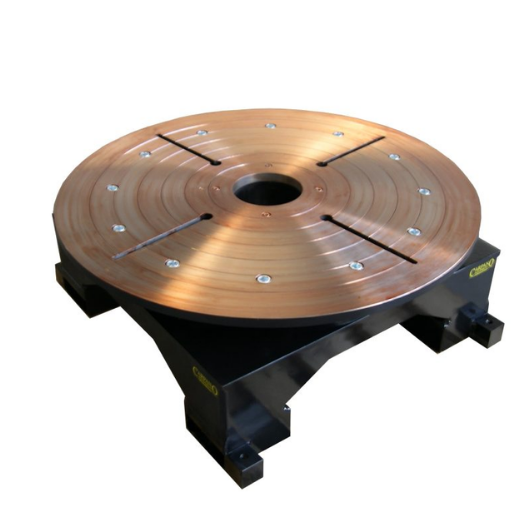
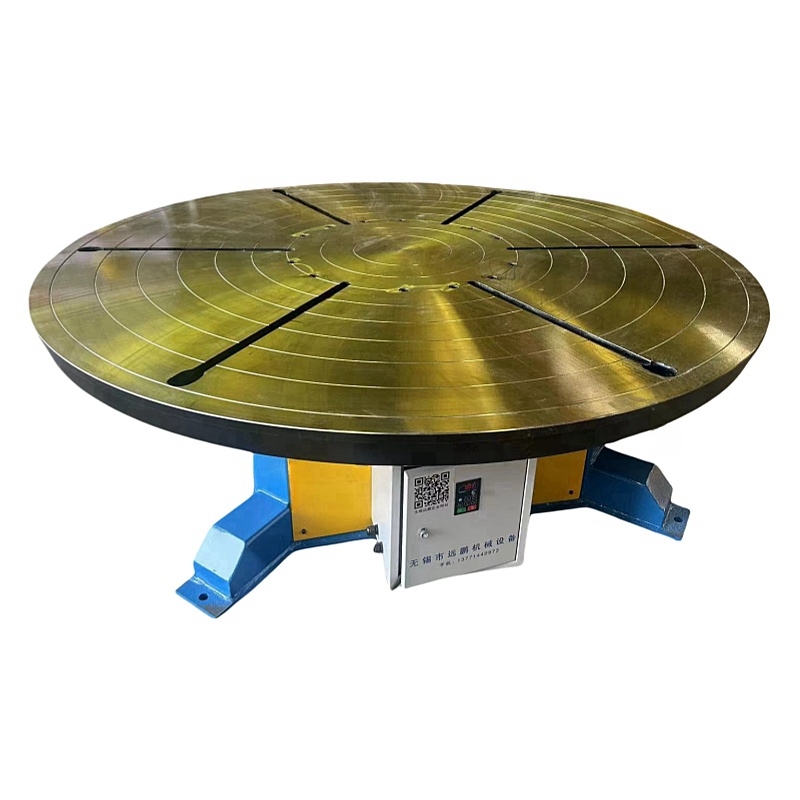
Efficiency, accuracy, and flexibility are three key factors in industrial manufacturing and precision operations. The horizontal turntable is the weapon that lets one achieve all three. Whether performing welding,...
Industrial welding must be precise, efficient, and safe. Heavy-duty welding positioners enter the picture by providing for greater control, accuracy, and more productivity with regard to the process. Be...
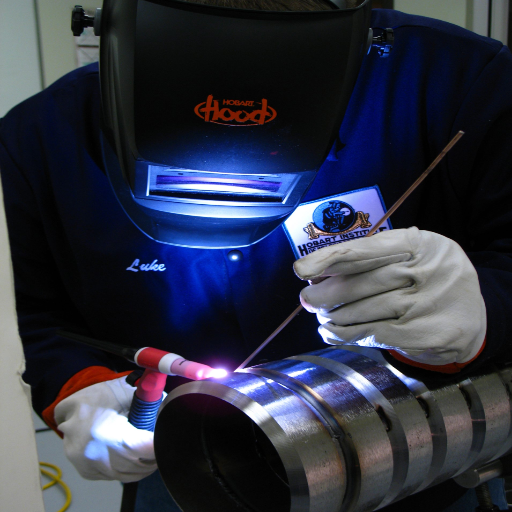
Gas Metal Arc Welding, mainly referred to as MIG welding, is one of the most versatile and widely used welding methods in industrial and home projects. It is generally...
Welding is a fundamental skill in industries ranging from construction to automotive repair; however, welding techniques are only half the battle—if you don’t know the welding positions, work quality...
Welding is a precise trade that demands accuracy, speed, and safety to produce quality outcomes. One welding machine positioner became a critical tool that has revolutionized the welding method....
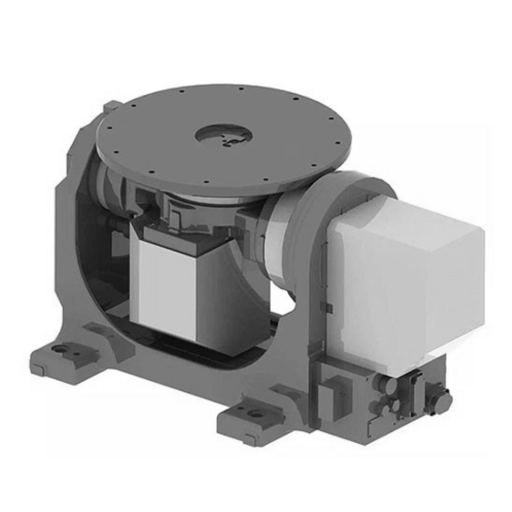
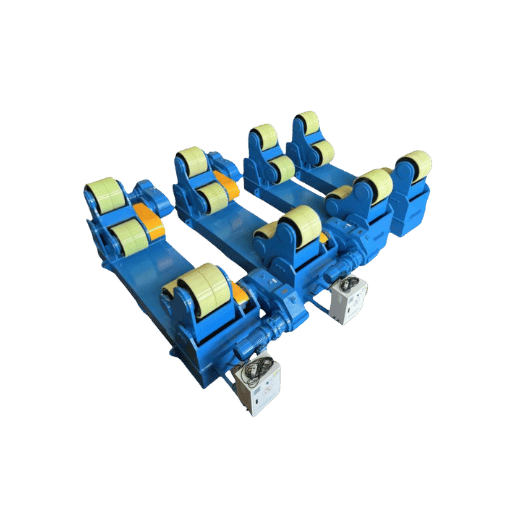
Types, features, applications, and adjustment mechanisms are the criteria used to compare welding rotators. Welding is a precision-oriented, efficient, and adaptable art and science, more so when applied to...

Enhance safety, refine accuracy, and optimize operational workflows with our state-of-the-art Welding Positioners. We have models perfectly tailored for both small tasks and large industrial projects.
A welding positioner is a sturdy tool that grips and moves parts, allowing welders to avoid wrestling awkward pieces into place. By turning, tilting, or spinning a workpiece, the machine keeps it at the optimal angle for the job, allowing the operator to stand in a comfortable stance. This small change reduces fatigue, cuts travel time, and typically leads to cleaner, stronger welds. Positioners matter most when the parts are large or heavy, because those jobs require steady handling and a consistent bead.
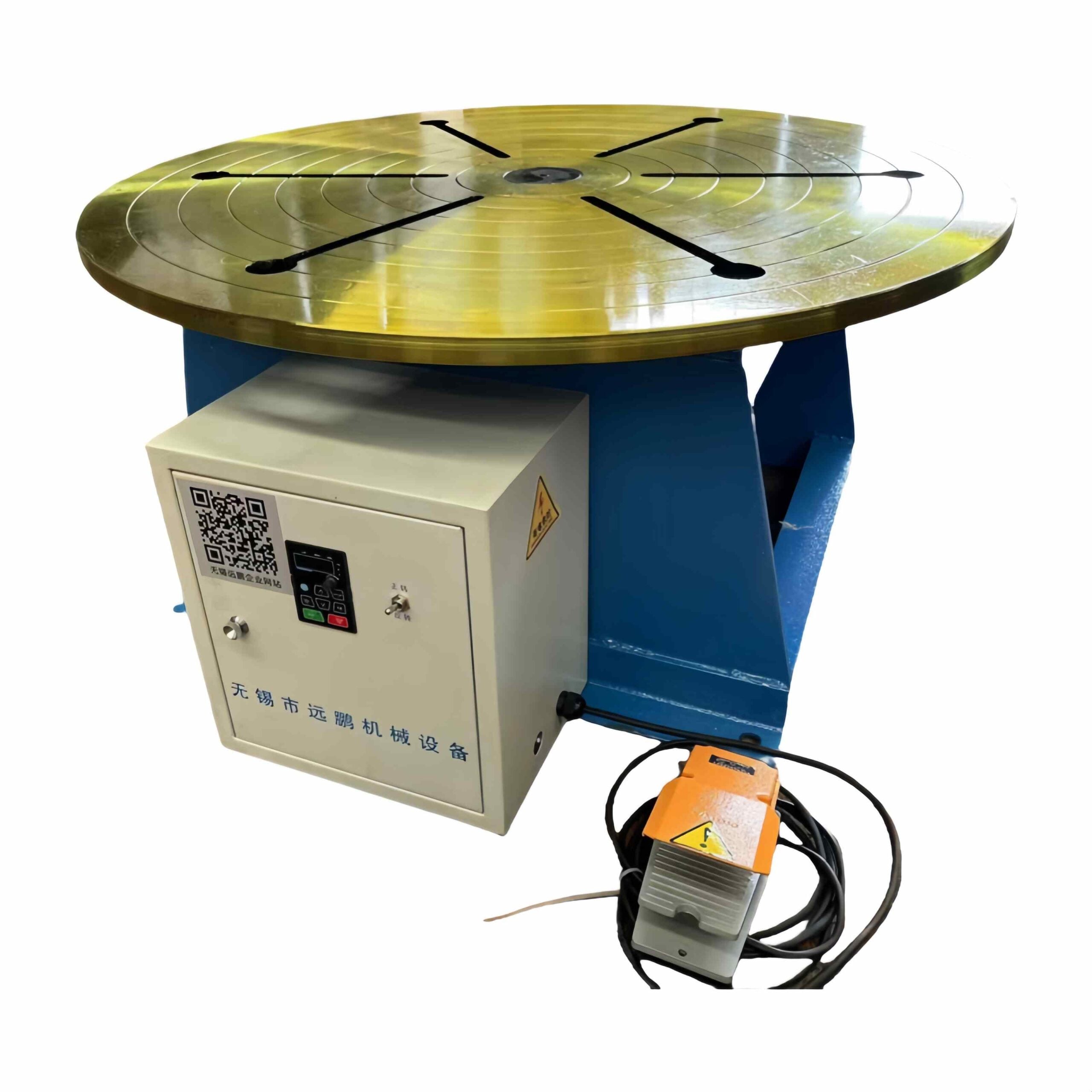
Rotary welding positioners utilize a slow-moving motor to spin a vise-like chuck around a central axis, allowing the operator to set the speed to a slow crawl or a quick glide. Because the turn is powered, welders do not bend, lift, or sway their bodies while trying to keep a seam straight. They simply watch the leading edge of the puddle, adjust filler metal as needed, and let the motor carry the image across their line of sight. That freedom keeps focus where it belongs, making it easier to catch defects before they get buried under slag.
The largest snap-on specs listed by manufacturers show weights that range from a modest 200 pounds on entry-level gear to well over 15,000 pounds on heavy-plant setups. Engineers decide which range to buy by measuring the heaviest part plus fixtures, curious to learn if there is a safety cushion built in. A load that nearly fills the rating will make brakes and gears strain, drift loss creep in, and calibrations swing out of tune. Picking a model with headroom often adds extras, like T-slots for quick clamps or console controls, that make big jobs safer and smoother.
Yes, you can use a welding positioner for manual welding. Most models have adjustable arms and tilt angles, so a welder can move them by hand as they work. This handy feature is great when making one-off parts or dealing with odd-shaped metal that requires small adjustments while the bead is being laid down.
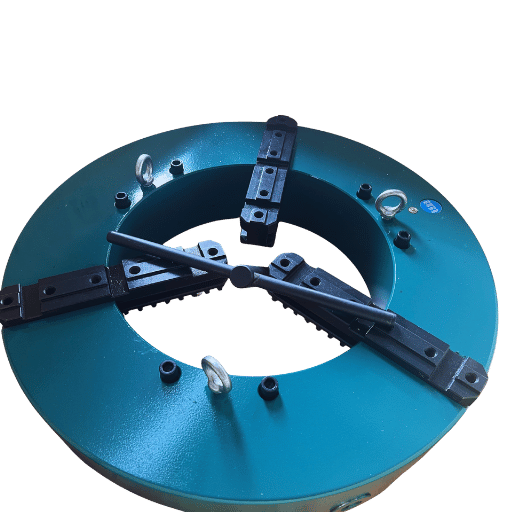
Welding positioners often come fitted with a couple of common jaw chucks: scroll chucks and self-centering chucks. Scroll chucks accommodate parts of different diameters, while self-centering chucks quickly clamp round pieces to ensure they sit straight every time. Selecting the right chuck is crucial; a stable and tight hold ensures the work remains steady, allowing the welder to produce clean, even seams.
A rotary positioner enhances welding by allowing the workpiece to spin slowly around a fixed axis. This steady turn gives the welder a steady sight line and an even travel speed for every bead. Because the part arrives at the operator in the right spot, they can focus on technique instead of forcing the torch into awkward angles. Turning big or heavy assemblies reduces the need to lift, bend, or reach repeatedly, thereby reducing fatigue and increasing productivity.
Safety starts with clamping the work securely, because a loose part can rotate unexpectedly and pinch. The floor around the table must remain free of cables, scraps, and leaks, and only individuals wearing welding PPE should enter the zone. Operators need training to understand emergency stops, overload limits, and the behavior of heavy, slowly spinning loads. Never bypass safety guards or assume a full rotation is harmless; respect the inertia of large pieces.
Welding relies on uniform heat, travel speed, and gap control from start to finish; even a slight wobble can alter these factors. Misalignment can leave weak edges or burn-throughs that inspectors will catch. A good positioner offers fine knobs and optical readouts that allow the welder to dial in angles within a fraction of a degree, ensuring every pass fuses at the same temperature and bead profile. That repeatability strengthens the joint and protects the final assembly from future stress or fatigue.
WhatsApp us