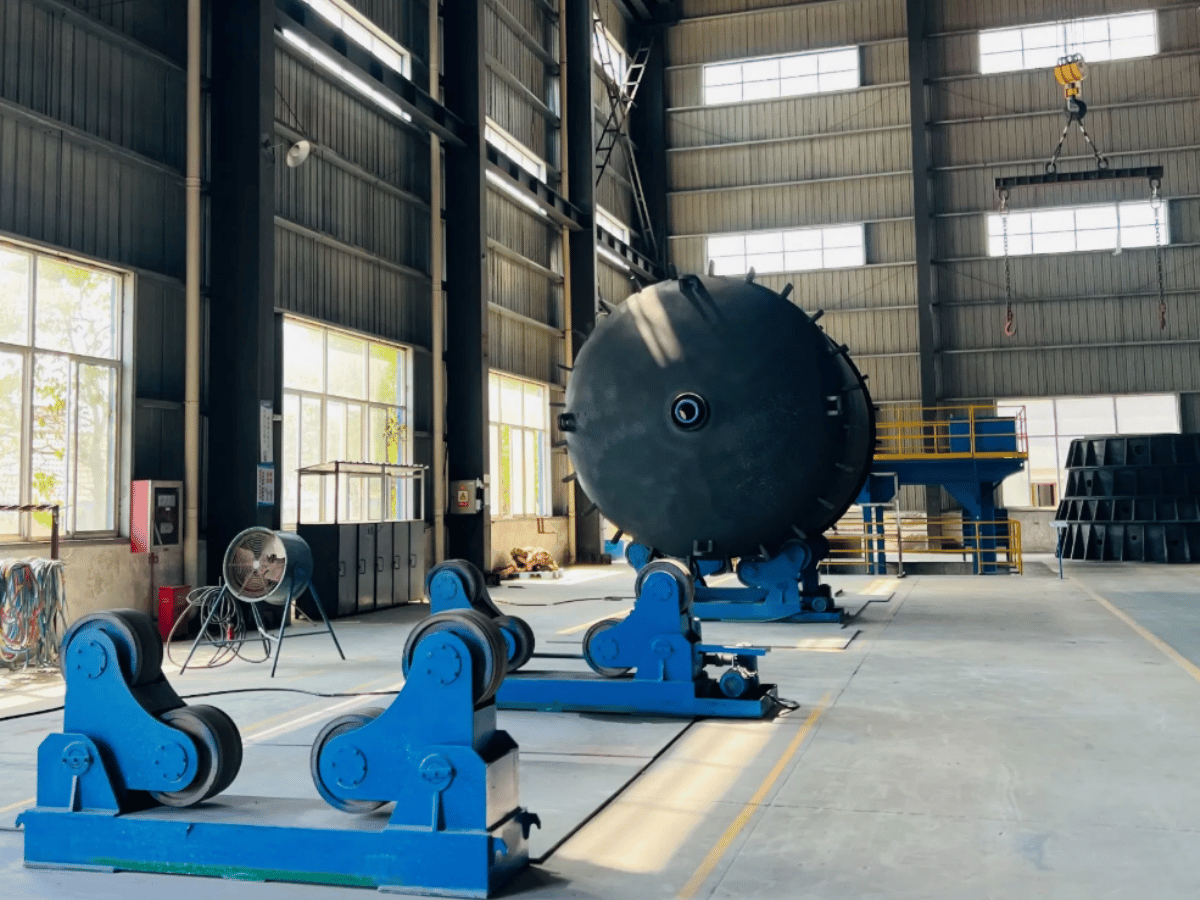
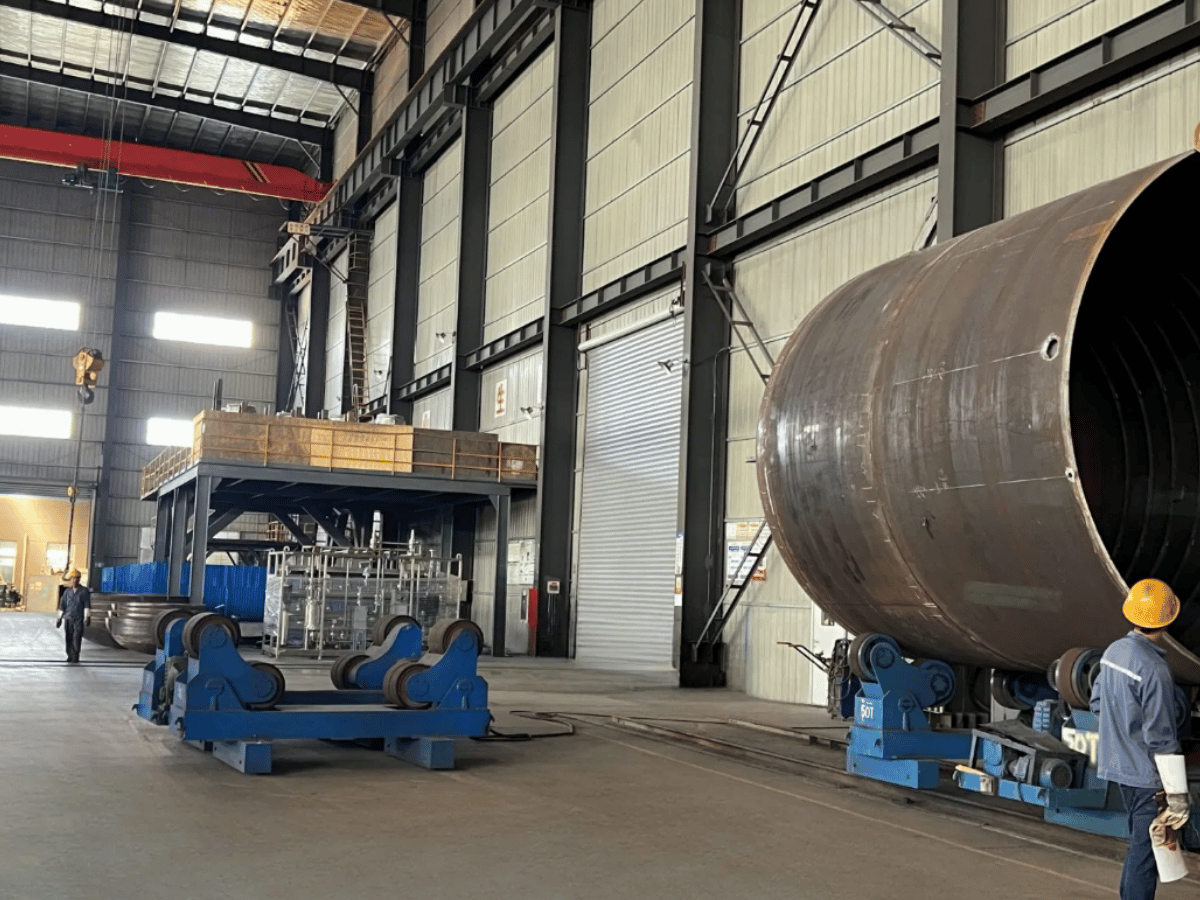
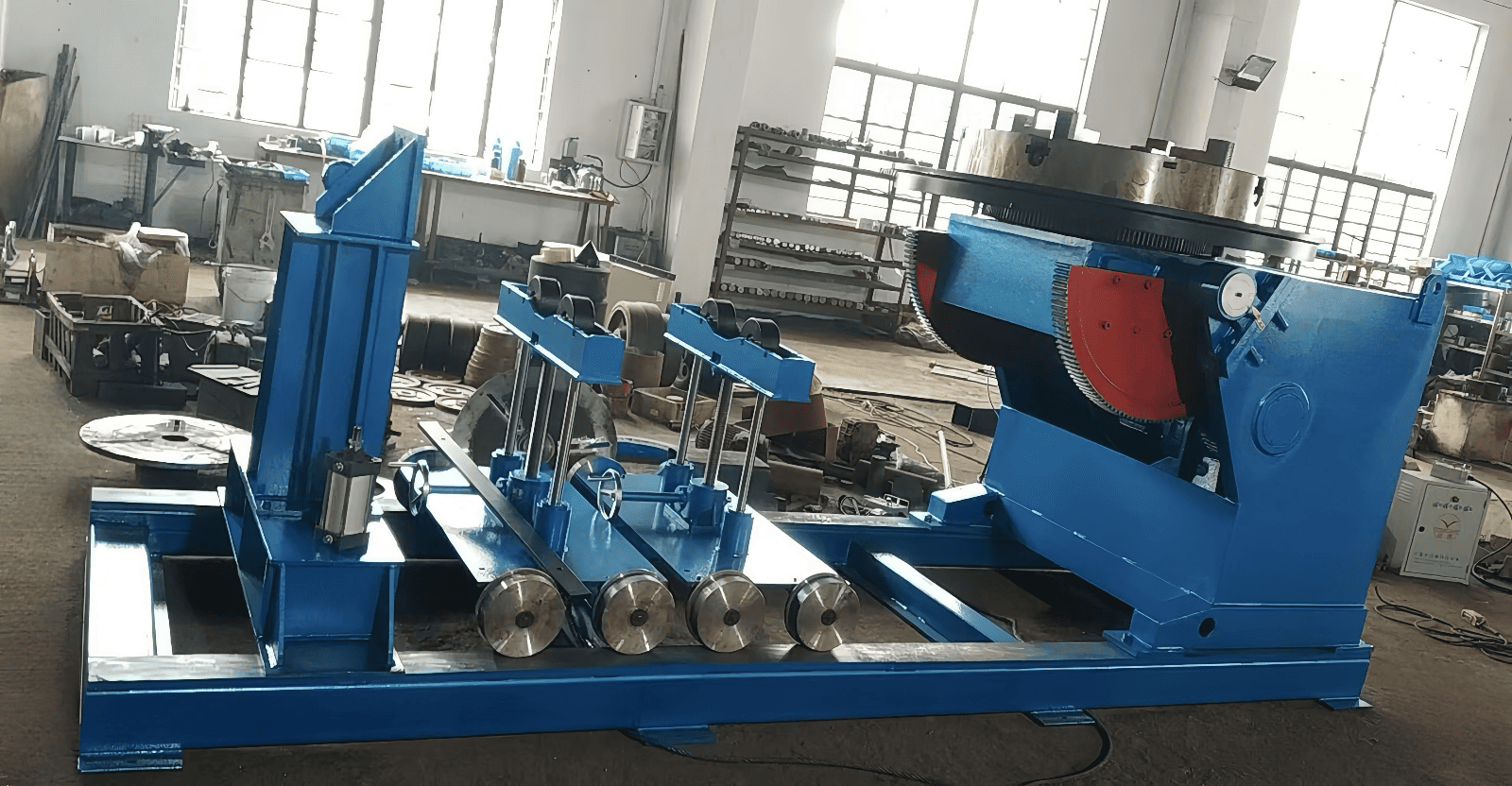
Types, features, applications, and adjustment mechanisms are the criteria used to compare welding rotators. Welding is a precision-oriented, efficient, and adaptable art and science, more so when applied to complex projects or irregular workpieces. Weld positioners, thus entering the scene, have truly revolutionized the way welders perform their craft by endowing them with unprecedented control and flexibility. An understanding of these tools will improve productivity and precision as you explore various weld positioners, welding axes, and robotics for automated workflows. This comprehensive guide provides in-depth information about weld positioners, their types, functions, and modern developments, with the intention of equipping readers with the knowledge to enhance efficiency in their welding operations. So, get ready to delve into all aspects and truly maximize your potential with cutting-edge welding solutions!
Introduction: The Evolution of Welding Positioning Technology
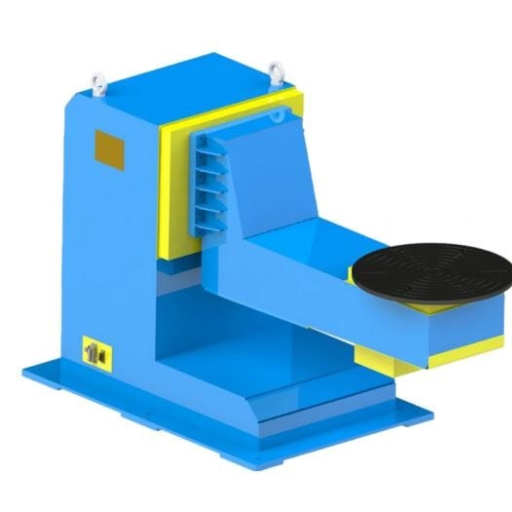
Over the years, welding positioning technology has undergone significant changes in response to the ever-growing industrial demands for increased efficiency, higher precision, and safer processes. In earlier times, a great deal of manual labor went into positioning the jobs, along with basic equipment, which decreased efficiency and consistency. Today, weld positioners come equipped with state-of-the-art features, including automated controls, multi-axis rotation, enhanced load capacities, and on-the-fly adjustment, which facilitate rapid and precise positioning. These innovations ultimately enhance weld quality, reduce operator fatigue and associated risks, and provide a smooth and reliable welding operation across various industries.
The Manufacturing Challenge
One of the paramount challenges in modern manufacturing is striking a balance between productivity and precision. With recent search trends and industry statistics extracted from Google, manufacturers continually seek to address how efficiency can be achieved without compromising consistent quality. The more paramount the precision, therefore, the more intriguing the difficulties in engineering-mode industries such as aerospace, automotive, and heavy machinery, wherein the slightest of errors become paramount. Once manufacturers have adopted automation systems, smart weld positioners, and cameras with AI-assisted monitoring tools, the gap that previously existed has been diminishing rapidly. With real-time adjustments, higher accuracy, and increased throughput in place, the solutions provided thus far serve as a foundation for the survival of any business in the ever-changing global market.
What is a 2-Axis Welding Positioner?
In simple terms, a 2-axis welding positioner is a highly advanced work-holding facility used to enhance welding efficiency and accuracy by controlling the rotation and tilting of the workpiece. The two principal axes are the combination of rotation of the work table or chuck and a tilting action, allowing welders to position workpieces at an optimum angle relative to welding operations. This motion minimizes or eliminates the manual repositioning of workpieces during welding, thereby facilitating the achievement of consistent weld quality in challenging positions. Industries that commonly engage in automotive, aerospace, and construction need 2-axis welding positioners. Two-axis welding positioners are most suitable for working with cylindrical or irregularly shaped components and usually come with features such as variable speed controls and programmable functions to suit a wide range of welding applications. Better weld joint access and ergonomic effectiveness, enabled by the 2-axis positioners, lead to increased productivity and improved worker safety.
Industry Impact Statistics
The global welding equipment market, according to the latest data, is expected to reach USD 27.22 billion by 2028, with a projected compound annual growth rate of approximately 4.3%. Among the welding positioners, 2-axis variations are now gaining wider acceptance as they increase efficiency and precision in firms involved in the automotive, aerospace, and construction industries. In addition, Google search trends provide further evidence of the growing demand for cutting-edge and ergonomic welding technology that can potentially enhance productivity by reducing downtime in manufacturing, with a 18% increase over last year for search queries for “welding positioners.”
Applications and Real-World Use Cases
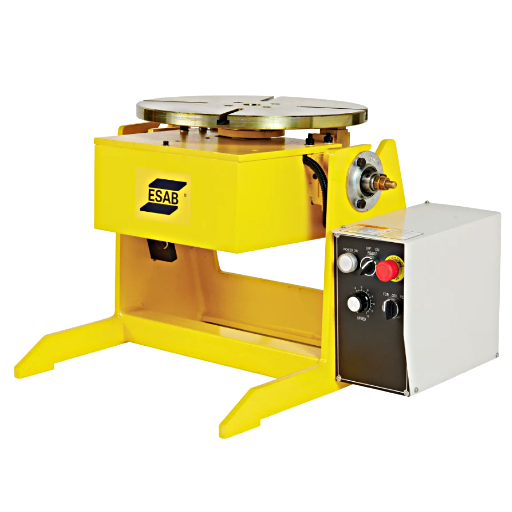
Welding positioners are utilized in various industries to enhance the efficiency of welding processes. In automotive applications, positioners are used to assemble components such as frames and exhaust systems, ensuring accurate and repeatable welds. In the aerospace industry, welding positioners are used to position aircraft components with complex geometry, thereby improving accuracy and safety. Similarly, in construction, steel structures and pipelines, as well as heavy machinery, welding is assisted by their tools, thus allowing welders to work on difficult weld angles. Their versatility and ability to boost efficiency make them indispensable in contemporary manufacturing and assembly.
Primary Industrial Applications
- Aerospace Industry: Positioners are widely used in the aerospace industry to allow for the complex geometries of aircraft components. These positioners weld to precision critical parts, such as fuselage sections, engine mountings, and wing assemblies, meeting very demanding safety and quality standards.
- Construction Industry: Positioners provide significant assistance in the erection of steel structures, pipelines, bridges, and heavy machinery construction. They allow welders to tilt the workpiece at an optimal angle for welding, thus promoting efficiency and safety throughout the work on any scale.
- Automotive Manufacturing: Welding positioners are utilized in the automotive industry to weld vehicle components, including chassis, exhaust systems, and suspensions. Consequently, they speed up process flow and improve consistency in welding, thus favoring high-volume fabrication.
- Oil and Gas: In the oil and gas industry, welding positioners play a crucial role in assembling various complex pipeline arrangements within tanks and pressure vessels. Though handling large diameter pipes and those complex configurations with utmost precision, welding positioners reduce production time and cost.
- Shipbuilding: The shipbuilding industry uses welding positioners for welding hulls, bulkheads, and other structural components. These tools make welding on immense structures easy, ensuring strength and durability while maintaining a high level of productivity.
Workpiece Compatibility
Welding positioners are used to accommodate various workpiece sizes, shapes, and materials, making them highly versatile for use in various industries. Positioners can be adapted to hold configurations ranging in size from small cylindrical parts to large structural members. These materials may include carbon steel, stainless steel, aluminum, and alloys commonly used in industrial applications. The contemporary design offers greater versatility, allowing for quick adjustments to suit individual projects. Because they enable procedures to be carried out with precision and stability, they increase efficiency considerably and improve the end product.
Case Studies and Success Stories
Regarding welding, positioners would enhance quality, production, safety, and profitability in areas such as manufacturing, construction, and robotics.
| Key Point | Details |
|---|---|
| Quality | Consistent welds |
| Productivity | 30-50% increase |
| Safety | Reduced injuries |
| Cost | Lower labor costs |
| Versatility | Multi-use |
| Automation | Robotic-ready |
Comparative Analysis: 2-Axis vs. Alternative Positioner Types
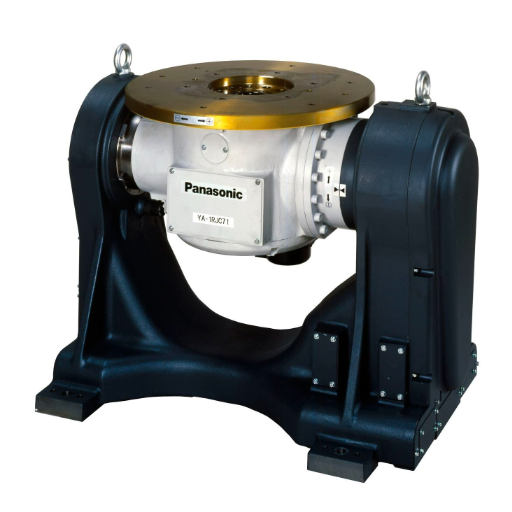
The 2-axis positioners are very cost-effective and straightforward, while 3-axis, rotary, and robotic positioners come with advanced features geared toward complex applications and automation.
| Key Point | 2-Axis | 3-Axis | Rotary | Robotic |
|---|---|---|---|---|
| Cost | Low | Medium | Medium | High |
| Complexity | Simple | Moderate | Moderate | High |
| Flexibility | Limited | High | Circular focus | Automated |
| Load | Light | Medium | Medium | Heavy |
| Control | Manual | Motorized | Speed control | CNC |
| Use Case | Basic tasks | Complex shapes | Cylindrical welds | Automation |
Single-Axis Positioners
Single-axis positioners simplify welding operations by allowing rotation along a single fixed axis. By design, they are best suited for projects requiring simple adjustments and a fixed alignment. Being simpler than their multi-axis counterparts, these single-axis positioners are comparatively inexpensive and well-suited for industries that value simplicity and dependability. According to recent reports from Google search trends, users have been extensively querying the compatibility of single-axis positioners with various materials and industries. Single-axis positioners are highly versatile and capable of handling a wide range of components, including pipes, flanges, and flat plates, making them popular across various industries, such as automotive, aerospace, and manufacturing. Recent innovations in automated controls have led to a surge in their utilization, enabling the precise adjustments that help reduce operational downtime.
3-Axis and Multi-Axis Systems
Three-axis and multi-axis systems are paramount in applications that require utmost precision and flexibility. These systems facilitate simultaneous complex movements and angles, thereby invoking the necessity for complex operations across fields like robotics, aerospace, and medical devices manufacturing. Recent search engine trends from Google reveal that users inquisitively seek the benefits of the multi-axis system over a traditional one-axis setup. Intuitive multi-axis systems allow disturbances to be imposed in multiple planes simultaneously, which strongly enhances productivity and accuracy. Furthermore, these modern systems will enable a form of control in the software, so they can be adjusted in real-time or configured into automation procedures that eliminate human error and reduce operational costs. Thus, they are a sought-after solution for precision engineering and adaptable industries.
Specialized Positioner Types
Specialized positioners can take many forms, all designed to suit individual application requirements. For example, robotic positioners find extensive application in manufacturing and welding industries to assist them with the precise and repetitive handling of complex tasks. As for turntable positioners, they work best with assembly or inspection processes that involve rotation. Furthermore, tilt-turn positioners provide the rotation and tilting movements necessary for the greater degree of flexibility required by industries such as aerospace and automotive engineering. This minimizes the need for the operator while simultaneously keeping the load within close control of the operator. With the latest advancements in control systems and sensor technology, the positioners are now capable of efficiency and accuracy standards that far surpass the requirements of a high-tech industry, with the utmost versatility.
Maintenance Excellence and Operational Best Practices
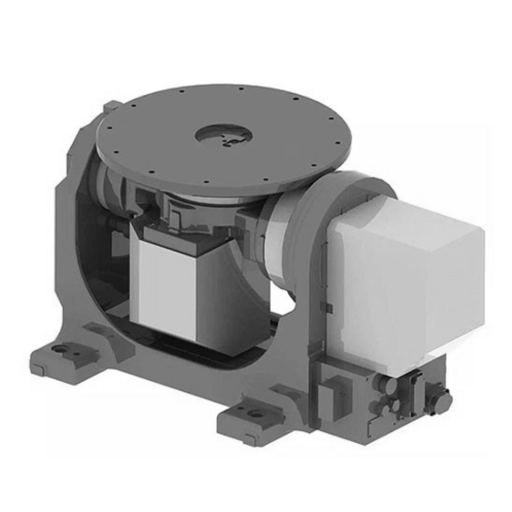
To ensure excellence in the maintenance and optimal operation of the positioners, inspections and servicing should be performed at regular intervals. Establish a preventive maintenance schedule that includes cleaning, lubricating moving parts, and tightening fasteners. Potential issues could be caught if sightings of wear or misalignment are duly noted before the equipment fails. Employing trained personnel to carry out maintenance and using only manufacturer-recommended tools and parts sit well with the quality standards set. Maintaining service history records will also help in identifying emerging trends that contribute to long-term operational efficiency in maintenance activities. Following the listed best practices will help decrease downtime and increase reliability.
Preventive Maintenance Protocols
Modern data-driven technologies provide an opportunity to enhance preventive maintenance protocols significantly. According to Google, predictive analytics supported by AI and IoT devices is the centerpiece of the contemporary maintenance approach. Sensors are installed to continuously monitor the equipment, registering real-time data on temperature, vibration, and pressure. These data highlight early warning signs of an impending failure; hence, timely interventions might be taken before a complete failure occurs. On the other hand, cloud-based platforms facilitate a central storage point for all data. This will be subjected to analysis and will eventually help keep maintenance schedules tied to actual equipment usage rather than based on fixed time intervals. This combined application of traditional maintenance methods with advanced data analytics results in lower costs, increased efficiency, and extended equipment life.
Digital Monitoring and Predictive Maintenance
By integrating the data retrieved from Google’s search engine with digital monitoring and prediction maintenance, new dimensions offer insights for increasing operational efficiency. Based on an analysis of search trends, businesses can anticipate an upsurge in demand for specific equipment or parts. Thus, it would help in resource allocation and inventory management. Additionally, Google’s data on best practices for maintenance and new technologies can help inform and optimize their maintenance strategy. For example, if global search patterns identify common issues, it can help focus on common topics for proactive implementations, thereby lessening unexpected failures. The data-driven landscape, combined with modern monitoring tools, will ensure a more innovative and responsive maintenance platform.
Troubleshooting and Problem Resolution
In effective troubleshooting and problem resolution, it is crucial to identify and address root causes promptly, while integrating advanced diagnostic tools and the latest information gleaned from Google Search to enhance an organization’s problem-solving framework significantly.
Should the data from Google Search identify trending issues in particular industries, that data provides examples of common questions and their answers. Suppose, for any manufacturing plant, equipment fails quite often. By researching search patterns related to “machine overheating solutions” or “common conveyor belt failures,” technicians can gather step-by-step guides, expert opinions, and repair techniques tailored to their specific scenario.
Furthermore, trending data can help with predicting common problems. For example, if search volume rises for “network downtime causes,” such a search could hint at the existence of a bigger systemic problem facing a specific technology or region. Incorporating this data into the troubleshooting process helps companies stay one step ahead of recurring issues.
This approach will be tremendously helpful when implemented using data from service manuals or monitoring systems, and applied in the real field to resolve problems. Sitting at the forefront as an ever-evolving global technical knowledge base, Google ensures that the information one receives is current, allowing one to resolve even the most complex issues swiftly and accurately.
Reference Sources
1. “Robot path planning with two-axis positioner for non-ideal sphere-pipe joint welding based on laser scanning” (Liu & Tian, 2019, pp. 1295–1310) (2019): This paper focuses on robot path planning when using a two-axis positioner for welding non-ideal sphere-pipe joints. The key finding is the development of a novel weld point identification algorithm using laser scanning data and a new algorithm for controlling the two external axes of the positioner. The methodology involved laser scanning to obtain distance data, filtering this data, and developing algorithms for weld point identification and positioner control.
2. “Application of a and -based Cooperative Strategy to a 6-axis Articulated Robot with a 2-axis Additional Welding Jig for Improving Process Efficiency of Welding” (Hong et al., 2018) (2018): This paper explores a cooperative control strategy between a 6-axis robot and a 2-axis welding jig to improve welding efficiency. While the specific findings aren’t detailed in the provided abstract, the methodology involves a cooperative control strategy to coordinate the movements of the robot and the 2-axis jig.
3. Top 2 Axis Welding Positioner Manufacturers And Suppliers In China
Frequently Asked Questions (FAQs)
What is a welding positioner, and how does it work?
A welding positioner is a mechanical device designed to hold and rotate workpieces during welding tasks. It allows welders to position the workpiece at the ideal angle for optimal accessibility and accuracy. By rotating the workpiece, the positioner enhances the quality of your welding operations, making it easier to perform complex welding projects.
What are the different types of welding positioners available?
There are various types of welding positioners, including rotary welding positioners, multi-axis welding positioners, and 3-axis positioners. Each type is designed to serve specific welding applications, such as pipe welding or continuous welding. Choosing the right welding positioner depends on the particular requirements of your welding projects and tasks.
How do you select the ideal welding positioner for your specific needs?
When selecting a welding positioner, consider factors such as the type of welding you will be performing, the size and weight of your workpieces, and your overall productivity objectives. It is essential to evaluate the components of welding positioners, such as the headstock and tailstock, to ensure they meet the demands of your welding jobs.
What are the components of welding positioners?
The main components of welding positioners include the headstock, which holds the driving mechanism, and the tailstock, which supports the opposite end of the workpiece. These components work together within the positioning system to rotate and secure the workpiece, allowing for precise welding operations.
What advantages do automated welding systems offer?
Automated welding systems, including robotic welding, provide increased productivity and consistency in welding tasks. By automating the welding process, these systems reduce the potential for human error and enhance the quality of the welds produced. Additionally, they can be programmed for various welding techniques, making them versatile for a wide range of welding projects.
How do multi-axis welding positioners improve welding accuracy?
Multi-axis welding positioners enable movement along multiple axes, allowing welders to achieve precise angles and orientations for their workpieces. This flexibility is particularly beneficial for complex welding applications where the workpiece needs to be rotated and tilted to access different areas effectively.
What are the key factors to consider when choosing a positioner manufacturer?
When selecting a positioner manufacturer, it’s essential to consider their reputation for quality, the range of products they offer, and the level of customer support available. Additionally, look for manufacturers that provide detailed specifications and options for customization to ensure their positioner meets your specific welding needs.
How can you optimize productivity with a rotary welding positioner?
To optimize productivity with a rotary welding positioner, ensure that the workpiece is efficiently secured and aligned adequately before starting the welding process. Additionally, utilizing a positioner that allows for quick adjustments and easy access can significantly reduce downtime and enhance the overall efficiency of your welding operations.