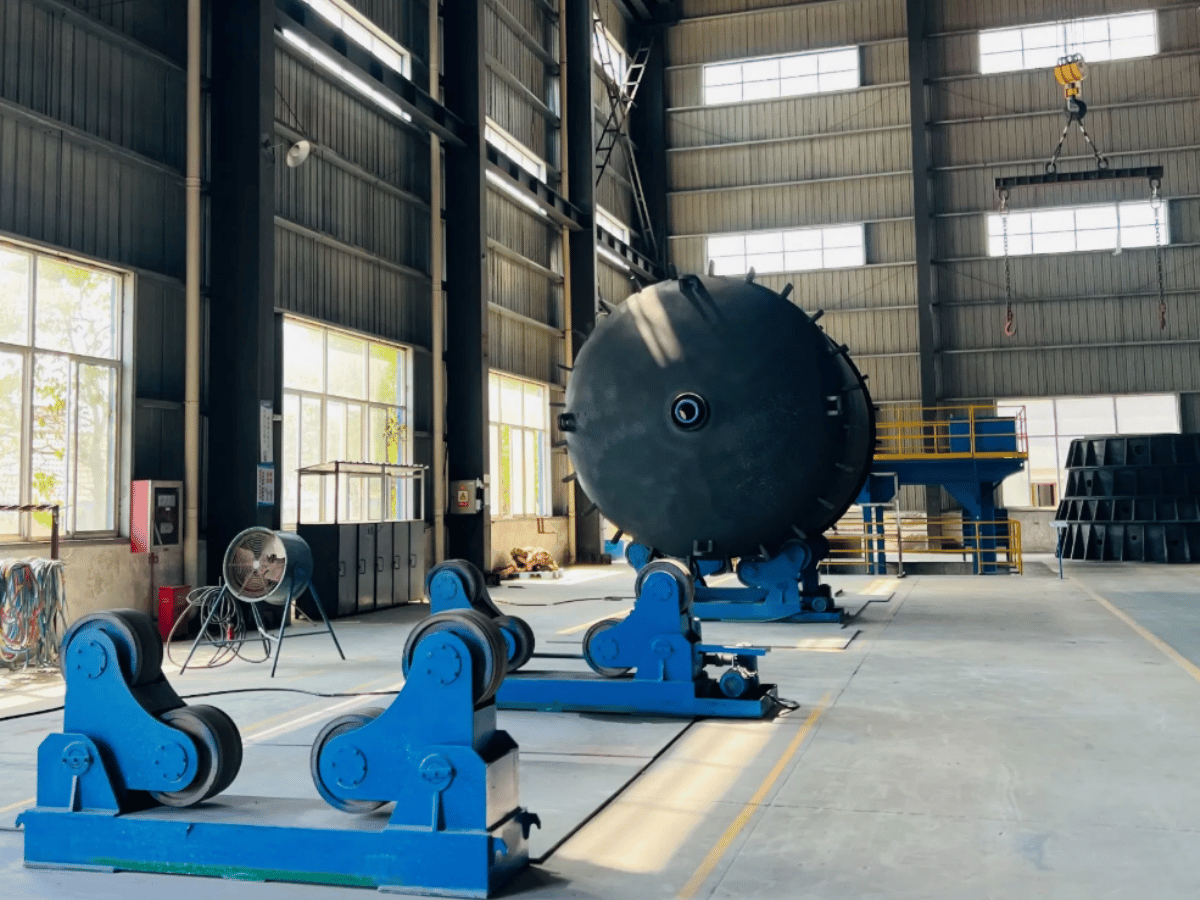
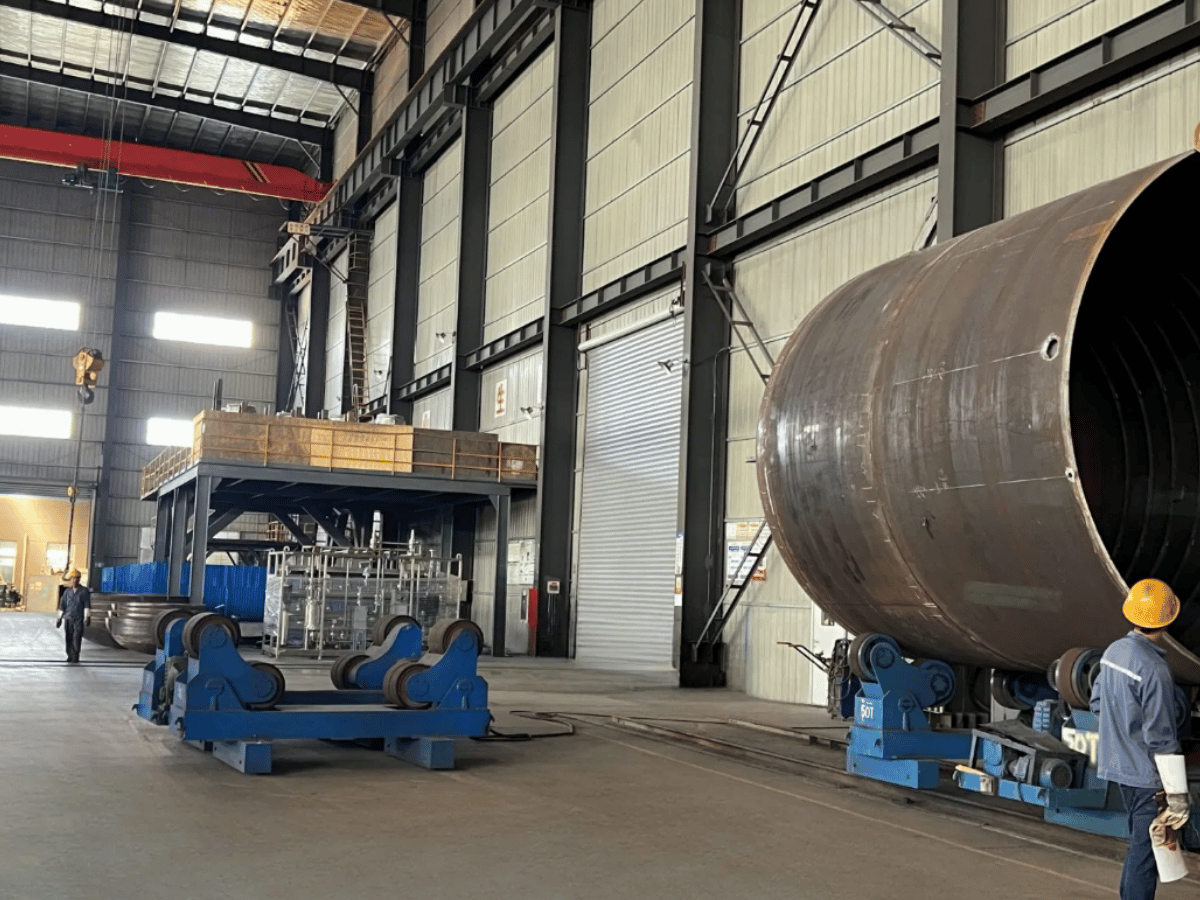
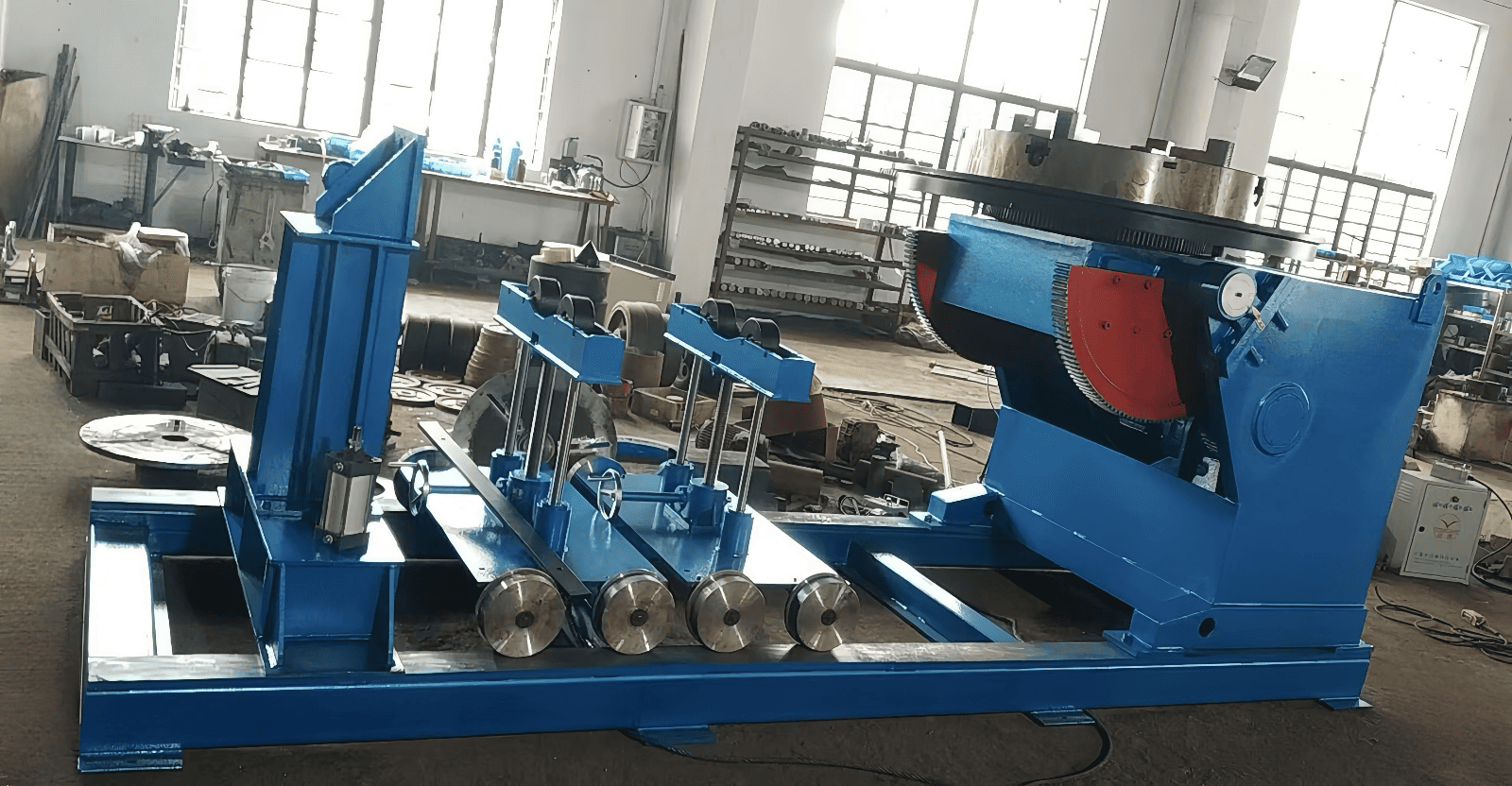
Efficiency, accuracy, and flexibility are three key factors in industrial manufacturing and precision operations. The horizontal turntable is the weapon that lets one achieve all three. Whether performing welding, assembly, or material handling, optimally positioning the workpiece and running certain operations through this equipment can greatly increase its output and quality.
This blog takes you into the detailed world of the horizontal turntable-from its basic principles to its unique advantages to selecting the one greatest fit for your needs. Whether you are an engineer, a production manager, or a professional interested in industrial equipment, this article is going to explain how the horizontal turntable has become a must-have tool for modern industry.
Overview of Horizontal Turntables
The horizontal turntable is a form of an audio device used to reproduce vinyl records while oriented horizontally, the sleek and modern version of the conventional turntable standing in vertical mode. It is a highly advanced piece of technology that provides ease of operation, combined with very fine audio quality, and efficient functioning. Some of its distinctive traits include an automated playback control mechanism, a highly refined tonearm, and an anti-vibration setup to maintain smooth audio output. Whether for casual listeners or hardcore audiophiles, horizontal turntables remain a stylish, functional addition to any sound system.
Importance in Industrial Applications
In the industrial realm, these horizontal turntables provide the required precision, reliability, and efficiency needed to handle hefty loads and execute intricate assembly operations. For instance, horizontal turntables find applications in manufacturing and assembly lines where components or products need to be rotated, inspected, or worked on from multiple angles. The updated version can carry a load of multiple tons with smooth and precise rotational movement. These systems comprise electric or hydraulic drive mechanisms, programmable controls, and feedback systems for performance optimization and enhanced precision.
In contrast to aerospace, automotive, and electronics industries, horizontal turntables help engineers manage production flows and increase efficiencies in output. Automating the rotation process means limiting manual handling, lowering human errors, and other potential hazards within the operational zones. Corralling the information, companies that have adopted these technologies report definite increases in productivity while reducing both downtime and shutdowns-for-maintenance timings, testimony of the worth horizontal turntables hold in an industrial setup.
Definition of Horizontal Turntable
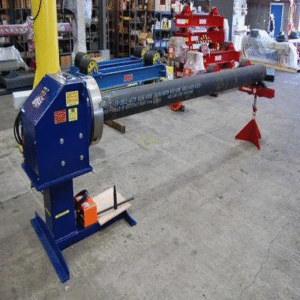
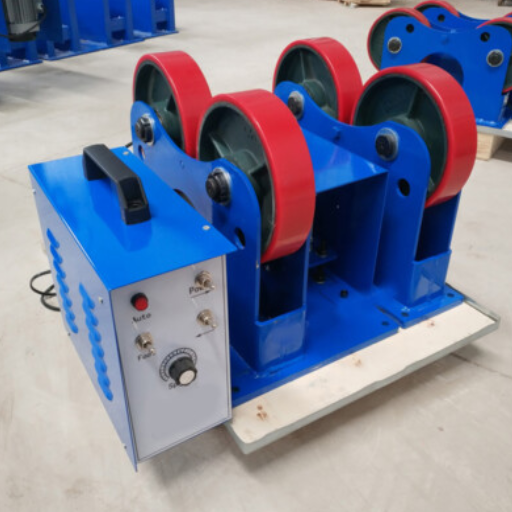
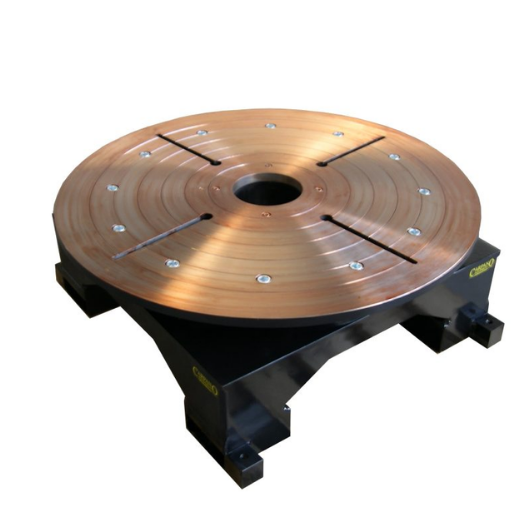
A flat-sided motorized horizontal turntable is a turning machinery designed to rotate any objects or materials placed upon a flat circular platform. These turntables find application in many industries, the making of products, the working of assembly lines, warehouses, etc., all aimed at streamlining the working of industrial processes and thus contributing towards higher productivity. Some turntables have a powered rotation mechanism, while others can also be rotated manually depending on the use requirements.
Modern horizontal turntables have been designed to have of heavy load capacity, but some models go up to several tons in weight. The precision engineering aspects allow accurate positioning and smooth rotation, especially useful when dealing with oils that require special handling. The technology advances would also enable these to integrate intelligent control systems, where operators can thus choose speed, rotation angles, and level of automation to accomplish their specific task. Hence, greater efficiency is achieved.
Such turntables aid production processes such as rotating and controlling large and heavy components, for example, car bodies, in the automotive industry during assembly or painting. They also represent efficiency in precisely handling materials, with great reductions in manual labor, time consumption, and welfare standards of the work environment.
Types of Horizontal Turntables

- Manual Turntables
It operates manually and is used for lighter loads. It is cheap and very simple in its use, especially for those applications that do not require exact rotation.
- Motorized Turntables
With motor power and precision rotation, automation can be achieved. These turntables are normally found in industries dealing with heavy components or requiring the exact rotation speed on purpose.
- Heavy-Duty Turntables
Having the highest capacity in weight, these are used in operations with large or bulky materials kinds of things that require machinery or heavy-vehicle goods.
- Rotary Index Turntables
Provide indexed rotations with preset stops; this kind of turntable is best used on assembly and production lines that require exact positioning.
- Portable Turntables
Lightweight and easily transported, these find their use in dynamic workspaces where operational needs change.
Manual vs. Automated Turntables
Workload, precision, and operational efficiency are all concerns that need to be taken into account when determining whether to choose a manual or automated turntable for a project. Manual turntables are manually operated and are therefore best suited for easy tasks that require flexibility and human control. They are cheaper, require very little maintenance, and are used mostly in situations where low workloads exist and high-level automation is not necessary. Manual turntables find application in art studios, small workshops, or packaging stations.
On the contrary, automated turntables feature motorized control systems along with advanced features for precision movement and efficient operations. Such turntables are then well-positioned to handle high-volume manufacturing processes and assembly lines, where further product variations could be demanded and must be moved very swiftly with utmost accuracy. Automated rotary tables might interface with other equipment and systems, and hence might be programmed twenty different ways to satisfy production output-level demands. The value of automated rotary tables is evident, given that they can claim a productivity increase of 50% over manual rotary tables in repetitive industrial operations.
As with the advantages of each, manual rotary tables emphasize simplicity and cost-effectiveness, whereas automated tables stand for enhanced functionality and labor-saving benefits. Therefore, selection between the two should rest on specific operational requirements and budget availability, with an eye toward furthering the long-term production objectives.
Customizable and Modular Options
For modular and customizable solutions, I would rate flexibility and adaptability to myriad operational needs as my highest priority. Very simply put, modular designs allow me to remove or insert components in the face of changing requirements, whereas customization ensures that the system does not conflict with peculiar workflows. Thus, the whole process becomes an efficiency-scaling structure in the long run.
Key Features and Specifications

- Flexibility: Modular design allows very easy addition or removal of system components, thus enabling customization to meet changing requirements.
- Customization: Solutions are developed to ensure compatibility with specific workflows and operational processes.
- Scalability: Systems can grow with the increasing volume of operations and therefore can satisfy current as well as future demands.
- Durability: If built with durable materials and good workmanship, a product will provide long-term service for its users with very little maintenance.
- User-Friendliness: The system software has intuitive interfaces and setup procedures, thereby making operation simple and efficient.
Load Capacity and Dimensional Limits
To ensure smooth operation and safety, the capacity to bear weight and the dimensional limits must be understood when selecting equipment or system. Modern industrial systems are adapted to different load capacities according to the requirements of the respective industries they serve. For instance, common pallet racks may be designed in such a way that they can support weight anywhere from 2,000 to 5,000 pounds per beam level, considering material and engineering specifications. These adjustments in dimension fundamentally impinge on space utilization. For example, a typical shelf may be from 24 to 48 inches in depth and may soar past 20 feet in height within warehouse limits.
Thanks to breakthroughs in materials, components have achieved greater structural integrity, smoothly taking on higher payloads without sacrificing safety. Apart from this, their adjustable nature makes it possible for dimensions to be tailored to express spatial restrictions. Through the consideration of load and size, business establishments can keenly organize their storage, thereby enhancing operational efficiency and fortifying cost and risk containment.
Speed Control and Precision Mechanisms
Modern speed control and precision systems drastically raise the efficiency and accuracy of industrial processes. VFDs are mostly used for speed control of motors for better energy management and finer adjustments of small operations. Industry reports claim that energy consumption could be cut by 30% when using VFDs, thus playing a vital role in sustainable industrial practice.
Advanced sensors and feedback systems are also used to ensure unparalleled precision. For example, the use of encoders and servomotors helps in checking and readjusting the motor position in real time with precision up to the micrometer level for the most delicate assignments. They elevate productivity and, to some extent, limit the wear and tear of the machines, hence increasing the life of the key equipment. By employing these high-end technologies, industries can enhance the performance and reliability of operations, tackling the demand that puts more emphasis on sustainable operations.
Safety Features and Compliance Standards
Safety features in modern industrial systems ensure the safety of both workers and machines. From advanced safety protocols and fail-safe mechanisms to emergency stop systems and sensors for real-time anomaly detection with risk prevention measures-if something fails, it has been implemented. Integrated safety PLCs can automatically shut down the machine if a situation becomes critical thereby minimizing the risk of injuries.
Conforming to international standards, such as ISO 13849 and IEC 62061, assures a safety rating of equipment recognized worldwide. Studies reveal that following these standards can reduce incident occurrence rates in industries by 30%, creating a safer working environment. Moreover, other safety measures are increasingly being integrated into industry safety, such as lockout/tagouts, non-contact interlocks, and pressure-sensitive safety mats, among others. Apart from compliance, these innovations build confidence and productivity among workers.
Installation and Operational Best Practices

The best practices listed ahead ensure the most effective installations and functioning:
- Thorough Site Assessment – To identify potential hazards and ensure proper equipment placement, a detailed assessment of the location shall be conducted.
- Adherence to Manufacturer Guidelines – The equipment shall be installed and operated in accordance with the instructions and specifications provided by the manufacturer.
- Training and Competency – Ensure that all personnel are thoroughly trained with regard to the proper use and maintenance of equipment, emphasizing safety.
- Routine Maintenance – Arrange for regular inspections and maintenance so that any wear, damage, or malfunction can be promptly detected and rectified.
- Emergency Systems – Reliable emergency switch-off mechanisms shall be available and in use, with all personnel briefed about them.
These measures contribute to keeping safety at operational efficiency while mitigating risk.
Site Preparation and Installation Requirements
The right site preparation and installation processes are critical for the longevity and proper functioning of any system or equipment. Some general steps are highlighted to orient considerations and data-driven inputs, facilitating a successful process:
- Site Assessment
Conduct a thorough assessment of the site, looking at soil stability, elevation, and environmental conditions. For example, it is predicted that uneven or unstable ground increases the risk of structural failure by about 30%.
- Permits and Regulations
Make sure to comply with local building codes and acquire all appropriate permits before commencing installation. If these are ignored, it will cause delay, and fines may be imposed, or installations may turn out to be unsafe, thereby conflicting with project timelines and budgets.
- Environmental Impact
Look for potential environmental risks, such as soil erosion, water runoff, or a nearby protected area, and provide mitigation for any environmental impact. Studies point out that those projects that strive to keep environmental disruption to a bare minimum usually rate high during community and regulatory reviews.
- Foundation Preparation
Prepare a sturdy foundation that is fit for the weight of and the working conditions the equipment is subject to. Usually, concrete foundations are preferred for heavy industrial installations as they help distribute the weight evenly and diminish any vibrations, thus enhancing the performance and safety aspects.
- Utilities and Accessibility
Integrate utilities such as power, water, and data connectivity into the process design. Proper arrangement of utility lines and service access points could make installation and future maintenance issues simple. Reports indicate that properly planning for accessibility will reduce maintenance times by up to 20%.
- Safety Measures
Barriers, signs, and protective clothing must be applied during installation to ensure safety in the workplace. According to statistics, construction sites that imposed safety control measures witnessed up to half the number of cases compared to those that did not.
Thus, following these guidelines guarantees the efficient installation of the project and its successful long-term operation, thus presenting a solid base over which to advance.
Preventing Common Operational Errors
Operational errors pose a severe threat to the operability and sustainability of any system and include intricate methods of solving these issues.
- Regular Equipment Inspections
Inspection is conducted on a routine basis to spot early wear and tear. It has been established that undergoing scheduled maintenance increases the probability of no sudden breakdowns by 30% and ensures smoother operations.
- Employee Training Programs
Providing full training that enables the operators to familiarize themselves with all sorts of correct techniques and protocols during usage. It is recorded that with well-trained personnel there are 40% less chances of errors occurring and this translates into higher output and safety.
- Implementing Monitoring Systems
The setting up of modern monitoring tools, such as IoT devices used in real-time capacity. Data show that predictive analytics-enabled systems can predict failures with almost 90% accuracy, thus saving expensive downtime.
- Standardizing Procedures
Having standard, clear operating processes reduces operational variability. Those industries with standardized working procedures report 25% gain in efficiency on overall grounds, while fewer operational errors are encountered.
When implemented, these practices usually help organizations to avoid common errors, achieve higher system availability levels, and ensure operational success in the bigger picture.
Expert Recommendations and Industry Insights

The best way to protect employees, customers, and operations is to set safety standards and ensure compliance with government codes. Organizations should go over all these industry-specific regulations at regular intervals, for example, OSHA in the US. Some of the key compliance steps include conducting safety-related audits on a routine basis, addressing hazards without delay, and providing training to employees. Failure in compliance brings legal consequences, operational complications, and loss of reputation. It is imperative, therefore, that an organization maintain a very tight adherence to these laws.
Case Studies from Industry Leaders
1. Amazon’s Approach to Workplace Safety
Ensuring employee welfare is of utmost importance to Amazon; therefore, they have put in place cutting-edge safety technologies and rigorous protocols. Systems such as wearable safety technologies and artificial intelligence tools for hazard tracking and analysis in real-time were some systems the company invested in. It has been alleged that, between these different safeguards, injury rates in facilities went down by 24 percent in one year. Furthermore, annual safety training sessions are held for employee awareness about risk factors and how to actively avert them.
2. Toyota’s Lean Safety Model
Applying the Lean Manufacturing model at Toyota produces productivity and workplace safety benefits. They embrace Kaizen or continuous improvement toward safety auditing and hazard identification, and resolution through employee participation. Toyota recently presented data showing the worldwide incidence of workplace incidents has decreased by 17% after instituting advanced root cause analysis methods and applying the corrective action plans.
3. Chevron’s Focus on Process Safety Management (PSM)
Chevron enforces Process Safety Management systems geared toward ensuring a minimal measure of risk associated with operations involving hazardous substances. PSM is in daily use at Chevron, with frequent risk assessments and intermittent equipment inspections. A recent report in safety credits the 15 percent reduction in reportable incidents in its global operations to these measures.
They show that by continuing to invest in safety technologies, training their workforce, and improving processes, these companies achieve great improvements in compliance and workplace safety.
Reference Sources
-
LIFT – Standards and Guides – Provides criteria for the design, manufacture, and operation of industrial turntables.
-
Robotically Reproducing Turntable Techniques – A detailed academic paper from MIT exploring turntable mechanisms and techniques.
-
How to Set Up a Turntable – A guide by Consumer Reports on proper turntable setup for optimal performance.
- Top Horizontal Turntable Manufacturers and Suppliers in China
Frequently Asked Questions (FAQs)
What are the key features to look for in a turntable?
When choosing the right turntable, consider features such as the type of drive (belt-drive or direct drive), the quality of the tonearm, and whether it includes a built-in phono preamp. Additionally, features like adjustable tracking force and vertical tracking angle can enhance audio quality, ensuring that you get the best sound from your vinyl records.
How do I properly set up my record player?
To set up your record player, start by placing your turntable on a stable surface away from vibrations. Connect your turntable to your speakers using high-quality audio cables, and ensure your phono preamp is correctly integrated into the audio system. Fine-tuning your turntable may include adjusting the tonearm and setting the tracking force for optimal playback.
What should I consider when choosing a turntable?
When choosing the right turntable, consider factors like your budget, whether you prefer an all-in-one record player or a separate turntable system, and the type of music you enjoy. Additionally, think about the importance of the cartridge and stylus quality, as these components significantly affect your overall listening experience.
How do I connect my turntable to my audio system?
To connect your turntable to your audio system, use the appropriate audio cables. If your turntable has a built-in phono preamp, you can connect it directly to standard line-level inputs. If not, you will need a separate phono preamp to boost the signal before sending it to your speakers, ensuring the best possible audio quality.
How can I keep my turntable in good condition?
To keep your turntable in good condition, regularly clean your records with a record cleaning solution and maintain the stylus and cartridge. Ensure that the platter is free of dust and debris, and check the tracking force periodically. A dedicated turntable cleaning machine can help maintain both your records and stylus for optimal performance.
What is the purpose of the tonearm and stylus in a turntable?
The tonearm holds the stylus, which reads the grooves of the record. Proper alignment of the tonearm is crucial for tracking the record accurately. The stylus must maintain contact with the record groove at the right vertical tracking angle to minimize record wear and maximize audio fidelity.
What are the differences between belt-drive and direct-drive turntables?
Belt-drive turntables use a rubber belt to spin the platter, providing better isolation from motor vibrations, which can enhance audio quality. In contrast, direct drive turntables have the platter directly connected to the motor, offering faster start-up times and more consistent speed, making them a favorite among DJs. Your choice depends on your intended use and sound preference.
How can I improve the audio quality of my vinyl setup?
To improve the audio quality of your vinyl setup, invest in a high-quality turntable and cartridge, and consider upgrading to a better phono preamp. Additionally, ensure your turntable is properly leveled, and experiment with different tracking forces and stylus shapes to find the setup that delivers the best sound for your taste.