Looking at the time, some welding processes are the mainstay of construction, manufacturing, and repair, involving, in one way or another, the joining of metals so that they can sustain weight or loads acting on a structure, or the repair of metals. Since there are many welding techniques, each attending to a specific type of material, the choice can become difficult. This article outlines the most common welding processes, detailing their alternative benefits, applications, and considerations. Whether you are a seasoned welder or just starting, this overview can help you make informed decisions about the finish. Let’s now examine how welding can be applied to meet project needs.
Understanding the Different Types of Welding
- Shielded Metal Arc Welding (SMAW)
Commonly dubbed stick welding, SMAW is one of those rudimentary welding strategies. A consumable electrode with a flux coating is used to weld together metals. It is versatile, less expensive, and perfect for outdoor and industrial applications; nevertheless, you need good practice to produce welds that are clean and consistent.
- Gas Metal Arc Welding (GMAW)
Referred to as MIG welding, this GMAW process utilizes a wire-fed gun for the electrode and shielding gas to protect the welding area from contaminants. It is relatively easy to learn and is well-suited for beginners, working effectively with thin or medium-thickness metals in industrial and automotive settings.
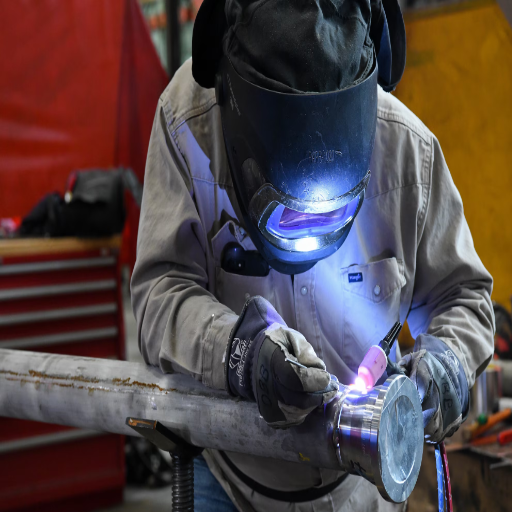
- Gas Tungsten Arc Welding (GTAW)
Also called TIG welding, this process utilizes a non-consumable tungsten electrode, which requires more skill to perform welds. It is an exact welding process that creates clean and high-quality welds. TIG is better for more intricate operations or for industries that need the best results, including aerospace and art.
- Flux-Cored Arc Welding (FCAW)
This welding method is essentially the same as the MIG process, but it uses a tubular wire filled with flux instead. As it does not require the use of external shielding gas, it is preferable for outdoor or heavy-duty work, and hence is mainly employed by the construction and shipbuilding industries.
- Oxy-acetylene Welding
Another term for gas welding, this process uses a flame created by the combustion of oxygen and acetylene. Though the process is somewhat outdated, it still finds its applications in maintenance and repair work and the cutting of metals.
The choice of welding method depends on several key considerations, primarily the material being welded, project requirements, and the welding capabilities of the individual. However, when having an understanding of welding processes, one can choose an appropriate process for a particular case.
Overview of Welding Processes
Welding is a multi-purpose fabrication process in which materials, such as metals or thermoplastics, are joined through the application of heat, pressure, or a combination of both. Among the more prevalent welding processes today are MIG and TIG welding, which rank high in efficiency and final product cleanliness. MIG welding is suitable for expedient work on larger-scale projects, as it requires less skill and preparation time. TIG welding affords precision, thus being conducive for use with manual work or thin materials like aluminum and stainless steel.
According to current search trends on Google, questions frequently arise regarding which welding methods are best suited for specific jobs. For construction and fabrication, MIG welding has remained the most popular type, as it can cover the broadest range of material thicknesses. However, TIG is fast gaining prominence for artistic use, particularly in automotive and aerospace, where perfection matters and aesthetic appeal is crucial.
Hence, through improvements such as automated welding systems and AI enhancements, the welding industry continues to grow, offering efficient options for manufacturing and repair across various areas of diversification.
Importance of Choosing the Right Welding Method
Produce a weld that is well suited for the strength, durability, and reliability of the joint. Welder-welding methods, including MIG, TIG, stick, and flux-cored arc welding, will have practical applications and will be suited for specific materials and ambient conditions. TIG welding, for example, is used for aluminum and stainless steel when precision is necessary. In contrast, MIG welding is more commonly used in production due to its speed, simplicity, and efficiency.
The modern market research analysis thus states the global welding market value at approximately $20.23 billion in 2021 and projects an average CAGR of 4.4% from 2022 to 2030. The development of advanced welding processes in industries such as automotive, construction, and shipbuilding has fueled the growth of these areas. MIG welding dominates a significant portion of the market due to its efficiency in mass manufacturing, while TIG welding is growing steadily due to its lower heat input and superior finishing qualities in precision jobs.
Studying factors such as welding materials, joint designs, and operational costs should help determine the most suitable welding method. For example, in aerospace manufacturing, the use of TIG welding has reduced material fatigue by nearly 30%, whereas robotic MIG welding in the automotive industry has increased production rates by approximately 40%. These are possibly the strongest indicators of how the welding method is applied in each trade, being particularly demanding today.
Modern welding methods, coupled with the latest automation and artificial intelligence, are transforming industries into a cost-effective and streamlined quality system. Thus, a good way to achieve efficient results that last is to learn about the various welding methods, their subtle complexities, and their best applications.
Factors Influencing the Choice of Welding Process
There are several key attributes to consider when selecting the best welding process for a specific application. Considerations regarding the physical properties of the material, the nature of the job, and the desired end result inform the welding method of choice. These include:
- Type of Material
Materials are varied, for instance, aluminum, steel, stainless steel, and titanium, and corresponding welding processes need to be suitably matched to obtain the best weld. Achieving precise welds on thin aluminum materials typically requires TIG welding, whereas MIG welding is primarily used for joining thick steel sections.
- Thickness of the Material
The thickness of the material remains the deciding parameter when selecting a welding method. Weighing the available processes, a Submerged Arc Weld would be chosen for welding thick materials, while Laser Welding would be preferred for thinner materials.
- Production Volume
Welding for high-production industries requires efficiency and speed; therefore, robotic MIG welding or automated spot welding is employed. On the other hand, for custom, low-volume production, speed is prioritized over precision, and therefore, manual TIG welding is used.
- Operating Environment
The nature of the environment (indoors, outdoors, underwater) in which welding is carried out is a strong factor in choosing the welding method. SMAW proves versatile in adverse outdoor applications due to its minimal equipment requirements.
- Cost and Equipment Availability
The welding choice depends on the operating budget and the availability of specialized equipment. Some systems require significant investments, such as Electron Beam Welding, whereas Stick Welding is usually less expensive and more readily available.
Industries must utilize the above considerations to enhance operational efficiency and weld quality significantly.
4 Main Types of Welding
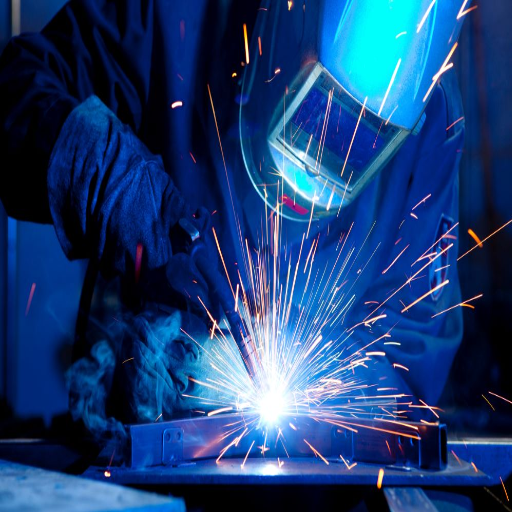
- Welding Processes-WIG (GTAW)
Also known as Gas Metal Arc Welding (GMAW), this welding process utilizes a consumable wire electrode and an inert shielding gas, resulting in clean and efficient welds that are used primarily for their speed and ease of application.
- Weld Processes-TIG (GTAW)
Sometimes called Tungsten Inert Gas (TIG) Welding, this option utilizes a non-consumable tungsten electrode to produce precise, high-quality welds. It’s suitable for working with thin materials and detailed work.
- Stick Welding
This method is also known as Shielded Metal Arc Welding (SMAW) and offers versatility in welding, utilizing a consumable flux-coated electrode. It is preferred for outdoor environments or less controlled areas.
- Flux-Cored Arc Welding (FCAW)
This technique is similar to MIG welding, but instead, it uses a self-shielding flux-cored wire; hence, no external shielding gas is required. It is utilized for heavy-duty applications and works efficiently with thicker materials.
TIG Weld (Gas Tungsten Arc Welding)
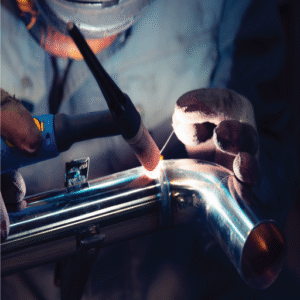
TIG welding, also known as GTAW, enables precise and flexible welding using a non-consumable tungsten electrode. Unlike some other methods, it requires an external shielding gas, such as argon or helium, to protect the weld area from atmospheric contamination. The process is renowned for producing welds of the highest quality, clean and visually appealing, and strong. This opens up critical applications in aerospace, automotive, and the fabrication of components made from stainless steel or aluminum.
Why is TIG Welding Important?
Apart from that, recent data reveal that the term “TIG welding benefits” is emphasized in industries where precision and cleanliness are of utmost importance. Users emphasize that the welding method is suitable for a wide variety of metals with a high degree of control. TIG welders are slower and more labor-intensive than some other welding processes; however, they are the technique employed for intricate and demanding work. – The demand for good TIG welders continues to grow, indicating its importance for modern manufacturing and repair work.
MIG Weld (Gas Metal Arc Welding)
Also known as Gas Metal Arc Welding (GMAW), MIG welding is one of the most common welding processes due to its efficiency, versatility, and ease of use. The welding operation consists of feeding the welding gun with a continuous wire electrode, which is melted and used to join materials. The shielding gas, typically argon or a mixture of argon and CO2, protects the weld pool from contamination in the air, ensuring a strong and clean weld.
According to the recent data from Google’s search engine, one frequently raised question regarding MIG welding is, “Is MIG welding better than TIG welding?” And, for the most part, it depends on the project requirements and materials. MIG welding offers speed, making it ideal for working with thicker materials or large-scale projects due to its higher deposition rate. It is also relatively easy for beginners compared to TIG, which requires a lot of precision and technique. TIG welding, on the other hand, is best suited for thin materials or welds that require a clean, intricate appearance. Both have their advantages and should be chosen depending on the specific needs of the work.
Stick Weld (Shielded Metal Arc Welding)
Stick welding, also known as SMAW, is one of the most versatile and widely utilized welding processes to date. This method uses a consumable electrode with a flux coating to lay the weld. When an electric current passes through it, the electrode sets up an arc that melts both the electrode and the base material, fusing them to form a strong joint. One of the best features of the process is that it can be performed under adverse environmental conditions. It is considered one of the best welding methods for outdoor applications, such as in a windy environment or less-controlled work settings. A significant advantage of stick welding over MIG or TIG welding is that it eliminates the need for shielding gas, making it particularly worthwhile in remote and rugged areas.
People often ask whether stick welding can be applied to certain materials. Stick welding can be used on various types of metals, such as steel, stainless steel, or cast iron, provided the proper electrodes are used. For instance, electrodes such as E6010 or E7018 are typically selected for their reliability and specific characteristics. Construction, repair work, and even artistic metalworking projects often require the use of stick welding due to its affordability, portability, and versatility.
Flux-Cored Arc Welding
The Flux-Cored Arc Welding (FCAW) process stands out as one of the highly efficient welding methods, wherein a tubular wire filled with flux is used. This configuration eliminates the need for external shielding gas in some cases, making FCAW a prime choice for outdoor and windy situations. Data reported by Google searches suggests that the term “FCAW” is widely searched for due to its preference for heavy-duty applications, such as shipbuilding, bridge construction, and structural engineering. Good penetration and fast welding speeds translate to better productivity on thick metals. To add to the workmanship, the FCAW process yields strong welds and can weld a variety of metals, including carbon steel and stainless steel; hence, it remains quite popular among industry experts and manufacturing entities.
Other Different Types of Welding Processes
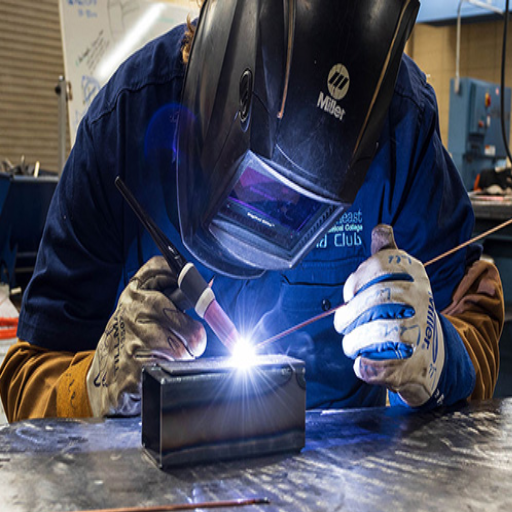
Arc welding, oxyfuel welding, resistance welding, solid-state welding, or other specialized types of laser, electron beam, and thermite welding.
| Type | Key Points | Details |
|---|---|---|
| Arc | GMAW, GTAW, SMAW | MIG, TIG, Stick |
| Oxyfuel | OAW, OHW | Gas-based fusion |
| Resistance | RSW, PW | Electric heat |
| Solid-State | FRW, CW | Pressure-based |
| Specialized | LBW, EBW, TW | Laser, electron |
Plasma Arc Welding
Plasma Arc Welding (PAW) is an exact method of welding that employs a constricted arc to produce an intensely focused and steady plasma jet, heating to a maximum temperature of 50,000°F. Longer penetration with fewer distortions is obtained by this process, and as a consequence, it would be suitable for precision jobs such as aerospace, electronics, and medical device manufacturing. According to recent data from Google’s search engine, the technique of Plasma Arc Welding is consistently being searched for its ability to weld thin materials with excellent quality and maximum efficiency. The process is often compared to TIG welding and stands out due to its faster welding speeds and enhanced arc control. Thus, staying exclusive to Plasma Arc Welding for industries requiring utmost precision and consistency.
Gas Welding Techniques
There are gas welding techniques that utilize a gas flame to melt and join metals, offering great versatility and control depending on the application. The following are the five standard gas welding techniques:
- Oxy-Acetylene Welding: With the oxygen-acetylene combination, one achieves a high-temperature flame that can melt almost all metals. It serves as a versatile method for welding, cutting, and brazing, thanks to its portability and ease of use.
- Oxy-Hydrogen Welding: This method utilizes an oxygen-hydrogen gas mixture to produce a clean flame, ideal for fine, intricate work such as jewelry making and other precision tasks where unwanted residues must be minimized.
- Air-Acetylene Welding Technique: This technique typically utilizes acetylene gas mixed with atmospheric air and is commonly employed in plumbing and HVAC applications. Air-CEA can never get hotter than that oxy-acetylene flame, but it certainly is hot enough to handle soldering and brazing tasks.
- MAPP Gas Welding: MAPP gas welding uses fuel gases in combination with oxygen to achieve very high flame temperatures. It is typically favored for cutting and brazing applications where the utmost heat and strong bonds are desired.
- Propane or Butane Welding: These methods use gases—propane or butane—with oxygen, creating a comparatively lower-temperature flame, primarily used for soldering, light brazing, and miniature repair work. Another favorable points include the cheap price and ready availability.
Each of these methods has its inherent merits and demerits, making each of them suitable for specific jobs and industries. Proper selection depends on the material, the application’s demands, and the desired results.
Beam Welding and Its Applications
Maybe beam welding is a higher notion of welding techniques in which a deliberately concentrated beam of energy is used to precisely and efficiently join materials. These methods are used in various industries where welds of high quality and reliability are the matters on which people depend. Beam welding techniques, their applications, and five major beam-welding processes are elucidated here:
- Electron Beam Welding (EBW)
Description of the process: Generates heat by using a high-speed electron stream, the kinetic energy of which melts the workpieces.
Applications: For turbine parts in aerospace applications, for transmission assemblies in the automobile industry, and vacuum-tight seals.
Advantages: Deep penetration, low distortion, and a high-quality weld in a vacuum-controlled environment.
- Laser Beam Welding (LBW)
Method: An Independent and focused small laser beam causes welding heat, melting the workpieces together with high precision.
Applications: Used mainly for medical device applications, microelectronics, and welding of fragile metals in automotive.
Advantages: Fast speed, low heat input, minimal distortion, and compatibility with automation systems.
- Hybrid Laser-Arc Welding (HLAW)
Method: Combine a laser beam and arc welding to increase penetration depth and rate of welding.
Applications: Shipbuilding, pipeline construction, and heavy equipment manufacturing.
Advantages: Precision in laser welding and flexibility in arc welding, making this process suitable for working with thick materials.
- Ion Beam Welding (IBW)
Description of the process: The ion beam heats the surfaces and causes solid-state diffusion for the welding of materials.
Applications: Microelectronics, nanotechnology, and applications that require extremely precise and clean welds.
Advantages: Extraordinary working control for small-scale applications, and welding is done by a method without a molten phase; hence, impurity in the weld is avoided.
- Plasma Beam Welding (PBW)
Description of the process: It produces the plasma arc by superheating the column of ionized gaseous material, providing intense, focused heat.
Applications: Currently, it is widely used in the aerospace and defense sectors for welding titanium, stainless steel, and aluminum.
Advantages: High precision, welding of thicker materials, and repeatability.
Each of these methods utilizes an advanced energy source to yield unmatched accuracy, which is why beam welding is well-known in high-stakes industries that demand reliability and precision.
Choosing the Right Welding Machine
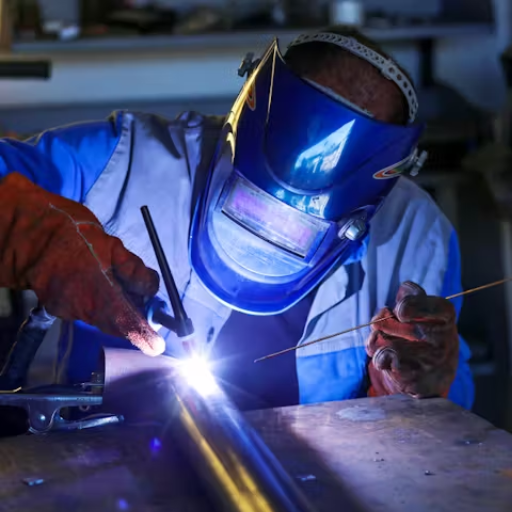
Welding machine selection depends on many factors:
- Material Type: Consider the type of material you will be welding (e.g., steel, aluminum, or titanium) and ensure the machine’s compatibility with it.
- Welding Process: Determine the required welding process, such as MIG, TIG, or beam welding, based on the project’s nature.
- Thick Material: Select one that can accommodate the thickness of the materials you’ll be working with.
- Power Supply: Verify that the power supply is compatible with your machine, taking into account the required voltage and amperage.
- Ease of Use: For novices or versatile jobs, opt for a machine with user-friendly controls and settings.
Evaluate these criteria, and you can be sure that your welding machine will serve you well in a practical manner.
Types of Welding Machines for Various Processes
Welding machines, categorized by various types, include MIG, TIG, Stick, Flux-Cored, Plasma Arc, Submerged Arc, and Multi-Purpose welding machines. Each of these is designed for a particular welding that a worker has to perform.
| Parameter | MIG | TIG | Stick | Flux-Cored | Plasma Arc | Submerged Arc | Multi-Purpose |
|---|---|---|---|---|---|---|---|
| Function | Fast, versatile | Precise, clean | Robust, outdoor | Thick metals | Laser-like weld | High-quality auto | Multi-process |
| Best For | General metals | Thin metals | Construction | Heavy-duty | Aircraft parts | Pipelines | Versatility |
| Control | Easy | Skilled | Moderate | Moderate | Skilled | Automated | Flexible |
| Applications | Automotive | Aerospace | Repairs | Fabrication | Manufacturing | Plumbing | All-in-one |
| Key Feature | Speed | Precision | Cost-effective | No gas needed | High precision | Flux shield | Multi-use |
Understanding Weld Metals and Their Compatibility
In general, welding requires understanding the compatibility of various metals to ensure stronger and more efficient welds. Metals have different properties, including melting points, thermal conductivity, tensile strength, and other characteristics that determine their behavior during the welding process. For example, welding similar metals, such as mild steel on both sides, is a simple task because these two metals have essentially identical properties. However, when a combination of dissimilar metals is being welded, such as aluminum to steel, several challenges arise from factors including galvanic corrosion, differing rates of thermal expansion, and the need for special filler materials.
According to the latest welding data and developments, metallurgists stress the importance of selecting the correct filler metals and welding techniques. For instance, TIG welding is often chosen for aluminum due to its precision. At the same time, high-nickel fillers are commonly used to overcome compatibility issues when welding stainless steel to carbon steel. Surface preparation, which includes cleaning and preheating, is also encouraged to enhance weld desirability among mixed metals. From understanding these factors, welders can tailor their welding processes to forge strong welds that meet various application needs.
Tips for Selecting the Best Welding Equipment
- Determine the Material to be Welded
Determine the metal that you generally work on, whether aluminum, stainless steel, or carbon steel. Every set of welding operations and equipment, such as MIG, TIG, or stick welding, is designed for specific metals and thicknesses. TIG welding is chosen when accuracy is required for thin materials, while MIG welding is a suitable choice for thick metals.
- Look into the Power Requirements
Examine the power output of your welding machine and verify its compatibility with your electrical supply system. Some machines may require 120V, suitable for light-duty applications, while others will be designed for 220V, which is typically used in industrial or heavy-duty applications. You must see that the power supply matches the performance requirements of your equipment.
- Consider Portability and Size
A portable welding machine is necessary if you plan to undertake occasional welding projects. Ensure the welding machine you select has handles or wheels designed for good mobility. Small welding machines are the best option for small workshops, while big machines are suitable for industrial welders.
- Analyze Duty Cycle Ratings
The working capacity of the welding unit is depicted by its duty cycle, which is the percentage of working time it can continue operating before requiring a cooldown. If it is for daily or industrial use, opt for one with a high duty cycle to ensure efficiency over extended periods without overheating.
- Investigate Safety Features
Opt for welding machines that feature built-in safety mechanisms, such as thermal overload protection and a robust enclosure, to safeguard both operators and the equipment. The more advanced models may feature fan cooling systems or an automatic shutoff mechanism for the sake of safety and longevity.
Including all these factors will help you make an informed choice of welding equipment that suits your particular needs, while ensuring efficient working, safe handling, and precise output in your projects.
Reference Sources
- Environmental and Economic Analyses of TIG, MIG, MAG and SMAW Welding Processes
- Authors: Carlos González-González, Jorge Los Santos-Ortega, E. Fraile-García, J. Ferreiro-Cabello
- Published in: Metals
- Publication Date: June 9, 2023
- Summary:
- This study conducts a comprehensive environmental and economic analysis of four types of electric arc welding: TIG, MIG, MAG, and SMAW. The authors examine the ecological impacts and financial costs associated with each welding process using various materials, including carbon steel, stainless steel, and aluminum.
- The methodology involved welding 480 test specimens using different welding technologies and collecting data for a Life Cycle Analysis (LCA). The results indicated that TIG welding with filler had the highest environmental impact due to greater shielding gas consumption. At the same time, SMAW demonstrated the best ecological performance with significant reductions in CO2 emissions.
- Effect of Welding Parameters on Mechanical and Microstructural Properties of GMAW and SMAW Mild Steel Joints
- Authors: Bijaya Kumar Khamari, S. S. Dash, S. K. Karak, B. Biswal
- Published in: Ironmaking & Steelmaking
- Publication Date: June 5, 2019
- Summary:
- This paper compares the mechanical and microstructural properties of mild steel joints produced by Gas Metal Arc Welding (GMAW) and Shielded Metal Arc Welding (SMAW). The study examines the impact of various welding parameters on the quality of the welds.
- The methodology involved experimental welding of mild steel sheets with varying thicknesses, followed by mechanical testing (tensile strength and hardness) and microstructural analysis using optical microscopy and scanning electron microscopy (SEM). The findings revealed that GMAW produced superior mechanical properties compared to SMAW due to better heat input and weld bead characteristics.
- Comparisons of Different Oxide Fluxes in Activated Gas Tungsten Arc Welding of Duplex Stainless Steels for Improved Depth of Penetration and Pitting Corrosion Resistance
- Authors: P. Nanavati, V. Badheka, Jaynish Idhariya, D. Solanki
- Published in: Advances in Materials and Processing Technologies
- Publication Date: April 26, 2021
- Summary:
- This study analyzes the effects of various oxide fluxes on the depth of penetration and pitting corrosion resistance in duplex stainless steels during the Activated Gas Tungsten Arc Welding (A-TIG) process. The authors compare the performance of different fluxes, including SiO2, TiO2, CrO3, MnO2, and MoO3.
- The methodology involved preparing bead-on-plate weld samples and measuring the depth of penetration, bead width, and corrosion resistance. The results indicated that SiO2 and TiO2 fluxes significantly enhanced penetration depth compared to other fluxes, although all samples exhibited poor pitting corrosion resistance.
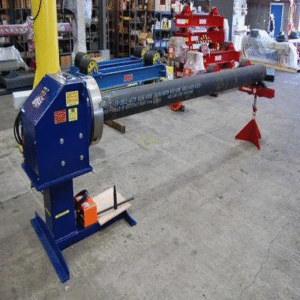
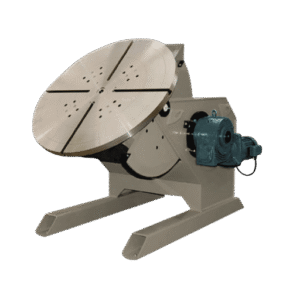
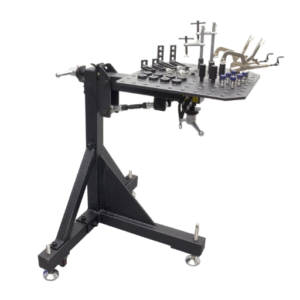
- Top Welding Manipulators Manufacturers and Supplier in China
Frequently Asked Questions (FAQs)
What are the main types of welding processes?
The main types of welding processes include MIG welding (Gas Metal Arc Welding), TIG welding (Gas Tungsten Arc Welding), Stick welding (Shielded Metal Arc Welding), and Flux-Cored Arc Welding. Each of these processes has unique characteristics that make it suitable for different welding applications and materials.
How does MIG welding differ from TIG welding?
MIG welding, also known as Gas Metal Arc Welding, utilizes a continuous wire feed as an electrode and is typically faster than TIG welding. TIG welding, also known as Gas Tungsten Arc Welding, offers greater control over the welding process and is often used for welding thin materials, such as aluminum. This makes TIG welding extremely versatile, but it is generally slower than MIG welding.
What is the stick welding process and its applications?
The stick welding process, also known as Shielded Metal Arc Welding (SMAW), uses a consumable electrode coated in flux to join metals. This type of welding is popular for its simplicity and portability, making it suitable for outdoor welding applications and for welding thick materials like steel.
What is flux-cored arc welding and when is it used?
Flux-Cored Arc Welding (FCAW) is similar to MIG welding but uses a tubular wire filled with flux. It is particularly effective for welding thicker materials and in outdoor conditions, as it can produce a protective gas shield without requiring an external gas supply. FCAW is commonly used in construction and the repair of heavy equipment.
What are the advantages of using a MIG welder?
A MIG welder is renowned for its high welding speed and ease of use, making it an ideal choice for beginners. It enables continuous wire feeding, resulting in a smooth and efficient welding process. MIG welding is also versatile, as it can be used to weld a wide range of materials, including aluminum and stainless steel.
How do different types of welding compare for aluminum welding?
When it comes to aluminum welding, TIG welding is often preferred for its precision and control, especially for thin sections. MIG welding can also be used for aluminum, but may require a spool gun or special wire. Flux-cored arc welding is less common for aluminum due to the material’s sensitivity to heat.
What factors should you consider when choosing the proper welding process?
When selecting the appropriate welding process, consider factors such as the type of material being welded, its thickness, the welding position, and the surrounding environment. Additionally, the desired weld joint quality and the speed of the welding process can influence your choice among the different types of welding.
What is atomic hydrogen welding, and what is its significance?
Atomic hydrogen welding is a process that utilizes hydrogen as a shielding gas, producing an extremely hot arc. It is significant for welding high-strength materials and is often used in specialized applications. However, it has been largely replaced by more efficient welding technologies in many industries.