Welding is a highly skilled activity that combines precision, technique, and appropriate tools to join various materials with a firm yet lasting weld. Among the indispensable tools in the welder’s arsenal are weld manipulators and positioners, which aid in the execution of manual welding operations with much-playing skill and efficiency. Whether you are a seasoned professional or entering the new world of welding, it is essential to gain knowledge on how these tools help enhance accuracy, mitigate operator fatigue, and ensure consistent results. The guide describes the functions of weld manipulators and weld positioners, explains how they work, outlines their advantages, and discusses their applications. Ultimately, you will be enlightened on how the right equipment can help elevate your welding projects to a new level in terms of accuracy and efficiency.
Introduction to Welding Manipulators
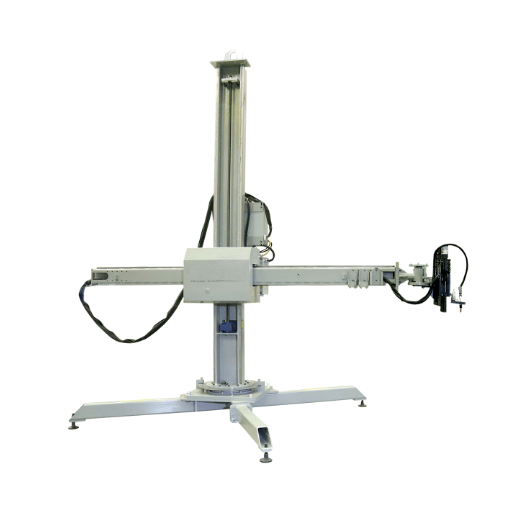
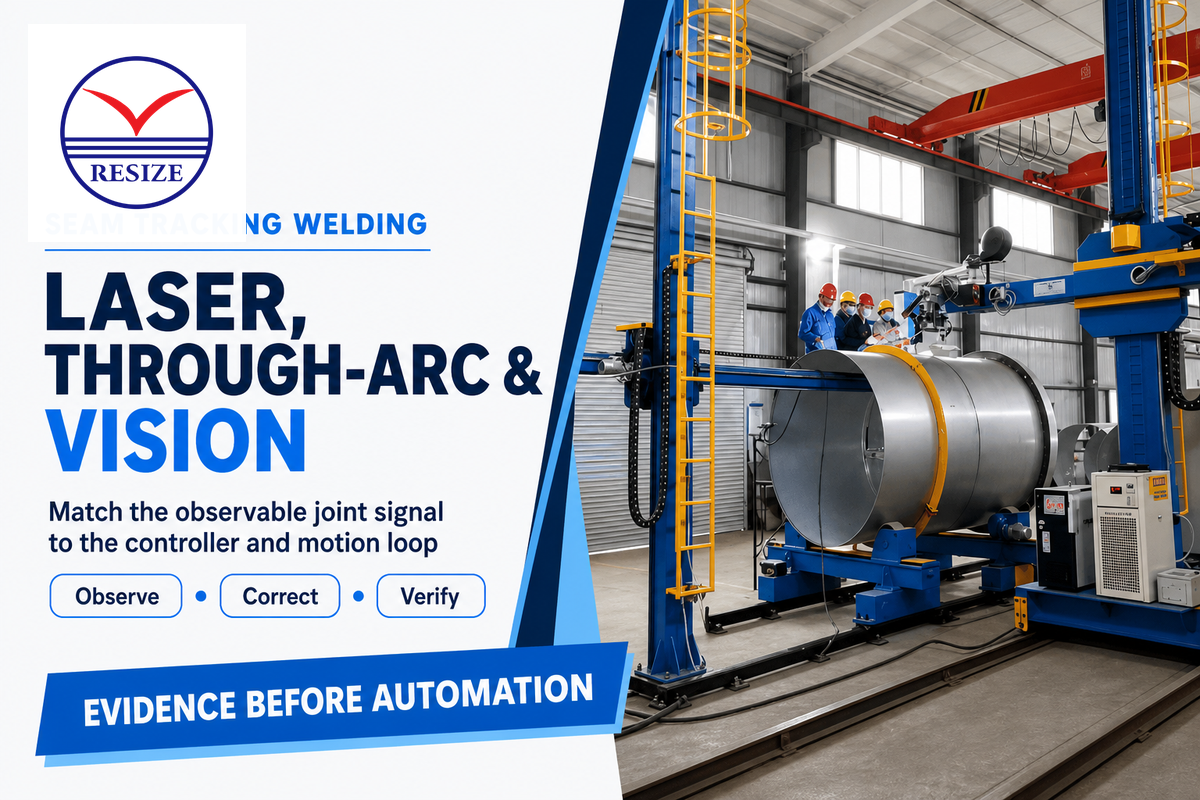
Welding manipulators are considered the prime tools that enhance the welding processes’ precision and efficiency. They are support equipment set up to keep welding torches, workpieces, or both in an optimum position for welding. By stabilizing and controlling the movement of the welding process, manipulators provide the best treatment to ensure weld quality and to reduce operator fatigue. This equipments is used primarily where accuracy and repeatability are of prime concern, such as in manufacturing industries, construction, and automotive production.
What is a Weld Manipulator?
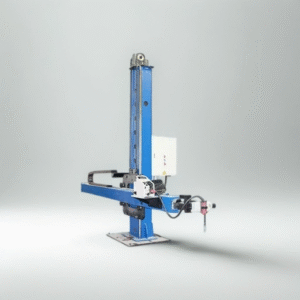
A weld manipulator can be described as a mechanical device designed to enhance the precision, efficiency, and safety of the welding process by holding and/or positioning welding torches and workpieces during the welding process. Weld manipulators have adjustable arms that serve as rotators and allow for tilting movements, enabling welders to access difficult locations while maintaining relatively easy and proper welding angles. By taking over certain aspects of the welding process, weld manipulators enhance weld quality, minimize material wastage, and reduce operator fatigue. These devices are often paired with robotic welding systems or positioners, making them indispensable in present-day manufacturing, construction, and heavy machinery industries, where accuracy and repeatability are of utmost importance. |
Types of Welding Manipulators
Manual welding manipulators, e.g., rotary positioners, bench positioners, and 2-axis positioners, are custom-made series of welding manipulators for every welding task.
| Parameter | Rotary Positioner | Benchtop Positioner | 2-Axis Positioner |
|---|---|---|---|
| Function | Rotates workpiece | Compact, rotates the workpiece | Tilts and rotates |
| Best For | Precision welding | Small-scale tasks | Complex angles |
| Control | Foot pedal/lever | Manual | Manual |
| Applications | Cylindrical parts | Intricate designs | Multi-angle welding |
| Key Feature | 360° rotation | Compact size | Dual movement |
Benefits of Using a Welding Manipulator
- Enhanced Weld Quality
Welding manipulators maintain proper alignment and motion during welding, creating minimum distortion, ensuring consistency in the workpieces, and reducing the chances of errors induced by manual handling.
- Efficiency
By automating specific tasks that welders would perform manually, welding manipulators reduce the production time. They simplify the processes and allow for a continuous operation, except for some sporadic quick stops.
- Reduced Wastage of Material
Welding operations carried out by manipulators are well-controlled to avoid excessive weld application and material wastage, thereby saving expenses and enabling more efficient utilization of resources.
- Reduced Operator Fatigue
Welding manipulator operation requires far less physical exertion than manual welding operation. Consequently, this reduces operator fatigue, maintains a high level of concentration, and boosts productivity.
- Safety
A reduction in complex or hazardous manual welding work considerably reduces the exposure of operators to dangerous fumes, high temperatures, or other hazards commonly encountered in conventional welding.
Understanding Weld Positioners
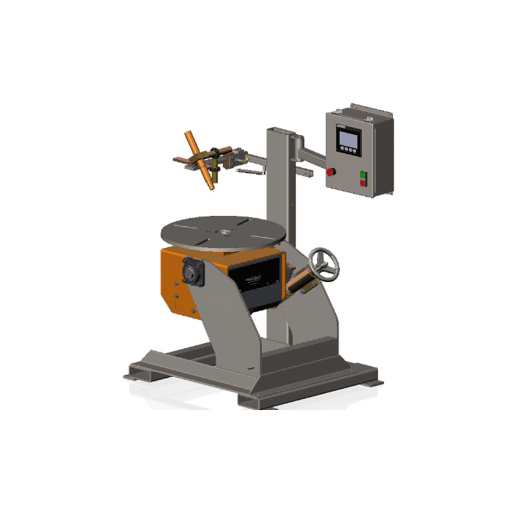
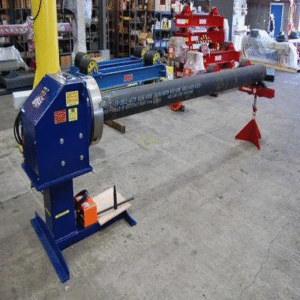
Positioners are mechanical tools that hold workpieces and rotate to allow welders to position them in a suitable position for welding operations. By controlling precise movements and orienting the workpiece, weld positioners enhance weld quality, increase efficiency, and reduce operator fatigue. They are used most often in heavy or complex cases to maintain stability and consistency through welding operations.
What Are Weld Positioners?
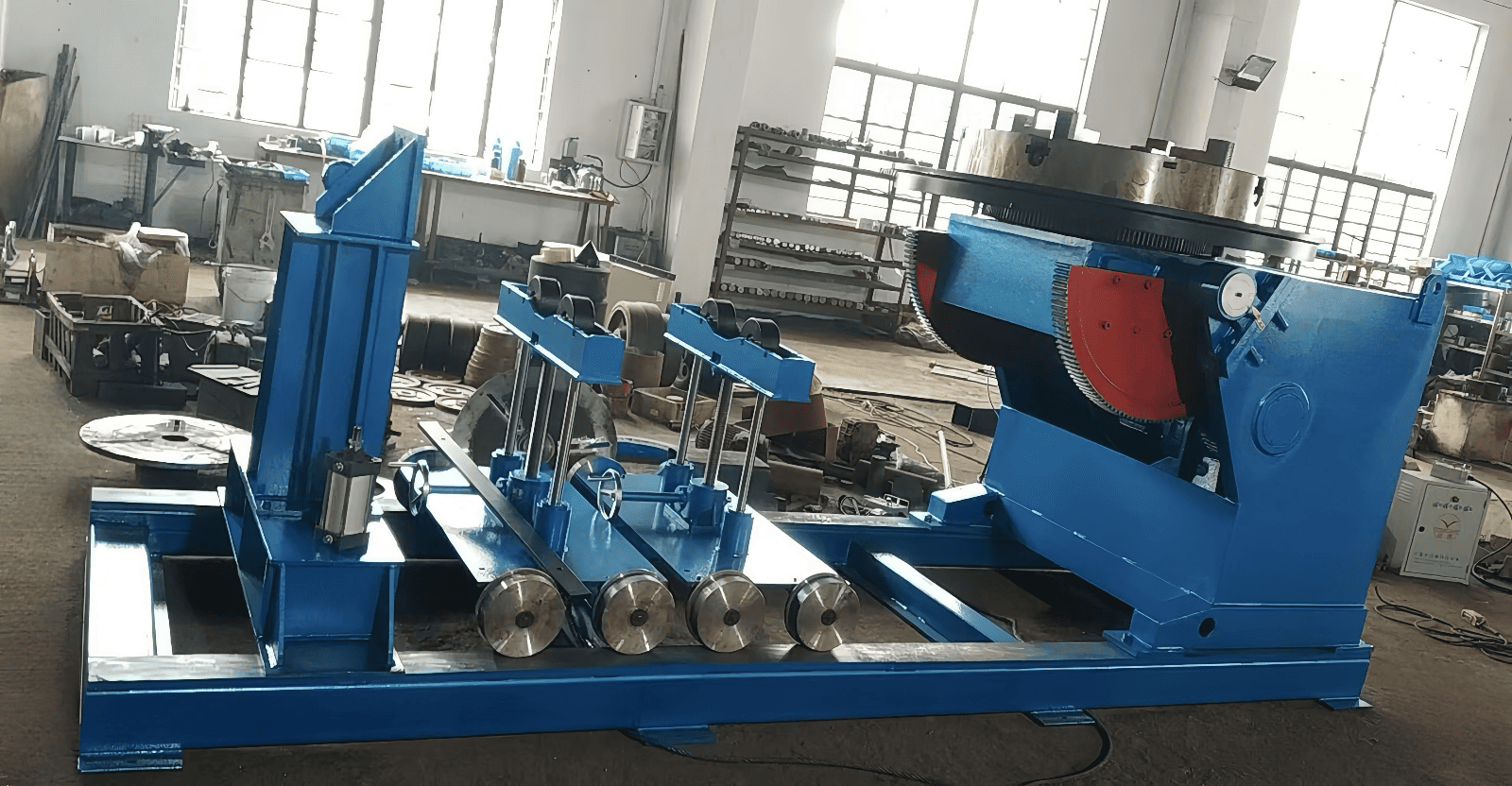
Specialized tools for weld positioners are used to control the rotation and positioning of a workpiece, enabling welding to occur. Weld positioners are essential for providing precision, repeatability, consistency, and safety in all welding applications. Typically, a weld positioner features a rotating table or chuck assembly to securely hold the workpiece, along with either a motorized or manual mechanism, or both, to adjust its angle and orientation precisely. Recent industry insights emphasize the significance of weld positioners in sectors such as aerospace, automotive, construction, and heavy machinery manufacturing, where they are essential for handling large, complex, or awkward materials. Superior-quality weld positioners are equipped with advanced features, including programming controls, automated rotation speeds, and robot compatibility, to enhance the welding process further while simultaneously reducing production time and improving weld quality.
Types of Weld Positioners
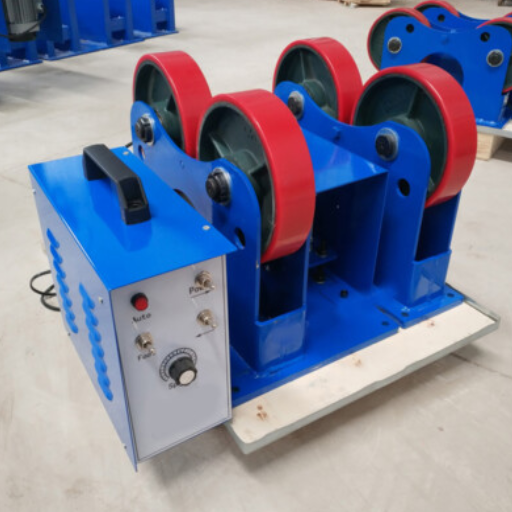
There are numerous types of welding positioners tailored for various welding needs, like rotary, headstock-tailstock, benchtop, gear tilt, and pipe turning positioners.
| Parameter | Rotary | Headstock-Tailstock | Benchtop | Gear Tilt | Pipe Turning |
|---|---|---|---|---|---|
| Function | Rotates workpiece | Supports long parts | Compact, rotates | Tilts & rotates | Rotates pipes |
| Best For | Precision tasks | Long, heavy items | Small-scale tasks | Complex angles | Cylindrical parts |
| Control | Manual/Auto | Manual/Auto | Manual | Manual/Auto | Manual/Auto |
| Applications | General welding | Axles, beams | Intricate designs | Multi-angle welds | Pipe welding |
| Key Feature | 360° rotation | Dual support | Compact size | Tilt flexibility | Pipe rotation |
Applications of Weld Positioners
Since the operations carried out with the weld positioners primarily assist in welding complex assemblies, their potential is infinitely varied and is found in various sectors. Here are five key applications in which weld positioners find themselves used:
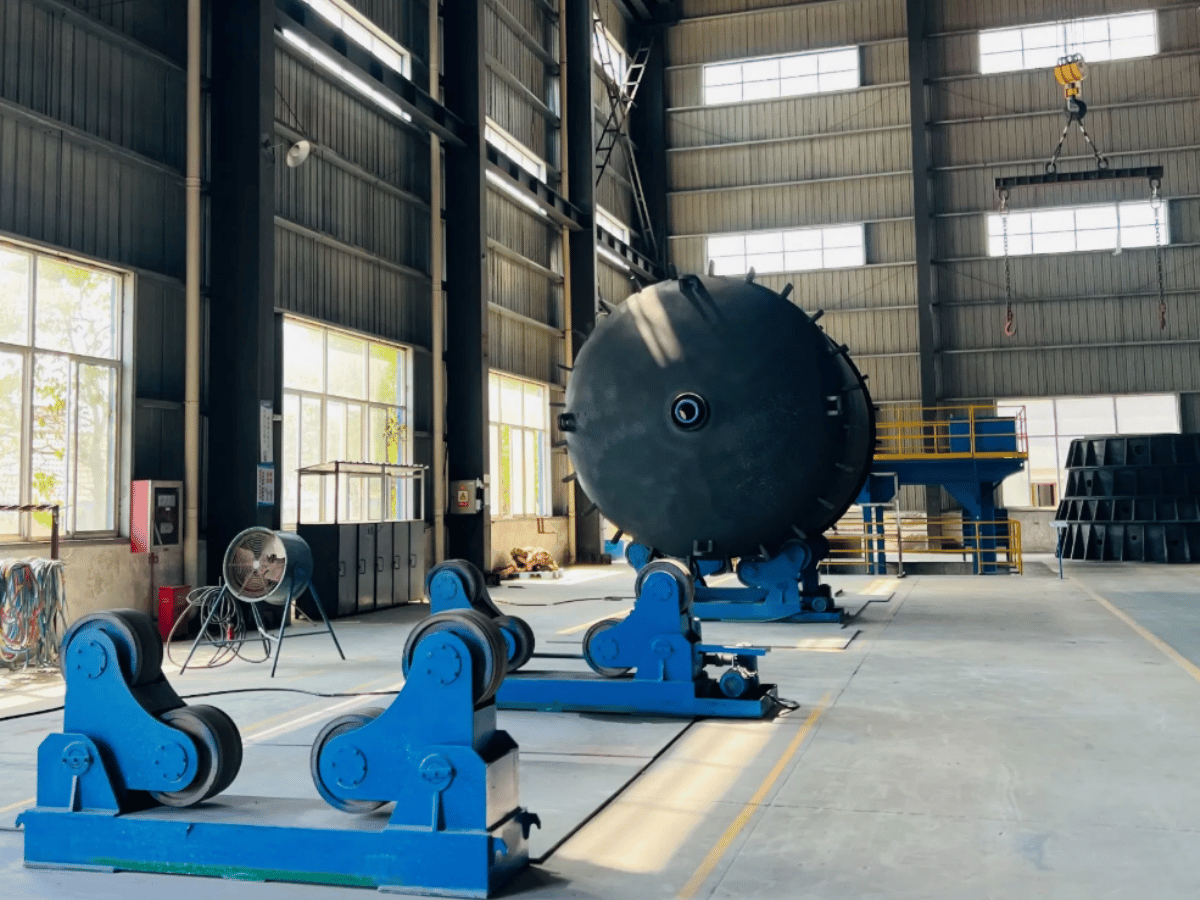
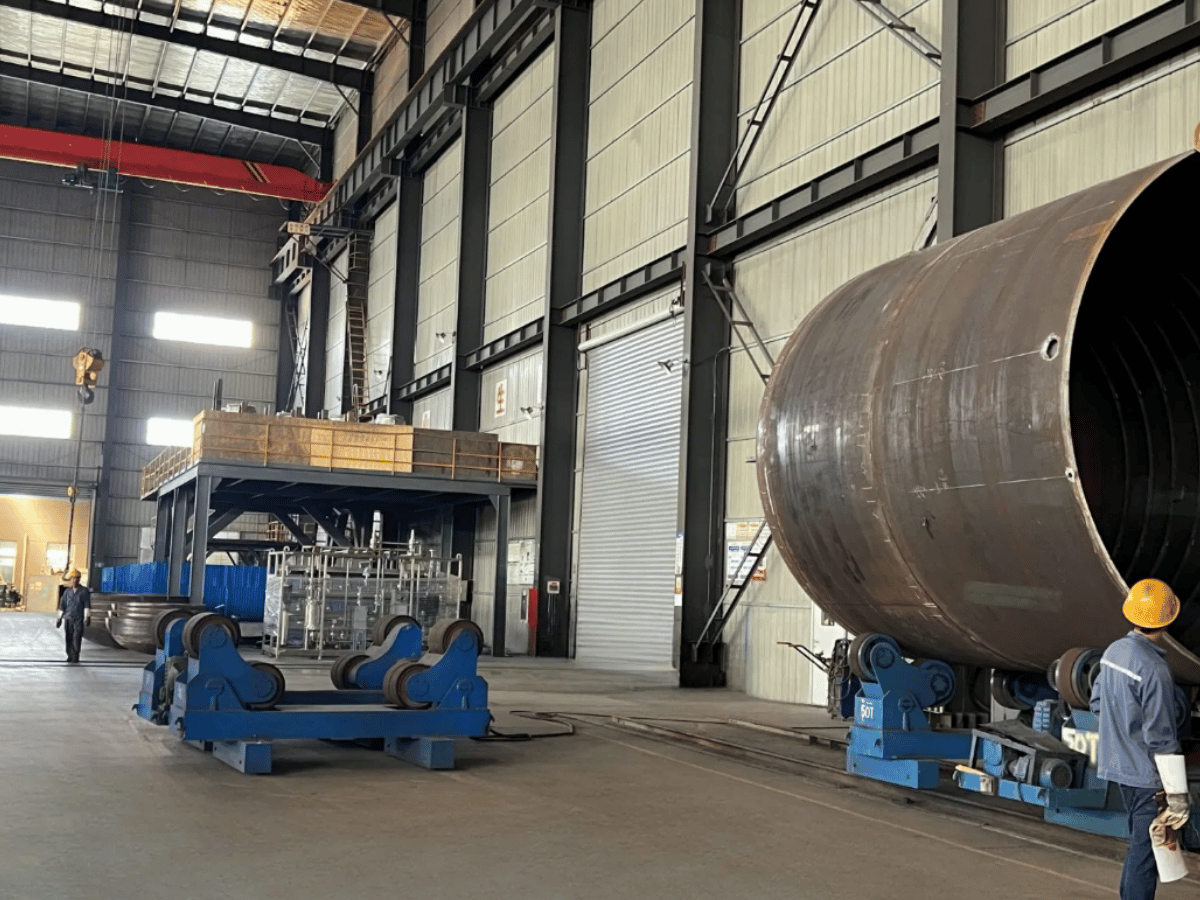
- Pipe Welding: Weld positioners find their most excellent utilization for pipe fabrication, providing an efficient means to rotate and weld pipes of different diameters and shapes. These variations ensure a similar quality of weld throughout the entire circumference.
- Tank and Vessel Fabrication: Industries such as oil and gas, and chemical processing, utilize weld positioners for tanks and large vessels. Positioners simplify welding on curved surfaces and maintain consistency.
- Automobile Manufacturing: Weld positioners are utilized in the welding of various automobile components, including the frame and chassis. It enables them to position accurately, which improves productivity and ensures high-quality welds.
- Structural Steel Work: For the construction industry, weld positioners enable the efficient welding of beams, columns, and other structural members while minimizing time and ensuring accurate alignment.
- Heavy Equipment Production: These weld positioners are used by various industries engaged in the manufacture of heavy machinery and equipment to handle large, awkwardly shaped parts. Positioners thus facilitate the easy and solid performance of precision welds.
The above applications demonstrate how weld positioners contribute significantly to productivity, safety, and quality in various sectors.
Manual Weld Manipulators
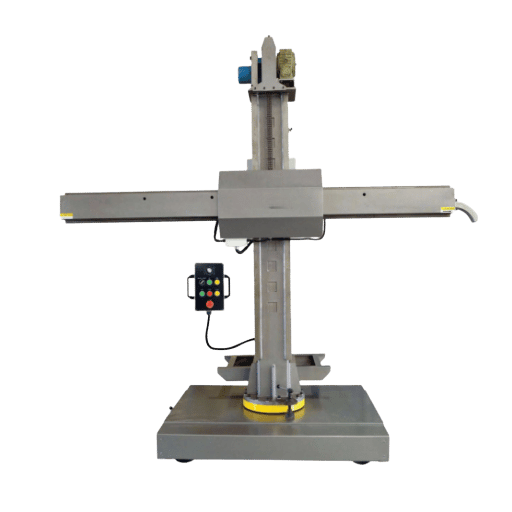
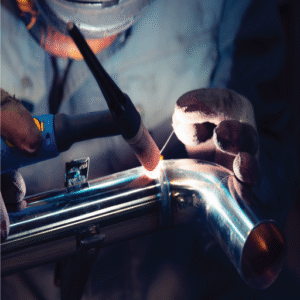
Manual welding manipulators are tools that enable welders to position and control the workpiece or welding torch manually during the welding process. These devices, as they call, afford greater access to awkward places and also offer better conditions for welding, leaving the welder almost free of fatigue. Manual weld manipulators enable fine adjustments to enhance productivity and ensure consistent results, particularly when working with smaller or simpler welds.
What Are Manual Weld Manipulators?
Manual welding manipulators are mechanical tools designed to provide enhanced process control and accuracy in the welding process. These manipulators enable an operator to manually adjust the position of either the workpiece or the welding torch, allowing work on intricate parts or in hard-to-reach areas. They’re commonly used when very high levels of precision and stability are required, since they permit extremely steady hand motions with minimal vibrational effect during the weld. This manual weld manipulator reduces operator fatigue while simultaneously improving welding quality and repeatability. According to the latest data on ergonomic and adjustable features for weld manipulators, these devices continue to maintain their versatility across various applications, ranging from small workshops to large industrial projects.
Advantages of Manual Welding
- Precision and Control
Manual welding provides in-depth control over the welding process, allowing for the production of intricate and detailed welding work. This extra level of precision is particularly vital for applications where automated systems may not be able to reach or cannot operate in unusually cramped spaces.
- Versatility
Manual welding can be applied to various materials and thicknesses. For which it is, of course, applied from structural steel right down to quite delicate aluminum components.
- Cost-Effectiveness
Manual welding requires less investment in equipment and maintenance compared to the automated systems. Thus, it is an economically viable option for small-scale operations or projects of varying requirements.
- Immediate Adjustments
In some cases, operators can react to the situation and make adjustments immediately, allowing for the consideration of environmental factors, material inconsistencies, or other variables. This flexibility allows better results when exact conditions cannot be anticipated.
- Mobility and Accessibility
Unlike huge automated systems, manual welding equipment is portable and can be operated at remote or hard-to-reach locations. This enables welding to take place in a range of environments, from workshops to outdoor construction sites.
Using Manual Weld Manipulators
These tools have historically played a crucial role in enhancing the precision and efficiency of industrial welding. Recent Google search data indicate that their application in small and complex welding jobs is gaining increasing popularity. The workpiece is held tightly in these devices as they rotate it, providing the welding operator with optimal angles to maintain consistent weld quality. They are primarily small and adaptable, allowing them to be used across various industries, ranging from automotive to aerospace. Leveraging processes that combine manual operations with high-tech accuracy will help us transition from traditional methods to modern-day needs.
Choosing the Right Equipment
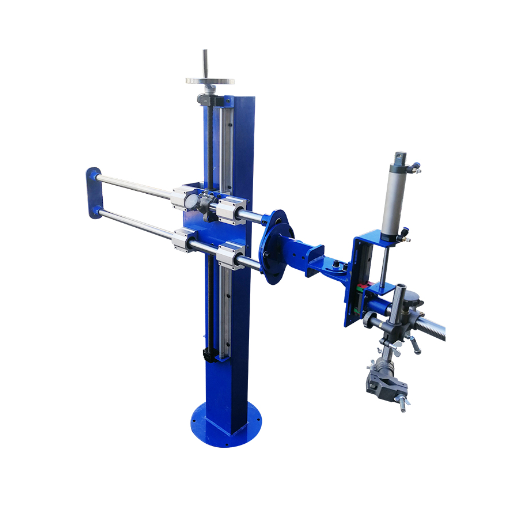
The processes involved in selecting the right equipment must take into account factors such as the types of workpieces, the range of motion required, and the degree of weld complexity needed. Determine if specific equipment can accommodate the size and weight of your materials, and if it provides the necessary flexibility for your work. Considerations when choosing equipment must include durability, ease of use, and adaptability to other tools or systems within your work process. Always choose equipment from a reputable manufacturer to assure reliability and support options.
Factors to Consider When Selecting a Welding Manipulator
- Load capacity and dimensions of workpieces that can be accommodated
Ensure that the welding manipulator is capable of withstanding the weight and size of your workpieces. If a manipulator is overloaded, it may crack or fail to maintain consistency. Take into account the maximum load capacity specification and determine whether it aligns with your urgent project needs.
- Range of Motion and Accuracy
The manipulator must take into account the required range of movement to effect the welds per the requirements; this means having the ability to rotate, adjust tilt, and change angles conveniently. A very high degree of accuracy is required for complex welds or projects requiring a refined quality.
- Speed and Efficiency
Assess the time it takes for a welding manipulator to work and whether it disrupts the workflow. The increase in speed and automated controls would have supported target productivity if welding quality had not become an issue due to speed, especially in mass production.
- Robustness and Maintenance
There should be an orientation toward materials sturdy enough to withstand rough working conditions. Consider whether it is easy to maintain, if replacement parts are readily available, and the level of support provided by the manufacturer, so that you can get back to production quickly.
- Compatibility
The welding manipulator must fit into your existing tools/ welding system, or automation processing. Compatibility with control systems and safety features, as well as other tool attachments, can facilitate seamless integration into a cohesive and efficient welding setup.
Load Capacity and Performance
The load capabilities and overall performance of welding manipulators should be analyzed in terms of the specific demands of your projects. The manipulator must handle the maximum weight of the workpiece with precision and stability through the welding process. Data acquired recently through data sourcing from Google’s search engine ranks modern welding manipulators as having an advantage in terms of the extensiveness of load capacities and range of applications, from lighter components used in small-scale applications to extreme industrial loads exceeding several tons. Performance-wise, they enable rapid rotation, work accurately, and sustain operation in extremely high-stress conditions without freezing, which significantly enhances productivity. Hence, by choosing a manipulator that is appropriate for your workload range, you maximize efficiency and reduce the chances of system strain.
Reference Sources
- Design and manufacture of Laboratory Scale Automatic Pipe Welding Tool
- Authors: Lukman Sholehudin, Widiyanti Kwintarini
- Published in: METALIK: Jurnal Manufaktur, Energi, Material Teknik
- Publication Date: July 24, 2023
- Summary:
- This paper discusses the design and development of a laboratory-scale automatic pipe welding tool designed to enhance students’ understanding of pipe welding processes. The tool utilizes MIG (Metal Inert Gas) welding technology and is capable of welding AISI 1045 steel pipes with diameters of 1 and 2 inches.
- The study highlights the specifications of the automatic welding tool and its assembly process. Testing revealed that, although all components functioned properly, factors such as machine rotation and airflow during welding had an impact on the results.
- Assessment of welding engineering properties of basic type electrode coatings of different electrode manufacturers for welding of pipe parts and assemblies of heat exchange surfaces of boiler units
- Authors: Yulia Karlina et al.
- Published in: Metal Working and Material Science
- Publication Date: June 7, 2024
- Summary:
- This study assesses the welding properties of various electrode coatings used in manual arc welding for boiler units. It investigates the mechanical properties of welds made with different electrodes and the impact of hydrogen content on weld quality.
- The research employs mechanical tensile tests, chemical composition analysis, and metallographic studies to evaluate the performance of the electrodes. The findings indicate that the mechanical properties of the welded metal often fall below acceptable standards, highlighting the need for improved electrode formulations.
- Review of modern requirements for welding of pipe high-strength low-alloy steels
- Authors: Yulia Karlina et al.
- Published in: Metal Working and Material Science
- Publication Date: December 11, 2023
- Summary:
- This review paper discusses the advancements in welding techniques for high-strength low-alloy steels used in pipelines. It covers the evolution of welding processes from manual methods to automated systems and the challenges faced in ensuring weld quality.
- The paper emphasizes the importance of understanding the microstructural characteristics of welds and their relationship with mechanical properties, providing insights for both practitioners and researchers in the field.
-
Top Welding Manipulators Manufacturers and Supplier in China
Frequently Asked Questions (FAQs)
What is a manual weld manipulator?
A manual weld manipulator is a device used to assist welders in positioning and controlling the welding torch or electrode during manual welding operations. It enhances precision and reduces the physical strain on the welder by allowing for better maneuverability of the workpieces being welded.
How do I use a welding manipulator effectively?
To use a welding manipulator effectively, ensure that it is adjusted to the appropriate height and angle for the specific welding task. Familiarize yourself with the controls and practice moving the manipulator smoothly to maintain consistent weld quality on the workpieces. Proper training is essential for maximizing productivity and safety.
What are the different types of welding manipulators available?
There are several types of welding manipulators, including manual weld manipulators, column-and-boom welding manipulators, and automated welding manipulators. Each type serves different purposes, such as enhancing control during manual welding or automating the welding process for increased efficiency.
What is the role of a welding positioner in welding automation?
A welding positioner plays a crucial role in welding automation by enabling the precise positioning of workpieces during the welding operation. It can adjust the angle and height, allowing for better access and control, which significantly enhances the overall weld quality and productivity of the welding process.
How does a column and boom welding manipulator work?
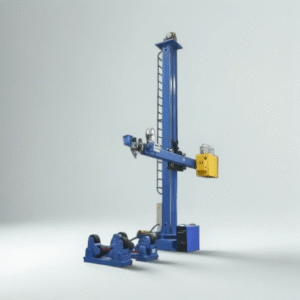
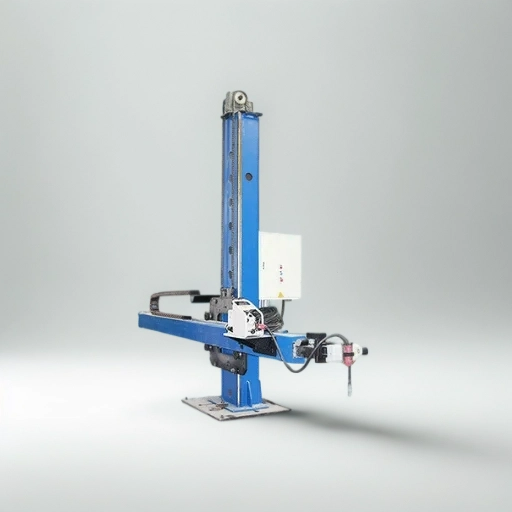
A column and boom welding manipulator consists of a vertical column and a horizontal boom that allows the welding head to move. This setup enables the welder to reach various positions and angles, making it suitable for both vertical and horizontal welding tasks. It is handy for large workpieces that require precision welding.
What are the advantages of using boom welding manipulators?
Boom welding manipulators offer several advantages, including enhanced weld quality through improved control of the welding torch, increased productivity due to reduced manual effort, and the ability to handle larger workpieces. They also contribute to a safer working environment by minimizing the physical strain on welders.
How can I select the right welding equipment for my projects?
Selecting the right welding equipment involves considering factors such as the type of welding process being used, the materials being welded, and the specific requirements of your projects. Evaluate the load capacity, adjustability, and compatibility of the equipment, including manual weld manipulators or column and boom systems, to ensure optimal performance.
What are typical welding applications for manual weld manipulators?
Manual weld manipulators are commonly used in various welding applications, including fabrication, repair work, and assembly tasks. They are particularly effective in industries where precise welds are required, such as automotive manufacturing, construction, and shipbuilding.
How do welding manipulators improve productivity?
Welding manipulators enhance productivity by streamlining the welding process, enabling faster adjustments and positioning of the welding head. This efficiency reduces downtime, enabling welders to focus on completing tasks with high precision, ultimately leading to increased output and improved weld quality.