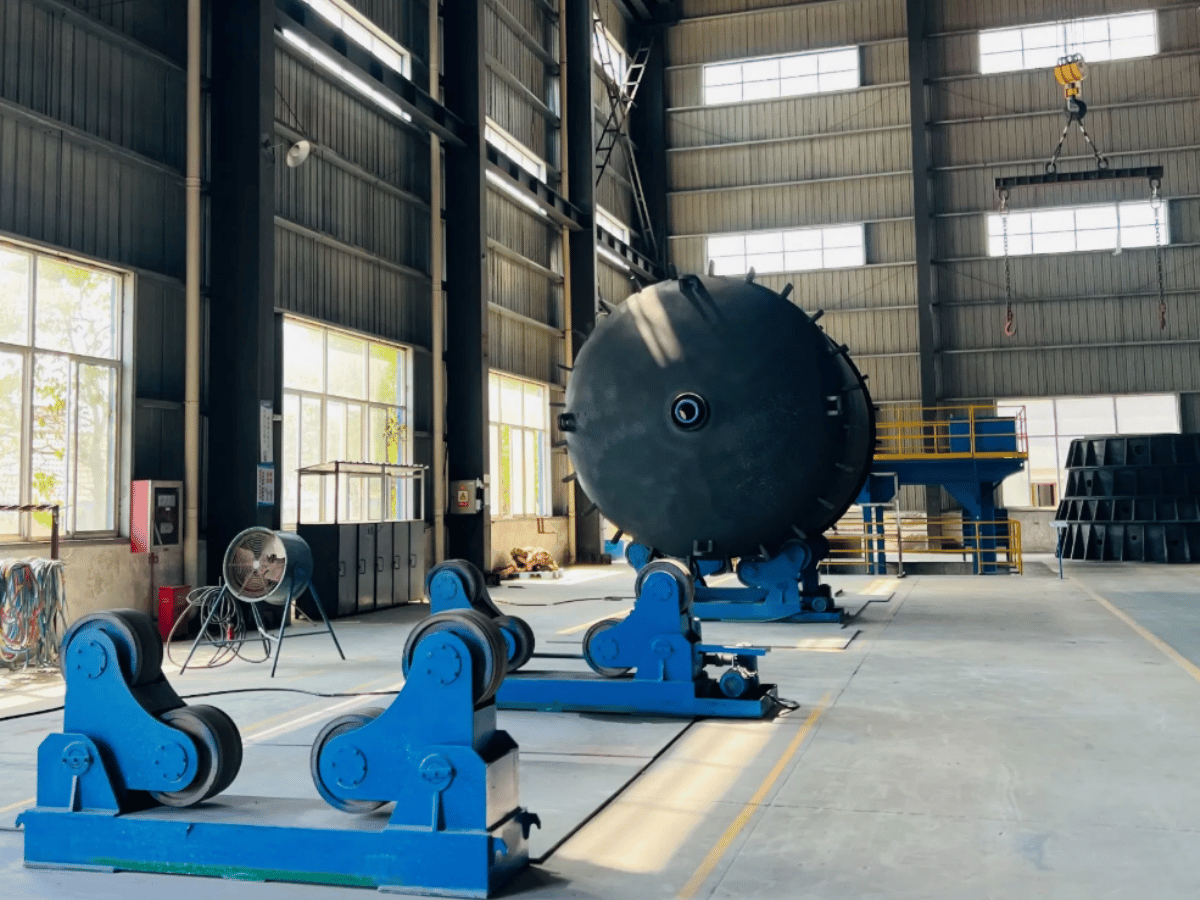
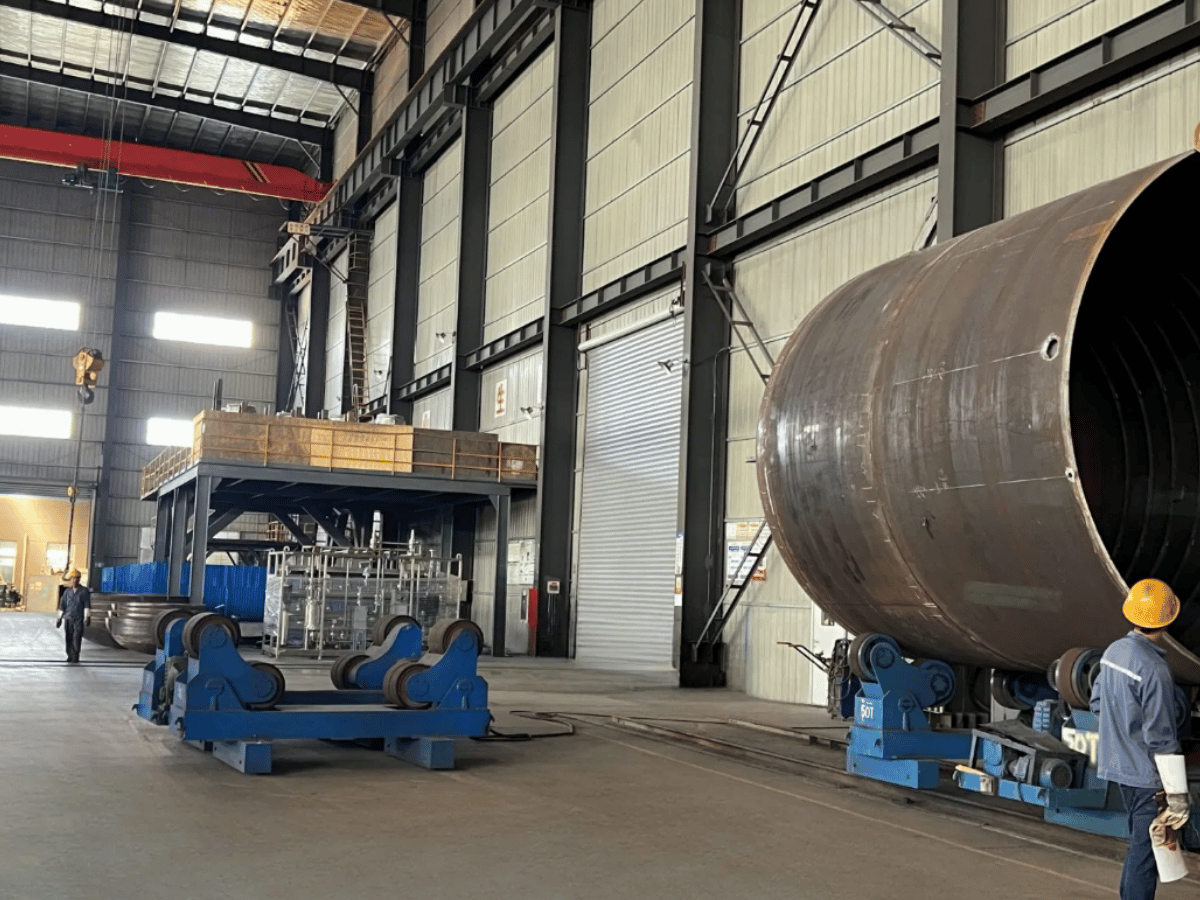
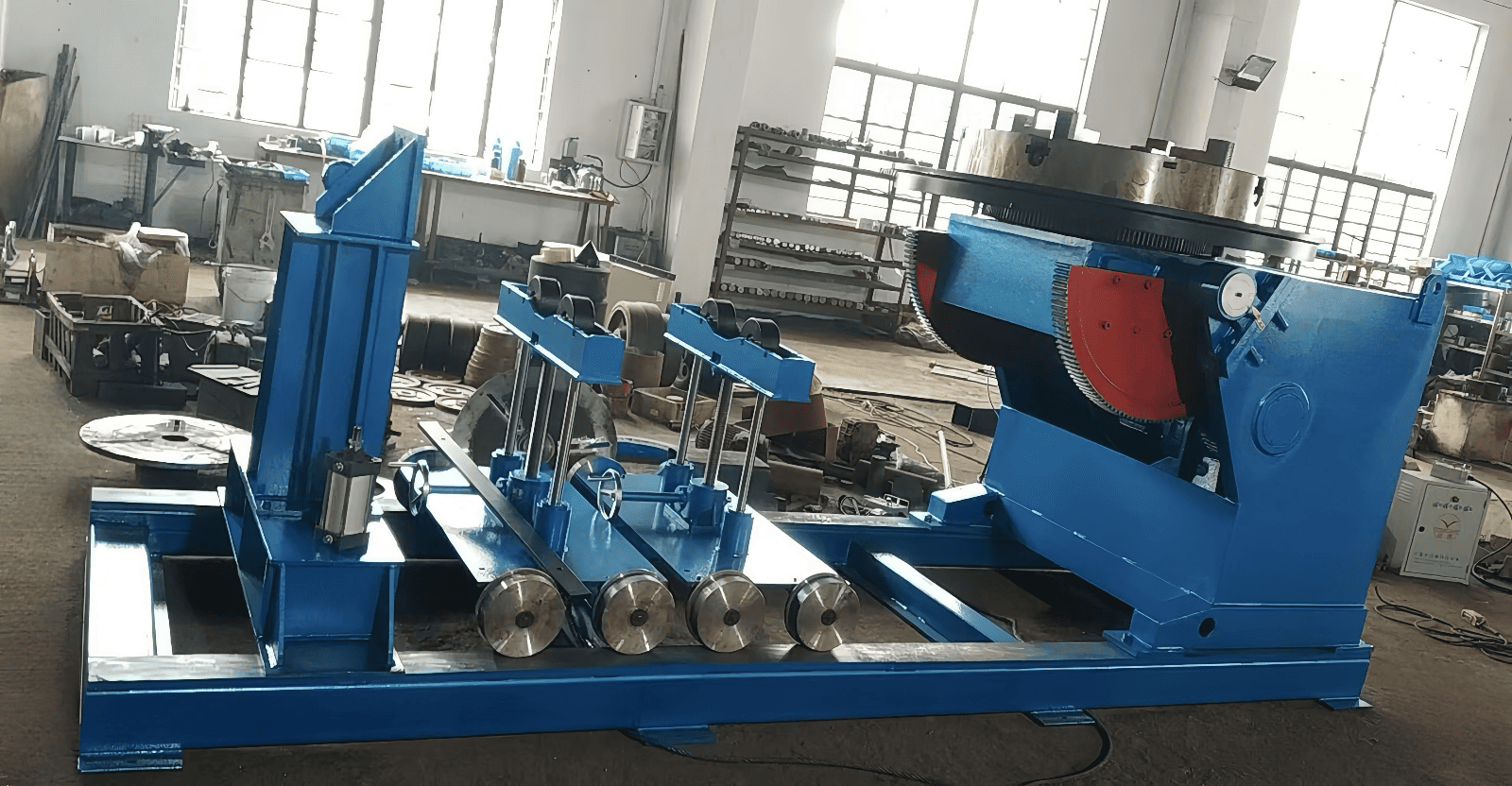
Achieving precision, uniformity, and speed in welding large, cylindrical items is crucial. This is especially important since the equipment known as pipe turning rolls, more commonly referred to as welding rotators, is widely used to make these welding exercises easier by fixing the material in place and rotating it for the weld. This promotes even welding and also saves on other costs, such as safety or unnecessary hand effort. In this post, we will discuss the role of pipe turning rolls and why you should consider having one of these innovative welding systems. Every detail you might need to make an informed choice of the appropriate apparatus for your tasks is elaborated on in this article so that you can achieve it without worries. We hope that the above information will be helpful and assist you in utilizing these assets to promote new value and efficacy in your welding workpieces.
Understanding Turning Rolls
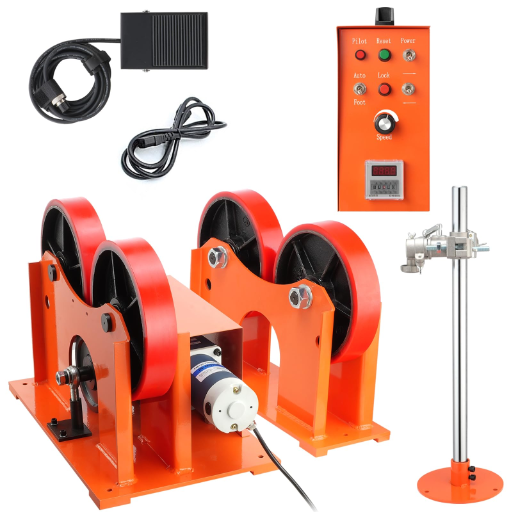
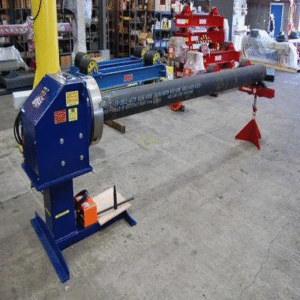
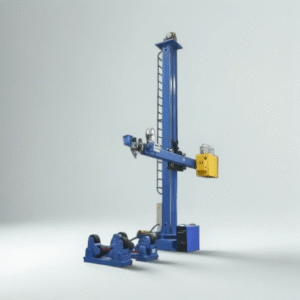
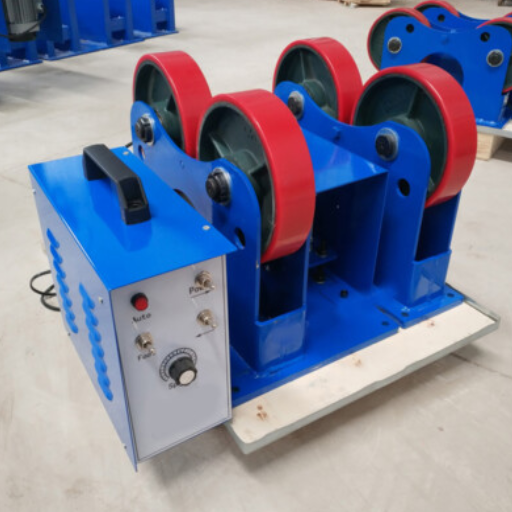
Turning rolls are equipment used in weld fabrication to spin and support cylindrical or round workpieces as they are being worked on. They are composed of motorized and idler units that contain rollers that grip and rotate objects during the actual welding or assembly job. With a steady bidirectional spinning capacity, turning rolls reduces the chances of distorting the shapes before final observation is made. This simple, yet unique feature is the primary reason for the upward trend in the adoption of turning rolls in applicable industries for welding heavy or irregularly shaped structures.
What are Turning Rolls?
Pipe welding positioners are specialized mechanical tools employed in metalwork to support and rotate tubular-shaped workpieces for fabrication, welding, or surface treatment purposes. Its main job is to ensure the workpiece does not move but instead rotates. One or more powered rollers and idlers are used to hold and rotate the workpiece at a definite speed and angle, providing rotation accuracy and evenness that will, in turn, yield productive outcomes. Since newer pipe welding positioners are durable enough to handle heavy weights in the taking of goods to commence every step of the production process, because their capacities cover such applications, from a few tons to a hundred tons, and allow them to manage the insertion of small pipes or large storage tanks and pressure vessels. With the use of more useful practices, turning rolls have features such as speed variability, complete control over the device, and balancing the device before moving.
Essentially, their use extends to various fields, including oil and gas, energy, shipbuilding, and construction industries, which highlights the broad scope of their heavy and intense work handling capabilities.
Types of Turning Rolls for Welding
Topic Summary: The categories of turning rolls include self-correcting, adjustable, motor-driven, hand-driven, and stringing-out rolls, specializing in particular types of welding activities.
| Key Point | Self-Aligning | Adjustable | Motorized | Manual | Idler |
|---|---|---|---|---|---|
| Feature | Auto-alignment | Adjustable rollers | Motorized rotation | Manual effort | Passive support |
| Use Case | Irregular shapes | Varied diameters | Precision tasks | Light tasks | Support only |
| Load Cap. | High | High | High | Low | High |
| Control | Automatic | Manual | Consistent | Variable | None |
| Cost | Higher | Moderate | Higher | Lower | Lower |
| Setup | Simple | Moderate | Complex | Simple | Simple |
| Durability | High | High | High | Moderate | High |
Applications in Welding Jobs
Role reversal is crucial in several welding procedures, as it enhances quality, safety, and also reduces completion times. Here are the five main ways of utilizing reversal of direction in welding:
- Pole Welding
This is a method that can be performed through mechanical manipulation using specialized equipment for welding purposes. In welding processes that involve jointing round parts, workpieces often need to be rotated to achieve equal and uniform fusion. This is not limited to general fabrication work, but also includes the construction of industrial equipment and large-scale land development infrastructure.
- Barrel Installation
Employing turning rolls ensures that the welding of the large tanks present in the chemical and petroleum industries is carried out with minimal risk of uneven welding. Another advantage of using the equipment during the fabrication of these tanks is the reduction of the total amount of work done manually, thereby eliminating the need to repeat operations such as leveling.
- Ship Construction
For the production of ship hulls, which are typically made of heavy pieces, turning rolls are used to create joints. This is carried out to ensure that the parts are welded correctly and helps reduce the time taken to produce large water vessels.
- Pressure Vessel Construction
Support for pressure vessel mounting can be achieved using leveling turning rolls for cylindrical welding or placement. In areas such as power generation and the oil and gas sector, this exercise is also crucial, as interrater and intertaster tolerances are minimal.
- Wind Energy Tower Fabrication
Examining the green energy industry, particularly the wind energy sector, utilizing turning rolls is crucial for handling the assembly and welding of the large sections of the tower. It ensures that all components and the entire tower structure are safe while also increasing productivity.
Weld Capacity and Load Ratings
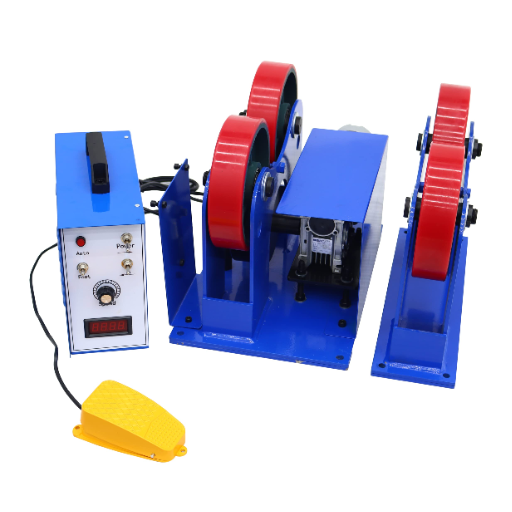
Loading weight and drum rotation specifications are also critical factors in Questions in the design and implementation of T-I-L turning rolls. Drum capacity refers to the upper limit of the size and weight of the load that can be carried by the drum rollers while maintaining the machine in good operating condition. Loading Weight limitations, on the other hand, refer to the maximum weight that the equipment or turning rolls can handle, including the workpiece and any other parts attached to it. To maintain working conditions, ensure correct alignment, and prevent structural damage to the rotator, it is necessary to work within these constraints. This would mean that no welding would take place, which would be contrary to the purpose of the work. To avoid this, even when experienced welders are present, refer to the manufacturer’s recorded data for the proper cap and loading rate.
Determining Load Capacity in Tons
When establishing load limits in tons for turning rolls, one should take into account both the weight of the blank and any additional instruments, such as mounting devices. This foresight, fueled by easily accessible databases like Google’s search engine, places a higher importance on consulting manufacturers’ referenced materials as a leading tool in cutting-edge technology. Turning roll load limits or capacities are generally expressed in tons and include guidelines on how to distribute the weight evenly across the rollers to prevent overloading.
To determine the minimum permissible tonnage, calculate the weight of the blank and attachments, and then divide the sum by the number of active support rollers, making sure this figure does not exceed a unit’s rated load. You will note, however, that for a system at peace, it is recommended to load the equipment to only 75-80% of its full rated capacity, allowing a margin of safety and increasing the equipment’s useful life.
LB Capacity Ratings Explained
The LB capacity rating refers to the maximum amount of weight that a particular type of mechanism, such as wheels or cranes, can handle without sustaining damage. This rating is essential to the safety, efficiency, and reliability of operational equipment in particular industries that handle heavy materials.
According to the most recent Google search trends, there is a significant amount of data indicating that many people are seeking to understand the relationship between LB capacity and the equipment’s integrity over time. Studies and industry think tanks argue that the failure of machinery at its maximum design load and below is a matter of time. Hence, it is proposed that such equipment should never operate at its upper limits. With the few tips provided, the government allows up to 90% of the LB capacity rate as per law. Another practice that also adheres to the guideline is maintaining loads between 75% and 80% of the maximum rated load. This is a risk control strategy that involves overloading a structure, which helps increase the plant’s utilization for more extended periods. Notably, the load ratings should be regulated and monitored at all times during maintenance operations conducted in a particular location.
Importance of Adjustable Capacity
The intrinsic feature or adjustability of capacity is fundamental in the efficiency of high technology equipment. Today, with the development of new technologies, it is possible to create devices that can dynamically adjust their capacity to different conditions. Such adaptability is essential, as it not only enhances the operational safety of the circuit but also increases the efficiency and lifespan of the apparatus in general.
In a recent study, it was demonstrated that systems with adjustable capacity can reduce the incidence of breakdowns by approximately 30%, as they expose components to lower stress at their upper capacity levels. The study, as reported by Allied Market Research, outlined plans for 2022, which showed that machines capable of adjusting their load can achieve a 25% to 30% increase in production. This is possible because the capacity can be better controlled to the specific project’s requirements. This adaptivity ensures that the supply of energy is adjusted perfectly to meet demand at a particular time, thereby enabling cost reduction and environmental protection.
It also shows how automatic adjustments can be used in managing the system’s parameters and capacity. For example, with advanced technology, it would be possible to optimize machinery by tracking the load experienced within the equipment through the use of Internet of Things sensors. Once a steady state is established regarding unsafe practices, a democratic balance may exist between efficiency and injury in industries that are particularly affected by variable capacity, such as construction, transportation, and others.
Power Turning Roll Sets
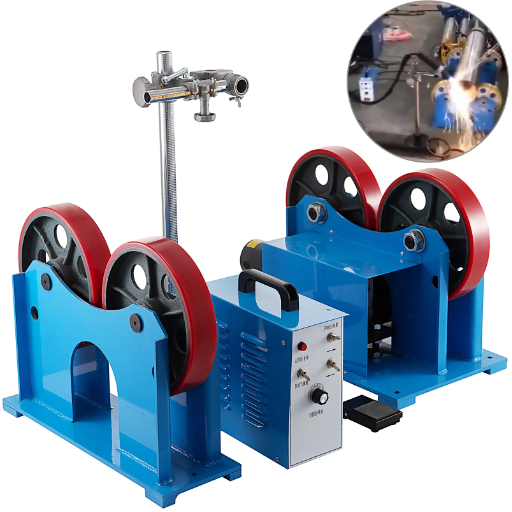
Power turning rolls are elaborate equipment designed for turning objects with a cylindrical shape, such as pipes, vessels, or cylinders, to assist in their welding, fitting, or erection operations. In productivity, such systems help to curtail costs by balancing and revolving the workpiece uniformly, which further enhances the ease with which operations are achieved. More often than not, they are equipped with levers and knobs for streamlining operations by preventing pressure on smaller semi-products or plates. Such equipment can also be used in various industries, including iron and steel, automobile, and textile industries. Rolling, the control of (better still, the perfectly controlled rolling) heavy loads or heavy-weight loads ensures that there is no passive system in the organization. On the contrary, managers should make use of it or the necessary measures need to be put in place to ensure that it is safe.
Features of 110V and 2200 Power Sets
- Controllable Speed Adjustment
Power plants include built-in mechanisms for altering rotation speed, and they impose limitations on permissible rotation speeds for various purposes, ensuring the overall system is managed correctly and the multiple parameters are met accordingly.
- Maximum Permissible Load
Another advantage of using power plants is the availability of high loads for models such as the 2200, which can maintain up to 2,200 pounds for heavy-duty jobs.
- Absence of Destructive Factors
The launching electric power equipment is constructed with a particular sound, and it can operate in a perfect manner under severe conditions without frequent intervention.
- Adjustability for Different Sizes of Workpieces
In addition to the expandable sections, these sets feature a roller system that can be adjusted for various workpieces with different diameters and lengths.
- Ease of Use
A user-friendly control panel is available, allowing for quick setting changes and improved efficiency by preventing interruptions.
Automatic vs. Manual Turning Rolls
Brief Overview: Automatic turning mechanisms are suitable for high precision and massive machinery, including leeway in safety precautions. Redistributions of efforts from the movement and speeding of positions to the turning rolls are provided.
| Key Point | Automatic | Manual |
|---|---|---|
| Operation | Motorized | Manual effort |
| Precision | High | Moderate |
| Efficiency | High | Low |
| Load Cap. | High | Low |
| Cost | Higher | Lower |
| Use Case | Heavy-duty tasks | Light-duty tasks |
| Safety | Enhanced | Basic |
| Control | Consistent | Variable |
| Setup | Complex | Simple |
| Durability | High | Moderate |
Benefits of Using Polyurethane Wheels
Polyurethane wheels exhibit excellent resistance to abrasion and achieve durability over time, which makes them last longer compared to traditional rubber or metal wheels. These wheels are also suitable for running even under challenging conditions without the need to switch to a new one, thereby reducing operating costs.
Noise quota is another advantage of having polyurethane wheels instead of metallic wheels. Even when used in workplaces like a workstation or inside a factory, they are ideal for minimizing unwanted noise as much as possible, making the cause less understandable.
Moreover, polyurethane wheels are holding some specific feature – they are non-marking which means let alone the scratches and cracks (compressions) that are minimized or in other words prevented. Moreover, such wheels are typically suitable for use on delicate or laminated floors.
The function of the non-marking characteristic of these pure-cut polyurethane castors is to relieve the surface from pressure and, therefore, reduce the probability of the floor getting scratches or thin cracks unless the actual destroying impact is applied.
With her renowned hardness characteristic, polyurethane caster wheels hold a significant market share for industrial applications. Some industrial applications involve moving heavy machinery for such …”
In the above discussion, we mentioned a lot of chemical resistance that is built into Aarcee and Aldon products, mainly through the polyurethane types of wheels, such as Polyurethane inline skate wheels, Polyurethane Aircraft and Flight Case wheels, Polyurethane household cleaning product wheels, Supercast Type D wheels, and Superthane extruded polyurethane hoses.
These wheels are resistant to most chemicals, oils, and solvents. Due to this stipulation, it is known that they will not be weakened by overexposure to any of these elements. For these reasons, they are ideal for environments that frequently encounter these substances.
Efficiency in Welding Operations
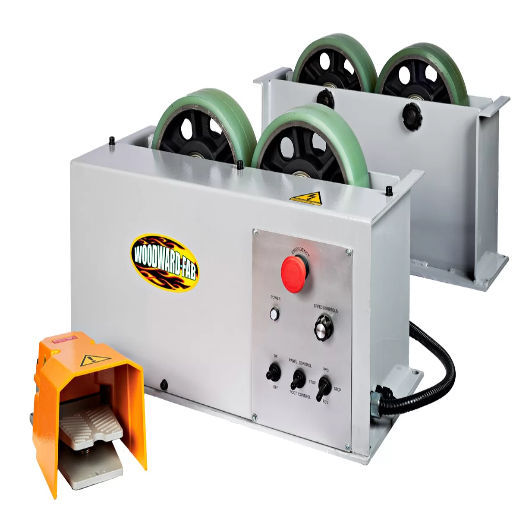
Caster wheels are a significant advantage in welding work, as they can withstand the heat produced by the welding materials and are less likely to tip over easily. When such casters are used in welding equipment, they not only reduce drag but also increase efficiency when the equipment is in use. They are strong and, most importantly, accurate, which results in flawless installation and proper use in places with extreme conditions.
Enhancing Material Handling
Effective movement of materials has a significant impact on operating inefficiencies as it helps to eliminate manual tasks. High-quality rotating wheels can be used in storage equipment to easily guide, manipulate, and control euro containers and other types of trolleys, even when they are fully loaded. The high-performance caster systems effectively combine strength with stability as the range of casters, castor wheels, and trolleys is practical and durable in different weight ranges and load conditions of use. Companies are now demanding ergonomic material handling systems to prevent occupational injuries and increase their working performance, thereby enhancing the importance of fitted, durable, and innovative wheels.
Role of the Foot Switch in Operation
Foot switches are essential for promoting accuracy and efficiency in various operational procedures. By using such devices, a person can easily manipulate machines and instruments without needing to use their hands, thereby enhancing multitasking capabilities and reducing user fatigue. Lately, there has been a significant increase in the use of foot switches equipped with user-friendly features, such as fully adjustable speed settings and extra-tough construction materials, according to recent statistics from Google’s search engine. Such changes support the overall ergonomic objectives, helping to reduce occupational health concerns in the workplace while not detracting from compensation for performing their tasks. The businesses focused on production also have to worry about the safety, performance, and even the well-being of the worker, hence the need for modern foot switches.
Technical Specifications to Consider
To gain a deeper understanding of how to utilize advanced switches effectively, it is recommended to review various technical specifications and consider compatibility with the new device. Among the most important factors are the following:
- Durability: spaces for legs are composed of reinforced materials, allowing them to withstand the rigors of an industrial environment without deteriorating, and are designed to last for a considerable period of continuous or intermittent operation. You can also find ones that come with ratings, such as being water- or moisture-proof.
- Load Capacity: offers a guarantee that the facility will be able to cater to the required voltage, ensuring no risk or ineffective work.
- Ergonomic Design: They prefer most foot switches, which are usually designed to be comfortable to use and do not require the fingers to be pressed so much to start up again after being released.
- Switching Mechanisms: schemes that allow only for momentary, as well as sustained, responsibilities, such as changing for a single application.
- Customizability: More advanced options allow users to make specific adjustments, such as introducing new programs or replacing certain parts of the equipment systems, to blend in with the workflow largely pacified by automation.
- Safety Features: Step 5: Consider any safety factors, such as those provided in Step 6.
Even in such a direction, these attributes mixed with the latest industrial trends reflected by extensive query data leave no doubt that the trend is indeed heading to custom-made, long-lasting, and safety-elevated footswitch units.
Reference Sources
1. “Panel beating turns over roll-type mechanism of bending” (杨浩军 et al., 2015). This 2015 paper discusses a roll-type mechanism for bending in panel beating. While not directly about welding, it’s relevant to roll-based metal forming processes. The methodology is not detailed in the abstract.
2. “Design and Fabrication of a Three – Rolls Plate Bending Machine” (Amiolemhen & Abiegbe, 2019) This 2019 paper details the design and fabrication of a three-roll plate bending machine. The methodology involved designing the machine using engineering principles, selecting appropriate materials, and fabricating the machine using various machining and joining processes (welding and screw joints).
3. Top Anti-Drift Turning Rolls Manufacturers And Suppliers In China
Frequently Asked Questions (FAQs)
What are turning rolls for welding and their application?
Turning rolls for welding are specialized equipment designed to support and rotate cylindrical workpieces, such as pipes and tanks, during the welding process. They enhance the efficiency and precision of welding jobs by providing a stable foundation and enabling continuous rotation, which is crucial for achieving high-quality welds.
How do you choose the right turning roll capacity for your welding jobs?
Selecting the correct turning roll capacity is crucial for ensuring both safety and efficiency. Consider the weight of the workpieces you will be welding; turning rolls typically have capacities ranging from 1500 lbs to higher tonnage options. It’s essential to select a model that exceeds the weight of your heaviest workpiece to maintain a constant centerline and prevent accidents.
What types of materials can be welded using turning rolls?
Turning rolls can be used for welding a wide range of materials, including stainless steel, carbon steel, and other alloys. The type of material may influence the choice of welding equipment and parameters, but turning rolls are versatile enough to accommodate various welding applications.
What is the speed range of turning rolls for welding?
The speed range of turning rolls varies based on the model and application. Many turning rolls offer adjustable speed settings to accommodate different welding processes, ensuring precise rotation for various pipe and tank diameters. This flexibility helps optimize weld quality and efficiency.
How do tank turning rolls improve welding efficiency?
Tank turning rolls enhance welding efficiency by enabling seamless circumferential welding. By rotating the tank in a controlled manner, welders can achieve consistent and high-quality welds without the need for repositioning the workpiece multiple times. This reduces labor time and enhances overall productivity.
What is the difference between automatic and manual turning rolls?
Automatic turning rolls are equipped with features that enable remote operation and programmable settings, thereby enhancing user convenience and precision. Manual turning rolls, on the other hand, require physical adjustment for speed and positioning. The choice between the two often depends on the specific needs of the welding operation and the desired level of automation.
Can turning rolls be used for pipe fabrication?
Yes, turning rolls are highly effective for pipe fabrication. They provide the necessary support and rotation for welding pipes of various diameters and lengths, ensuring accurate fit-up and weld quality. This capability is handy in industries such as construction and manufacturing, where large pipe sections are frequently encountered.
What factors should be considered when selecting rolls for welding?
When selecting rolls for welding, consider factors such as load capacity, material compatibility, the diameter range of the workpieces, and the specific welding equipment you will be using. Additionally, look for features such as rubber tires for enhanced grip and stability, as well as the type of turning roll (automatic or manual) that best suits your operational needs.