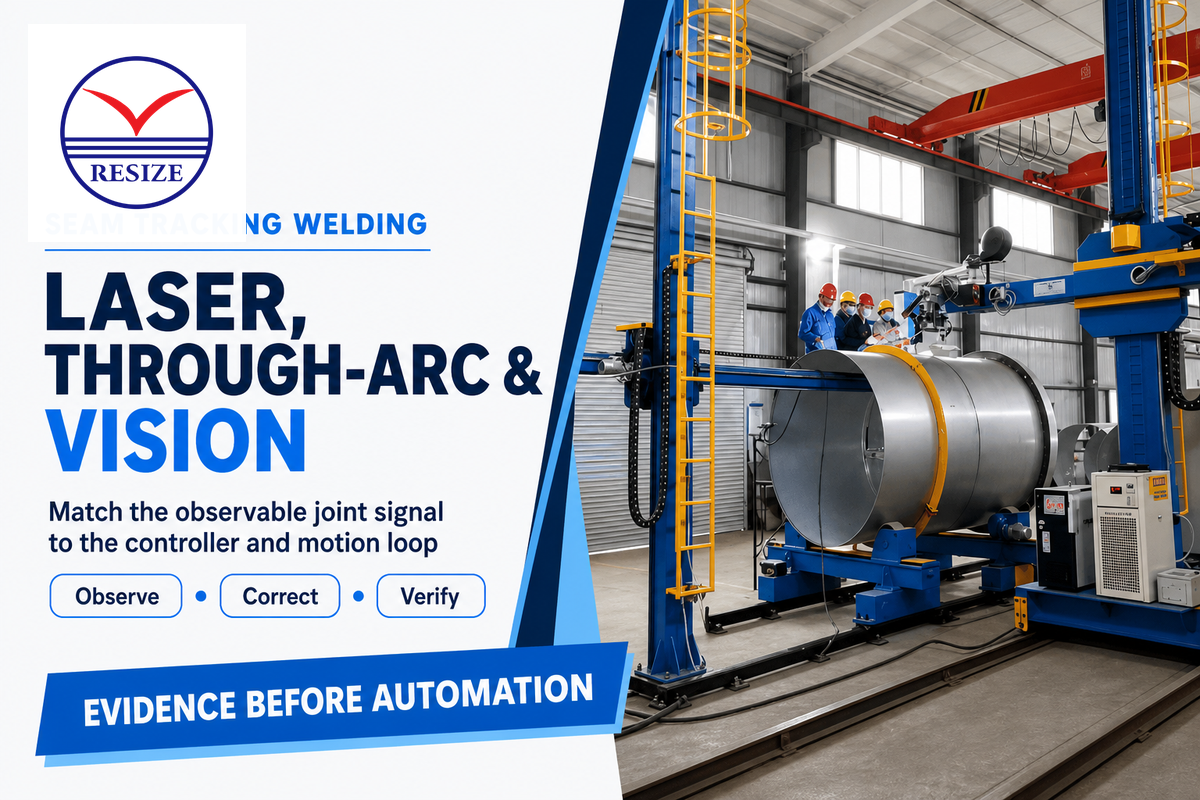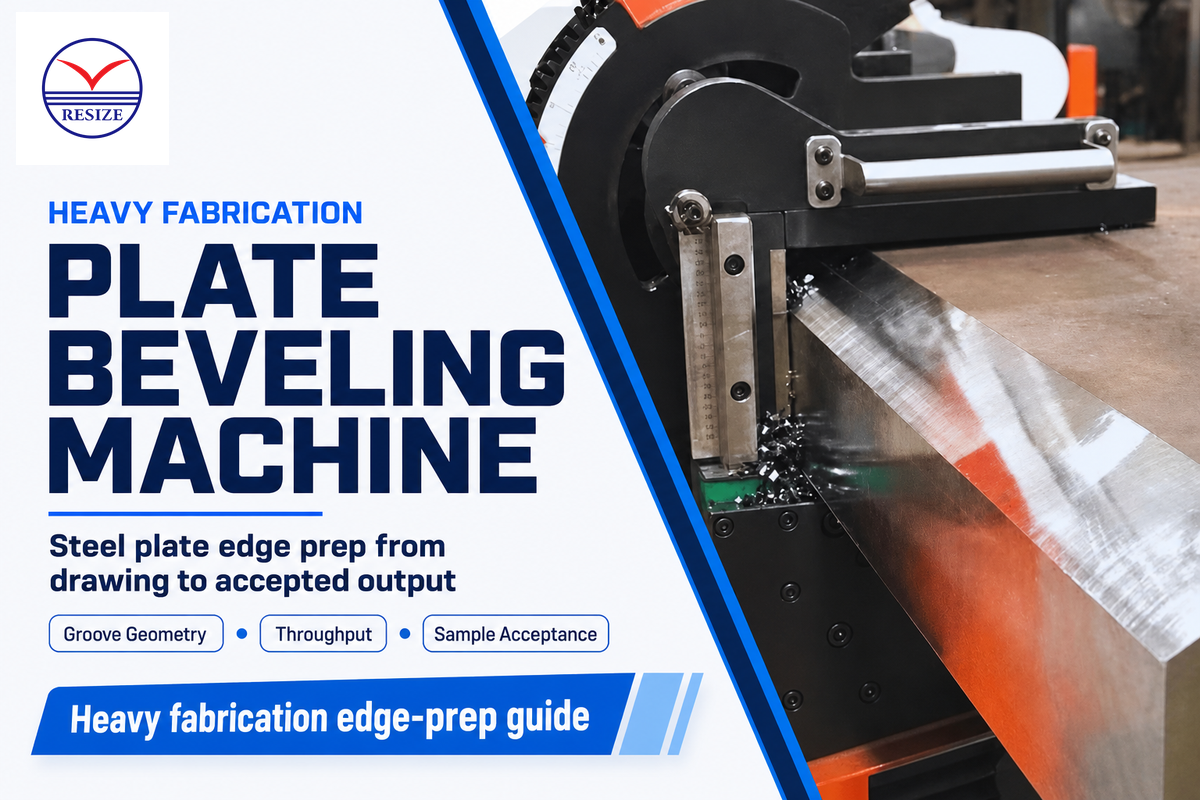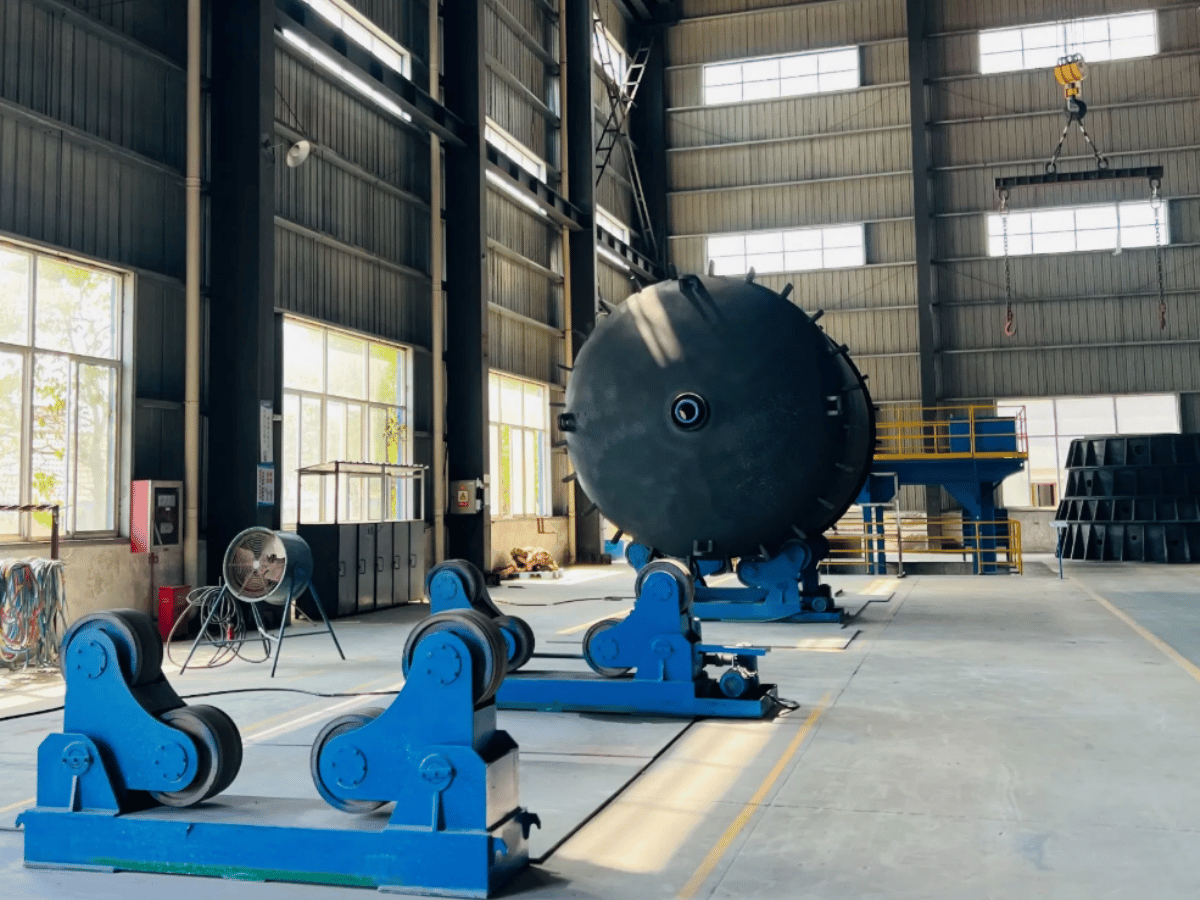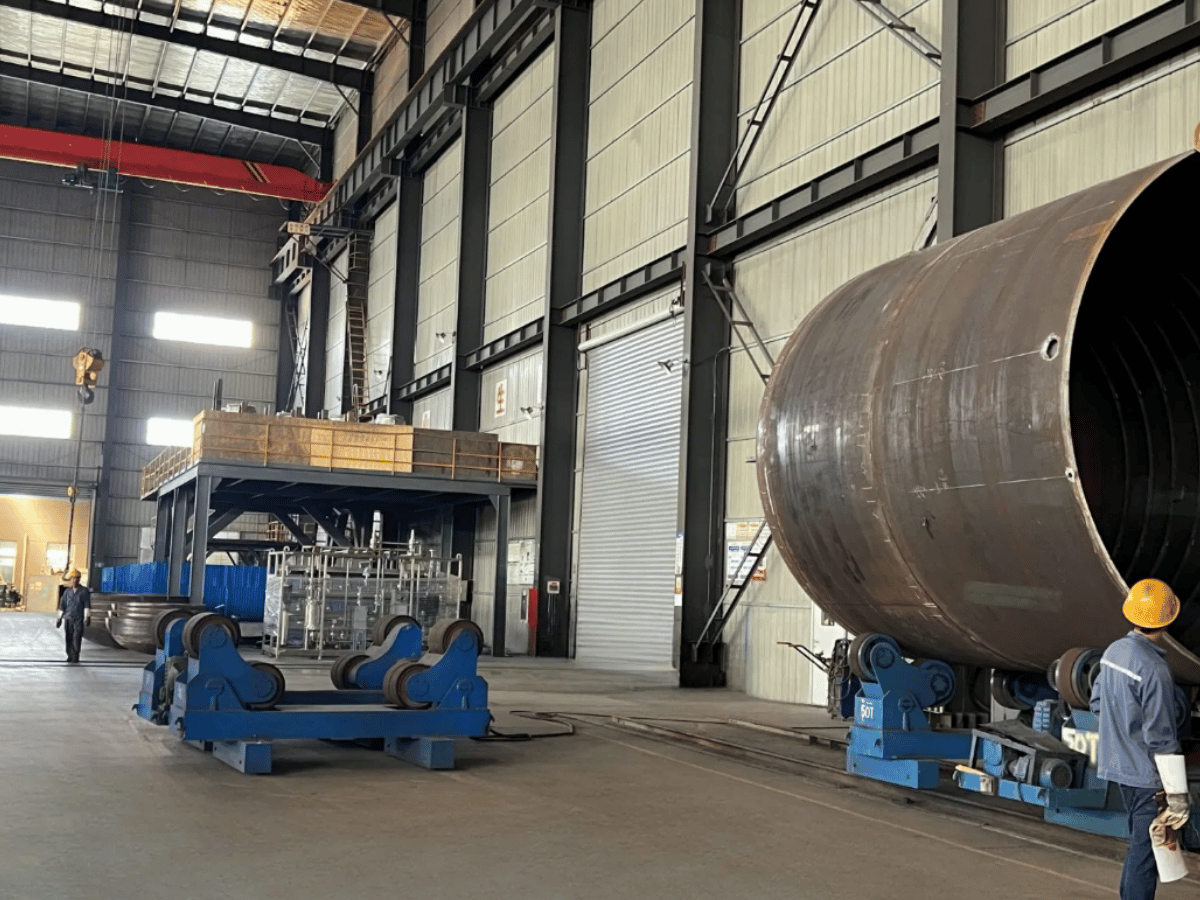
Welding is often described as a blend of science and art, complete with its own set of complications, the development of one’s professional skills, and the need for the best equipment to overcome these challenges. One of the issues that significantly enhances the quality of the welding process and its effectiveness in a wide range of applications is the use of welding benches and columns. Welding rotators and manipulators are specifically designed to facilitate the welding process, increase operator safety, and, more importantly, enhance production efficiency.
Therefore, the given writing will focus on how welding fixtures and handling systems can enhance the welding process by increasing, rather than decreasing, the accuracy factors within and on the perimeters of the factory. Whether a welder has learned their occupation or is just starting their studies, this paper will explain how they will be used in the process, the advantages associated with them, and how to select the most appropriate equipment for a given situation. Prepare to elevate your current welding procedures to an entirely new level.
Understanding Weld and Welding Processes
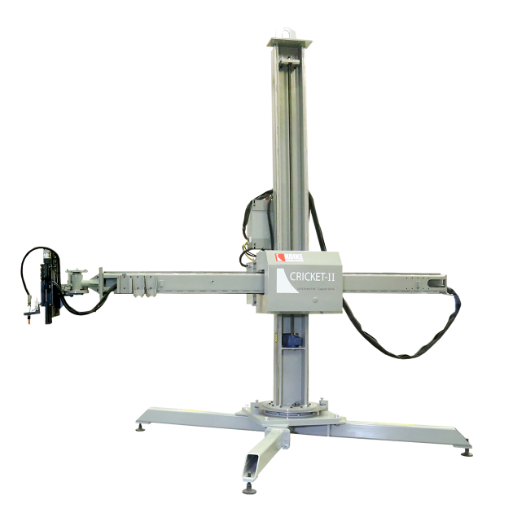
Welding is a primary form of component manufacture that is used to join two or more pieces of metal by heat, pressure, or both. It includes a process of liquefying the parent metals and, when necessary, adding metal to form a stronger bond. Several welding practices, including MIG (Metal Inert Gas), TIG (Tungsten Inert Gas), and Stick welding, are suitable for specific plastics and certain other metals. Such as the methods that guarantee delectability, including welding product limitations, the materials to be joined, and the welding facilities, various requirements have been addressed. A grasp of these fundamental aspects is crucial for achieving durable and accurate welds.
What is a Weld?
Welding is a process in which two or more pieces of metal, thermoplastics, or other similar materials are joined permanently by their fusion to form a strong and tight joint. This is achieved by heating, applying pressure, or both, and, if necessary, a filler material to reinforce the joint. The process heats up the edges of the workpieces so that they reach a melting point. After the heat source is removed, the edges blend to achieve a solid or sometimes porous bond. Welds are used in almost all aspects of human life, primarily in construction, energy generation and supply, manufacturing, as well as the automotive and aerospace sectors, since the bond they create is both weatherproof and long-lasting. The advances in laser and robotics-based technology have helped the process reach new heights in terms of accuracy and speed.
Types of Welding Processes
Choosing the Right Welding Method
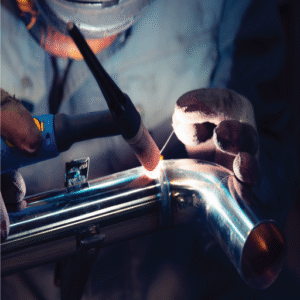
The method of welding to choose depends on a lot more than it does. One of these factors is the materials for fabrication, along with other considerations such as the purpose of the fabrication, the time and cost of the process, quality requirements, and more. The last update, however, clearly shows that in the case of amateur and unprofessional labor, MIG (Metal Inert Gas) welding remains one of the most commonly used forms of welding, with most people being engaged in it. It’s easy, which is why most beginners like it, and it has universal applicability over various metals. On the other hand, when applications involve thin materials and require higher precision, the Tungsten Inert Gas (TIG) welding process is necessary, as it provides neat and sound welds, albeit associated with complex and many learned skills.
Outside the home, Shielded Metal Arc Welding (SMAW), also known as stick welding, remains the preferred choice for many professionals, particularly those who work with heavier metals in industries such as construction and repair. In contrast, laser welding technology has emerged as a powerful tool for precision welds in various situation,s including aerospace or medical equipment. Robotic welding is another technique that has shown enhancements in productivity and control, particularly in the assembly of automatically manufactured projects.
The bottom line is that in the final analysis of how to choose the “right” conditions, one has to weigh the needs of the establishment with the resources and human capital available to one to achieve the maximum performance within the given constraints of cost and time.
Welding Positioners: Enhancing Precision
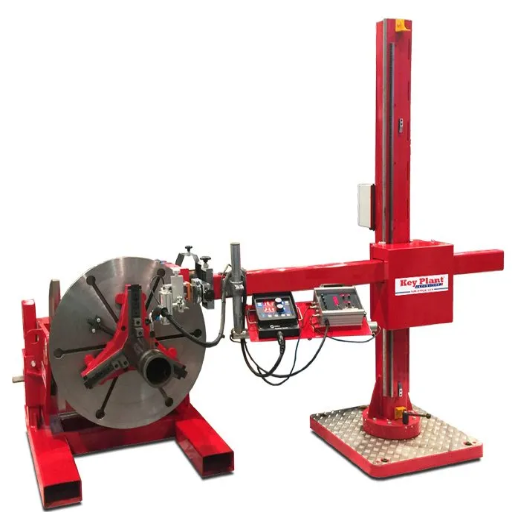
One of the primary factors that enhances the precision and productivity of welding processes is the use of welding positioners. This is due to the fabrication process of applying heat from the welding source in a localized area to join metal by melting the workpieces, and which involves, for instance, manufacturing, repair, and construction. This can be achieved by fixing and rotating the workpiece to be welded so that the welder can reach tricky corners and achieve the best welding position, resulting in high-quality welds. This helps the welder to take fewer breaks as they get the work done faster,r making the use of these tools handy for complex and heavy tasks most of the time. Furthermore, these tools, due to their precise movement, facilitate other functions when welding between the two sides by eliminating existing gaps or joining parts with small welds that require extensive cleaning before welding over them again. Additionally, most construction, shipbuilding, and ship repair projects that involve welding require the portions being welded to be completed as soon as possible, with minimal errors. This necessitates the need for this equipment in any welding process, whether manual or robotic.
What is a Welding Positioner?
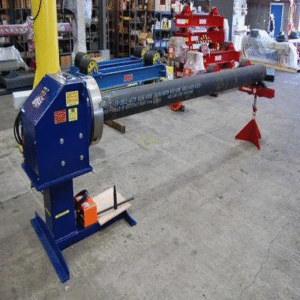
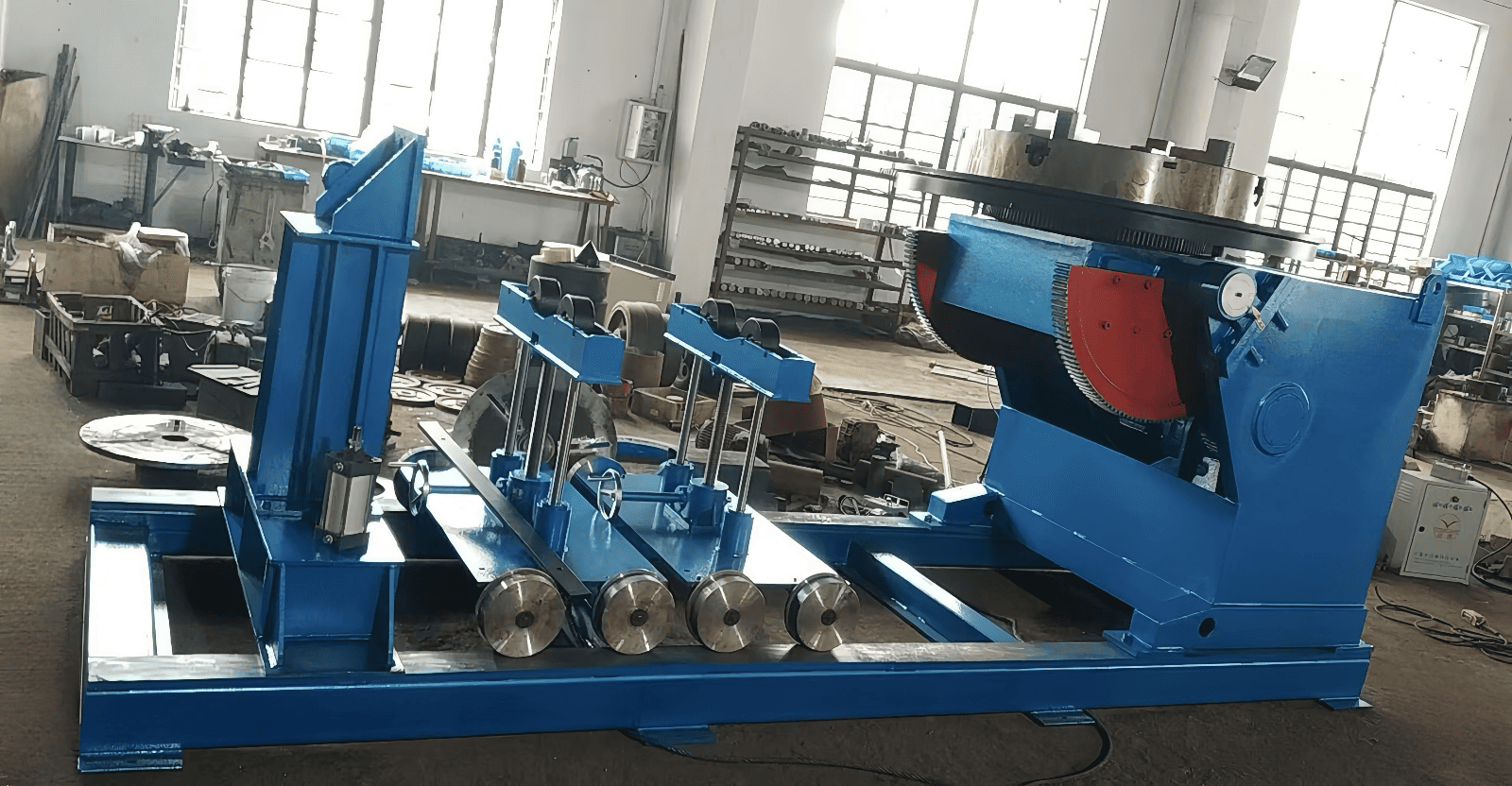
A welding positioner is a type of welding accessory designed to move and position workpieces during welding. Its main functionality is to provide a way to turn or adjust the workpiece along its axis to obtain a more favorable welding position, which is both efficient and accurate. It helps one do this by holding the item in place, thereby making it easier to work with certain weld joints and making more precise welds. With the current wave of technological growth, however, most modern welding positioners will come with automation characteristics that enable the setting of rotations or shifts of the welding workpiece in advance, resulting in less human intervention. Welding positioners are instruments well-tried in many sectors of the economy, such as manufacturing, construction, and the motor industry, where there is a need to handle bulky, heavy, and intricate articles while maintaining consistent welding quality. Every fab shop is incomplete without welding positioners, which enhance safety on the site and result in better projects.
Benefits of Using Welding Positioners
- Improved Weld Quality
Positioners for workpieces can create a profoundly positive effect by precisely controlling the movement of the workpiece itself. This is very useful in welding, as it readjusts the welding face to the position where the weld is being made, and also in other procedures.
- Enhanced Productivity
Welding positioners reduce the time spent on manual handling and workpiece adjustment by utilizing various controls. An optimized welding process will enable a noticeable increase in workers’ productivity and output, as well as a significant decrease in project turnaround time by removing these constraints in the workflow.
- Safer Working Environment
Welding positioners help limit the physical labor of having to manipulate the workpiece in either an upward or lateral motion. This special equipment also enables operators to avoid working in positions that are unfavorable or hazardous during welding.
- Versatility in Applications
Welding positioners are designed to accommodate a wide range of workpiece sizes, shapes, and materials. Beaten up small parts to several story-high beams and braces – these all exist in the same breath in their applications in such fields as construction, energy, and aerospace because they are so maneuverable.
- Cost Savings
Although there may be significant costs involved in procuring welding positioners initially, anticipated savings in terms of efficiency, reduced labor costs, and reduced material wastage are expected in the long run. The ability to provide reliable services with very young welders also reduces the need for rework, which consumes a lot of time and materials.
Choosing the Right Welding Positioner
Several key factors come into play when selecting the optimal welding positioner that best suits one’s project needs and delivers maximum efficiency. The ones that are worth considering in the decision-making process are:
When choosing a Positioner, documentation is the first important thing to consider. Picking the most suitable one requires documentation of Positioner reviews, features, and performance. From which you will be able to answer the related work issues.
- Load capacity
Determine the amount of materials required for the project by weighing the materials, ensuring that the welding positioner acquired has been budgeted to handle even the heaviest projects without sacrificing safety or performance.
- Rotation and Vails
And again, the wider the use of a positioner in the aluminum welding shop, the higher the profit; in that sense, select a positioner that can be inclined and also rotated.
- Speed Control
Understanding the movements of the welding machine to the material at each stage, tolerance levels would also be accounted for. This helps maintain weld quality and improves production accuracy. Regarding the welding machine’s speed control, the recommended equipment level should allow for the adjustment of speed to suit the application and the selected materials.
- Automated Technology
Current positioners often come with technologies that enable them to be integrated into robot welding systems or programmable logic controllers. Among other things, this helps enhance the operator’s efficiency in performing the same tasks repeatedly.
- Durability and Build Quality
It is advisable to use a welding positioner made of good material as it will save on extra costs in the long run. Heavy-duty industrial usage is best with the more rugged designs. And that is why, due to the extensive use of rotary positioners in the aviation industry, condition monitoring systems have been developed to offer predictive maintenance, reducing the need for spares and exhaustive repairs.
- Budget and ROI
Although the costs of new equipment are necessary, consider also how quickly the positioner will pay for itself.
Where applicable, however, it is essential to estimate the costs of implementing the desired improvements and the benefits that are likely to be accrued from the upgrades.
Balancing all these considerations and utilizing what the industry has to say at the moment, for instance, the emerging market for automatic welding positioner design, allows the selection of a welding positioner that is both operational and growth-oriented.
Robotic Welding: The Future of Welding Technology
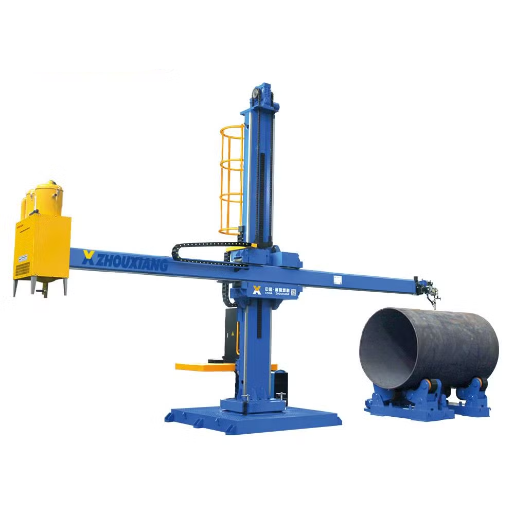
Robot welding is transforming the welding sector by incorporating better precision, efficiency, and, of course, enhanced safety. They achieve this by utilizing robotic devices designed to perform welding functions, which produce work that remains consistent and free of avoidable errors that can arise from human sources. The operations that robotic devices perform continuously save time in the production process and thus are commonly used in mass production processes. Again, the use of robotic welding also becomes more appealing as far as the work environment remains safe, mainly since the operators are not exposed to dangerous surroundings. The advent of various cutting-edge technologies, such as sensors and electrical controls, has made these capabilities very critical in modern manufacturing.
Introduction to Robotic Welding
Robotic welding has revolutionized the manufacturing industry with its exceptional attributes, including accuracy, speed, and versatility. It is easy to predict from emerging technologies and industry practices that the effectiveness of robotics welding is on the rise, and most mistakes will be eliminated, thereby increasing the quality and standards of goods and their production. Such a fact is substantiated by data provided by inbound technology, which suggests the most-asked question is ‘how the welding process will be bettered in terms of productivity using Robots?’. The more specific answer lies in the capability of working nonstop, delivering high accuracy on repetitive tasks, and applying specified adjustments to accommodate different materials and welding methods, as all functional parameters are adjustable. These aspects enhance effectiveness and minimize costs; thus, robotic welding is becoming a favored tool for unlocking capacities that enable industries to sell more in a turbulent market environment.
Advantages of Automated Welding
- Enhanced Efficiency
When industries utilize automated welding equipment in the fabrication process, they rarely experience a halt in production, as there is no physical body to become tired. Robotic welding has been shown in industry reports to save time by as much as 50% when compared to manual welding.
- Welding Automation Benefits Quality, Precision, and Consistency
The use of robots in the welding process ensures uniform and quality results with minimal defects. This elimination of defects improves the quality of the joints without incurring additional costs or time for rework.
- Economical Advantages
While the cost of introducing automatic welding techniques is high, it is found that costs are reduced more in the long run. This is because manual labor costs are less expensive, as well as raw materials, which are not wasted, and any operations do not require excessive time.
There is also an improvement in the working conditions, except for the enumerated benefits of these automation technologies. There will be no more goodie-two determination of the settlement of any payload at the work site, as that is no longer applicable at the majority of the heavy industry sites.
Robotic Welding Applications in Various Industries
Robotic welding is now being recognized and widely appreciated in many industries due to its ability to produce precision, efficiency, and automation in manufacturing processes, among other benefits. In the following section, some of the significant sectors that apply robotic welding are tackled: automotive, aerospace and marine, construction and infrastructure, and the electronics industry.
- Automotive
The motor vehicle industry utilizes welding by robotics more than most industries. Robots are essential in the construction of vehicle bodies by sowing the path rather than using manual labor to weld heavy metal components. This ensures quality without defect, high ‘volume level ‘production as a result of the reduced workforce, and subsequently low running costs. Within the last few years, for example, according to figures reviewed, the contribution of robotic welding to automotive production efficiency has increased from 13% to 20%.
- Construction and the Built Environment
Robotics is utilized in large-scale construction projects to automate the processes of cutting, grinding, joining, and welding structural steel members, plates, and sheets, among other tasks. Technological advancements have improved welding efficiency, resulting in fewer, if any, distortions and a longer-lasting structure. Probably, the increased applicability of building robots will be due to the specific pressure to build things faster.
- Aerospace
Aerospace manufacturing is naturally a field that requires accuracy while strictly adhering to the most safety standards and involves many variables. The isothermal method of fabricating aircraft components has employed the use of robotic welding in assembling titanium frame aircraft and fuel-containing vessels. Extreme robotics ensures the quality of the weld is nothing less than exceptional, which any industry professional would understand.
- Shipbuilding and Marine
Development in the shipyard industry today is largely driven by the need for mechanical portions of the vessel to undergo extensive manual welding. Innovation in robotic welding technologies is expected to significantly reduce the time required for building sections of ships, submarines, and other marine structures, particularly when installing very thick, heavy materials.
- Electronics Manufacturing and Mechatronics
As electronics become smaller in size, robotic welding becomes necessary to achieve well-calibrated joints, such as those found in circuit boards and batteries. This also guarantees homogeneity and standardization in any high-technology application.
It is impossible to ignore the explosion of robotic welding systems within these very sectors as they are the major solution to the problem of how to do modern manufacturing. The above developments underscore the importance of robotic welding in industrial production, reflecting the way forward.
Improving Productivity in Welding Operations
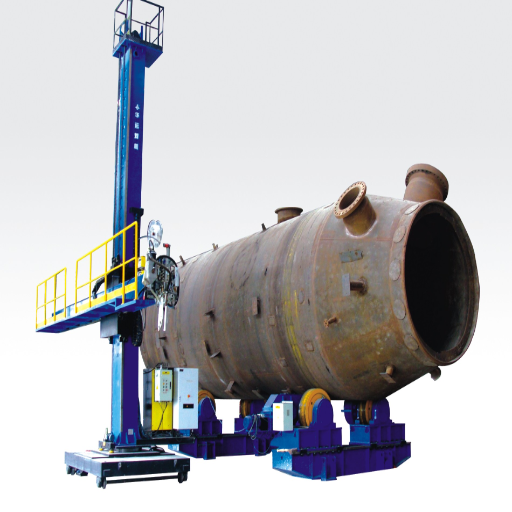
Organized welding systems help link the company with robotic welding practice together and with the goals of industry robots, automation and welding technology. Utilizing robots in welding practice is advantageous, as it is a solution designed to address a specific problem or meet a particular need. Similarly, the combination of the prior definition of a robot and welding helps one distinguish between welding manipulators and integrate existing knowledge on robotic welding practice. Additionally, understanding how welding manipulators differ from robots will complement the knowledge of industrial robots in welding. All these converging points highlight the need to design and construct a robot manipulator for welding purposes, in addition to painting, handling, and loading/unloading.
Strategies to Increase Productivity
When improving the efficiency of welding, the strategies discussed in the text can be beneficial:
- Let Automation Take Over
Simplify the stages of work performance, minus extra facilities, since working better, not more, is sure to align well with operations. It has been determined that well-designed methods of manufacturing can increase the efficiency by 20 of the existing levels.
- Improve Employee Incentive Program
After such courses, skilled workers can foster sweat in pennies than ever before. According to research conducted among industrial bodies, implementing all essential training programs yields a 15 percent improvement in both quantity and quality of performance.
- Mechanical Engineering
The demand for qualified workers is directly correlated with the base load of robotic machines that do not require workers and auxiliaries. As a consequence, it is estimated that from 30 to 60 % of productivity rises to manual operations on the shop floor, which determines the pace of production lines.
- Establish Quality Management System
Developing Lean strategies, which in this case involve the effective elimination of manufacturing defects, primarily where they are caused by routing defects at each level of finishing, is very effective. A well-maintained quality system can reduce defects by an average of 25%, which subsequently increases efficiency.
- Create a Healthy and Orderly Environment
A workplace that is tidy, well-maintained, and secure leads to a reduction in mistakes and lost time. Available data indicate that, for instance, businesses that adhere to safety precautions grow their enterprises by 12%, freeing employees from disruptions and allowing them to focus on their tasks.
By unconventional application of the said strategies, one can create and engine for mass improvement of welding scores.
Manual vs. Automated Welding Techniques
Where manual welding is suitable for complex and varied jobs, automated welding is ideally suited for standard ones.
| Parameter | Manual | Automated |
|---|---|---|
| Flexibility | High | Low |
| Precision | Moderate | High |
| Speed | Slow | Fast |
| Cost | Low upfront | High upfront |
| Safety | Risky | Safer |
| Training | Long | Short |
| Waste | More | Less |
| Setup | Quick | Time-intensive |
| Consistency | Variable | Reliable |
| Best Use | Custom jobs | Batch jobs |
Evaluating Welding Productivity Metrics
In the majority of the cases, when one has to look at some welding productivity metrics, there is a sufficient threshold of a few components to be applied, which helps in the accurate calculation of the efficiency and output of a manufacturer. The metrics, such as arc-on-time, deposition rates, and defect rates, also help in assessing the performance as a whole. For starters, Arc-on time determines the percentage of Time the welding torch was on and the percentage of time it was inactive, thus providing a practical measure of the work’s efficiency. For instance, Deposition rate illustrates the frequency at which the process is being done, in terms of the volume of welding and acts as the speed/mode of welding in comparison to the material used. It is worth mentioning the increased rework expense due to remedial efforts caused by the defect rates.
Recent Google search trends data indicate that most businesses are currently inclined to queries on some advanced welding technologies, including automation and real-time monitoring of these processes. Moreover, the use of tools such as robotically controlled welding systems, arc stability, and deposition rates can be substantially increased by restraining the errors and inadequacies. This ensures not just improvements in process efficiency but also more advantages in terms of cost efficiency in aggressive industrial activities.
Reference Sources
- A multi-objective trajectory planning approach for vibration suppression of a series–parallel hybrid flexible welding manipulator (Ban et al., 2024)
- Key Findings:
- Developed a multi-objective trajectory planning approach for vibration suppression of a series-parallel hybrid flexible welding manipulator.
- The approach considers multiple objectives, including vibration suppression, energy consumption, and path length.
- The results show that the proposed approach can effectively suppress the vibration of the welding manipulator while optimizing other performance metrics.
- Methodology:
- Modeled the dynamics of the series-parallel hybrid flexible welding manipulator.
- Formulated a multi-objective optimization problem to minimize vibration, energy consumption, and path length.
- Solved the optimization problem using a multi-objective evolutionary algorithm.
- Key Findings:
- Collision-free path planning for welding manipulator via hybrid algorithm of deep reinforcement learning and inverse kinematics (Zhong et al., 2021, pp. 1899–1912)
- Key Findings:
- Proposed a path planning algorithm for welding manipulators based on deep reinforcement learning.
- The algorithm combines deep reinforcement learning with inverse kinematics to enhance learning efficiency and prevent the emergence of local optimal policies.
- The results show that the proposed algorithm outperforms other planning algorithms in terms of convergence performance, optimality, and robustness.
- Methodology:
- Developed a deep reinforcement learning-based path planning algorithm for welding manipulators.
- Introduced an inverse kinematics module to provide prior knowledge and a gain module to avoid local optimal policies.
- Conducted experiments to evaluate the performance of the proposed algorithm in multiple dimensions.
- Key Findings:
- Collision-free Path Planning For Welding Manipulator Via Deep Reinforcement Learning (Hu et al., 2022, pp. 1–6)
- Key Findings:
- Proposed an adaptive reinforcement learning-based path planning method for welding manipulators to find collision-free paths in a limited scene.
- Designed a sub-actor network to conduct a guided search on the main actor-network for practical obstacle avoidance.
- Embed the return distribution function into maximum entropy to replace the shear-double Q learning of SAC, alleviating the overestimation of the Q value.
- Methodology:
- Developed an adaptive reinforcement learning-based path planning method for welding manipulators.
- Utilized a sub-actor network for guided search and maximum entropy-based Q-learning to improve learning efficiency and safety.
- Evaluated the proposed method through path planning experiments in a group setting.
- Key Findings:
- Top Welding Manipulators Manufacturers and Supplier in China
Frequently Asked Questions (FAQs)
What are the different types of welding manipulators?
Different types of welding manipulators include column and boom manipulators, automatic welding manipulators, and manual welding manipulators. Each type is designed for specific welding tasks, providing flexibility and precision in various welding applications.
How do I select the right welding manipulator for my projects?
When selecting a welding manipulator, consider factors such as the type of welding you will perform, the welding power source, and the specific welding conditions. It’s essential to choose the right welding equipment that meets the demands of your welding tasks and enhances productivity.
What are the benefits of using welding manipulators?
Welding manipulators offer numerous benefits, including increased productivity, improved weld quality, and the ability to perform complex welding tasks with ease. They also eliminate manual adjustments, enabling consistent welding patterns and the efficient use of welding tools.
What is a welding positioner, and how does it relate to welding manipulators?
A welding positioner is a device that helps position the workpiece for optimal welding angles. When used in conjunction with a welding manipulator, it ensures that the weld head is correctly positioned, enhancing the effectiveness of automated welding systems and robotic welding operations.
How does a column and boom welding manipulator function?
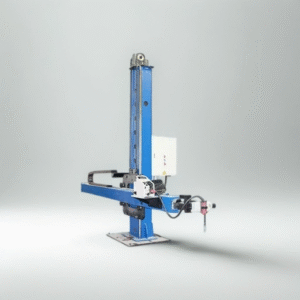
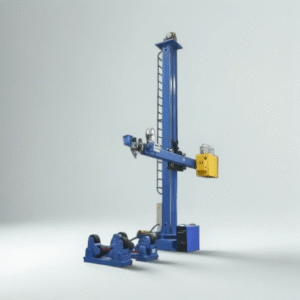
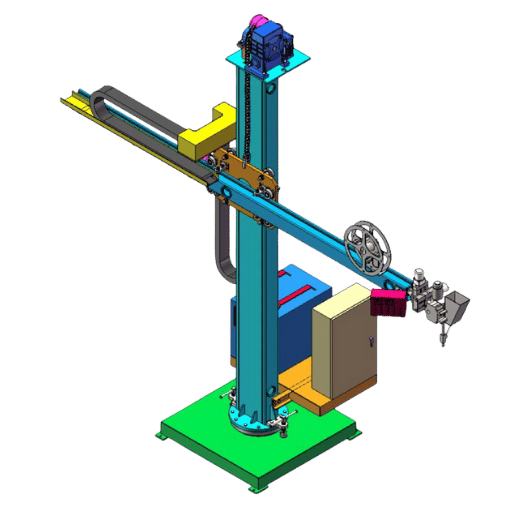
A column and boom welding manipulator operates by providing vertical and horizontal movement of the welding head. This design enables flexibility in welding significant components and facilitates precise welding paths across various welding surfaces.
What are the applications of welding manipulators in the welding industry?
Welding manipulators are utilized in various applications, including pipe welding, seam welding, and submerged arc welding. They are essential in enhancing the efficiency and effectiveness of different welding processes across multiple industries.
What should I consider when using welding manipulators for my welding tasks?
When using welding manipulators, it’s essential to consider the specific welding conditions, the welding boom’s reach, and the compatibility with the welding power source. Proper setup and adjustments will help achieve optimal results in your welding projects.
How do robotic welding systems integrate with welding manipulators?
Robotic welding systems often integrate with welding manipulators to enhance automation in welding tasks. These systems utilize advanced technology to precisely position the weld head, streamline welding production, and enhance overall efficiency in manufacturing environments.
What is the role of a weld head in welding manipulators?
The weld head plays a critical role in welding manipulators as it is responsible for delivering the welding process to the workpiece. Proper positioning of the weld head is essential for achieving high-quality welds and effective welding patterns in various welding applications.