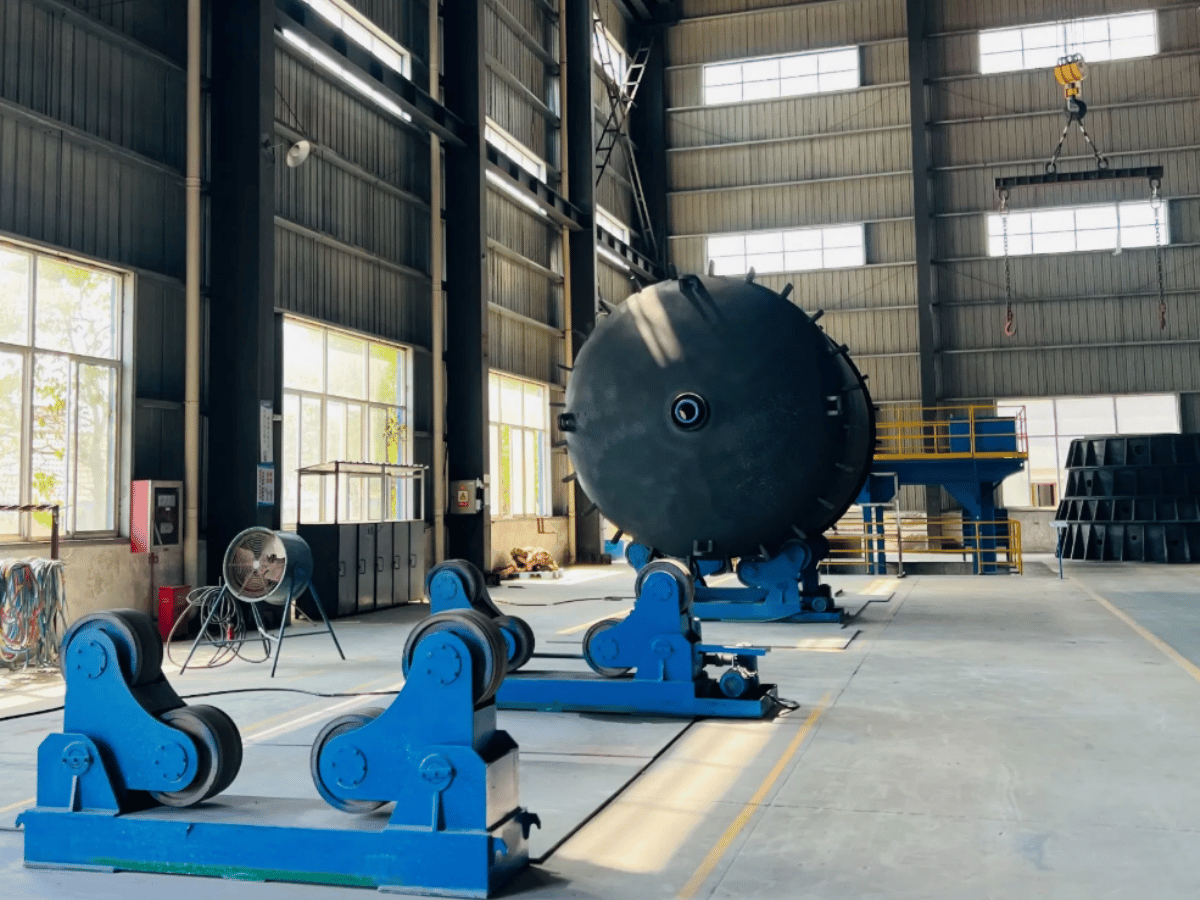
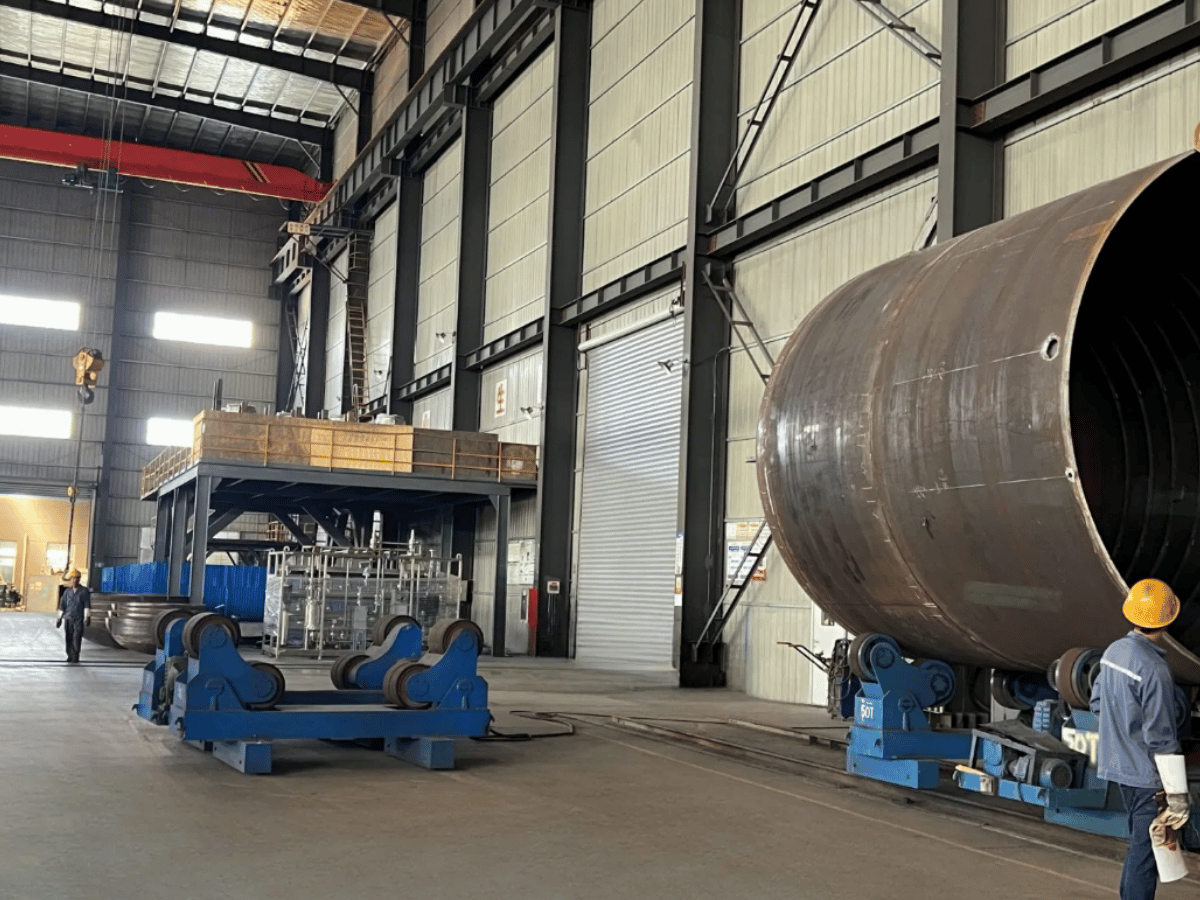
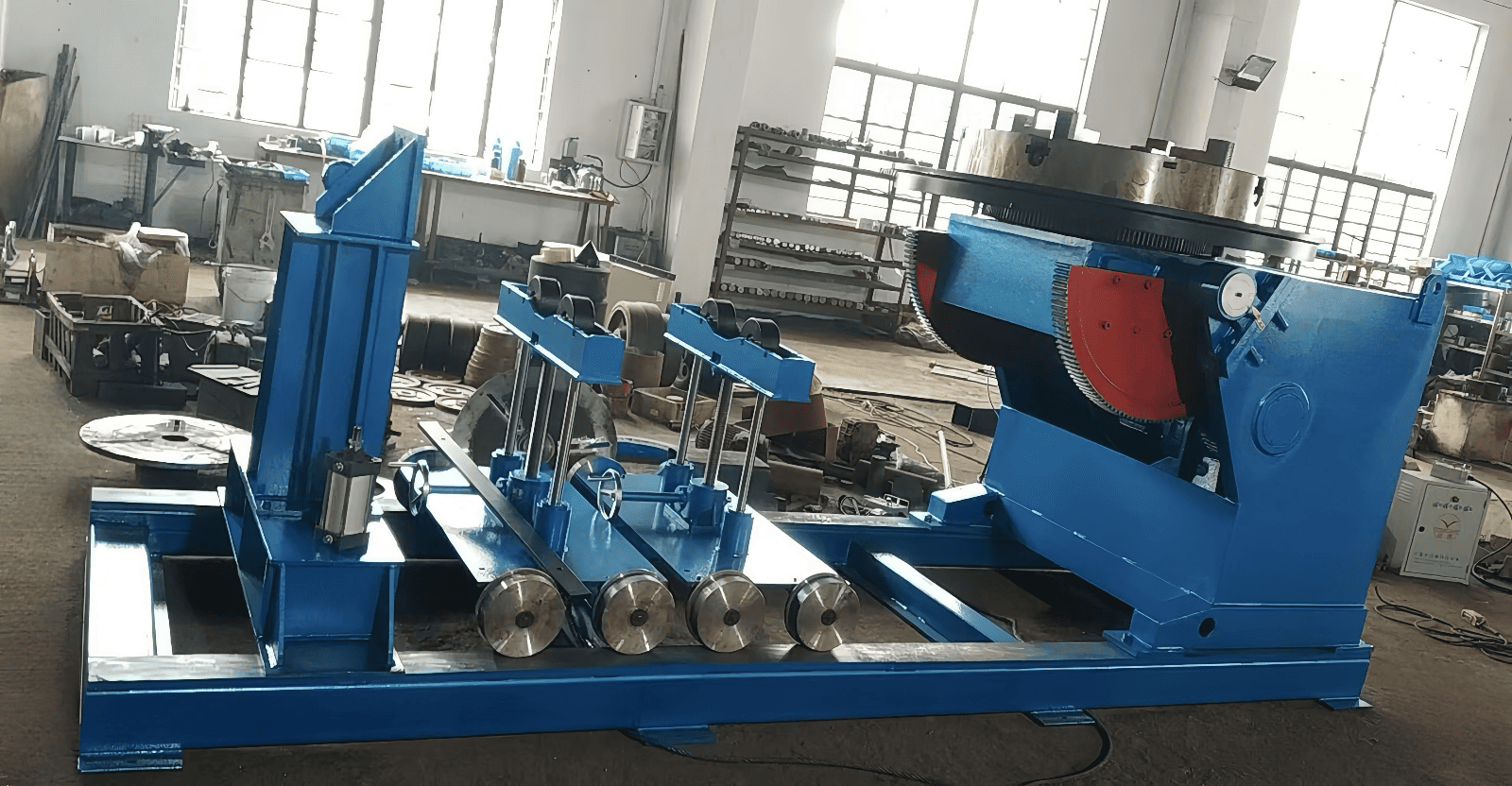
While welding is an essential operation in many industries that require precision, efficiency, and consistency, a 3-axis welding positioner can be a difference-making tool for welders. The positioner enhances welding accuracy, offers improved weld quality, and boosts productivity and ergonomics in the workplace. This guide will take you through everything you need to know about 3-axis welding positioners, from how they work to their advantages and how they can enhance your welding production. Whether you are a seasoned welder or exploring ways to improve your process, this article offers valuable insights to inform your decision-making. Let’s get started in optimizing your welding operations and enhancing your welding results!
Introduction to Weld Positioners
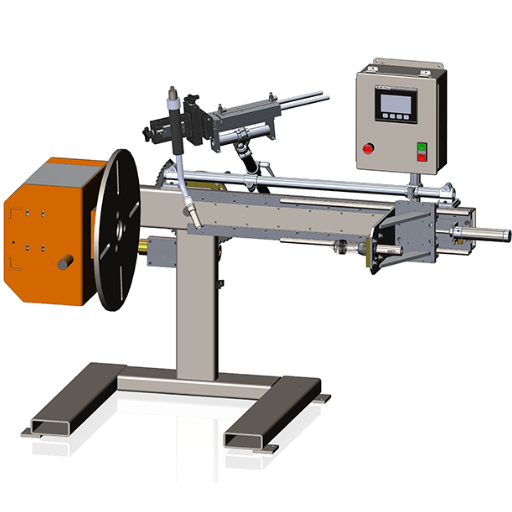
A welding positioner is used to hold a workpiece and rotate it, allowing welders to achieve the optimal welding position. By eliminating manual adjustments and the awkward angles involved, weld positioners provide utmost precision, efficiency, and safety. Positioners hold the workpiece securely in a preferred position, thereby enhancing welding setup, operator comfort, and quality. Therefore, weld positioners are regarded as essential tools in various industries, including manufacturing and construction.
What Are Weld Positioners?
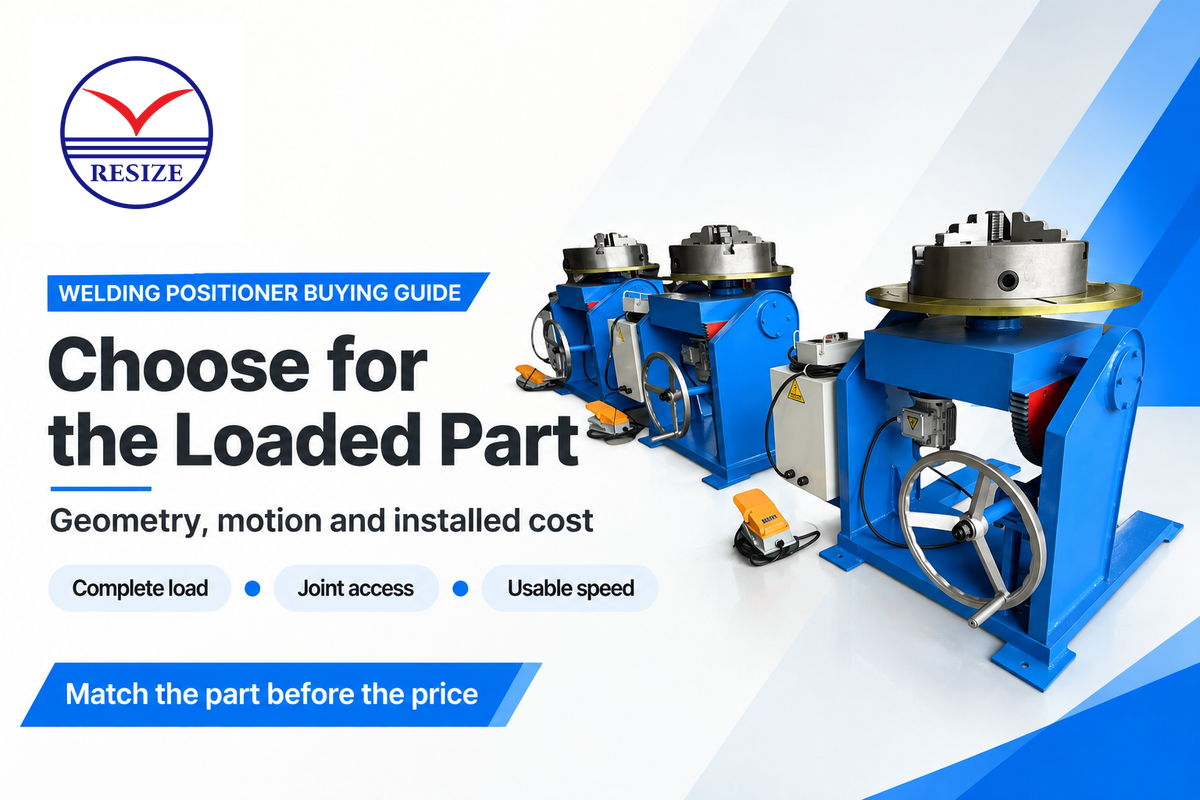
The positioner is a mechanical device that helps welders manipulate and position a workpiece in the optimal position and angle for welding. They are best utilized for large, awkward, or complicated pieces, as they negate the need for a manual repositioning process. By positioning the product through a variety of movements, including rotation and tilting, weld positioners perform the manual tasks required to achieve the optimum welding position. This results in a condition whereby welding can be done under the most favorable and controlled environment. Industries such as automotive, aerospace, oil and gas, and shipbuilding would need precision and consistency in their operations. On the contrary, modern weld positioners may also incorporate programmable controls and robotic integration to increase productivity while reducing overall labor costs. The application of these welding positioners can significantly aid the welding process, providing life-saving efficiency.
Types of Welding Positioners
- Fixed Welding Positioners
Fixed Positioners weldings are those that hold the workpiece firmly in one position and prevent it from moving. They are general-purpose in settings where the least movement is required and have the most applications in simpler welding techniques. These positioners are highly precise for repetitive jobs and highly reliable, as they do not have complicated moving parts.
- Turntable Welding Positioners
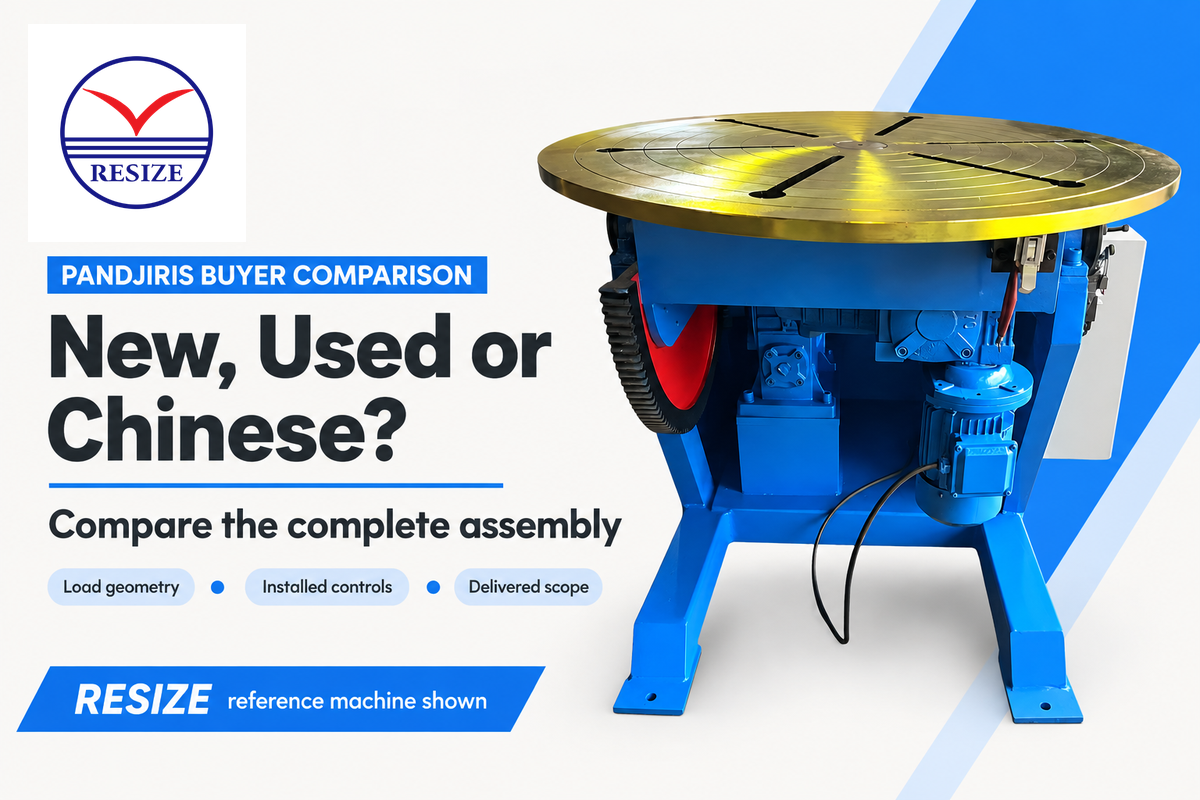
The turntable comprises a rotary table that allows the horizontal rotation of the workpiece. The welder can easily access each side of the component. Commonly used for circular welding tasks such as pipe fitting and flange assembly, these positioners operate under heavy loads with maximum stability.
- Tilt and Rotate Welding Positioners
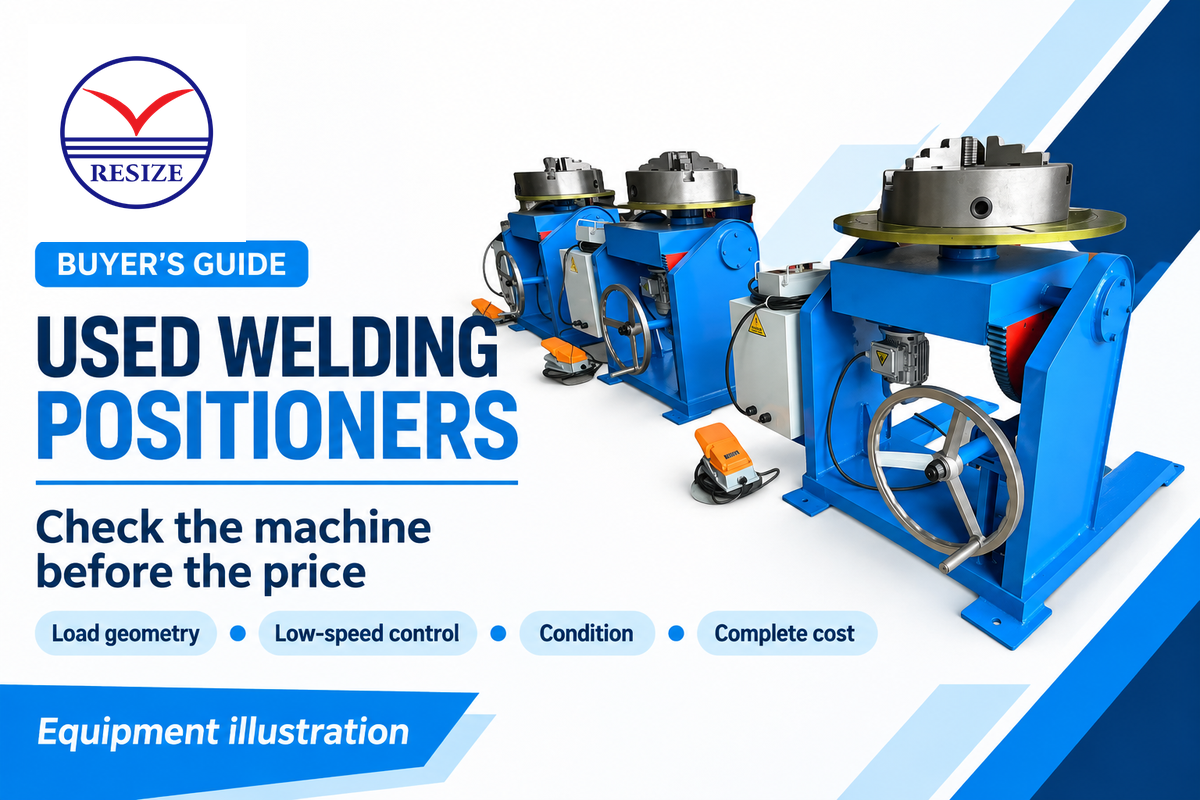
Usually, these combine rotation with tilting, thus providing a more versatile approach to complex welding problems. They enable workpieces to be manipulated into practically any angle, making them ideal for those intricate welds that require multiple orientations.
- Headstock and Tailstock Welding Positioners
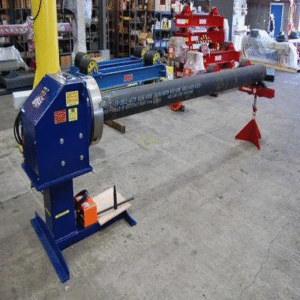
Positioners suitable for long and heavy workpieces are beams, pipes, and shafts. The headstock holds one end and rotates it, while the tailstock supports the other and keeps it in place during the welding operation.
- Robotic Welding Positioners
The robotic welding positioners are designed to interact with automated welding systems. These positioners enable precise movements synchronized with the robotic arms, ensuring high speed and consistency in welding operations. Therefore, robotic positioners are generally used in industries with high automation for mass production tasks.
Importance of 3-Axis Positioners in Welding
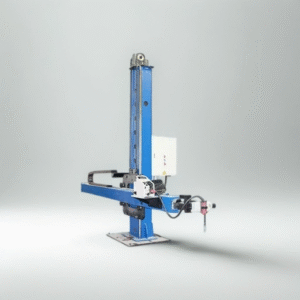
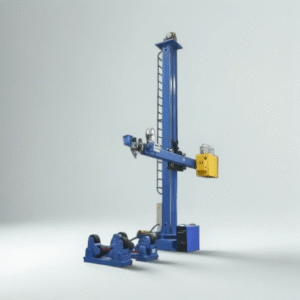
The 3-axis positioners play a crucial role in enhancing welding processes in industries where precision and speed are paramount. Movement of these welding positioners is designed along three axes: rotation, tilt, and elevation, allowing welders to access areas often considered inaccessible and ensuring the weld is made at the right angles to promote proper weld quality. Questions about reducing production time and improving weld consistency have been on the rise, indicating an increasing industrial focus on automated welding improvements. These three-axis positioners primarily address the issue by minimizing manual adjustments, thereby effectively eliminating human error and producing uniform welds. They excel in supporting the automotive, aerospace, and heavy machinery industries, where they streamline workflows and undertake high-volume manufacturing with precision.
Components of a 3-Axis Welding Positioner
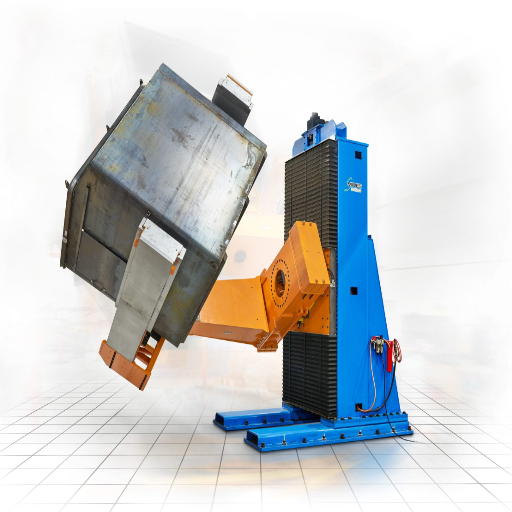
- Rotating Table
A central platform that holds and secures the workpiece during rotation so it can be positioned appropriately for welding.
- Tilting Mechanism
Tilts the table at various angles, enabling advantageous access to odd weld joints.
- Base Frame
Provides a solid base to guarantee good stability and support during legging.
- Control System
Allows for the precise adjustment of movement and angle, enabling welding to be performed with accuracy.
- Drive Systems
Motors that provide power to both rotatory and tilting operations for smooth working.
Hence, all these components together make welding operations lighter, of better quality, and faster during manufacturing processes.
Headstock and Tailstock Functions
The headstock and tailstock serve essential functions in welding automation, primarily supporting and rotating workpieces for improved positioning. With the headstock usually housing a drive mechanism, it imparts a defined rotational motion to the workpiece. This controlled rotation ensures the welds are uniform and accurate on cylindrical or sculptured contours. The tailstock, in contrast, lends support and alignment at the other end of the workpiece, thus keeping it steady during operation. The two together aid in the secure clamping and handling of heavy or awkward materials, and to a very great extent, increase safety, accuracy, and productivity during welding processes. With the latest advancements in technology, including servo-driven systems and automated clamping features, the functionality of the headstock and tailstock has become significantly more efficient, reducing operator intervention while consistently ensuring high-quality welds.
Key Components of Welding Positioners
Welding positioners comprise several essential components that collectively enhance the welding process. These include the base, the rotational drive, the tilting mechanism, and the fixture or mounting system. The base acts as the floor, maintaining stability on the work surface during welding operations. The rotational drive system enables smooth and precise movements for welds at various angles. The tilting mechanism provides an additional way to tilt, accommodating more complex welding positions. Mounting the workpiece in the fixture system ensures proper alignment and stability, resulting in optimal welds.
Coupled with the newest developments in modern technology, welding positioners increase production efficiency. Popular innovations include programmable positioning systems and real-time monitoring, which are sought after by industries aiming to improve working efficiencies. These new technologies enable a reduction in errors, an increase in consistency, and a decrease in operator fatigue, attributes that have made the welding positioner widely used in numerous manufacturing processes.
How Automation Enhances Positioning
Automation enhances positioning by integrating precision instruments, such as welding positioners, with advanced technologies to create a new approach for industries to manufacture. Automation systems, coupled with welding positioners, enable programmable motions with repeated patterns, significantly reducing the time required for setup and the margin of error. Real-time monitoring and adaptive controls ensure consistent performance, even in complex welding applications, providing unparalleled accuracy and efficiency. The result of these innovations is a highly efficient production process with minimal operator interventions, allowing skilled operators to engage in more complex tasks. With the advent of automation, companies can now increase throughput, improve product quality, and decrease operational costs —all goals that are now at the core of more intelligent manufacturing.
Choosing the Right Welding Positioner
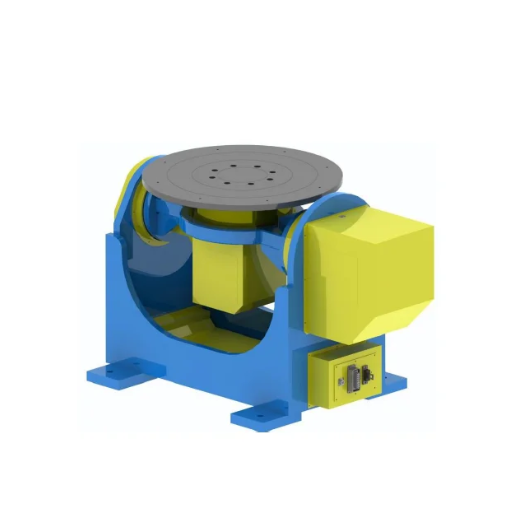
Choosing an appropriate welding positioner requires the following key factors to be assessed:
- Load Capacity – A positioner must be capable of supporting the weight of the workpiece, including fixtures or tooling. A safety factor must be considered to prevent overloading.
- Workpiece Size and Shape – Examine your workpiece’s dimensions and geometry to ensure that the positioner can accommodate it without impairing stability or accessibility.
- Rotation and Tilt Functionality – Determine the desired degree of movement. Select a positioner that will provide smooth and precise rotation/tilt functions to meet your welding requirements.
- Compatibility with Welding Processes – It should be compatible with the welding process and tools you intend to use, be it MIG, TIG, or automated systems.
- Speed and Control – A welding positioner with speed control and ease of use will ensure greater accuracy and productivity.
Considering these crucial aspects will ensure that you choose a welding positioner that supports an existing workflow with safety and efficiency.
Factors to Consider When Choosing a Welding Positioner
- Weight Capacity
Ensure the positioner can handle your heaviest workpieces. For example, if welding jobs typically involve parts weighing up to 2,000 lbs, choose a positioner with a slightly higher weight capacity to ensure welding can take place safely and efficiently.
- Tilt and Rotation Angles
Check the rotation and tilt angles that your welding positioner offers. The more advanced the machine is in offering 360° rotation and 135° tilt, the more flexible it becomes in carrying out complex welding operations and improving accessibility for different weld joints.
- Compatibility with Welding Equipment
Ensure your positioner is compatible with your welding processes and equipment, whether you use MIG, TIG, or robotic welding. A mismatch will only serve to compromise efficiency, causing more problems in the operation.
- Speed Adjustment Features
Being able to adjust speeds is an essential feature to look for in positioners. Adjusting speeds between 0.1 rpm and 2 rpm provides users with better control for fine welding, resulting in improved quality and fewer errors.
- Durability and Maintenance
Consider the design and upkeep requirements of the welding positioner. Preferably, it should be units made of high-grade materials, such as steel, and require minimal incidental maintenance.
A detailed analysis of the mentioned aspects will guide you in finding a welding positioner that meets your technical criteria, enhances your production capabilities, and ensures safe operations.
How to Choose the Right Welding Positioner for Your Needs
Choosing welding positioners requires consideration of your project requirements, industry standards, and the state of welding technology trends. From the deduced recent data, here is the basic procedure to follow:
- Assess Your Welding Application
Identify the type of welding you plan to perform. Consider the size, shape, and weight of the components you will be handling. For complex or repetitive welds, positioners with automation features might be strongly required.
- Determine Loading Capacity
Choose a positioner that is easiest to carry the weight of your heaviest workpiece, including any fixture or clamp attached. The weight capacity should preferably be higher than your requirement so as not to overload either the equipment or yourself.
- Consider Rotation and Tilt Capabilities
Try to find positioners capable of variable tilt and rotation to maximize your weld access and efficiency. You may want to consider multi-axis rotation or a 360-degree tilt, depending on the complexity of the welding process.
- Look for Advanced Controls
Recent welding positioners may include programmable controls that allow welders to automate their operations for increased precision. If scalability is a concern, consider models that are compatible with robotic automation systems.
- Evaluate Build Quality and Safety Features
Heavy-duty construction and build are prerequisites for the welding positioner, ensuring it is reliable and lasts. With modern safety features, such as emergency stop and load-sensing systems, it also considerably improves safety during operations.
- Calculate Costs and ROI
Initial cost matters, but consider also the long-term ROI, including benefits such as improved productivity, reduced downtime, and fewer welding defects.
By integrating these steps with recent innovations in welding technologies, you can select a welding positioner that aligns with your production goals and achieves significant improvements in operational efficiency and safety. Never base this decision solely on price-this must offer protection and a better future.
Expert Tips for Selection
- Assess Weight Capacity and Load Type
Ensure that the welding positioner can withstand the maximum weight of the loads for the projects you undertake. Overloading a positioner shortens its lifespan and also becomes a fatal safety hazard. Confirm compatibility with the types of welds you usually perform, such as rotary welding or angular welding.
- Consider Positional Flexibility
Aim for a positioner that provides for multi-axis rotation and speed control when performing a variety of operations, as this will enhance precision and speed in high-end or complex welding tasks.
- Evaluate Build Quality and Material
Opt for any positioner made from the highest-quality, most durable materials, such as stainless steel, to ensure it lasts longer. A high-quality build comes with minimal wear and tear, ensuring steady performance.
- Integration with Automation Systems
Present-day trends are increasingly automating welding operations. Pick welding positioners that can interoperate with robotic welding arms and control systems.
- Prioritize Ergonomics and Ease of Use
Look for a positioner whose controls and features are suitable, easy to use, and ergonomic, so that the strain on the operator is reduced and productivity is enhanced.
By considering all these factors and an ever-widening circle of the latest trends in welding technology, a trusted welding positioner can be aligned that best meets current and future needs.
Practical Applications of 3-Axis Welding Positioners
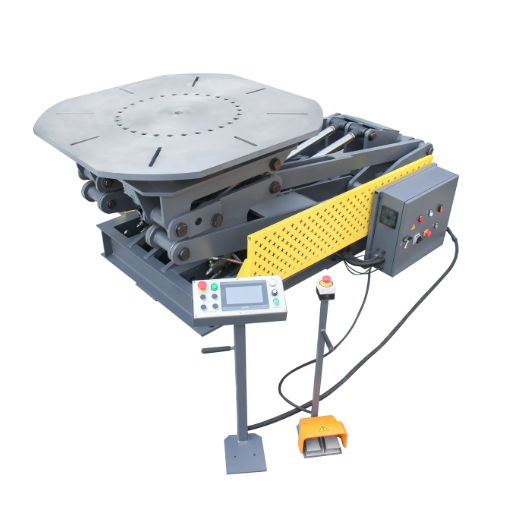
Three-axis welding positioners are widely used in industries where precise and efficient welding is required. They are typically used in the manufacture of pressure vessels, pipelines, and heavy-duty equipment, the operation of which requires very accurate positioning. Meanwhile, these positioners find extreme utility in the automotive and aerospace industries when assembling complex components. Able to rotate and tilt the workpieces, these positioners ensure a steady quality of the weld with minimal disruption to the working process, thereby offering dramatic time and cost savings in labor, safety, and precision.
Welding in Manufacturing
Welding, the backbone of modern manufacturing, has been a dependable means of joining materials across various industries. With “welding technologies in manufacturing” being an increasingly searched term, it reflects the increase in interest in advanced welding processes. This rise in attention draws greater concentration to welding advancements in the manufacturing sector as a must to enhance production efficiencies and product quality, such as laser welding and robotic welding. It finds use in the automotive assembly sector and infrastructure development. Still, it’s more essential in constructing durable, high-precision components to allow manufacturers to meet global market demands.
Applications in the Automotive Industry
Welding is a primary operation in the automotive industry for joining and assembling vehicles. Its versatility and ability to create high-strength bonds in almost any process make it essential to numerous applications. Below are the five main applications of welding in the automotive industry:
- Vehicle Frame Construction
Welding is primarily used in the production of rigid and strong vehicle frames. The standard techniques employed in the process are MIG welding and spot welding, which join the steel or aluminum components of the chassis and body.
- Exhaust System Manufacturing
Welding sealants are employed in the making of exhaust systems to ensure that the joints are solidified and that there are no leaks. TIG welding is generally utilized as it requires a great deal of precision.
- Fabrication of Fuel Tanks
Fuel tanks are fabricated through welding, where weld joints ensure sealing against leakage. Laser welding is increasingly used, with a preference for high performance and reduced heat distortion.
- Battery Enclosure Assembly (Electric Vehicles)
In EVs, battery enclosures are welded. Spot welding or ultrasonic welding is generally used to join the components without causing damage.
- Airbag and Safety System Integration
Additionally, there is interim welding for airbags and other safety systems, which ensures that the structure can reliably deploy the system in high-impact scenarios. This further improves passenger safety.
The above depiction illustrates welding in various applications that impact the modern vehicle in terms of its safety, durability, and utility.
Aerospace Welding Solutions
Aerospace welding is a highly specialized trade that requires meticulous precision and stringent quality standards. Aerospace welding bridges the gap between the construction and maintenance of aircraft, spacecraft, and satellites, ensuring safety and structural integrity in critical components. Among the industrialized welding methods, laser beam welding, electron beam welding, and friction stir welding are direct methods for welding lightweight materials, such as titanium and aluminum alloys, which help maintain strength while reducing weight. As we advance, innovations such as robotic welding systems and non-destructive testing apparatus will build in higher levels of reliability through the early detection of defects. This places welding firmly in the ranks of industries supporting aerospace in its quest for safety, performance, and sustainability.
Benefits of Using Welding Positioners
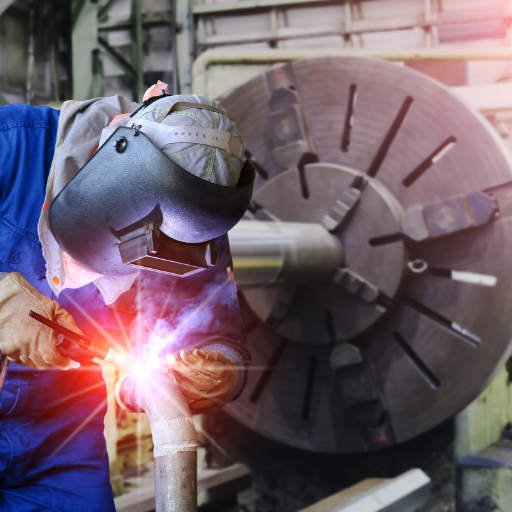
Below are some key contested benefits of welding positioners for enhancing the efficiency and quality of welding processes:
- Enhanced Precision: Positioners secure and rotate the workpiece, ensuring uniform and accurate welds.
- Improved Accessibility: It rotates the workpiece to a suitable welding position, allowing welders to work more comfortably in areas previously considered difficult to access.
- Time Efficiency: Positioners perform the movement of the workpiece themselves while the welder welds.
- Safety: Lifting heavy workpieces can be a back-breaking activity, and using positioners can significantly reduce the risk of injuries.
- Versatility: In addition to size, a welding positioner can accommodate a wide range of specimens for various welding operations.
Enhanced Precision and Flexibility
Welding positioners have become a vital tool for achieving greater precision and flexibility in various welding applications. By setting the workpiece at the most favorable angle for welding, positioners ensure the creation of welds of consistent quality with minimal errors. Such precision is paramount in industries where accuracy matters most, such as aerospace, automotive, and construction.
In comparison to current technological advancements, including automated systems and data integration, welding positioners surpass all limits. Positioners are merged with innovative welding systems that permit real-time monitoring and adaptive adjustments throughout the welding process. Consequently, the increased precision is coupled with enhanced flexibility to accommodate fast changes in production demand, thus equipping businesses to compete in the ever-changing market.
Improving Welding Efficiency
Efficiency in welding can be maximized through the intersection of state-of-the-art technological advances, skilled craftsmanship, and the intelligent integration of systems into the production process. It is becoming increasingly appealing for businesses to develop automated applications that incorporate intelligent welding technologies. Positioners in welding, when integrated into computerized systems with AI tools to make welders adjust position in real time, prevent human errors, and maintain weld consistency, improve productivity. Conversely, welding monitors embedded with IoT devices offer effective weld parameter monitoring, enabling the optimization of workflows and reduction of downtime. By applying the latest technologies and tools in manufacturing, companies not only increase productivity but also meet the growing demand for precision and sustainability.
Boosting Product Quality
In the quest to improve product quality, manufacturers are increasingly turning to high-end technologies and data analysis. For quality management systems that integrate AI and ML, there has been a surge of interest. These systems analyze production data to identify occurrence patterns, enabling companies to anticipate defects and take preventive measures to prevent quality-related issues. Additionally, real-time analytics would allow manufacturers to track every stage of the production process, ensuring uniformity and compliance with quality standards. Fusing such technologies with a continuous improvement mindset ensures their capability to deliver higher-quality products that satisfy market demands and customer expectations.
Maintenance and Operation of 3-Axis Positioners
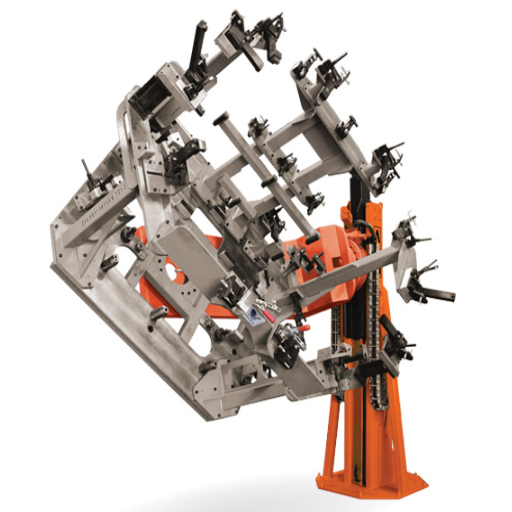
To ensure a smooth operation and long service life for 3-axis positioners, they must be adequately maintained and operated correctly. To begin, follow the manufacturer’s maintenance schedule. It may involve checking the mechanical parts for signs of wear or damage and lubricating moving elements, as well as tightening loose joints. Keep them clean and free from dirt to avoid operational problems.
During use, the positioner should be appropriately mounted and balanced. The control system must also be checked to ensure its proper calibration, further aiding in orientation without error. Its operators must be trained in the facilities’ proper handling method to avoid potential risks and maximize efficiency. Conduct regular tests on the positioner to ensure smooth rotation and accurate transfer across all axes. Report out-of-ordinary situations and anomalies to avoid further complications. Following this will assure continuous reliability and precision for the 3-axis positioner.
Best Practices for Maintaining Your Positioner
Regular Lubrication and Cleaning
Continuously lubricate the moving parts of the 3-axis positioner to maintain it in optimal operating condition. Dust, dirt, and residue accumulate over time and can cause wear and less-than-perfect efficiency in the working components. Use lubricants recommended by the manufacturer to facilitate smooth movement with minimal friction. Also, maintain a regular cleaning schedule to remove any deposits that could harm functionality.
Timely Software Updates
Keep the software and firmware of the positioner up to date. Developers release frequent updates to patch bugs, enhance performance, and improve compatibility with newer systems. This will help avoid software-based glitches and maintain the reliability of the positioner.
Monitor and Replace Worn-Out Components
Due to prolonged use, sooner or later, those components, whether bearings, gears, or belts, come into wear and tear. Conduct inspections in conjunction with operational cycles to identify signs of wear or damage, and replace such components immediately to relieve the system of strain and prevent sudden breakdowns. Refer to the manufacturer’s instructions to obtain proper replacement parts and replace them properly.
By following these proactive maintenance strategies and staying up-to-date with new technological advancements, your 3-axis positioner will ensure diligence and accuracy for many years.
How to Effectively Operate a 3-Axis Welding Positioner
The most common way to operate a 3-axis welding positioner is by referring to the user manual provided by the manufacturer to understand its operating and safety features. I ensure the positioner is adequately secured and check it for any visible scratches before use. I then mount the workpiece firmly in a balanced manner to avoid any instability during operation. Through the adjustment of the three axes — ML Rotation, tilting, and elevation — I position the workpiece for welding at the desired angles. I always ensure that I handle the control panel with care, using the chosen speed and constantly aligning the workpiece for welding throughout the operation. I wear proper protection as I follow all safety regulations.
Common Myths About Welding Positioners
A common misconception about welding positioners is that they are suitable only for large-scale industrial applications. Among recent trends, these welding positioners find applications in smaller workshops and even in hobbyist environments. Another myth that works against their popularity is the idea that welding positioners require extensive training to use. While design-wise they do indeed require training, modern positioners today utilize the best of contemporary design trends and technologies to offer an interface that is both natural and intuitive for operators of all skill levels. Another thought which keeps some at bay is that they are too costly; times have changed: an extensive range of options for different budgets are available today. The misconceptions hinder people from realizing what welding positioners offer: higher precision, safety, and efficiency.
Reference Sources
-
MISA Manufacturing: 15 Essential Types of Welding Positioners – Provides a detailed breakdown of welding positioners, including 3-axis models.
-
Academia.edu: A Guide To Positioners, Turning Rolls, And Manipulators – Discusses the advantages and functionalities of welding positioners.
-
International Journal of Engineering Research and Technology (IJERT): Design of Welding Fixtures and Positioners – Explores the design and importance of welding positioners in automation.
-
ResearchGate: Study of Design and Research of New Welding Manipulators – Focuses on the development and testing of multi-axis welding positioners.
- Top 3 Axis Welding Positioner Suppliers in China
Frequently Asked Questions (FAQs)
Q: What is a 3-axis welding positioner?
A: A 3-axis welding positioner is a specialized tool designed to hold and manipulate workpieces during welding, allowing for precise welding from various angles. These positioners are essential for achieving high-quality weld beads and are commonly used in different welding jobs across multiple industries, including aerospace and fabrication.
Q: How do different types of welding positioners work?
A: Different types of welding positioners utilize various mechanisms to rotate and tilt workpieces. For example, a rotary welding positioner provides rotation on a horizontal axis, while a headstock tailstock positioner allows for additional stability. Understanding how these positioners function can help you select the ideal welding positioner for your specific needs.
Q: What industries benefit from using welding positioners?
A: Welding positioners are utilized in a variety of industries such as aerospace, automotive, and heavy machinery fabrication. These industries benefit from the automation and precision offered by positioners, which improves the quality of welding operations and increases production efficiency.
Q: What are the advantages of using a rotary welding positioner?
A: A rotary welding positioner offers several benefits, including the ability to perform continuous welding operations and the flexibility to handle different workpiece sizes. This versatility makes it an ideal choice for manufacturers looking to enhance their welding capabilities and optimize their welding procedures.
Q: What should I consider when choosing a welding positioner?
A: When selecting a welding positioner, consider factors such as the type of welding you will be performing (manual or automated), the weight and size of your workpieces, and whether you need a positioner with hydraulic capabilities. These considerations will help ensure you select the correct welding positioner for your specific needs.
Q: How do hydraulic welding positioners compare to manual operation?
A: Hydraulic welding positioners offer automated movement and control, which can enhance the efficiency of welding jobs compared to manual operation. While manual welding positioners require the operator to adjust the workpiece position manually, hydraulic models provide more precise control and reduce operator fatigue during lengthy welding tasks.
Q: What is the role of tailstock positioners in welding?
A: Tailstock positioners play a crucial role in stabilizing workpieces during welding. They are instrumental in pipe welding and other applications where maintaining alignment is essential. By providing additional support, tailstock positioners help ensure that the welding procedure specifications are met and improve the overall quality of the weld.
Q: How can a welding positioner improve the quality of welding operations?
A: Using a welding positioner can significantly enhance the quality of your welding operations by providing the necessary angles and positions for optimal welding. This results in improved weld penetration and consistency, thereby reducing defects and ensuring that weld beads meet industry standards. Ultimately, investing in a quality positioner can improve the efficiency and effectiveness of your welding projects.
Q: What features should I look for in a positioner manufacturer?
A: When evaluating positioner manufacturers, look for those that offer a variety of welding positioners, including both rotary and stationary models. Additionally, consider their reputation for quality, customer support, and the availability of replacement parts. A reliable manufacturer will provide the necessary components for maintenance and ensure that your welding operations run smoothly over time.