TIG welding, synonymous with precision and versatility, holds universal respect as the welding method of choice across various industries. Yet, the path toward perfect welds is not smooth. Several contamination, pore formation, cracking, and improper penetration issues in welding are faced by welders across the board, degrading the quality and integrity of their welding fences. This blog post identifies the ten most common TIG welding issues, delves into their causes, and provides effective countermeasures for preventing these faults. Whether you are a professional running TIG welding or a beginner practicing the craft, this guide is going to help you identify how to troubleshoot problems and always finish high-quality welds. So, stay with us to learn what it takes to make defect-free TIG welding!
Understanding TIG Welding

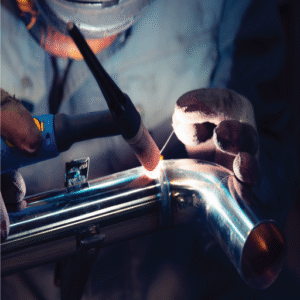
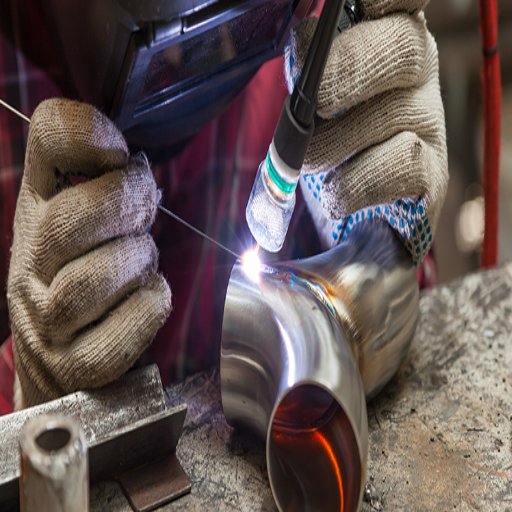
TIG welding, which stands for Tungsten Inert Gas welding, is a high-precision welding process that employs a non-consumable tungsten electrode to effect the welding operation. An inert gas, generally argon, is used to keep the weld area free of contamination. The term TIG welding is well known for producing high-quality, clean welds, especially on thin materials such as stainless steel or aluminum. Being versatile and controlled, it finds its application wherever good strength and good appearance are both required in the weld.
What is TIG Welding?
The TIG welding procedure, or Tungsten Inert Gas welding, is a classic arc welding process that uses a tungsten electrode that remains unmelted during the welding process. This procedure was viewed with a high level of esteem due to its precision and cleanliness in producing quality welds free from spattering. The welding zone is protected by an inert gas, typically argon and sometimes helium, to prevent contamination of the atmosphere and maintain a stable, clean weld pool.
With advances in technology, TIG welding has become more versatile and is now commonly used across various industries, including aerospace, automotive, fine arts, and construction. It is best suited for welding fragile non-ferrous metals, particularly aluminum, magnesium, and stainless steel, although it will also join carbon steel and exotic alloys. With the extremes of control possible with TIG, operators generally choose it when an intricate or delicate weld is needed and a smooth weld must be achieved aesthetically; thus, with high regard placed on weld appearance and strength in projects, it holds an excellent preference. However, TIG welding is difficult in itself, as it requires more patience and skill to accomplish, compared to the pop-pop style welding, such as MIG welding.
Common Applications of TIG Welding
- Aerospace Industry
Precise welding is required in the aerospace industry. And with lightweight materials such as aluminum and titanium, TIG welding is generally preferred for aerospace fabrications, including fuselage parts and turbine blade fabrication, where an uninterrupted weld of high strength is necessary.
- Automotive Industries
Automobile manufacturers also use TIG welding for welding car frames, engine components, and exhaust systems. It joins a variety of thin and thick metals in a way conducive to the strength of a particular weld or, in the case of visible areas such as a conspicuous custom or luxury car exhaust, welds cosmetically to a very high standard.
- Pipe and Tube Welding
In pipe and tube fabrication, TIG welding is particularly popular, especially in industries such as oil and gas, water treatment, and chemical processing. It has the precision to ensure a perfect weld, one that is air-tight, particularly in systems where liquids or gases are under pressure, such as those in critical identification applications.
- Medical Equipment Manufacturing
Due to the cleanliness and precision of the welds, TIG welding is commonly used in the manufacturing of medical and surgical instruments. The materials often welded are stainless steel and titanium, as further high-sterility products.
- Arts and Sculpture
Many artists and sculptors utilize TIG welding to create intricate metal sculptures and decorative pieces. They enable fine welding and produce smooth finishes, allowing artists to create aesthetically pleasing works from metals such as bronze, brass, or stainless steel.
Advantages of Using TIG Welding
- High-Quality Welds
TIG welding produces clean welds with precise control and minimal spattering, making it suitable for applications that require high-quality finishing. It ensures that joints are strong and durable in delicate or complex projects.
- Versatility
TIG welding can weld almost any kind of metal, including steel, stainless steel, aluminum, titanium, and many others. It can weld both thin and thick materials, thus offering great utility to various industries and applications.
- No Filler Material Required
TIG welding also permits “autogenous welding,” which means two separate pieces of metal are fused without the use of filler material. This method produces a cleaner weld and reduces the extra cost and labor associated with obtaining filler.
- Better Control
It provides reasonable control over heat and arc, enabling the welder to achieve the desired result. This control is crucial when working on complex components or repair jobs where precision becomes paramount.
- Environmentally Friendly
Unlike some welding processes, TIG Welding does not generate smoke, nor does it require the use of flux. Thus, making it a greener and safer option for welders in the workplace.
Common Weld Defects and Their Causes
- Porosity
Cause: Contaminants such as oils, dirt, or moisture on the base material or filler.
Solution: Make sure the surfaces are clean and dry before welding.
- Cracks
Cause: Rapid cooling of the weld, improper technique, or under-filling.
Solution: Preheat and cool as necessary, employing proper technique.
- Undercut
Cause: Very high welding speed or heat input.
Solution: Lower welding speed and decrease heat input.
- Incomplete fusion
Cause: Insufficient heat or incorrect angle of the electrode.
Solution: Provide more heat and position the electrode correctly.
- Slag Inclusion
Cause: Failure to remove slag between passes or poor welding technique.
Solution: Ensure the workpiece is clean between passes and perform the welding properly.
Lack of Fusion
Lack of fusion is a serious weld defect characterized by a weak bond between the base metal and the weld metal. These weak joints may reduce the load-bearing capacity of the structure. Modern sources and practices indicate a lack of fusion due to causes such as low heat input, incorrect electrode angle, or travel speeds that are either too fast or too slow.
Solution
To prevent a lack of fusion, adjustments must be made to welding parameters and technique. According to modern technology, the heat input must be sufficiently high to allow a proper melt and bonding operation to be carried out without adversely affecting the materials. The welders must therefore avoid fast weld travel speeds and keep the electrode at the correct angle. The weld zone also needs to be inspected and cleaned before and during the welding operation. These practices will drastically reduce the occurrence of a lack of fusion in welding jobs.
Porosity in Welds
Porosity in welds is the presence of tiny gas pockets or voids trapped within the weld metal at solidification. Such imperfections will reduce the weld’s strength and quality. Porosity is induced by contaminants such as moisture, rust, oil, or grease being present on the base or filler material. Other possible causes of porosity include inadequate shielding gas coverage, excessive welding speed, and the use of electrodes that have not been adequately dried.
Having a clean weld area and ensuring materials used are dry and free from contamination will help keep porosity at bay. Adjusting the shielding gas flow, maintaining proper torch angles, and employing a well-paced weld speed will help mitigate the risk of porosity. All of these factors will contribute to producing better-quality welds and lead to a longer lifespan for any structure, thereby preventing premature failure.
Preventing Common TIG Welding Defects
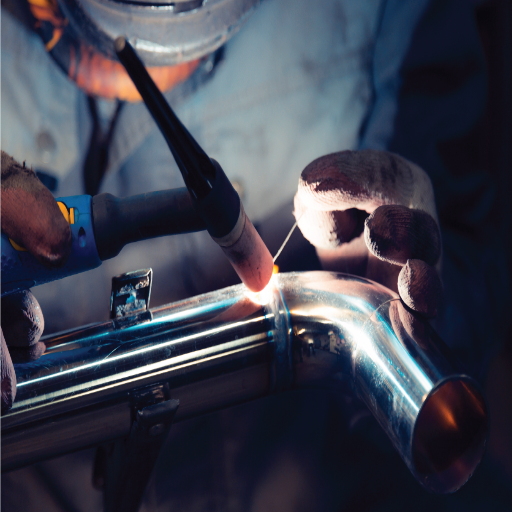
To prevent cracking in TIG welding, use the correct filler material that matches the base metal. This, along with preheating thicker materials, lessens stress and the risk of cracking. Give due consideration to factors that might cause rapid cooling to inculcate the heat input or welding speed accordingly. Materials that are conditionally susceptible to cracking require good joint preparation and welding techniques to get a proper weld free from defects.
Techniques for Preventing Weld Defects
The most effective way to minimize weld defects is by employing sound welding techniques in conjunction with key preventive measures against weld defects, which are supported by the latest research. Joint preparation comes first: the surfaces must be adequately cleaned of contaminants such as rust, oil, and dirt before welding. Using the desired parameters for voltage, current, and travel speed maintains a stable arc, thereby reducing the likelihood of porosity or undercutting-type defects. The best filler materials must be used, suitable for the base metal, so that chemical incompatibilities do not compromise the weld’s strength or vulnerability.
Shielding gas considerations should not be overstressed, according to some recent findings from Google search data. These gases, when used correctly, in the right type and at the right flow rate, should prevent oxidation and atmospheric contamination. Additionally, proper calibration of the machinery and regular maintenance of the welding equipment are essential for achieving sound weld quality. Lastly, the application of modern technology, including automated welding and non-destructive testing methods, serves to enhance defect detection and promote superior weld integrity. By joining these methods, welders can significantly minimize the appearance of defects and ensure a better quality output.
Proper Equipment and Setup
Proper equipment and setup serve as a critical foundation in any welding operation. According to very recent data, the following procedures should be in place: Welding machines must be set up correctly in terms of voltage, amperage, and wire feed speed for the particular material or process being welded. Furthermore, the use of high-quality consumables—electrodes, filler metals, and shielding gases—will ensure weld-free imperfections. A clean environment and adequate ventilation should be maintained at the workspace to ensure both efficiency and safety. A welder who adheres to a precise setup with the finest tools and materials will provide superior workmanship with the fewest defects, earning a reputation for excellence in the industry.
Importance of Material Preparation
Proper material preparation is a prerequisite for determining the quality and strength of welds. The improper preparation of materials has been held responsible for as much as 50% of weld defects, as impurities such as rust, oils, or mill scale can weaken the bonding and cause the weld to fail. Cleaning the base material through grinding, chemical cleaning, or even wire brushing removes contaminants and creates an ideal surface for welding.
On the other hand, beveling or grooving of material edges, where required, provides for excellent penetration of the weld and uniform distribution of heat. This becomes particularly crucial with thick materials, where inadequate edge preparation can result in incomplete joint fusion. Industry data suggest that properly prepared materials could increase the service life of welded components by as much as 20% due to a lower incidence of cracks or other structural failures.
Technological advances are also conducive to the preparation process, offering tools such as automated deburring machines and laser cleaning systems that improve precision and efficiency. Integrating these practices into the welding workflow will enable industries to achieve significant quality improvements while reducing rework, which can drain time and resources.
Comparison with Other Welding Techniques
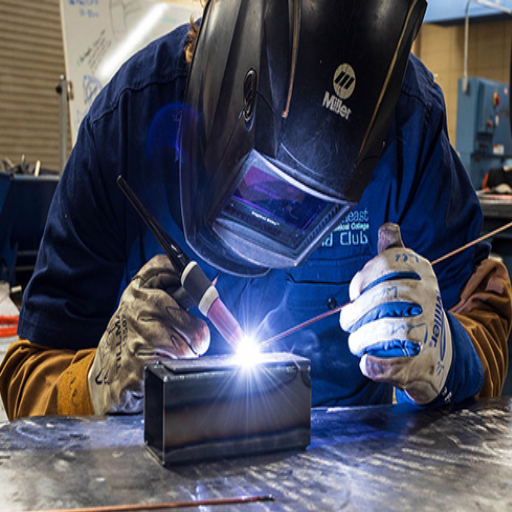
Modern welding methods typically provide high precision, consistency, and efficiency, which consequently makes them a better option than other techniques, such as stick welding or MIG welding. For example, TIG welding, being somewhat slower, has greater control and cleanliness of finishes, making it suitable for more demanding applications. Then again, laser welding comes with a higher price but can barely be topped for accuracy and speed in industrial automated applications. Each method provides benefits for specific uses, but more advanced methods often reduce rework and material waste, thereby saving costs and making the product more durable.
TIG vs. Stick Welding
Keep in mind that there is a clear separation between the two processes regarding their capabilities: precision and acceptable welds (TIG) and general outdoor and heavy-duty work (Stick).
| Parameter | TIG Welding | Stick Welding |
|---|---|---|
| Precision | High | Moderate |
| Speed | Slow | Moderate |
| Cost | High setup cost | Low setup cost |
| Best For | Thin metals, clean welds | Outdoor, heavy-duty |
| Skill Need | High | Moderate |
| Applications | Aerospace, automotive | Construction, repair |
| Key Feature | Clean, aesthetic welds | Works on rusty surfaces |
When to Use TIG Welding
TIG welding is well-suited for tasks that require precision, a smooth finish, and versatility with various materials. According to the newer data, TIG is an industry favorite in the aerospace, automotive, and art sculpture industries, where intricate welds are aesthetically pleasing to the eye. When used for thin metals like stainless steel and aluminum, it offers the highest degree of control over heat, as it can create distortions and errors. Thus, when a weld is required to meet stringent requirements for strength and durability, such as in pressure vessels and critical infrastructure, this is the welding approach chosen. While requiring more skill and time than other methods, its reliability and clean presentation become priceless on projects where quality simply cannot be compromised.
Benefits of Combining TIG and Stick Welding
- Versatility Across Materials
The combination of TIG and stick welding enables welders to work with a broader range of materials, from thin sheets to thick plates, with ease. TIG welding is well-suited for delicate processes on stainless steel and aluminum. In contrast, stick welding is well-suited for heavy-duty operations and can be used on surfaces that are rusted or dirty.
- Productivity
If both methods are employed, they will surely enable a welder to work more efficiently by utilizing the best process for the job. TIG can be used to place welds precisely and with a high level of finish, while stick welders offer rapid deposition rates, which reduce the time required for structural work.
- Adaptability in Work Environments
TIG welding is best suited for controlled conditions, such as workshops or indoors, whereas stick welding is ideal for outdoors or adverse conditions where wind and rain need to be considered factors. In such situations, convertibility between the two will ensure that welders confront the challenges that may vary from environment to environment.
- Strength and Durability
A weld done with the consideration of using both methods meets stringent durability requirements. TIG welds offer a very smooth finish with the high degree of precision required for time-sensitive processes, while stick welds produce aggressive deposits that can be subjected to high stresses and loads.
- Cost-Effectiveness
Arranging both methods to be used accordingly provides a solution to the cost issue resulting from materials and labor. Stick welding goes cheaper for work that can be done on a large scale and isn’t so concerned about how it looks, while TIG secures the quality worthy of delicate joints and strikes a fair balance between cost and quality expectations.
Reference Sources
- Deep Learning-Based Defects Detection in Keyhole TIG Welding with Enhanced Vision
- Authors: Xuan Zhang, Shengbin Zhao, Mingdi Wang
- Published in: Materials
- Publication Date: August 1, 2024
- Summary:
- This study presents a method for real-time defect detection in keyhole TIG welding using a multi-layer deep neural network trained on a comprehensive dataset of welding images. The research highlights the limitations of traditional support vector machines (SVM) in detecting complex defects and emphasizes the superior performance of deep learning models in recognizing various weld states, including good welds and defects like burn-through and undercut.
- The methodology involved extensive preprocessing and data augmentation to ensure reliable results. The experimental results demonstrated high accuracy and real-time performance, providing an effective solution for quality control and defect prevention in TIG welding processes.
- Investigation on welding defects of alloys using TIG and MIG welding
- Author: Syed Rashedul Haque
- Published in: Hybrid Advances
- Publication Date: July 1, 2023
- Summary:
- This paper examines the welding defects associated with various alloys when employing TIG and MIG welding processes. The study focuses on identifying common defects such as porosity, lack of fusion, and undercutting, which can significantly affect the mechanical properties of welded joints.
- The methodology included experimental welding of various alloy combinations and subsequent analysis of the welds to assess the types and frequencies of defects. The findings provide insights into the factors contributing to defects and suggest preventive measures to enhance weld quality.
- Welding Defects Analysis with Various Alloys Using TIG and MIG Welding Process
- Published in: Transactions on Machine Learning and Artificial Intelligence
- Publication Date: September 2, 2023
- Summary:
- This article examines the defects that occur during TIG and MIG welding of various alloys, with a focus on the influence of welding parameters on defect formation. The study utilizes machine learning techniques to predict and classify defects based on input parameters, including welding speed, current, and gas flow rate.
- The methodology involved collecting data from multiple welding experiments and applying machine learning algorithms to identify patterns and correlations between welding parameters and the occurrence of defects. The results highlight the importance of optimizing welding parameters to minimize defects and improve weld quality.
- Top Welding Manipulators Manufacturers and Supplier in China
Frequently Asked Questions (FAQs)
What are the common TIG welding defects, and how do they occur?
Common TIG welding defects refer to imperfections that can arise during the welding process. These defects can occur due to various reasons, including improper welding parameters, inadequate shielding gas coverage, and incorrect filler metal type. Understanding the root causes of these defects is crucial for ensuring the integrity of the weld and achieving high-quality results.
How can I prevent common TIG welding problems?
Preventing common TIG welding problems involves ensuring proper shielding gas flow, using the correct welding amperage, and selecting the right filler rod for the materials being welded. Additionally, it’s essential to maintain clean surfaces and stay vigilant about the welding equipment features to avoid issues such as a lack of fusion or poor gas coverage.
What is the lack of fusion in TIG welding?
Lack of fusion is a weld defect that occurs when the weld bead does not properly bond with the base material. This can lead to weak joints and is often caused by incorrect welding parameters or insufficient heat input. To prevent a lack of fusion, ensure that the welding power settings are appropriate for the materials being welded and maintain a steady travel speed.
What are the types of weld defects that can occur in TIG welding?
Various types of weld defects can occur in TIG welding, including porosity, undercut, lack of penetration, and excessive spatter. Each of these defects can weaken the weld and compromise the joint’s overall strength. Identifying the specific type of defect is essential for implementing effective corrective measures.
How does improper welding affect the integrity of the weld?
Improper welding can significantly affect the integrity of the weld by introducing defects that compromise its strength and durability. Issues such as poor gas coverage or incorrect filler metal problems can result in weak joints, making it essential to follow best practices in welding techniques and equipment usage.
What are the common causes of TIG weld defects?
Common causes of TIG weld defects include incorrect welding parameters, insufficient shielding gas, and contamination of the welding surface. Additionally, environmental factors such as wind or drafts can negatively impact the effectiveness of the shielding gas, leading to issues like porosity and poor bead appearance.
How can I solve 10 common TIG welding problems?
To solve 10 common TIG welding problems, start by ensuring proper shielding gas coverage with argon shielding gas, adjusting welding amperage to match the material thickness, and selecting an appropriate filler rod. Additionally, maintaining a clean work environment and adhering to recommended welding techniques will help mitigate defects and improve weld quality.
What role does shielding gas play in preventing welding defects?
Shielding gas plays a vital role in preventing welding defects by protecting the weld pool from atmospheric contamination. Proper gas flow ensures that the weld area is adequately shielded, which helps prevent issues like porosity and oxidation. It’s essential to monitor gas flow rates and adjust them as necessary to maintain optimal conditions during the welding process.