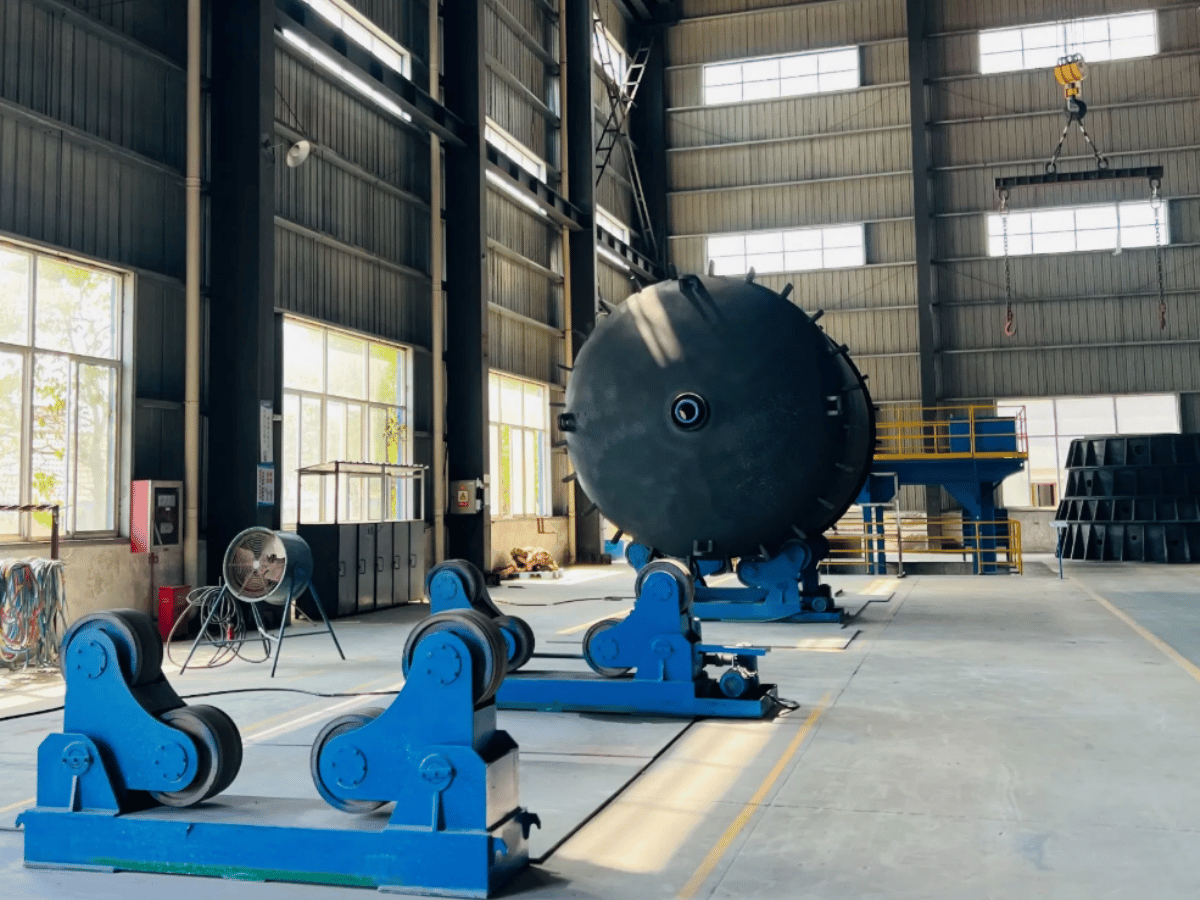
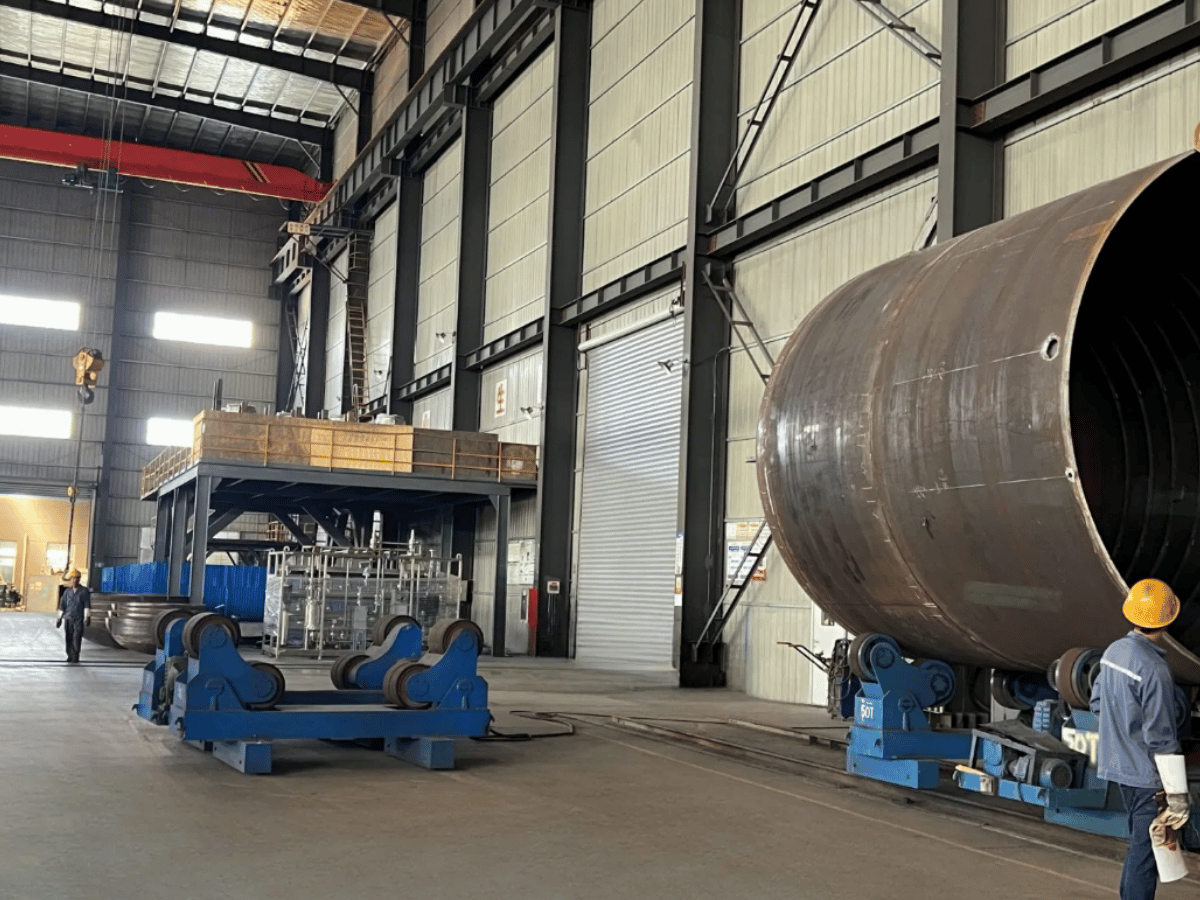
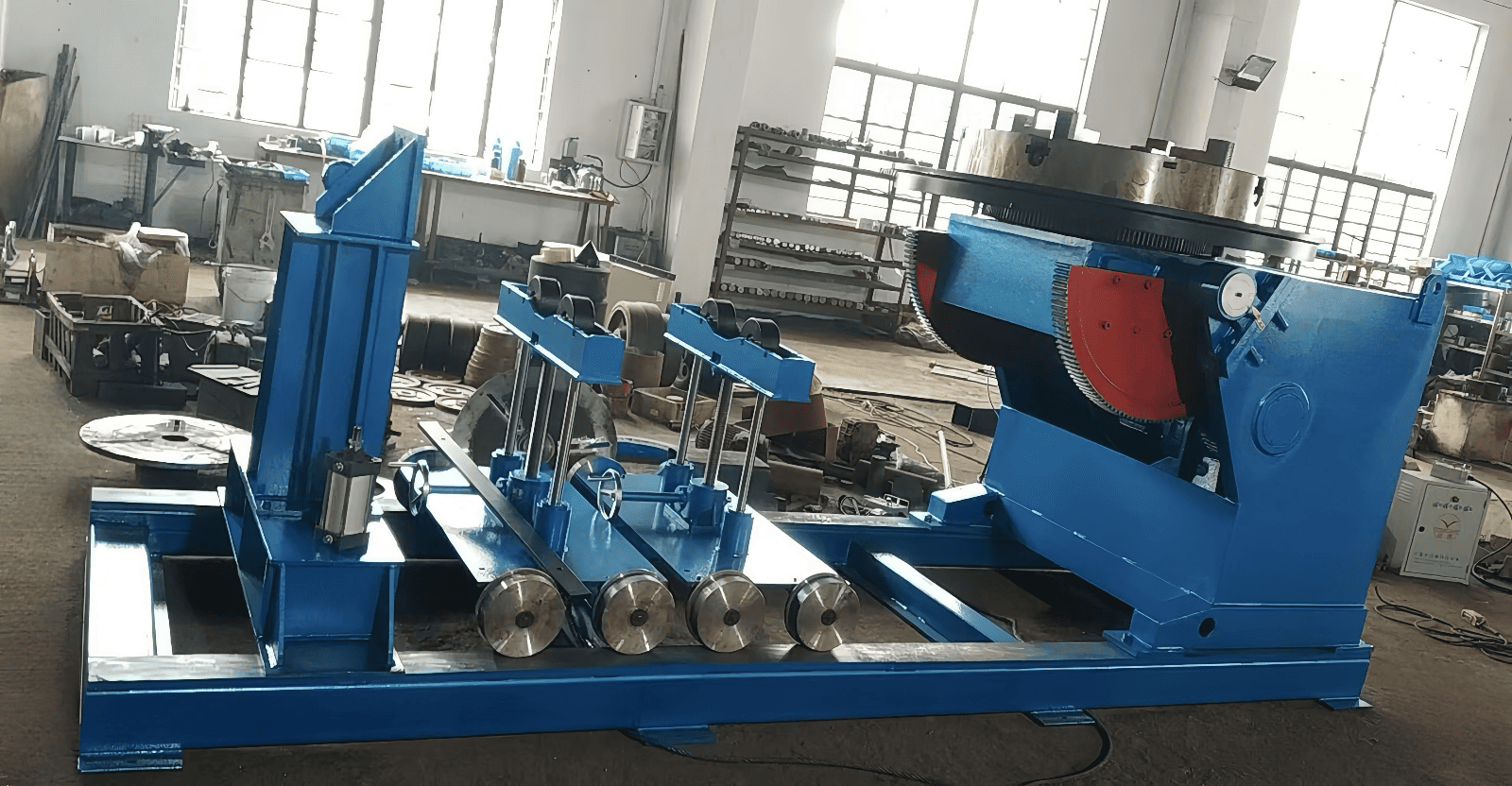
Welding demands precision, speed, and superior machinery to produce the best quality results. For fabricators and manufacturers, the headstock tailstock positioner serves as the hub of the welding process so that welding can be done with accuracy and consistency even on the most complex projects. How does this piece of equipment enhance the quality of a weld? And what makes a headstock tailstock positioner critical for your operations? This guide will run you through the basic concept of a headstock tailstock positioner, its benefits, and how it can help you take your welding one step further. You shall certainly gain some working insights on optimizing your workflow so that you are able to deliver acceptable results every time, be you are an expert or a newbie.
Understanding Positioners in Welding
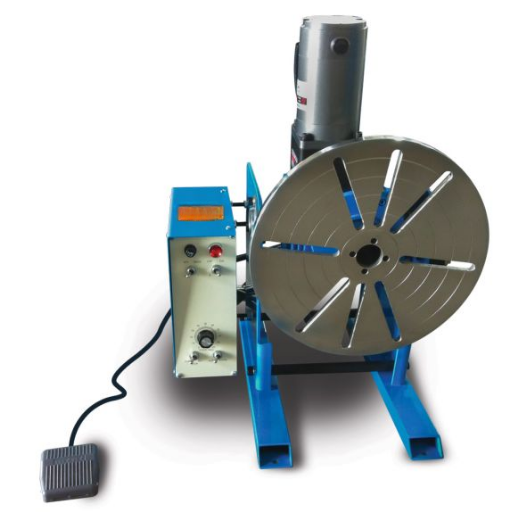
Headstock and tailstock positioners increase weld quality through accuracy and stability during the welding process. These devices hold and rotate the workpiece securely while providing consistency in the welds and minimizing weld quality loss due to manual errors. They give utmost control for achieving slight angles of welding, distortion of the material, and are operationally efficient. Being reliable and versatile, they must be employed whenever exact and good outputs are required for any job.
What is a Weld Positioner?
Basically, a weld positioner is a machine that makes welding easier by holding and manipulating workpieces of different shapes, sizes, and weights. The workpiece is rotated or tilted such that the welder can hold a proper welding angle, which is essential for uniform and precise welds. Most modern weld positioners have motorized turntables or tilt mechanisms to give operators the flexibility and control they need to do the job efficiently. Depending upon the model or application, these weld positioners can have capacities ranging anywhere from a few hundred pounds to several tons.
Positioners are utilized by industries such as manufacturing, aerospace, and construction. In manufacturing, it increases productivity by reducing the time spent manipulating heavy parts manually. According to recent data, the addition of weld positioners can up production efficiency by 50% in some cases, while concurrently reducing error levels and material wastage. Moreover, many modern weld positioners come with programmable settings that allow automation and enhance compatibility with robotic welding systems. This flexibility is making them ever more necessary as industries demand ever greater precision and efficiency in their operations.
Types of Welding Positioners
Versatile machines welded holding and rotary workpieces that, in consequence, address the utmost welding angles to enable accuracy and efficiency. Fixed wrongful positions exist in a variety of classifications as needed in particular industries.
- Fixed Welding Positioners
They are stationary designs best suited for smaller workshops and repetitive tasks. They are neither expensive nor unreliable but offer stable functioning to support welding operations consistently.
- Rotary Welding Positioners
Rotary positioners spin the workpiece around a single axis. Usually applied to pipe and tube welding to guarantee smooth, continuous weld passes, recent industry reports point to the fact that rotary machines can reduce weld time by almost 30%, thus greatly elevating productivity.
- Tilt-Table Welding Positioners
Having tilting abilities, this positioner allows access to tight workspaces formed on complex designs. Further aided by enhanced maneuvering capabilities, it brings forth ergonomics to the welding movement and reduces operator fatigue.
- Headstock and Tailstock Welding Positioners
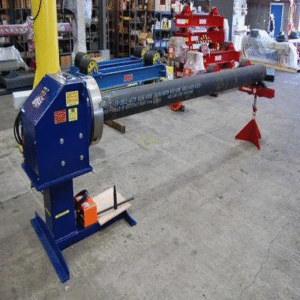
They are capable of working on longer or heavier pieces and ensuring the stability of the piece by supporting both ends. The data shows that industries adopting this type for heavy fabrications do note a drastic reduction in alignment errors.
- Robotic Welding Positioners
With automation, the buzzword of modern manufacturing, robotic welding positioners are entering the limelight. These sophisticated positioners are highly compatible with automated systems and provide programmable multi-axis movement,t and so can enhance efficiencies by as much as 60 percent.
So by knowing what various types of welding positioners can do and their plus points, companies can pick a model fit for the application at hand to better weld faster and stronger.
The Role of Headstock and Tailstock
The implementation of a headstock and tailstock in welding plays an important function, the primary function being to securely hold and rotate the job for accurate positioning. From my experience, during welding, greater stability is ensured, especially when dealing with rather long or heavy components, and also greater precision is allowed when such operations are automated.
Functionality of Headstock Tailstock Positioners
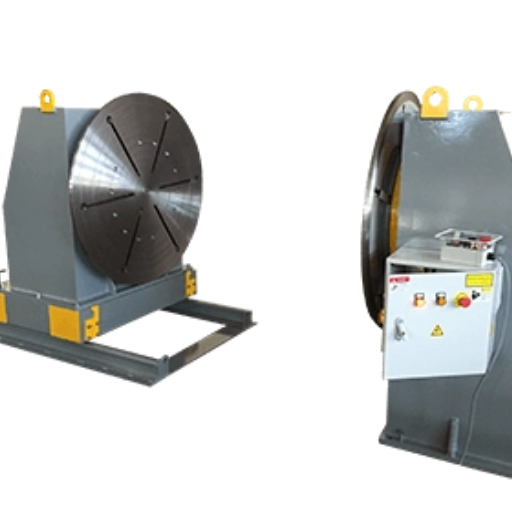
This positioner is for mounting workpieces so they can rotate rapidly and safely during the welding process. The headstock, driven by some means, rotates the workpiece, while the tailstock holds the far end for stability. This arrangement guarantees exact positioning and alignment, so welders can produce fine and uniform welds. Such positioners best take care of large or heavy components, thus boosting the efficiency and accuracy of both manual and automated welding operations.
Precision Alignment in Welding
An X-ray view of the relationship between precision alignment and the nature of welds: since welding is a technique applied to an assemblage, orthogonal to the procedures involved in the joining process, it requires the utmost precision for the desired welding results to be obtained. Because of proper alignment, welds acquire their structural integrity and expect their durability and performance under service conditions. Studies show that improper alignment can reduce the strength of a welded joint by as much as 30%, thereby increasing the chance of failure when subjected to stress or load.
Some of the modern-day welding positioners and accessories for accurate alignment even now employ the latest technologies, such as laser-guided systems and programmable controls to ensure precise positioning during the entire welding operation. Because these systems considerably eliminate human error, repeatability is greatly improved. Thus, efficiency and weld quality are both enhanced. Setting up a workpiece with an automated alignment system is said by industry practitioners to take 40% less time, making this greatly sought-after in a big production environment.
Together with technical knowledge and a high-tech approach, precision alignment in welding increases the structural dependability of the joints, thus serving to gain an optimized workflow pattern that decreases wastage and consequently enhances productivity.
Durability and Performance
Durability and performance are the two principal building blocks in determining welding technology’s reliability and efficiency. High-quality welds fit a structure to bear stress, environmental phenomena, and prolonged use, and yet remain without failure. Research studies have shown that the dispersal of advanced welding techniques, such as laser welding and friction stir welding, through various welding methods ensures better durability. For example, friction stir welding increases the strength of a joint by as much as 30% over conventional fusion welding methods-an important feature for aerospace and automotive industries.
High-performance alloys, on the other hand, help improve the welder’s longevity in harsh environments. These materials are purposely designed to resist corrosion, fatigue, and temperature extremes, thus ensuring long-term reliability. Data states that the incorporation of these materials would extend the operational lifetime of key infrastructure by as much as 20-40%. Triple-tasked with precision alignment tools and automated systems, these advances bring forth improvement to the strength of welded joints and performance of the manufacturing systems.
Automation in Welding Processes
Industrial welding automation has transformed factories, and its major considerations are about efficiency, quality, and safety. Contemporary systems amalgamate robotic arms with artificial intelligence for such welding tasks that require sophistication beyond a human being. Robotic welding systems, for instance, can match the repeatability rate of ±0.04 mm, designing the welds consistently even in high-level production. Automated systems also reduce human error and improve worker safety by accounting for less exposure to poisonous fumes and extremely high temperatures.
There is an evolution in the use of machine learning in welding automation; it allows systems to analyze data in real time and react accordingly to variations in materials, shapes, and ambient conditions. Industry sources assess that productivity in factories increases by as much as 30% while waste of materials reduces by 25% upon adoption of these smart systems. Also, this set of advancements can support predictive maintenance in the sense of detecting probable equipment failures prior to their occurrence, thus lessening downtime and repair costs.
Automated welding enhances production processes while easing skilled worker shortages across the globe by bridging the divide with the latest technologies. With the advent of continuous innovation, automated welding thus shall be able to unequivocally change industrial work and set high standards for manufacturing excellence.
Applications of Headstock Tailstock Positioners
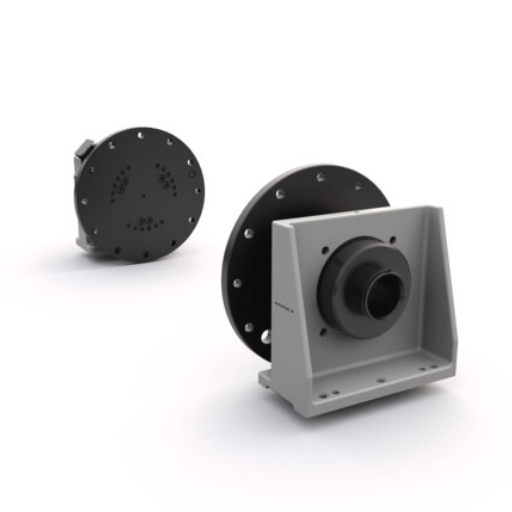
With holding and rotation of workpieces during welding, assembly, or machining processes being the primary function, headstock-tailstock positioners find key applications in improving access for precision welding, rotating workpieces uniformly for precision machining, and supporting heavy or complex workpieces for safety and efficiency. These positioners are commonly used in automotive manufacturing, aerospace, and heavy equipment production.
Welding Applications
Headstock tailstock positioners serve to a great extent in improving welding operation efficiency and quality. The device facilitates rotation of workpieces to enhance welders’ angle of position for precision, thereby resisting manual manipulation of the product during welding. Better welding accuracy also brings along a reduction in operator fatigue, which positively affects productivity.
According to industry data, welding productivity can be augmented somewhere in a 30-50% range if positioners are used, as they allow for the exact rotation and thus a continuous welding process. On the other hand, these positioners can accommodate weights of workpieces anywhere from several hundred pounds to a roof over 100,000 pounds! Hence, they serve heavy-duty functions in shipbuilding, construction, and the oil and gas sectors. In today’s engineering sense, many automated features have been included, such as programmable controls that can be synchronized with robotic welding systems, thereby giving it an edge in performance while limiting human error. Such innovations have made headstock tailstock positioners indispensable in attaining welding precision, repeatability, and efficiency.
Assembly and Fabrication Uses
Headstock tailstock positioners find extensive applications in various industries where precision assembly and fabrication are paramount. They are quite essential in placing and holding large and odd-shaped components to rotate or remain stationary to achieve perfect welding or machining. Positioners are incredibly versatile as they can be used to hold and rotate pieces that weigh several tons; some have models that can go as far as 50,000 pounds in capacity.
Now, with recent technological advancements, extremely fine motorized systems have been developed that allow for smooth rotation of the object, coupled with complete control over the speed and tilting angles. Contrast this to the aerospace industry, where even slight misalignments may result in the compromise of said structural integrity. Also, in other circumstances, since the complete automated systems are interfaced with these, the overall workflows have been reduced by about 30% in production times, still ensuring high quality. These excellent features should cement the positioners as an irreplaceable asset to assembly and manufacturing.
Robotic Integration
Robotics has utterly changed efficiency and precision across industries. The combination of headstock and tailstock positioners with robotic systems has allowed manufacturers to attain automation at an unprecedented level. For example, robotic arms integrated with state-of-the-art sensors and AI collaborate with the positioners to obtain alignment and welding accuracy within a tolerance of ±0.1 mm. Such accuracy significantly reduces material wastage and ensures product consistency.
And also, integration with robotics allowed working in shifts of three rotations, thereby increasing production capacity by 40%. Such industries have especially benefited, including automotive and aerospace, whereby robots undertake repetitive and hazardous operations while creating a safer working environment for human workers, all the while increasing outputs. With the scalability and flexibility of robotic systems, manufacturers can respond swiftly to changing demands, cementing their indispensability in modern industrial setups.
Choosing the Right Headstock Tailstock Positioner
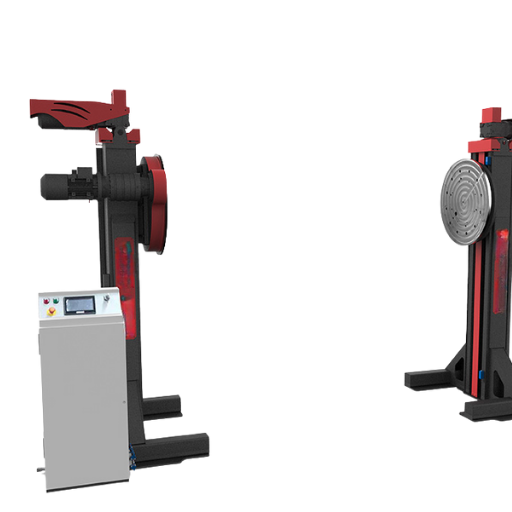
Some reasons to consider while buying the right headstock tailstock positioner are:
- Load Capacity: Make sure that the positioner can handle your workpiece weight, with any fixtures or attachments considered as well. Failure to do so might result in working failures.
- Size and Dimensions: Pick a positioner that matches the workpiece’s size and gives enough clearance for the rotation and handling.
- Rotation and Tilt Features: Adjustments may be made in the rotation and tilt angles so the workpiece is precisely positioned for welding, assembly, or other workings.
- Durability and Build Quality: It should be sturdy enough and manufactured from good materials, such that a positioner can survive industrial usage.
- Compatibility: Make sure that the positioner fits well with your existing tools, equipment, and processes.
Focusing on these factors will provide optimal operation and efficiency for your particular applications.
Key Features to Consider
- Load Capacity: Choose a positioner that meets and exceeds the maximum weight requirements of your applications. For very heavy-duty industrial applications, a positioner with a load capacity ranging anywhere from 1,000 to more than 10,000 lbs may be required, whereas smaller operations may suffice with a positioner with a lesser weight rating. Having the right load capacity will keep the tool from overloading and increase safety during operation.
- Rotation Speed and Control: Variable rotation speeds are desirable, enabling the speed to be adapted to the process requirements. More advanced positioners usually provide digital control to be able to carry out motion more accurately and more efficiently for the workflow. For example, for welding operations, 0.1 RPM speeds up to 5 RPM are usual, thereby ensuring smooth and continuous performance.
- Tilt Range: The bigger the tilt range, the more versatile a positioner would be. Most industrial positioners have tilt-angle ranges falling between 0 and 135 degrees, allowing complicated weld or assembly points to be accessible. Other models have an automatic tilt feature that reduces operation time.
- Power Source: Ascertain if your positioner is pneumatic, hydraulic, or electric to suit your power supply and operation needs. Electric-powered positioners are lucrative because of their energy efficiency, while hydraulic systems shine whenever big-force applications are concerned.
- Automation Capabilities:For high-production settings, consider positioners that can integrate with robotic systems or Industry 4.0 platforms. Features such as remote operation, programmable stop, network-sharing, and communication with other machinery enhance manufacturing workflows for time and labor savings.
By considering these features in detail, you can select a positioner that meets your operational requirements, boosts productivity, and is reliable for long-term use.
Customization Options
Positioner selection and customization options become very important in meeting specific operational needs. This includes many options compatible with positioners, for example, an adjustable mounting bracket, different load capacities, and rotation speeds customized for individual manufacturing processes. Positioners with modular configurations, for example, allow a manufacturer to either increase or change the machine once production requirements alter. Other models allow advanced programming so operators can set exact angles and movements to align with complex welding or assembly operations. Case data from industry applications shows up to a 30% increase in process efficiency while setup times are reduced to a great extent with customized positioners. By utilizing these options, you can guarantee that the equipment meets your workflow requirements and is a wise investment from the perspective of efficiency and scalability.
Expert Tips for Selection
When selecting the right equipment, several critical factors should be taken into account in order to achieve optimum efficiency and functionality. First, evaluate the load capacity needed for the positioner. Equipment should comfortably bear the weight of your materials, with some advanced models holding an extraordinary capacity of up to 200,000 pounds for heavy industrial applications. Second, they are concerned with rotational speed and tilt angles. Most current models offer variable-speed controls, enabling fine adjustments to speed to maximize the accuracy of welding, assembly, or inspection processes. A tilt range of 0-135 degrees, for example, provides superb flexibility in meeting various operational requirements.
Thirdly, make sure to factor in compatibility with present tooling and automation systems. With the coming of Industry 4.0, positioners equipped with integrated IoT solutions allow real-time monitoring and data collection to improve productivity by quickly pinpointing inefficiencies. Remember that positioners based on servomotor control systems could guarantee motion control smoothness like no other in high-precision applications. Lastly, give preference to safety features such as emergency stops and overload protection—these safeguard your operators and your equipment in harsh environments.
Optimizing Workflows with Positioners

Positioners are important for gaining control over workflows so they can perform their maneuvers accurately, quickly, and safely in many uses. Thus, the positioner must be best fitted for the task, be that welding or assembly, in order to eliminate errors and setup times. Automated control should be factored into ease the operation and bolster repeatability. Proper maintenance of positioners, along with the training of operators, will reduce downtime and increase performance. Proper emphasis on each of these will greatly enhance productivity in addition to the efficiency of workflows.
Enhancing Weld Quality
Welding quality can be enhanced by employing smart technologies and super delicate techniques and controls. Positioners are mainly used to give higher weld quality and consistency by ensuring that the angles and positions remain optimum during welding. In the welding industry, automated welding systems combined with positioners can lead to at least a 25% reduction in welding defects, thereby further enhancing the durability and aesthetics of the final product.
Utilization of modern welding positioners reduces human errors, which is valuable for complicated or repetitive jobs. For example, positioning accuracy is increased by about 30-40% when using automated systems. Meanwhile, ensuring the use of high-grade materials, joints that are correctly aligned, and filler metals that are suitable all take part in the higher strength and longevity of the welds. With the developments that are certainly going ahead, productivity levels are set to soar higher while ensuring safety standards are maintained to the letter.
Improving Productivity in Manufacturing
Integrating advanced technologies such as automation, robotics, and artificial intelligence is highly effective in boosting manufacturing productivity. Industry 4.0 improvements indicate that manufacturers can cut downtime by almost 50% through AI-based predictive maintenance systems, thus assuring production continuity. Likewise, cobots, or collaborative robots, carry out repetitive and complex tasks with precision while improving operational efficiency by 30% in various industries.
Digital twin is an important tool for speeding up the production cycle. Manufacturers create and utilize digital twin models as virtual clones of physical assets to simulate and optimize actual processes, predict failures, and try changes before the real implementation. Companies using digital twins claim to have increased time-to-market for new products by 25%. Further, data analytics platforms provide real-time insights into supply chain activities, thus enabling superior resource allocation and cutting waste.
By capitalizing on these technologies, manufacturing processes improve productivity, working toward sustainability, allowing the industry to remain competitive in the tightly demanding current market.
Future Trends in Positioning Technology
Positioning technology is advancing fast with all the more sophisticated tools such as AI, IoT, and satellite-based systems. With centimeter-level positioning accuracy under development by RTK technology, the need for basically pinpoint accuracy is appearing in autonomous vehicles, precision agriculture, and construction sectors.
Another one of the newest trends involves UWB technology for very precise indoor positioning. Unlike GPS, which has limitations when used in enclosed environments, this technology is in use for smart devices, asset tracking, and health monitoring systems. Furthermore, 5G networks merge with positioning systems to provide wider coverage, faster data transmission, and opportunities for connected ecosystems in the domains of urban planning and smart city initiatives.
LaaS adoption seems to be exploding worldwide, an opportunity that can scale to multi-billion-dollar levels in the coming years. This service offers scalable and customizable options that a business can integrate with real-time location data embedded in their operations to drive efficiency and customer experience. This also means that the introduction of positioning technology in various domains is only driving the future onward in precision and connectivity.
Reference Sources
-
The Practical Reference Guide to Positioning
Published by the American Welding Society (AWS), this guide provides detailed insights into the functionality and applications of headstock and tailstock positioners.1 -
Koike Aronson Positioning Equipment Manual
A comprehensive manual covering installation, operation, and maintenance of industrial positioning equipment, including headstock and tailstock positioners. 2 -
Vintage Machinery Positioning Tools
A detailed document on the design and engineering of industrial positioning tools, offering historical and technical perspectives. 3
Frequently Asked Questions (FAQs)
What is a head and tailstock positioner?
A head and tailstock positioner is a specialized device used in welding and assembly processes to hold and manipulate workpieces securely. This equipment facilitates efficient welding or assembly by allowing for precise positioning, which is crucial for achieving high-quality welds in various applications, including cylindrical workpieces.
How do headstock and tailstock positioners work?
Headstock and tailstock positioners work by using a combination of mechanical and sometimes hydraulic systems to rotate and position the workpiece at optimal angles for welding. This positioning ensures that welders can access all areas of the weldment easily, enhancing productivity and accuracy during the welding process.
What are the benefits of using welding positioners?
Welding positioners offer numerous benefits, including improved ergonomics, increased efficiency, and enhanced weld quality. By providing a stable platform for the workpiece, positioners allow welders to work in comfortable positions, reducing fatigue and the risk of errors in welding jobs. They are ideal for both manual and robotic welding applications.
Can you explain the difference between multi-axis welding positioners and single headstock positioners?
Multi-axis welding positioners are designed to rotate and tilt the workpiece in multiple directions, allowing for complex welding tasks to be performed with precision. In contrast, single headstock positioners typically offer limited movement, focusing primarily on rotation. Multi-axis positioners are essential for intricate weldments that require access from various angles.
What is the role of a tailstock unit in welding?
A tailstock unit is an integral part of headstock and tailstock positioners, providing support and stability to the workpiece during welding. It helps maintain the alignment of the workpiece and can also be adjusted to accommodate different sizes and shapes, ensuring that the welding process is both effective and efficient.
How do I choose the best headstock tailstock positioner for my needs?
Choosing the best headstock tailstock positioner involves considering factors such as the size and weight of the workpieces, the complexity of the welding jobs, and the specific requirements of your projects. Additionally, evaluating the features offered by different positioner manufacturers can help you find a positioner that enhances your welding capabilities.
What are some common applications of head and tailstock welding?
Common applications of head and tailstock welding include fabricating cylindrical components, large weldments, and assemblies that require precise alignment. Positioners are vital in industries such as automotive, aerospace, and construction, where quality and efficiency in welding processes are critical.
What should I know about using welding positioning systems?
When using welding positioning systems, it’s important to understand how to set up the equipment correctly and adjust it for various workpieces. Familiarizing yourself with the guide to weld positioners will help you optimize your welding processes, ensuring that you achieve the best results with minimal effort and time.