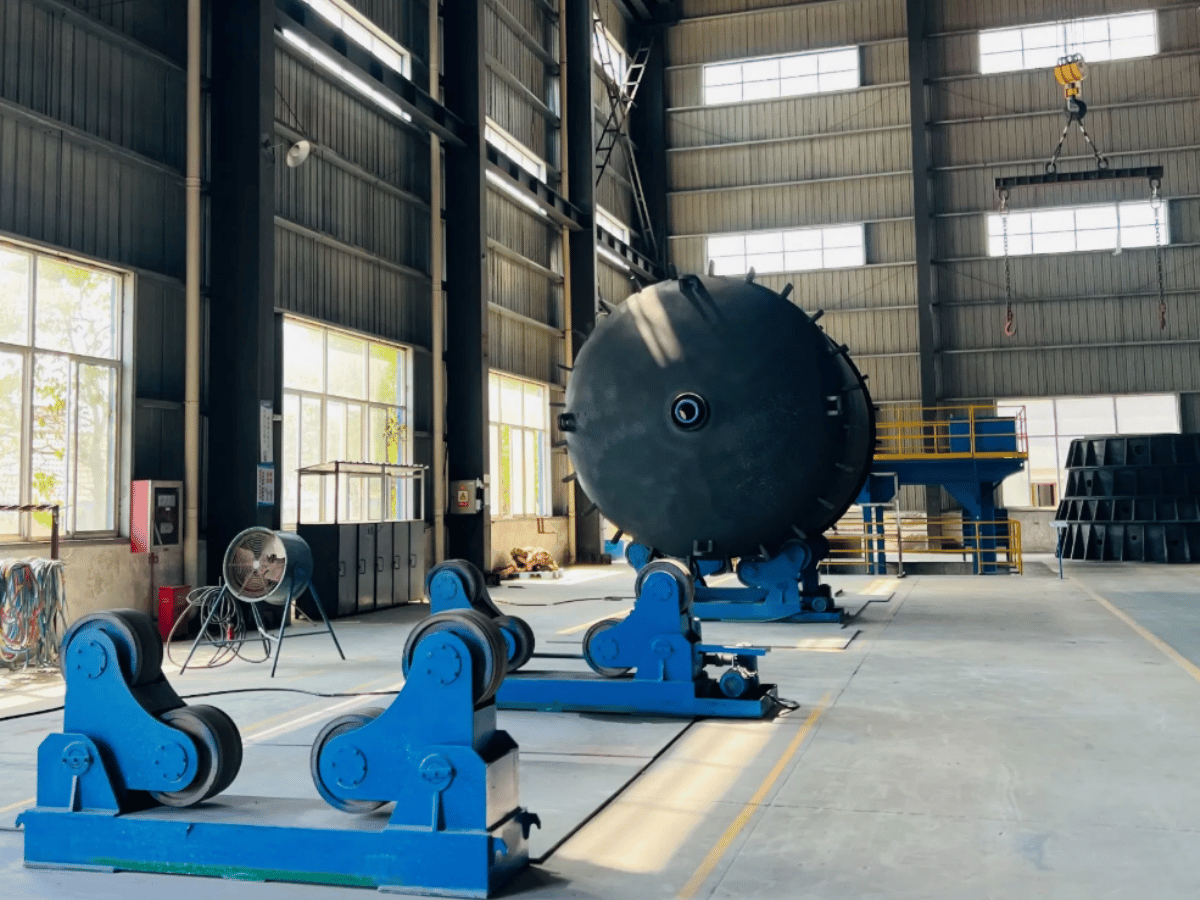
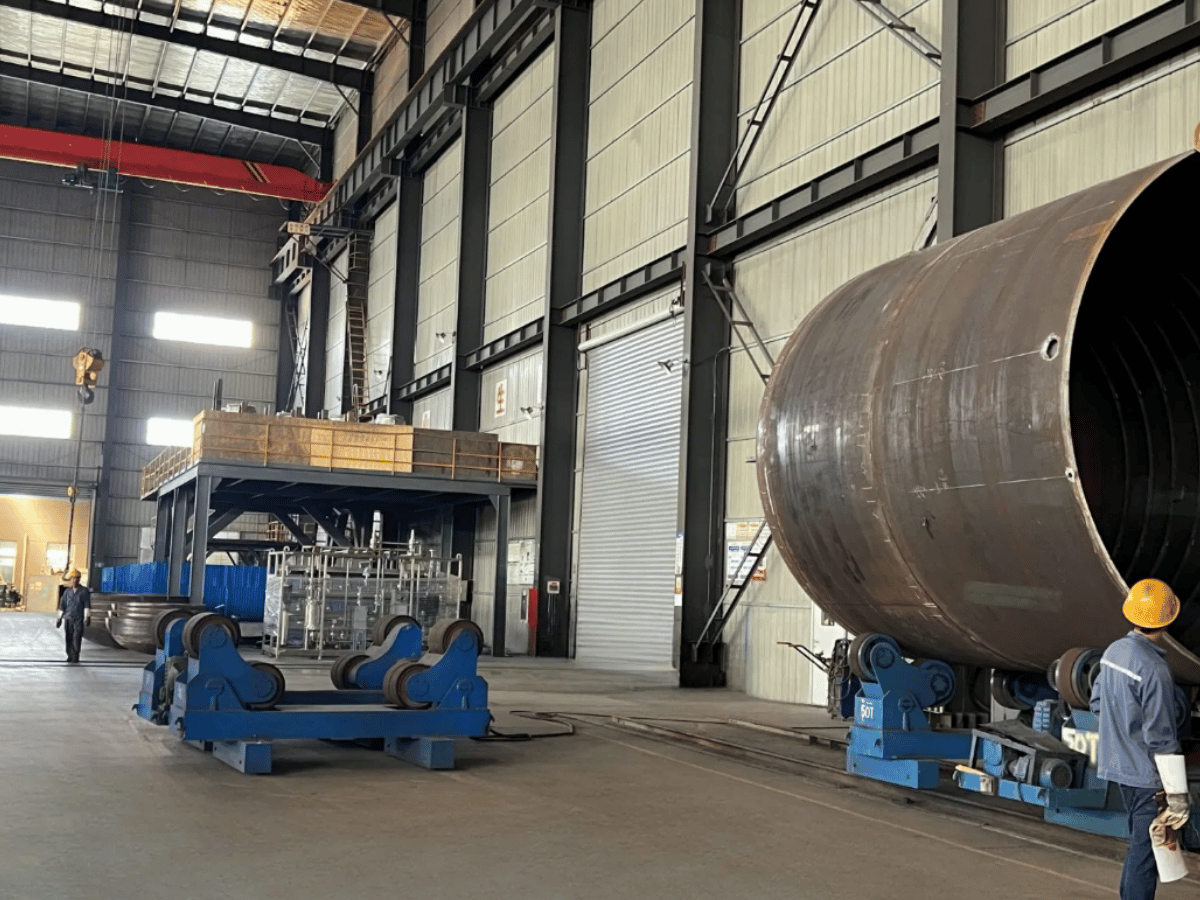
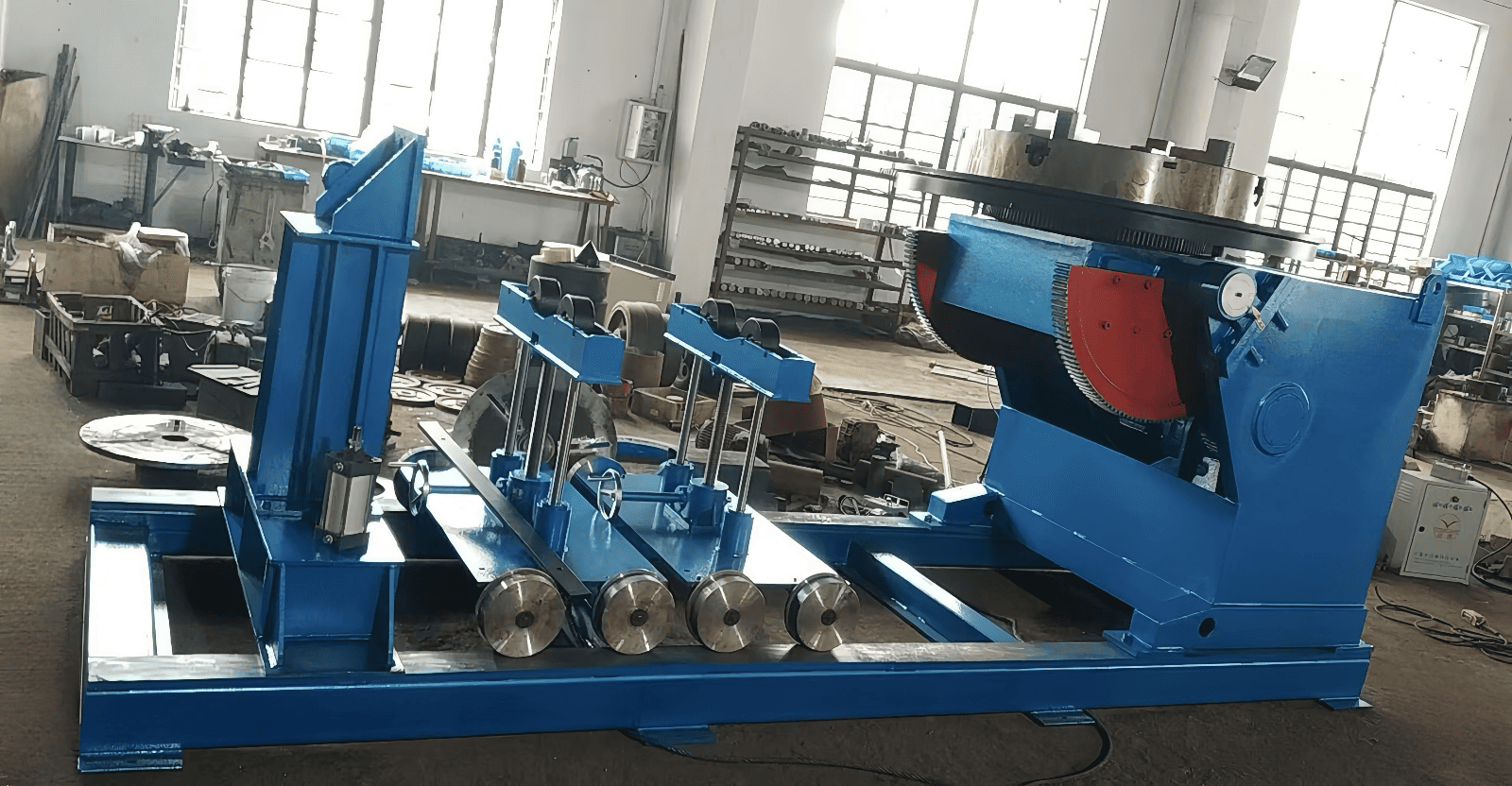
Welding is a much-needed skill in many industries, where perfection and exactness are priority pursuits. But did you know that proper positioning might be as important as the technique? From an expert to an apprentice, welding position types and the best weld position at any given time scintillate or dull the final weld quality. In this guide, we shall talk about the basic welding positions, how tools like the Skyhook positioner can improve welding versatility and efficiency, and some tips to heighten your weld projects. The time is upon you to smooth the process and spend less time delivering exquisite welds.
Understanding the Skyhook Positioner
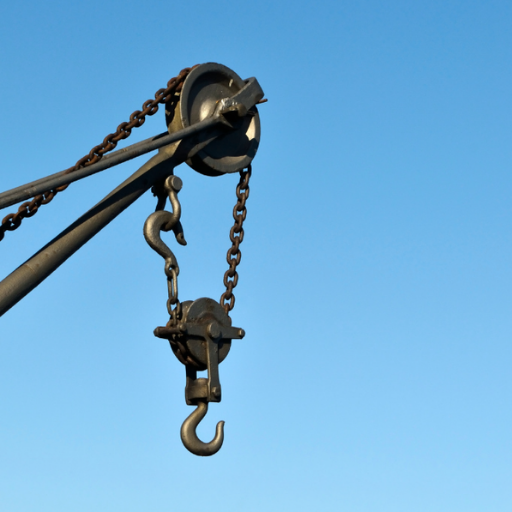
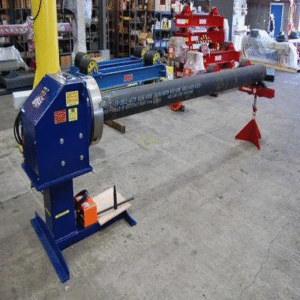
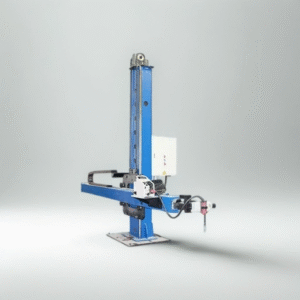
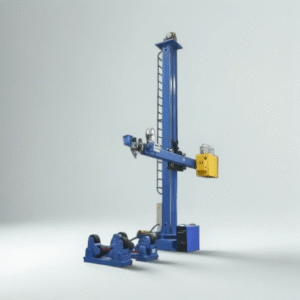
Skyhook positioners are versatile tools used to firmly hold and turn pieces during welding, grinding, or other fabrication tasks. With precision, materials can be positioned at angles best suited for access and weld quality. Less manual handling implies enhanced safety, less operator fatigue, and better flow of work through the Skyhook positioner. Keeping the welding projects ever so consistent and of high quality is a must-have tool.
What is a Skyhook Positioner?
Skyhook positioners are extremely capable of performing thousands of tasks. Such innumerable capabilities are meant to support welders, grinders, assemblers, and so forth. And when precision and efficiency are required in an industrial and manufacturing environment, they come into play. This device firmly holds and rotates the workpieces so that the operator can access all sides of the material without having to lift or reposition it repeatedly.
Skyhook positioners generally cover a vast load range, from small and lightweight objects to larger workpieces that can weigh a couple of thousand pounds and more, depending on the design. These units are usually equipped with variable-speed controls for rotation, tilt adjustment, and secure clamping mechanisms so as to provide maximum working flexibility and precision. Some of the more sophisticated models might also offer digital displays and programmable options, allowing users to recall exact settings when performing repeat operations.
Skyhook positioners bring about the reduction of considerable manual handling for operators, thereby decreasing their fatigue, heightening safety, and promoting consistency of results. They have been seen to provide up to 30% productivity enhancements, which makes them the most economical investments for the workshop as well as for large industrial operations. Ergonomically designed for precision-making, these are indispensable tools for excellent quality welding and fabrication work.
Key Features of Skyhook Positioners
- Ergonomic Design: The Skyhook positioner focuses on minimizing worker fatigue and maximizing comfort in application.
- Enhanced Safety: It secures a safe working environment by preventing injury during material-handling activities.
- Improved Productivity: Statistics say Skyhook positioners can increase productivity by as much as 30%.
- Precision Functionality: Ensures consistent, top-quality output required for welding and fabrication.
- Cost-Effective: Such a blend of functionality makes it worth purchasing, from small workshops to large industries.
Components of Welding Positioners
This setup for welding has components, each important to the design of a positioner; they work in unison to increase the efficiency and precision of welding operations:
- Rotational Table/Chuck: This is basically what clamps the workpiece in rotation to the required position. Most modern positioners have self-centering chucks to provide optimal stability and reduce the set-up time.
- Tilt Mechanism: The function of the tilt is to allow the pressurization of the load so that it becomes comfortable to weld towards that angle. The tilt mechanism usually ranges from 0° to 120°, which suits different welding angulations and orientations.
- Control System: With digital or analog controls that are intuitive, it is possible for the operator to tweak the positioner speed and movements. In models, one would see programmable settings for repeatability and precision.
- Base and Support Structure: The base is robust and keeps the positioner stable; this way, vibrations are kept to a minimum, and smooth motion is assured.
- Drive System: This comprises an electric or hydraulic motor that rotates and tilts the workpiece. Electric motors usually offer the advantage of being energy-efficient and requiring less maintenance.
- Safety Features: Positioners of the modern type have the safety of operators and equipment in mind; therefore, they are interspersed with safeguarding features such as emergency stops and overload protections.
Technically, these components allow welding positioners to work with parts that weigh anything from a few pounds to several tons. This high statistic and data all through industrial applications prove the value of these tools in industrial welding of repetitive or complex taskings, says it can increase welding capacity by 25-30%.
Types of Welding Positioners
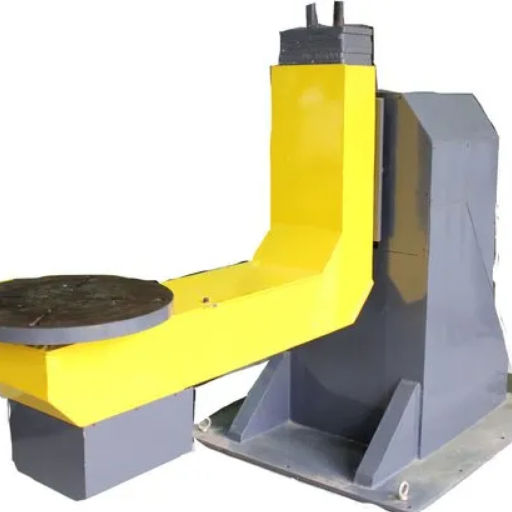
- Tilt and Turn Positioners
These versatile machines allow working pieces to be rotated or tilted to get welding angles, most commonly for circular or cylindrical parts.
- Rotary Welding Positioners
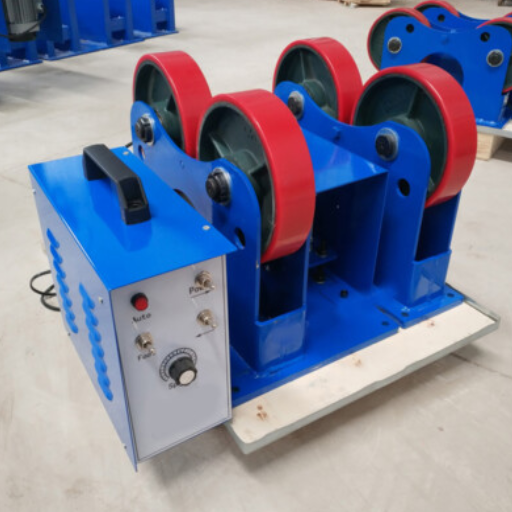
Put to controlled rotation of workpieces, they are used, for example, in pipe weldings or jobs that require more or less continuous rotation.
- Headstock and Tailstock Positioners
These are best for long or heavy workpieces; also, they provide support at both ends of a workpiece to maintain stability during welding.
- Benchtop Welding Positioners
Ideal for welding tasks on a smaller scale and operations that require utmost precision with little space in perspective.
- Elevating Welding Positioners
Having height-adjustable features, operators working on workpieces of varying dimensions find them most comfortable and efficient to use.
All types serve the various welding applications in order to make precise manipulations and improvements in specific tasks.
Different Types of Welding Positioners
Integrating welding positioners is central to the modern industry because they offer advantages based on design and function. Further insight into their utility shall be provided, supported by the industry’s trends and statistics.
- Fixed Welding Positioners
Fixed welding positioners are big and sturdy, well-suited to operations of stable, repetitive welding. Application in pipe fabrications, tank fabrications, and other cylindrical works is common. According to industry reports, an added advantage to them in automated systems is efficiency, welding accuracy, and worker safety.
- Rotary Welding Positioners
The rotary positioners are ideally suited for circular welds, working to smoothly turn the workpiece. These are mostly used in the aerospace and automobile industries to standardize welding and reduce human errors. Studies have shown that rotary positioners can promote production rates by up to 40% during high-volume welding jobs.
- Compact Welding Positioners
These positioners cater to those industries that require fine welding in confined spaces, such as electronics or medical equipment manufacturing. Their lightweight nature and flexibility make them appropriate for all sorts of minor work. Research has highlighted that companies that use compact positioners have better working flexibility and are less prone to carry out fixes in the post-production stage.
- Elevating Welding Positioners
Known for adjustable heights and ergonomic designs, lifting positioners assist industries that work with either large or heavy workpieces. They work in reducing fatigue and accidents in operators. These latest models are being fitted with automated control systems to give greater accuracy and less setting time.
The technological advancements in welding positioners certainly augment productive efficiency and sustain competitive prowess, so industries may be able to adhere to tougher production schedules with more precision in fabrication.
Comparing Types of Welding Positioners
Each welding positioner is designed to cater to a different industrial need and application. A comparison of the most common types is detailed below:
- Tilt and Turn Positioners
These are some of the most multifunctional ones for workpieces requiring multi-axis handling; they allow tilting at desired angles and turning to provide the ideal position. Studies have shown that such positioners can increase welding productivity by up to 40% for complex assembly work.
- Headstock and Tailstock Positioners
They are for long or heavy workpieces, with two fixed bases: the headstock drives the rotation, and the tailstock serves as a support. These types of positioners are usually used in pipe and structural welding. Studies show that capacity ranges can range from 500 lbs to well over 100,000 lbs, depending on the model; thus, they may be appropriate for use in large-scale industrial projects.
- Rotary Welding Positioners
Their specialty lies in horizontal rotation, their compact design being precious for small and medium tooling. Most new rotary positioners are variable speed controllers. Some newer rotary positioners support rotational speed accuracy to within ±0.1 RPM, thus upgrading the welding process.
- Gear-Driven Positioners
Gear-driven types ensure the highest stiffness when the application needs to maintain a certain rotational speed while under excessive load. They are often used in robotic welding systems to provide exquisite precision. According to the data, these types have low maintenance requirements, with several industrial-grade types showing service life well in excess of 10 years under continuous operation.
- Fixed Welding Positioners
These are stationary models, used when a fix angle or axis alignment is needed. Less dynamic when compared to other types such as tilting or rotary, fixed welding positioners excel in repetitive simple welding operations. In general, fixed positioners are favored by operators for their cheap price and ease of interfacing with automatic welding systems.
Depending on the job, the load, speed of rotation, range of tilting, and attachments that can be attached to it should all be considered when doing a welding-positioner operation. Knowing the characteristic peculiarities of each type will enhance productivity and provide welds of good quality, depending on the requirements set out by particular industries.
Role of Welding Positioners in Industrial Settings
Indispensable to industrial efficiency and accuracy, welding positioners constitute the very tools that can manipulate the workpiece. Hence, it is easier for the welders to achieve welds of the highest quality, especially on complex components. For example, in the automotive and aerospace sectors, welding positioners are often employed to handle complicated pieces that require accurate orientation during welding.
Technological improvements in recent years have improved welding positioners to incorporate features such as servo-driven systems for maximum precision and PLCs for integration into fully automated work cells. Various industry studies have found that the welding positioners market is rapidly expanding, seemingly driven by the increasing automation in manufacturing and an urge for efficient production methods. Modern welding positioners can cater to different load capacities: from a few hundred kilograms for small-scale operations to heavy-duty, industry-style loads of several tons, ensuring flexibility across all sectors.
Ergonomics is one factor, though! Welding positioners decrease operator strain by requiring minimal awkward and repetitive movements; hence, they promote safety on the job and increase productivity. They improve the quality and consistency of the weld, and these features also help reduce waste, save on utilizing resources, and bring down the costs of production.
Types of Welding and Their Applications
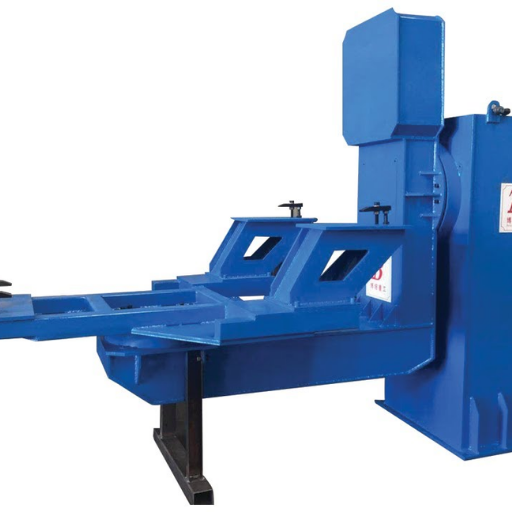
Each type of weld is good for a particular kind of work:
- Shielded Metal Arc Welding (SMAW) – Mostly notable in construction, repair work, and underwater welding due to its simplicity and portability.
- Gas Metal Arc Welding (GMAW/MIG) – Generally, for more speed and precision, it is very capable for automotive work and in production.
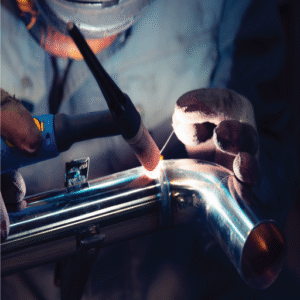
- Gas Tungsten Arc Welding (GTAW/TIG) – GTAW or TIG is a precision welding method used extensively in aerospace applications and other industries that require delicate-welding-thin-material applications.
- Flux-Cored Arc Welding (FCAW) – FCAW enjoys preference in heavy-duty applications such as shipbuilding and structural work owing to strong-weld-producing characteristics under outdoor or windy environments.
- Plasma Arc Welding (PAW) – Plasma arc welding is used in advanced manufacturing and is selected for precision needs in complex components.
- Resistance Spot Welding (RSW) – In the automotive sector, sheet metals are mostly joined through resistance spot welding.
Every method caters to a special requirement, thus allowing for variability among industries.
Overview of Types of Welding
Different welding methods are used for different applications in manufacturing and construction. A detailed insight into the various welding methods follows, focusing on the more common types and their uses:
- Shielded Metal Arc Welding (SMAW) – Stick welding, as it is commonly known, is cheaper and is also portable, and hence it is suitable for construction at a particular site. It is still prevalent in the repair of heavy machinery and in pipeline construction. Roughly 20 percent of all welding activity in construction sectors worldwide is attributed to SMAW.
- Gas Metal Arc Welding (GMAW) – MIG welding, as it is commonly called, is desirable for being swift and easy to work with in the automobile and aerospace industries. GMAW welds very well with aluminum, copper, and non-ferrous metals. It is estimated that GMAW contributes to a 30% increment in manufacturing production rates.
- Gas Tungsten Arc Welding (GTAW) – Called TIG for its accuracy, this welding process is highly demanded in aerospace, nuclear, and automotive fields. Thin materials and metals demanding high aesthetic finishes are TIG’s specialty. Some studies now claim that GTAW is capable of offering superior joint reliability with defect percentages going below 1%.
- Flux-Cored Arc Welding (FCAW) – Very nearly the same as the GMAW process, FCAW can be performed in open atmospheres, even in windy conditions. It provides high deposition rates required for erecting large structures in shipbuilding. The application of FCAW can reduce the time for a project by 25% on average compared to SMAW.
- Plasma Arc Welding (PAW) – When dealing with highly complex applications, expensive processes, and solutions will have to be implemented for manufacturing medical devices and electronics. A tolerance of just 0.01 mm makes it perfect for advanced-level operations.
- Resistance Spot Welding (RSW) – Used mostly in the automobile industry, this method fast and efficiently bonds thin sheet metal. Automotive manufacturers use RSW in robotic systems to perform more than 5,000 welds per vehicle on assembly lines.
Every welding realization of technical progress means there must be a greater improvement in efficiency, durability, and diversity for industries.
Welding Processes and Their Uses
With modern technologies embedded in its processes, welding is defined as a process that keeps on evolving to fulfill the ever-changing demands of industries. Laser Beam Welding (LBW), for example, has risen to prominence in aerospace and automotive industries, being recognized for its precision and ability to produce welds of high quality. Studies reveal that laser welding can achieve a seam accuracy of less than 0.01 inches, making it suitable for more complicated parts.
In the same vein, FSW is being increasingly employed in the transportation and aerospace industries for joining aluminum and other lightweight alloys. Case studies in the recent past show that FSW joints are 30% stronger than those produced by fusion welding, while cutting down on energy consumption by 50%.
Similarly, automated welding systems are being employed in industries to boost productivity and minimize costs. For instance, automated robotic welding has improved welding speeds by 300% compared to manual welding methods, while maintaining weld quality consistently. Such gains in efficiency are very noticeable in the high-volume industries like automotive assembly, where throughput and precision are key.
Modern improvements set the backdrop for welding technology to evolve with innovative solutions for specific industrial challenges, making sure that both quality and efficiency are compensated in production processes.
Choosing the Right Type of Welding for Your Project
Depending on a number of circumstances, some welding method would be chosen for a project. These include what materials are to be welded, the purpose of the welding, and the quality to be expected as an output. The following is some information on common welding methods and their applications:
- Shielded Metal Arc Welding (SMAW): It is a versatile process that is used mostly for outdoor construction and repair. It is suitable for working with materials such as steel and iron and steel but is not much advised for thin materials due to the lack of precision.
- Gas Metal Arc Welding (GMAW/MIG Welding): Being a preferred method in automotive manufacturing and other industries requiring high productivity, this type of welding possesses relatively fast welding speeds. Such welding is suitable for thin materials like aluminum and mild steel, granting uniform quality. Alternatively, GMAW serves the purpose of increasing production rate by about 25% in the industries.
- Tungsten Inert Gas (TIG) Welding: The hallmark of TIG welding is precision, and it is thus going to be imperative for applications demanding high-quality finishes or complex designs, e.g., aerospace components. Typically, TIG welds are executed on non-ferrous metals like aluminum and magnesium, whereby the application is much more skillful and slower in comparison to others.
- Flux-Cored Arc Welding (FCAW): This technique is favored for the construction of heavy equipment and for outdoor work, as it can be carried out in windy situations. General construction and shipbuilding are its main areas of application, focusing more on strength and efficiency.
- Laser Beam Welding (LBW): From a futuristic perspective, Laser Beam Welding provides absolute precision and is conducted in the automotive and electronics industries for small components with elaborate features. Research has shown that in applications requiring a precision LBW can provide high speed and less distortion.
Choosing the correct welding process generally depends on factors such as project complexity, budget, and environmental considerations. The selection of a method shall be made upon a complete understanding of its advantages and limitations so that the process fits in with the requirements of the project.
Optimizing Weld Quality with Positioners
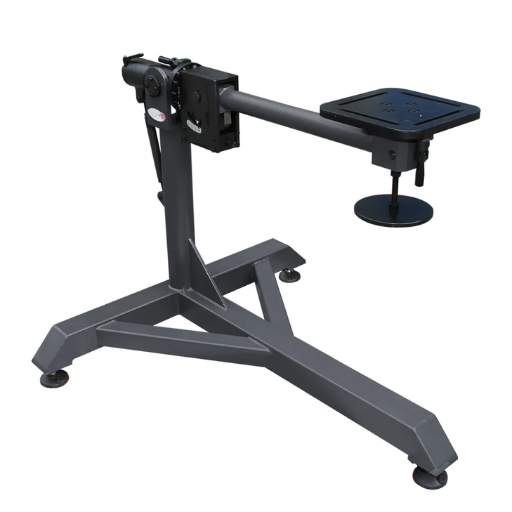
Welding positioners are devices that help welders by increasing stability and precision during the welding process. These tools fully position a component so that any error is minimized, and accuracy is enhanced. While providing better accessibility to the weld area and maintaining the correct angle, positioners decrease the fatigue of the welder. This makes welding easier, more reliable, and less defective-welded welds. Positioners serve as a great resource in both manual and automatic welding processes.
How Positioners Influence Weld Quality
Positioners ensure better weld quality by stabilizing and correctly positioning a workpiece during welding. Consistency elimination of human error is ensured so that welds are made where required with the least possible defects. Positioners allow an operator to obtain ideal angles, good access to the weld area, and so increase the capability of welders to weld effectively and with strength.
Best Practices for Using Welding Positioners
- Choose the Right Positioner for the Job
Select a welding positioner of adequate capacity for the weight, size, and shape of the workpiece so that the operation may be carried out safely and efficiently. For example, use a positioner with a capacity heavier than the material so as to prevent undue mechanical stress in the positioner itself and to maximize the stability of the welding operations.
- Secure the Workpiece Properly
Welding quality can only be assured under constant conditions if the workpiece is correctly clamped. Use steel clamps and fixtures so that movement of the material during welding is minimized due to the possible misalignment, vibrations, and distractions, which in fact might damage weld quality.
- Adjust Speed and Rotation Settings
Speed and rotation settings on the positioner should be high enough to synchronize with the welding process so that heat can be applied evenly to weld penetration and ensure high-quality welding. The automated positioner even has programmable speed and rotation settings in order to make the process easier.
- Regular Maintenance and Inspection
Maintenance is critical in order for the welding positioner to operate well and last for a long time. Incipient wear can be readily detected, such as a loose component, an unusual level of lubrication required, or an electrical fault, and they must be repaired immediately to avoid downtime or jeopardize safety.
- Utilize Safety Features
Nowadays, the positioners are fitted with safety features: an emergency stop switch and surge shield. Taking advantage of such features will reduce any risks of an accident whilst in operation and will also guarantee compliance with the workplace safety regulations.
- Optimize Angular Positioning
Ensuring that the workpiece is adjusted to angles, promoting accessibility for welding, enhances weldability. Positioning of the workpiece should be flat or horizontal to generate smooth and precise welds due to gravity-aided welding processes.
- Train Operators Thoroughly
Positioners require skilled operation; hence, operators must be properly trained in their use, capability, and safety. Proper training will ensure the best use is made of the positioners and reduce hazards from misuse.
The welding positioner, when combined with best practices, will yield a maximum rate in terms of productivity and in terms of quality welds.
Customer Testimonials on Weld Quality Improvements
- Enhanced Precision and Consistency
A customer claims that with welding positioners in the production process, weld precision and consistency have remarkably better. According to current feedback, one manufacturer reduced defects by 20%, improving product reliability and customer satisfaction.
- Boosted Productivity and Efficiency
This heavy machinery manufacturer said good welding positioners cut more than 30% off the production time, which helped their team meet deadlines without compromising weld quality. A good 30% improvement in working speed secured them more contracts for growth.
- Improved Operator Safety and Ergonomics
Operators from many sectors have commended the use of welding positioners for alleviating physical discomfort during harsh welding. One shipbuilder’s accidents dropped significantly, fatigue-related accidents reducing 40% in one year.
These endorsements confirm the welding positioner’s real benefits, which weld-positioning can improve weld standards and support safer and more efficient manufacturing environments.
Frequently Asked Questions
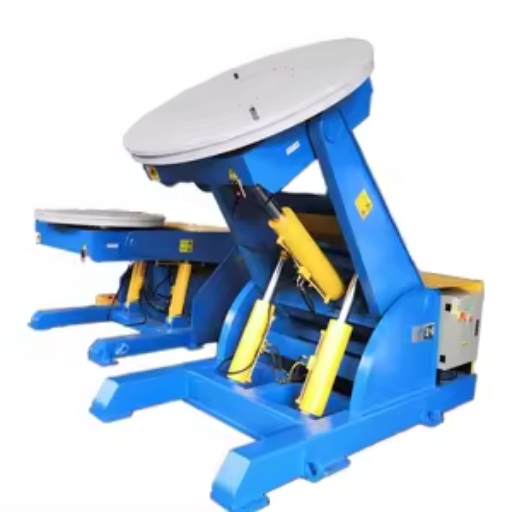
Technical Specifications Clarified
A welding positioner needs to meet several vital technical parameters for high performance. First comes the load capacity of the positioner, which may range from a few hundred pounds for small jobs to tons for industrial capacity. The next consideration is the rotation speed, which is typically variable for different welding applications. The speed falls generally between 0.1 and 10 RPM.
Another important specification is the tilt capability because most welding positioners tilt from 0 to 135 degrees or can do a full rotation of 360 degrees, providing maximum convenience when welding awkward positions. Control systems are advancing fast and may include programmable features, automating complicated welding tasks for higher precision and efficiency. Many positioners are also interfaced with robotic welding systems, emphasizing the increasing automation trends in industries.
Consider aspects such as heavy-duty steel construction, emergency stop facilities, anti-slip surfaces, etc., for long-term reliability. A thorough assessment of these features is what manufacturers use to ensure that in their welding positioner, they cater to specific functional requirements and thereby help further productivity on the shop floor.
Choosing the Right Welding Positioner for Your Needs
Care must go into selecting the right welding positioner to carry out efficient, safe, and adaptable operations. Load capacity is the foremost thing to consider in choosing the welding positioner. Industrial welding positioners vary in load ranges from some hundred pounds to several tons; before selecting one, consider the variation for the kind of workload you specify. Perhaps in small manufacturing, they consider having a positioner with a load of 500 lbs. High-dose industrial works generally require devices that can handle a load of more than 10,000 lbs.
Consider rotation type and tilt capabilities. With 360-degree rotation, these positioners continue to give tilt at a specific angle for versatile operations, thus granting welders optimum access to the workpiece. Statistics indicate that a time saving of up to 35% in welding is guaranteed by tilt and rotation adjustment in industries. Besides, consideration should be given to communication with automated systems or robotic welding arms, as industries are now moving towards automation to ensure consistency and cut labor costs.
Safety is a very important consideration. Anti-slip platforms, emergency stop buttons, and overload protection are among the features to look for to mitigate hazards. Such a high-quality positioner ensures safety while also mitigating against damage to expensive equipment within the production environment during tough times. Consider maintenance and durability as well, since easy maintenance options and reliable materials guarantee longevity and less downtime. And with the right welding positioner tailored to your needs, merging operational efficiency and high standards of precision and safety can be achieved throughout your projects.
Reference Sources
-
American Heart Association (AHA) Journals
- Article: “Endoscopic exposure and stabilization of posterior and inferior branches using the endo-starfish cardiac positioner and the endo-octopus stabilizer for closed-chest procedures”
- Link to source
-
Frontiers in Surgery
- Article: “Off-pump minimally invasive coronary artery bypass grafting in patients with left ventricular dysfunction: the Lampang experience”
- Link to source
-
IOP Science
- Article: “A state-of-the-art on smart materials actuators over the last decade: Control aspects for diverse applications”
- Link to source
- Top Skyhook Positioner Manufacturers and Suppliers in China
Frequently Asked Questions (FAQs)
What is a skyhook positioner, and how does it work?
A skyhook positioner is a specialized tool designed to support and manipulate workpieces during the welding process. It allows for the precise positioning of materials, which enhances weld quality by ensuring that the welding surfaces align correctly. With its ability to accommodate various sizes and shapes, a skyhook positioner can be integrated with robotic systems for automated welding applications.
What are the key features of different types of welding positioners?
Different types of welding positioners offer unique features tailored to various welding processes. Key features include 2-axis or 3-axis movement, which allows for manual intervention or automated adjustments. Additionally, positioners can accommodate specific welding configurations, enhancing productivity and quality by reducing the need for manual welding adjustments.
How do welding positioners enhance weld quality?
Welding positioners are crucial for achieving high-quality welds. By allowing for the precise positioning of workpieces, they ensure that the welds are made at the optimal angle and position. This not only improves the quality of the weld but also minimizes defects associated with improper alignment, making them essential tools in various welding applications.
What are the different welding processes that can benefit from using a skyhook positioner?
Skyhook positioners can be used in many welding processes, including MIG, TIG, and arc welding. Each of these processes benefits from the precise positioning that the positioner provides, ensuring that the weld is consistent and of high quality. Additionally, they are versatile enough to be used in various industries, accommodating different welding applications.
In what ways can welding positioners significantly reduce manual welding time?
Welding positioners significantly reduce manual welding time by automating the positioning of workpieces. This automation allows welders to focus more on the welding process itself rather than adjusting the materials. As a result, the overall productivity of the welding work increases, leading to faster project completion without compromising the quality of the weld.
What should I consider when choosing the right welding positioner?
When choosing the right welding positioner, consider factors such as the type of welding process, the weight and size of the workpieces, and the specific welding applications. Additionally, assess whether you need a manual positioner or an automated one, as this will impact the integration with robotic systems and the overall efficiency of the welding operations.
How can skyhook systems be integrated with welding robots?
Skyhook systems can be seamlessly integrated with welding robots to create a fully automated welding environment. This integration enhances the efficiency of the welding process by allowing the robotic arm to operate with precise positioning capabilities. The combination of a skyhook positioner and a welding robot ensures that the weld patterns are consistent and that the quality of the weld is maintained throughout different welding applications.
What components of welding positioners contribute to their effectiveness?
The effectiveness of welding positioners relies on several key components, including the drive system, control mechanisms, and support structures. These components work together to provide precise control over the positioning of workpieces. By ensuring that the welding surfaces are aligned correctly, these components help achieve optimal weld quality and reduce the likelihood of defects during the welding process.