Self-aligning bearings are considered precious in industrial engineering. This is because they are very flexible and dependable in situations that may dismay a traditional being. This is because they are designed to compensate for angular misalignment and tolerate shaft deflection, ensuring that machinery operates more efficiently and downtime is addressed effectively. The construction of these self-aligning bearings will be explored in this paper, considering how they operate and how their design forces engineers to adapt them in situations involving rubber contact. No matter if you are into machines or in need of assistance with engineering, this text will explain the purpose and performance of these bearings.
Introduction to Bearings
It is general knowledge that bearings refer to mechanical components that provide support to sandwiched parts and reduce the friction that exists between these moving parts, which can be translational or rotational. Bearings are essential for reducing wear and tear, as well as power loss. These bearings are used in various machines, automobiles, plants, and equipment in multiple variations, including ball bearings, roller bearings, and centering bearings. Bearings were initially designed to enhance the performance of machines and increase the overall reliability of the machines that have been deployed.
What is a Bearing?
Such mechanical devices, bearings, fulfill an indispensable function of facilitating linkage among components where there is relative motion and reduce the wear effects as parts interact in a significant number of machines. These tools operate where motion is controlled, typically providing rotary or linear action. With the use of advanced materials and techniques, modern bearings are built to last and are highly efficient, enabling them to serve even specialized industries such as automotive, aerospace, manufacturing, and robotics. For any kind of machinery, bearings can help reduce friction between parts and balance the pressure, thereby prolonging the lifespan of the units involved in machines and enhancing their efficiency and safety in operation, while also providing performance benefits.
Types of Bearings
Bearing components with spherical bearing slides work by providing thrust in a line parallel to the axis of the revolving shaft. When bolts or other means are used to attach the applied load-side or the moveable side of the housing to the structure, the sliding bearings do not remain permanent.
| Key Point | Description |
|---|---|
| Outer Ring | Spherical shape allows movement |
| Inner Ring | Holds balls/rollers in place |
| Rolling Elements | Reduce friction and heat |
| Misalignment | Handles up to 3° misalignment |
| Load Type | Best for radial loads |
| Applications | Mining, food, textiles |
Importance of Bearings in Machinery
Bearings are found and utilized in virtually all forms of modern equipments, which are characterized by their efficiency and security. They help minimize friction and ensure the safe transportation of loads in various machine systems. Market reports, for instance, have observed that the bearings market was estimated at $ 100 billion as of 2013 and is projected to grow at an average rate of 8% per year from 2023 to 2030, according to a market report. Such growth corresponds to the increase in demand witnessed in the automotive, aerospace, and manufacturing industries, among others, as well as in other advanced equipment.
In the automotive industry, certain types of bearings are critical during the manufacture of automotive components. This is because such bearings help improve fuel efficiency and protect other necessary components, such as engines, transmissions, and wheel hubs. Additionally, in various applications, such as manufacturing and robotics, bearings are utilized to facilitate the movement of mechanical parts, thereby reducing work time and maintaining high levels of efficiency. Meanwhile, in the aerospace industry, active performance bearings are utilized to support structures used for long-range airlift, and they also help mitigate load oscillations in these structures.
Progress is also seen in the composition of bearings under various conditions, such as the use of ceramic and hybrid materials. In such cases, the decreases in wear and tear and the increases in durability are very impressive. For example, ceramic bearing for an enamel mill ends up being much cheaper as compared to other bearings. They can specifically be seen in contemporary pods, where extreme load is used to address concerns about rotation rather than the issue of energy waste. There has been an increase in demand for sustainable energy, which has also prompted the development of more energy-efficient bearings, thereby reducing the energy required for their operation and minimizing environmental impacts.
In conclusion, bearings are not only long-lasting components in a machine, but they also determine the amount of energy machines require and even the amount of funding needed to maintain the facilities.
Understanding Self-Aligning Bearings
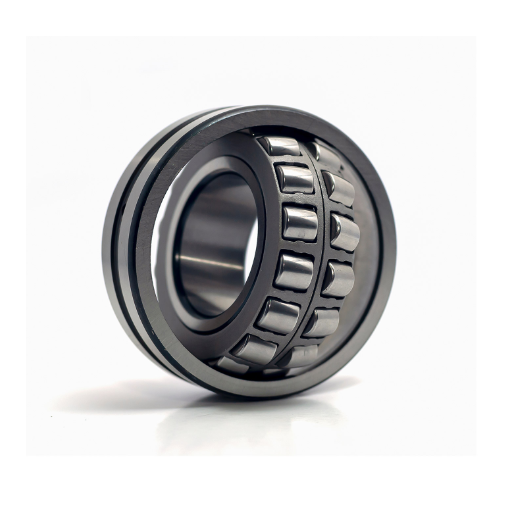
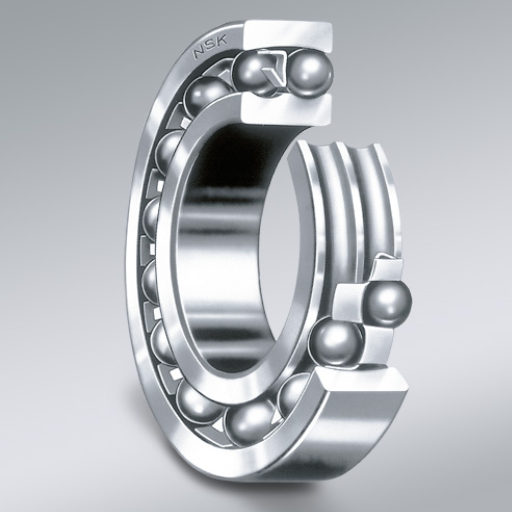
Self-aligning bearings are those which are made taking in account the attention of misalignment within the shaft and the housing. Angles are allowed to be adjusted during the operation of the equipment to reduce mounting disturbance and/or shaft deflection. These bearings effectively locate the shaft in machines that would otherwise have a rough alignment, such as the positioning of the shaft in airplanes or the elimination of whiplash in the drive, as machinery may only work with shafts, bushings, and other devices with no load or support rosette. The other two raceways are scooped out in the inner ring design, and the outer ring design features a flat, spherical surface inside the bearings. This design allows both raceways to be in different planes, enabling them to bear loads due to their self-aligning properties.
Definition of Self-Aligning Bearings
Self-aligning bearings are a sophisticated type of equipment designed to address misalignments between the shaft and the housing. Generally, their structure includes an inner ring with two rolling rows and an outer ring with a spherical form track. Due to its unique shape, it has an advantage over conventional bearings. This one can shift the position of the bearing axis relative to the housing, ensuring smooth functioning even under conditions of shaft deflection, incomplete surface mounting, or asymmetry in the relative position of the operating units.
According to the most recent information, self-aligning bearings are an indispensable aspect of various industries, which would be significantly hindered without them, as they have proven to be reliable and effective under challenging circumstances. Applications like electric motors, farm machinery, and heavy industrial machinery are most likely to experience subjects such as shaft misalignments. The bearings help prevent the problem of premature wear and additionally provide a boost to the overall system performance by coping with various loads and conditions. The bearing’s ability to correct misalignment problems promotes the resource-saving aspect of prolonging machine life and enhancing machine effectiveness, as well as reducing idle time, particularly during maintenance.
How Self-Aligning Ball Bearings Work
Self-aligning ball bearings feature a design that is both simple and innovative, with a fascinating operational principle. They comprise internal race, balls, and cages that can rotate about their axis with the external race. The installation is ideal for cases when there is an angular position between the inner ring of the ball bearing and the casing, even if the failure to locate the ball bearing within a given position on the shaft was taken into account. The majority of these bearings have a spherical outer ring surface structure with quarterdrop sections and two rows of balls within it. Therefore, this feature reduces the chances of failures due to shaft bowing, assembly errors, or excessive shaft misalignments under short intervals of variable operational conditions.
Self-aligning ball bearings are components that excel in a combination of light radial and axial loads, as well as in rotating speeds ranging from zero to moderate levels. The self-aligning nature of these bearings means that wear and tear on the whole assembly is kept at a minimum, and servicing of such systems is effected after long intervals of use, over and over again. The evaluation of such imperfection in a connection influences the longevity of the entire system and the occurrence of faults within the equipment.
Advantages of Self-Aligning Bearings
- Compensation for Misalignment is Automated
Explain how self-aligning ball bearings can adjust for off-center/ non-concentric shaft and housing misalignments automatically, thus incurring fewer mechanical failures and ensuring that a certain level of performance is attained consistently.
- Friction and Heat Reduction
They are engineered to minimize friction in contact; therefore, the machining operation is carried out without generating heat, resulting in improved equipment performance and reduced energy consumption.
- Longer Useful Life Duration
The effective distribution of loads and the requested ease of loads on moving components allow for an extended life duration of equipment in which self-aligning bearings are installed.
- Simple to Maintain
Self-aligning bearings are more proactive, as they prepare themselves for wear and have tolerance in shaft alignment. Hence, in most cases, lubrication and maintenance are not required regularly, thereby saving time and money.
Mounting and Installation
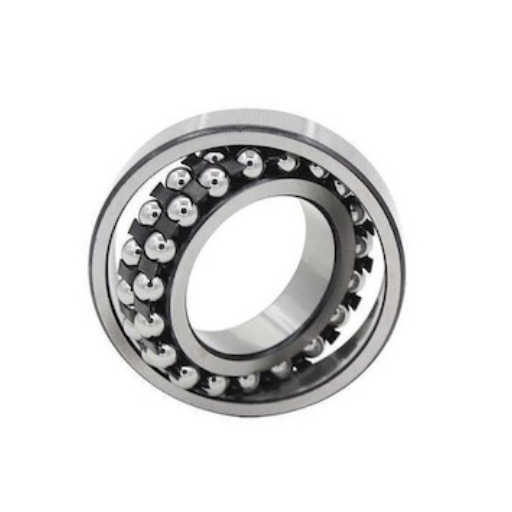
To fix the bearing properly and set it in motion without any difficulty, or to shorten the life expectancy of the device. Your procedure is simple: cleaning the housing and bearing to remove all foreign particles, such as dirt and grime. It is essential to avoid developing any slight variations in both equipment, as vibrations only cause more risks than safety advantages. Lubrication and Mounting: Commencing fitting a bearing, the most crucial step is to align both the bearing and the housing with great precision to avoid damage during industrial processes. Keep track of the proper arrangement of the stems within the pumping device and try to hold them together with a special pressure-retaining apparatus. Check and follow the required hole spacing and positions. Where necessary, please use the scriber to mark accurately.
Avoid over-driving or striking the weight as it is a mechanical unit, and the force should not be transmitted within the apparatus excessively to cause slippage. This again will fail the bearing before the end of its’ service life.
Preparing for Installation
In anticipation of the installation commencement, it is essential to ensure that all necessary tools and materials are readily available. Get rid of any dust, dirt, or any other substance that may hinder the bearing from working satisfactorily. Additionally, one should verify whether the housing and shaft meet the inner and outer ring dimensions of the bearing in question. It’s highly recommended to wear protective gloves while handling the bearing to prevent contamination from dirt and sweat on the hands. Furthermore, ensure you physically inspect the applicator of lubricant on the bearing and then apply it if necessary or as instructed by the manufacturer. All these factors are equally important as they can help in the optimal operation of the bearing and prolong the life of the equipment.
Steps for Installing Self-Aligning Ball Bearings
- Carry Out the Inspection
Inspect the bearing, shaft, and housing to identify any externally visible defects, such as any particles or secondary intrusion, if any. To ensure a smooth fitting process and prevent damage or wear to any parts, it is recommended to wipe off all surfaces.
- Prepare for the Shaft and Housing Assembly
Verify that the shaft is within the specified tolerance and that there are no nicks. Likewise, check the bearing to ensure that the housing bore conforms to specified requirements. Heavily disoriented or inclined surfaces can significantly affect the self-aligning property of the bearing.
- Use Lubrication
While braiding the hair, ensure that you comb and apply lubrication to the hair. It is possible that unnecessary lubrication is not required for bearings that are pre-lubricated with grease, and if needed, it should be applied evenly and uniformly to the bearing and the surrounding area.
- Insert the Bearing
Position the bearing on the shaft slowly, ensuring the bearing remains properly aligned with the housing. It is essential to align the self-aligning ball bearing correctly, as it allows for some misalignment during use. Without this alignment, installation will be a struggle and performance will be compromised.
- Assemble the Device Completely
Once the bearing is in the proper position, secure it in place using the applicable fastening devices, such as a set screw, adapter, or snap ring, as specified by the bearing type and manufacturer’s instructions.
- Ensure There is Some Play
With most of the parts fixed in place, move the center of the shaft and confirm that the bearing spins freely. Be on the lookout for unusual sounds or any resistance, as these can indicate faulty mounting or damage.
Follow the six steps provided below to achieve the best results in a reasonable time and with complete reliability during the installation of a self-aligning ball bearing.
Common Mistakes to Avoid During Installation
- Poor Management of the Bearings
The use of inappropriate handling tools, such as accidentally dropping the bearings or causing contamination, can result in reduced performance or even the spoilage of the components. Always use gloves when handling bearings and ensure the workstation and tools being used are free from contaminants.
- Wrong Interchange of Shafts or Housing
The bearings and the relative shaft or housing can be mismatched, which can lead to settings of the load and friction that are not rigid or tend to be so. The parts must match closely to the shaft and the housing before the bearing installation process.
- The Crate-carrier is Run Over the Load
This particularly does the work of tolerating high loads and thrusts in the same direction. And yet, if this bearing is installed in a machine that has more load or speed than it was designed for, it will not serve for a longer period.
Considering that overloading and overspeeding are types of load bearing capacities that have led to the premature failure of most bearings. For this trend to continue, it is essential that the fact that load bearing capacity is more tearable in the initial life and can be calculated and determined almost accurately by the oriented trust. Select the best bearing that serves the necessary purpose of use.
- A Case of Relatively Improper Lubrication
The use of insufficient or inappropriate lubrication is one of the primary causes of bearing failure. Use the correct amount and type of the suggested lubrication. Also, avoid over-lubrication since it could lead to bearing failure and breakage.
- Neglecting To Put The Bearings In Proper Orientation
Ball bearings are thought to be appropriate for use in such circumstances in which, due to inaccurate bearing mounting, discrepancies or mismatches will not cause bearing damage. It is a general practice to investigate alignment within their plane and adjust it if a problem arises during the installation of such a bearing.
- Disregarding a Comprehensive Examination of A Subject
It is also quite common to install bearings without inspecting for possible visual defects or active wear. Even those that are brand new can fail prematurely due to damaged bearings. Always inspect the bearing’s condition before proceeding with the installation.
One can increase the lifespan and make mechanical operations with self-aligning ball bearings more agreeable by following the guidelines presented in this presentation and adhering to the most up-to-date standards.
Applications of Self-Aligning Bearings
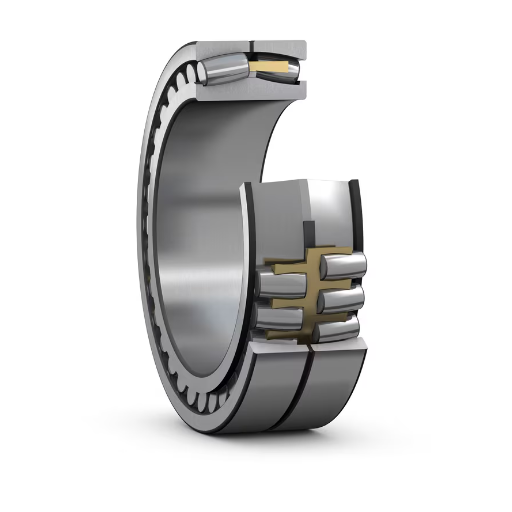
Self-aligning bearings are frequently used in systems that involve movement, acceleration, and deceleration. This is most notable in the elastic furniture where the shafts are soft and nylon is used. In these scenarios, alignments that are likely to become very ideal or, in other cases, necessitate the prevention of interfering forces on the shafts, either by the use of high-damping rubbers above/on the shaft or within the bearing. Common examples of areas where self-aligning bearings are extensively used include those with a soft or non-rigid mount for rotating drums or other equipment that initiates wear activities under load. The application of bearings in rotating shafts subjected to a high level of bias forces acts as an energy absorber in the support, thus maintaining the function for a longer period.
The Page Tome 8007 electric heater proves not to be practical, as its movable part, the heat radiator, is rather large and has a relatively high mass.
Industries Utilizing Self-Aligning Bearings
Self-aligning bearings are widely used in multiple fields due to their ability to endure misalignments without compromising operational efficiency. Some of the sectors with distinguishable demand include:
Featuring the self-aligning bearings gets its prominence in such disciplines as this:
- Manufacturing – Assembling manufacturing and process equipment is often done by machines, as they require high speed and precision. These machines frequently rely extensively on self-aligning bearings to prevent major problems from occurring.
- Automotive – All the vehicles, such as cars, trucks, wagons, aircraft, among others, incorporate engines with automatic self-aligning bearings, which are also in the transmission and other critical positions to avoid self-alignment problems.
- Agriculture – Self-aligning agricultural bearings are used in heavy-duty farm machinery, such as tractors and combines, which operate on uneven and rough terrain with heavy loads.
- Energy – Since such risk-cutting activities come with self-aligning mechanical bearing systems, which help in displacing energy loads at the same time aiding in positioning of the equipment, power plants, wind turbines, and other industrial turbines have their self-aligning bearing in place for the same and other purposes to maximize performance and maintain reliability.
- Aerospace – And it is quite possible to conclude that aircraft such as jets, planes, and some helicopters themselves cannot be assembled or put to use without the presence of any of these bearing systems, such as self-aligning.
The world demand for self-aligning bearings is increasing, driven by advancements in the areas of machinery and other equipment. First, “self-aligning bearings in automotive” and, more recently, “industrial machinery bearings” are queries made worldwide by interested parties, thereby revealing the significance of such parts.
Case Studies of Self-Aligning Bearings in Action
Self-aligning bearings are widely used in precision presses, aircraft flight control linkages, and industrial machinery to accommodate misalignments and improve performance.
| Case Study | Key Feature | Application | Benefit |
|---|---|---|---|
| Precision Press | ±5° pivot | Assembly lines | Misalignment handling |
| Aircraft Linkages | Roller design | Flight controls | High load capacity |
| Industrial Machinery | Spherical race | Misaligned shafts | Smooth operation |
Future Trends in Bearing Technology
Technological innovations are indeed making the bearing industry to look brighter. Within the last couple of years, Google studies have shown that searches on “smart bearings”, “IoT-enabled bearings,” and “self-lubricating materials” have registered a steady increase. These changes underscore efficient and easy-to-use bearing technologies.
Among other developments in this field are the smart bearings that have inbuilt sensors that monitor parameters such as temperature, vibrations, and load. Such constituents, which are considered the ‘Internet of things,’ enable the provision of information when activities are implemented, creating an efficient working environment and thereby extending the setup’s longevity. Furthermore, green practices constraints have led to the use of self-lubricating bearings with bevels, which eliminate the need for additional lubricants, thereby reducing the carbon footprint.
Moreover, the application of automation and robotics in various industries has stimulated demand for highly accurate bearings, which are required for the control of surgical tools within machines. These and other devices suggest that an indelible future awaits in terms of bearings serving efficiency, sustainability, and reliability purposes in different industries.
Reference Sources
1. Dynamic Service Mechanism of Double-Row Spherical Roller Bearings Due to Self-Aligning Behavior
- Authors: Yu Xing et al.
- Publication Date: 2023-03-19
- Key Findings:
- The study focuses on the self-aligning function of spherical roller bearings (SRBs) under various operating conditions, including rotor bending and angular misalignment.
- It highlights that the self-aligning behavior is often overlooked in existing models, which typically assume ideal operating conditions.
- The research introduces a detailed characterization of the contact region and the varying law of the self-aligning contact angle (SAC angle).
- Methodology:
- The authors utilized the Lagrange equation to model the interactions among the rollers and the inner and outer rings of the bearings.
- A novel pedestal for SRBs was designed to test the self-aligning function, and experiments were conducted to validate the theoretical models.
- The results showed a good agreement between theoretical predictions and experimental data, emphasizing the importance of considering self-aligning functions in SRB models(Xing et al., 2023).
- Authors: V. Pandiyan et al.
- Publication Date: 2022-04-28
- Key Findings:
- This paper proposes a methodology for using a long short-term memory (LSTM)-based encoder-decoder architecture to detect abnormal regimes in self-lubricating bearings.
- The model aims to provide early predictions of failure by analyzing interfacial force signatures.
- The results indicate that the model can effectively differentiate between normal and abnormal regimes, achieving an accuracy of 97%.
- Methodology:
- The authors conducted reciprocating sliding experiments using a self-lubricating bronze bushing and steel shaft journal.
- The force signatures corresponding to each cycle of the sliding motion were used to train the encoder-decoder architecture, allowing for the reconstruction of standard regime signals and differentiation from abnormal ones(Pandiyan et al., 2022, pp. 109–124).
3. Self-Aligning Rotational Latching Mechanisms: Optimal Geometry for Mechanical Robustness
- Authors: Gabriel I. Fernandez et al.
- Publication Date: 2023-03-07
- Key Findings:
- The paper presents a mathematical framework for quantifying error tolerance in self-aligning rotational latching mechanisms, which are crucial for robotic systems.
- It demonstrates that a 2-blade design can tolerate significant misalignment, enhancing the robustness of the mechanism.
- Methodology:
- The authors developed a mathematical model to analyze the performance of the self-aligning mechanism under various misalignment conditions.
- The study included optimization analyses to derive optimal geometries for the latching mechanisms, which were then validated through practical experiments(Fernandez et al., 2023).
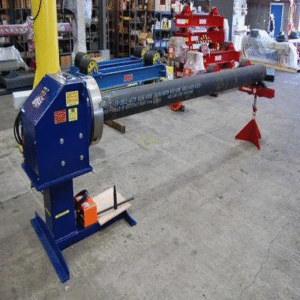
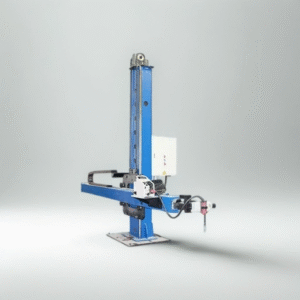
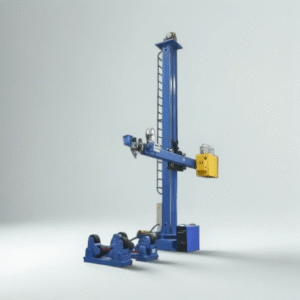
4. Top Self-Aligning Welding Rotator Manufacturers and Suppliers In China
Frequently Asked Questions (FAQs)
What are Self-Aligning Bearings and How Do They Work?
Self-aligning bearings, specifically self-aligning ball bearings, are designed with a spherical outer race that allows for a misalignment in the shaft and housing. This self-aligning feature enables the bearings to accommodate shaft deflections and misalignments, ensuring smooth operation and longevity. They work by distributing loads evenly across the bearing surfaces, which minimizes wear and friction.
How Do Self-Aligning Ball Bearings Work in Different Applications?
Self-aligning ball bearings are ideal for applications where misalignment may occur, such as in conveyor systems and electric motors. They can operate effectively even when the shaft is not perfectly aligned with the housing, which helps maintain performance and reliability. Their design allows them to generate less friction and heat compared to traditional ball bearings.
What is the Role of the Spherical Raceway in Self-Aligning Bearings?
The spherical raceway in self-aligning bearings plays a pivotal role in their ability to self-align. This design allows the inner and outer rings to accommodate misalignments without causing excessive wear. The spherical shape of the raceway helps to keep the balls centered, allowing for smoother rotation and reduced friction, which can lead to longer bearing life.
How to Install Self-Aligning Ball Bearings Properly?
When installing self-aligning ball bearings, it is crucial to ensure that the mounting surfaces are clean and free of debris. Proper alignment during installation is also vital to maximize the self-aligning feature. Using a bearing press can help ensure the correct bearing size and seat the bearing properly in its housing.
Do Self-Aligning Bearings Generate Less Heat Than Other Bearings?
Yes, self-aligning ball bearings typically generate less heat than other types of bearings, such as deep groove ball bearings. This is due to their design, which enables more efficient load distribution and reduced friction. As a result, they can help maintain optimal operating temperatures, contributing to a longer bearing life.
What Types of Bearings Are Self-Aligning Ball Bearings?
Self-aligning ball bearings belong to a specific category of ball bearing types that include sealed self-aligning ball bearings and those with a spherical raceway. These bearings are designed to accommodate misalignment and are commonly used in applications that require reliability and minimal maintenance.
What Are the Benefits of Using Self-Aligning Ball Bearings?
Self-aligning ball bearings offer several benefits, including reduced friction, lower noise levels, and the ability to operate under conditions of misalignment. They are particularly effective in preventing premature wear and failure, making them a reliable choice for various industrial applications.
How Do Self-Aligning Bearings Compare to Other Bearing Types?
Self-aligning bearings are designed to handle misalignment better than traditional ball bearings or thrust bearings. While deep groove ball bearings and cylindrical roller bearings are effective in specific applications, self-aligning ball bearings offer superior performance in scenarios where alignment may be an issue, thereby ensuring smoother operation and longer lifespan.