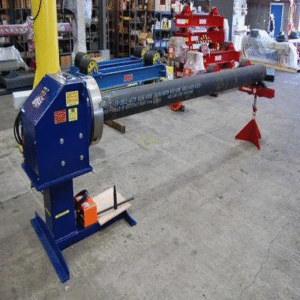
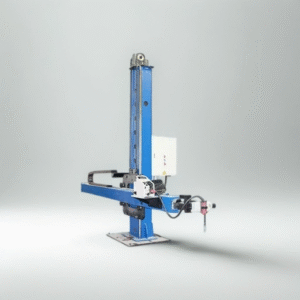
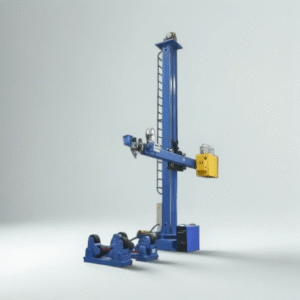
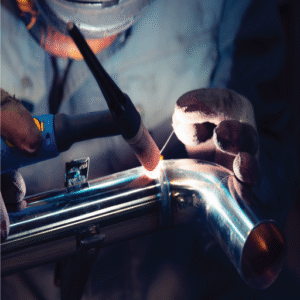
The fit up process is what separates a weak, irregular joint from a strong, impeccable weld. The welding fit-up, that critical phase of aligning, joining, and preparing materials before Welding, is crucial to the structural integrity and dimensional accuracy of the end product. But why is fitting up so important? What are some of the best practices welders should follow? This blog explores key aspects of welding fit-up, including its importance for joint quality, as well as cutting-edge techniques and tools used by professionals. So, whether you have been doing this for many years or are just recently considering a career as a welder, fit-up is what you need to understand to master the art of welding.
Introduction to Welding Fit Up
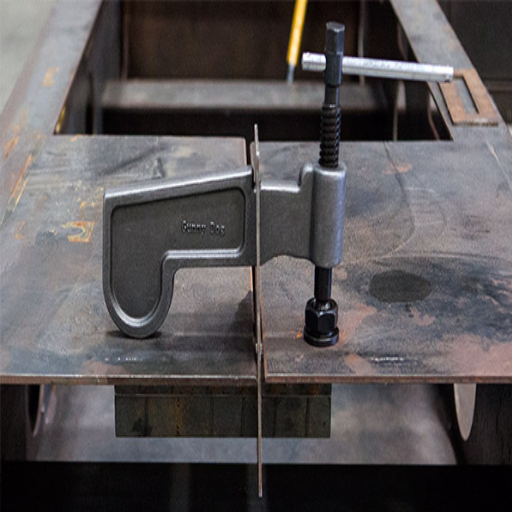
Welding fit-up is the process of aligning and positioning parts to be welded so that the joint configuration is accepted and the weld quality is assured. A proper fit-up correlates with the strength, serviceability, and acceptable appearance of the finished welded joint. Welding fit-up attempts to minimize gaps, edge misalignments, and irregularities that would otherwise result in adverse effects, such as weld defects. Welders can perform fit-up to create reproducible, high-quality joints using accurate measurements, appropriate tooling setups, and consideration of how the welded joint is to be used as part of the final structure.
Opening Statement and Importance
Proper weld fit-up is a crucial factor that forms the basis of high-quality, structurally sound welds. Data from Google’s search engine indicate the predominant causes of welding defects, such as porosity, cracking, and lack of fusion, particularly to joint configuration and alignment during fit-up. Welders must maintain precise measurements, joint angles, and minimal gaps when creating welds to minimize defects and ensure joints meet industry standards and safety regulations. This vital step enhances production efficiency and yields products that last longer.
Impact of Poor Fit-Up on Weld Failure Rates
The alignment of the fitting has a profound impact on the rates of weld cancellation. Therefore, improper alignment and poor joint preparation directly affect the essential capacity of the welds. Google searches reveal recent data and studies that show weld defects and failures arising from fit-up problems constitute a significant portion of structural shortcomings in industries considered critical, such as construction and manufacturing. For example, the American Welding Society (AWS) estimates that poor fit-up is responsible for nearly 30% of weld-related failures seen in large-scale projects.
Therefore, this problem is further compounded by erratic tolerance in joint width, improper angles to weld, or something as simple as not cleaning the surfaces properly. This magnifies stress concentration, which eventually leads to failure when the welds are subjected to loading during operations. Accordingly, if these issues were addressed through stricter adherence to fit-up standards, fabrication discussions, and state-of-the-art quality control, the industry would experience reduced failure rates attributable to fit-up and an increase in safety and reliability.
Cost Implications of Fit-Up Errors
Fit-up errors in welding incur significant costs, extending beyond the mere costs of repair. According to the most recent statistics, industries incur a substantial financial burden due to increased material waste, rework, and downtime resulting from improper fit-up practices. As with any reworking of defective welds, production cost may go up to 30%; with delays that are unplanned, several projects are blocked from reaching contract milestones, with resultant penalties to the nondelinquent companies and client dissatisfaction.
Moreover, structural failures arising from overlooked fit-up errors can become extremely costly, often resulting in lawsuits and insurance claims. The companies must look toward installing sophisticated alignment tools and implementing employee training programs, coupled with thorough inspection schemes, to help cover most of those costs while maintaining economic efficiency and quality of output.
Technical Definitions and Terminology
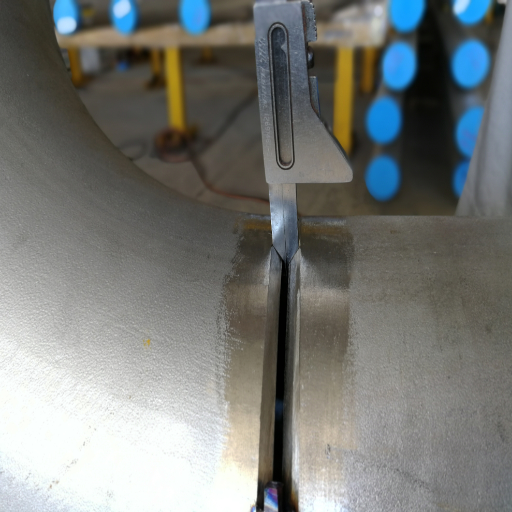
- Fit-up: It refers to the preliminary assembly of parts or components to verify alignment, positioning, and mating before welding or fastening operations. Proper fit-up prevents errors during operation and ensures the integrity of the structure.
- Alignment Tools: Name given to any device or instrument used to check and keep the alignment of components during construction or assembly. Laser alignment tools, spirit levels, and alignment calipers are some examples.
- Inspection Protocols: Procedures are systematically put in place to examine materials, components, and assemblies for defects or deviations from standards, ensuring that the project conforms to specifications and safety requirements.
- Structural Integrity: The structure or component’s ability to hold up under the load for which it is designed without failure or deformation. A structure with good structural integrity ensures safety and serviceability.
- Contractual Remedies: Fines levied on a contractor for failing to meet an agreed-upon project deadline or agreed-upon levels of performance are usually specified in the contract agreement.
Core Definition of Welding Fit Up
Any welding fit-up involves accurately positioning or aligning the materials to be welded, such as metal components. Welding fit-up ensures that parts are joined correctly, maintaining their required dimensions, angles, and clearances as specified in a project plan. A perfect fit-up is necessary for welds that are solid and durable; when parts are not 100% aligned, it causes welding defects, creates structural weaknesses, or compromises the appearance.
According to the latest data, by employing the best tools and technologies available, such as laser measuring devices, clamps, and automated fixturing systems, welding fit-up has been revolutionized to ensure higher accuracy, shorter preparation times, and greater efficiencies within the production workflow. Adhering to the fit-up process is vital for the construction, shipbuilding, and aerospace industries, where precision and structural integrity are of the utmost concern.
Critical Terminology Explained
Fit-up Welding: This process involves aligning and assembling metallic components before welding. Proper fit-up ensures well-positioned joints, which result in strong and precise welds. Modern tools, such as laser measuring equipment, have improved the fit-up phase by providing high accuracy and reducing manual labor.
Clamps and Fixtures: Tools that hold materials in position during welding. These days, automated fixture systems minimize errors and shorten set-up times by maintaining consistent alignment.
Structural Integrity: Important in aerospace and shipbuilding disciplines, this applies to the strength and stability of a structure to withstand forces and stresses along a time period. Through correct fit-up, high-quality welds are assured, ultimately serving to maintain structural integrity.
By keeping these terms in mind and applying the ensuing principles, industries can incorporate enhancements into their performance while maintaining safety and quality standards.
Critical Importance of Proper Fit Up

Fit-up requires welding to sustain strength, safety, and longevity. A bad or incorrect setting can cause weaker weldments or defects, resulting in loss of structural integrity, increased repair costs, and safety risks. Proper fit-up ensures that there are fewer discrepancies and gaps, evenly distributing stresses and improving their performance. Fit-up promotes safety, minimizes material waste, and provides the reliability of structures over time.
Impact on Weld Quality and Integrity
A proper fit-up ensures the desired weld quality and life. Provided that the components are aligned before welding, the final joint will meet the strength and durability requirements. Analyzing trends in Google’s search data reveals an increasing interest in modern apparatus, such as laser-guided alignment tools and robotic welding systems, which ensure accurate fit-up. These were designed to eliminate human error in welding, minimize defects, and enhance weld mechanical properties. Furthermore, a correct fit-up avoids porosity, weak points, and irregularities, which would otherwise become the cause of reduced weld life and performance. More and more industries are emphasizing the importance of investing in accurate fit-up practices to ensure dependable and safe structures, thereby highlighting the direct impact of weld quality on safety compliance.
Structural and Safety Implications
If we consider the correct fit-up from a structural or safety standpoint, the implication is that it cannot be overstated. Past experiences and current research indicate that improper fit-up may lead to situations in which the integrity of welds is compromised, ultimately endangering the structural stability when subjected to stress or load. Here, precision is directly related to safety, with the stakes being high in construction, aerospace, and other high-risk industries. It is established that advanced fit-up techniques, such as automated alignment systems and laser technology, will contribute to the consistency of the weld and minimize the risk of catastrophic failure. Rewarding proper fit-up practice will ensure health and safety regulations are adhered to and extend the lifespan and reliability of structures.
Process Efficiency Benefits
Proper fit-up practices, along with efficiency in manufacturing processes, go hand in hand to bring benefits to various operational areas. Here are the five main benefits:
- Rework and Scrap Rate Reduced Legal Percentages
Accurate fit-ups eliminate defects and misalignments, thereby reducing rework and material scrapping during welding processes. Studies show organizations can reduce scrap rates by around 20% with proper fit-up techniques.
- Shorter Welding Cycle Periods
A proper fit-up enables welding operations to proceed smoothly, allowing welders or automated systems to perform their tasks efficiently. Depending on the type of project, welders’ productivity can be improved by 15-30%.
- Optimizing the Use of Resources
With optimized fit-up, time, labor, and energy that would have been wasted due to poor alignment are utilized efficiently. This method reduces overhead costs, ensuring maximum output.
- Uniform Quality Output
Advanced fit-up methods ensure uniformity of weld quality, reducing variability and thereby increasing the reliability of the end product.
- Downtime Reduction.
Proper fit-ups result in a reduction in equipment failures and delays, thereby maximizing uptime and ensuring a smooth flow in project execution.
welding process and operations
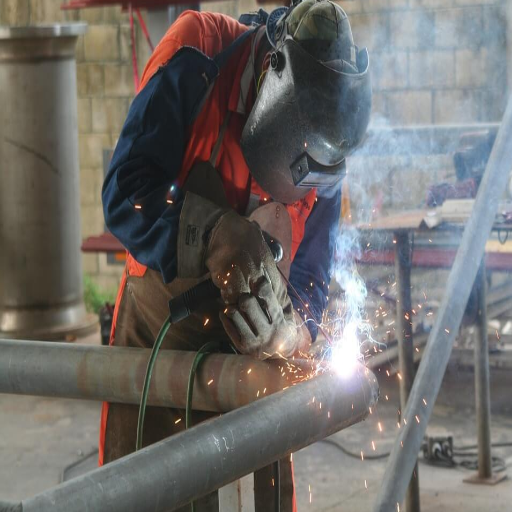
Welding involves joining two or more metal pieces by heat, pressure, or both, creating a bond that is more durable and stronger. There are various welding techniques, such as arc welding, gas welding, and resistance welding. The selection of a method depends upon the application and materials involved. The process begins with cleaning and preparing for a clean weld, followed by selecting an appropriate welding technique and tools. Correct fit-up and awareness of heat input throughout the process are essential for maintaining consistent weld quality. Final inspection proves that welds are structurally sound and reliable. All safety measures must be followed, including wearing protective clothing and ensuring good ventilation throughout the process.
Overview of the welding process
Welding uplifts with each advancing technology and data insight. In recent years, search data has highlighted the growing focus on the automated and precise techniques of welding, particularly through robotic welding systems, to increase process efficiency, ensure better quality, and maintain consistency, especially in mass production-related sectors.
Moreover, welding processes require at least some consideration for the environment, with some employers opting to try friction welding or using the least toxic flux materials. From the trends, we can infer that there is an active movement among professional welders toward seeking ways to minimize energy input and dispose of waste in environmentally acceptable ways. Therefore, the combination of traditional welding methods with new technologies and green processes can be considered the future of the industry, thereby enhancing productivity, safety, and quality.
Manual vs. automated welding operations
At the start of the twenty-first century, 3D printing has grown from a prototyping technology into a tightly integrated part of a much larger supply chain.
| Key Point | Manual Welding | Automated Welding |
|---|---|---|
| Precision | Skilled-dependent | High, consistent |
| Repeatability | Limited | Excellent |
| Speed | Moderate | Faster |
| Flexibility | High | Low |
| Cost | Lower initial cost | High initial investment |
| Safety | Risk of accidents | Safer |
| Adaptability | Handles varied tasks | Task-specific |
| Waste | Higher | Minimal |
| Output | Limited by fatigue | Continuous, high output |
| Setup Time | Minimal | Requires programming |
Application of fit-up in different welding processes
Fit-up is critically essential to the success, precision, and quality of welding operations. Good fit-up makes sure the mating parts align perfectly, which directly affects weld strength, uniformity, and speed. Some examples of fit-up applications for five types of welding processes are as follows:
- Shielded Metal Arc Welding (SMAW):
Proper fit-up is exceptionally vital in this manual operation to minimize gaps as much as possible, allowing for full penetration. Any misalignment shall cause a weak or incomplete weld.
- Gas Tungsten Arc Welding (GTAW/TIG):
Being an exact welding process, the fit-up for TIG welding must be similarly precise to prevent defects such as porosity or offset weld appearance. Very stringent tolerances need to be applied.
- Gas Metal Arc Welding (GMAW/MIG):
Proper fit-up minimizes spatter and burn-through, especially with high deposition rates. Maintaining a consistent gap improves welding efficiency and reduces rework time.
- Flux-Cored Arc Welding (FCAW):
A fit-up that is good for weld bead quality is essential when welding thick sections or high-strength steels.
- Submerged Arc Welding (SAW):
Fit-up shall be consistent to allow deep penetration and sound joints in this automated process. Variations in alignment could be detrimental to mechanical properties.
In each of the foregoing processes, therefore, fit-up must be exact to ensure the best results with minimal rework, maximum production, and safety.
Reference Sources
- Authors: Tianle Lyu et al.
- Publication Date: June 12, 2023
- Journal: Volume 2: Manufacturing Equipment and Automation; Manufacturing Processes; Manufacturing Systems; Nano/Micro/Meso Manufacturing; Quality and Reliability
- Key Findings:
- The study addresses the challenge of predicting the quality of resistance spot welding (RSW) under varying fit-up conditions, which are often overlooked in previous research.
- The Gaussian process regression (GPR) model demonstrated the best prediction performance with an accuracy of 92.2%.
- Methodology:
- The authors developed online prediction models based on multi-sensing signal features and trained four machine learning regression models (MLR, GPR, SVR, MLPR) on datasets with varying fit-up conditions.
- SHAP values were used for model interpretation, and t-SNE was employed to explain the influence of fit-up conditions on model performance(Lyu et al., 2023).
2. Robotic Adaptive Algorithm for Solving Fit-up Variations in Welding at Industrial Scale
- Authors: A. Ashoori et al.
- Publication Date: June 1, 2023
- Journal: Proceedings of the 10th International Conference on Control, Dynamic Systems, and Robotics (CDSR 2023)
- Key Findings:
- This paper presents a robotic adaptive algorithm designed to address fit-up variations in welding processes at an industrial scale.
- Methodology:
- The study likely involved the development and testing of algorithms that adapt to variations in fit-up conditions during robotic welding, although specific methodologies were not detailed in the abstract(Ashoori et al., 2023).
3. Online Detection of Part Fit-Up and Mating Variations in Friction Stir Welding
- Authors: F. Vieltorf et al.
- Publication Year: 2022
- Journal: SSRN Electronic Journal
- Key Findings:
- The research focuses on detecting variations in part fit-up and mating conditions during friction stir welding, which can significantly affect weld quality.
- Methodology:
- The study likely involved the development of online detection systems to monitor fit-up conditions in real-time, although specific experimental details were not provided in the abstract(Vieltorf et al., 2022).
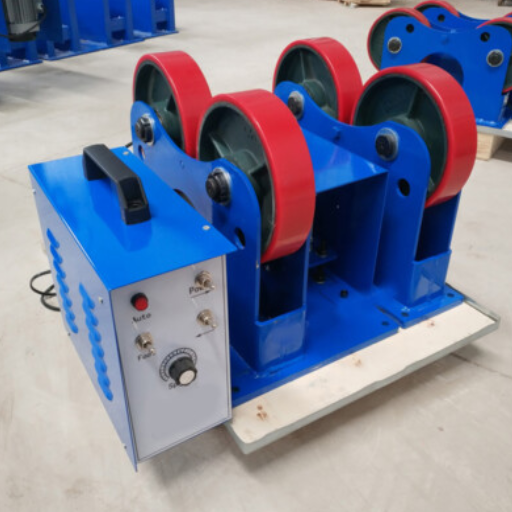
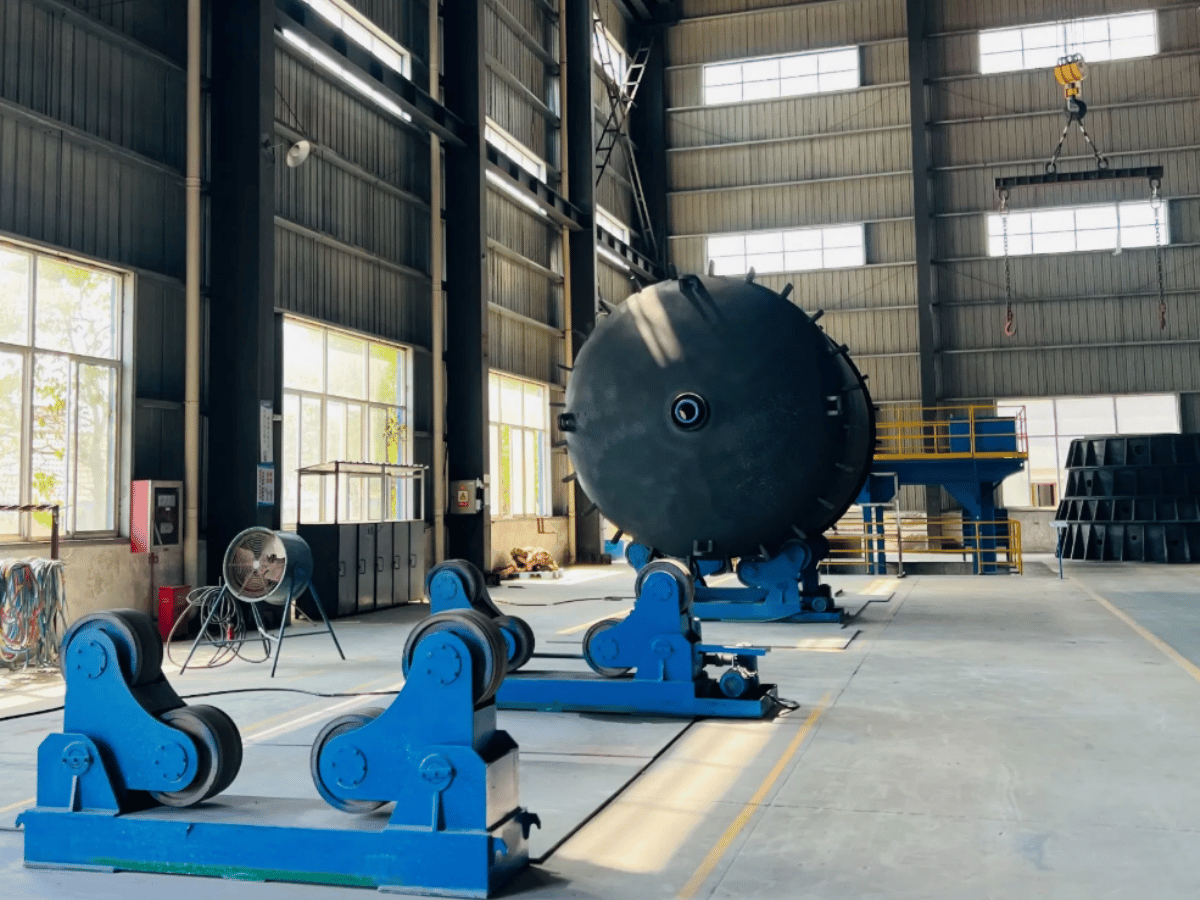
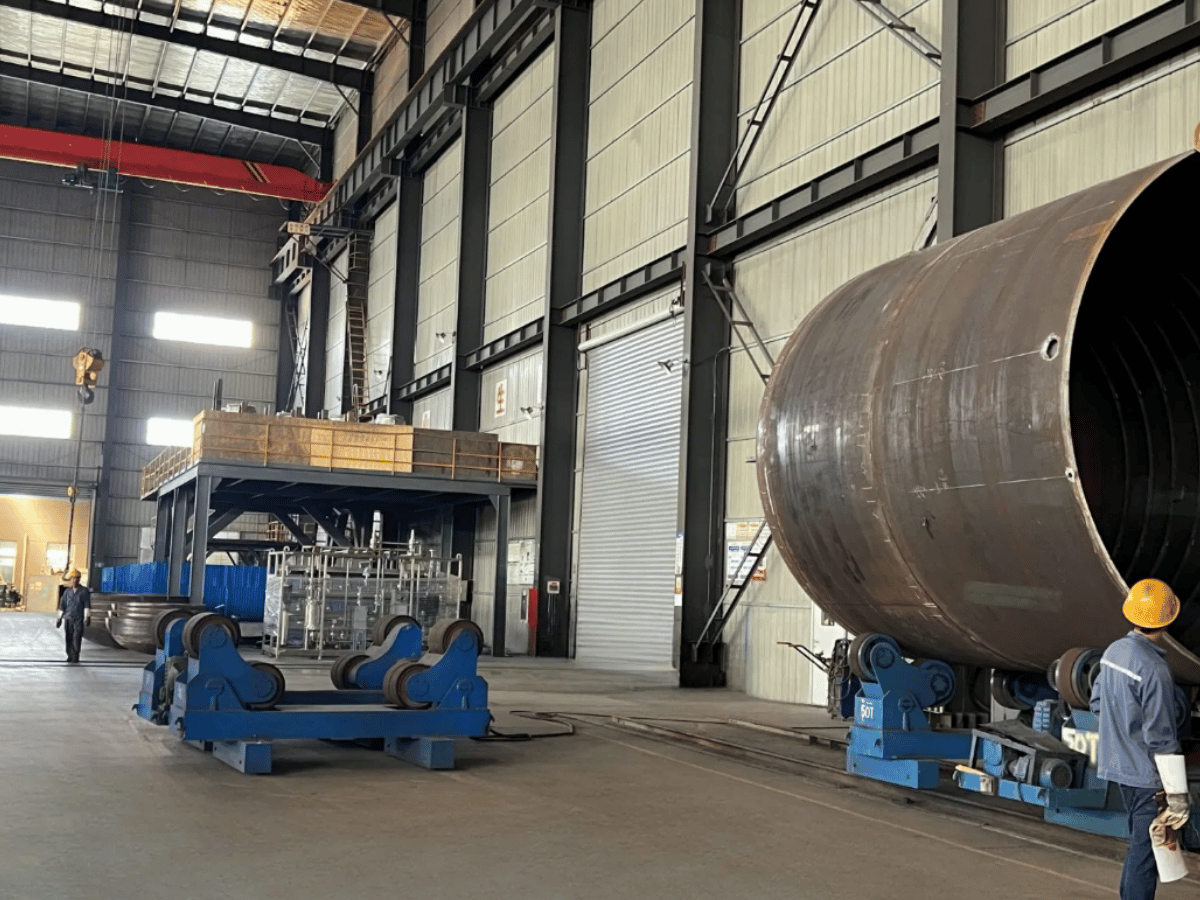
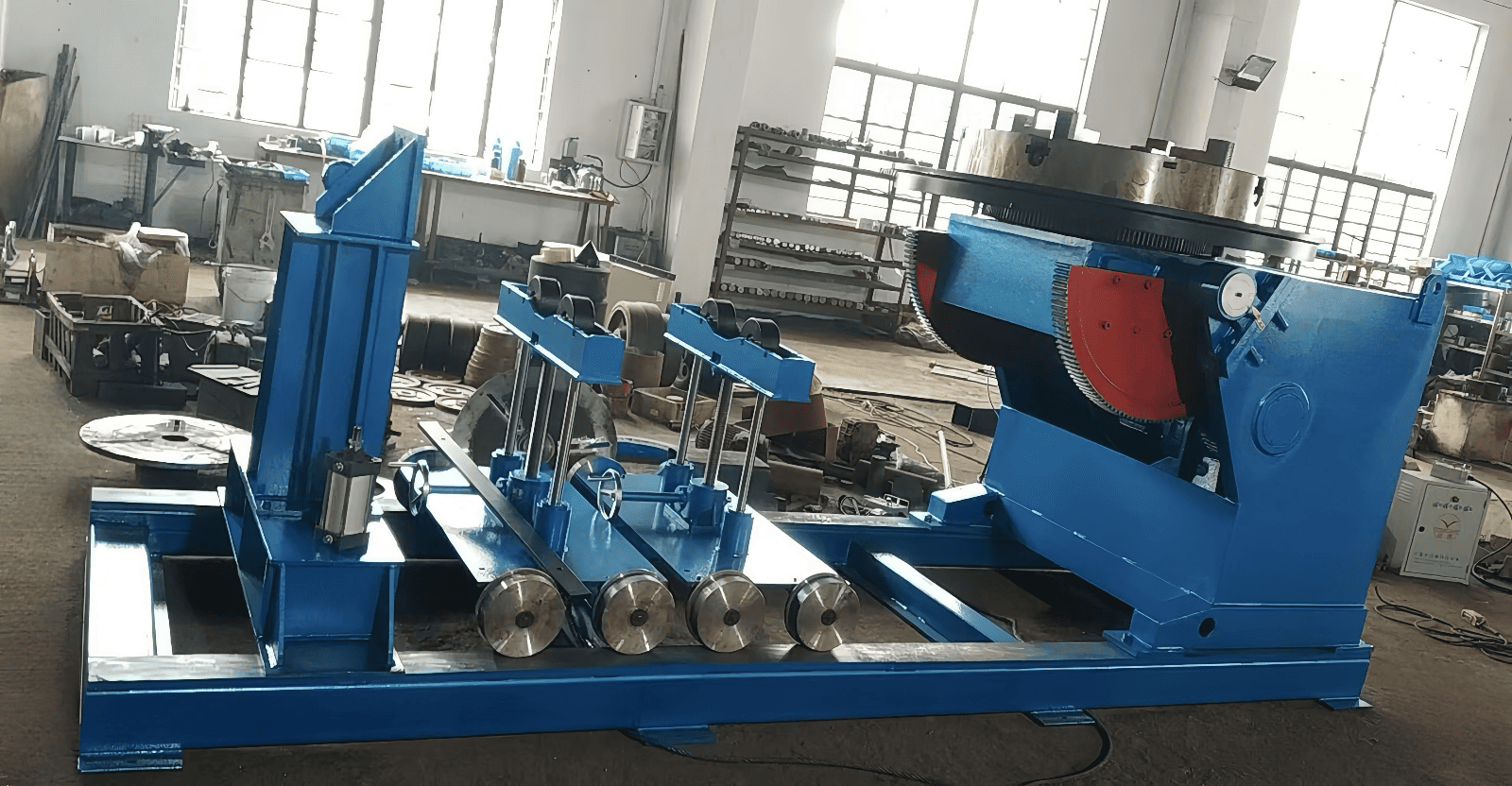
4. Top Fit Up Rotator Manufacturers And Suppliers In China
Frequently Asked Questions (FAQs)
What is Welding Fit-Up and Why is it Important?
Welding fit-up refers to the precise alignment and spacing of materials before commencing welding operations. Proper fit-up is essential as it ensures that the joint can withstand the stresses of welding and the final weld will have sufficient strength. Inadequate fit-up may lead to defects such as gaps, which can compromise the integrity of the weld and the overall structure.
How Does Fit-Up Affect Welding Operations?
The fit-up directly impacts the quality of the welding operation. A well-fitted joint enables better heat distribution during the welding process, resulting in a more uniform melt and reducing the risk of inclusions or defects. Conversely, poor fit-up can result in uneven welds and increased susceptibility to corrosion.
What are the Common Techniques for Achieving Proper Fit-Up?
Standard techniques for achieving proper fit-up include using jigs and fixtures to hold the pieces in place, utilizing tack welding to secure the materials temporarily, and carefully measuring the thickness and diameter of the components. These methods ensure that the parts are aligned correctly before the final weld is applied.
How Can Operators Ensure Sufficient Fit-Up in Pipe Welding?
Operators can ensure sufficient fit-up by performing thorough inspections and measurements before welding. This includes checking for any warping or bending of the pipes and confirming that the edges are clean and free of oxide layers. Additionally, using welding machines with adjustable parameters can help achieve the correct fit-up for different materials and thicknesses.
What Role Does Temperature Play in Fit-Up and Welding?
Temperature plays a crucial role in the fit-up and welding process. The materials must be at a suitable temperature to facilitate proper melting and bonding. If the temperature is too low, it can lead to inadequate penetration and a weak seam; too high a temperature may cause distortion or warping of the materials.
What is the Impact of Tack Welding on Fit-Up?
Tack welding is a technique used to hold components in place during the fit-up process. It allows for adjustments to be made easily before the final weld is applied. Proper tack welds ensure that the pieces are aligned correctly, which enhances the overall quality of the weld and minimizes the chances of defects.
How Does Friction Stir Welding Influence Fit-Up Procedures?
Friction stir welding (FSW) is a solid-state welding process that relies on the heat generated by friction to join materials. In FSW, maintaining a proper fit-up is vital as the process requires precise alignment to create a strong joint. If the fit-up is incorrect, it can result in insufficient bonding and weak welds.
What are the Essential Variables to Consider for Fit-Up?
Essential variables to consider for fit-up include the material type, thickness, joint design, and welding position. Each of these factors can influence the fit-up requirements and the subsequent welding process. Engineers must assess these variables to ensure a successful weld that meets strength and performance standards.