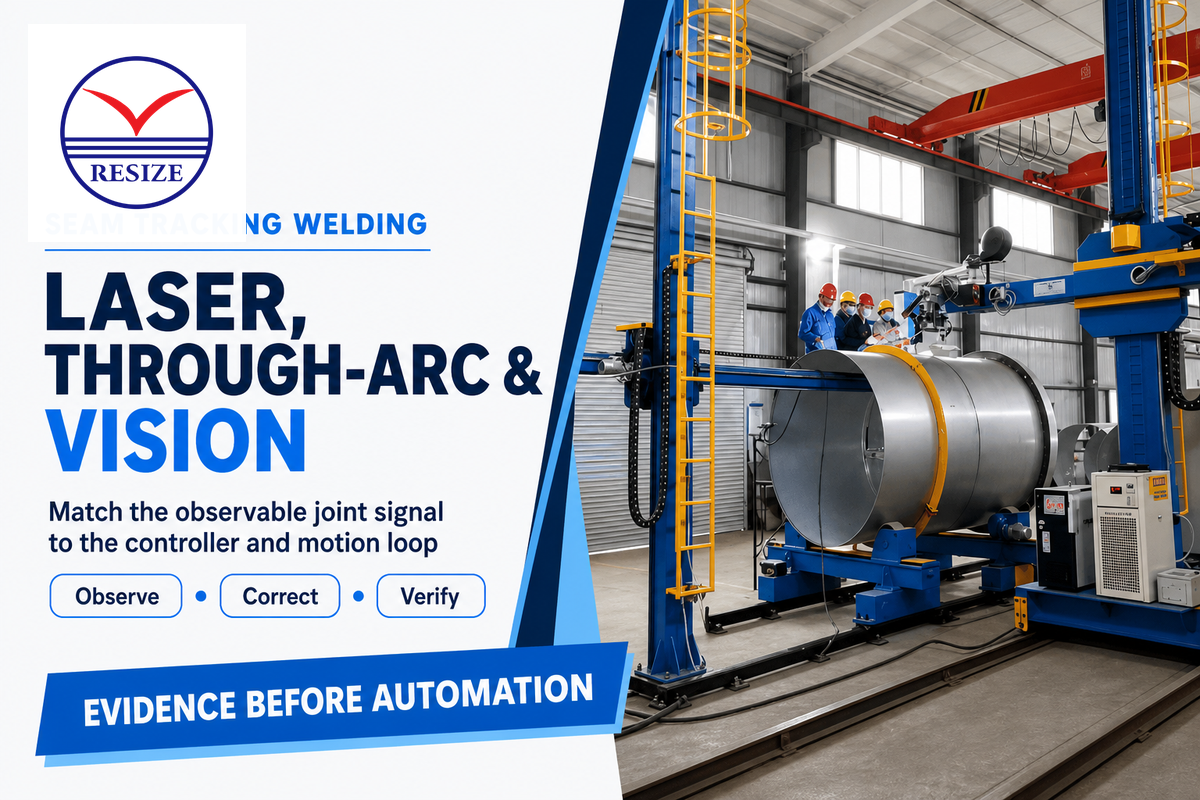
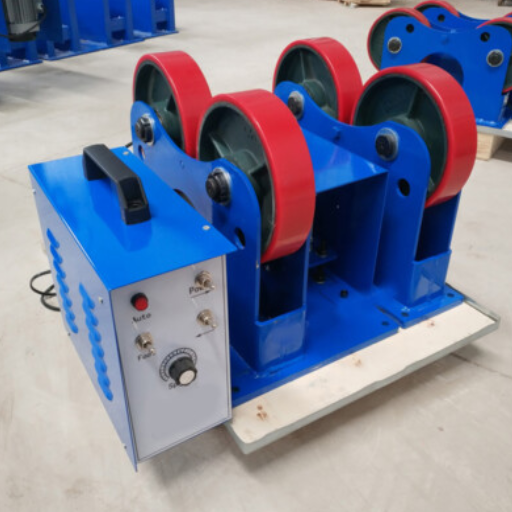
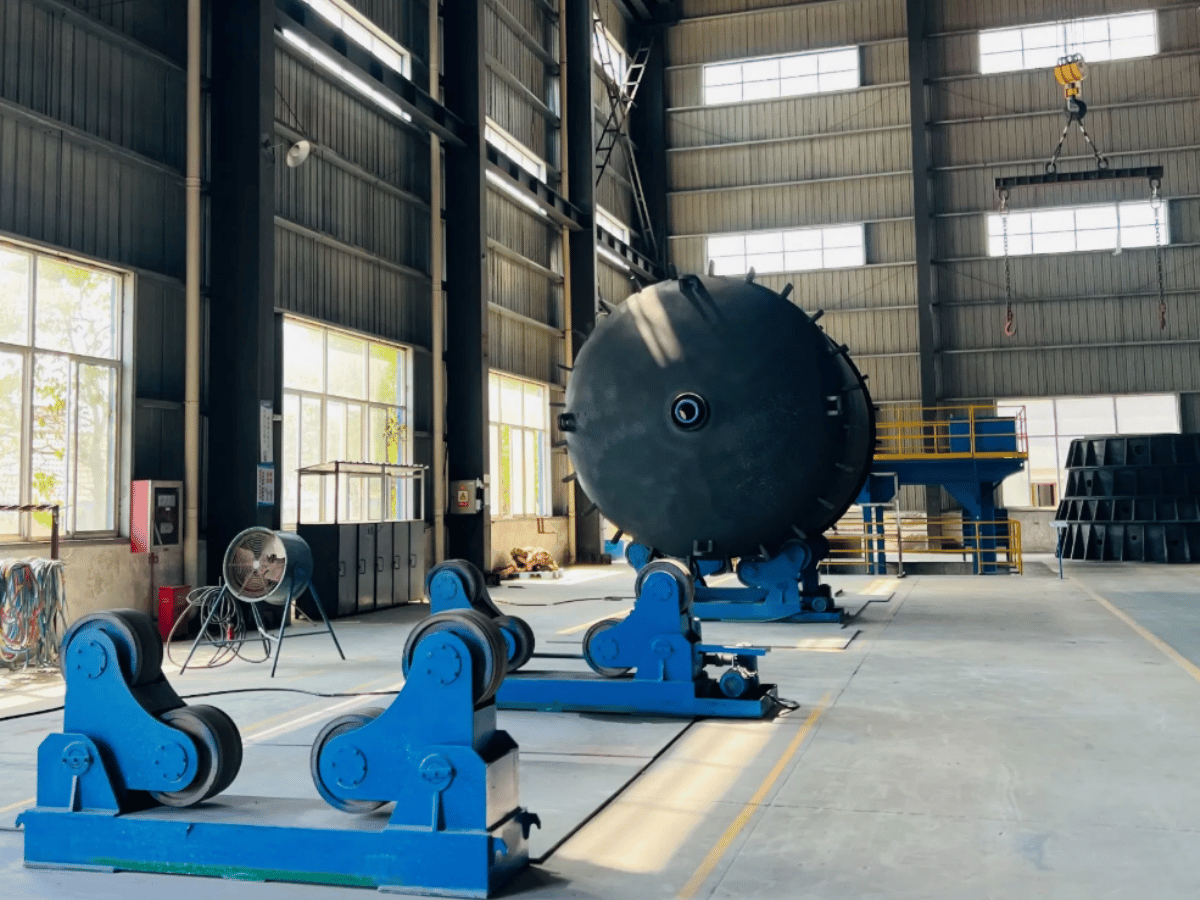
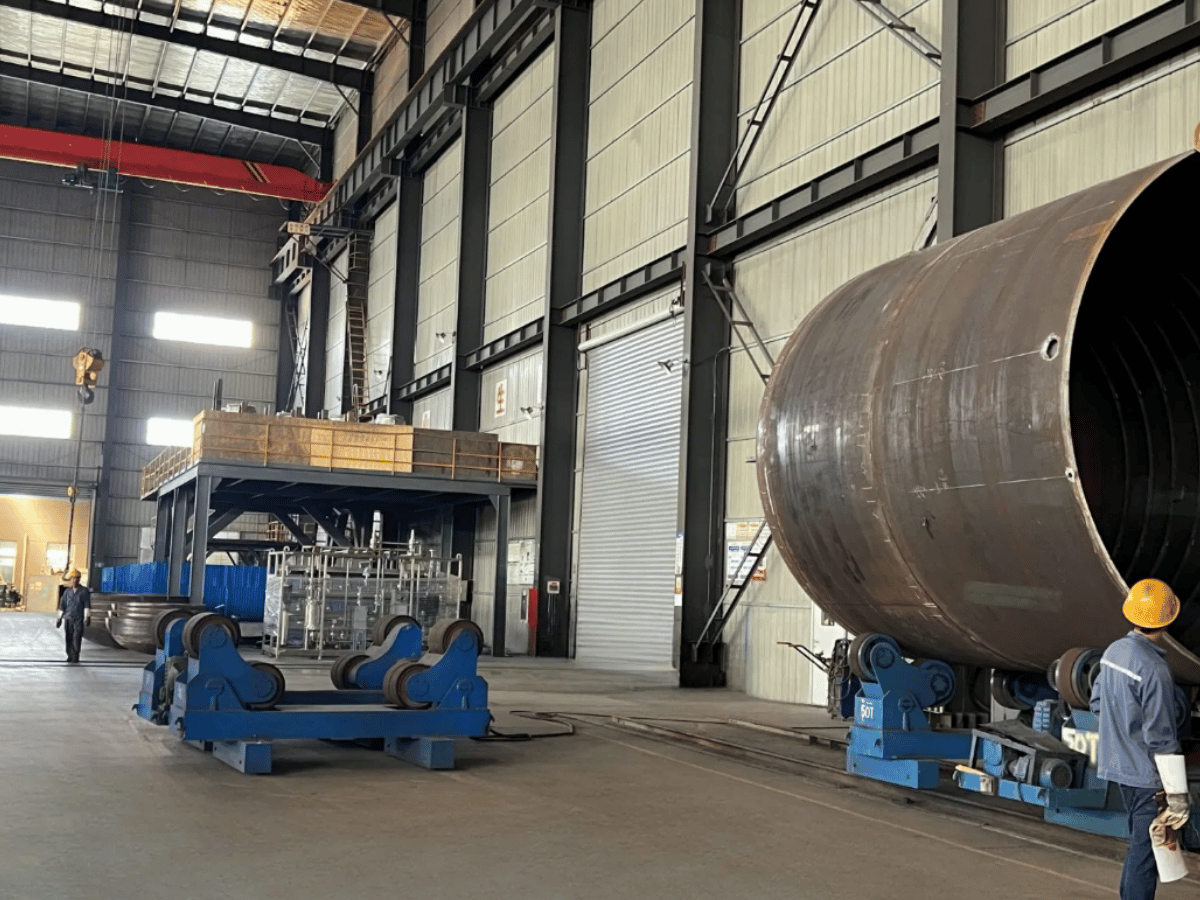
In welding, everything boils down to accuracy and efficiency. Whether you engage in heavy industrial work or custom fine jobs, the proper tools determine the entire game of it. One such tool is the revolutionary double column rotary welding positioner, designed to make the welding operation smoother, more accurate, and safer. This guide then delves deeply into this innovative tool, examining its features, advantages, and applications across various industries. Whether a Vet or an amateur in welding technology, this article will provide the insights needed to understand why the double column rotary welding positioner is a must for any contemporary welding project. Read on to discover precisely how it can transform your workflow and enhance welding results.
Introduction to double column rotary welding positioner
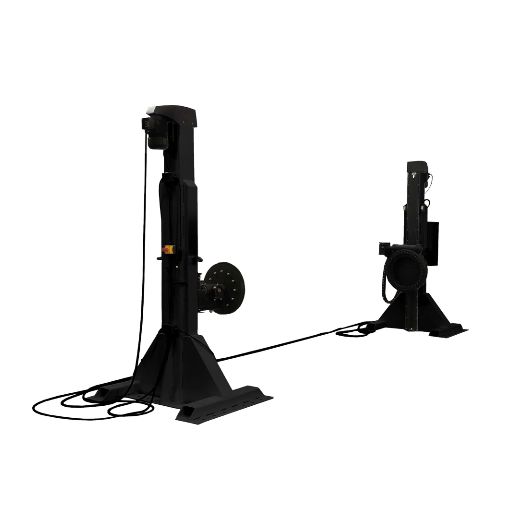
The double-column rotary welding positioner is one of those rare pieces of equipment that ensure welding is efficient, precise, and safe. It enables the operator to hold the workpiece securely and rotate it at the desired angle for precise welding. Large and heavy parts that require excellent alignment would, for example, be ideal candidates for this positioner. It eases access to otherwise difficult welding spots or dramatically reduces the physical discomfort of welders; in short, it provides quicker welding times while ensuring consistent, high-quality results.
What is a double column rotary welding positioner?
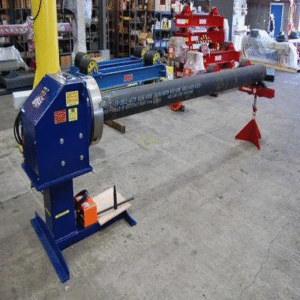
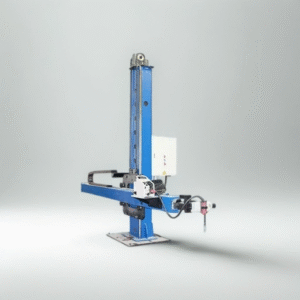
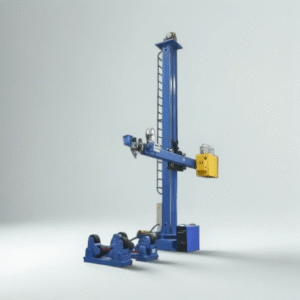
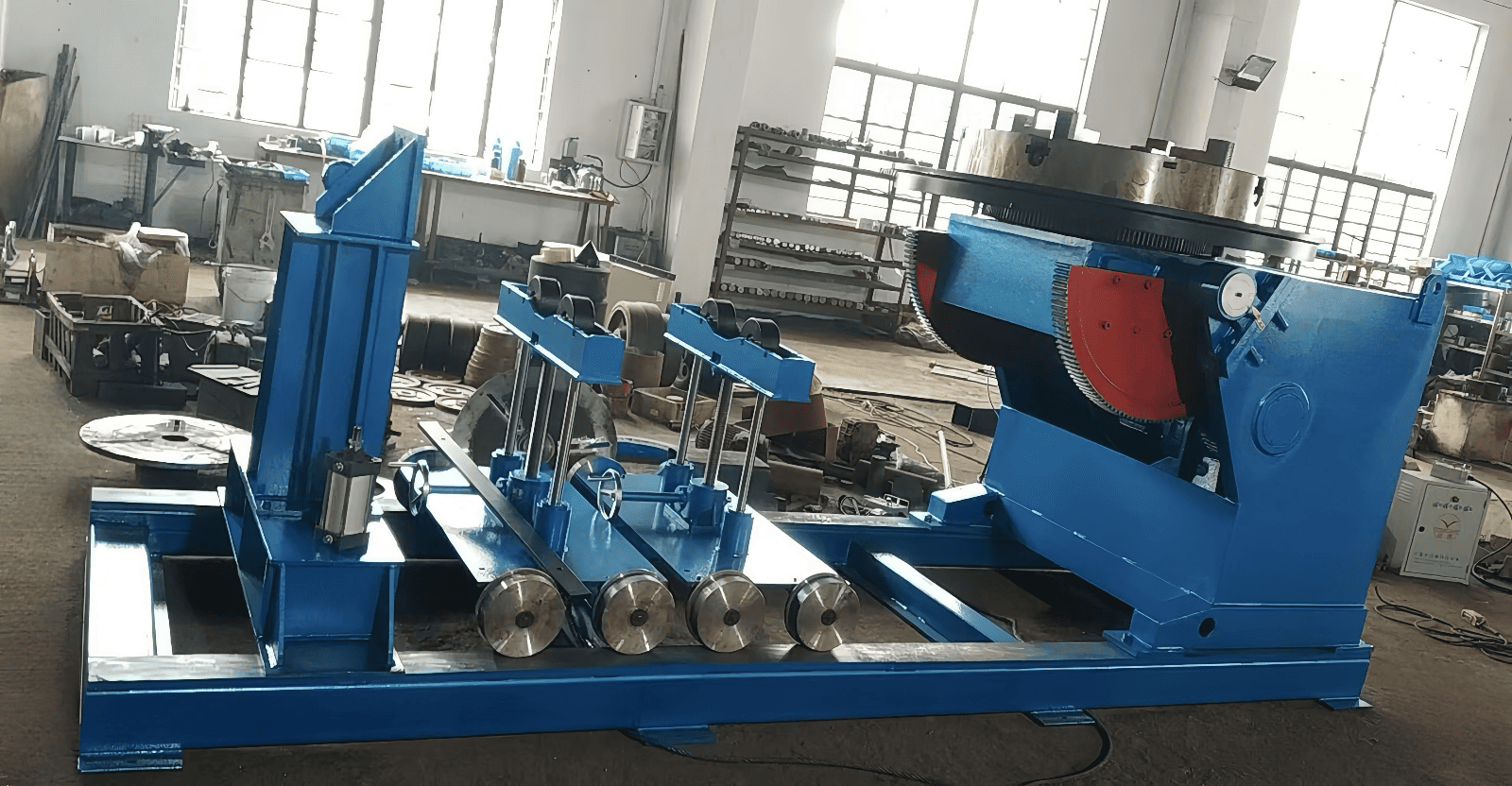
A double-column rotary welding positioner is a highly advanced type of machine that welds heavy workpieces through rotation, providing precision and efficiency in the process. These machines feature a solid, double-column structure, offering increased stability, and are ideally suited for holding and working on large and bulky components. With a rotatory table and motorized system, these machines impart a smooth and controlled rotation of the workpiece at various angles, thereby enabling welders to access all areas without difficulty. This ergonomic design significantly reduces physical effort, leading to improved accuracy and shorter production times. Double-column rotary welding positioners are commonly used in the construction, manufacturing, and automotive industries, enabling the delivery of consistent, high-quality welds on both small and large projects.
Types of double column rotary welding positioner
- Fixed Height Double Column Rotary Welding Positioner
In this type of welding positioner, the height is fixed, making it suitable for welding applications that require a steady working height. It offers excellent rotational control and is generally used in uniform workpiece applications.
-
- Specifications:
-
- Load Capacity: Up to 10 tons
- Rotation Speed Range: 0.05 – 1.5 rpm
- Operation Mode: Electrically controlled
- Adjustable Height Double Column Rotary Welding Positioner
With an adjustable height mechanism, this positioner enables welders to adjust the height of a workpiece, promoting comfort and precision. This type is highly versatile and suitable for a wide range of welding applications.
-
- Specifications:
-
- Load Capacity: Up to 20 tons
- Height Adjustment Range: 12 inches – 48 inches
- Operation Mode: Hydraulic or manual adjustment
- Tilting Double Column Rotary Welding Positioner
This type provides an option to tilt a workpiece, in addition to rotating it, for improved accessibility at challenging welding angles. It finds widespread use in complicated geometries and large-scale projects.
-
- Specifications:
-
- Load Capacity: Up to 15 tons
- Tilting Angle Range: 0° to 135°
- Rotation Speed Range: 0.1 – 2.0 rpm
- Heavy-Duty Double Column Rotary Welding Positioner
This is a positioner for industrial-scale applications that can handle extremely large and heavy workpieces with precision and stability.
-
- Specifications:
-
- Load Capacity: Up to 50 tons
- Rotation Speed Range: 0.02 – 1.0 rpm
- Structure Material: High-strength steel
- Compact Double Column Rotary Welding Positioner
A much smaller space-saving design is ideal for facilities with an emergency shortage of floor space. It has been designed specifically for small and medium workpiece applications while never compromising on quality.
-
- Specifications:
-
- Load Capacity: Up to 5 tons
- Rotation Speed Range: 0.1 – 2.5 rpm
- Compact Footprint Design for easy installation
Overview of Double Column Rotary Weld Positioners
Double-column rotary weld positioners are essential tools in any industry that requires precision welding and versatile work. Designed to clamp and rotate heavy or awkwardly shaped workpieces, they, in all fairness, improve productivity by increasing safety. Welders must precisely control the rotational speed and steady positioning of the welds, which enables them to reduce fatigue. In brief, these newer versions introduced features such as automated control systems, remote operation capabilities, and increased load-bearing capacities to meet a broader range of manufacturing requirements.
Based on their reliability and effectiveness, they have found widespread application in the aerospace, automotive, and construction industries. Construction companies are investing heavily in advanced welding technologies to maintain stringent quality standards and reduce production times. Double-column rotary weld positioners remain at the forefront of this industry trend, offering practical solutions for challenging welding needs.
Key Features of Double Column Rotary Welding Positioners
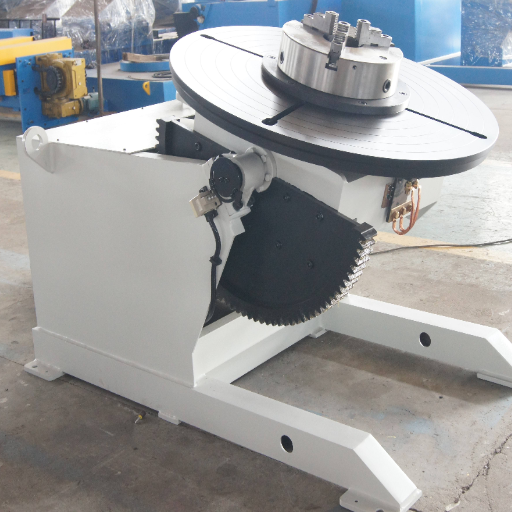
The double-column rotary welding positioners have revolutionized the welding industry, redefining how manufacturers approach precision, efficiency, and safety when handling complex components. These ingenious tools have now become an indispensable part of industries such as automotive and aerospace design, as well as heavy machinery manufacturing, offering maximum versatility and support for the demanding welding operations. This article will discuss the various features of double-column rotary welding positioners, their impact on productivity, and how they maintain consistency while efficiently completing even the most challenging welding jobs. Are you looking to streamline your production line or become a leader in this field? Then investing some time in the key features is a great place to start, as promised.
Components of Welding Positioners
Welding positioners comprise numerous critical components that operate in synergy to ensure precision and efficiency during the welding process. The following are the five essential components of welding positioners:
- Rotary Table
The workpiece is secured on this primary platform. Movement can also be allowed to help with welding in various angles and positions.
- Tilting Mechanism
This feature enables the adjustable tilting of the workpiece to achieve the optimal welding angle or access difficult-to-reach areas.
- Control System
This system controls speed, rotary direction, and tilt adjustments. Advanced positioners may include PLCs for automated functions and accuracy.
- Clamping System
The clamping system holds the workpiece steady, preventing it from moving during the welding process, thereby ensuring both safety and precision.
- Base or Frame
The base provides stability to the entire structure, ensuring the positioner remains upright under the weight of the workpiece and operates smoothly, even under heavy loads.
Each of these components is crucial to carrying out welding efficiently and with high quality, making welding positioners an essential part of modern-day fabrication.
Load Capacities and Rotation
Load capacities range from 50 lbs to 100 tons, with rotation speeds typically between 0.1 to 20 RPM.
|
Key Point |
Details |
|---|---|
|
Load (Min) |
50 lbs |
|
Load (Max) |
100 tons |
|
Speed (Min) |
0.1 RPM |
|
Speed (Max) |
20 RPM |
|
Precision |
High (anti-backlash) |
|
Drive Type |
Electric, Hydraulic, Pneumatic |
|
Control |
Manual, Semi-auto, CNC |
|
Safety |
Overload, E-stop |
|
Use Cases |
Cylindrical, Large Parts |
|
Automation |
Robotic Integration |
Motor and Control Systems
The motor and control systems of modern machines must provide precision and efficiency. They are commonly driven electrically, hydraulically, or pneumatically, depending mainly upon the application. Electric motors are widely preferred because of their versatility and excellent energy efficiency. Hydraulic drives offer better torque and last longer; therefore, they are apt for heavy loads. Pneumatic systems, because they are simple and respond quickly, are usually chosen for lighter applications.
Control systems may be manually operated or come with CNC (Computer Numerical Control). Combining a CNC system with sensors enables automated operations that improve production accuracy and speed. To date, there is an increasing number of industrial tasks that emphasize the integration of CNC and robots to maintain constant and accurate precision and movement patterns with increasing complexity. These systems are equipped with safety features, such as overload protection and emergency stop devices, which provide safety during their application.
Advantages of Using Double Column Rotary Weld Positioners
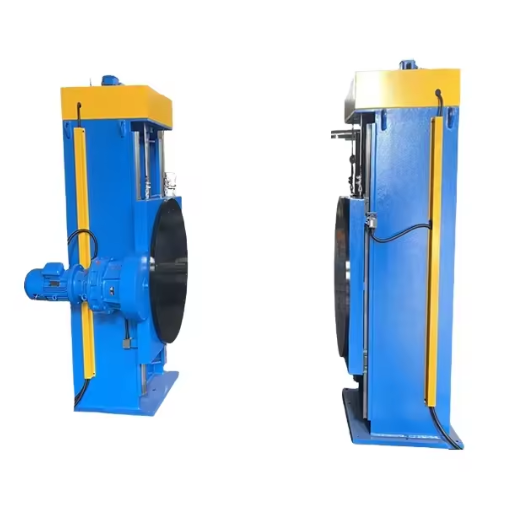
- Enhanced Precision: Double-column rotary weld positioners offer precise positioning of workpieces, ensuring consistency and minimizing welding errors.
- Improved Efficiency: It securely holds and rotates heavy and/or complex components, thereby streamlining operations and saving time compared to manual handling.
- Versatility: They can be fitted against components of various shapes and sizes to cover different welding applications.
- Operator Safety: The reduced need for manual handling would decrease the dangers involved and provide a safer working environment for operators.
- Better Quality Welds: Stable support and controlled rotation yield better welds with fewer defects, thereby enhancing product quality.
Improved Precision in Welding
The welding positioner is used for precision to gain stability and controlled movement during welding. Hence, these tools enable workpieces to be positioned optimally, thereby limiting weld defects caused by porosity or misalignment. Welding professionals today are increasingly seeking ways to weld with high precision, which is facilitated by manufacturing technologies such as robotics and automation. Welding positioners, integrated with automated systems, can provide consistency and accuracy unmatched by any manual welding technique. This ensures that welders consistently deliver high-quality results that meet strict specifications, thereby reducing rework and material waste.
Enhanced Productivity
Enhanced productivity in any welding operation wholeheartedly depends on an exact welding set-up, a positioner. Automation in welding is therefore something that is increasingly sought after, emphasizing the global thrust for manufacturing efficiencies. Welding positioners enable almost uninterrupted continuous operation with minimal downtime durations when integrated with modern robotic systems. This combination is effective in maintaining high production rates and ensuring uniform quality throughout large-scale production runs. Automation of complex welding tasks enables industries to meet exact deadlines and maintain precision, making these systems a crucial part of the manufacturing process.
Increased Safety in Welding Operations
Positioners provide significant enhancements in welding safety by reducing the need for lifting or handling heavy or awkward workpieces. It ensures that workers can maintain ergonomic welding positions, thereby decreasing the risk of industrial injuries. Welding positioners keep workers at a safe distance from the welding zone, minimizing exposure to hazardous fumes, sparks, and heat. Hence, workers and operational efficiency are further nurtured through the dual benefits of automation and accurate control.
Applications of Double Column Rotary Welding Positioners
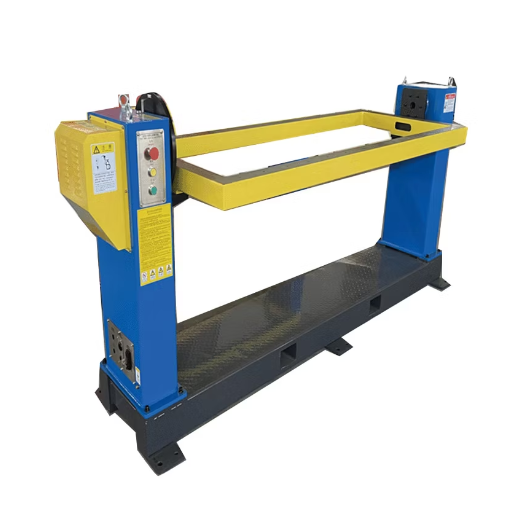
Double-column rotary welding positioners have a wide range of applications in industries where precision and efficiency are crucial for welding operations. These are primarily used in fields such as shipbuilding, construction, aerospace, and heavy machinery manufacturing. They are more suited to welding large and heavy workpieces, such as vessels under pressure, pipes, and structural components. Adjustable in rotation and position, they facilitate welding complex or cylindrical parts with high durability, thereby improving efficiency and reducing the time consumed in production. Their adaptability and reliability make them an indispensable tool in an environment where steady and precise alignment is of the utmost value.
Industries Utilizing Welding Positioners
Welding positioners play a defining role in diverse industrial sectors, equally capable of performing heavy-duty tasks with precision and efficiency. The aerospace industry utilizes welding positioners in the assembly of aircraft components, where precise alignment is crucial to safety and performance. Similarly, the oil and gas industries rely on these tools for laying pipelines, refinery equipment, and pressure vessels. To manufacture vehicle parts with higher precision, the automotive sector utilizes welding positioners to produce components more efficiently while maintaining quality standards. In addition, sectors such as heavy machinery manufacturing, shipbuilding, and renewable energy, including wind turbine manufacturing, will utilize welding positioners to handle and weld complex geometries effortlessly. Given that the positioners increase productivity while offering consistent results, they have become an indispensable process within these fields.
Versatility in Handling Workpieces
Welding positioners are renowned for their versatility in accommodating a wide range of workpieces, regardless of size, shape, or material composition. Industries increasingly favor those positioners capable of multi-axis rotation and exact angular adjustments to accomplish complex welding tasks rapidly. Thus, they provide excellent support for cylindrical objects, irregular geometries, and fine assemblies that require precise welding accuracy. This demand for versatility underscores the importance of welding positioners in industrial development, thereby facilitating optimal performance in terms of productivity.
Case Studies of Successful Integration
1. Automotive Industry Application
An automotive giant utilized advanced welding positioners to streamline the production of car frames and exhaust systems, ensuring precise weld joints through multi-axis rotation and thus significantly reducing production time. The above enhancement increased assembly efficiency by 20% and reduced welding errors; the more precision-oriented equipment entered into a fast-track, high-demand production setup.
2. Aerospace Fabrication Success
An aerospace parts provider utilized welding positioners for manufacturing complex aircraft engine parts that required extreme accuracy. Coupled with robotic welding arms, the positioners allowed intricate geometries to be welded at millimetric accuracy. This integration has resulted in a 30% reduction in waste and has facilitated the achievement of additional industry standards, thereby preserving and strengthening the role of these manufacturing aids.
3. Renewable Energy Advancements
The makers of the wind turbines decided to use welding positioners for large cylindrical towers. The heavy load-handling capabilities of the positioners, coupled with internal stability during welding, ensured consistent weld quality, resulting in a 15% reduction in production costs. It follows that the more efficient processing has helped the company meet rising market demands for promoting energy solutions.
These are a few examples of welding positioners being used in the industries to counter modern manufacturing challenges in the areas of operating efficiency, precision, and productivity.
Choosing the Right Double Column Rotary Welding Positioner
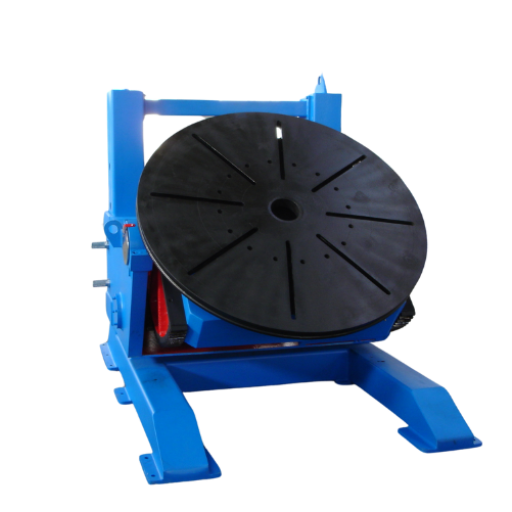
Depending upon the operational need at hand, one would select a proper double-column rotary welding positioner for purchase. The critical factors that determine the choice of the positioner include the maximum weight capacity, size, and type of workpieces it will be receiving. It should have a load capacity and rotational speed that satisfy the welding requirements of the job. Its compatibility with the existing equipment and exact positioning for high-quality welding should be assessed. Always opt for reliable manufacturers and models with proven performance and durability to ensure high efficiency and value over the long term.
Factors to Consider: Load Capacity and Speed
When purchasing a welding positioner, consider its load capacity and speed for optimal performance. Further, here follows a list of five detailed factors for evaluation:
- Maximum Load Capacity
The maximum capacity is the primary concern here, as the welding positioner ought to hold the maximum weight of your heaviest workpiece, including tooling or fixtures. The overloading of the positioner results in mechanical failures and reduced precision in welding.
- Rotational Speed
The positioner should have the provision to be adjusted for variable rotational speed, which depends on the welding process being followed. Typically, the speed levels vary according to the type of welding, whether it is TIG or MIG, to maintain the quality of the weld.
- Weight Distribution
Consider the weight load’s distribution on the positioner. An uneven or offset load may contribute to instability; thus, an operator needs to identify and match the positioner design with the workpiece geometry.
- Dynamic Balance
Examine how the positioner can preserve its stability when its speed changes, especially if the workpiece is irregular or asymmetrical. Thus, the system in its balanced setup allows for continuity in smooth operation and uniform welds.
- Tilt and Rotation Angles
Check if the positioner can tilt and rotate at all the angles that welds present, thus enabling better accessibility and greater precision in areas that are difficult to reach.
Manual vs. Automatic Welding Positioners
Manual welding positioners require operator control for adjustments, while automatic positioners use automation for precision, speed, and efficiency.
|
Parameter |
Manual |
Automatic |
|---|---|---|
|
Control |
Operator-driven |
Automated |
|
Speed |
Slower |
Faster |
|
Precision |
Moderate |
High |
|
Cost |
Lower |
Higher |
|
Efficiency |
Labor-intensive |
Time-saving |
|
Applications |
Small-scale tasks |
Large-scale production |
Welding Positioner Prices and Budgeting
When discussing welding positioner prices and budgets, it is primarily related to what you wish to have in terms of operation, specifications, and features. I would first suggest determining precisely what you need. The bigger the load you require, the more automatic the operation will be. Alternatively, do you want it to tilt at specific angles or adjust speed? Entry-level systems are therefore less expensive but lack most of the features; on the other hand, average-sized automatic systems can be costly. Between the two, there must be a balance between cost and functionality for the best value for money.
Reference Sources
-
Capitol Iron Works: Essential Guide to Welding Positioners – Comprehensive guide covering types, benefits, and selection criteria for welding positioners.
-
Resize Global: Working Principle and Operation Process of the Double Column Rotary Welding Positioner – Detailed explanation of the working principles and operation processes.
-
MISA Manufacturing: 15 Essential Types of Welding Positioners – Expert guide on various welding positioners, including structures and applications.
- Top Double Column Rotary Welding Positioner Suppliers in China
Frequently Asked Questions (FAQs)
Q: What is a double column rotary welding positioner?
A: A double column rotary welding positioner is a specialized device that allows for the precise positioning of workpieces during welding operations. It features a turntable that can rotate and tilt, providing the welder with optimal angles and access to the weld joint, ultimately improving the quality of welding.
Q: How do welding positioners improve productivity?
A: Welding positioners improve productivity by reducing the need for manual repositioning of workpieces. This allows welders to work more efficiently, as they can focus on the welding process instead of frequently handling and adjusting the workpieces, thereby minimizing welder fatigue.
Q: What types of welding positioners are available?
A: There are different types of welding positioners available, including 2-axis and 3-axis positioners, horizontal and vertical axis positioners, and specialized options like pipe welding positioners. Each type offers unique features suitable for various welding projects and workpiece shapes.
Q: What is the role of a welding turntable in a positioner?
A: A welding turntable is an essential component of a welding positioner that enables the rotation of workpieces. This rotation provides better access to weld joints, enhancing the efficiency and precision of the welding process by allowing the welder to maintain a consistent posture.
Q: How does a welding manipulator work with positioners?
A: A welding manipulator works in conjunction with welding positioners to automate the welding process. It can control the welding machine’s movement along different axes, enhancing the automation of welding operations and ensuring consistent performance in various welding conditions.
Q: What are the benefits of using a benchtop welding positioner?
A: Benchtop welding positioners are compact and user-friendly, making them ideal for smaller workshops. They offer sufficient load capacities for various welding projects and provide flexibility for accurately positioning workpieces, ultimately benefiting from using such devices in tight spaces.
Q: What specifications should I consider when choosing a welding positioner?
A: When selecting a welding positioner, consider specifications such as load capacities, axis configurations, speed control options, and the type of welding you plan to perform. These factors will help you determine the positioner you need for your specific welding applications.
Q: Can automated welding systems benefit from using rotary positioners?
A: Yes, automated welding systems can significantly benefit from using rotary positioners. These systems enhance the efficiency of welding processes and reduce welder fatigue by automating the positioning of workpieces, allowing for rapid and consistent welding operations.
Q: How can I reduce welder fatigue in my welding operations?
A: To reduce welder fatigue, consider using welding positioners that minimize manual handling and allow for better ergonomic positioning of the workpiece. Incorporating turntables and manipulators can also help maintain a comfortable working posture, leading to improved welding outcomes.
Q: What is the importance of using a welding chuck with positioners?
A: A welding chuck is crucial for securely holding round or cylindrical workpieces in place on a positioner. It ensures that the workpiece remains stable during the welding process, contributing to the quality of welding and the overall efficiency of the operation.