Welding is one of those trade skills that require precision, technique, and the right equipment. Therefore, weld positioners and turntables become integral components within the welding industry. Regardless of the scale of a welding job, they facilitate welding by providing better control over accuracy, efficiency, and safety. Yet, with so many varieties, choosing the type of unit that best fits your considerations can be a bit taxing. This article takes the reader by hand into the different types of weld positioners and turntables, their salient features, and applications, thereby giving you a complete knowledge of how these machines can increase the efficiency of your welding operations. Regardless of whether you are a professional or new to the trade, this guide will prove useful in making worthy decisions. Stay with us as we make your knowledge reservoir brim with facts about these fundamental welding tools!
Understanding Weld Positioners
Positioners are machines for holding and rotating workpieces so welders can work at the optimum angle and need not reposition the material manually. They impart accuracy, lessen operator strain, and increase weld efficiency. Among the most common types of this equipment are turntables, headstock-tailstocks, and 3-axis positioners, used according to the kind of job or workpiece to be held (size/shape). These machines find wide application in the construction, plant, and automotive industries to yield consistent welds of top quality.
What are Weld Positioners?
Various kinds of weld positioners are made to serve different industrial requirements by effectively integrating efficiency in manufacturing. Here are some of the most common:
- Turntables
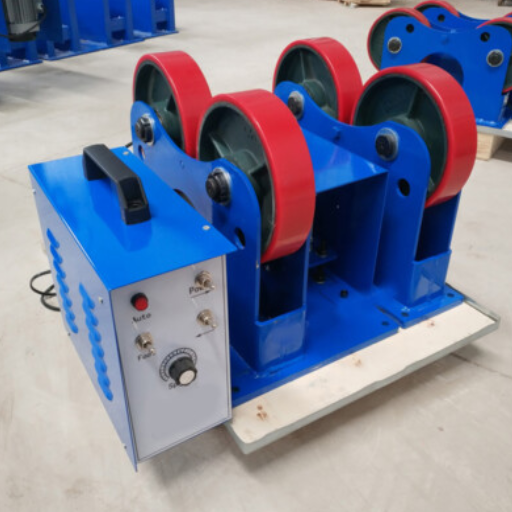
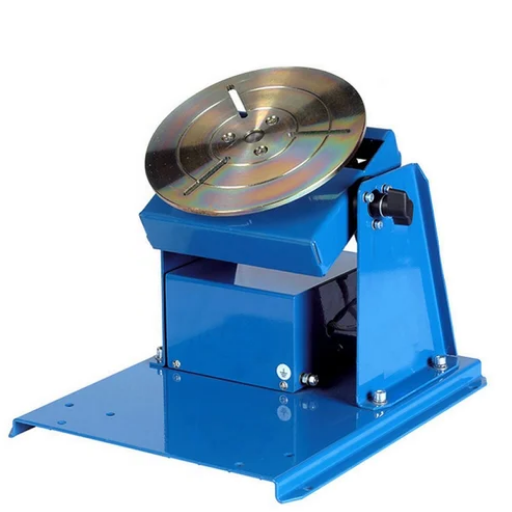
Turntables consist of a circular platform that rotates a workpiece on a horizontal axis. This setup is apt for welding cylindrical components such as pipes, barrels, and rings. Most modern turntables are equipped with variable speed; their weight-bearing capacity depends on the size used and ranges from a few hundred pounds to several thousand.
- Headstock and Tailstock Positioners
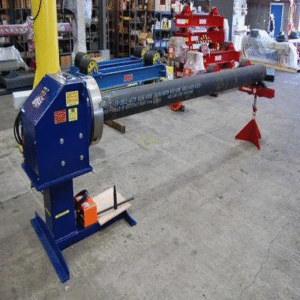
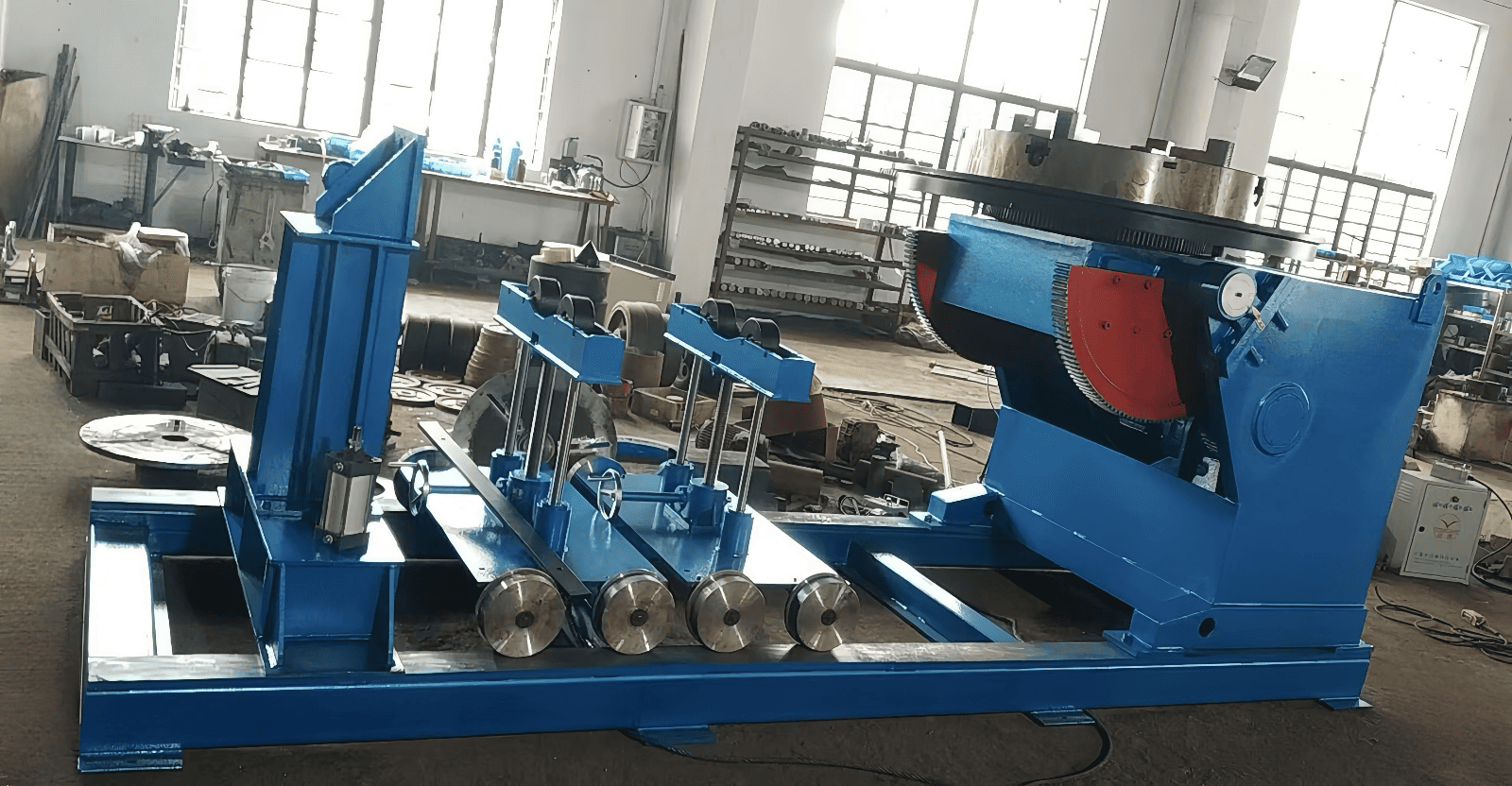
Such plants hold and revolve long or irregular workpieces between two supports, the headstock and tailstock. They find ample application with large-sized equipment such as beams or rods of heavy machinery. Some variants may have a motorized rotation for smooth control and can handle loads of well over 10,000 lbs.
- 3-Axis Positioners
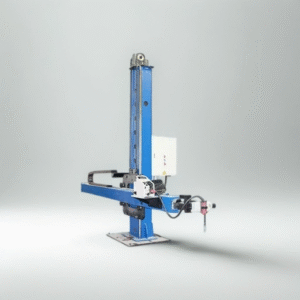
Being the most flexible type, this one allows three degrees of motion for manipulating the workpiece. They are generally for complex geometries and extremely precise welding works for aerospace and advanced manufacturing processes.
- Roller Beds
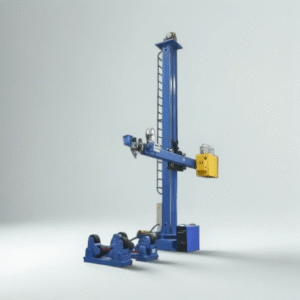
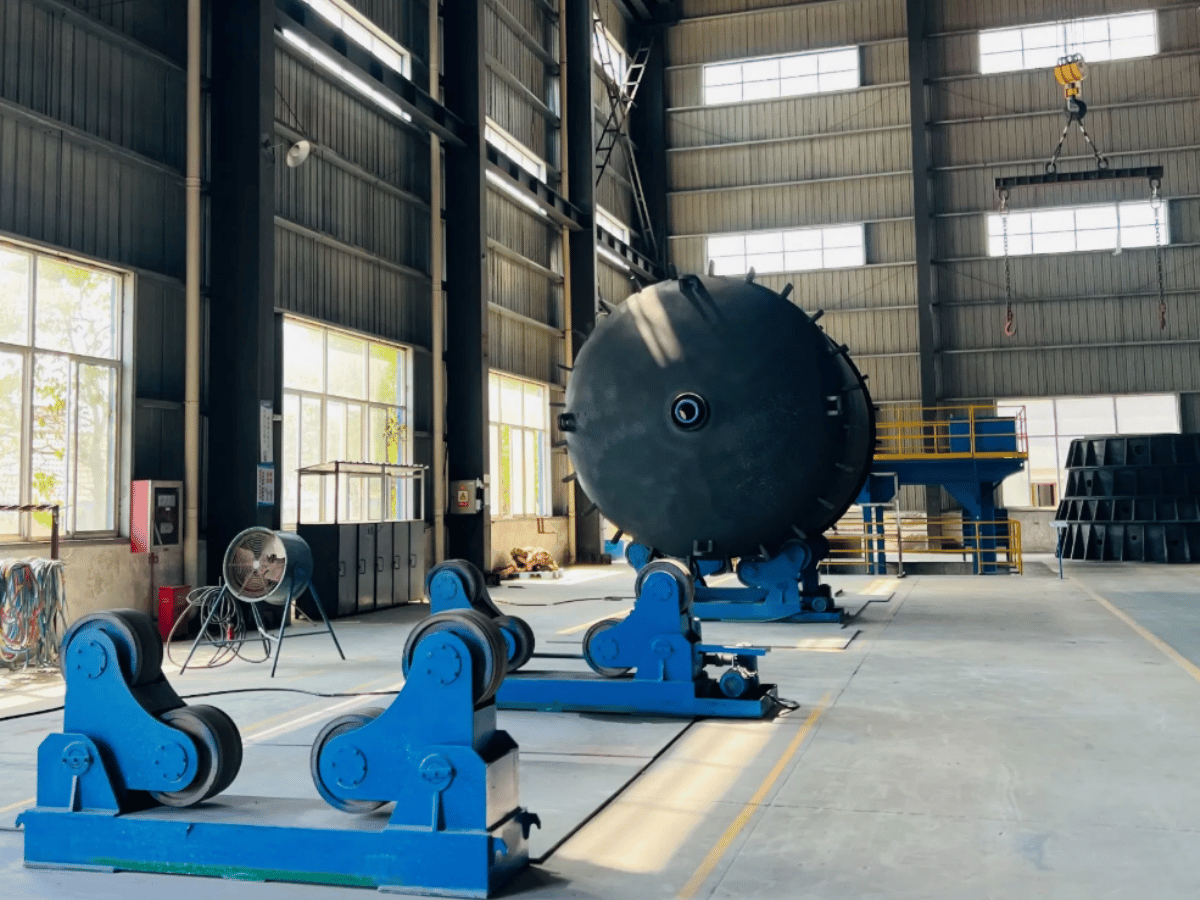
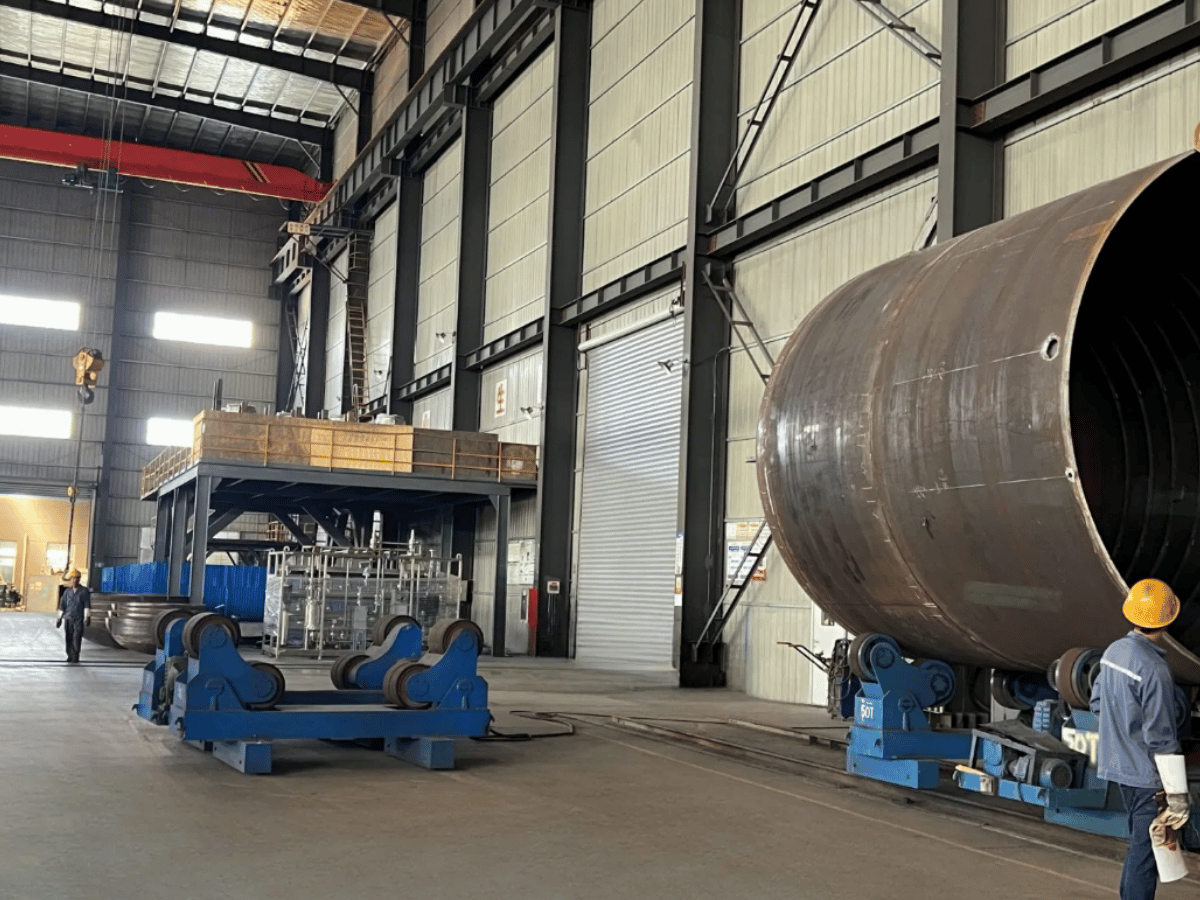
Roller beds comprise adjustable rollers that support and rotate workpieces. They are designed to roll tanks, pipelines, etc. They are mostly used within the energy and petrochemical industries for their ability to roll very large and heavy structures.
Technical Advancements in Weld Positioners
Recently, weld positioners have been going high-tech, lending robotic integration, programmable settings, or automatic control systems to productivity improvements. In other words, data shows that welding automation and positioner use can increase efficiency by 50% while eliminating material waste. Safety improvements are now built in as well, thanks to anti-slip devices and load indicators, so that smooth operation can be guaranteed.
These weld positioners, when used for specific tasks, improve weld quality and reduce operator fatigue and downtime. This makes them indispensable tools in industrial welding processes.
Key Components of Welding Positioners
The welding positioners consist of various vital components that work together to boost productivity and precision in welding. The major components are given below:
- Rotating Table or Chuck
The rotating table forms the basis of the welding positioner. It firmly holds the workpiece while it can be rotated with precision for positioning in sites otherwise hardly accessible to welders. Modern tables are fitted with speed controls capable of adjusting the speed and welding along at a constant quality.
- Tilt Mechanism
In such cases, a tilt mechanism allows the table to angle at the desired angle, so the welders get the best chance to attempt vertical, horizontal, or overhead welding without difficulty. Higher-quality positioners enable the tilt angle to span from 0 to 120 degrees for complete coverage.
- Control Panel
The control panel is a necessary interface for operating a welding positioner that usually contains the programmable rotation speed, tilt adjustment, direction, etc., to bring the workpiece into the right place in front of the welding torch.
- Mounting Fixtures
Mounting fixtures like clamps and jaws are used to fix the workpiece firmly on the positioner. In some advanced forms, these fixtures can accommodate varying shapes and sizes of workpieces-from flat to cylindrical surfaces of which diminish movement during welding.
- Power Drive System
The power drive system imparts the torque needed to rotate and tilt the workpiece. Often, these systems are designed with heavy-duty industrial applications in mind, some models able to handle lifting loads upwards of 5,000 kilograms.
- Safety Features
Modern welding positioners have a distinct safety aspect; these are imbued with an anti-slip system, emergency stop buttons, and overload sensors to guard the operators and the equipment, which are some very important safety features applicable mostly in heavy production work.
Welding positioners, as an integrated component, sought to enhance workflow, production efficiency, and working consistency, satisfying the latter-day requirements of the welding industry.
Types of Welding and Their Applications
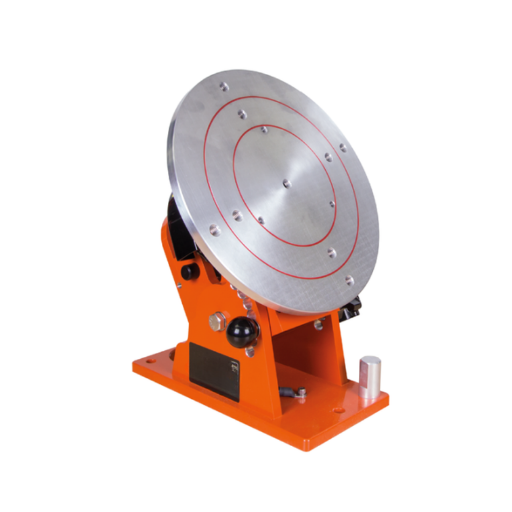
Welding is a very versatile method of joining materials, usually metals or thermoplastics, by means of high temperature that melts the parts joined. Each welding method can align with certain materials and industrial applications in terms of high efficiency, accuracy, and durability. Welding craftsmen carefully consider which attempt best fits the demands of various welding projects.
Overview of Different Types of Welding
Welding is considered one of those diverse processes crucial to industries such as construction and automotive manufacturing. Below are detailed accounts of dominant welding methods along with data on their uses and benefits:
- Shielded Metal Arc Welding (SMAW)
Also called stick welding, this is a common method used in construction and maintenance. SMAW is very adaptable; it can weld ferrous and non-ferrous materials. Some studies have approximated that SMAW can stand for 20% of the welding market globally because it is inexpensive and works well outdoors.
- Gas Tungsten Arc Welding (GTAW)
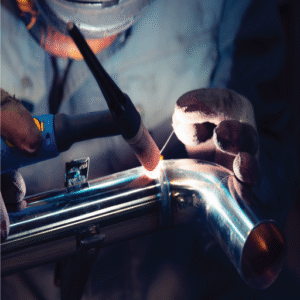
Commonly called TIG welding, it is valued for precise, high-quality welds. GTAW is well-suited to welding thin materials, such as aluminum or stainless steel. Therefore, it is widely applied across the aerospace and food manufacturing sectors. There have been recent developments around the automation of GTAW, improving the process’s welding precision by almost 30%, thus allowing for less waste in material.
- Gas Metal Arc Welding (GMAW)
Also referred to as MIG (Metal Inert Gas) welding, this is a quick process, second only to its efficiency for welds of large-scale production. The automotive industry is the major domain of the process; it is roughly estimated that the various GMAW processes constitute 50% of welding operations within this sector. Its efficiency is derived from the continuous wire feeding, which leads to fewer weld flaws, and the decreased time required per weld is mirrored in higher production speed.
- Flux-Cored Arc Welding (FCAW)
Similar to MIG welding, except the filler metal is a flux-filled tubular core wire. This process is especially effective on thick materials and is commonly used in shipbuilding and heavy equipment fabrication. Research shows that compared to conventional stick welding, FCAW welding offers welders greater depth of penetration and speed, thereby increasing output of industrial projects.
- Laser Welding
Laser welding is used to join materials with concentrated beams of light, offering unparalleled accuracy. It is regularly used in high-tech industries such as electronics and the making of medical devices. In recent times, it has been emphasized to attain the least distortion and tight tolerances. With 7% annual increases in utilization rates, laser welding is being credentialed as an important precision application tool.
- Resistance Spot Welding (RSW)
In the automotive industry, resistance spot welding is considered extremely important for joining sheet metals. This method is very efficient and can produce thousands of welds in a production cycle. Studies show that about 70% of all welds in automobiles are RSW welds, making it an important process in modern vehicle manufacturing.
As welding types are distinguished by their sensitiveness to specific materials, industries, and conditions, they serve competencies fitting for each circumstance. The evolution of welding technology, with automation and green methods marking the new stride of it, speaks of their significance in upholding efficiency and innovation in the world.
Applications of Welding Positioners in Various Industries
Several industries depend on welding positioners for giving ulti-enhanced productivity standards suitable. These devices can rotate, tilt, or hold a workpiece in the most suited position for welders to access challenging angles while maintaining consistency and efficiency.
- Automotive Industry
Welding positioners are widely used in the automotive sector to assemble parts such as frames, exhaust systems, and subassemblies. They allow practical welding of repetitive components, thereby reducing lead time with accuracy. It is reported that using automated welding positioners on automotive production lines can accelerate cycle times by 30%, subsequently enhancing output and reducing labor costs.
- Aerospace Industry
Precision welding is required to join the lightweight, high-strength materials in aerospace applications such as titanium and aluminium. Positioners support the construction of aircraft parts such as fuselage sections and engine parts by holding them against distortion. These tools guarantee a strict welding quality standard, which is an absolute requirement for safety and reliability in aerospace engineering.
- Construction and Infrastructure
The construction industry uses welding positioners in manufacturing steel beams, girders, and pipelines. Their ability to cater to large and heavy components renders smooth welds and structural integrity to critical projects like bridges, skyscrapers, and water systems. It is said that welding positioners increased welding speeds by about 25% in construction projects.
- Oil and Gas Industry
Positioners for welding are looked upon by the oil and gas sector for the fabrication of pipelines, large-scale tanks, and equipment on several fronts in a harsh environment. They are accommodating with a variety of diameters and materials of pipes to efficiently weld complex joints. Moreover, they ensure safety by lessening manual handling of heavy components in perhaps the most risk-laden setups.
- Heavy Machinery and Equipment Manufacturing
Welding positioners assist in the manufacturing of heavy equipment such as excavators, cranes, and agricultural machinery. By providing controlled movement, they assist welders in making uniform seams even on bulky or irregular-shaped components, thereby improving product durability and performance.
The welding positioners are being increasingly accepted in the industries owing to the integration of high-end applications like programmable stances and automatic controls. Such technological advancements improve working efficiency and adhere to the new manufacturing trend highlighted as Industry 4.0, which stresses intelligent and interconnected production systems.
Choosing the Right Welding Method for Your Project
Picking the correct welding process means the efficient, high-quality, and less expensive execution of your project. Each polyurethane welding process has its own advantages, so it is best adapted to a given application and materials. Thus, the MIG welding process (Gas Metal Arc Welding) is, in general, considered very fast and easy to perform, and to that extent has been mainly used in automobile construction and building. It is thus particularly suited for thin and medium-thick metals, such as aluminum and steel. In the very recent past, the invention of MIG welding has basically made it reach deposition rates of up to 8 lb/hr, thereby ensuring very high productivity levels.
TIG welding (Gas Tungsten Arc Welding) is the process of choice when precision and finishing really matter, e.g., the aerospace industry or medical devices. It is a relatively slower process, providing better quality and control, thus being excellent for thin-gauge materials and exotic alloys. Moreover, TIG welding generates the least spatter, so it requires minimal post-weld cleanup.
Stick welding (Shielded Metal Arc Welding) still holds its ground to be used for the heavier apllications especially outdoors or in severe environmental conditions. Its all-terrain nature with metal types and the circumstances has been retained by pipeline construction, ship building, and structural repairs.
Such things as the type of material, the thickness of the material, the required quality, and the working conditions will greatly assist in making the choice. Make sure that the selected welding process fits your project needs so that the outcome is the best, thereby easing the whole manufacturing process.
Welding Turntables: Features and Benefits
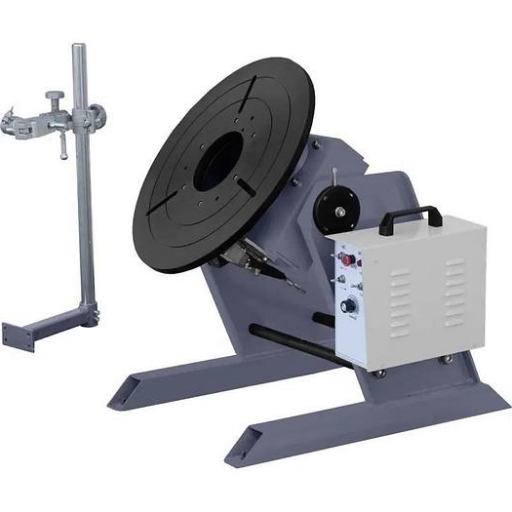
Turntables in welding add greater precision and efficiency to the welding processes. Turntables for welding offer features including adjustable rotation speed, smooth control over rotation, and the ability to handle various workpiece sizes. They help to ensure weld quality consistency by keeping the workpiece steady and accessible from all angles. Further advantages are less worker fatigue, better safety, and higher productivity; thus, they become an indispensable tool for arduous or voluminous welding assignments.
What is a Welding Turntable?
A welding turntable is a device designed to rotate the workpieces to be welded so that the welding process can be executed with greater precision and speed. These devices have variable speed settings, allowing the welder to set the rotation speed appropriate to an application and material. Welding turntables today may come with digital controls, program settings, and more ergonomic designs for enhanced functionality and user convenience.
They turntable welding is best suited for cylindrical or symmetrical shapes so that the welds can be applied evenly to complex shapes without requiring the operator to readjust the work often. Depending on the make and model of the turntable, weight capacities may be measured from several hundred pounds to several tons, making it suitable for smaller scale projects as well as heavy industries.
Modern welding turntable technology has made it more adaptable, whereby many models may now be interfaced with automated welding stations or robotic arms, thus enhancing throughput and accuracy under volume production. With assured reproducibility, time savings, and safety improvement, welding turntables remain an indispensable tool in industries such as aerospace, automotive, and manufacturing.
Advantages of Using Welding Turntables
- Enhanced Precision
Weld turntables provide 360° rotation to ensure steady welds throughout all positions, together with uniform weld areas of complicated or round workpieces. These types of precision-based welds are fewer in error, fewer in rework, more in value, and result in less wastage of the materials.
- Improved Efficiency
Before welding, there will always be a need for some manual hiccup within the working rotation ability that welding turntables automate. Through weld turntables, the manual hindrance is bypassed, and the welding process can speed up by 30% based on the application’s specific nature and industrial setup.
- Flexibility and Versatility
With speed adjustment available, modern resources allow tilting mechanisms and weight options, making them fit for all kinds of tasks, right from light fabrications to heavy industrial welding projects. Some models work for loads greater than 15,000 pounds, diversifying possibilities for high heavy-duty applications.
- Compatibility with Automation and Robotics
Since advanced welding turntables function together with robotic welding arms and automation systems, production and output from high-volume manufacturing will increase even further to sustain the quality.
- Cost Savings
Reduced manual repositioning and a corresponding increase in weld accuracy would contribute to savings in labor and material costs, respectively. Also, such savings foster greater operational efficiency and profitability in the long run.
- Safety Improvements
Welding turntables help minimize manual manoeuvring of heavy or awkward workpieces by welders, thus decreasingthe incidence of injuries in the workplace. They also offer stability, thereby reducing instances of accidents caused by item-shifting or unsecured items.
- Applications Across Industries
Welding turntables are at the core of the aerospace, automotive, and construction industries. In automotive, for instance, they are instrumental in welding components such as exhaust systems and fuel tanks with precision. The reliability and adaptability make it an equally essential asset for any industry that aims to ramp up its operational strength while accepting quality standards.
How Turntables Improve Weld Quality and Consistency
The weld quality is enhanced by welding turntables, which provide steady and controlled rotation, reducing human error. They offer a consistent weld bead from one end of the workpiece to another, even if the workpiece is complex or irregular in shape. For example, in one set of research, it was revealed that automated welding systems, including turntables, can reach an accuracy level higher than 95%, far exceeding manual expenditures.
With such stability, the turntable minimizes the possibility of defect formation due to uneven movements, such as undercuts or porosity. Those turntables enable the welds to maintain a higher strength and durability by keeping a constant welding speed and proper position. Furthermore, advanced programmable turntables allow industries to automate repetitive welding operations, therefore improving operational efficiency and minimizing downtime, making end-to-end processes efficient without compromising production and quality expected by the competitive market.
Industry sources assert that a welding turntable investment may increase production by up to 30% while simultaneously reducing the disposal of materials. These benefits entail how important turntables are in modern welding applications where productivity and precision are paramount.
Improving Productivity with Welding Positioners
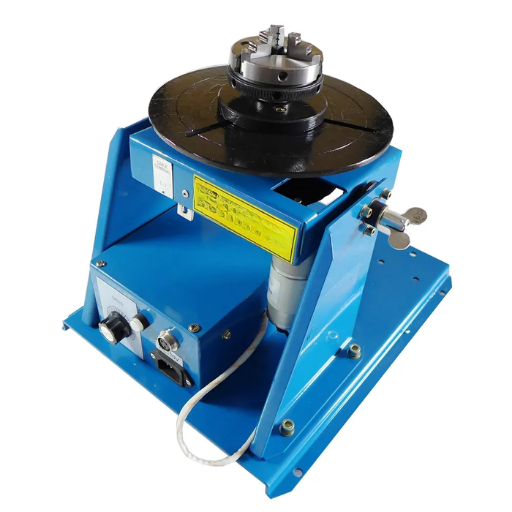
Welding positioners will increase productivity by securely holding down and rotating the workpiece during welding. These positioners tend to decrease worker fatigue, ensure equal quality welds, and allow speedier processing. By ensuring consistent positioning and reduced manual adjustments, such devices pave the way for efficient workflows and fewer slips.
How to Increase Productivity Using Welding Positioners
Special features are incorporated into welding positioners and are best applied to optimize productivity. Welding positioners permit the directed movement and rotation of the workpiece such that welders can reach the least accessible points of the weld without repositioning the workpiece too often. This reduces downtime as much as possible for attaining the best angle of weld, and so productivity can be attained at maximum capacity.
It has been observed that positioners have helped greatly in the reduction of welding time by almost 50%, thereby achieving a faster turnover time for projects. They are also safer, acting as a holding mechanism to keep the workpiece in position while risking fewer accidents that may arise from careless manual handling. By equipping positioners known to be motorized or programmable, certain welding tasks that are complex and repetitive may get automated, thereby enhancing operator productivity further and potentially ensuring consistent weld quality.
These welding positioners may also be associated with the high-end welding processes such as arms or laser welding for a seamless automated process. This alone enhances production speed and greatly abolishes human errors. Operators need proper orientation, and periodic maintenance programs must be enforced on the welding positioners. Optimization of settings for specific projects is also a must for maximizing productivity gains.
Expert Tips for Choosing the Right Welding Positioner
Selecting a welding positioner must be thoroughly based on project demands, equipment capabilities, and operational goals. Some of these considerations are:
- Load Capacity
Ensure the welding positioner can withstand the weight of your workpieces, plus fixtures or clamps. Typically, positioners have load capacities ranging from a few hundred pounds to several tons; thus, knowing your workflow requirements is critical.
- Rotation and Tilt Capabilities
Consider how well the positioner can rotate and tilt workpieces to precise angles. Higher-end units may provide a full 360-degree rotation and tilt angles of up to 135 degrees to offer the greatest flexibility in welding intricate tasks. These options ensure that even difficult welds can be effortlessly produced without compromising operator skill or quality standards.
- Size and Workspace Compatibility
The size and configuration of the positioner should be compatible with the layout of your shop floor. Smaller and compact units can be perfect solutions for limited workshop space, whereas larger and heavy-duty positioners are better suited for manufacturing facilities that boast generous floor areas.
- Automation Integration
Accounting for any automation involved in your operation, check whether the welding positioner is compatible with robotic systems or other advanced automation technologies. Many recent positioners come with programmable controllers and robotic welding integration for a very smooth workflow and fast production cycles.
- Durability and Maintenance
Look under construction with very high materials, capable of enduring a very adverse production environment. Having sealed bearings and heavy construction will greatly reduce maintenance time and the downtime of the positioner, that will accumulate in operational cost.
- Speed and Efficiency
Since your production deadlines are very crucial, it is imperative to state in terms of speed the rotation and tilt speed that will suit. Faster rotation speeds can boost production output while retaining accuracy.
- Cost-Effectiveness
You can be tempted to opt for the lower-cost models, but you should weigh the benefits of securing a positioner that is built to last and is versatile. Positioners with enhanced features promise to deliver the extra advantages of boosting productivity and minimizing errors down the line.
Choosing a welding positioner lays a foundation for achieving better weld consistency, lowering operator fatigue, and thus optimizing work schedules. Analyzing these factors carefully and comparing them to your particular needs should allow you to make a wise purchase that enables greater efficiency while simultaneously bringing out the best in your projects.
Maximizing Efficiency in Your Welding Operations
For best consideration of efficiency in welding, one could consider introducing new technologies and process improvements that maximize workflow. The rise in popularity of automated welding equipment and robotic systems has been accompanied by claims that automation could boost productivity by as much as 30 percent and eliminate great amounts of material wastage. Besides, choosing welding wires and consumables that are correct is critical to welding. For example, metal-cored wires are useful in increasing deposition rates; hence they allow higher speed welding when compared to solid wires.
Also important is the development of proper tester training and certification programs. Highly qualified welders with special knowledge can reduce the rework level and increase overall weld quality. Investing in workforce development can boost productivity in some sectors by as much as 20 percent, according to the data.
Moreover, the implementation of real-time monitoring systems in welding product operations facilitates the implementation of quality control by instantly detecting defects and inconsistencies. Thus, they provide information to the operator to allow an adjustment in production to avoid further costly errors.
Finally, the reduction of downtime is achieved by scheduling preventive maintenance for welding equipment, keeping a firm grip on performance consistency. Predictive maintenance through digital tools and sensors stretches equipment life expectancy and anticipates untimely failures, thereby reducing delays even further. By employing such strategies, one can build a well-oiled welding system that synergizes with the high demand for production timelines.
Conclusion: Mastering Welding Positioners
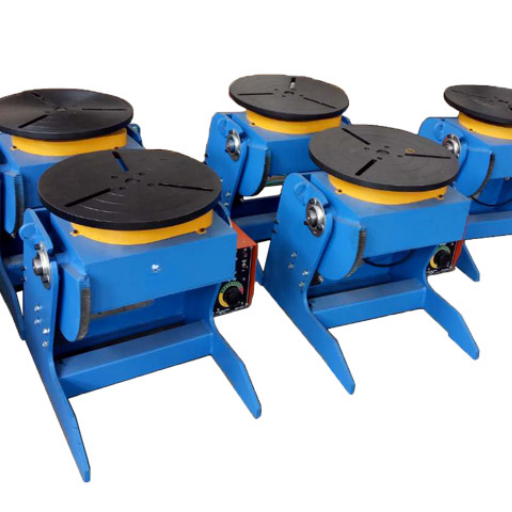
It is crucial to improve your skills on any welding robot or machine, since otherwise both the quality of welding and the operator’s health will suffer severely. If you use the appropriate welding positioner, and you look after it well and make its use easier by means of automation and digitalization, you can considerably enhance welding efficiency. In this way, it does not damage productivity, as even higher goals required for the results have consistently been achieved in mass production practically. In other words, it means that welding positioners pay off well for almost all fabrication plants.
Key Takeaways
- Enhanced Productivity
Welding positioners help in a huge way to cut the time that would have be spent adjusting the workpieces hence increasing the speed of welding exercises up to 60%. This productivity allows an operator to make precise welds without the need to keep repositioning.
- Improved Weld Precision
Using a positioner maintains a consistent angle and directional efforts hence reducing the effects of human weaknesses and inaccuracies. It was observed that welds that have been mechanized and accurately positioned exhibit 40% less defects as opposed to hand welding.
- Operator Safety
In the case of the workpiece, if it is held and correctly aligned about the r-axis within a positioner device, most of the frequently performed activities that involve direct body displacements or manual handling of heavy objects are eliminated, hence most of the potentially risky jobs are avoided. It is reportedly recorded that, on average, 30% of welding-related injuries were prevented within shops that employ state-of-the-art welding equipment compared to the preceding years.
- Cost Savings in Production
Initial purchase of a welding positioner may initially drain the company’s coffers, but this is more than compensated for by the future savings in most cases. In particular, expenses associated with worker wages and salaries, raw material spills, and repair of bad welds – all are dramatically decreased, with some firms saying that up to 20% of the total production cost has been saved.
- Seamless Integration with Automation
Nowadays, weld positioners that are available come with the latest technological additions as far as machinery control systems, and can also be conveniently incorporated in robotic operation, which makes them absolutely compatible with the automated production systems. This helps improve the effectiveness of the robotic operations by eliminating most of the redundant actions; it helps provide a high-quality output consistent with such industries that require a product based on constant high volume, such is the nature of the manufacturing business.
Future Trends in Welding Technology
The welding industry is about to witness major transitions due to the emergence of technologies and changing industrial requirements. AI-driven welding systems are much talked about these days. These systems monitor welding parameters using machine algorithm techniques and precisely adjust them in real time to give a high percentage of defect-free production. The latest data suggest that AI-aided welding procedures can increase productivity by 30%, thereby also giving a large reduction in material wastage.
Moreover, additive manufacturing, or popularly called 3D printing, is the changes welding applications. Hybrid systems of welding and additive manufacturing allow manufacturing and repair of complex parts often for a tiny fraction of the cost and time of the traditional methods.
Other changes will emphasis toward sustainability. Future developments will lean toward energy-efficient welding technologies, laser-based, and friction stir welding welder. For example, friction stir welders consume up to 80% less energy than the older arc welding processes but still produce a weld with better strength and quality.
And finally, the implementation of augmented reality (AR) for training will revolutionize how welders in the industry are taught. AR tools simulate welding scenarios to include hands-on experience in a safe environment. In the application of AR for welding simulators, training time for new welders was reduced by almost 40%, while retention rates were increased. These trends, therefore, point toward a smart and efficient welding process of the future, aligned with sustainable practices.
Final Thoughts on Weld Positioners and Turntables
Walls have seemed to move in a few of the modern welding industries; welding positioners and turntables strive to make options on operations that could be inefficient, inaccurate, or unsafe. The welding positioner can rotate and turn a workpiece so that the position becomes a more comfortable position; this improves weld quality and reduces welders’ fatigue. According to some research, productivity increases by as much as 30% with the implementation of automatic welding positioners while welding defects drop by almost 25%. Such turntables, when integrated with robotics and locking systems, assure automated operation and weld quality consistency from a very high throughput environment. In great ways, this has enhanced operational efficiency and accorded with great value trends such as sustainability and resource optimization. The eventual fate for the implementation of such technologies is welding for a little smarter future.
Reference Sources
-
A Guide To Positioners, Turning Rolls, And Manipulators
Academia.edu – Discusses various types of positioners, their specifications, and benefits in welding productivity. -
MIG Welding Guide
Academia.edu – Covers advanced welding technologies and their applications in modern industries. -
Tessellator Robot Design Document
Carnegie Mellon University – Includes insights into turntable mechanics and their role in precision tasks. - Top Tube Welding Positioner Manufacturers and Suppliers in China
Frequently Asked Questions (FAQs)
What is a welding positioner?
A welding positioner is a mechanical device designed to hold and manipulate workpieces during the welding process. It allows for precise adjustment of the workpiece’s position, ensuring optimal angles for the welder and enhancing the quality of your welding operations.
What types of welding positioners are available?
There are several types of welding positioners, including rotary positioners, headstock tailstock positioners, and turntable positioners. Each type is specialized for different welding applications, such as pipe welding, flat or horizontal welding, and multi-axis welding.
How do I choose the right welding positioner for my needs?
When choosing a welding positioner, consider factors such as the type of welding you will be performing, the weight and dimensions of your workpieces, and whether you need automated or manual welding capabilities. Assessing these requirements will help you select the welding positioner that best suits your specific welding tasks.
What are the benefits of using a rotary welding positioner?
Rotary welding positioners offer the advantage of rotating the workpiece, which allows for continuous welding from various angles. This enhances productivity and ensures consistent weld quality. They are particularly useful for complex shapes and large components that require thorough weld coverage.
Can welding be done with a turntable positioner?
Yes, a turntable positioner is specifically designed for welding applications. It can rotate the workpiece to provide the welder with the best access to weld seams, making it an essential tool for achieving high-quality welds in various positions.
What should I know about welding positioners before purchasing?
Before purchasing a welding positioner, you need to know about welding positioners’ specifications, features, and capabilities. Understand the different components of welding positioners, such as the moving parts, weight capacity, and control options, to ensure it meet your welding requirements.
How do welding positioners increase productivity?
Welding positioners increase productivity by allowing welders to adjust the workpiece easily and quickly, reducing the time spent repositioning it manually. This efficiency is particularly beneficial in robotic welding operations and automated welding systems where precision and speed are critical.
What factors should I consider when choosing a welding positioner?
When choosing a welding positioner, consider the type of welding processes you will use, the size and weight of your workpieces, your budget, and whether you require specific features such as a tailstock or headstock. Evaluating these factors will help you select the best positioner for your needs.
Are there specific welding applications that require specialized positioners?
Yes, certain welding applications, like pipe welding or TIG welding, may require specialized positioners. Tailstock welding positioners, for example, are designed to support long cylindrical components, while rotary welding positioners are ideal for multi-axis welding tasks requiring versatility and precision.