An exceptional example of engineering is the blades of a wind turbine, which, in conjunction with the facility, effectively harness wind power to produce clean energy. But what does it take to shape such high-quality components? This article provides a detailed overview of the development of rotor blades, from the foundation of scientific research on alternative materials, through mechanics, to quality control. It discusses the “behind the scenes” in the production of wind turbine rotor blades. Whether you are an expert or someone interested in the technology advancing environmental protection, this article will discuss why making wind turbine rotor blades ought to be considered as a combination of art and simpler engineering, because the entire production of these components, each step, is vital.
Overview of Wind Turbine Manufacturing
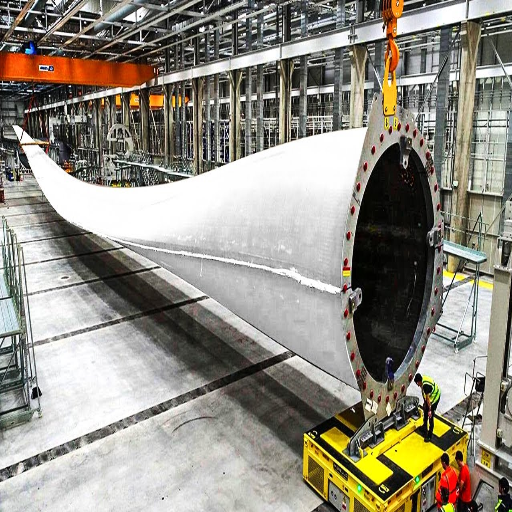
Wind turbine manufacturing is a comprehensive process, initiated by the idea to implement a green energy solution, and concluded by the development of blueprints and the installation of the nameplate. It commences from the making of the components, such as the tower, the nacelle, and the rotor blades, which are the main parts of the turbine. They are made from strong materials such as fiberglass and steel. The blades are designed to minimize potential drag from themselves and other parts. In contrast to the rotors, the nacelle houses the generator and gearbox, which are the most critical components of the wind turbine. Once all manufacturing, dismantling, and assembly are complete, the windmill is tested in an event that helps ensure its strength can withstand the wind. Such a test being done after the windmill has been prepared means that the manufacturers will be able to give a guarantee that the windmill will continue to deliver energy.
Importance of Wind Turbines in Renewable Energy
The adoption of wind turbines is essential for the conservation of ecology and the utilization of additional energy sources, which are suitable for this aim. Across the world, countries are developing wind energy as a sustainable alternative. Wind, as of the end of 2022, had a total installed capacity of 837 gigawatts globally, representing a 9% annual growth. This spike underscores the growing popularity of wind energy, which is viewed as a key weapon in the fight against global warming and the effort to reduce oil and gas consumption.
Wind energy is a straightforward and emissions-free source of energy. It also has significantly lower emissions of atmospheric gases compared to energy sources with similar benefits over their entire lifetime. As an illustration, IRENA provides an estimate for the lifecycle emissions of onshore wind farms of around 11 grams of CO2 per kilowatt-hour, which is relatively lower compared to coal-based or gas-based electricity generation.
Not limiting their positive impact to the environment, wind turbines have opened up the way for job creation and lower energy costs. According to a report released by the United States Department of Energy, the wind energy market created 116,000 jobs in the United States as of 2022. This increase, along with others, is also forecasted for this sector. Additionally, the price of wind power has decreased significantly over the years due to advancements in technology. Currently, onshore wind power can be regarded as the most cost-effective method of constructing new power plants worldwide, with prices as low as $20 per megawatt-hour in some regions.
There are additional arguments in favor of offshore wind energy. Once demonstrated as a viable technology and efficient way of power generation, it can utilize the wind energy available in the sea, which is referred to as the offshore wind power sector. The United Kingdom, China, and Germany are also situated closer to the ocean or sea and are among the leading countries in terms of offshore wind development, with plans to increase this capacity in the coming decades.
Wind energy isn’t just for mitigating environmental issues; it also has the potential to be a profitable asset in the quest for a much more sustainable world. Propelled by rapid technological progress and an extensive system of trade, wind energy is rapidly adapting to changes that are elevating renewable energy systems to new heights.
Key Components of Wind Turbines
Wind generators are intricate apparatus designed to harness energy from the wind and convert it into electrical power. The boggiest parts of a wind generator include:
- Rotor Blades – The blades are the most discernible features of a wind turbine, designed to harness the wind for maximum energy utilization. Considering the arms are the wings of a turbine, modern turbines typically have three helical-shaped blades, and their aerodynamically improved ability enables wind to be converted to energy to the maximum level.
- Nacelle – Located at the top of the turbine tower is the nacelle, which accommodates crucial apparatus, apart from the gearbox and generator, including the control systems, and serves as the turbine engine.
- Tower – The support that helps the nacelle and the rotor blades reach the optimum level where the wind is more powerful and unperturbed. The material commonly used to construct these structures is steel, and the tallest tower is approximately one hundred meters high.
- A Gearbox is used in the connection between the Rotor and the Generator. It enables the acceleration of the generator’s rotation to the necessary value for producing electrical energy. In modern-type Turbines, however, competitors are developing designs with direct RPMs, which eliminates the necessity of the Gearbox.
- To transform the Rotational energy of the Rotor into Electrical energy, a must-have generator is used. As high efficiency is concerned, the majority of the turbines have either synchronous generators or use permanent magnets in the stator instead of windings.
- The controller or regulator is the brain of a windlader. It ensures that the machine operates optimally and without complications. The controller of the Wind turbine can turn on or turn off the plant’s operations depending on the wind conditions, and sets the blade angles while adjusting the pitch to achieve maximum efficiency.
- Any wind turbine is fixed in place, and one of its essential elements is its foundation, which is also fixed to the bottom and provides support for the wind turbine. In particular, various types of foundations are used at sea for wind turbines, including monopiles, jackets, and floating subtypes.
Advances in wind power technology are made possible by advancements in materials, aerodynamics, structural design, and digital monitoring systems. This definitely soars to new heights in wind energy development, as it is now possible to produce new turbine solutions, such as Siemens Gamesa’s SG 14-236 DD or GE’s Haliade-X, capable of operating at higher temperatures, with capacities of up to 15 MW for those discussively powerful technological devices.
Introduction to the Manufacturing Process
Different components made of advanced materials, such as carbon fiber-based materials, are designed and tested separately before being assembled and subsequently subjected to rigorous quality control measures.
The latest figures highlight a trend in which an increasing number of companies are automating various processes and/or implementing Industry 4.0 technologies in their manufacturing activities. Relatively recently, Robotic applications have been deployed that ensure the precision of blade shaping processes, as well as in welding-related processes. As these technologies are developing rapidly, today’s reliance on them has helped to shorten the production decarbonisation timelines of the manufacturing sector, with the introduction of up to 30% shorter production timelines and the minimisation of material scrap. These advances, in combination with the availability of larger and more efficient turbines, demonstrate how wind power plants are progressively adopting environmentally friendly practices to meet the increasing global energy needs.
Materials for Wind Turbine Blades
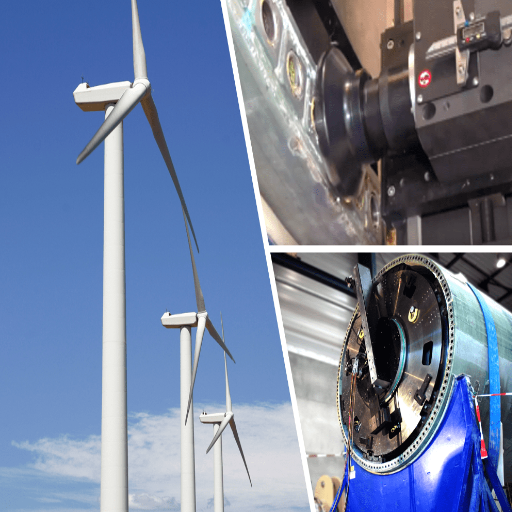
Wind turbine blades represent a distinctly composite fabrication, primarily because they are typically constructed from a blend of rugged, reliable, and lightweight materials. Fiberglass-reinforced resins, such as polyester and epoxy, are the most common materials used in turbine blade fabrication due to their good physical and mechanical properties. Some larger blades in turbines utilize carbon fiber to decrease mass and enhance performance. These three materials are chosen to ensure the highest safety levels for operating the blades under high wind conditions, across different climate types, and during extended working hours to maintain high levels of energy generation.
Types of Materials Used
In short, Materials used in industrial processing consist of metallic substances, polymers, ceramics, complex materials, rubber, plastics, paper, wood, and electrical wiring, where each type of material is used for specific properties and applications.
| Material | Examples | Properties | Applications |
|---|---|---|---|
| Metals | Steel, Aluminum | Durable, Strong | Construction, Electronics |
| Polymers | Plastic, Rubber | Flexible, Light | Packaging, Automotive |
| Ceramics | Glass, Porcelain | Heat-resistant | Insulation, Tools |
| Composites | Concrete, Fiberglass | Customizable | Aerospace, Automotive |
| Rubber | Natural, Synthetic | Elastic, Durable | Tires, Seals |
| Plastic | PVC, ABS | Versatile, Cheap | Bottles, Piping |
| Paper | Cardboard, Tissue | Lightweight, Recyclable | Packaging, Stationery |
| Wood | Plywood, Timber | Sustainable | Furniture, Frames |
| Wiring | Insulated Cables | Conductive, Safe | Electronics, Vehicles |
Properties of Composite Materials
Composite materials are looked after principally because of their peculiar combination of distinct features that render them suitable for extensive use in such applications as the making of wind-driven turbine blades. These properties include a high strength-to-weight ratio, resistance to corrosion, and durability. Hence, by using these materials, one can construct lightweight structures that maintain strong mechanical properties. They can survive attacks from all climatic conditions, such as UV light, moisture, and temperature variations, and their usable lifespan remains relatively longer even under severe conditions. Composites are also beneficial for reconcepting because they can be used to create designs with intricate shapes and forms, which is especially helpful for reducing drag. Besides that, with recent advances in technology, the environmental and cost productivity of composites are tremendously improved. Consequently, these materials have prominent uses in sectors emphasizing energy conservation, and it is nearly impossible for any to not involve composite materials in their processes, even on a basic level, concerning head concerns on their environmental efficiencies.
Selection Criteria for Blade Materials
The key step towards optimizing the performance, durability, and efficiency of blades used in various systems, including wind turbines, is selecting the correct materials for the blade. Specifically, the main aims in choosing materials would be their mechanical properties, environmental impact, cost, and the level of technology that can be utilized. Based on the latest research and the datasets available, the following explanation is provided:
Mechanical Properties: Strength and Stiffness. The materials should have high tensile strength and stiffness to withstand very high wind speeds and operational stresses. Tensile strengths as high as 3,500 MPa are achievable with composite materials, such as carbon fiber composites, in today’s high-performance applications.
Fatigue Resistance: The Greatest concern for the design of wind turbine components is their ability to resist cyclic loading and prevent premature fatigue failure. Glasses are favored because they exhibit less deterioration in fatigue performance, despite their prohibitive price and minor mechanical properties.
Power-to-Weight Ratio: A bonus, of course, was a significantly reduced amount of material in its construction, thanks to the application of carbon composites, which do not decrease strength, and this, in particular, made it possible to create more and more effective blade designs as well as to increase the energy conversion by wind turbines.
- Availability of Resources and Pollutants
Renewability: Today’s blade materials, to a large extent, utilize bioresins and recycled fibers to mitigate the adverse effects of the depletion of bioresources. Recent statistics indicate that carbon emissions can be lowered by up to fifty percent through the use of plant-based composites.
Obsolete Components: The growing attention to waste in the realm of waste management, and more specifically in the life cycle, has enabled the development of recycled composite materials capable of recycling up to 90% of blade materials within a closed-loop system.
- Benefit of Resistance to Change
Material Costs: The most affordable kind of composite currently is glass fiber.
Prices of glass fiber composites tend to vary from $1 – $2 per pound compared to upwards of $8 to $15 per pound for carbon fibers. Owing to the cost aspects, glass fiber would be used in most cases for high-volume products, Wasim.
Maintenance costs are also factors that must be considered when it comes to remote farms, as it may be quite challenging to replace or maintain wind turbines. High-performance coatings are used as Ablative materials to enhance wear properties and also other traits.
- Advancing Technologies
Additive Manufacturing: Advances in the field of 3D printing enable the development of creative constructs or designs, reducing manual requirements. Various studies are also underway to design new printable composites for use in wind turbine blades.
Innovative Materials: Recent developments in this field include the creation of polymers with low modulus that can undergo healing after being damaged, thereby protecting the blade material.
Essentially, engineers apply specific rules to determine the appropriate materials required for the project’s effectiveness and to minimize its environmental impact. The improvement in the materials of the blade enables it to adapt to the changing needs and challenges posed by the environment.
Traditional resistance materials are being replaced by newer ones in an ever-growing market for wind energy.
Design and Manufacturing Process of Rotor Blades
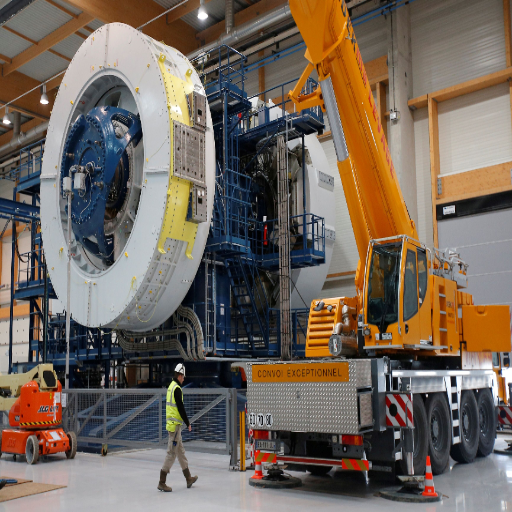
Rotor blade design and blade manufacturing require the following activities to assure effective remodeling, long-lasting effect of usage, and adherence to specific professional standards.
- Design Stage: In this stage, another component has the rotor blade design prepared using computer-aided design. Programmes such as CAD-CAM result in the drawing of perfect blade profiles. These enhance the rotation to move faster while still providing structural strength. The blades make operation systems enable different operations for the movement of the blade. It even makes loads bigger or smaller according to their sizes, as needed.
- Materials Selection: In locomotive technology applications, glass fibre-reinforced plastics CFRP and carbon are gaining popularity because they can handle the industrial conditions and are generally light.
- Molding and Shaping: After selection, these materials are subjected to molding to create the blade design within the specified material and geometry. Any incorrect machining may lead to the collapse of the project, as it will not be in accordance with the product’s specifications.
- Often, the material is molded into specific geometries, and these are then heated or steam-cured in an autoclave for a specified period at a controlled temperature to achieve the desired material characteristics. Jointly subassembling the components at various curing stages enables the completion of a full blade without the use of adhesives.
- Quality Tests – Blades are composed and prepared for assessment according to established quality control measures. The test consists of both a Static Residual Strength Test (SRT) and a fatigue test for the examination and estimation of the safe design of the blade and its capacity to withstand load.
- Blade Coating – most blades are protected by an external covering, designed to alleviate the most damaging stresses. Furthermore, the outside surface will be subject to erosion, weather damage, and abrasion wear, which the blade coating helps.
Consequently, the installation of turbines would be considerably efficient since the blade is protected against all natural disasters.
Structural Design Considerations
A critical aspect of advanced hydraulic turbomachines is the design of rotor blades. To achieve their efficiency, engineers must examine numerous factors during the design process. One of the most critical issues that should be addressed at the material selection stage is the specific blade strength, also known as the strength-to-mass ratio. It is common to use reinforced plastic materials, such as fiberglass and/or carbon fiber, which are highly effective and lightweight. Besides, aerodynamic efficiency is another crucial parameter, as the axial and radial coordinates of the rotor determine the ability to capture wind effectively. Another goal in design optimization is the integration of ambient conditions, such as wind speed distribution and turbulence levels, specific to the machine’s site, to minimize stress and life withdrawal from the obtained design effect.
Advances in computational modeling and data analytics, utilizing real-time inputs of environmental conditions, have significantly enhanced the precision of structural design. According to current Google trends, the company is focusing on the importance of sustainable materials and forecasting modeling. As the design is integrated with effective technology, such as advanced materials and their conducting and monitoring systems, the use of resources becomes more effective, and adaptation improves. These specific forces not only help generate more power but also reduce the need for numerous maintenance operations, thereby increasing the life expectancy of wind turbine blades and making them eco-friendly.
Advanced Manufacturing Techniques
To enhance the utilization of wind turbine blades, different sophisticated manufacturing processes are activated. These processes utilize present-day materials and new technology to ensure that tasks are performed comfortably, sustainably, and with minimal damage to the surrounding environment. It will be demarcated into five integral approaches in the following section:
- Automated Fiber Placement (AFP): The application of this technology involves the uplifted positioning of glass or carbon fibre by robots, it enhances the fit of the material and also minimizes losses during the production phase.
- Resin Infusion Process: In this method, the bonding of materials is uniform due to the use of the vacuum pressure method, known as vacuum-assisted resin transfer molding, which enhances the structural integrity while significantly reducing the weight of the blades.
- 3D printing for prototyping: this is the technology that is used during the production and design of new parts, especially for testing before full-scale production is achieved, after which changes are made, and finally the end product is completed.
- According to the principle underlying this innovative methodology, manufacturers can expect a reduction in the number of mistakes made and also faster production than could be achieved in the absence of this technology, with Alkami continuing to grow.
Considering the creators’ experience, most creations that have come into being with the help of 3D printing technology boast an ABPS of over 70% in terms of structural strength, despite the process still being in its early stages.
Quality Control in Blade Manufacturing
Blade production oversight is a critical factor in the guarantee of wind turbine productivity and safety. Defects are found out eventually, and there is no need to wait for final verification of a product. Faulty products will not only be traced but also controlled and thereby eliminated. Ensuring good quality and economic aspects simultaneously is possible. Non-destructive test methods are applied to various parts of the structure, such as ultrasonic testing and infrared testing, which reveal internal defects when the blade is already in service. Due to the rise of PTR technology in other types of structures and the monitoring tools involved, automated sensor technology has gained visibility in the production process.
This information includes combining it with current Google searches, which provides evidence of increased acceptance of AI-based Quality Control mechanisms. In addition, the deployment of artificial intelligence as well as machine learning algorithms in industrial production cannot do without the requirement of being able to project and eliminate defects. The said appliances are tasked with navigating these flows so that every blade performs well and is built in compliance with all safety norms. Such significant progress would only serve to accentuate the virtues of pride in the ability of precision, which is essential for improving the machining quality of turbine blades.
Composite Blade Manufacturing Techniques
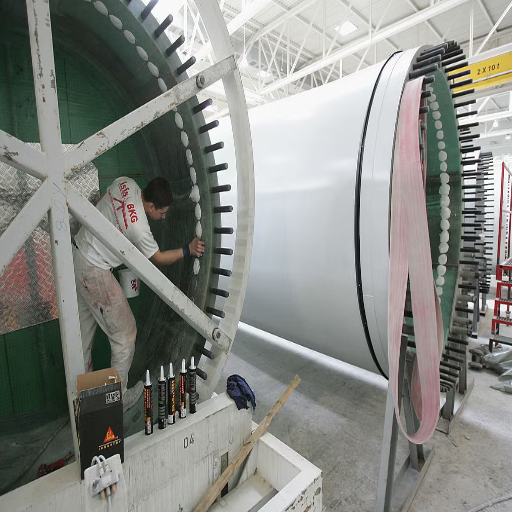
Creating composite blades is a common technique that encompasses multiple materials, including glass fibers, carbon fibers, and resin, to make the blades easier to steer while maintaining unparalleled durability. The process’s key activities entail the following:
- Selection and Preparation of Materials: Locating the Right Fibers and Resins for High Strength and Resistance to Weather and Environmental Conditions.
- Mold Design – Making particular patterns or shapes for the blade to ensure that it provides the best aerodynamics.
- Lay-Up: In this step, the fibers are layered correctly in the correct orientation to achieve the calculated mechanical behavior.
- Infusion: It is the process of injecting resin as an adhesive between the layers of the selected fabric. Typically, this is done under a vacuum to remove air trapped within the resin.
- Curing: This is the process of heating the fabricated blade to cure the resin, thereby attaining the desired strength, stiffness, and geometric configuration.
- Finishing and Quality Control – cutting, sanding, and checking that the surface of the blade is entirely smooth and meets all the required performance specifications.
Ensuring the appropriate precision, strength, and reliability in applications is one of the primary purposes of this process when it is employed to manufacture composite fan blades, among other products.
Methods of Composite Structure Fabrication
Due to variations in the construction methods of non-metallic materials resulting from material properties, application, and quality requirements, different types of primitive-oriented manufacturing composite structures exist. For instance, the five typical methods include:
- Hand lay-up
This technique involves manually positioning layers of reinforcement materials, such as fiberglass or carbon fibers, within a mold. Resin and prepreg are applied in layers, after which they are rolled and occasionally vacuumed to remove air pockets. It is a reasonable way to produce fewer items and larger items with simple geometries, as it incurs relatively lower costs.
- Resin transfer molding (RTM):
In RTM, reinforcing fabrics are laid into a closed mold, and resin is inserted under pressure. The process allows minimal defects, superior surface quality, and reduction of material scrap; hence, it is intended for moderate or high levels of production rates.
- Winding of Threads
The continuous strands of Fiber are wrapped around a Mandrel at high speed, causing it to rotate, and are grouped in an attractive design. The wrapped fibers are cured with resin, leaving a solid and seamless geometry. This is the conventional approach to producing either cylindrical or spherical components such as tubes, tanks, and pressure vessels.
- Pultrusion
Pultrusion involves keeping the fibers in continuous motion, drawing them, then immersing them in a pool filled with Bonding agents and forming them into their required shape, and finally heating them in a die. It is an attractive process due to its efficiency in creating long, even cross-section beam, rod, or channel profiles.
- Autoclave Molding
An autoclave is a pressurized chamber that uses high pressure and temperature to cure composite materials. The high temperature and pressure enhance the adhesion of the fiber to the resin, facilitating the processing of exceptionally lightweight aerospace products.
The utility of each one is commendable in that it adds some other peculiar characteristics about composite materials. Depending on bases as examples, from construction to aerospace.
Challenges in Composite Blade Production
The manufacturing of composite blades faces numerous challenges that impact operations and the efficiency of producing and operating these products. In particular, the value of raw materials such as carbon fibers and various resins is very high, which prevents the possibility of lowering their price for industrial purposes. There are precise actions that must be undertaken at every stage of production, including tools such as mould development and curing. If these steps are not followed, the output product will be defective, with faults such as air pockets or non-uniform ply weight distributions, which will consequently lead to a decrease in the load-bearing capacity of the structure.
Solving such materials again contributes to pushing integrative innovation. There has been relatively restricted and concentrated focus on recycling energy in supreme mobility. So revolution has had to be like the industrial revolution of the whole by vertically integrating technologies.
Additionally, effective and proactive strategies need to be implemented to address climate change issues, such as development projects related to energy penetration.
Some other areas of enhancement that the tree addresses to address all these issues are, for instance, automation, the use of AI to inspect quality, and the development of better materials that conserve the environment, among others. Despite all these approaches, the sticking issue remains about the sector’s endeavors to balance between generating new ideas and utilizing what has worked to enhance the strength and speed of administering complaints associated with composite blade manufacture.
Future Trends in Composite Blade Manufacturing
Composite blade manufacturing is advancing towards new heights with a focus on sustainable and productive processes. One such shift is the increase in the use of environmentally safe materials (either derived from biological sources or reusable). The versatility of recyclable thermoplastics presents manufacturers with opportunities to reduce the carbon footprint of blades, among other products. A recent study suggested that products such as Elium resin by Arkema make it possible to create blades that require minimal energy expenditure for recycling and produce no environmentally harmful waste associated with their disposal at the end of their lifespan. Instead, they can be entirely disposed of or recycled. Resin by Arkema enables the creation of blades that require minimal energy expenditure for recycling after use and produce no environmentally harmful waste associated with their disposal at the end of their lifespan. Instead, they can be entirely disposed of or recycled.
The installation or integration of automation techniques and robotic components on production lines is a current trend that is highly beneficial for market growth. Practically speaking, the industry has overcome its fear of the unknown and welcomed the new age of robotic machines, which are known to inflict tolerable or no injuries to operators in most cases. Based on figures gathered from specific sources, it is shown that enterprises utilize robots for high-precision cutting, mold manufacturing, and part joining, which may potentially lead to a 20-30 percentage point reduction in lead times in terms of cost effectiveness. Furthermore, robotics, combined with an Integrated Quality Management module developed using AI technologies, significantly improves the level of manufacturing quality by substituting human labor with machines. This combination facilitates faster information management phases, enhanced interactions, and controls, ultimately improving output competencies.
Furthermore, the use of larger blades during wind resource exploitation in wind farms also comes into play. Blades extending beyond 100 meters are currently being worked in new materials and structures with advanced technology in order to deal with aerodynamics and transportation challenges. Specifically, it is predicted there will be good progress in the development of the Wind Turbine Blade market, most importantly, its global growth with a Compound Annual Growth Rate (CAGR) of 7.5% in the period of 2023 to 2030, on a cross-border scale, thanks to the rush to increase the use of renewable sources of energy.
It also assists in the manufacturing process of digital twin technology. Their twin digital counterpoints enable the user to visualize and identify the production life cycle, detect early warning signs of processing disturbances or inefficiencies, and adjust the processes as needed. The impact of all this decreases waste and downtime, thereby increasing organizational productivity. In fact, Companies have even reported cost savings of around 15% by using these models.
These innovative steps demonstrate that the production of construct blades is changing for the better, establishing more environmentally friendly and efficient methods, and effectively preparing the industry to meet future energy requirements.
Reference Sources
- Designing, Optimizing, and Manufacturing of Horizontal Wind Turbine Blades Using the Available Resources
- Authors: Yhya Abdullah Al-Wazer, Gamil Abdullah Al-Sharif
- Publication Date: August 6, 2024
- Conference: 2024 4th International Conference on Emerging Smart Technologies and Applications (eSmarTA)
- Citation Token: (Al-Wazer & Al-Sharif, 2024, pp. 1–10)
- Summary: This research focuses on enhancing the performance of wind turbine blades by utilizing available technologies and resources. The authors developed blade designs that optimize material use and manufacturing techniques while reducing costs. They employed analytical models and computational simulations to validate the initial designs and analyze multiple parameters. The study emphasizes the importance of efficient design and manufacturing processes in improving wind turbine performance.
- Exploration of Bioinspired Small Wind Turbine Blade Manufacturing Alternatives: Defining Materials and Processes
- Authors: Luis Felipe Quesada-Bedoya et al.
- Publication Date: February 21, 2024
- Journal: Wind Engineering
- Citation Token: (Quesada-Bedoya et al., 2024, pp. 765–783)
- Summary: This paper discusses the manufacturing processes for small wind turbine blades, focusing on bioinspired designs. The authors conducted a systematic comparison of materials and processes, revealing that rotomolding and polyurethane casting exhibited superior performance in terms of energy capture and inertia. The study highlights the need for innovative manufacturing techniques to enhance the efficiency of wind turbine blades.
- A Feasibility Study on the Use of Injection Molding Systems for Mass Production of 100W Class Wind Turbine Blades
- Authors: Joong-Bae Kim et al.
- Publication Date: June 20, 2023
- Journal: Processes
- Citation Token: (Kim et al., 2023)
- Summary: This study investigates the feasibility of using injection molding for mass production of small wind turbine blades. The authors designed and analyzed molds for the injection process, selecting optimal feedstock materials. The results indicated that injection molding could significantly enhance productivity and reduce costs compared to traditional manufacturing methods, demonstrating its potential for large-scale applications in wind turbine production.
- Top Wind Tower Production Line Manufacturers and Supplier in China
Frequently Asked Questions (FAQs)
What is the wind turbine manufacturing process?
The wind turbine manufacturing process involves several stages, including the design of wind turbine components, the selection of materials, and the assembly of various parts like the rotor, tower, and blades. Each component must meet stringent quality standards to ensure optimal performance and durability in various environmental conditions.
How are wind turbine blades manufactured?
Wind turbine blades are typically manufactured using composite materials, which provide a balance of strength and lightweight properties. The manufacturing method includes creating a mold, layering composite materials like fiberglass and resin, and curing the structure to achieve the desired blade quality and performance characteristics.
What materials are used in wind turbine blades?
Wind turbine blades are primarily made of composite materials, including fiberglass and carbon fiber. These materials are chosen for their high strength-to-weight ratio, which is crucial for the performance of large wind turbines. The use of composite materials allows for longer blades, enhancing energy generation capacity.
What is the structural design of wind turbines?
The structural design of wind turbines focuses on optimizing the blade structure and tower height to maximize energy output. Engineers consider factors such as wind loads, weight distribution, and the materials used in manufacturing to ensure that the turbine can withstand harsh environmental conditions while efficiently generating renewable energy.
How does blade quality affect wind turbine performance?
Blade quality is essential in determining the efficiency and performance of the rotor. High-quality blades made of composite materials ensure better aerodynamics and durability, which directly impacts energy generation. Any defects in the blade structure can lead to reduced performance and increased maintenance costs.
What is the role of composite materials in wind turbine manufacturing?
Composite materials play a crucial role in wind turbine manufacturing due to their lightweight and strong characteristics. They allow for the production of large blades with complex designs that can efficiently capture wind energy. The use of advanced composites also contributes to the longevity and reliability of the turbines.
What are the key factors in the design of wind turbine blades?
The design of wind turbine blades involves several key factors, including aerodynamic efficiency, structural integrity, and the length of the blade. Designers must consider the properties of materials used and ensure that the blade can withstand the forces it will encounter during operation, especially in large wind farms.
What advancements are being made in composite blade manufacturing?
Recent advancements in composite blade manufacturing include the development of new composite materials that enhance performance and reduce costs. Innovations in manufacturing methods, such as automated processes and improved curing techniques, are also being explored to increase efficiency and reduce waste in the production of rotor blades.
How does the offshore wind turbine manufacturing process differ?
The offshore wind turbine manufacturing process differs in that it must account for additional challenges such as marine conditions and the need for floating offshore wind technology. These turbines often require specialized materials and designs to ensure stability and durability in harsh ocean environments, which can influence the manufacturing approach and materials used.