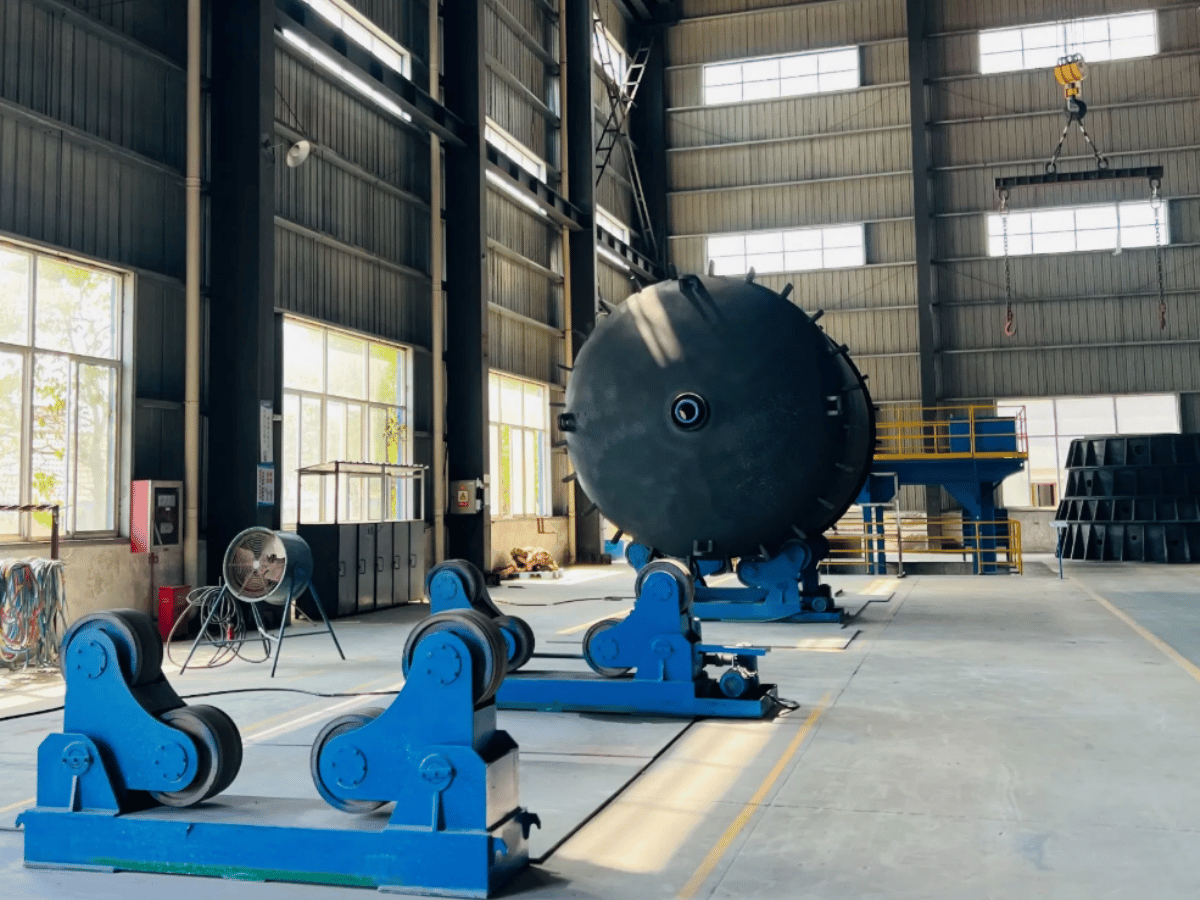
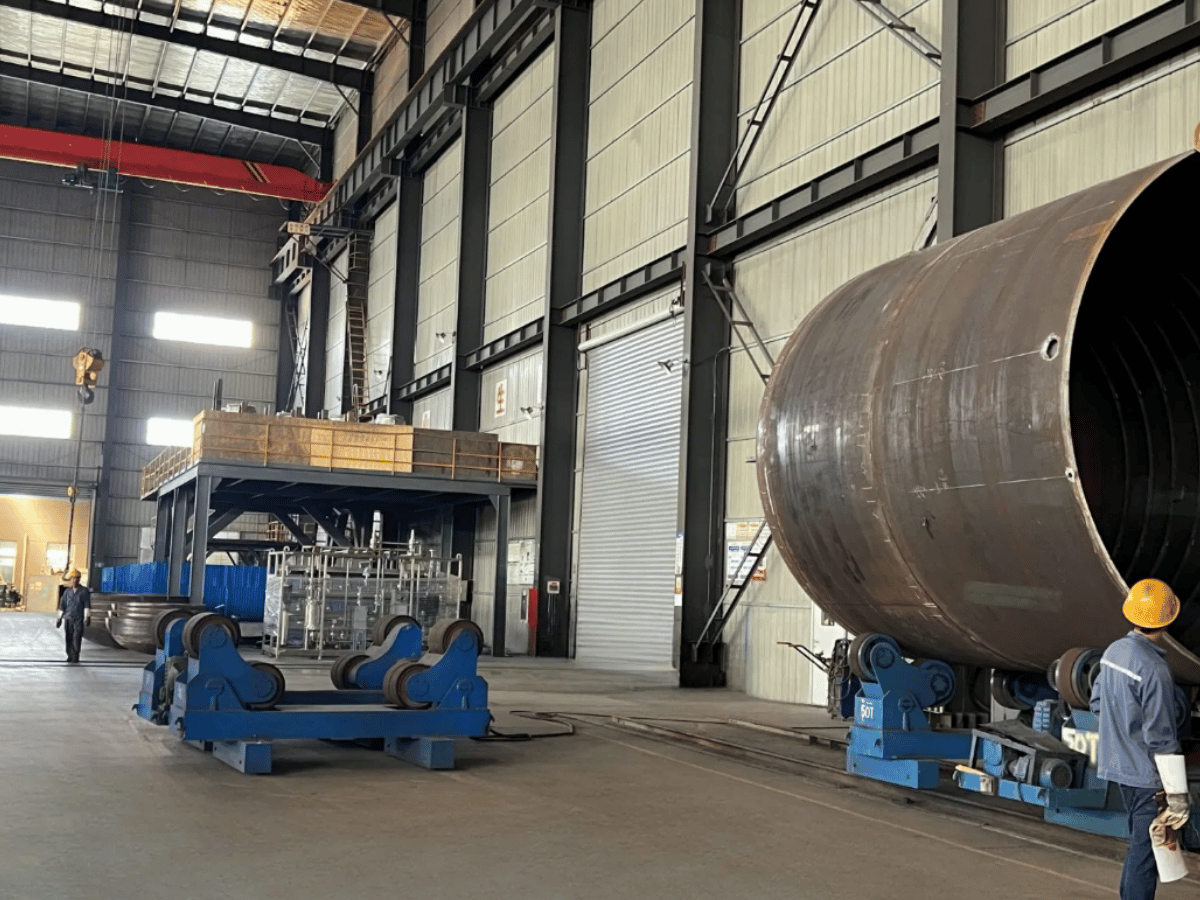
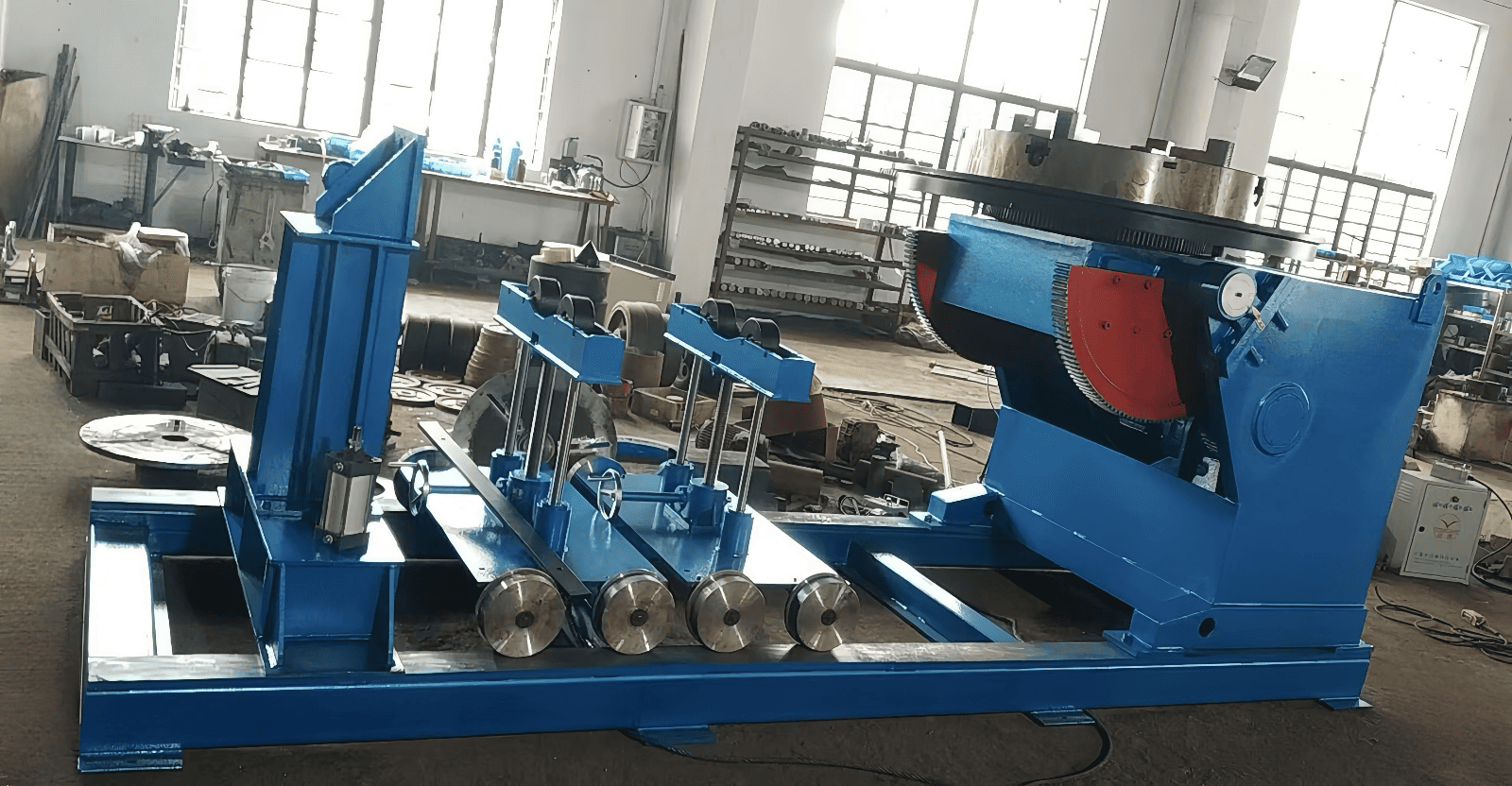
Pipe welding demands extreme precision, efficiency, and safety. Acknowledging that a pipe rotator, weld roller, or welding rotator became the business name for the industries engaging in heavy-duty fabrication and welding of pipes. This article provides an in-depth exploration of pipe rotators that enhance productivity, ensure uniform quality, and promote workplace safety. Whether you are a seasoned fabricator or new to the business, this article provides an in-depth exploration of pipe rotators that enhance productivity, ensure uniform quality, and promote workplace safety. In that case, this guide will help you understand how the machines operate and what new advancements in welding rotator technology are available to you. So, stay with us as we unravel how these must-have items of equipment are going to make history in the future!
Understanding Pipe Rotators
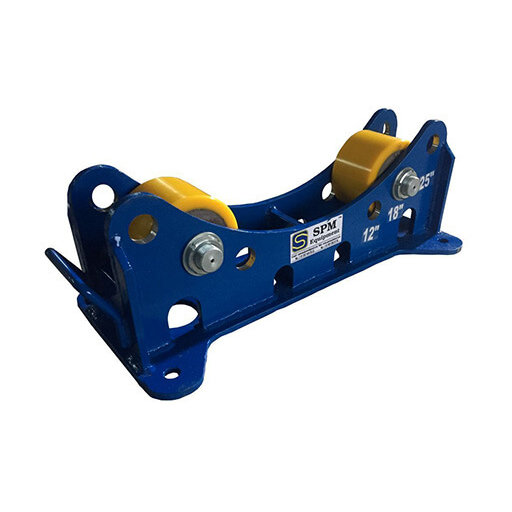
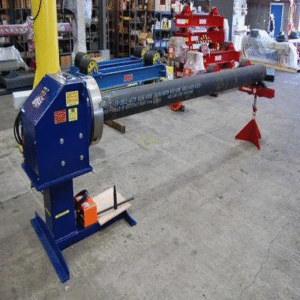
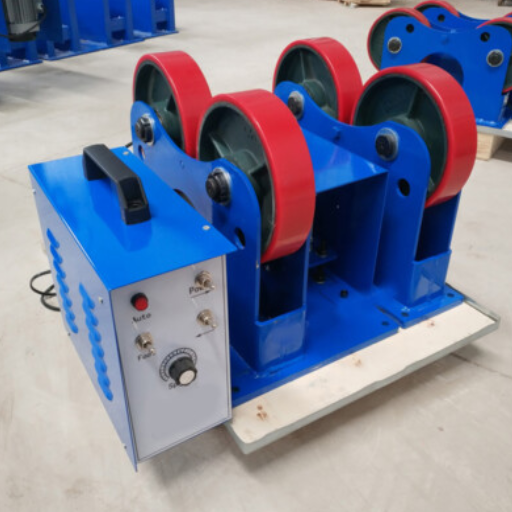
Pipe rotator is a family of specialized tools that depend upon the rotation of pipes and cylindrical workpieces simultaneously during welding, cutting, or fabrication processes. The smooth, consistent rotation facility enhances efficiency, as welders can work evenly around the pipe without repositioning it frequently. It also ensures better welding with less operator fatigue. Rotators are equipped with rollers or wheels that enable powered movement while maintaining a firm grip on the workpiece, providing a stable and precise path of movement. These machines are predominantly used in the oil and gas industries, construction works, and manufacturing, as handling large pipes is of paramount importance to the success of a project.
What is a Pipe Rotator?
Pipe rotators are specialized machines used for welding, fabrication, and inspection of cylindrical workpieces, such as pipes and tanks. These machines use powered wheels or rollers to hold and rotate the pipe at a preset speed, allowing welders to work efficiently and evenly. Modern pipe rotators boast several features such as variable speed controls, digital readouts, and even remote operation, to name just a few, all aimed at improving precision and productivity. Pipe rotators are thus commonly employed in oil and gas, construction, shipbuilding, and manufacturing industries to reduce manual handling, minimize operator fatigue, and ensure consistent weld quality. They handle heavy and large-diameter pipes, making them particularly important where accuracy and efficiency in one’s work are crucial.
Key Components of a Pipe Rotator
A pipe rotator is composed of several primary components, each playing a crucial role in its operation.
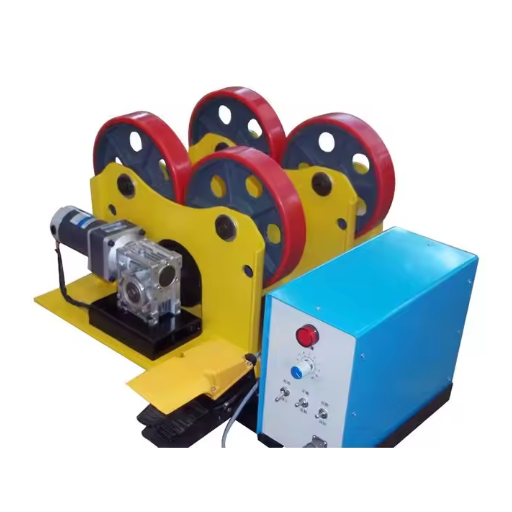
- Drive Unit – This unit, in general, rotates the pipe. Any number of motors or germs may be incorporated to allow a smooth operation. Modern drive units incorporate variable speed controls for fine adjustments.
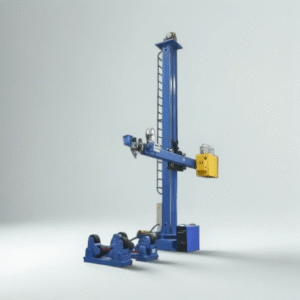
- Idler Unit – The idler unit holds and supports the pipe, maintaining its alignment during rotation. It functions along with the drive as the other end of the stabilizing support for the pipe, especially when it is under a large or heavy load.
- Rollers – Rollers are usually constructed of polyurethane or steel to withstand the load and stress of various pipe sizes while minimizing surface damage.
- Control System – The control system enables an operator to set and control the operating speed, direction, and other parameters. Such systems come with remote-control capability, thus providing safer and more efficient operation from a distance.
- Frame/Base – From a structural point of view, a sturdy frame or base will support the weight of the pipe, as well as the rotator components, and will also allow the rotator to be securely fixed in place during operation.
- Bearings – High-quality bearings enable the rollers to move smoothly, reducing abrasion over time.
Together, these components render pipe rotators indispensable in…
How Pipe Rotators Enhance the Welding Process
Pipe rotators significantly enhance the welding procedure, resulting in a notable increase in efficiency, accuracy, and safety. By automatically rotating the pipe, these machines eliminate the need for manual pipe handling, thereby ensuring uniform welding and reducing the risk of human error. Such automation means saving time and allowing welders to focus on quality issues instead of manual work. Pipe rotators can provide the welder with uninterrupted access to the entire circumference of the pipe, allowing for uniform welding with minimal interruptions.
According to the latest Google Search Trends, it has been observed that pipe rotators are being increasingly adopted in various sectors where high productivity is crucial, including the oil and gas sector, manufacturing, and shipbuilding. Given their capacity to accommodate pipes of multiple diameters and weights, pipe rotators present themselves as truly versatile. Pipe rotators encourage and provide ergonomic conditions, thus promoting the higher safety of workers against fatigue and strain injuries. This threefold synergy of precision, adaptability, and safety has positioned pipe rotators at the forefront of welders’ operations worldwide.
Types of Pipe Rotators
- Conventional Rotators
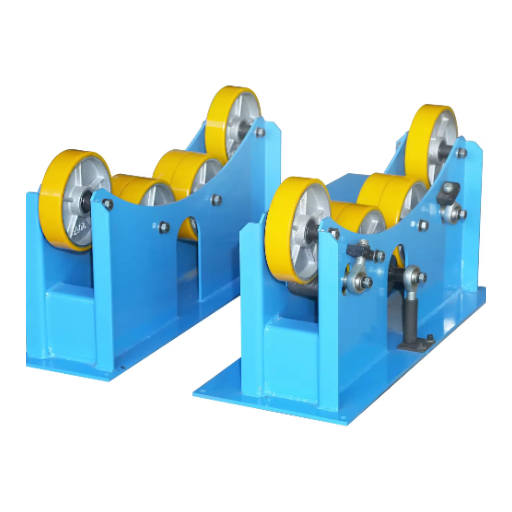
These rotators are designed to revolve cylindrical workpieces with constant diameters. The rotators provide a stable rotation and are generally used in conventional welding applications.
- Self-Aligning Rotators
A self-adjusting rotator adapts to the diameter of the workpiece, making it particularly helpful for projects that involve varying pipe sizes without requiring manual adjustments.
- Adjustable Rotators
These consist of manually adjustable rollers that allow an operator to set them up for pipes of different diameters.
- Turning Rolls
Used mainly for bigger and heavier workpieces, these ensure that loads can be rotated effectively.
Each of these types of pipe rotators has unique qualities that are specifically suited for a particular kind of job, ensuring precision and safety in the welding process.
Adjustable Pipe Rotators
Pipe rotators simplify the welding process, allowing for fine manipulation of the workpiece. One of the primary reasons these tools are deemed essential, as emphasized by the latest perspective from Google’s search engine, is that they require the highest degree of versatility. Being adjustable, the rotators work with pipes of varying diameters, saving time and labor costs because they do not require setting up different rotators for different pipes. Furthermore, ensuring a steady rotation translates to better welds in terms of consistency and strength. Safety is also promoted as manual contact is reduced, making the rotators a preferred choice for project work, whether large or small. Flexibility, functionality, and safety make it the “must-have” tool for welding.
Large Diameter Welding Rotators
Large-diameter welding rotators are found to be very necessary when handling heavy welding work on massive cylindrical workpieces, such as pipes, tanks, and wind towers. These special rotators must be able to withstand enormous loads while maintaining accurate rotation of large surfaces to ensure smooth welding. The latest Google trend results have shown industries such as power production, shipbuilding, and construction to be increasingly adopting large-diameter welding rotators for enhanced productivity, reduced human errors, and improved weld finishing. The integration of these rotators with other technological advancements, such as programmable control and real-time monitoring, further enhances their efficacy and makes them an essential requirement in modern welding applications.
Welding Positioners vs. Pipe Rotators
Brief Overview: A welding manipulator repositions the object for easy access from outside, and a pipe roller helps in uniform and consistent welding of cylindrical objects.
| Key Point | Welding Positioners | Pipe Rotators |
|---|---|---|
| Function | Repositions workpieces | Rotates cylindrical objects |
| Use Case | Complex shapes | Pipes, tanks, cylinders |
| Flexibility | High | Moderate |
| Automation | Optional | Often automated |
| Efficiency | Improves access | Ensures uniform welds |
| Safety | Reduces manual handling | Minimizes lifting risks |
| Applications | Aerospace, shipbuilding | Pipelines, pressure vessels |
Applications of Pipe Rotators

The pipe rotators have a universal application in various industries for enhancing the efficiency and precision of welding operations. They are used in the manufacturing of large cylindrical structures such as pipelines, storage tanks, and pressure vessels. Subsectors such as oil and gas, manufacturing, and shipbuilding applications utilize pipe rotators to transport heavy workpieces, facilitating smooth rotation and reducing manual labor. Besides that, pipe rotators ensure uniform welds with fewer defects, which makes them vital to high-quality production standards.
Pipe Welding in Industrial Settings
Pipe welding in industrial settings offers numerous benefits, making it imperative in heavy industries. The use of modern welding techniques with contemporary equipment, such as pipe rotators, ensures accurate, efficient welds are done perfectly with durability. According to recent statistics, industries are increasingly adopting cutting-edge technologies, such as automated welding systems and robotic arms, to achieve higher productivity and consistency. For example, the oil and gas industry adopts these innovations to adhere to strict safety and quality standards, particularly under high-pressure environments.
Still, automated pipe welding reduces human error, eliminates waste, and ensures greater safety, a key aspect of industrial settings. Incorporated in this type of improvement are machine learning-assisted real-time inspections that help operators identify defects during the welding process and correct them immediately, thereby ensuring a flawless finish. These innovations demonstrate that pipe welding is continually evolving and encompasses extremely relevant industrial processes of the present scenario.
Efficient Welding of Large Diameter Pipes
Welding large-diameter pipes entails several process-specific considerations and methods for achieving efficient welding. The application of technologies like orbital welding machines, which automate the welding procedure, is gaining popularity, mainly because they ensure a high level of consistency and accuracy for pipes of greater diameter. Furthermore, the industrial scale of these projects necessitates the use of high-rate deposition welding techniques, such as Submerged Arc Welding (SAW), which also provides excellent quality.
Recent trends and data indicate that smart sensors, combined with predictive analytics, are becoming the standard approach for pipe welding. Such technologies enhance the accuracy of welding procedures while simultaneously reducing downtime by detecting defects or misalignments before they become serious issues. To efficiently weld pipes with large diameters, contractors must also pay proper attention to preparation, including edge alignment, cleaning, and even spacing, as these are vital factors for the strength of weld joints, ensuring long-term reliability. When combined with the actual use of technology, and when correctly prepared, this puts industrial-level applications in a strong position to tackle the most challenging pipe welding applications.
Automation in the Welding Process
Automation welding processes have become a vital tool for achieving efficiency, precision, and scalability. Using robotic welding systems, industries can reduce production times while ensuring uniform weld quality. This, in turn, reduces human error, which is particularly significant in the aerospace, automotive, and construction industries, where precision is vital. Google’s data show that search terms like “robotic welding solutions” and “automated welding systems” are on the rise, indicating growing interest and adoption of these technologies. Further developments through ML and real-time monitoring systems enable automated welding to respond to changing parameters and detect defects instantaneously, both promising to enhance safety and save cost. This shift in integrating automation and data-driven precision will disrupt how complex welding works.
Choosing the Right Pipe Rotator
Choosing the right pipe rotator should be based on your specific welding or fabrication project requirements. The important considerations are:
- Load Capacity – This pertains to consideration whether the rotator will sustain the weight of the pipe or workpiece without losing stability.
- Pipe Diameter Range – Verify if the rotator is compatible with the various pipe sizes.
Speed Control – It is advisable to have systems with variable speeds for rotation depending on welding needs. - Durability and Build Quality – Consider larger construction that will allow the rotator to be used for several hours or days under very hazardous applications.
- Automation Features – Applications such as remote control or automatic adjustment can increase efficiencies and precision.
The highest productivity and precision are gained when the rotator best fits the application.
Considerations for Capacity and Diameter
When assessing the capacity and diameter of a welding rotator, it is essential to consider both the weight and size of the workpiece. The rotator must support the entire load without affecting its performance or endangering the operator’s safety. Load capacity is expressed in tons. Generally, a rotator with a capacity just above that of the heaviest workpiece should be selected to ensure longevity during use.
Diameter is essential in resisting instability during rotation. The rollers and turning mechanisms should be adjustable to accommodate workpieces of varying widths. If you have to weld oversized or irregularly shaped weldments, ensure that the rotator is designed to prevent slipping or wobbling. Recent trends in Google searches highlight that users frequently value the versatility and modularity of their welding rotators, enabling them to effectively handle a wide range of diameters. The smooth flow of operation ensures the highest possible productivity when associated with these factors.
Types of Welding Suitable for Pipe Rotators
The significant torque put out is aimed at creating rotational power. The means include a variable clutch system and may be operated in either a constant or variable mode. Used for fusing numerous materials, the rotation helps keep a tidy job.
| Key Point | Details |
|---|---|
| MIG Welding | Ideal for high-speed, precise welds. |
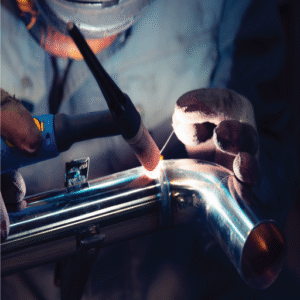
| TIG Welding | Ensures clean, high-quality welds. |
| SAW Welding | Suitable for large-scale, automated welding. |
| Arc Welding | Supports manual and automated setups. |
| Applications | Pipelines, tanks, pressure vessels. |
Finding a Reliable Supplier
Some of the key considerations to take before purchasing pipe rotators from a genuine supplier include the critical factors of quality and price. An analysis of current Google search trends reveals that customers often place importance on the supplier’s reputation and customer reviews. Positive feedback from previous buyers implies dependable performance and servicing. Furthermore, buyers prefer suppliers in the field who pursue innovation, providing rotators fitted with advanced features such as modular designs, automated controls, and variable capabilities to accommodate different pipe sizes.
Price competitiveness and warranty terms are also commonly spotlighted. Many users emphasize the importance of suppliers who offer transparent pricing structures and provide after-sales support, giving them peace of mind in the event of equipment failures. Moreover, suppliers with certifications visible in ISO conventions are perceived to be much more credible and trusted in the industry. Investigating several suppliers, comparing their offerings, and checking customer reviews will help you choose a partner whose association best fits your welding operation’s specific needs.
Reference Sources
-
Washington State Department of Transportation (WSDOT)
- Source: Oscillator/Rotator Method of Drilled Shaft Construction
- Relevance: This document might prove to be beneficial to entities in the construction business, dealing with technical specifications and applications of oscillators and rotators.
-
North American Society for Trenchless Technology (NASTT)
- Source: Sewer Pipe Inspection With Caliper Tools
- Relevance: Though inclined towards pipeline inspection, this source is indeed from a reputable organization for trenchless technology, which sometimes overlaps with applications of pipe rotators.
-
Bota-Weld
- Source: What are the types of welding rotator?
- Safe Side: The subject of the page treats different types of welding rotators, their applications, and some technicalities relevant to the welding worlds, making a nice reference for all welding topics.
-
Top Pipe Tilting Rotator Manufacturers And Suppliers In China
Frequently Asked Questions (FAQs)
What is a Pipe Rotator and How Does it Work?
A pipe rotator is a device used in the welding industry to rotate large diameter pipes during the welding process. This equipment allows for precise welding by enabling the welder to position the workpiece at an optimal angle. By rotating the workpiece, the pipe rotator enhances overall efficiency and quality, reducing the need for multiple setups and improving welding productivity.
What Types of Welding Are Supported by Pipe Rotators?
Pipe rotators are versatile and can support various welding processes, including MIG, TIG, and rotary welding. They are designed to accommodate different welding techniques, making them suitable for a wide range of industrial applications. This flexibility ensures that fabrication shops can achieve high-quality welds regardless of the welding method employed.
How Do I Select the Right Pipe Rotator for My Work Requirements?
Selecting the right pipe rotator involves considering the size and weight of the pipe being welded, as well as the specific work requirements that apply. Factors such as the pipe’s diameter, the range of pipe sizes available, and the rotator’s capacity in kg are essential in making the right choice. A fully adjustable rotator can adapt to various pipe dimensions, ensuring reliable performance across different projects.
What Are the Benefits of Using a Pipe Rotator?
Using a pipe rotator has several advantages, including increased welding efficiency and quality, reduced fatigue for welders, and improved quality control. By allowing the workpiece to rotate, the device helps welders maintain a consistent position, which is crucial for achieving precise welding results. Additionally, pipe rotators can handle high-speed operations, making them a valuable asset in fabrication shops.
What is the Capacity of a Pipe Rotator?
The capacity of a pipe rotator varies depending on the model and design. Most pipe rotators are engineered to handle a substantial weight load, often measured in kilograms. When selecting a rotator, it is essential to ensure that it can accommodate the weight and size of the pipe being worked on to maintain efficiency and safety during the welding process.
Are Pipe Rotators Easy to Operate?
Yes, most pipe rotators are designed to be easy to operate. They often come with user-friendly controls that allow welders to adjust settings such as rotation speed (RPM) and tilt angle. This ease of use is particularly beneficial in high-volume production environments where efficiency is crucial. Proper training and understanding of the equipment will further enhance its operability.
How Do Pipe Rotators Improve Welding Productivity?
Pipe rotators improve welding productivity by facilitating faster and more efficient welding processes. By rotating the workpiece, welders can achieve better access to weld joints, leading to higher-quality welds with fewer defects. This automation enables continuous operation without the need for constant repositioning of the pipe, thereby saving time and labor costs in fabrication shops.
What Are the Typical Overall Dimensions of Pipe Rotators?
The overall dimensions of pipe rotators vary widely depending on their design and intended application. Factors such as the range of pipe sizes they can accommodate and their weight capacity influence their dimensions. When selecting a pipe rotator, it’s essential to consider the available space in your workshop and ensure that the rotator fits within that space while meeting your work requirements.