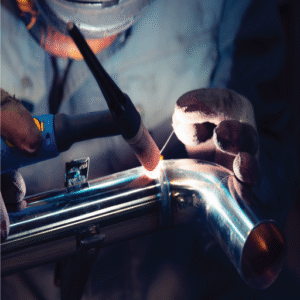
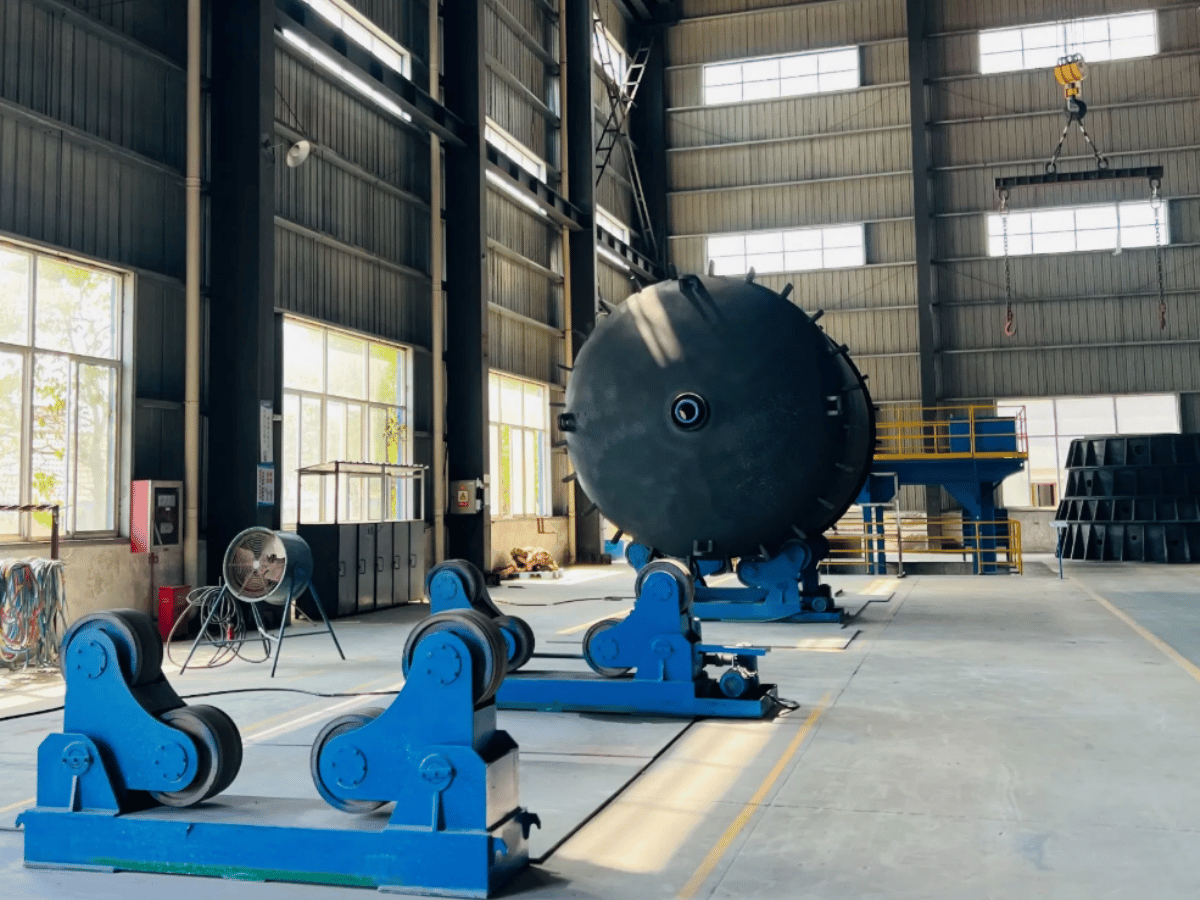
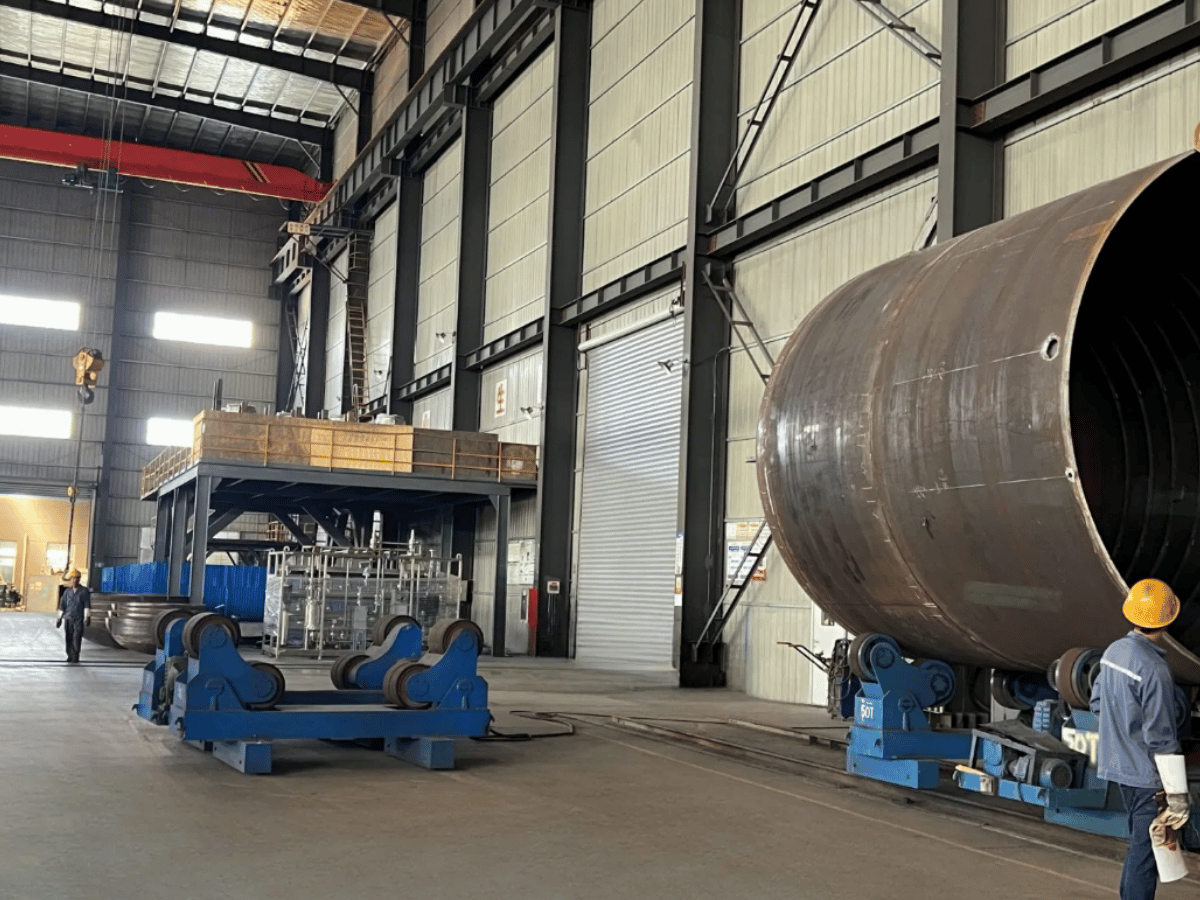
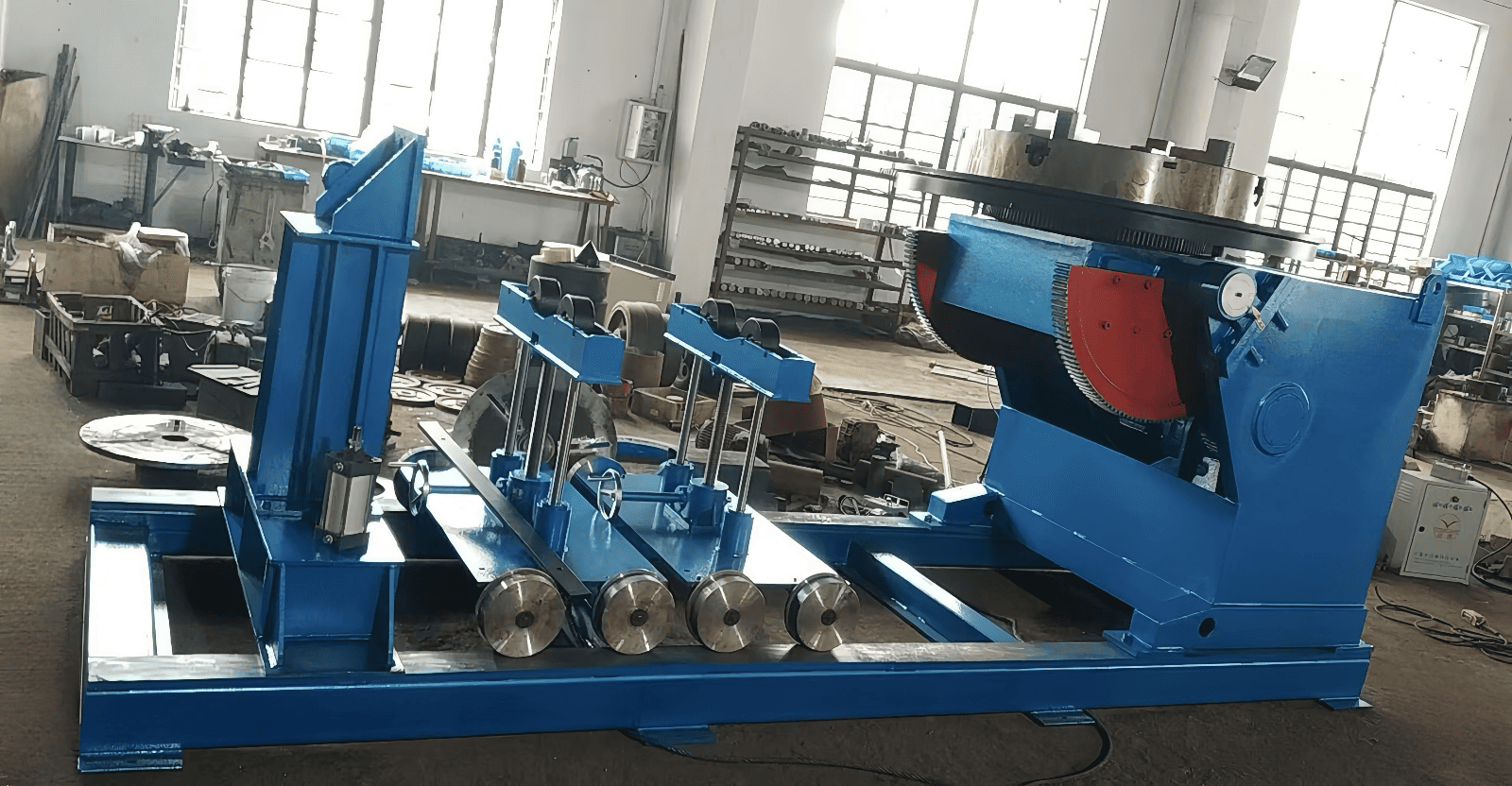
Pipe welding is a critical task that spans various industrial activities, including construction, shipbuilding, and other related fields. If the proper treatment is not met, very precise welds of the highest quality can be challenging to apply to the pipe within. One-level pipe welding is an advanced piece of machinery designed to simplify the welding operation by providing balance, efficiency, and enhanced control.
The complete guide is for anyone wishing to know what a pipe welding positioner is, how it works, and why it is essential for welders and fabricators. This section provides insights into how weld positioners can benefit various types and applications, whether you are an experienced professional seeking to enhance your workflow or a beginner trying to grasp the basics. Find out how this revolutionary tool takes all your welding projects to another level, with the spirit of accuracy and productivity.
Introduction to Pipe Welding Positioners
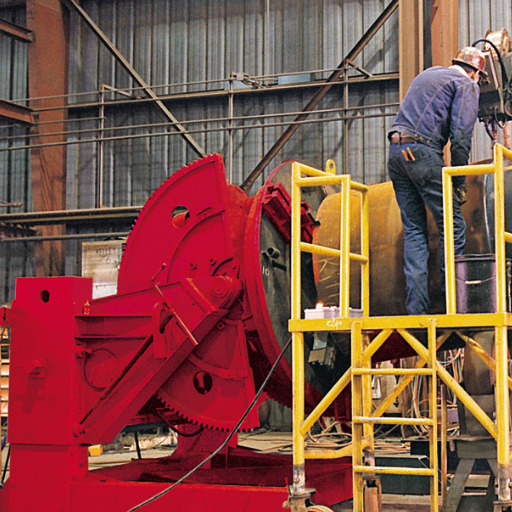
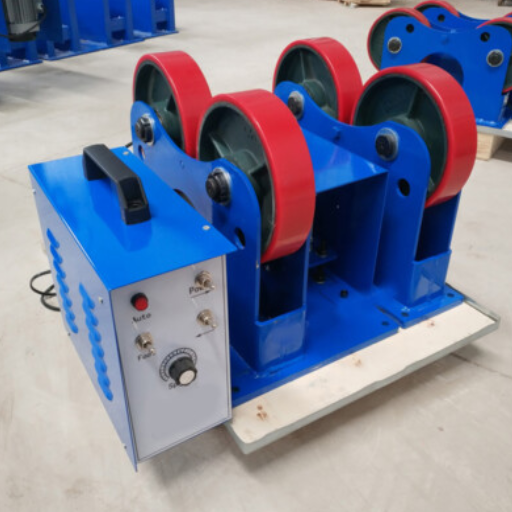
Pipe welding positioners are mechanical apparatuses to rotate and hold pipes in desired positions for welding purposes. Holding the pipe steadily and controlling its movement precisely helps achieve a welding precision level that could not have been possible if the welder had done it manually, while avoiding strain. Building efficiency and allowing quality welds to go hand in hand, especially when it comes to the welding of heavy or awkwardly shaped pipes. Pipe welding positioners saw a wide range of applications in the construction, oil and gas, and manufacturing industries. They greatly ease the welding work through steady results.
What is a Pipe Welding Positioner?
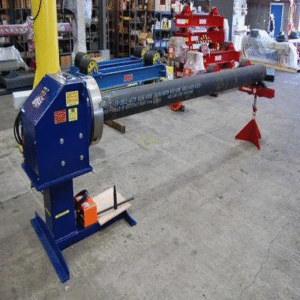
A pipe welding positioner is a mechanical device that holds and rotates pipes at various angles to assist welders in their work, enabling them to perform with efficiency and precision. It provides stability and control to implement a proper clamping mechanism, allowing the pipe to rotate to the required angle or position for welding. It thus prevents welders from manually handling heavy pipes, consequently alleviating welder fatigue and reducing the chances of error. Some modern pipe welding positioners come with features such as variable speed controls, remote operators, and automation, all of which contribute to meeting the industry’s productivity criteria. These tools are utilized in the oil and gas, shipbuilding, and construction industries, where high-quality and consistent welding is required, with an emphasis on safety and efficiency during these intricate welding operations.
Importance of Positioners in the Welding Process
Positioners during welding provide stabilizing, precision-related, or time-saving functions, especially for complex welds or non-standard materials. Recent data indicate that production processes and modern welding techniques increasingly utilize positioners to expedite production times and achieve higher welding quality in various industries. These modern tools help curtail errors that could occur due to human factors. As they slowly drift from intoxication, they maintain consistent work angles and make the workplace more accessible. For example, welding positioners are used in the aerospace and automotive industries to ensure that the most intricate work is accomplished with precision, as it is an absolute requirement. They also work seamlessly with robotic and automated systems to simplify production, saving time and money, which in turn gives welding positioners a significant voice in remaining competitive in today’s manufacturing world.
Overview of the Welding Process with Positioners
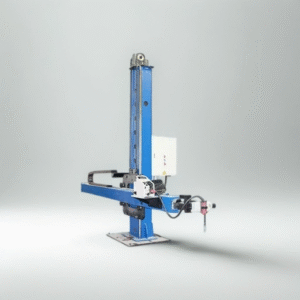
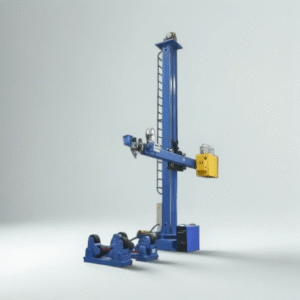
Welding with positioners begins by clamping the workpiece securely into the positioner’s clamps, ensuring utmost stability and precision during the welding process. These devices are equipped with rotation, tilt, or elevation features, allowing the workpiece to be presented at the correct angle to the welder or robotic system. Thus, welding positioners prevent operators from physically reorienting the workpiece, thereby drastically improving the accuracy of the weld, while also reducing downtime, which consequently reduces production cycle time.
Today, more and more industries are gearing towards automation for higher productivity. Integrating welding positioners with advanced robotic systems enables the smooth automation of complicated welding tasks. This integration, in turn, reduces human error, guarantees uniform weld quality, and compensates for a decrease in manpower within manufacturing. Thus, positioners significantly contribute to enhancing productivity and precision in welding in contemporary factories.
Types of Pipe Welding Positioners
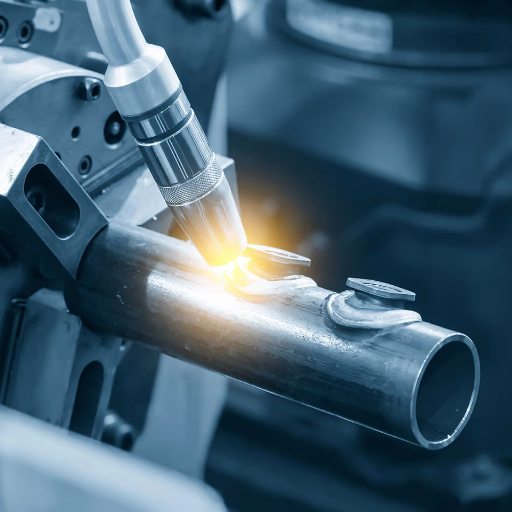
Positioners for pipe welding come in six different types, the first being manual:
- Manual Positioners – The manual entries would allow the pipe to be placed in position by the operator for a simple, less costly operation in easy or less complicated welding jobs.
- Fixed Height Positioners – These have working heights that are fixed, ideally set for repetitive processes that require no height adjustment.
- Adjustable Height Positioners – This feature enables height adjustment to accommodate various pipe sizes, enhancing welder comfort and efficiency.
- Rotating and Tilting Positioners – Rotation and tilting combine to provide precise positioning of pipes during complex welding.
- Automatic or Robotic Positioners – These devices function to their fullest potential by integrating into an automated process that enables higher accuracy and efficiency in large-scale, repeat-type welding procedures.
The choice of positioner depends mainly on the requirements of a particular welding process, including the size of the pipe, weld complexity, and the level of instruction automation.
Rotary Welding Positioners
Rotary welding positioners are specialized tools that clamp and rotate the component, enabling welders to achieve optimal angles during welding. Industries, such as aerospace, automotive, and construction, that require precision and repeatability, consider these second to none. The smooth rotation of workpieces lessens manual adjustment and fatigue, increasing weld quality and consistency. The latest developments in rotary welding positioners feature advanced motor controls, smart sensors, and robotic integration, enabling seamless automation and improved efficiency. Some parameters, such as load capacity, rotational speed, and the possibility of integration with automation systems, should be verified upon final purchase of a rotary welding positioner, by the project’s requirements.
Automatic Welding Positioners
Automatic welding positioners have become a common feature in modern industrial applications, enabling the precise manipulation and welding of parts. The productivity of these operations is significantly enhanced in this arrangement, while it virtually eliminates errors and operator fatigue. Equipped with robotic arms, smart controls, and synchronization systems endowed with accuracy, they guarantee consistent weld quality. Automatic positioners for welding are also capable of working with complex geometries and different load capacities, and therefore serve industries ranging from automotive to aerospace. In search of a superior welding process, automatic positioners are a key factor in achieving efficiency, safety, and precision.
Pipe Turning Positioners
Pipe turning positioners are specialized equipment utilized to hold and rotate a pipe during welding or fabrication works. They facilitate a welder’s easy access to the surface of the pipe, allowing for consistent welds with accurate positioning, without typically requiring repositioning of the workpiece for manual welding.
Why Are Pipe Turning Positioners Essential?
Pipe turning positioners are crucial in industries such as oil and gas, shipbuilding, and manufacturing, where time and accuracy are paramount. These positioners reduce physical strain on welders by automatically rotating the pipe, allowing for uninterrupted welding that enhances the quality of the joint. Integration with advanced control techniques and adjustments to load capacity provide varying degrees of adaptability for pipe sizes and materials, resulting in increased productivity and reduced downtime. This makes the positioners for pipe turning a necessary investment for companies that intend to stay on tight production schedules while maintaining quality.
Choosing the Right Pipe Welding Positioner
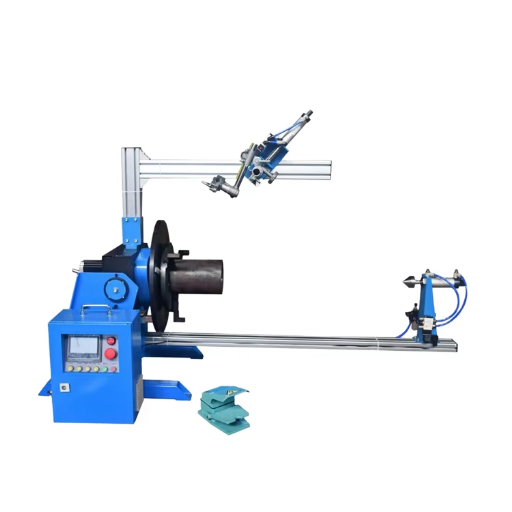
- Weight Capacity – Ensure that the positioner can withstand the weight of your largest pipes without compromising performance or safety. You may look up load ratings in the manufacturer’s specifications.
- Pipe Size Compatibility – Depending on the range of pipe diameters you typically work with, select a positioner that meets your versatile needs.
- Rotation Speed Control – Look for a model that allows you to adjust the rotation speed according to welding process requirements. Any fixed speed will compromise precision and quality.
- Durability and Build Quality – Look for a product that can withstand a demanding workload, is constructed from strong, reliable materials, and that will withstand wear over time.
- Ease of Operation – Excellent-purpose can find user-friendly positioning controls, allowing for basic operations that minimize setup and learning time.
By far, these focal points will help you determine the pipe welding positioner best suited to your production needs and enhance cost-effectiveness.
Essential Factors to Consider
When selecting a pipe welding positioner, here are five detailed factors that should be concentrated on:
- Load Capacity
The positioner must have enough load capacity to handle the heaviest workpieces. For example, when the load capacity of the positioner is rated at 2,000 lbs., it assures reliable service in medium-to-heavy-duty tasks and stable operation.
- Rotation Speed and Torque
Determine your rotation speed and torque requirements for your welding application. Rotation speeds ranging from 0.2 to 2 RPM enable smooth welding operations for large or irregularly shaped pipes when the torque is sufficiently high.
- Tilt Range and Adjustability
Select positioners with a wide tilt range, ideally between 0° and 135°, so that awkward positioning for some angular welds is never an issue. The adjustable tilt allows for even better welds on the most complex projects.
- Control System Versatility
Most modern positioners come equipped with foot pedals, hand controls, or wireless control systems, providing convenient operator control over rotation and positioning. Advanced controls can also allow for integration with automated welding systems.
- Safety Features
Always select positioners with lock mechanisms, an emergency stop, and overload protection to ensure the safety of operators and the protection of workpieces during operations. These features guarantee a welding environment that is safe and efficient.
Weight Capacity and Adjustability
Weight capacity and adjustability are vital criteria when selecting a welding positioner. The weight capacity should be tailored to the requirements of your activities, ensuring the positioner securely supports the heaviest workpieces without risking instability or safety hazards. For example, modern welding positioners typically range in weight from a few hundred pounds for smaller applications to tens of thousands of pounds for industrial applications. Now, as far as adjustments go, adjustments to the rotation speed, tilt angle, and height will provide great precision when applying these welding tasks. Adjustment will then increase efficiency, as operators easily manipulate the workpieces into optimal positions, thereby reducing strain and promoting good weld quality. Always consider the requirements of your project and the potential needs for scaling up when making an informed decision about investing in a positioner.
Compatibility with Different Pipe Sizes
Pipe size compatibility depends on thread type, sealing method, and regional standards, with adapters often required for mismatched threads.
|
Parameter |
NPT |
BSP |
Metric |
|---|---|---|---|
|
Thread Type |
Tapered |
Tapered/Parallel |
Parallel/Tapered |
|
Seal Method |
Thread sealant |
Thread/Washer |
Washer/Thread |
|
Region |
North America |
Europe, Commonwealth |
Global |
|
Adapter Needed |
For BSP/Metric |
For NPT/Metric |
For NPT/BSP |
Maximizing Efficiency with Pipe Welding Positioners
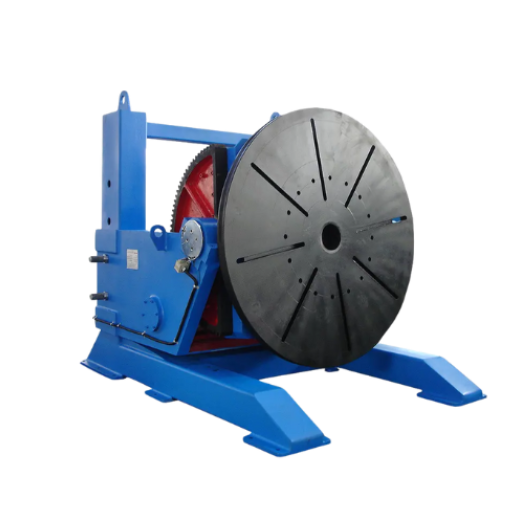
Pipe welding positioners enhance efficiency by providing secure pipe holding and rotation, allowing welders to work at comfortable angles and maintain high weld quality. For maximum efficiency, positioners must be sized, weighted, and constructed according to the specific sizes, weights, and materials of the pipes being used. Variable speed and rotation ensure the correct parameters, and machine-controller interfacing automates repetitive actions. Checking and maintaining the equipment further ensures reliability. Consequently, less downtime is experienced, productivity is significantly increased, and weld quality is maintained at a high level.
Maintenance Best Practices
Consistent maintenance is crucial for maintaining welding positioners at optimal capacity and ensuring their longevity. Routine inspections are advised to detect wear and tear on critical components, such as gears, motors, and rotation mechanisms. Lubrication of the moving parts must be performed regularly to minimize friction and prevent overheating, as specified by the manufacturers’ guidelines. Cleaning of the equipment is a must; dust and debris must be wiped off, including any residual welding material. Regular calibration checks ensure an accurate alignment is maintained, preventing operational errors. If these practices are combined with digital options, such as IoT-enabled monitoring systems, the maintenance schedule itself can be enhanced by providing real-time performance data or issuing predictive alerts when maintenance is necessary. Such anticipation of needs reduces unexpected breakdowns and keeps the welding positioner operating at peak levels, thus ensuring the steady and high-quality output.
Training Operators for Effective Use
The practical training of operators is essential to ensure that positioners operate reliably and accurately. Operators must fully understand how an instrument functions, including its calibration, adjustment, troubleshooting, and other processes. Training should encompass theories, techniques, and hands-on practice to enable operators to perform both routine work and emergency operations effectively. One significant enhancement to training would be the deployment, including integration with learning programs, of augmented and virtual reality tools that enable simulations.
Consistent operator training reduces operational errors, increasing system efficiency. Operators working in properly trained companies generally report fewer equipment malfunctions and longer machine life. When training programs are coupled with up-to-date digital resources and support materials, they enable operators to keep a system performing at its best and address emerging issues promptly.
Practical Tips for Using a Welding Positioner
- Choose the Right Positioner for the Job
Select a welding positioner that matches the size, weight, and complexity of the workpiece. A positioner rated for up to 1,000 lbs is suitable for medium-sized components, whereas heavier parts would require industrial models rated more than 10,000 lbs.
- Ensure Proper Balancing
Properly balance the workpiece on the positioner to alleviate undue strain upon the equipment. Unbalanced loads will cause uneven rotation, increase wear and tear, and possibly compromise safety.
- Adjust Rotation Speed Appropriately
Control the speed rates from the control panel or foot pedals according to the welding procedure and type of material. Slow speeds are best for delicate TIG Work, while fast speeds are ideal for MIG on larger surfaces.
- Regularly Inspect and Maintain the Equipment
Periodically check the equipment for the condition of its moving parts, wiring, and clamps. Bearings must be cleaned and lubricated regularly to prolong their lifespan and avoid unexpected downtime. The manufacturer specifies the maintenance interval period, which typically ranges from 3 to 6 months.
- Utilize Safety Features
Utilize all safety features available in a positioner, such as emergency stop buttons, overload protection, and work clamp locking. Always verify that the workpiece is securely clamped before beginning any welding operation to prevent accidents.
Real-World Applications of Pipe Welding Positioners
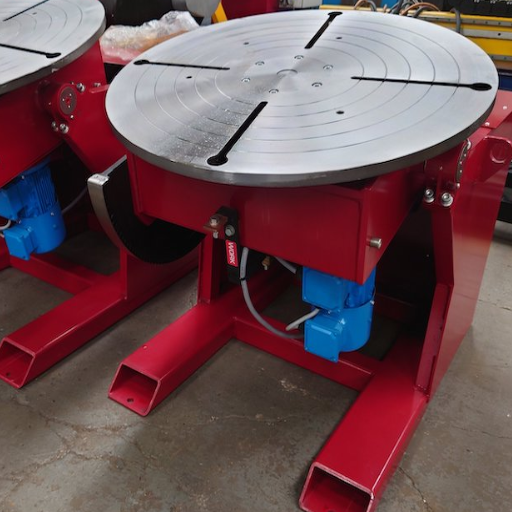
In various industries, pipe welding positioners enhance precision, efficiency, and safety during welding operations. Some commonly known instances of welding are pipeline construction for the oil and gas industry, pressure vessel manufacturing in energy production, and the assembling of structural parts in shipbuilding. This equipment is also widely used in the aerospace and automobile industries, where welds on cylindrical parts must be very precise. In doing so, pipe welding positioners enable the large workpiece to be continuously rotated and positioned, thereby minimizing manual handling, improving weld quality, and facilitating production activities.
Case Studies in the Oil and Gas Industry
Previously, a similar instance occurred when a midstream oil and gas company needed to enhance its welding efficiencies for large pipelines. With the inclusion of pipe welding positioners in their workflow, the company reduced weld defects downstream and improved production speed by 25%. Then, there was an offshore drilling company that utilized the same equipment to enable accurate welding in challenging conditions, thereby enhancing the safety and reliability of its operations. These examples demonstrate how pipe welding positioners have enhanced processes and yielded improved results in the oil and gas industry.
Applications in Construction
Welding positioners are indispensable tools in this industry, offering versatility and efficiency in many applications. The following five applications can be enumerated in detail:
- Structural Steel Fabrication
Pipe welding positioners are useful in fabricating the structural components of buildings, bridges, and other infrastructure. Through scheduling for correct welds and pipe position, the output quality of the structure regarding the injector strength is highly maintained.
- Pipeline Construction
When laying pipelines for water, gas, or sewage supply, welding positioners must ensure weld consistency, as inconsistency may lead to future leakage and compromise the pipeline’s integrity.
- Heavy Equipment Manufacturing
Positioners guide the fabrication of pipe assemblies for cranes, excavators, and heavy construction machinery, thus increasing productivity and precision.
- Pre-Fabricated Building Components
Positioners are working on welding pre-fabricated sections of buildings, such as columns and beams. This makes the construction process quicker and, correspondingly, reduces much of the on-site workload, thereby hastening project turnaround.
- Scaffolding and Support Structures
Better alignment of pipe welding enhances the stability and safety of scaffolding and temporary support structures, which are essential components in many construction projects.
The above applications prove how pipe welding positioners affect precision, safety, and efficiency in the construction field.
Benefits in Manufacturing
Pipe welding positioners help increase efficiency and productivity in the manufacturing industry. Their presence supports effective workflows and high-quality output. Here are five benefits to manufacturing:
- Improved Welding Accuracy
Pipe welding positioners ensure that parts are correctly aligned for welding, resulting in high-quality welds with fewer defects. A case study revealed that welders using positioners recorded a decrease in welding errors by approximately 30%.
- Enhanced Operator Safety
Positioners enhance safety by stabilizing and rotating pipes at ergonomic angles, thereby reducing the risk of injury to workers. This, in turn, raises productivity.
- Reduced Production Times
Since positioners enable continuous welding without the need for repeated positioning, they reduce production time by up to 40% in certain operations.
- Lower Material Waste
The level of accuracy with positioners reduces rework and scrap rates, which translates to price reductions and more environmentally friendly applications.
- Customization for Diverse Applications
Contemporary pipe welding positioners can accommodate a wide range of pipe sizes and materials, making them a versatile tool that can easily adapt to diverse manufacturing needs.
Reference Sources
-
Capitol Iron Works: Essential Guide to Welding Positioners – Discusses types, features, and applications of pipe welding positioners.
-
Motion Index Drives: Guide to Weld Positioners – Explains configurations and controlled rotation for welding positioners.
-
Kinetic Tech LLC: Everything You Need to Know About Welding Positioners – Focuses on rotary and pipe-specific welding positioners.
-
Hytek Marketing: Beginner’s Guide – Welding Positioners And How They Work – Covers working principles and applications of welding positioners.
- Top Pipe Welding Positioner Suppliers in China
Frequently Asked Questions (FAQs)
Q: What is a welding positioner?
A: A welding positioner is a specialized tool designed to hold and manipulate workpieces during welding. It enables better accessibility and control, thereby improving the quality and productivity of the weld. By positioning the workpiece in a favorable orientation, a welding positioner enables various welding methods, including manual welding and semi-automatic welding.
Q: What are the different types of welding positioners?
A: There are several types of welding positioners, including tabletop welding positioners, tailstock positioners, and multi-axis welding positioners. Each type serves specific welding applications and is tailored to accommodate various workpieces and welding processes, enhancing welding productivity and efficiency.
Q: How does a pipe positioner work?
A: A pipe positioner works by securely holding pipes in a specific orientation while allowing the welder to rotate or tilt the pipe as needed. This is crucial for achieving proper welds in different pipe welding positions, such as the 5G welding position, where the pipe is in a horizontal position. The use of pipe positioners can significantly improve the quality of welding.
Q: What are the advantages of using welding positioners?
A: Using welding positioners offers numerous advantages, including improved accessibility to weld seams, enhanced control over the welding process, and increased safety for the welder. They also help minimize the need for overhead welding and reduce fatigue by allowing welders to maintain a more comfortable working position.
Q: What should I know about welding positioners for sale?
A: When looking for welding positioners for sale, consider the type of positioner that best suits your welding applications, such as semi-automatic or manual welding positioners. It’s also essential to evaluate the quality of welding equipment, the manufacturer’s reputation, and the specific features offered, such as rotation speed (weld positioner rpm) and load capacity.
Q: How do I choose the right type of welding positioner for my needs?
A: To choose the right type of welding positioner, assess the specific welding tasks you’ll be performing, the size and weight of your workpieces, and the welding techniques you plan to use. Consider whether you need a manual or semi-automatic option, as well as the adjustability and versatility of the positioner to accommodate different welding positions.
Q: Can beginners use welding positioners effectively?
A: Yes, beginners can use welding positioners effectively with proper training and guidance. A beginner’s guide to using welding positioners can provide essential information on setup, operation, and safety practices, helping new welders gain confidence and improve their skills in various welding applications.
Q: What are some typical welding applications that benefit from positioners?
A: Common welding applications that benefit from positioners include pipe welding, fabrication of structural components, and assembly work. Positioners enhance the quality of welding by allowing for consistent and accurate welds in various orientations, which is particularly important in the welding industry.