The key to precision and efficiency in pipe welding and fabrication is having the right equipment. In this respect, weld roller stands with different tonnage capacities and rotational capabilities are considered critical elements in the operations of various metal industries. There is no doubt that controlling these complicated procedures is made easier thanks to such flexible pieces of equipment. This degree of progression allows for even the most massive elements to be controlled, secured, and maintained in place. In the following article, we will examine the criteria that weld roller stands meet, the importance of having them, and the use cases of this valuable equipment, which significantly improves working performance quality, particularly in very severe conditions. The following post explains the necessity of these stands and affirms the feasibility of the productive process at any given level of process improvement in the project.
Product Overview
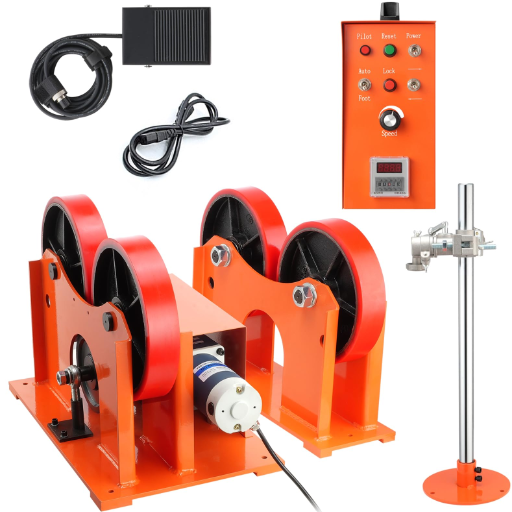
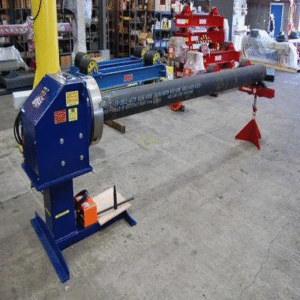
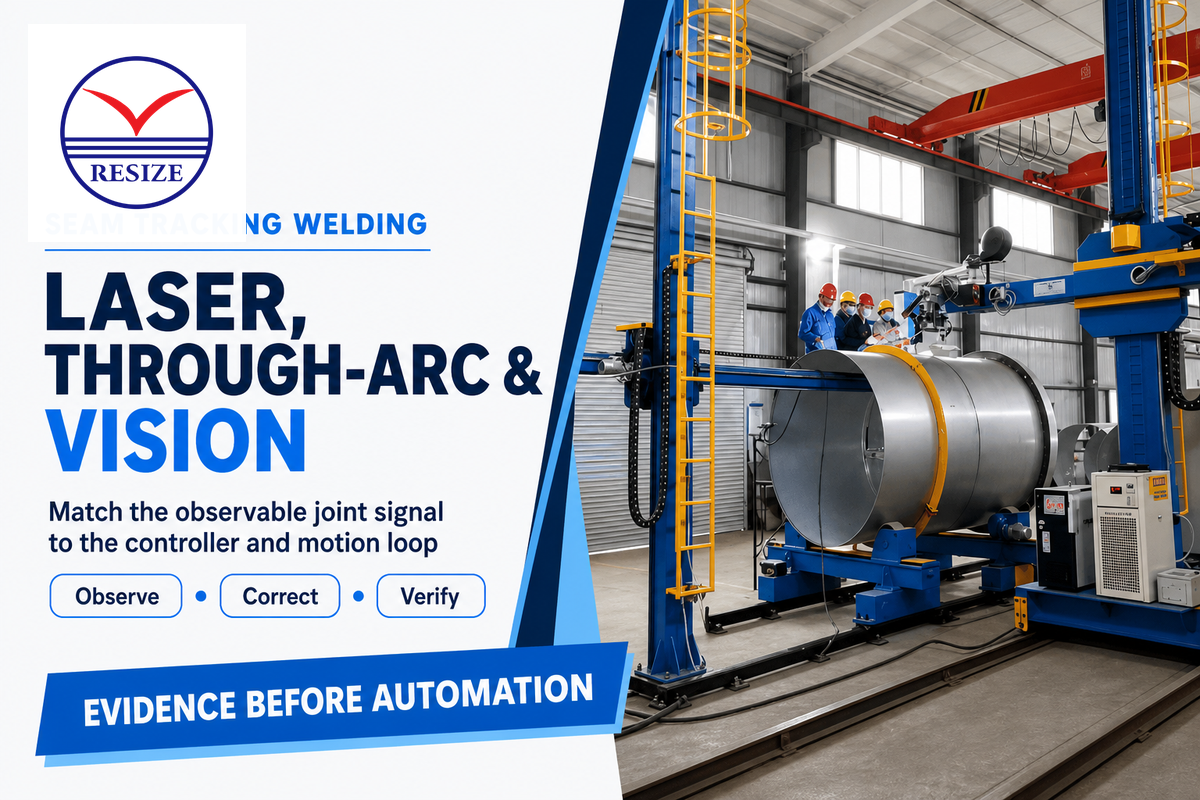
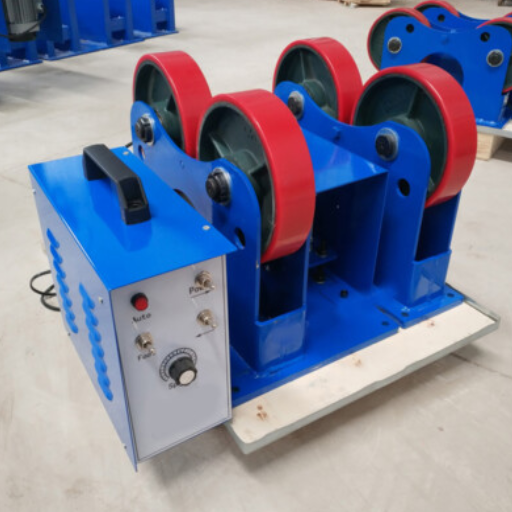
Welding roller stands are indispensable assistants used during welding or fabrication projects. They play the function of supporting and turning around objects during welding. The use of them guarantees an exact steel structure setting and ensures that jobs are done accurately, leading to high-quality work. In all aspects, these items are both flexible and durable, as they can accommodate various weight types and diameters, making them suitable for a wide range of industrial and other applications. The dependability of these products reduces the need for manual intervention, which proves resourceful in reducing production wastes as well as improving the speed and accuracy of the processes.
What is a Weld Roller Stand?
The use of a line printer control stand provides manufacturing equipment, pipe installation, or other environments where welding of cylindrical and heavy workpieces is involved. This typically features a stable bed with multiple wheels and a platform that allows for the motion of the specific load. Weld rollover mechanism employs v rollers for positive contact rotation against the workpiece improving weld quality after every turn. Stands with such abilities can be easily adjusted and used on many different pipe sizes and bear heavier loads ,which is contrary to older rollover systems with fixed diameter rings. These tools are highly sought after in the oil and gas industry, large craft manufacturing plants, and the processing industry, where welding accuracy is crucial, as well as in stiffening operations, where inaccurate positioning is avoided. Many pipe rollers also have additional features, such as actuated rotation, height adjustment, and overbuilt construction, which ensure the standing roller serves as the best equipment, particularly in harsh working conditions. These changes, on the other hand, have greatly improved the pipe roller, as it has had to adhere to new standards set to make work easier and ensure quality control in industries.
Key Features of Pipe Rollers
- Strong Construction: Pipe rollers are made from firm materials, such as steel or heavy stainless steel. That way, there is a good chance it will be able to cope with heavy-duty loads and will not be wronged even in harsh industrial settings.
- Weight Bearing Capacity: Like any other product, pipe rollers must be designed to accommodate different pipe sizes. The load capacity must be high enough to accommodate pipes weighing tons, as well as numerous pressure-tolerant applications.
- Height adjustment, as needed: Most pipe rollers also have height adjustment features. This means that the height of the operation can be adjusted as needed. This serves as a vital tool in facilitating the alignment of pipes during welding or any other similar operations.
- Nature of Rotation: It involves using a pipe that is keyed up with bearings or exceptionally powered up. When these two are combined, it facilitates the smooth turning of the pipe into position, enabling a decrease in the physical displacement of the worker in response to the task.
- Just include: safety aspects. Such a contribution aims to keep pipes in position during operations using methods and means, such as non-slip coatings and locking mechanisms, thereby minimizing potential hazards in the workplace.
Understanding Ton Capacity
There are different terminologies used in crane and lifting, which are common in the heavy industry, such as rigging. A ton refers to 2,240 kg, which is equivalent to 2,240 pounds. Capacity defines where the equipment will fail in terms of how top-end service it will offer to the Crane user. It is essential to understand tonnage calculation in a crane. Overload will damage the crane components of the load in any case and will expose the operator and others operating around it to risk. It is therefore beneficial to note that ton capacity is vital to all other terms in the industry, as it can only be calculated. Such data is obtained from allies or entities, or an individual being able to perform the sums, and sensible desire concerns the most common application of all for the concept.
Types of Turning Rolls
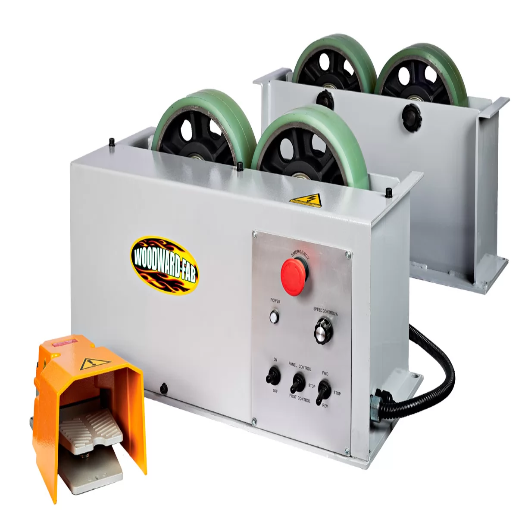
Different types of turning rolls are available in standard, centerline, power elevating, tank application, general, and turbine rotor variants, each with varying turning levels suitable for distinct installation tasks, including welding, examination, and rotation under extreme conditions.
| Parameter | Standard | Centerline | Elevating | Tank | Turbine |
|---|---|---|---|---|---|
| Use | General | Inline | Variable | Cylindrical | Rotor-specific |
| Capacity | High | High | High | Varies | 30-150 tons |
| Flexibility | Moderate | Adjustable | High | Moderate | Fixed |
| Material | Steel/Rubber | Steel/Rubber | Steel/Rubber | Steel/Rubber | Micarta |
| Best For | Welding | Automation | Setup Speed | Tanks/Pipes | Turbines |
Drive Wheel Models
Models of rolling wheels with drive shafts have become indispensable in the field of turning devices, especially for the movement of heavy cylindrical workpieces, such as tubes, tanks, and vessels. These models come in different tonnages to suit various capacity needs and, at the same time, ensure safety and accuracy. One of the key parameters in selecting a drive roller is assessing the permissible load of operation and the range of speeds. Highly developed models are also equipped with the ability to adjust parameters for different situations, increasing productivity and reducing losses. After estimating the corresponding factors and considering how the device will be used, the user can choose the model that best suits their needs.
Vessel and Tank Turning Rolls
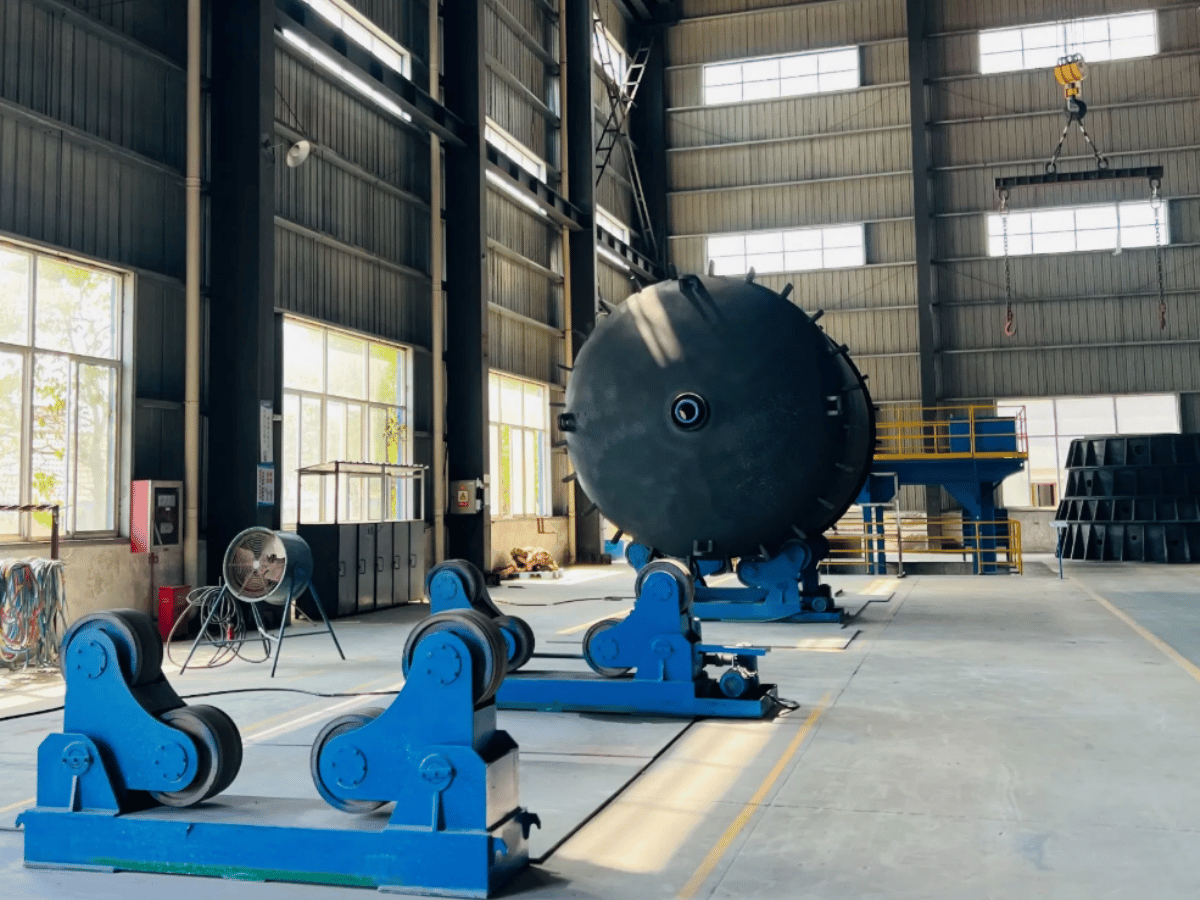
Principally, the turning rolls for vessels and tanks are mends for the companies whose business is the units consisting of the rounded constructions (issue is the tanks, pipes, or boats). For example, current search analysis by Google shows that a very popular inquiry among surfers is: How do the ship and tank turning rolls make welding a success? The importance of unsteadiness and variance in processes can only be achieved by using vessel and tank turning rolls during welding engagements. These machines are also used for rotating heavy components during welding processes, eliminating unnecessary manual efforts that could result in inequitable weld joint strengths. For instance, the modern composition of turning rolls with variable speed adjustment and the ability to adapt to a particular workload enhances both work rate and safety in harsh industry conditions.
Height Adjustability
High changeability plays a pivotal role in enhancing performance and the flexibility of tank turning rolls. This function enables operators to place the welding equipment precisely over the workpiece, ensuring accurate welding without strain. Even more interestingly, adjustable jacks, which can be adjusted in height through Google search data, are suited to undertake a multitude of tasks since they allow various components of different sizes and shapes. By providing for nearly instantaneous changes, these turning rolls reduce the bottleneck or setup times required, make the operators more comfortable, and, most importantly, help improve the flow, which is central to meeting high standards within welding operations for industries.
Applications of Weld Roller Stands

When it comes to welding and cutting operations, weld roller stands play a critical role in holding and rotating pieces with irregular or even smoothly contoured surfaces. Similar to shipbuilding and the oil and gas industries, they are frequently utilized in manufacturing applications. The primary usefulness of these models lies in the direct and accurate alignment of components and rotation, particularly when working with pipes, tanks, pressure vessels, and other similar applications. For that matter, weld roller stands also help to facilitate the process easily, with no breaks or manpower required, as they ensure stabilization. Minimal physical effort is needed, thereby improving both safety and productivity in the industry.
Industrial Uses of Pipe Rollers
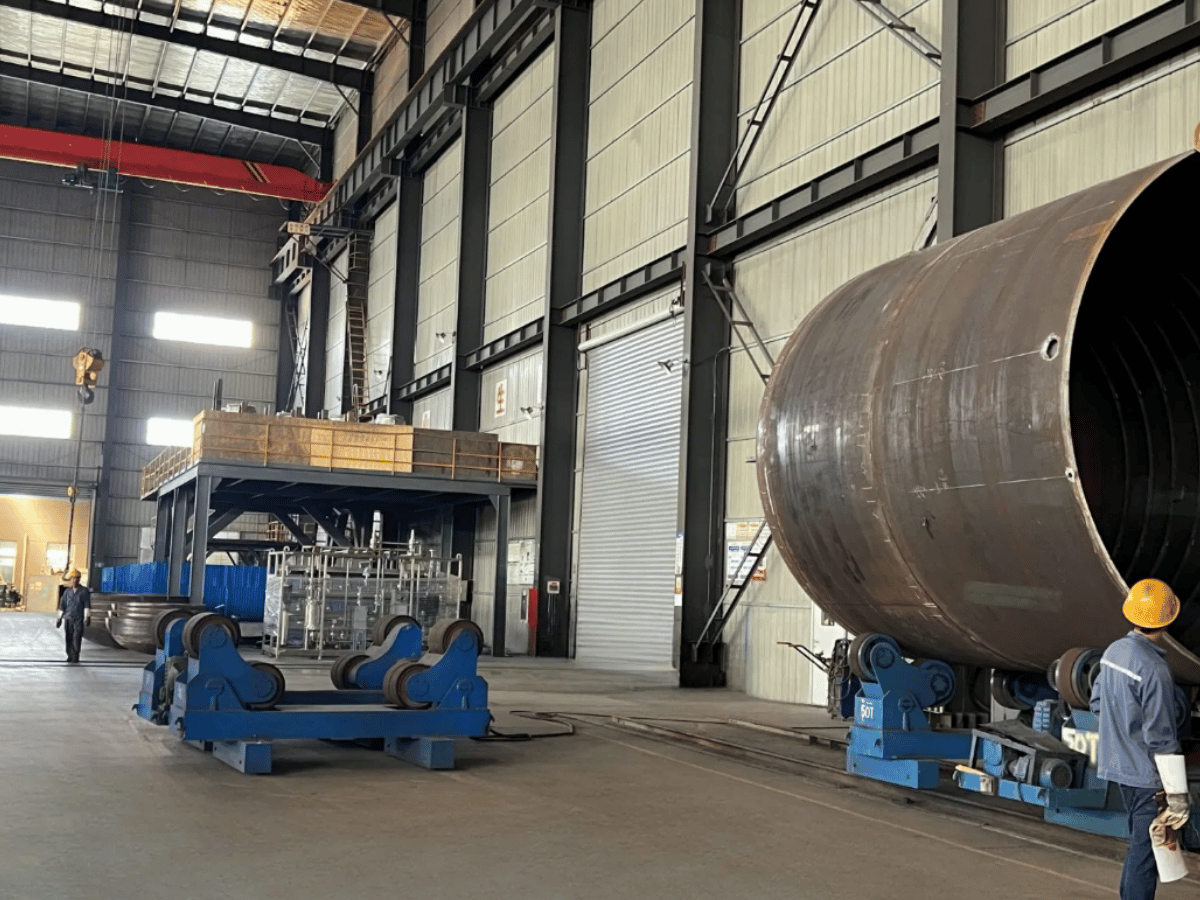
Pipe rollers are indispensable in a wide range of industrial situations due to their ability to facilitate work completion through innovation, safety, and accuracy. Among the industries where this highly adaptable equipment is utilized are the oil and gas, building and construction, chemical processing, and shipbuilding industries. They are essentially used for lifting, removing, and positioning heavy pipes to the necessary levels without the need for blocks and tackles, which may also not afford accurate placement of the pipes, thereby reducing work. Time and again, the time used in moving pipes at the construction site creates gains in work performed.
- The Use of Pipe Rollers in Welding and the Construction of Pipelines
The use of pipe rollers is commonplace in the oil and gas industry, as they are applied to various tasks such as inspection, welding, and pipelaying activities. Pipe rollers can support pipes of different sizes and weights, up to several tons, and in this way, pipe rolling does not interfere with any pipeline lacing process. Additionally, it is expected that shortly, a similar number of unprecedented pipelines will be laid. There is also the opinion that through the creation of such constructions, the offshore sector will provide the primary source of pipeline installation. A large number of pipes need to be handled during these activities, and pipe rollers facilitate the process efficiently.
- Large-Scale Construction and Heavy Industries
In large projects, a significant amount of prefabrication for high-rise buildings becomes necessary. Naturally, in such a case, adjusting the pipes correctly is impossible without pipe rollers. This is a contradiction between augmented and pure automation. Such systems of construction shorten the project duration by 20-30% and can help reduce the expenses of those services.
- Where Pipe Rollers are Proved to be of Advantage
Marine construction benefits immensely from non-ocean structures. Here, pipe rollers are extensively used to fit all sizes of pipes, commonly applied for fuel, water, or other special purposes. Furthermore, during ship fabrication, they help ensure the proper alignment of pipes to be welded or flanged, thereby ensuring that all inlets and outlets on shore are functional. Available data indicate that approximately 15% of industrial pipe handling machines are used in shipping tall vessels.
- For example, in the Chemical and Petrochemical Industries:
The use of pipe rollers tailored for pipelines is a topic that warrants discussion, particularly in environments where hazardous fluids are handled. No doubt, these rollers also come in handy while efficiently working within the confines of cleanliness and safety standards. The added element, which those in charge of molding plastic into any kind of pipe in any industry usually place the system in the ship to which it would be used, so impossible as it might seem, has much significant sense.
These systems, called pipe rollers, are beneficial when assembling pipes at the far end, as the operator can adjust the pipe with the rollers underneath, which significantly reduces any potential problems.
Efficient Solutions for Welding
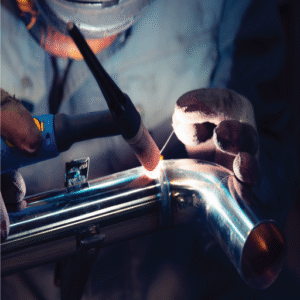
Modern technologies and techniques absorbed by efficient welding have seen considerable improvement. People in today’s society are increasingly turning towards automatic welding systems, specifically robotic welders, due to the high quality they provide at low costs. Moreover, with the need to lift heavy equipments during welding, other equipment such as welding positioners and pipe rollers are in use. This guarantees improvements, decreases the chances of human errors, and avoids cases of modifications that waste time. As a consequence, efforts by industrial equipment providers towards higher welding equipment efficiency in terms of energy consumption and their ability to work on a variety of materials are always present to meet the demands of the modern era with minimal compromises on the standard of efficiency.
Positioning and Rotation Techniques
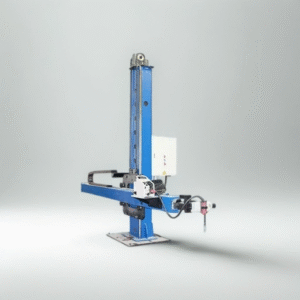
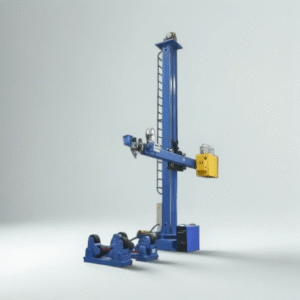
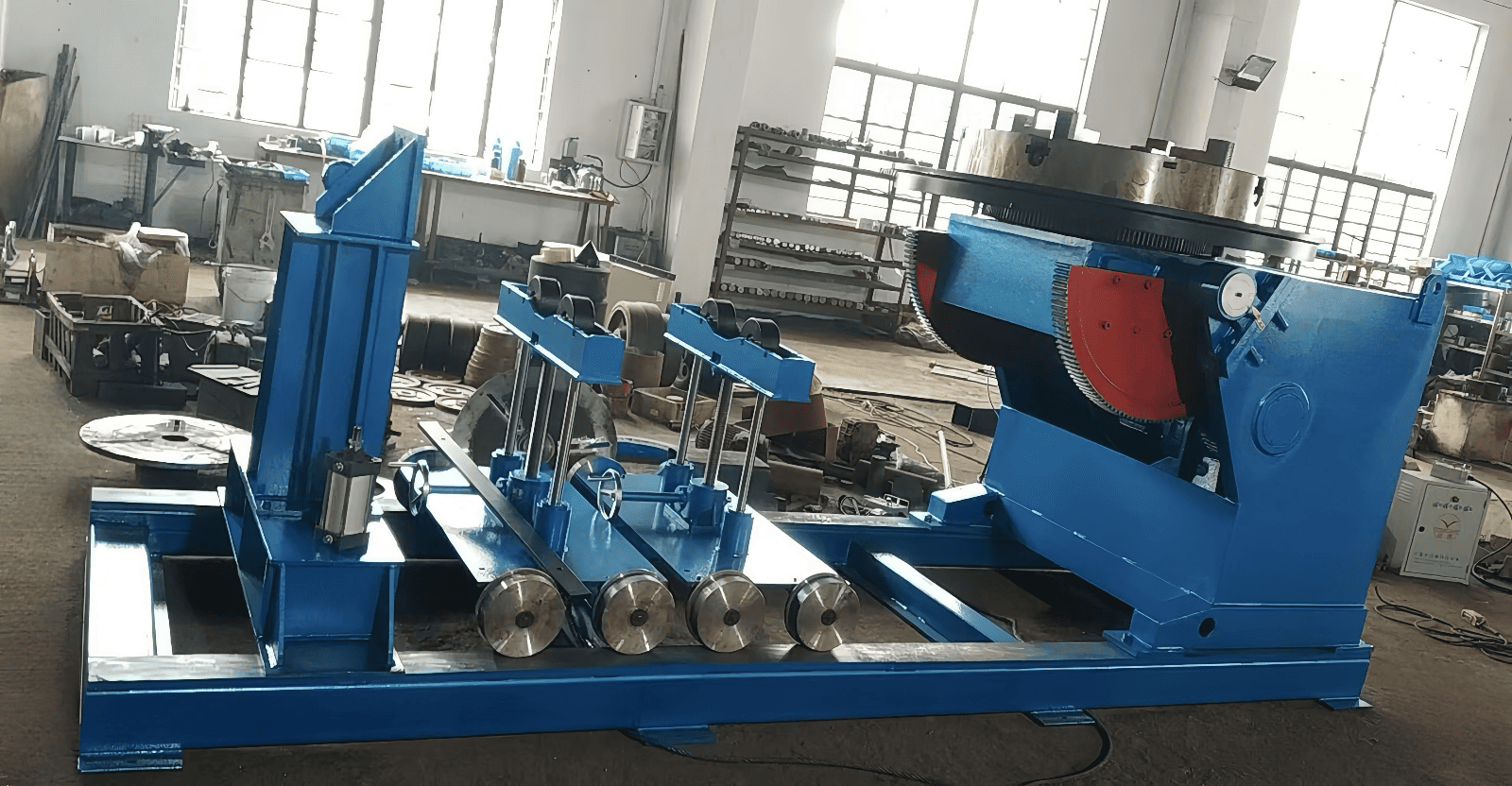
Positioning and rotation, along with the weld, are some of the fundamental aspects in welding, almost as important as they are in industrial welding. By examining better positioners and rotators, welders can tackle hard-to-reach angles while keeping the workpiece stable, resulting in improved welds. Based on the latest business trends, it is essential to adopt this paradigm and implement welding positioners with automated applications. Welding positioners provide various functions, such as speed variation, fine-tuning of the angle of tilt, and programmability, which enable the precise installation and operation of large structures.
The study highlights that achieving higher productivity in welding operations is not only achieved by eliminating excessive procedures, but rotational welding can also lead to increased productivity by up to 40%. A few industry- and production-based case studies have provided such figures. In instances such as this, it becomes apparent that using a turntable facilitates even aeration and material manipulation to avoid uneven or overstressed joints, such as those found in deformed or uneven joints. It is also worth mentioning that the use of more advanced models of welding positioners, powered by energy-efficient engines, that can be integrated into Industry 4.0 processes, allows for ensuring quality control and optimizing the manufacturing process in real-time.
With the help of these developments, it is predicted that the techniques of positioning and orientation of the weld will remain the strengths of the process, in terms of meeting high requirements for accuracy, efficiency, and environmental sustainability. The implementation of these methods improves the quality of welding, which in turn reduces the amount of both production stoppages and associated waste by ranking the instance cost of most materials used in the process.
Choosing the Right Equipment
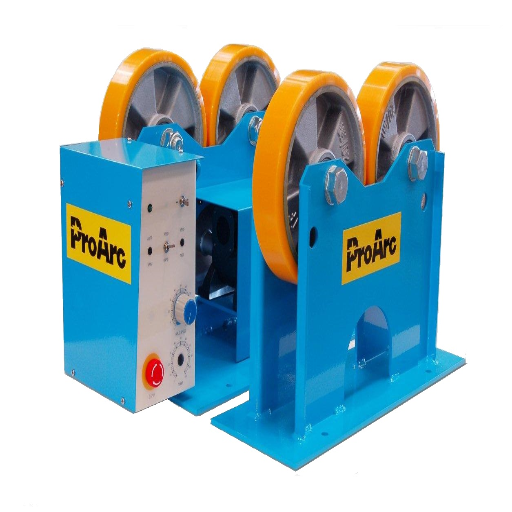
To get the appropriate welding machines and other tools, it is a good practice to start with understanding the needs driven by the type of material, volume, and thickness of the item. Run devices that are appropriate for this specific need, ensuring, first and foremost, their attention to safety and the good performance of the equipment. For greater accuracy and productivity, focus primarily on machines that feature functionalities such as enhanced controls and are also aligned with recent automation technology. Additionally, consider the factors of spending, usage, and maintenance of facilities to make the proper equipment selection, which ensures its functionality and avoids unnecessary expenses in the long run. In all cases, it is prudent to seek advice and help from experienced sellers and manufacturers.
Factors to Consider When Selecting Roller Stands
- Load Capacity
Ensure that the roller stand can accommodate the weight of the materials being used. Ensure that the maximum loading specifications for the equipment are known and remembered to avoid dangerous overloading.
- Adjustability
Opt for roller stands that can be easily modified to accommodate various test article specifications, including height and width. Such adaptability is crucial in ensuring comfort and peak performance of such resources in any kind of usage.
- Roller Material and Surface
Rollers’ materials and surfaces’ asks for should play well with the material in question. Steel rollers have been developed for heavy-duty applications. On the other hand, rollers coated with rubber have been invented to ensure a firm grip on the rollers while preventing damage to the delicate material’s surface.
- Stability and Base Design
It is also possible to argue that the roller stands with a non-slip base should be opted for as such a design will give finite resistance. The scenario of slippage will certainly not arise when the stands with rubber bottoms are affected by ground vibration.
- Portability and Storage
Movement is an essential feature in every process; hence, the worker will be compelled to consider replacing the clean room equipment with rollers. For a worker in a specific brigade, this will be based on the distance between the teams’ bases, as the safe distance between the teams will be influenced by the network area assigned to them in a given shift.
Comparing Different Models
Diverse welding methods, including MIG, TIG, Stick, Flux-Cored, Plasma, and Submerged Arc welding methods, are effective in precise, rapid, affordable welding and can be applied to several purposes, ranging from industrial to artistic activities.
| Parameter | MIG | TIG | Stick | Flux-Cored | Plasma | Submerged |
|---|---|---|---|---|---|---|
| Precision | Moderate | High | Low | Moderate | High | Moderate |
| Speed | Fast | Slow | Slow | Fast | Moderate | Very Fast |
| Cost | Moderate | High | Low | Moderate | High | High |
| Flexibility | Moderate | High | High | Moderate | Low | Low |
| Best Use | General | Precision | Outdoor | Heavy-duty | Electronics | Thick metals |
| Shielding | Gas | Gas | None | Flux | Gas | Flux |
| Training | Easy | Difficult | Moderate | Moderate | Difficult | Moderate |
Accessories and Additional Solutions
When it comes to choosing roller stands, there is no shortage of accessories or additional solutions available that can make them even more valuable and practical. For instance, a height-adjustable feature is handy for allowing a workpiece to be held in or upon it in an ergonomic posture with great accuracy. This type of roller, which features a non-slip surface, will help reduce the resistance on the floor to some extent, thereby ensuring that the material does not slip while being processed. On the other hand, side support, such as rollers or extensions, may be added to extend the supporting legs, especially if the intended materials are oversized or do not take the shape of a single piece.
To adapt roller stands to most of their features, however, this can only help in purchasing recent helper fixtures that allow them permanent storage and moving them from one place to another. What can be done is to install attachments within the base that are dismantled into different levels or portions of the stands, allowing the user to lock them together when needed. In addition, manufacturers have developed accessories such as stop blocks or clamping systems that aid in cutting, jointing, or applying the finish.
Google Trends suggests that customers are usually concerned with additional safety features, such as locks on their roller stand wheels or rollers, when ordering their equipment. They prevent herks and jerks of the machinery, provide its correct position, and can be used for transportation convenience. Moreover, it is possible to improve efficiency and safety within the workshop by using specialty attachments in conjunction with the standard roller stands.
Reference Sources
Key Findings:
- The spray welding layer produced by 160 A welding current was more uniform and had a finer microstructure.
- The main phase zone consisted of a single γ-Fe, and the fusion zone was metallurgically combined with the base metal in a planar grain structure.
- The hardness of the spray welding layer was maximum when the welding current was 160 A.
- The abrasion resistance for each position of the spray welding layer was uniform.
- The γ-Fe phase zone decreased, and the α-Fe phase zone increased in hardness after the thermal stability test.
- The optimum spray welding parameters were verified, and the service life of the continuous casting segmented rollers with spray welding was twice that of those using the surfacing welding process.
Methodology:
- Fe-Cr-Ni-Si powder was used in a 3D plasma spray welding machine to perform spray welding repair tests on continuous casting segmented rollers.
- The phase composition, hardness distribution, abrasion resistance, and thermal stability of the spray welding layer were analyzed.
Key Findings:
- A gradient structure composed of a base layer, a transition layer, and a strengthened layer was designed for the continuous casting roller.
- The welding-hammering hybrid process achieved a forged structure instead of an as-cast structure, which significantly improved the service life of the continuous casting roller by about 100%.
- The microscopic analysis revealed that the refined grains, reduced welding defects, and improved surface toughness were achieved using the welding-hammering hybrid process.
Methodology:
- Numerical simulation was used to analyze the failure modes and their causes for a continuous casting roller.
- Novel equipment for continuous welding-hammering composite remanufacturing was developed, and the optimized process parameters were obtained through welding experiments.
Key Findings:
- A novel composite technology, combining low-energy and fewer-pass welding with multi-pass rolling deformation and vacuum annealing treatment, was explored to effectively refine the microstructure and achieve an optimal refining effect in the weld zone of a TA1 cathode roller.
- The grain size grades in the weld zone and the heat-affected zone were close to those of the base material, namely grade 7.5~10.
- This technology can also refine the grains of the base material, which is beneficial for enhancing the overall mechanical properties of the titanium plate.
Methodology:
- The microstructure of each area of the weld was observed using an optical microscope, and the hardness was measured using a Vickers hardness tester.
- Experimental conditions, including a V-shaped welding groove, four passes of welding, 11 passes of rolling deformation, and vacuum annealing, were explored.
4. Top Conventional Welding Rotator Manufacturers And Suppliers In China
Frequently Asked Questions (FAQs)
What are the benefits of using welding rollers in your application?
Welding rollers offer precise control over the rotation of cylindrical vessels, ensuring that welds are applied consistently and safely. This equipment minimizes worker fatigue by allowing for automatic adjustments, which enhances productivity and efficiency in various welding tasks.
How much weight can welding rollers support?
The weight capacity of welding rollers varies by model, with many capable of supporting loads ranging from a few hundred pounds to several tons. It’s essential to select the right equipment based on the specific requirements of your project, including the type of vessel and its weight.
What is the difference between driver and idler rollers?
Driver rollers are designed to provide power and movement to the workpiece, while idler rollers support the weight of the vessel without providing additional force. Together, they create a balanced system that allows for smooth and precise rotation during the welding process.
How do pipe stands complement welding rollers?
Pipe stands are often used in conjunction with welding rollers to provide additional support and stability for cylindrical objects. This combination ensures that pipes are held in place securely, allowing for more efficient welding operations and reducing the risk of misalignment.
Can you use portable welding rollers for various applications?
Yes, portable welding rollers are designed for versatility and can be used in a range of applications, including workshops and field jobs. Their lightweight and compact design allows them to be easily transported, making them an ideal solution for mobile welding tasks.
What materials are commonly used in welding rollers?
Welding rollers are often made from durable materials such as polyurethane, which provides excellent grip and resistance to wear. This ensures that the rollers maintain their performance over time, even under constant use in demanding environments.
How does the rotation of tank turning rolls affect the welding process?
The rotation of tank turning rolls is crucial for achieving uniform welds around cylindrical vessels. By ensuring a constant and precise rotation, these rollers facilitate better access for the welder and enhance the overall quality of the weld, reducing the likelihood of defects.