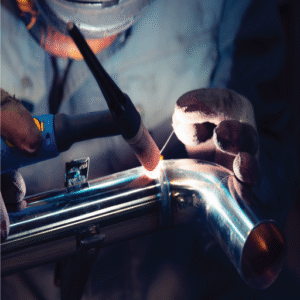
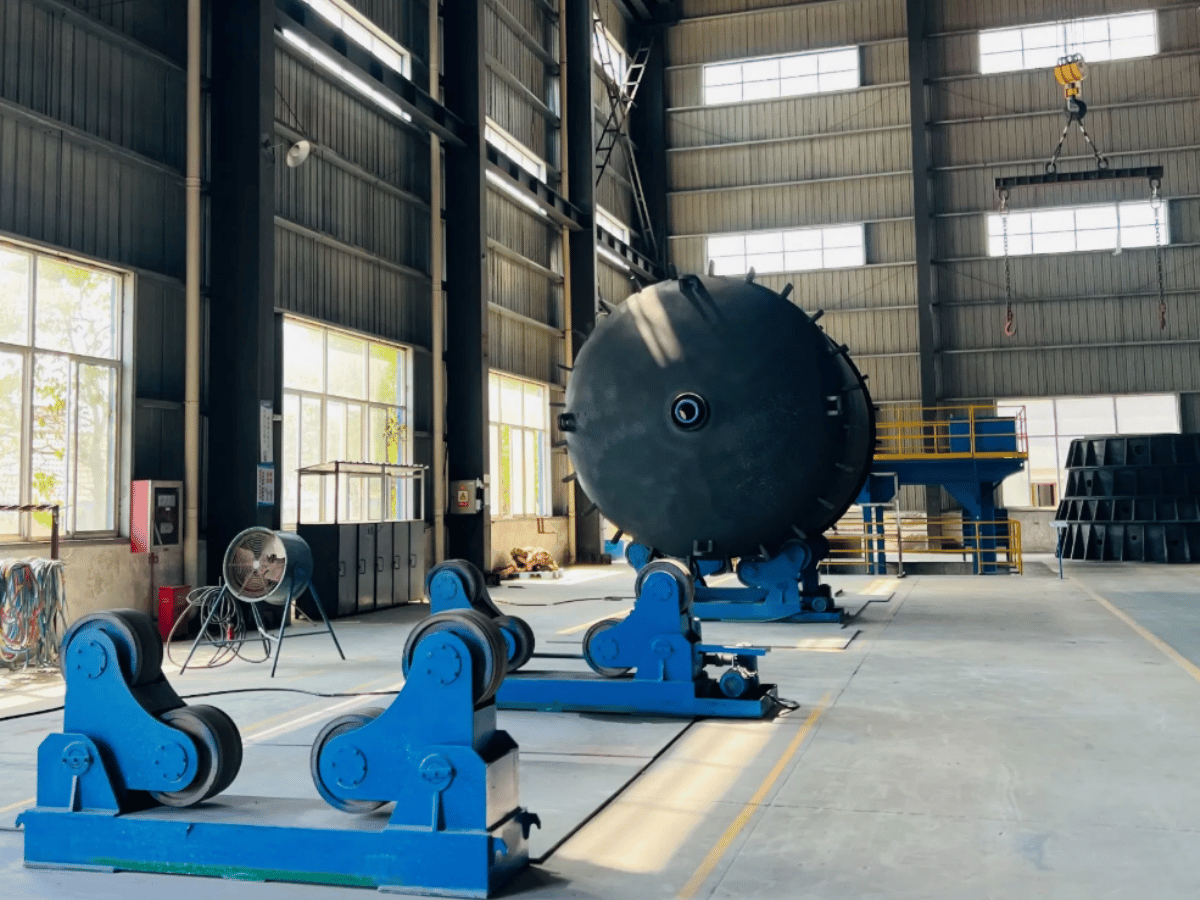
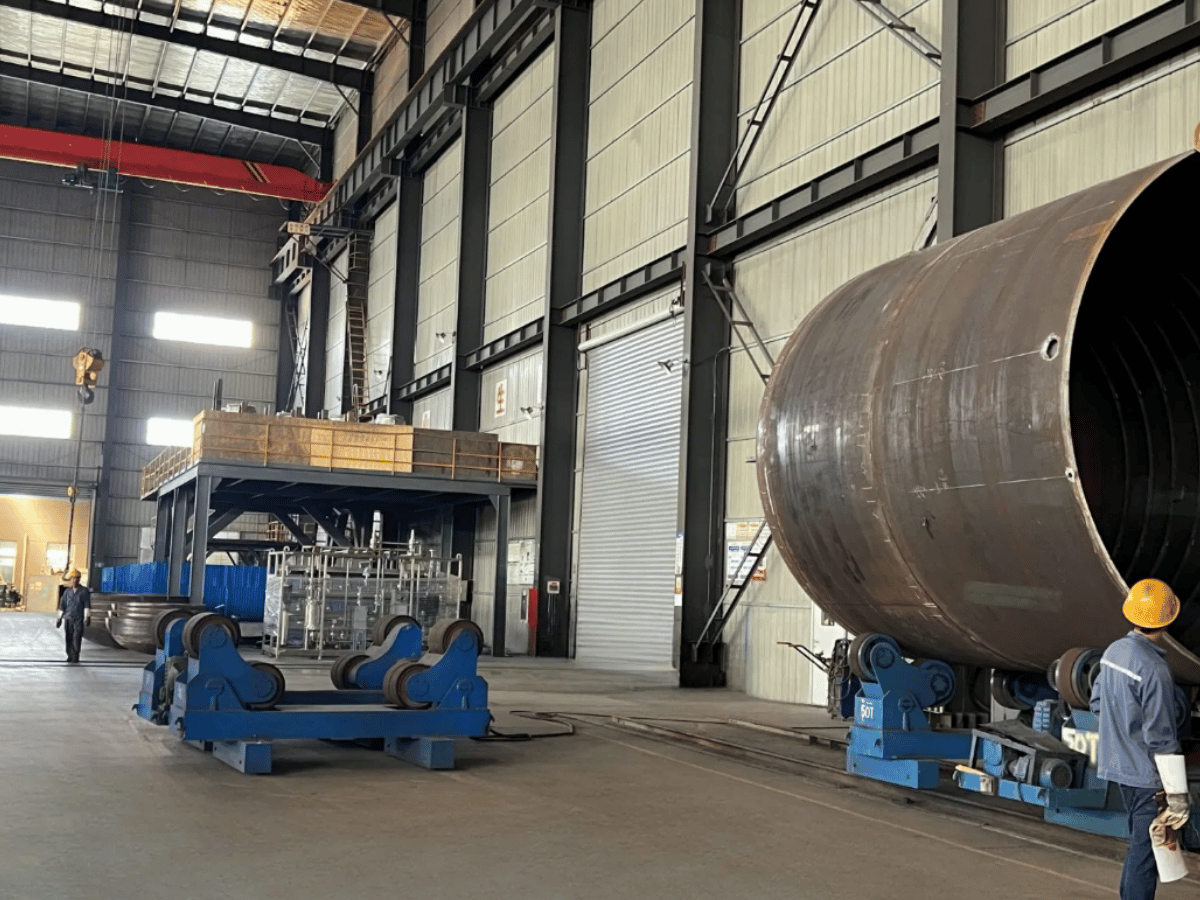
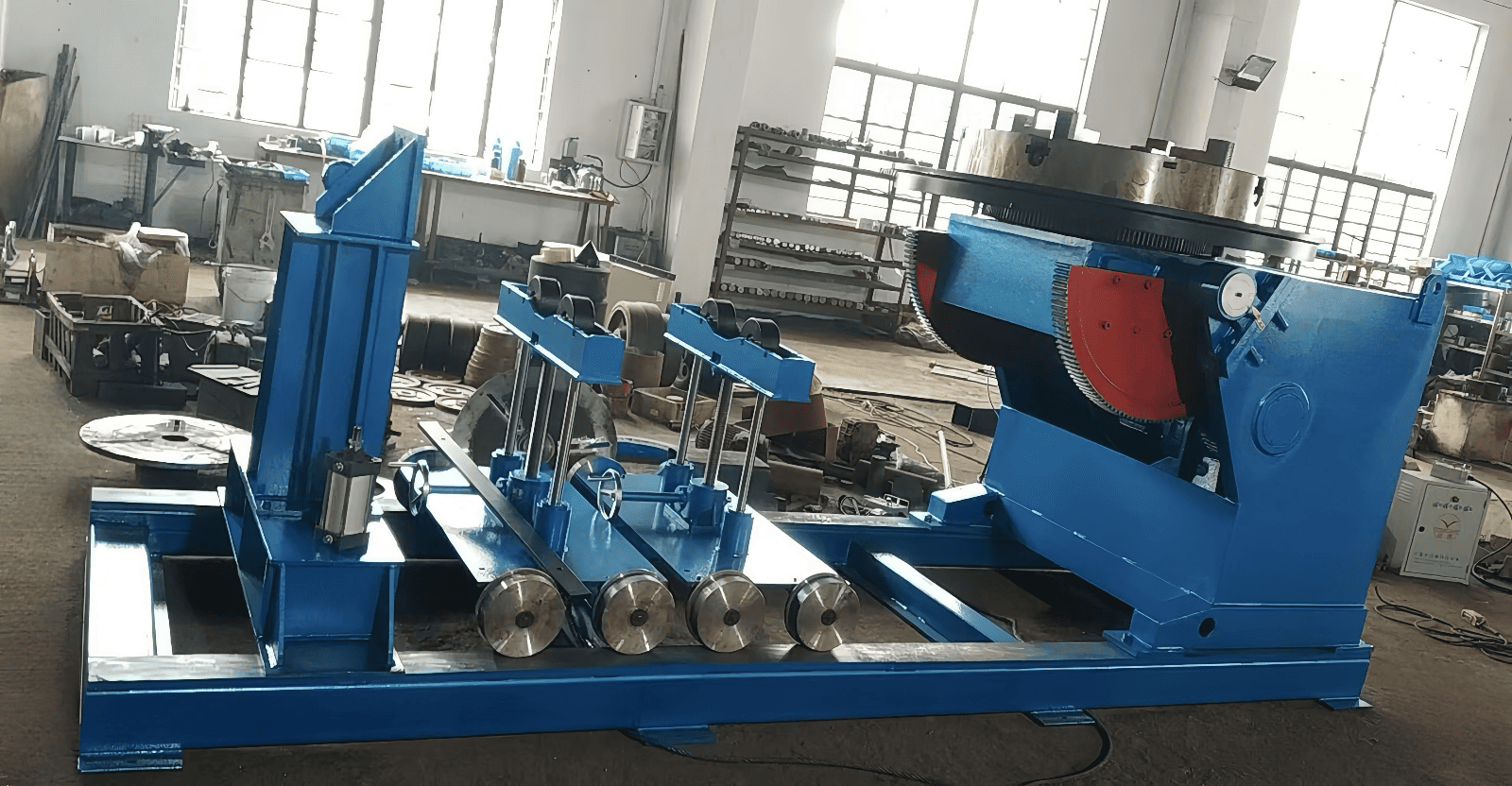
Heavy pipe welding necessitates exquisite precision; misalignment and drift during welding can compromise the structural integrity of the finished product, leading to additional repair, which can be an expensive solution in itself or outright failure in application. Welding anti-drift rotators are one of the contemporary solutions that can completely change weld accuracy. This article examines how these advanced tools enhance precision, productivity, and consistency while reducing downtime and operator fatigue. If you’re in the manufacturing, construction, or engineering field, understanding how anti-drift rotators work and their benefits will enable you to achieve higher quality output in any application you undertake.
Understanding Welding Rotators
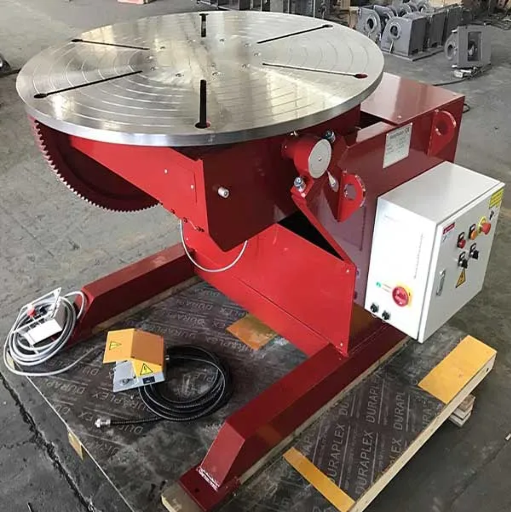
Typically, welding rotators are machines that spin cylindrical or round objects during the welding process. While welding rotators provide constant workpiece stability and speed, they also enable the production of precise and uniform welds. Welding rotators automate the rotation process, thereby reducing manual handling and human errors. These items of machinery are widely used in industries such as construction, shipbuilding, and manufacturing, where the need for extremely high-quality welds on significant components is paramount.
What are Welding Rotators?
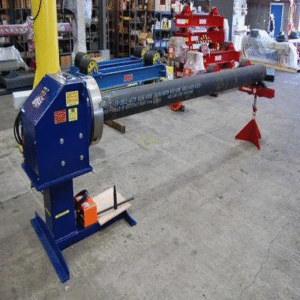
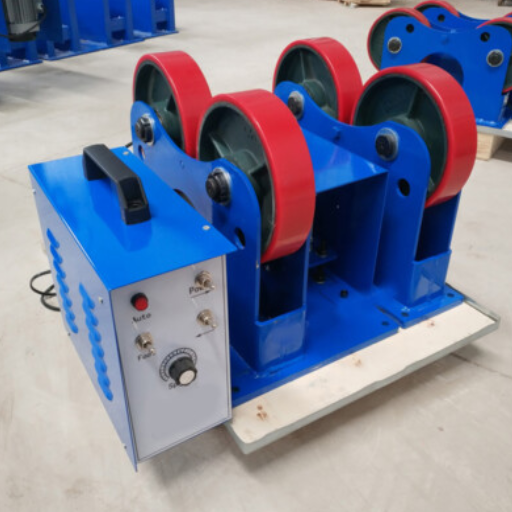
Rotary welding rollers, which support and rotate cylindrical objects during welding, are mechanical tools used in welding. The rollers or wheels can be motorized to rotate the workpiece smoothly and uniformly, allowing the welder to weld from all sides without needing to reposition the workpiece manually. Today, these welding rotators are often integrated and synchronized into advanced automation control systems that offer precise control over their rotational speeds. Currently, a range of welding rotators is in high demand in industries where maintaining the highest levels of accuracy and efficiency is essential, such as oil and gas, aerospace, and heavy machinery manufacturing. Hence, these welding rotators are great contributors to productivity and the overall quality of projects, facilitating a uniform weld and reducing downtime for the welders.
Types of Welding Rotators
Welding rotators offer a full range of services, including conventional, self-aligning, and anti-drift fit-up, pipe, tank, tilting, and portable types. These are designed according to the specific requirements of the application and the workpiece.
| Type | Key Feature | Application | Benefit |
|---|---|---|---|
| Conventional | Fixed/adjustable | General welding | Versatile |
| Self-Aligning | Auto adjustment | Varying diameters | Quick setup |
| Anti-Drift | Prevents drift | Long/heavy workpieces | Precision |
| Fit-Up | Alignment control | Pre-welding alignment | Reduced manual work |
| Pipe | Compact design | Pipeline welding | Specialized |
| Tank | High load capacity | Tank fabrication | Heavy-duty |
| Tilting | Tilts workpiece | Complex joints | Accessibility |
| Portable | Lightweight | On-site welding | Mobility |
Key Components of Welding Rotators
Welding rotators consist of several critical components that ensure efficient operation and precise handling of cylindrical workpieces. In the front are drive rollers and idler rollers that provide stable rotation, accommodating any diameter of a workpiece. Usually equipped with modern automation technology, the control system will allow operators to set speed and direction precisely. The most modern welding rotators also feature variable speed drives (VSDs) and digital interfaces, providing the best user experience and adaptability to the specific welding projects at hand.
According to recent data, the evolution in welding rotator components nowadays is focused on ensuring energy efficiency and integrating Industry 4.0 technologies. Features such as remote monitoring, real-time data analysis, and predictive maintenance are all trending. These innovations enable calculations with increasing precision while streamlining operational workflows, thereby reducing downtime and enhancing productivity across various industries.
The Importance of Anti-Drift Technology
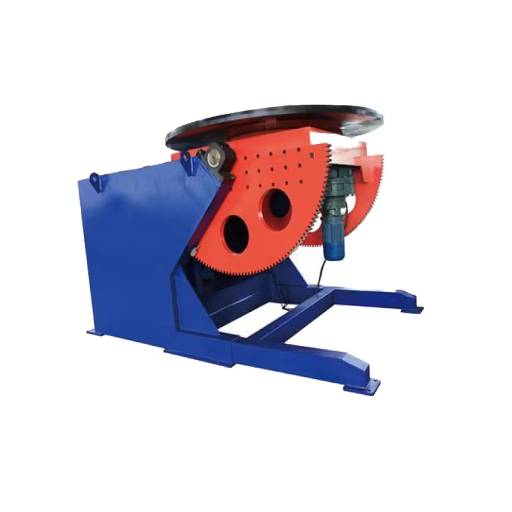
The anti-drift technology is crucial for maintaining utmost accuracy and maximizing efficiency in a welding operation. It inhibits unintended processes of drifting or material misalignment during welding, thereby affecting the quality of the end product. Maintaining the exact placement of materials minimizes mistakes, material wastage, and safety hazards. Such a technology becomes critical to put into use in the industries where precision and consistency matter, such as aerospace, automotive, and construction.
Defining Anti-Drift and Anti-Creep Features
It is a paramount technological advancement designed to impart stability to the structure, which is otherwise susceptible to unwanted movement over time. Drift can thus be termed as the slow movement or deviation away from the position dictated to different members, due to the application of an external force or prolonged usage. At the same time, creep refers to the very slow deformation of a material under constant stress. These features operate through the incorporation of precision designs, such as locking mechanisms, advanced sensor feedback, or material innovations that are resistant to stress, thereby maintaining alignment during operation. Their implementations are a source of concern in areas such as aerospace, where a microscopic deviation presents an enormous safety risk. In construction, this poses a challenge to maintaining structural integrity, particularly when further work is being done.
The demand for such technologies has reportedly been on the rise, according to Google search insights, in application sectors that demand extreme precision, such as robotics and semiconductor manufacturing, among others, where even a slight misalignment or drift could result in costly errors or inefficiencies in production.
Advantages of Anti-Drift Functionality
- Enhanced Precision
Anti-drift mechanisms ensure consistency in accuracy when operations require precise measurement or movement. For example, in semiconductor manufacturing, this can result in a lowering of defect rates, thereby impacting the product’s reliability and potentially leading to increased financial losses due to errors.
- Improvements in Efficiency
Such an operation ensures that processes run uninterrupted, as long as drift is prevented within the system. Such efficiency enhances the rapid pace of the production cycle, thereby reducing downtime in applications such as robotics and machinery.
- Cost Mitigation
It mitigates the cost of maintenance, as the drift has to be thrown out through incessant recalibrations or system resets. Another feature of drift prevention is the reduction of waste from precious materials and resources, thereby maximizing profitability.
- Operational Stability
Anti-drift techniques achieve stability over a specific period by reducing slow inconsistencies in system behavior over time. This greatly helps when it involves stretching the issue of stability, such as in medical imaging or aerospace engineering.
- Extended Equipment Life Cycle
By ensuring the systems design works conversely between the desired parameters of the component, the anti-drift function brings about less strain to the element. This function prevents premature wear and, therefore, results in extended life for expensive equipments and machinery.
Applications in Various Industries
- Healthcare
Anti-drift technology is crucial in medical imaging devices, such as MRI and CT scanners, enabling accurate diagnostics over time. Research indicates that holding calibration can reduce diagnostic errors by up to 15%, thereby improving patient outcomes.
- Aerospace
Anti-drift mechanisms ensure safety and precision in navigation and flight control systems in the aerospace industry. The data indicate that stabilizing the systems can reduce the possibility of navigation discrepancies by as much as 20%, thereby increasing flight accuracy.
- Manufacturing
Anti-drift solutions are utilized in high-precision manufacturing processes, such as those in the semiconductor industry or robotics, to ensure measurements are precise and consistent. With this, there is an increase in product quality and, potentially, a decrease in production defect rates by 10-12%.
- Telecommunications
Keeping the transmission signal equipment in functioning mode through anti-drift action ensures continuous and stable network connections. According to field reports, this nearly doubles data transfer reliability by 25%, which is crucial for a large-scale communications network.
- Renewable Energy Systems
In solar power inverter systems and wind turbines, anti-drift measures are applied to enhance performance. The maintenance of stability has been reported to increase energy efficiency by 5% over time, hence affording more sustainability and cost efficiency for these technologies.
Applications of Welding Turning Rolls
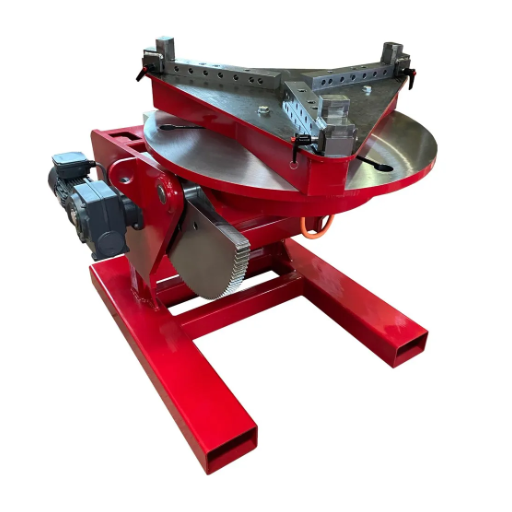
Welding turning rolls play a vital part in industries where heavy cylindrical components have to be manufactured or maintained. Primarily, welding turning rolls are used to support and rotate large workpieces, such as pipes, tanks, or pressure vessels, during welding, cutting, or assembly. The uniform rotation provided by the turning rolls ensures consistent welding, maintains precision, and eliminates hazardous manual handling, thereby improving overall safety and efficiency. These units are primarily used in shipbuilding, oil and gas, aerospace, and construction. Their ability to bear heavy loads and streamline work processes makes them indispensable in the fabrication of top-notch cylindrical structures.
Role in Pipe Welding
Turning rolls are the most essential part for the efficiency and precision of pipe welding. By steadily rotating a pipe during welding, the turning rolls allow a welder to apply equal heat distribution, hence uniform weld seams, which is an essential aspect in maintaining the integrity of the cylindrical structures. Recent Industry data indicate that advancements in the automation of turning rolls, including remotely controlled variable speed settings, now further improve the performance of turning rolls in modern fabrication workflows. Turning rolls are also beneficial in eliminating heavy lifting of pipes and other materials by workers, reducing manual reposition-induced defects, thus ensuring worker safety and productivity. Their capacity to entertain a vast range of pipe sizes and materials makes turning rolls an essential investment for erecting pipelines, with the oil and gas industries particularly concerned about the utmost precision and reliability.
Use in Tank and Vessel Construction
Turning rolls are primarily used in tank and vessel construction, as well as in applications and maintenance, to ensure the integrity and precision of an efficient fabrication process. These machines enable the workpiece to rotate either cylindrically or spherically, allowing welders to access all areas of the structure easily for welding. This function is particularly necessary for large tanks and vessels used in industries such as chemical processing, water treatment, and energy storage. Because the turning rolls hold and stably rotate the workpiece, the weld quality is consistently maintained, reducing the risk of a defect compromising the integrity of the vessel. Additionally, with relatively flexible designs on various dimensions and weights of workpieces, the turning rolls become indispensable in manufacturing vessels that conform to stringent industrial standards on safety and durability.
Integration with Welding Positioners
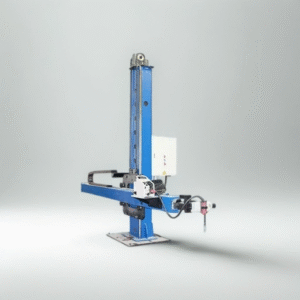
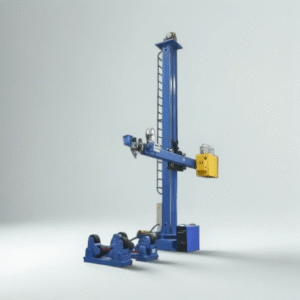
Combining turning rolls with welding positioners has paved the way for a highly efficient and adaptable setup in industrial welding. These positioners move the workpiece with precision, allowing welders to access difficult angles or maintain ergonomic positions, while the turning rolls smoothly turn cylindrical objects. One of the recent findings from Google search trends suggests an increasing acceptance of this duo by industries to boost productivity and reduce labor costs. This integrated approach ensures that welds maintain a consistent quality on large or irregular components, meeting industry-specific requirements with minimal effort. These tools, therefore, find their application in sectors where minimum downtime and maximum operational efficiency are required, such as the oil and gas, aerospace, and heavy manufacturing industries.
Selecting the Right Welding Rotator
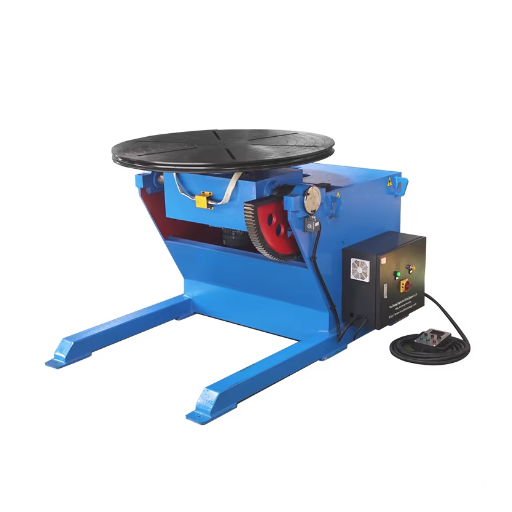
The foremost concern when choosing a welding rotator is:
- Load Capacity – The rotator must be able to bear the weight of your workpieces as well as any fixtures or additional materials.
- Rotation Speed – Welding processes require specific rotator speeds, which should be varied accordingly.
- Application Fit – The type of rotator (self-aligning, conventional, or special) should be selected based on the size, shape, and material of the components being welded.
- Durability and Quality – Opt for a trustworthy and well-built unit for reliable long-term performance in demanding environments.
- Safety Features: Ensure that adequate safety systems are in place, including overload protection and emergency stop controls.
Taking these factors into consideration will enable you to make an informed choice, facilitating consistent production and welding applications.
Factors to Consider: Load and Diameter
Load capacity and the diameter of the components to be rotated are two key factors to consider when selecting welding rotators. The key points touching load and diameter are as follows:
- Maximum Load Capacity – The rotator chosen must be able to carry the full component weight without compromising the working load or safety of the equipment. Additionally, the weight must include any fixtures or additional materials that will be placed upon it.
- Minimum and Maximum Diameter – Have a rotator with an adjustable range between the smallest and largest diameter of your components, so you are not restricted.
- Even Weight Distribution – Ensure the weight distribution of the rotator enables smooth rotation without mechanical stress.
- Component Surface Type – An assessment must be made of whether the rotator’s diameter and load capacity are suitable for components with uneven or textured surfaces to avoid vibration and misalignment.
- Load Autosensing Mechanisms – It is preferable to have some load-control mechanisms, such as variable-speed controls or load sensors, so that the rotation is kept constant when the components differ in weight or size.
The welding rotator should be best suited to your operational needs once these factors are given due consideration.
Choosing Between Manual and Automatic Systems
Operational requirements, financial constraints, and long-term productivity goals determine the choice between manual and automatic welding rotators. Manual versions, for the most part, are inexpensive and offer a straightforward function, making them suitable for small operations or workshops with low production volumes. However, these systems require significant supervision by human operators, thereby reducing the ability of manual systems to grow laboriously in terms of cost and efficiency.
Automatic systems, on the other hand, employ advanced techniques such as programmable controls, automation features, and synchronization with robotic equipment to optimize the welding process. These rotators are ideally suited for high-volume production areas that require uniformity, speed, and precision. According to the latest data derived from Google’s search trends, industries are increasingly turning to automatic rotators to reduce downtime, ensure a high degree of accuracy, and accommodate larger weld sizes and component shapes.
Ultimately, the decision is determined by your needs. Smaller-scale assignments with limited budgets will benefit from a manual system; however, for entities seeking to scale, enhance quality control, and remain competitive in the evolving manufacturing landscape, investing in an automatic welding rotator will yield a substantial return in the long run.
Reference Sources
1. Anti-drifting welding roller bed
- Authors: 顾胜溢, 龙未来
- Publication Date: 2013-03-22
- Key Findings:
- This paper discusses the design and implementation of an anti-drifting welding roller bed, which is crucial for maintaining the stability and accuracy of welding operations.
- The design aims to prevent the movement of the workpiece during the welding process, ensuring consistent quality and precision.
- Methodology:
- The authors detail the mechanical design of the roller bed, focusing on features that enhance stability and reduce drift.
- Experimental setups are described to test the effectiveness of the anti-drifting mechanism during welding operations.
2. Welding robots anti-collision torch holder
- Authors: 李世强 et al.
- Publication Date: 2015-01-30
- Key Findings:
- This paper presents a design for an anti-collision torch holder for welding robots, which indirectly contributes to preventing drift by ensuring that the welding torch remains in the correct position relative to the workpiece.
- The design aims to enhance the safety and reliability of robotic welding operations.
- Methodology:
- The authors detail the design considerations and the mechanical features of the torch holder.
- Experimental results are provided to demonstrate the effectiveness of the design in preventing collisions and maintaining proper alignment during welding.
3. Top Anti-Drift Turning Rolls Manufacturers And Suppliers In China
Frequently Asked Questions (FAQs)
What is an anti-drift welding rotator?
An anti-drift welding rotator is a specialized piece of welding equipment designed to maintain the position of cylindrical vessels during the welding process. This equipment minimizes the risk of misalignment, ensuring that the welds are consistent and of high quality. The anti-drift function is crucial for achieving precision in production lines that require automated or manual welding operations.
How does the anti-drift function work in welding rotators?
The anti-drift function in welding rotators utilizes advanced engineering to maintain the workpiece’s alignment. By employing self-aligning mechanisms and hydraulic support, the rotator ensures that the vessel remains stable during the welding process. This feature is essential for achieving optimal weld quality, especially in high-speed production lines.
What are the advantages of using self-aligning rotators?
Self-aligning rotators offer multiple advantages, including improved stability and reduced setup time. They automatically adjust to the diameter of the workpiece, ensuring a snug fit without manual intervention. This feature significantly enhances productivity and reduces the likelihood of errors during the welding process.
Can I use an anti-drift welding rotator for different vessel sizes?
Yes, many anti-drift welding rotators are designed to accommodate a range of vessel sizes. With features such as stepless adjustable speed and adjustable support arms, these rotators can efficiently handle a range of diameters. This versatility makes them suitable for various welding applications across different industries.
What types of materials are used in anti-drift welding rotators?
High-quality materials are typically used in the construction of anti-drift welding rotators. Common materials include polyurethane (PU) for wheels, robust steel for the frame, and hydraulic cylinders for lifting and adjusting the load. These materials ensure durability and reliability, making the rotators suitable for heavy-duty applications.
Are remote control options available for welding positioners?
Yes, many modern welding positioners come equipped with wireless remote control options. This convenience enables operators to adjust settings and control the welding process remotely, thereby enhancing safety and efficiency, particularly in complex production lines.
How do I choose a reliable supplier for tank turning rolls?
When selecting a supplier for tank turning rolls, consider factors such as their reputation, the quality of their products, and customer reviews. Look for manufacturers that offer a range of options, including conventional and anti-drift models, as well as customization support to fit your specific needs.
What is the role of hydraulic lifting in welding manipulators?
Hydraulic lifting systems in welding manipulators play a crucial role in adjusting the height and positioning of the workpiece. This capability allows for precise alignment during welding operations, which is particularly important when working with large or heavy cylindrical vessels.
What should I look for in quality welding equipment?
When assessing welding equipment, look for features such as durability, ease of use, and the presence of advanced technologies like CNC automation and speed regulation. Additionally, ensure that the equipment meets industry standards for safety and performance, thereby guaranteeing good quality and reliability.