Top 15 Wind Tower Manufacturers: Leading the Future of Wind Energy
As the world approaches sustainable energy solutions, wind energy has emerged as a crucial source in reducing carbon footprints and supporting environmental applications. Technological advancements and the increasing demand for sustainable development are driving rapid growth in the wind industry.
Introduction to Wind Energy
The Importance of Wind Energy in Sustainable Development
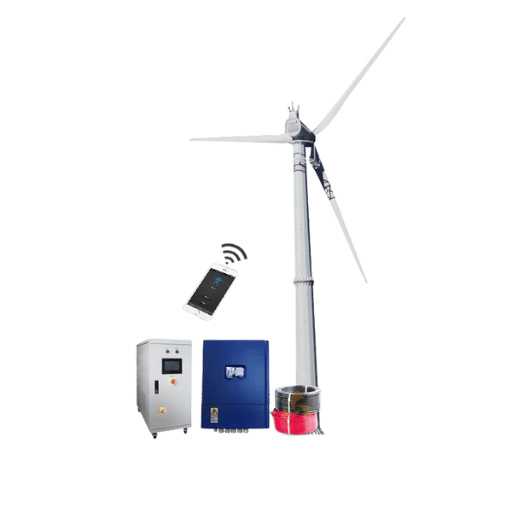
Wind energy is a key aspect in pursuing sustainability, as it is a clean, abundant, and renewable source of energy that reduces dependency on fossil fuels, thereby reducing greenhouse gas emissions and contributing to a lower global warming impact. This form of power generation harnesses wind movement to generate electricity from turbines, offering a sustainable alternative to traditional energy resources. Utilizing wind resources, countries can move toward energy independence and help foster the economic growth of the renewable energy sector.
Current Trends in Wind Tower Manufacturing
An incredible transformation is underway in the wind tower manufacturing industry, with competing turbine designs and a growing demand for both onshore and offshore wind energy systems. According to manufacturers, the taller the tower, the more power is captured at lower wind speeds; hence, wind towers are enhanced to proceed with height and power optimization. Automation and advanced engineering techniques have significantly improved wind tower manufacturing, while innovative technologies are now being integrated to optimize turbines and extend their lifespan. These are the trends that must emerge to meet global renewable energy targets in place for 2025 and beyond.
Overview of Wind Turbine Technology
At the heart of wind energy production, innovation in wind turbine technology continues to improve turbine efficiency and capacity. The turbines are designed to harness the kinetic energy of the wind into mechanical power, which is then converted into electricity. Present-day turbines can operate effectively under various environmental conditions commonly found in offshore wind farms. Manufacturers are busy optimizing turbine components to achieve maximum energy output, lower maintenance costs, and proper synchronization with existing energy infrastructure, thereby contributing to a sustainable energy future.
Top 15 Wind Turbine Manufacturers
1. RESIZE
Founded: Year not specified
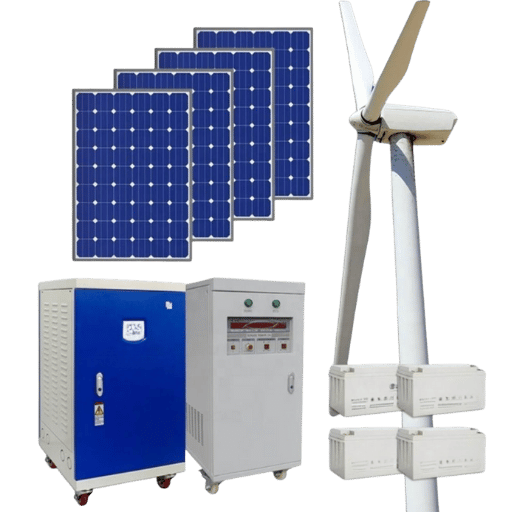
Introduction: RESIZE is a leading innovator in wind tower manufacturing, known for its cutting-edge technology and sustainable practices.
Main Products: Wind turbine towers, offshore and onshore solutions
Advantages: High efficiency, innovative designs, and strong focus on sustainability
Disadvantages: Limited information available about global operations
2. Vestas
Founded: 1945
Introduction: A global leader in wind energy solutions, Vestas specializes in the design, manufacturing, installation, and servicing of wind turbines.
Main Products: Onshore and offshore wind turbines
Advantages: Strong global presence, innovative turbine technology
Disadvantages: High initial costs
3. Siemens Gamesa
Founded: 1976
Introduction: A pioneer in wind energy, Siemens Gamesa offers a wide range of wind turbines tailored for various conditions.
Main Products: Onshore and offshore wind turbines
Advantages: Advanced technology, global reach
Disadvantages: High maintenance costs for older models
4. GE Vernova
Founded: 2024
Introduction: A division of General Electric, GE Vernova focuses on renewable energy solutions, including wind turbines.
Main Products: Onshore wind platforms, advanced turbine designs
Advantages: Technological innovation, strong R&D
Disadvantages: Limited operational history
5. Goldwind
Founded: 1998
Introduction: A major Chinese wind turbine manufacturer, Goldwind is known for its permanent magnet direct-drive turbines.
Main Products: Wind turbines, energy storage solutions
Advantages: Cost-effective, innovative technology
Disadvantages: Limited presence outside Asia
6. Nordex SE
Founded: 1985
Introduction: A German company specializing in the design and manufacturing of wind turbines.
Main Products: Onshore wind turbines
Advantages: Customizable solutions, strong European presence
Disadvantages: Limited offshore capabilities
7. Enercon
Founded: 1984
Introduction: A German manufacturer known for its gearless turbine technology.
Main Products: Onshore wind turbines
Advantages: High efficiency, low maintenance
Disadvantages: Limited offshore offerings
8. Suzlon
Founded: 1995
Introduction: An Indian company offering end-to-end wind energy solutions.
Main Products: Wind turbine generators
Advantages: Cost-effective, strong presence in emerging markets
Disadvantages: Financial instability in recent years
9. Ming Yang Smart Energy
Founded: 2006
Introduction: A Chinese company specializing in advanced wind turbines and renewable energy solutions.
Main Products: Onshore and offshore wind turbines
Advantages: Innovative designs, strong R&D
Disadvantages: Limited global presence
10. Envision Group
Founded: 2007
Introduction: A Chinese company focusing on smart wind turbines and energy storage systems.
Main Products: Wind turbines, AIoT-powered batteries
Advantages: Advanced technology, sustainability focus
Disadvantages: High initial investment
11. Senvion
Founded: 2001
Introduction: A German company offering wind turbines and related services.
Main Products: Onshore and offshore wind turbines
Advantages: Reliable technology, strong European market
Disadvantages: Financial challenges
12. Acciona Energía
Founded: 1997
Introduction: A Spanish company exclusively focused on renewable energy.
Main Products: Wind turbines, solar energy solutions
Advantages: Strong sustainability focus
Disadvantages: Limited product range
13. Sinovel
Founded: 2005
Introduction: A leading Chinese wind turbine manufacturer.
Main Products: Large-scale wind turbines
Advantages: Cost-effective, strong domestic market
Disadvantages: Limited international presence
14. NextEra Energy
Founded: 1925
Introduction: A U.S.-based company and the largest owner of wind farms in North America.
Main Products: Wind farms, renewable energy solutions
Advantages: Extensive experience, strong market position
Disadvantages: Focused primarily on North America
15. Ørsted
Founded: 2006
Introduction: A Danish company and the world’s largest offshore wind developer.
Main Products: Offshore wind farms
Advantages: Expertise in offshore wind
Disadvantages: High costs
Latest Technological Advancements in Wind Towers
Innovations in Turbine Design and Performance
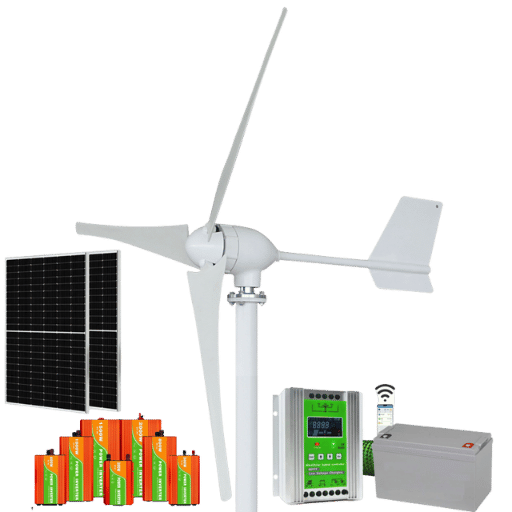
Turbine design innovations have significantly enhanced the performance and efficiency of wind turbines in recent years. Developments in aerodynamics and material science have made it possible to increase the size yet lighten turbine blades, which can gather a great deal of wind energy. Companies such as Vestas and Siemens Gamesa are designing turbines for maximum energy croppage even in low wind conditions. These new-age technologies are sure to improve the performance of wind farms and thereby, cut down on the cost of wind energy, making it competitive with conventional energy sources.
Integration of Smart Technology in Wind Farms
The integration of smart technology in wind farms marks a significant leap forward in the wind industry. By employing IoT and AI-driven systems, manufacturers are optimizing turbine operations and maintenance processes. Smart sensors and data analytics provide real-time monitoring and predictive maintenance solutions, increasing the reliability and lifespan of wind turbines. This technology is pivotal in enhancing the overall efficiency of wind farms, ensuring sustainable energy production while minimizing operational costs and downtime.
Enhancements in Offshore Wind Turbine Engineering
Achieving the realization of quantities requires that those involved in offshore wind turbine engineering be further improved. Manufacturers are designing formidable turbines capable of resisting the rigors of the ocean environment. Floating turbines are one such innovation that opens up the possibility of installations in deep waters with higher wind speeds and greater consistency. These developments will be instrumental in further developing offshore wind resources, supporting the global shift toward renewable energies by exploring previously inaccessible sites.
Sustainability Practices in Wind Tower Manufacturing
Eco-friendly Materials
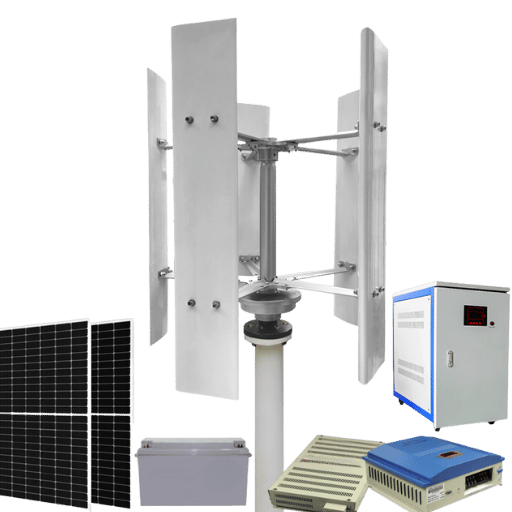
Leading manufacturers are utilizing environmental materials in the production of wind turbines. In their effort to hamper ecological degradation, these companies are considering sustainable materials such as recyclable composites or eco-friendly biodegradable lubricants. These materials not only bring to bear on the strength of the wind towers but also make for the very sustainability of the manufacturing activity.
Recycling & End-of-Life Solutions
Now, while wind turbine recycling and end-of-life solutions are gaining interest to address turbine disposal issues, newer and innovative methods for disassembling and recycling turbine parts to reduce waste and minimize environmental hazards are evolving rapidly. The manufacturers, together with the experts, are working on circular economy models that assure that materials coming from decommissioned turbines will either be reused or repurposed.
Carbon Footprint Reduction
Reducing carbon emissions from manufacturing is the primary concern for wind turbine manufacturers in their efforts to increase sustainability. Energy-efficient production techniques, in synergy with renewable energy sources, are being implemented at scale by the industry, with companies like GE and Goldwind leading the charge. There has been significant advancement in cleaner production, including further optimization of supply chains and reduction of emissions in the manufacturing and transportation stages of turbine components.
Market Trends and Future Outlook for Wind Energy
Growth Projections for Wind Power Capacity
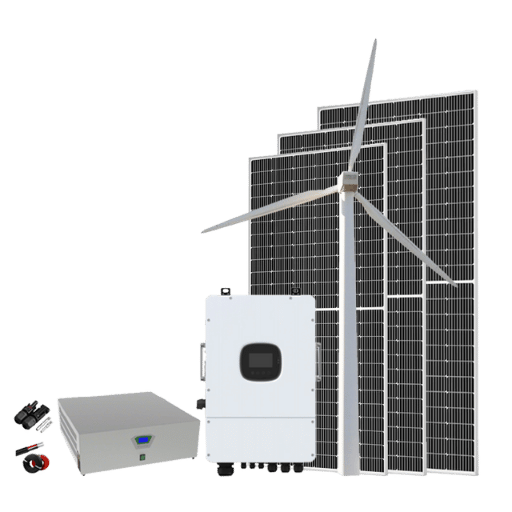
According to estimates, the wind power installation level is expected to increase significantly by 2030. This rapid growth rate is attributed to the world’s push to seek sustainable energy, as well as growing onshore and offshore wind development activity. Given the rising technologies and increased investment in wind tower infrastructure, industry sources claim that the capacity of wind energy will reach new heights. These growth projections are a crucial factor in achieving renewable energy targets and combating climate change.
Impact of Government Policies on Wind Manufacturing
Government policies have a significant influence on the wind manufacturing sector. The assortment of support mechanisms, such as subsidy plans, tax rebate incentives, and renewable energy mandates, is the mode through which investment is glutted into wind technology. Reduction of carbon emission and promotion of clean energy solutions stand as a fast track for both onshore and offshore wind projects. These regulatory frameworks, in fact, also serve to extend the wind industry and trigger it to innovate and vie among the largest wind turbine manufacturers for a sustainable energy future.
Emerging Markets in Wind Energy
Wind energy in emerging markets offers immense growth potential. Most Asian, African, and Latin American nations are investing more in wind power for energy diversification and a reduction in fossil fuel use. As these regions have a vast wind resource potential, they are attracting interest from wind turbine majors such as Vestas, Siemens Gamesa, and Goldwind. With improvements in infrastructure and supply chains, emerging markets are poised to be a significant catalyst for the global transition to clean energy solutions.
How to Choose the Right Wind Tower Manufacturer
Selection Guide Checklist
- 1
Evaluate the manufacturer’s reputation and experience in the industry - 2
Understand product offerings and technological innovations - 3
Assess customer support and after-sales service quality
Evaluating Manufacturer Reputation and Experience
In choosing a wind tower manufacturer, the reputation and experience of the manufacturers must be analyzed. Established manufacturers like GE and Siemens have a rich history of furnishing wind turbines that perform well in and under variances of wind conditions. One measures the quality of the towers and turbines by referencing previous projects, testimonials from customers, and industry recognitions. Experienced manufacturers provide assurance for the successful implementation of a wind power project while minimizing risks.
Understanding Product Offerings and Innovations
Awareness of the product offering and the innovations by the manufacturer of wind towers need to be evaluated while making the decision. The manufacturers Nordex and Enercon are recognized for their innovative turbine designs and technological advancements. Analyzing the range of turbine components, customizations, and technical innovations available can help arrive at a decision as to which is the best fit for particular wind energy requirements. Contemplating the aspect of innovation will guarantee that the manufacturer can offer solutions that maximize energy output and are capable of adapting to changes in industry standards.
Assessing Customer Support and Service
Customer support service is a very important factor when choosing a wind tower manufacturer. Manufacturers who can be trusted offer full support during installation and maintenance to help wind turbines perform optimally throughout their lifetime. Other factors that can assure ongoing support are looking into technical support, warranty, and service options after purchase. The services that manufacturers provide can help facilities navigate wind farm issues and contribute to the overall success of renewable energy projects.
Conclusion
The wind energy industry’s evolution remains rapid, driven by technological advancements and increasing environmental consciousness. The 15 most prominent manufacturers in this exhaustive guide are at the very cutting edge of wind turbine technology, each offering particular sets of strengths to the global renewable energy arena. Toward a greener future, these leaders in the industry will assist with the pursuit of ambitious renewable energy goals and serve as a clean and efficient means to fight climate change.